the Editor says: Underwater photography is winning over more and more divers, and I'm sure many of you, like me, keep adding gear to your collection. But choosing the right add-on macro lens for underwater macro photography is a question that has truly puzzled me. I'm thrilled that Robbin is willing to share his experience with selecting add-on macro lenses. Come find the gear that's right for you and shoot the most stunning photos! (Don't forget to clap for us at the end of the article to show your support for BlueTrend)
More and more new friends have been joining the underwater photography community lately — thank you all for appreciating, encouraging, and supporting my work.
The question I've been getting most often in private messages from newcomers lately is...
How Do You Choose a Macro Lens??
So I figured I'd write a personal experience-sharing post with my recommendations on macro lenses.
Those who've asked before can read it again as a refresher; those who haven't can dive straight into my formula.
Honestly, I'm not a specialist in researching macro lenses, so I can't give you a lot of technical, jargon-heavy breakdowns. I can only share my experience from hands-on use. Of course, my recommendations aren't the definitive or absolute answer — they're purely a personal share of my underwater photography experience. I'll keep the explanation below pretty direct — it might be a little blunt, but don't mind that!


Macro Lens Recommendations for Beginners
Since beginners typically already struggle with focusing, adding a macro lens makes the depth of field even shallower, leaving only a tiny sliver of distance in focus. For beginners, I strongly advise against jumping straight to a high-magnification macro lens, because the focusing challenges alone will leave you incredibly frustrated — frustrated enough to want to give up underwater photography altogether. So hold off on anything in the +20-something to +30 range for now — or if your budget allows you to get one anyway, that's fine, but whatever you do, don't use it to practice. You'll want to quit.
As the saying goes: fight a boss above your level and you'll die fast! Haha!!
For beginners, I'd recommend sticking with a macro lens in the +10 to +12 range. A +5 doesn't magnify much and isn't really worth it.
The +10 to +12 magnification range is decent, and the depth of field is still manageable, so it's the more recommended choice. I've used the video below to demonstrate the difference in apparent size between +12 and +30.
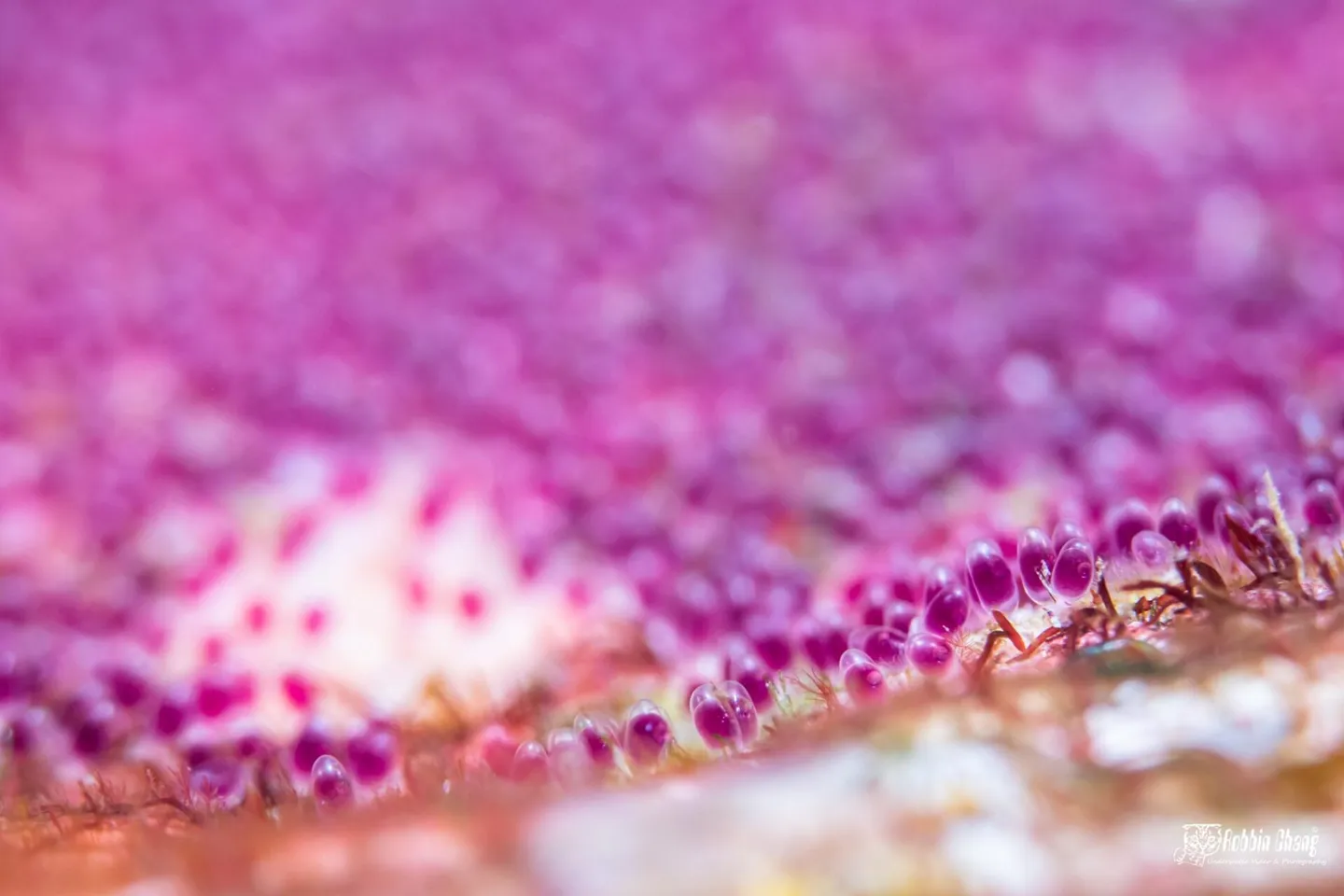
Subject: eggs of a blue damselfish
Actual size of subject: approximately 1mm long × 0.5mm wide
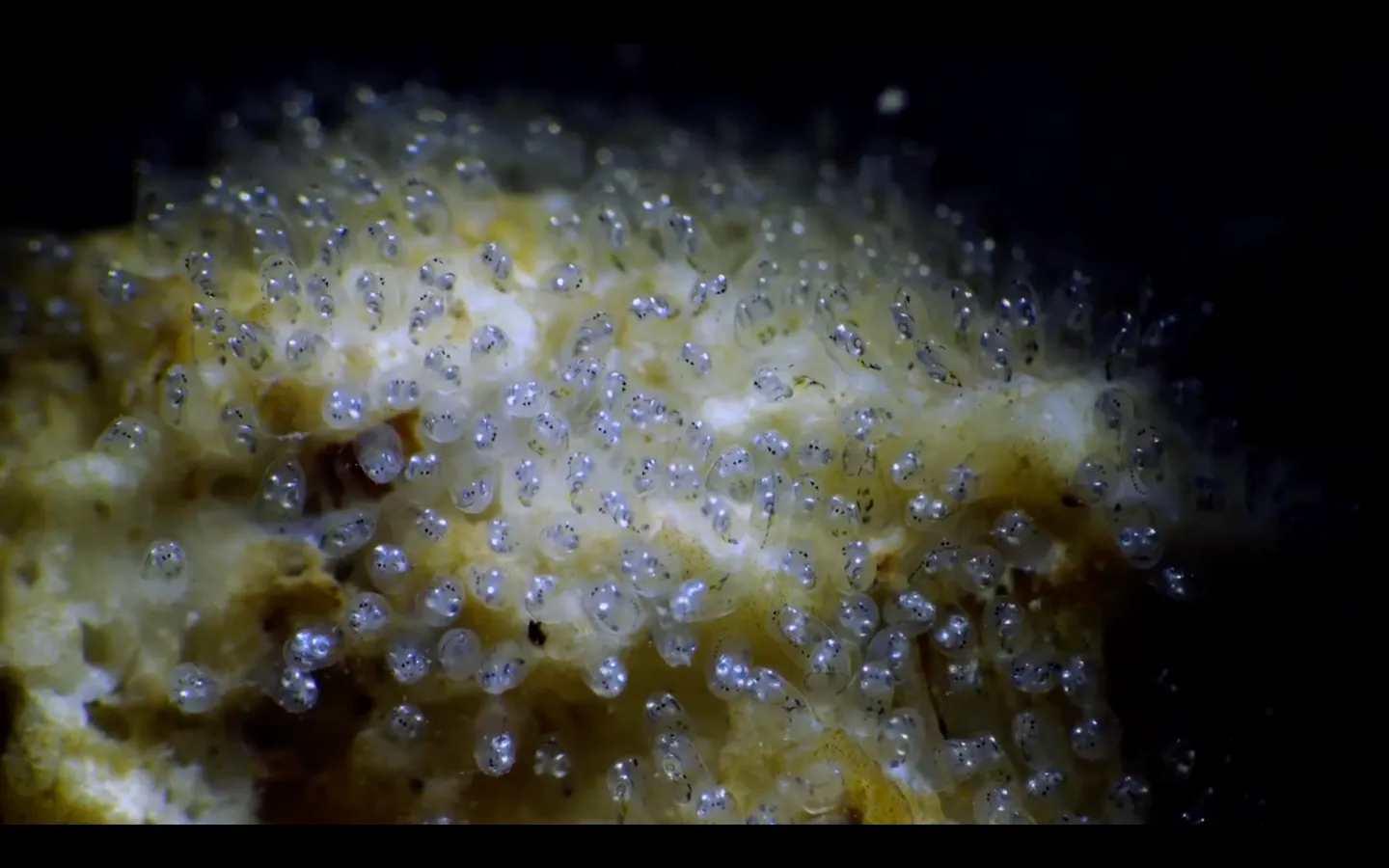
A gentle reminder: I know that after watching you might feel like the +30 magnifies beautifully — but once again, fight a boss above your level and you'll die fast. Please use with caution.
After watching the video, you'll notice that with a +10–12 macro lens, roughly 5–6 rows of eggs can be brought into focus, allowing you to show off more of what you want to present. As for the +30, you can clearly see the brute-force magnification and the bokeh blur outside the focus zone — which is both a strength and a weakness. You'll notice the eggs' eyes behind the focal point are blurred into shimmering little bokeh balls. If you look closely, you'll see that the +30 macro lens only keeps two rows of eggs in focus. As I mentioned above, each egg is roughly 0.5–1mm, which means when the lens is at its maximum, your focal plane is less than 2mm — focusing will make you want to give up on life.
While magnifying your subject is certainly a great way to present it, in my personal experience, "composition" is the most important element in telling the story of a photograph. Magnification is simply a tool to add icing on the cake. The above is my personal experience.
To avoid any appearance of advertising, no brand names for macro lenses are mentioned here. If you truly don't know which macro lens to choose, feel free to send me a private message, and I'll give you recommendations for a macro lens and brand based on your skill level.
Related links: