Contents(8)
- What Are the 2 Types of Underwater Blackwater Photography?
- 1. Bonfire Blackwater Photography:
- 2. Deep Blackwater Photography:
- The Most Dangerous Aspect of Blackwater Shooting: Regardless of Experience Level, These 3 Mistakes Are Easy to Make
- 1. Chasing Subjects and Losing Your Bearings
- 2. Chasing Subjects and Ascending Rapidly in a Short Time
- 3. Proficiency with Your Surface Marker Buoy (SMB)
- Reflections on Blackwater Shooting
The Editor says: In recent years, blackwater photos have repeatedly taken home medals at world-class underwater photography competitions, sparking a growing blackwater photography craze in the underwater imaging community. But while everyone chases the perfect shot, do you truly understand the risks involved in blackwater shooting? This article is shared by photographer Nick Zhan, who has traveled abroad specifically for blackwater photography. We hope it helps more underwater photographers appreciate both the allure and the risks of blackwater photography.
Given that blackwater diving has recently been gaining popularity along the Northeast Coast, safety issues surrounding blackwater diving rarely get discussed. I've decided to share some of my own safety experiences from boat-based blackwater dives. I'm just a nobody, so if anything here is incorrect, please feel free to offer your corrections and guidance.
What Are the 2 Types of Underwater Blackwater Photography?
First, let me explain the two types of blackwater shooting: bonfire blackwater and deep blackwater.
1. Bonfire Blackwater Photography:
The boat anchors above a body of water roughly 10–30 meters deep. Sufficiently bright lights are rigged at approximately 6–8 meters depth to attract marine life that responds to light. Photographers on the boat dive and circle the lights searching for subjects to shoot.
2. Deep Blackwater Photography:
The boat hovers above open ocean with no visible bottom. One or more lights are rigged at approximately 6–8 meters and again at 20–30 meters depth to draw larger deep-water marine life up from the depths toward the lights. The boat follows and moves with the photographers. Photographers on the boat dive and circle the lights searching for subjects to shoot.
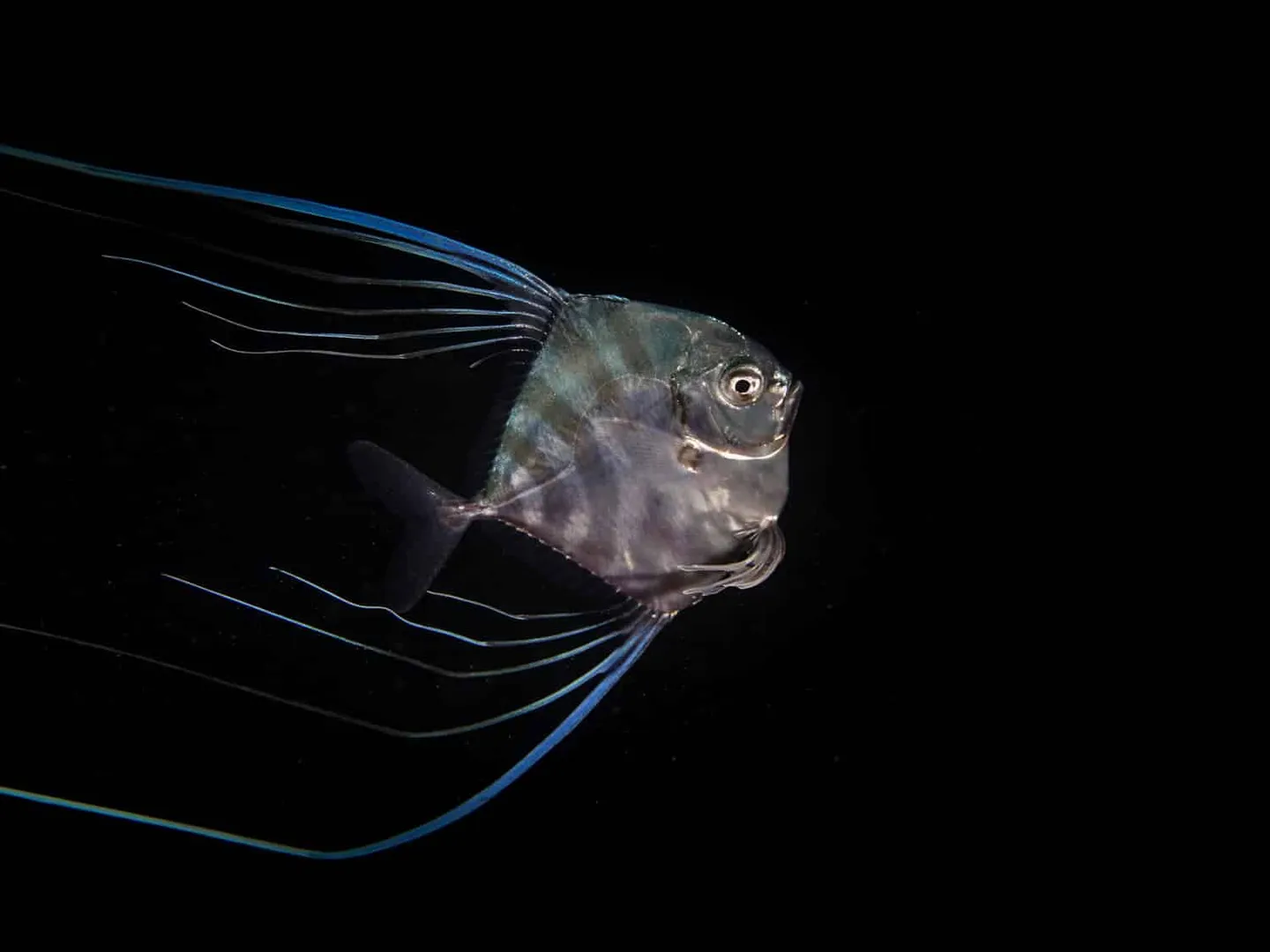
A blackwater photography shot


The Most Dangerous Aspect of Blackwater Shooting: Regardless of Experience Level, These 3 Mistakes Are Easy to Make
1. Chasing Subjects and Losing Your Bearings
Chasing a subject, losing your sense of direction, and being unable to locate the boat — leaving you no choice but to surface. But at night, people on the boat cannot see a diver who has surfaced, and there is a real risk of being struck by the vessel. My solution is to keep track of the lights' direction at all times while pursuing a subject, and to give up on shooting once I've gone beyond a certain distance. This is genuinely difficult — when a rare creature appears, it's a real struggle to let it go and not shoot it. Alternatively, hire a professional dive guide to stay by your side at all times and bring you back near the boat if you lose your bearings.
2. Chasing Subjects and Ascending Rapidly in a Short Time
Chasing subjects can lead to rapid ascents and descents within a very short period. Anyone who has completed an Open Water Diver (PADI/SSI cert) course knows that ascending too quickly can cause expanding air to injure the lungs. During blackwater shooting, however, rapid ascents in pursuit of subjects happen very frequently and can easily cause lung injuries — and in more serious cases, decompression sickness (DCS). My solution is to wear my dive computer somewhere I can easily glance at it while chasing subjects, and as soon as the ascent-rate warning appears, I slow down to avoid injury. Missing a shot won't kill you, but if you push yourself to the limit chasing a subject, the creature won't get hurt — you might.
3. Proficiency with Your Surface Marker Buoy (SMB)
How proficient are you at deploying a surface marker buoy (SMB)? If you're unfortunate enough to drift far from the boat while chasing a subject and need to surface, can you deploy your SMB competently in the dark? Getting swept away during a blackwater dive is very easy to happen, and you may have no one nearby. In that situation, are you capable of holding onto your camera and calmly deploying your SMB?
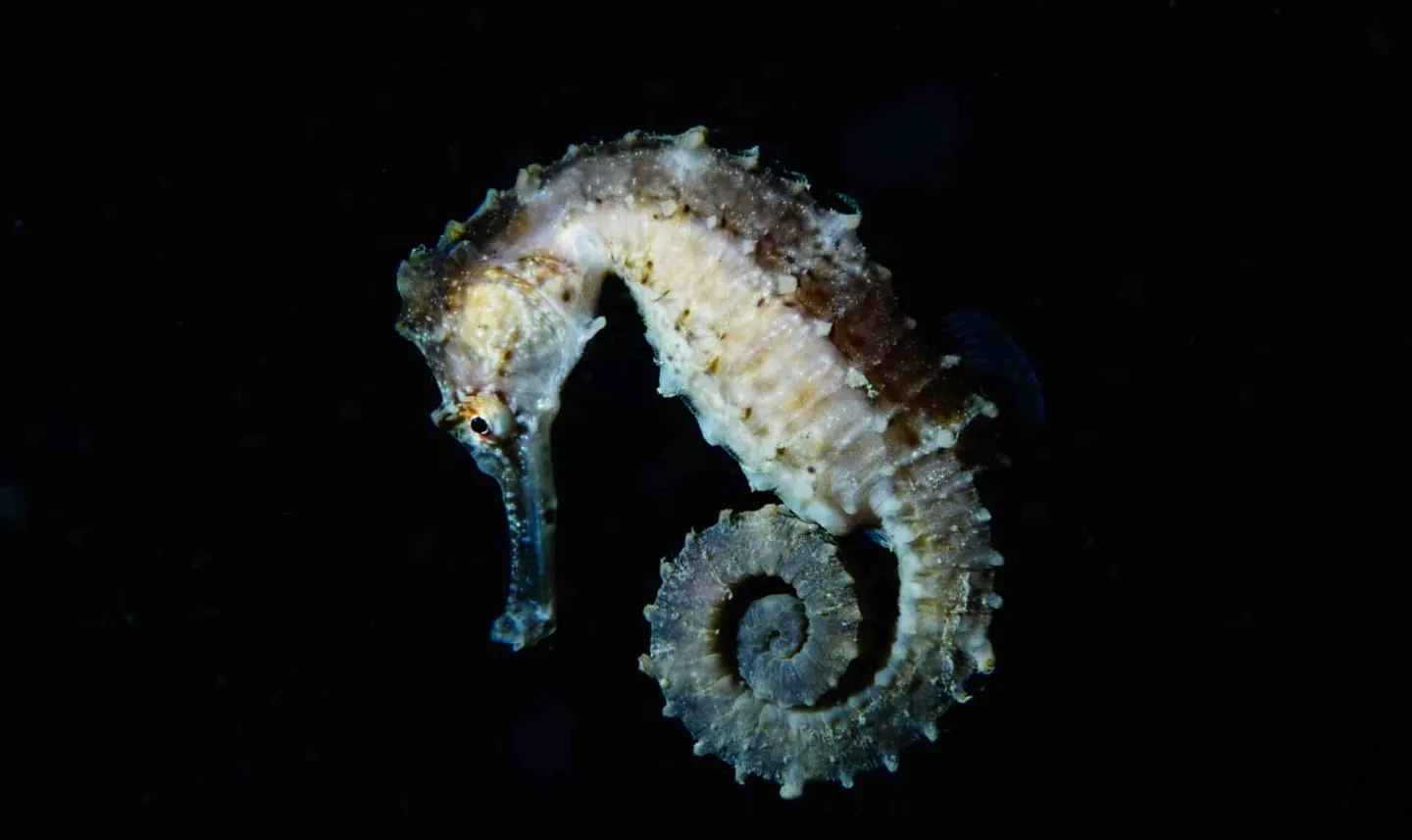
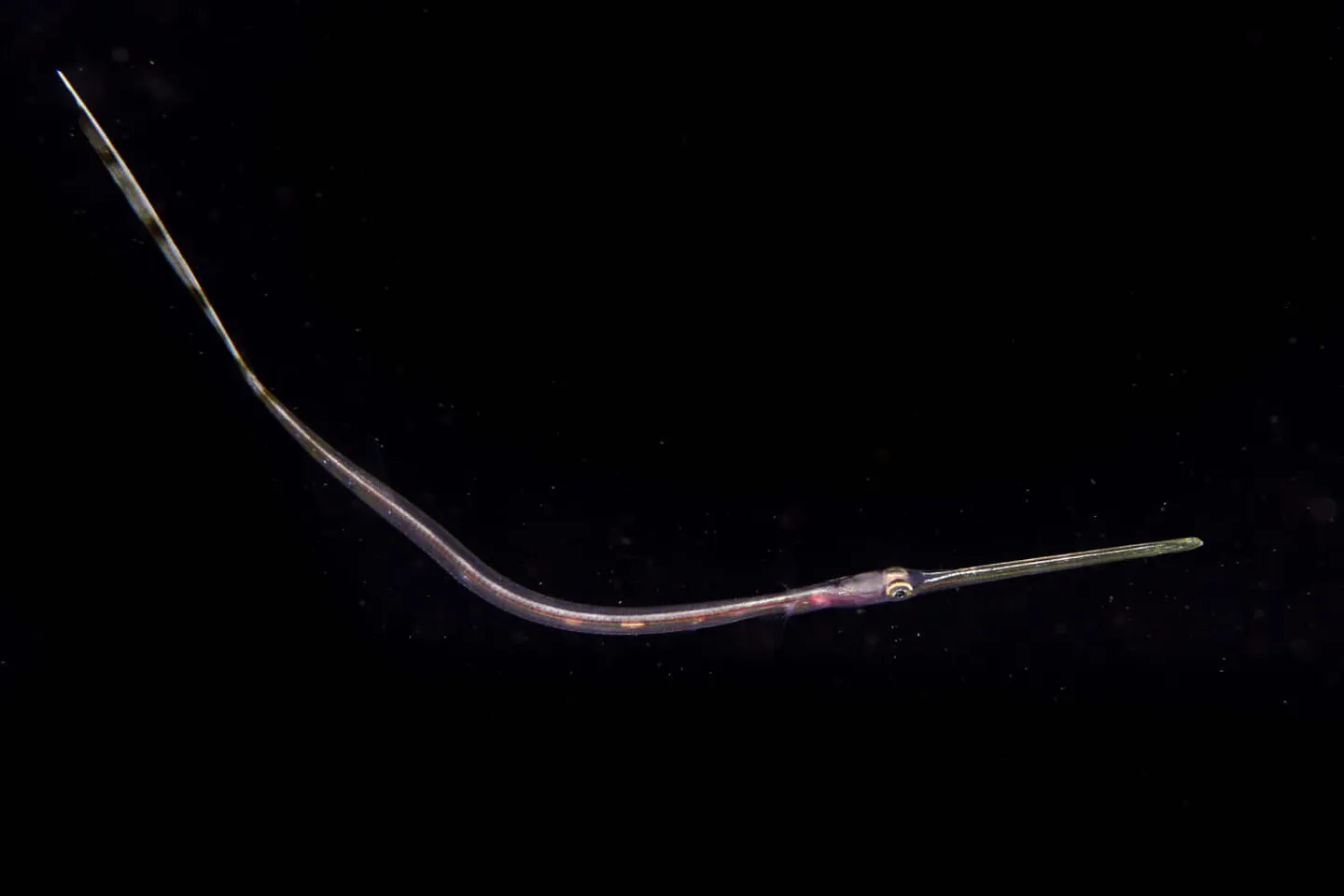
A seahorse captured during a blackwater photography dive
Reflections on Blackwater Shooting
Let me share an experience I had at Anilao photo academy. When I told the dive shop we wanted to do a deep blackwater boat dive, they politely declined. They asked us to first attempt several bonfire dives so they could gauge our familiarity with this type of diving before they would agree to take us on a deep blackwater dive. This experience made clear that blackwater diving is not suitable for divers without blackwater experience — unless you already understand the dangers involved. I strongly recommend starting with bonfire blackwater dives to build up experience gradually. I hope everyone who ventures into blackwater photography returns home safely and with great shots.
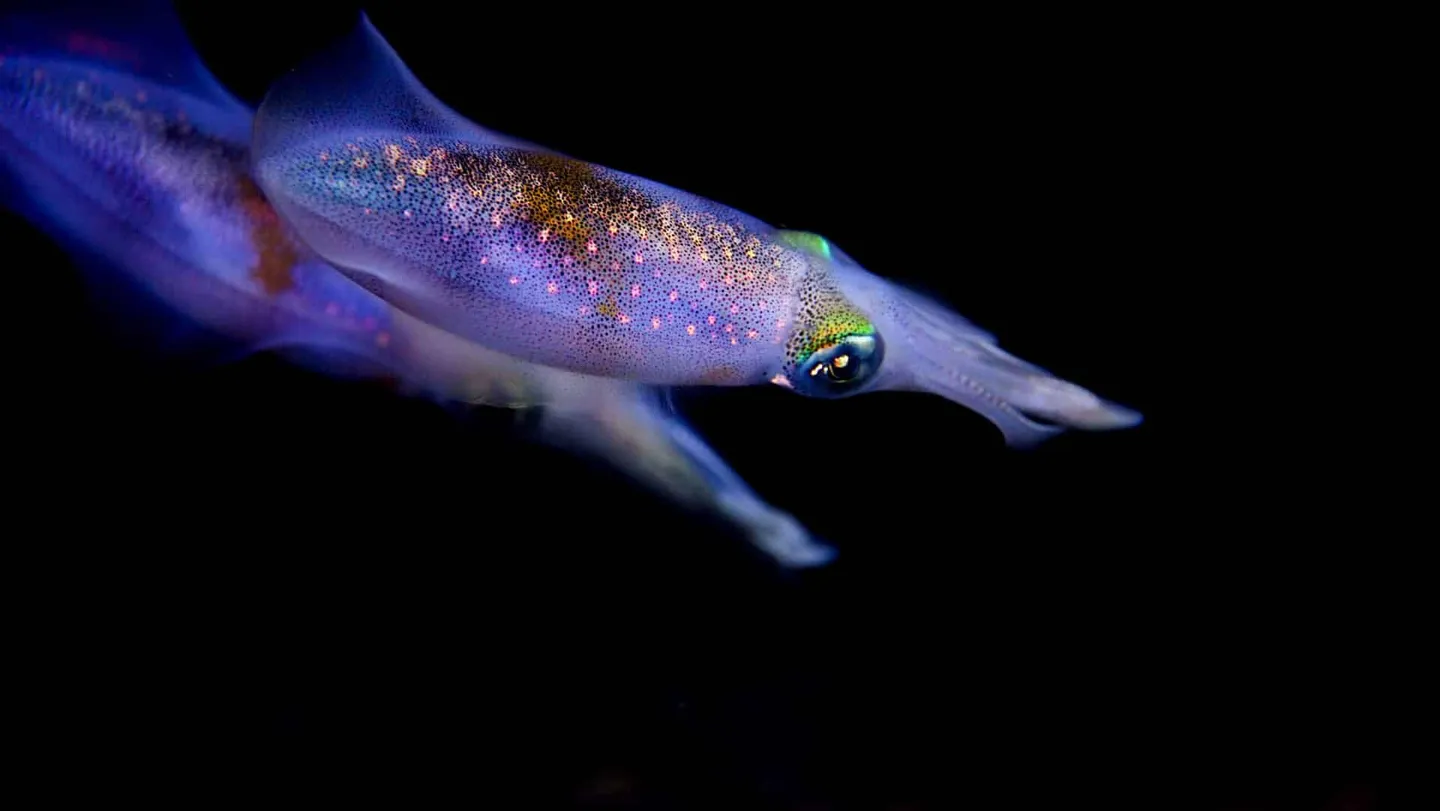
Blackwater photography
Managing Editor: Jenny Tsai
Related Links: