The Editor says: As divers, we are willing to travel to every corner of the world — no matter how winding the road — just to get close to the most beautiful dive sites and the most unique marine life on the planet. For those of us based in Taiwan, our most commonly arranged local dives are the Northeast Coast in the north, Kenting in the south, Xiaoliuqiu in the west, and the eastern offshore islands: Green Island and Orchid Island. Let's take a look at where divers in the United States go to explore their secret dive sites! Editor-in-charge: Ingrid Wang
Secret Dive Sites in the USA
Monterey Bay, California
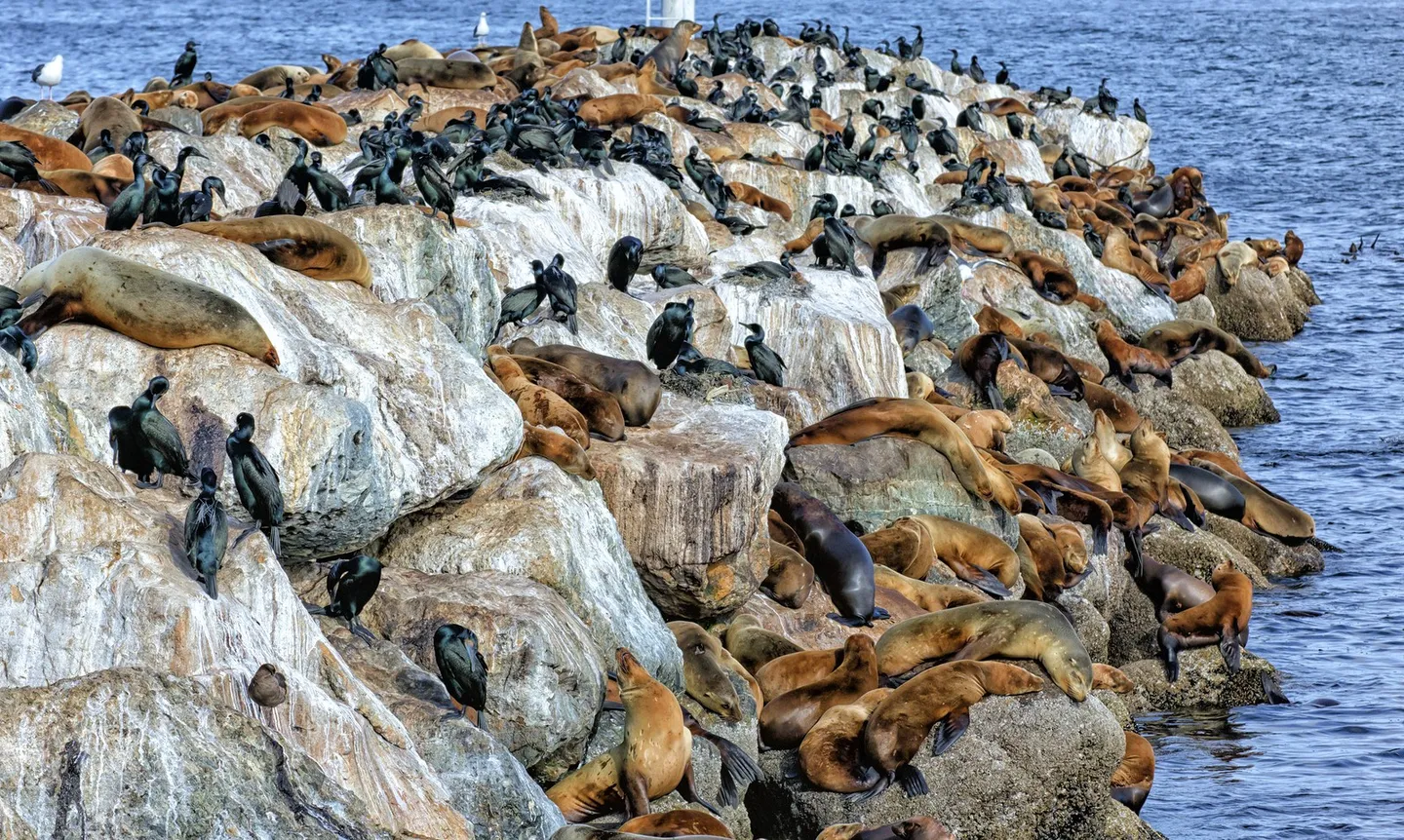
Sea lions and cormorants share the Monterey Bay coastline. Image source: https://scubadiverlife.com/
The Monterey Bay National Marine Sanctuary encompasses the Año Nuevo State Marine Reserve and is one of the most ecologically rich areas along the California coast. This pristine region — particularly Bluefish Cove and Whaler's Cove — has a daily limit of 30 divers, so advance online reservations are required. Precisely because of this restriction, the area has preserved wildlife rarely seen elsewhere in California, including harbor seals, abalone, Leopard Sharks, and lingcod.
Diving conditions here are suitable year-round. Large rocks run parallel to the sandy beach, making navigation straightforward. During the day, look carefully into rock crevices for moray eels, shrimp, and small fish; at night, you can easily spot nudibranch on the hunt.
Monterey Bay boasts crystal-clear water and sheltered coves, making it manageable for divers of all skill levels. Even in summer, water temperatures range from 10–15°C, so a drysuit is highly recommended. Visibility ranges from 3 to 9 m.
Santa Catalina Island, California
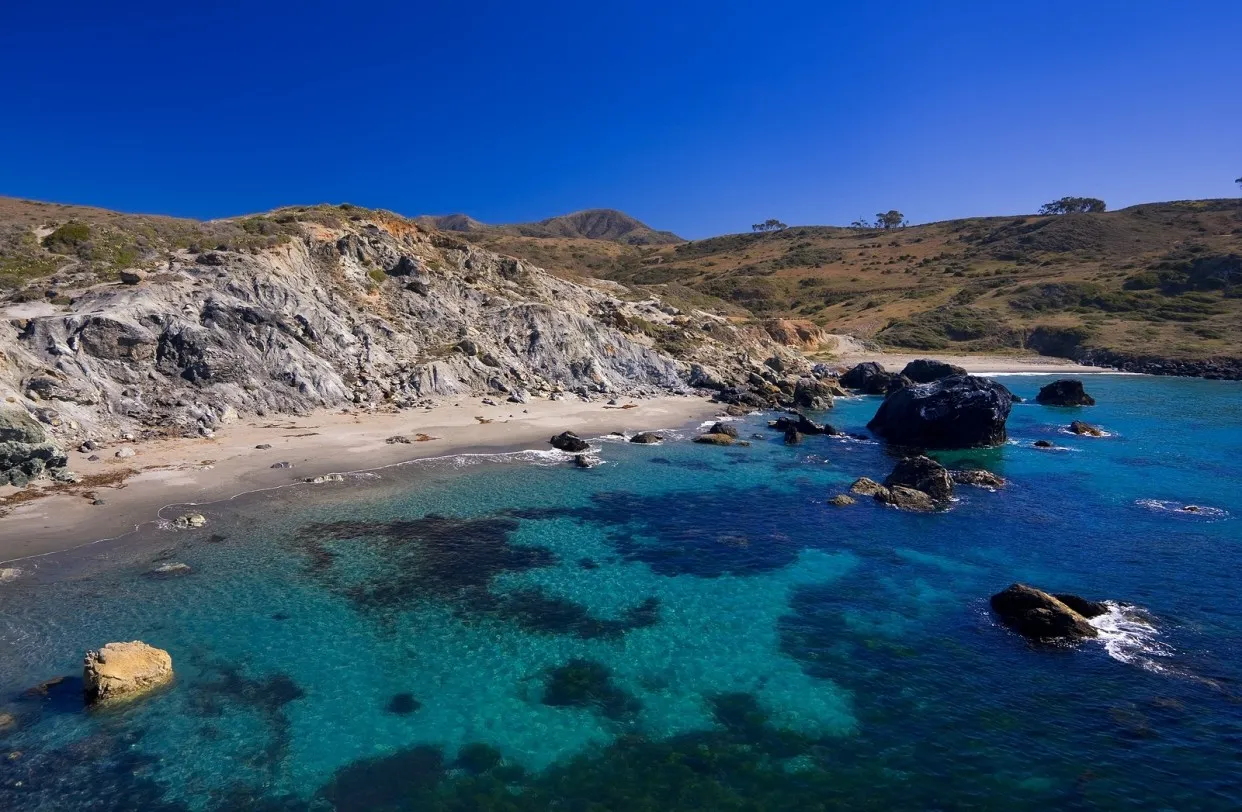
A beautiful beach and cove on Catalina Island, California. Image source: https://scubadiverlife.com/
There are several dive sites along Santa Catalina Island, and Ship Rock is the standout among them. Located about 2 km offshore, this site lets you spot damselfish, sheephead, giant Pacific octopus, Leopard Sharks, and angel sharks gliding through California's vast kelp forests.
The underwater canyon topography at Ship Rock attracts pelagic species as well, including yellowtail tuna and mola mola / sunfish.
Visibility at this site is excellent, and the kelp forest is expansive and healthy — well worth the trip.
Dive depths range from 6 m to 40 m, visibility from 12 m to 30 m, making it suitable for divers of all levels. Water temperatures range from 13°C to 22°C, so a drysuit or a thick wetsuit is ideal.
Channel Islands, California
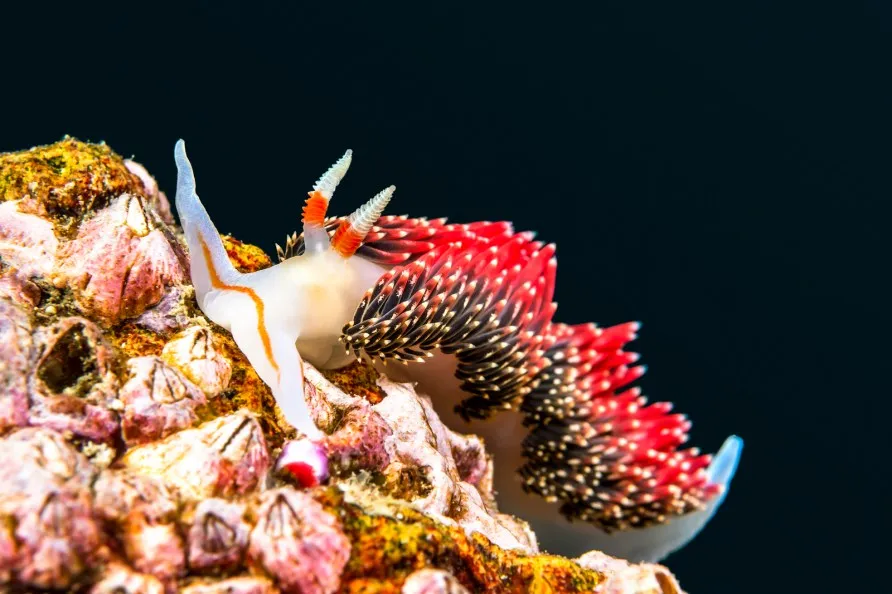
A nudibranch known as "Hilton's" crawls across a reef in California's Channel Islands. Image source: https://scubadiverlife.com/
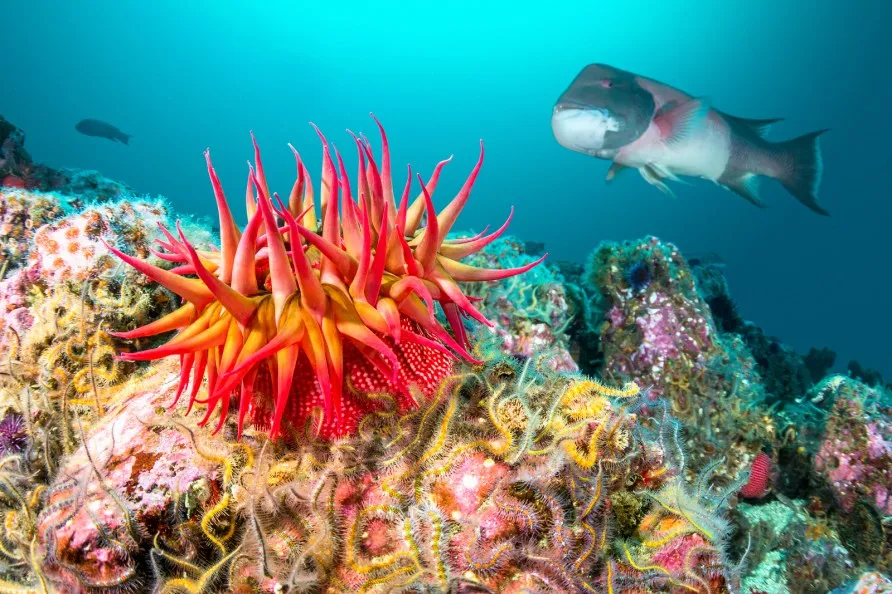
A red rose sea anemone perched atop a reef in the Channel Islands off Southern California, attracting a large goatfish. Image source: https://scubadiverlife.com/
Channel Islands National Park is made up of five small islands — San Miguel, Santa Rosa, Santa Cruz, Anacapa and Santa Barbara — and sits at the convergence of cold, nutrient-rich northern currents and warm southern ones.
This creates an extraordinarily rich biodiversity environment, and even better, the visibility here is outstanding and consistent. California sea lions and seals are always ready for their close-up; an astonishing variety of nudibranch brings a riot of colour to your lens; and thick, towering kelp forests fill your wide-angle frame. Even more exciting, you may also encounter Stingray, giant sea bass, Grouper, and small wrecks. San Miguel and Santa Rosa are better suited to advanced divers, as the wind makes conditions more challenging. However, Cathedral Cove on Anacapa is a highlight for divers of all levels. Water temperatures here range from 13°C to 21°C.
Southeast Florida
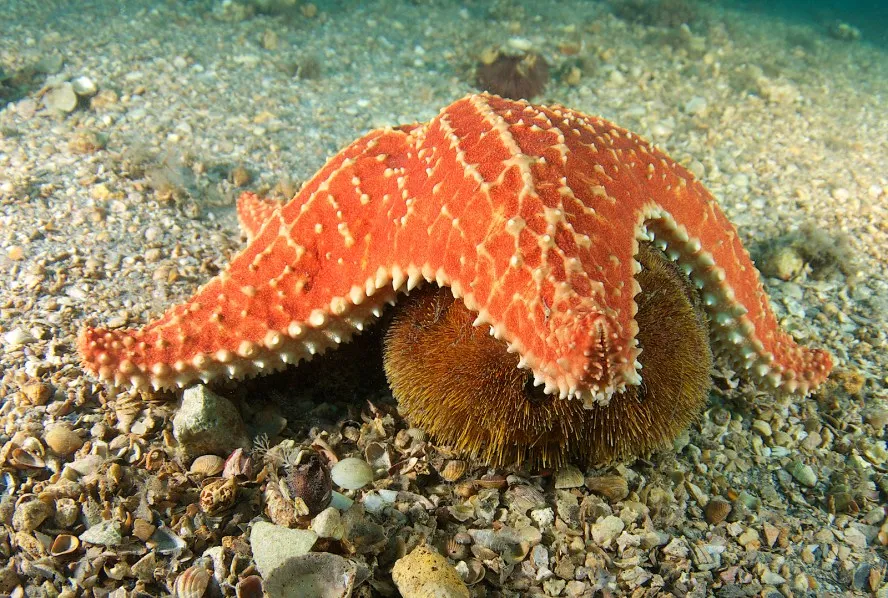
A sea star getting ready to feast on a sea urchin. Image source: https://scubadiverlife.com/
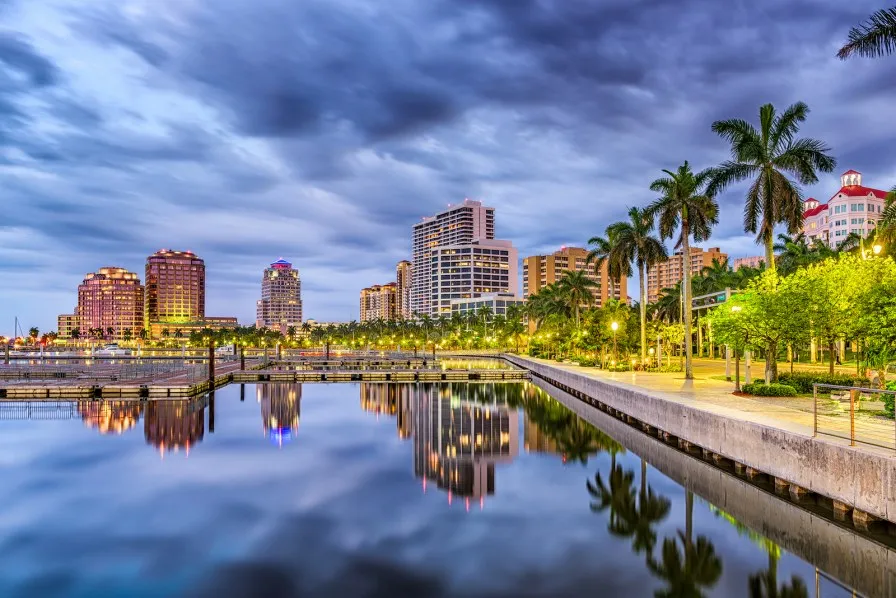
The West Palm Beach skyline. Image source: https://scubadiverlife.com/
This region is home to the longest continuous coral system on the western Atlantic coast, stretching 37 km from Miami all the way to Fort Lauderdale and Palm Beach.
The Gulf Stream acts like a pump, drawing warm, clear ocean water toward shore and warming the waters for divers who come to enjoy more than 100 coral and wreck dive sites.
Some sites are accessible by shore dive, and because the current runs parallel to the reef, drift diving is ideal here. Every dive shop can drop you off at one end and pick you up at the other. (If you plan this trip, make sure your surface marker buoy (SMB) is fully inflated and ready. For a diving refresher, visit https://divingmate.tw.)
From May to September, swimming alongside sea turtles is commonplace. If you look a little further out and keep your eyes wide open, you might spot sharks or sailfish, since these reefs sit along the migration routes of whales and large marine animals.
At Blue Heron Bridge in West Palm Beach, some of the best shallow-water muck diving in the country awaits. In addition to extensive artificial reef projects, there are also a series of historical relics of human — primarily American — environmental destruction, including three retired oil platforms called the Tenneco Towers, worth a solemn visit as a tribute to Mother Earth.
Florida Keys
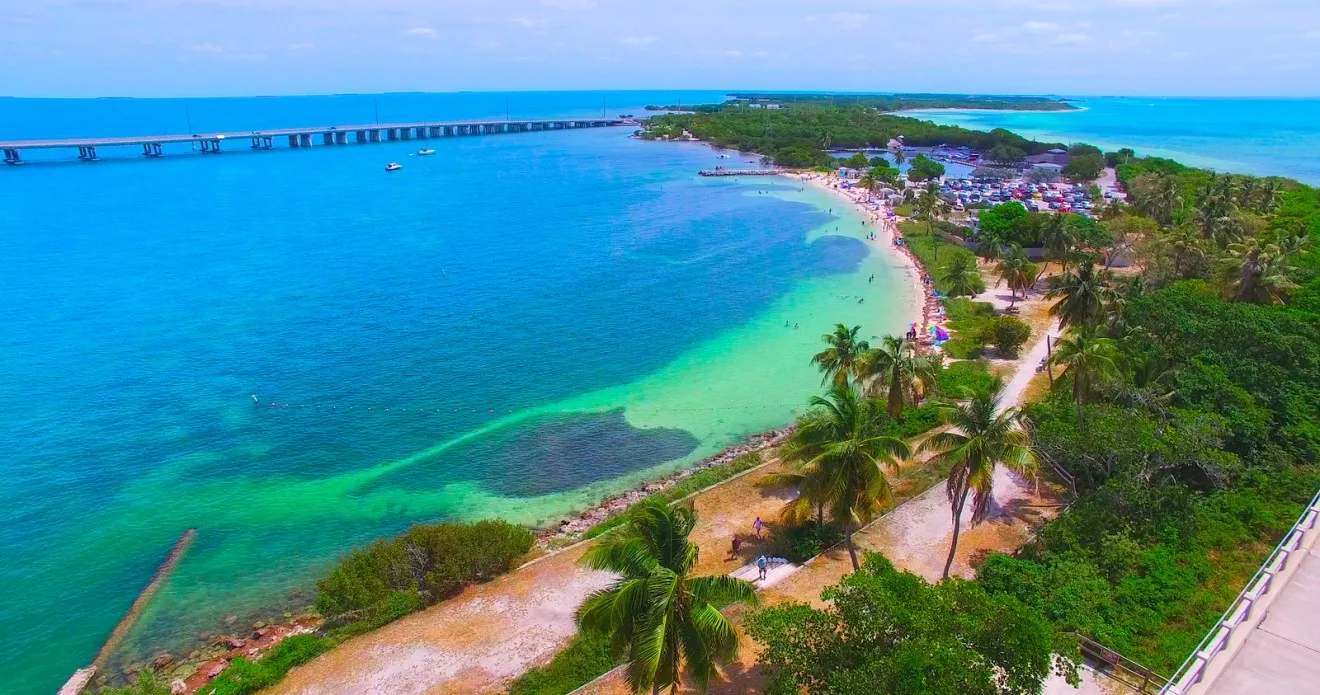
Bahia Honda State Park, Seven Mile Bridge. Image source: https://scubadiverlife.com/
The Florida Keys offer divers everything from shipwrecks to coral — a truly complete diving experience.
The varying depths of the wrecks mean divers of every skill level can enjoy themselves. The USS Spiegel Grove, decommissioned by the U.S. Navy in 1989 and sunk in 2002, and the Vandenberg, decommissioned in 1983 and sunk to the west of the Keys in 2009, is now the second-largest artificial reef in the world (the first being the USS Oriskany). The Vandenberg is a massive ship that once tracked Soviet missiles during the Cold War and is now the world's second-largest wreck dive.
Except for the strong currents around Spiegel Grove — which make it better suited to more experienced divers — the decommissioned U.S. Coast Guard cutters Bibb and Duane in the same area are now home to barracuda and jacks, making them very welcoming for beginners.
Various other wrecks, large and small, are scattered throughout the region, extending all the way to the western end of the Keys and the Vandenberg. Depths range from 14 m to 46 m, welcoming divers of all abilities.
Morehead, North Carolina
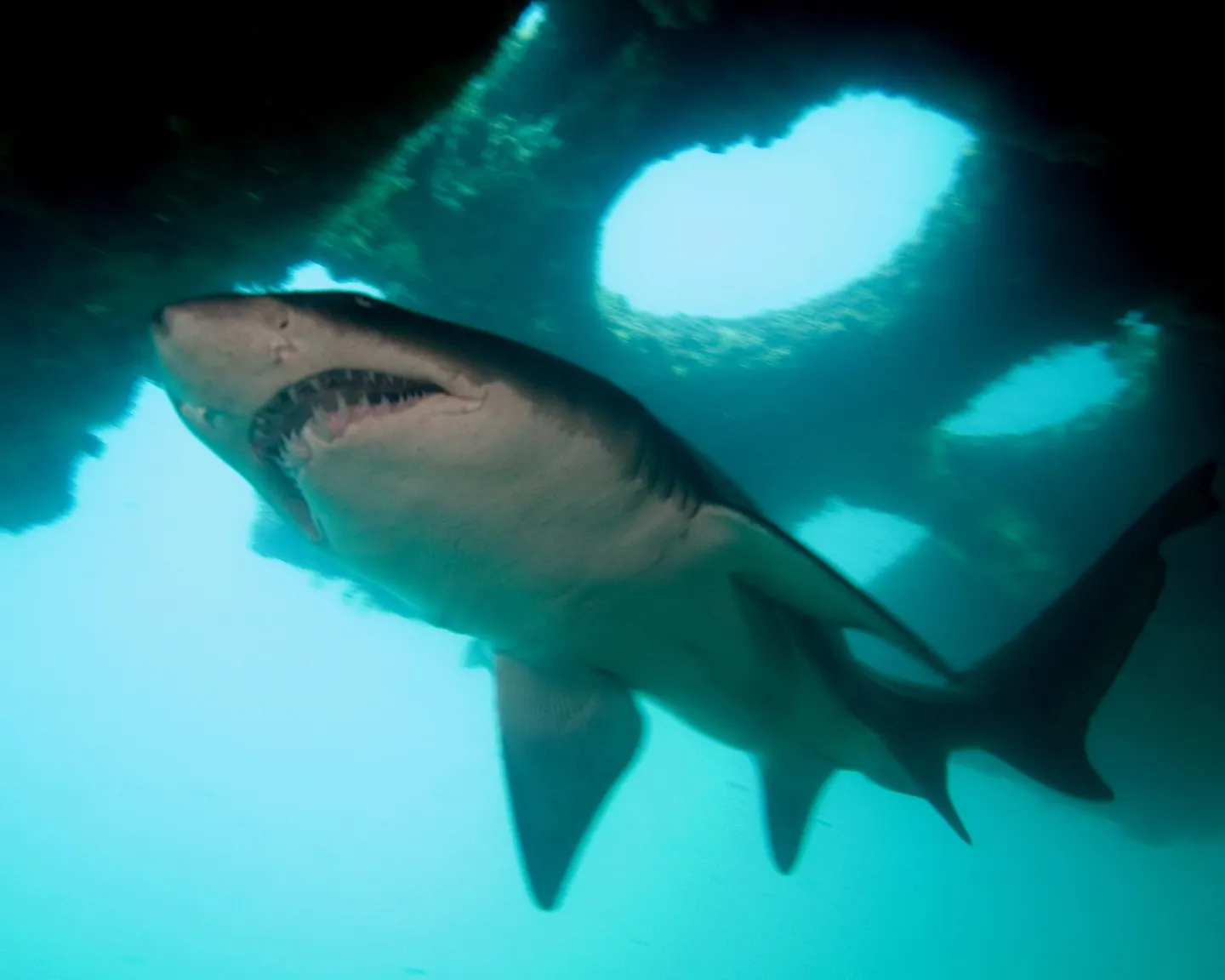
Sand tiger sharks swimming through the wreck of the Indra off the North Carolina coast. Image source: https://scubadiverlife.com/
If you are an intermediate diver with a love of wrecks and sharks, Morehead in North Carolina will give you exactly the experience you're looking for.
Local dive shops can arrange a day pass to visit the U.S. Coast Guard cutter Spar — a 180-foot vessel resting at 34 m depth. The site is also well suited for wreck diving specialty training.
If you're lucky, you may encounter 5–20 sand tiger sharks. While sand tiger sharks aren't particularly curious about divers, having them weave around you is certainly enough to get the blood pumping. The Gulf Stream brings an abundance of prey, drawing the sand tiger sharks to the area. Several other nearby wrecks — including the Aeolus, Papoose, Atlas, and Caribsea — are also known sand tiger shark hangouts.
Bonne Terre, Missouri
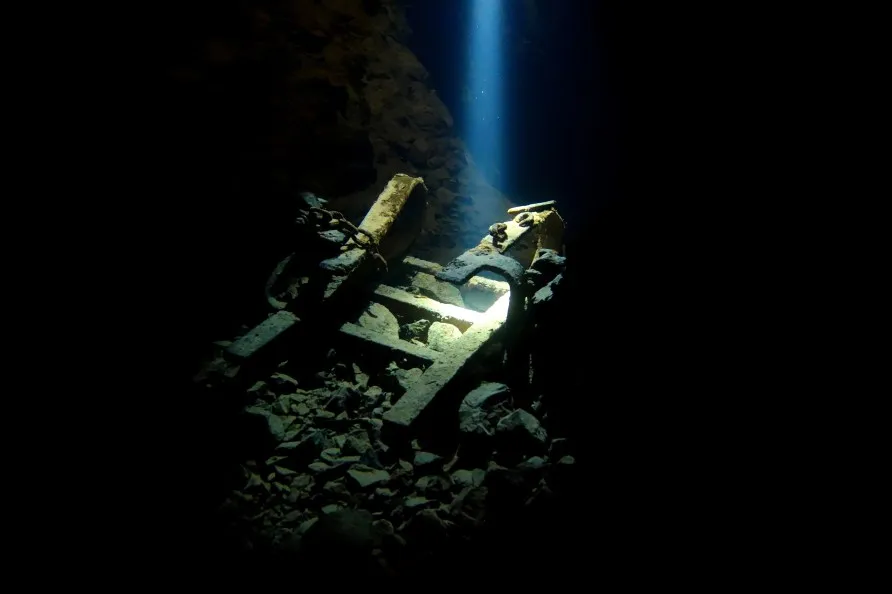
Photo by Shelley Collett
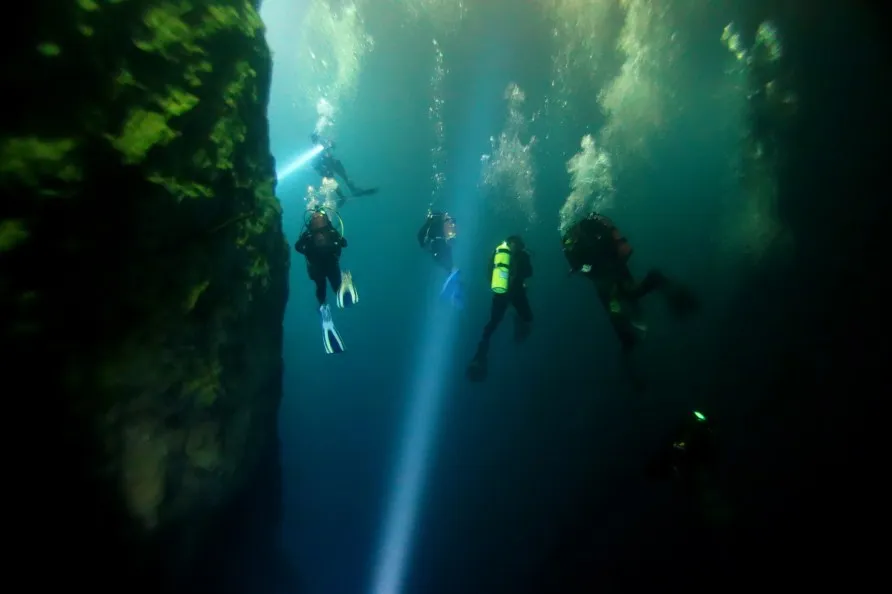
Photo by Shelley Collett
If you're looking for a completely new experience unlike anything you've tried before, head to Bonne Terre, Missouri — just one hour south of St. Louis!
This was once a lead mine used to extract raw materials for ammunition production, until the resources ran out and the mine was inevitably abandoned.
When the mine was flooded, the mining equipment and tools were left behind before anyone had a chance to pack them up. Today, you can hire a professional dive guide to take you through any one of 24 routes in this former mine. You'll find all sorts of fascinating things: shovels and pickaxes, ore carts, a machine shop, a geology lab, offices, a movie theatre, and drinking fountains. Visibility is around 30 m, and the water temperature is a constant 17°C year-round, so a thick wetsuit or drysuit is the better choice. Non-divers can explore the site on foot or by boat.
Flower Garden Banks, Texas
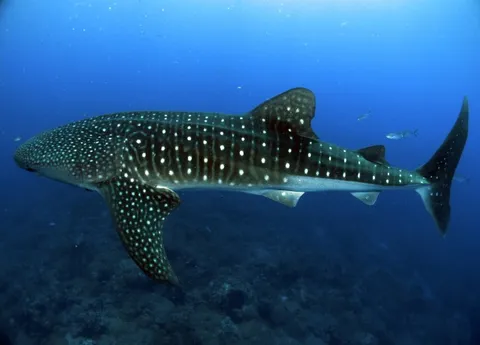
Photo credit: Ryan Eckert/NOAA
Departing from Freeport, you'll travel 160 km offshore to reach the Flower Garden Banks.
The Flower Garden Banks consist of three reef structures at the northernmost reach of the U.S. coral reef system, and collectively host every native fish species found in the Gulf of Mexico. While there is plenty of small marine life to discover, that doesn't mean you won't encounter dolphins, sharks, whales, Hammerhead Sharks, and manta rays.
Every year on the first full moon after August, the coral spawns, creating a spectacular underwater event that attracts tens of thousands of animals to feed.
This coral is a world away from shore — an eight-hour boat ride — and no one can predict the currents, which can sometimes be extremely powerful or, on other occasions, completely calm. So if you want to visit, plan your itinerary with plenty of flexibility. Strong currents and swells can make the journey challenging, and trips may be cancelled without warning.
Bellingham, Washington
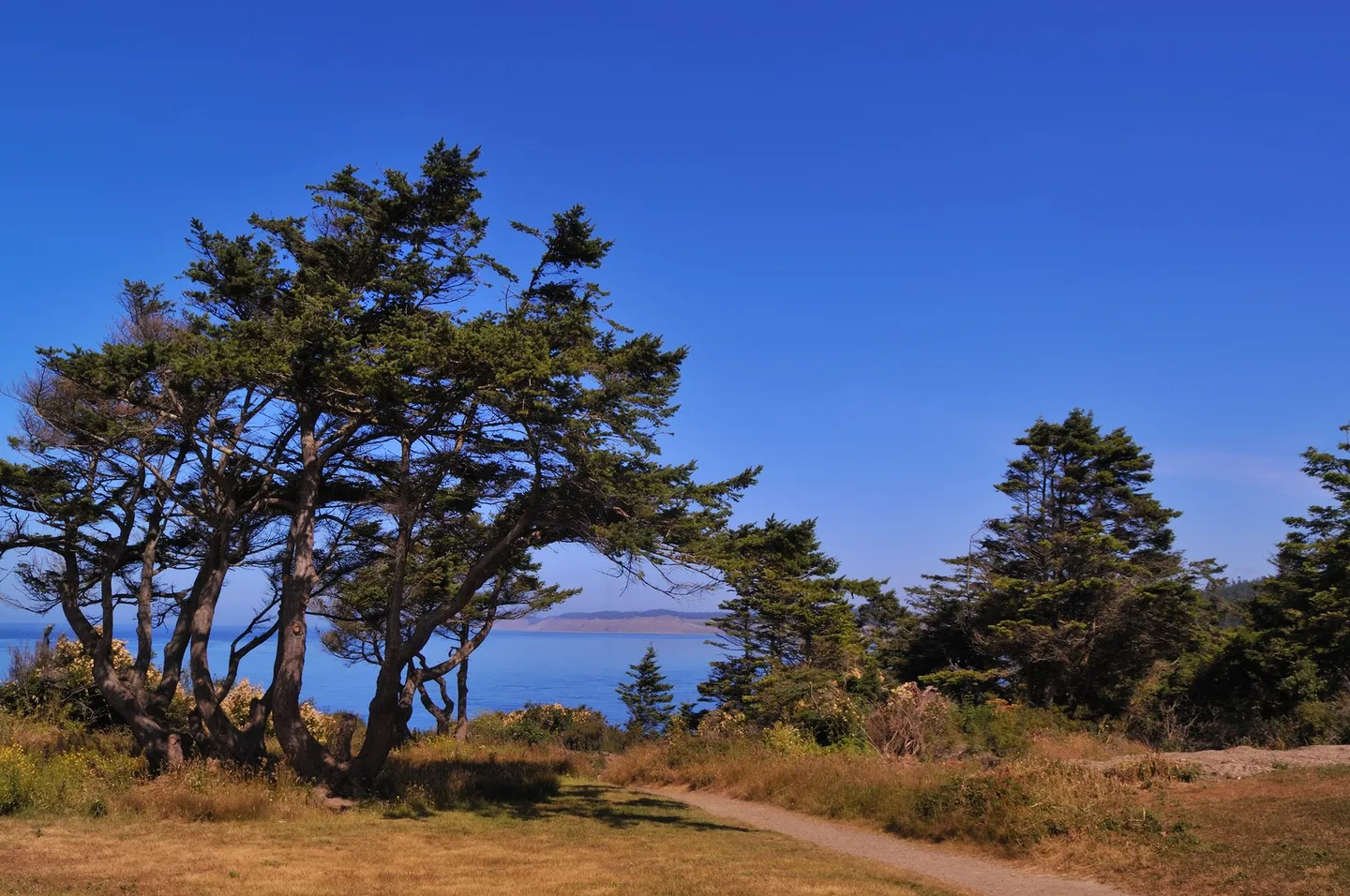
Fort Casey State Park, Washington State, USA. Image source: https://scubadiverlife.com/
The bone-chilling water temperatures and powerful currents here create an ecosystem completely unlike anything found elsewhere. Divers unfamiliar with precise tidal timing should descend with an instructor. Otherwise, it is all too easy to be swept into a shipping lane.
The currents here are no joke, but the site is absolutely worth visiting.
You have a chance to spot massive giant Pacific octopus here. In this frigid 14 m diving environment, you may also encounter wolf eels, large lingcod, rockfish, and an array of nudibranch.
Visibility is approximately 2–15 m, and water temperatures are a spine-tingling 7–11°C, making a drysuit an absolute necessity.
Puget Sound, Washington
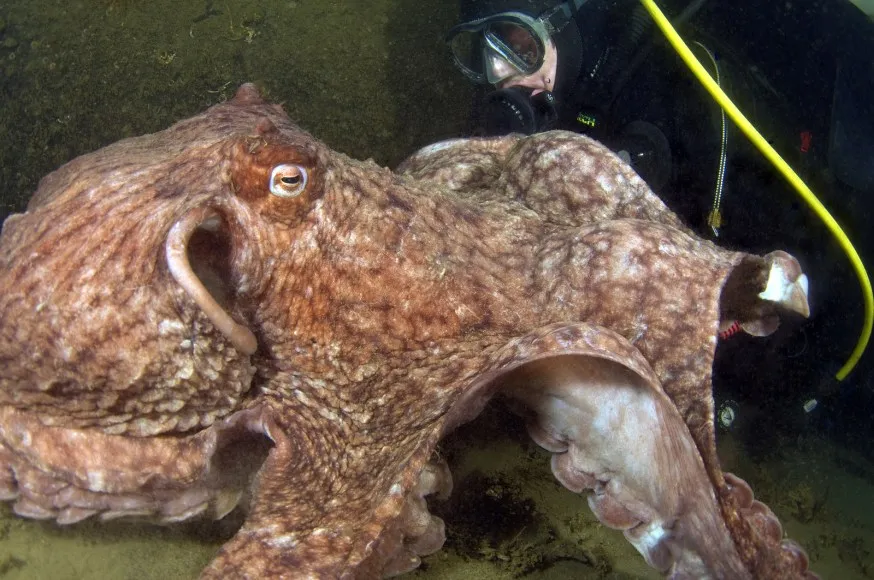
A giant Pacific octopus can weigh up to 200 lbs. Image source: https://scubadiverlife.com/
This bay, just one hour's drive from Seattle, has more than 75 shore dive sites, including fjords, rocky reefs, wooden wrecks, and steel wrecks.
With year-round water temperatures hovering at around 10°C, the marine life here includes sea lions, giant sea anemones, orca, and other cold-water species.
At Edmonds Underwater Park, you can spot ratfish at a depth of just 9 m — a bizarre-looking species generally believed to represent a transitional form between bony fish and sharks.
Eight minutes' drive from downtown Tacoma takes you to Point Defiance, home to what is considered one of the best wall dive sites in the country: Dead Man's Wall.
This steep sandstone cliff begins at 27 m depth and is a habitat for giant Pacific octopus, skates, and giant grouper.
Divers here have a tradition of feeding wolf eels, so don't panic if one swims up close to you.
The wall is encrusted with invertebrates including sea anemones, sea stars, and crabs. Spring and autumn, when algae growth is reduced, offer the best visibility — and don't forget to wear your drysuit.
Baranof Island, Alaska
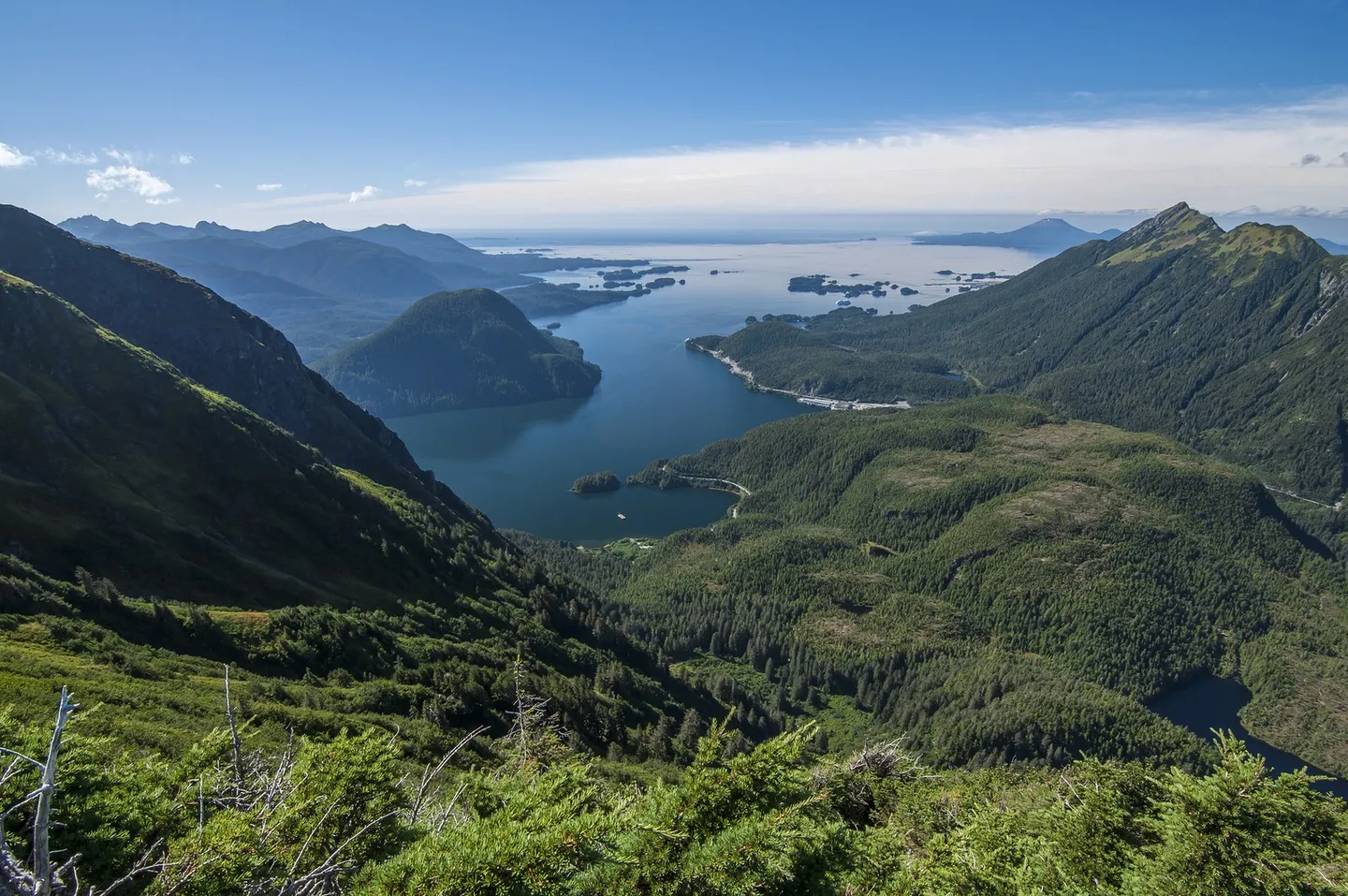
A beautiful view of Silver Bay and the Pacific Ocean from Bear Mountain on Baranof Island in Southeast Alaska.
If you enjoy diving with jellyfish, head to Smudges! In summer, you can witness group after group of enormous moon jellyfish.
If diving isn't your thing, simply soaking in Alaska's stunning scenery is an experience in itself! Alaska has glaciers, waterfalls, straits — and you might even spot a grizzly bear!
Lake Huron, Michigan
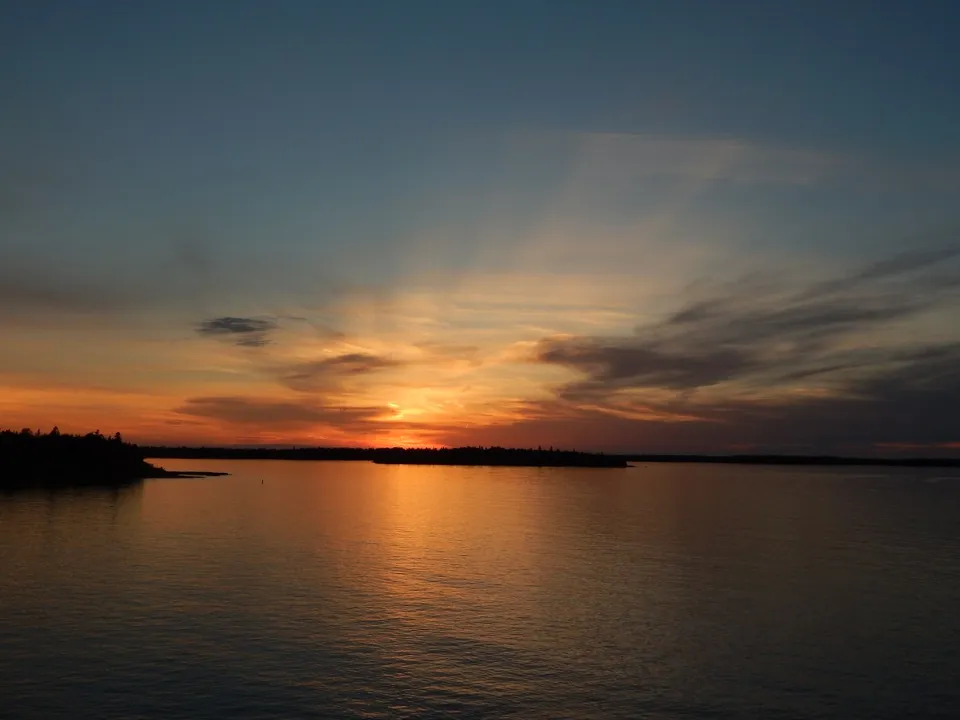
Presque Isle has a coastline stretching 104 km, yet only a handful of lighthouses dot the shore. This may well explain why there are as many as 75 shipwrecks here, including a steel steamship, a wooden steamship, and three intact two-masted schooners.
Within the Thunder Bay National Marine Sanctuary alone, there are upwards of fifty wrecks, with visibility reaching up to 15 m.
The most iconic wreck in this area is the Cornelia B. Windiate, resting at 55 m, famous for having all three masts still perfectly intact, with tattered rigging swaying gently in the current.
In the waters of Grand Traverse Bay, you can discover a sailing ship that vanished in a blizzard in 1886. The wreck lies at depths ranging from 2 to 36 m.
Another vessel, the Yuba, rests at just 4.5 m — making it an ideal dive site for beginners. Wreck diving here is truly endless.
From the frigid waters off California's western coast to the warm seas of Southeast Florida, every corner of the United States offers distinctive underwater scenery and one-of-a-kind marine life. No matter what, you should add at least a few of these sites to your dive list! Let's explore the beautiful underwater world together!!
Further reading:
Frequently Asked Questions
How is a BlueTrend dive trip different from an unknown, no-name dive group?
Choosing us means full peace-of-mind protection and a smooth experience from start to finish. Every trip we run holds to three things.
First, full legal protection and a professional dive leader: we strictly follow Taiwan's travel regulations and provide complete travel-agency liability insurance, travel insurance, trip-inconvenience insurance and dive insurance. Every group is accompanied by a certified, foreign-language dive leader who joins you on both the dives and the land itinerary, liaising seamlessly with local dive shops and operators on your behalf to keep things running smoothly — the person our travellers trust most.
Second, fully licensed with secure payments: every payment goes into a licensed travel agency's account, with multiple safe payment channels (bank transfer, credit card and more) and a legal collect-and-remit receipt, so every transaction is open, transparent and protected, avoiding the fraud and dispute risks of transferring money privately to an individual.
Third, hand-picked quality we vet in person: every trip, dive site and partner shop is scouted on the ground by our own team, from the guides' professionalism and safety standards to the food, lodging, environment and service details on land, all vetted by us so you don't get caught out.
I want to sign up for a dive trip. Are there certification-level or logged-dive requirements?
Each dive site is different, so the entry bar varies. 'Bali Tulamben', for instance, is relatively beginner-friendly. 'Malapascua in the Philippines' is also beginner-friendly, but since thresher sharks tend to cruise between 20 and 30 metres, we recommend AOW certification with 20+ logged dives to enjoy this trip comfortably. For 'the Maldives' or 'Palau', we suggest AOW with 50+ logged dives for a more relaxed experience. If you're not sure whether your experience fits the trip you want, message us and our dive editors will assess it and help you find the trip you'll feel safest on.
Can I join if I'm signing up alone? How are rooms arranged?
Plenty of our travellers sign up solo! For rooms and beds, we prioritise pairing you with a same-gender traveller, and if you'd rather have your own space you can pay the difference to upgrade to a single room. For the diving, our professional leader will pair you with a suitable buddy, and with the happy vibe on our trips you'll quickly make a great group of dive friends. Many people sign up alone, make new friends, and end up organising the next trip together!
Does the trip fee include dive insurance, gear rental, taxes and instructor tips?
It depends on the trip, the destination's regulations and the local operators. Every BlueTrend dive trip has a detailed web page with a clear 'included / not included' list, transparent and with no hidden charges. All payments are collected by a licensed travel agency, with a standard-form contract for your protection.
I'm a new diver / haven't dived in a long time — will I fall behind the group?
Before you complete your booking, our team assesses a suitable trip based on your certification level and experience. Before departure, we strongly recommend taking time to refresh in Taiwan with an instructor, or a fun dive to get your feel back. On the trip itself, our professional dive leader groups and pairs everyone by experience, keeps a close eye underwater on travellers who need extra care, and steps in to help right away.
Will the photos and videos taken during the trip be shared with us?
During the dives, 'safety' is always the leader's top priority, so whenever it's suitable and safe the leader will capture great shots and record the best moments. During or after the trip, we compile a cloud album for all travellers to download, so you go home loaded with memories!
Besides your scheduled trips, can you arrange a private group charter or independent travel for me and my friends?
Absolutely! Besides group trips, we also arrange private group charters and independent travel. We can communicate, enquire and coordinate services with local operators based on your needs, saving you time and effort and taking the language barrier off your plate, to tailor the smoothest, most reassuring dive trip just for you. Contact our LINE support and our editors will arrange it for you!