Contents(7)
UTD stands for Unified Team Diving. The Editor previously published an introductory article on UTD (Technical Dive Leadership Brand – UTD). Upon learning that UTD had been expanding its technical diving programmes globally in 2018, we decided to dig deeper into the world of technical diving — covering cave diving, ice diving, and UTD's unique perspective on dive equipment.
Cave Diving Projects
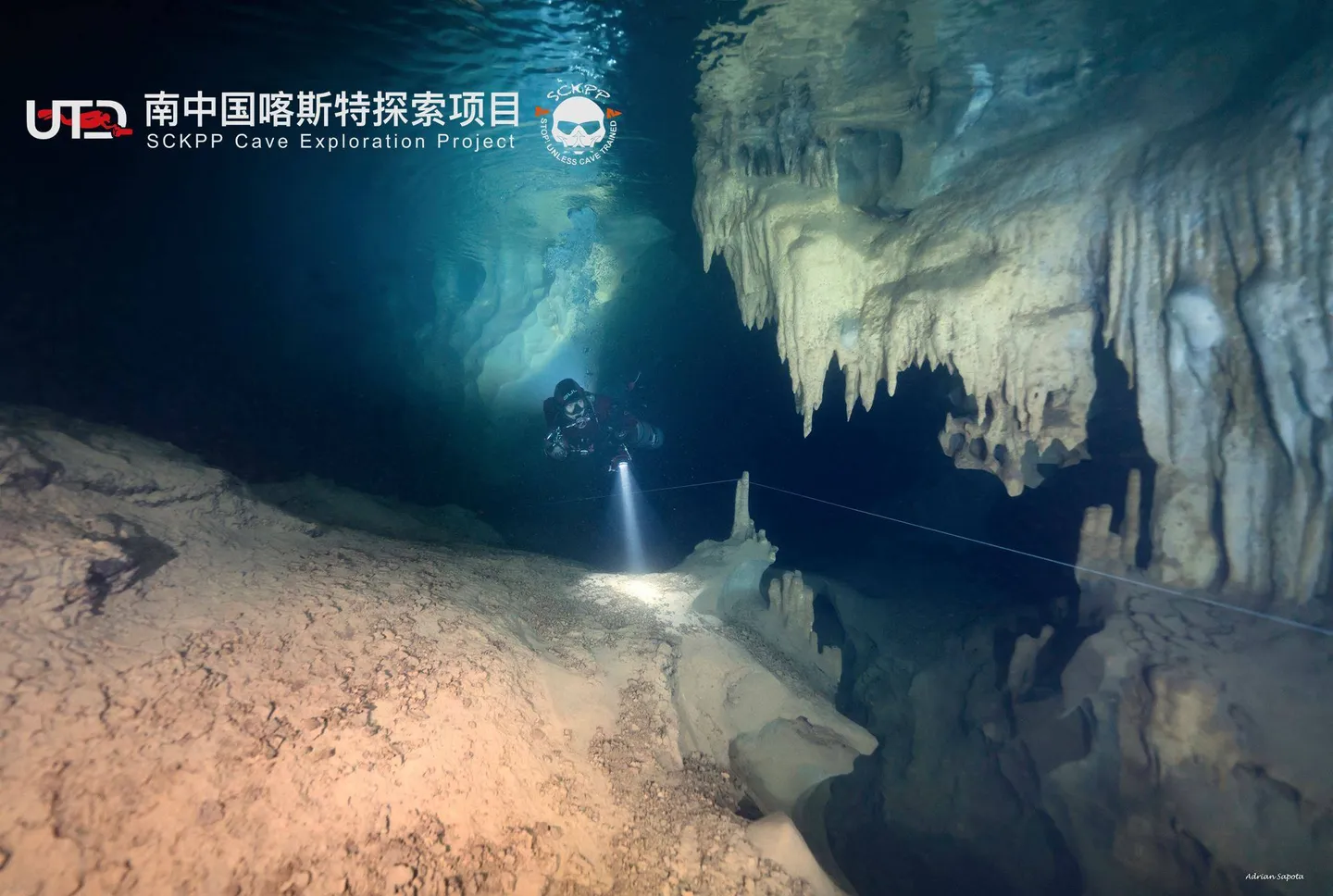
The SCKPP Cave Exploration Project in Southern China — in action
Under the UTD framework, the organisation has uniquely established a "Project" concept, where every project is a non-profit initiative. The most well-known project of 2018 was the SCKPP Cave Exploration Project (South China Karst Photography Project), then in its fourth consecutive year. To understand why such a project is necessary, we need to look at the current state of cave diving.
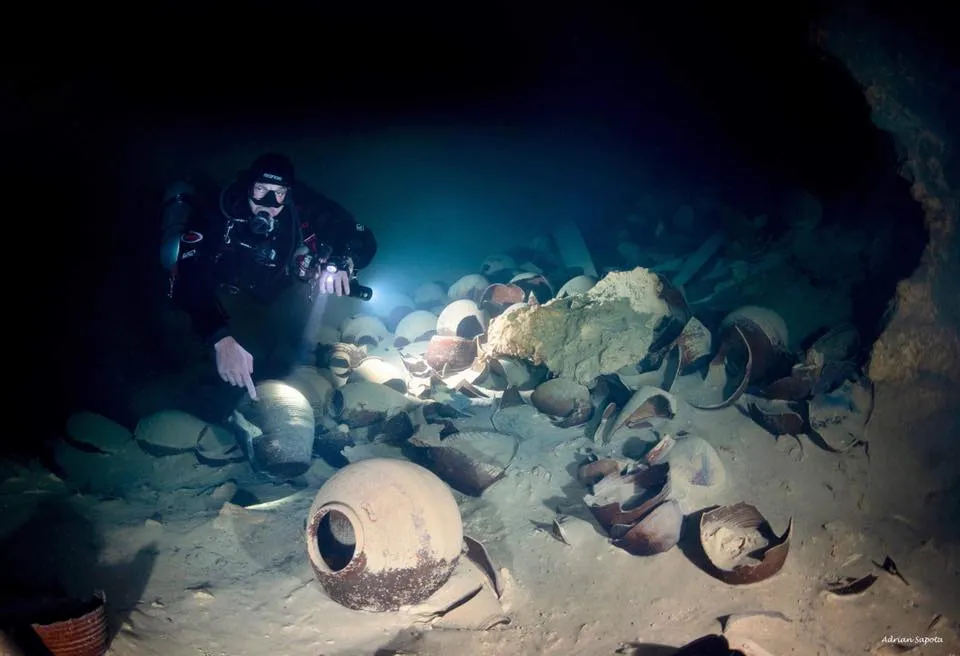
Underwater ceramic jars discovered during the SCKPP Cave Exploration Project
Modern cave diving has primarily developed in Mexico and the state of Florida in the United States, where a wealth of professional experience has been accumulated. Cave diving differs greatly from recreational scuba diving — navigating through confined spaces riddled with countless passages and junctions requires different organisations and teams to establish agreed-upon protocols (OHP — Overhead Protocols) to govern conduct. These cover things such as the method and material used for line laying, and how multiple branching passages should be marked. Clear standards must be defined to prevent confusing or inconsistent underwater markers, which would significantly increase the risks of cave diving.
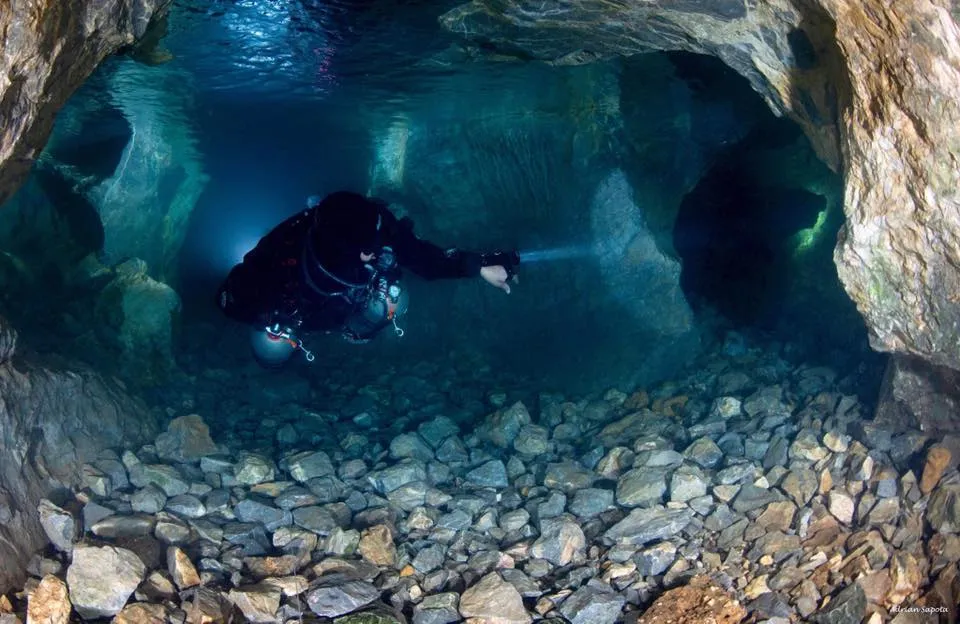
Cave diving carries a very high level of risk
Cave diving in mainland China is gradually developing, but most caves there have yet to adopt internationally accepted protocols, which has dramatically increased the risks associated with cave diving activities in the region. In response, UTD launched this professional project, bringing internationally recognised instructors to China. These instructors possess two to three decades of cave diving experience and are deeply motivated to pass on their knowledge in China — so much so that they participate at their own expense, treating it like a working holiday. Of course, these cave diving instructors also harbour an irresistible desire to explore unknown caves. Through this process, each UTD project works to establish protocols based on over 20 to 30 years of internationally accumulated cave diving expertise, with the hope of providing a reference standard for the future development of cave diving in China.
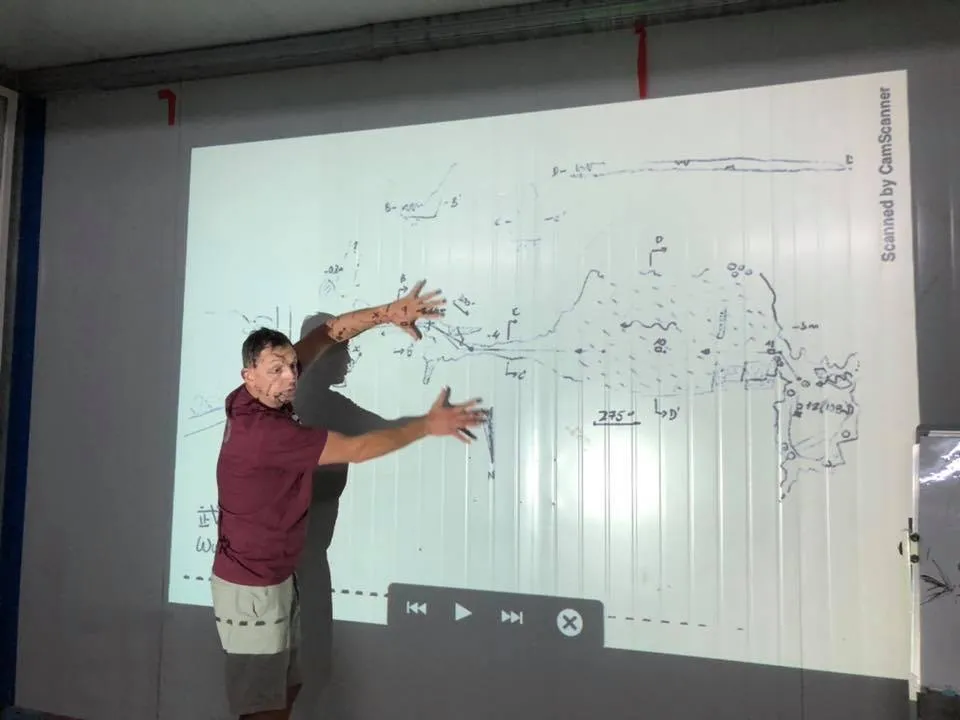
Cave exploration carried out as a team effort
Although all survey findings are made fully public, the team inevitably encounters a tendency among some parties to hoard information. For example, after certain caves have been explored, some dive shops have claimed exclusive access to them. Even more concerning, some dive shops take students into caves as part of Advanced Open Water night dive training. Such irregularities can only be addressed through self-regulation within the Chinese diving industry.


The Difference Between Technical Diving and Recreational Diving
Many people assume that learning sidemount or decompression theory is what makes someone a technical diver. However, in UTD's philosophy, technical diving is about teamwork — which is precisely why the "T" in UTD stands for Team. In UTD's ethos, there are no individual heroes; the success of the team is the only goal, and every member is an indispensable hero. Acting on personal ambition to be the hero may tempt a diver to push beyond their limits and court unnecessary risk. Breaking personal depth records or playing the lone adventurer in caves or wrecks is not what UTD pursues.
On an individual level, UTD uses intensive training to build muscle memory for essential skills, so that when a diver faces an unexpected situation, the correct response is triggered automatically and instinctively — allowing the diver to resolve problems quickly and correctly. This philosophy traces back to UTD's founder, who is also a flight instructor. Just as the captain and co-pilot of an aircraft must calmly follow established procedures when facing an emergency, every technical diver must cultivate the same mental composure. This is a fundamental quality every technical diver should possess.
On the team level, each mission is composed of a dozen or more members. A cave exploration project, for example, includes a push team, a rough survey team, a third team handling directional mapping and 3D sonar recording, infrastructure support, and more — including a logistics team that is the first to arrive and the last to leave. Every mission is a symphony of collaboration between different teams.
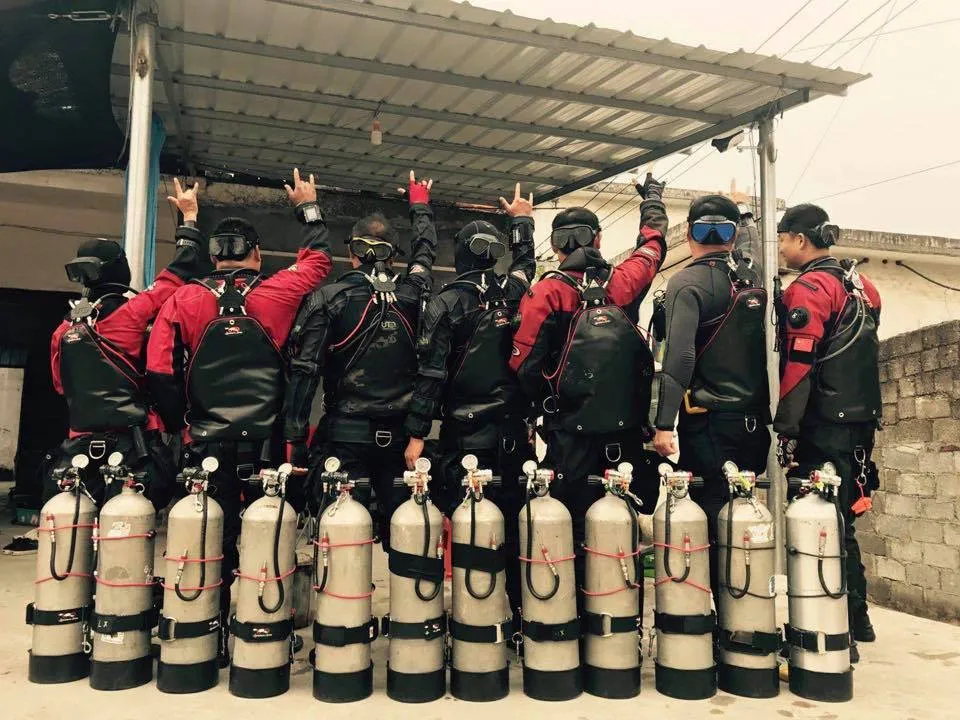
Teamwork is the core concept behind UTD
In addition to cave diving, UTD has also begun promoting ice diving in South Korea and wreck diving projects in the Philippines, with the aim of generously sharing these concepts and exploration findings with all divers who are passionate about technical diving.
Want to Get Into Technical Diving?
If you are already a recreational diver and want to get involved in UTD's various technical diving programmes, consider starting with UTD's Essentials of Recreational course to sharpen your personal diving skills. The course will fundamentally reshape your theoretical foundation of diving, covering topics such as rational weighting concepts (ditchable vs. non-ditchable weight), the importance and principles of trim (derived from a neutral, weightless body position), precise kick techniques (back kick, helicopter turns), and other personal skills — as well as the critical knowledge of underwater team communication and various protocols.
Technical Diving Equipment
As a technical diver, every dive carries a certain level of risk. So how does UTD approach the topic of dive equipment?
Regulator:
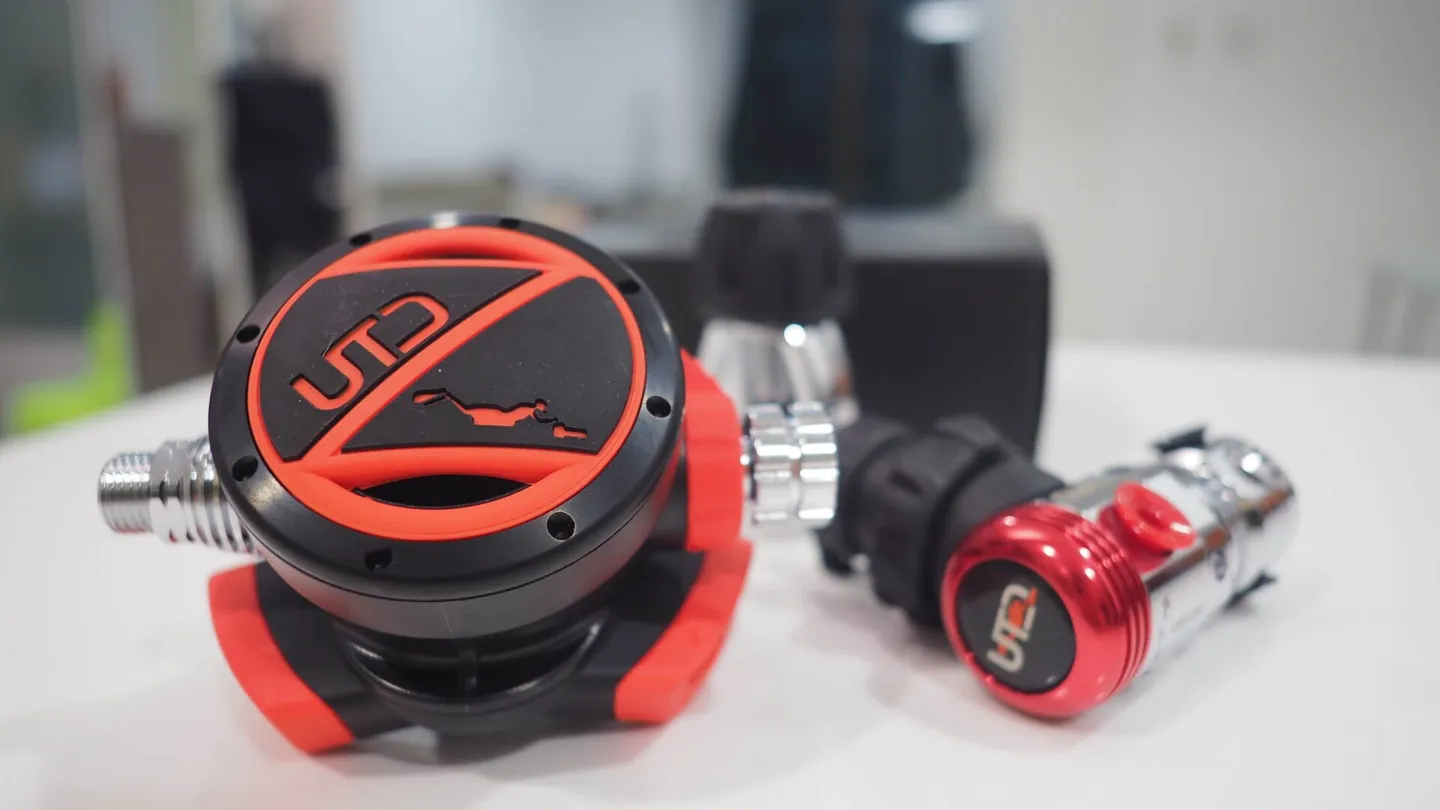
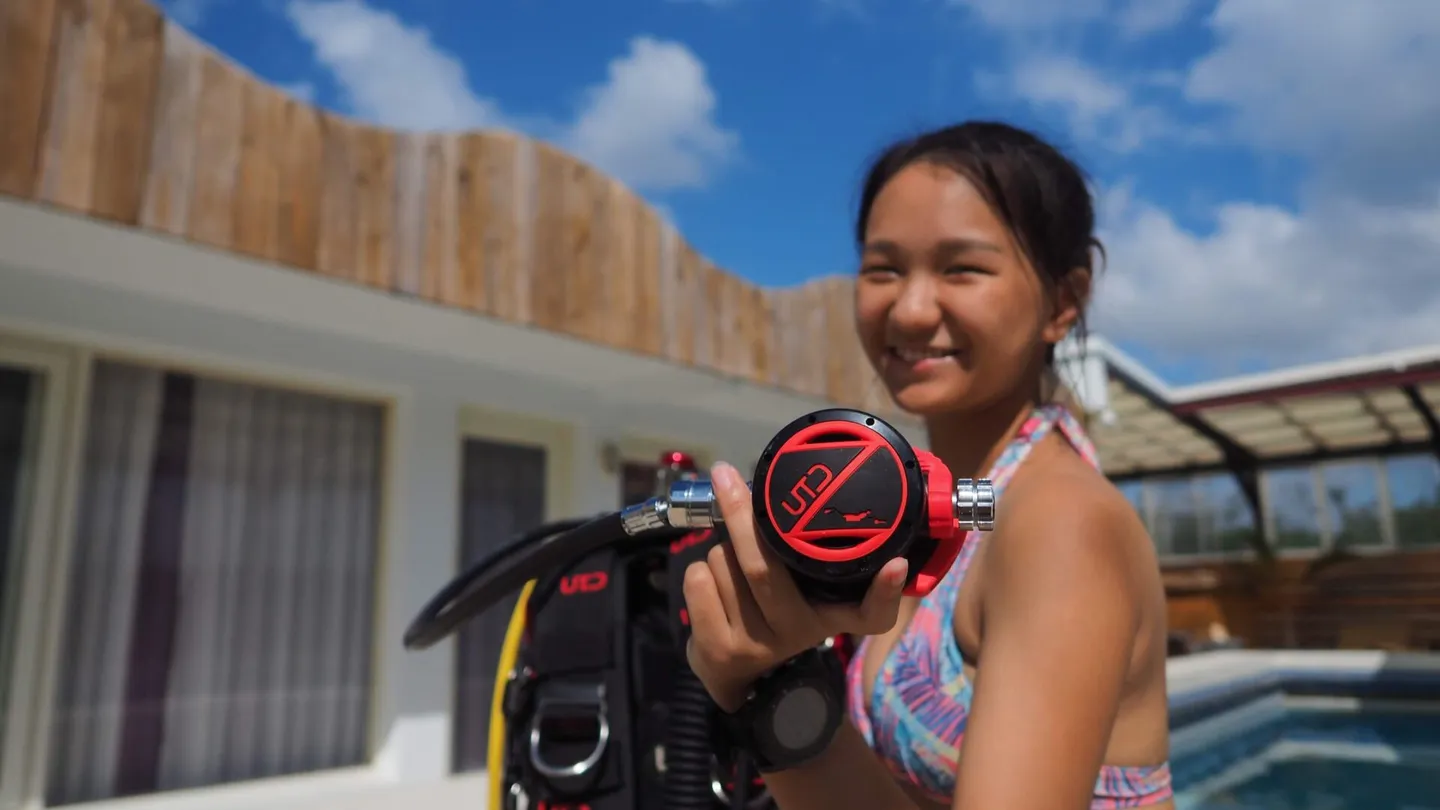
In UTD's philosophy, there is no distinction between a primary regulator and a backup regulator. When an emergency occurs, the correct action is always to donate the regulator currently in your mouth — the one you know is functioning — to your teammate. This skill is trained from recreational diving onwards, building muscle memory so that at any level of diving, a diver can support their buddy at reflex speed.
In terms of regulator reliability, beyond passing the basic CE certification (CE certification requires a WOB = 2.5 joules; UTD passes CE certification using an 82-inch / 2 m medium-pressure hose), the internal construction of the regulator must also be optimised to withstand a variety of demanding environments.
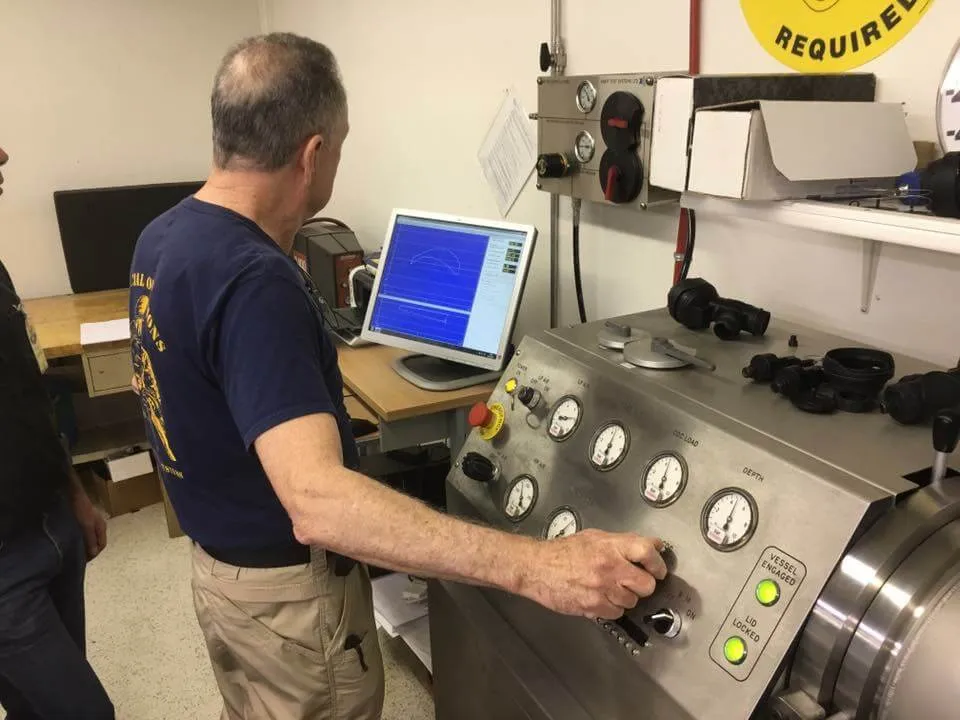
A range of high-specification testing instruments
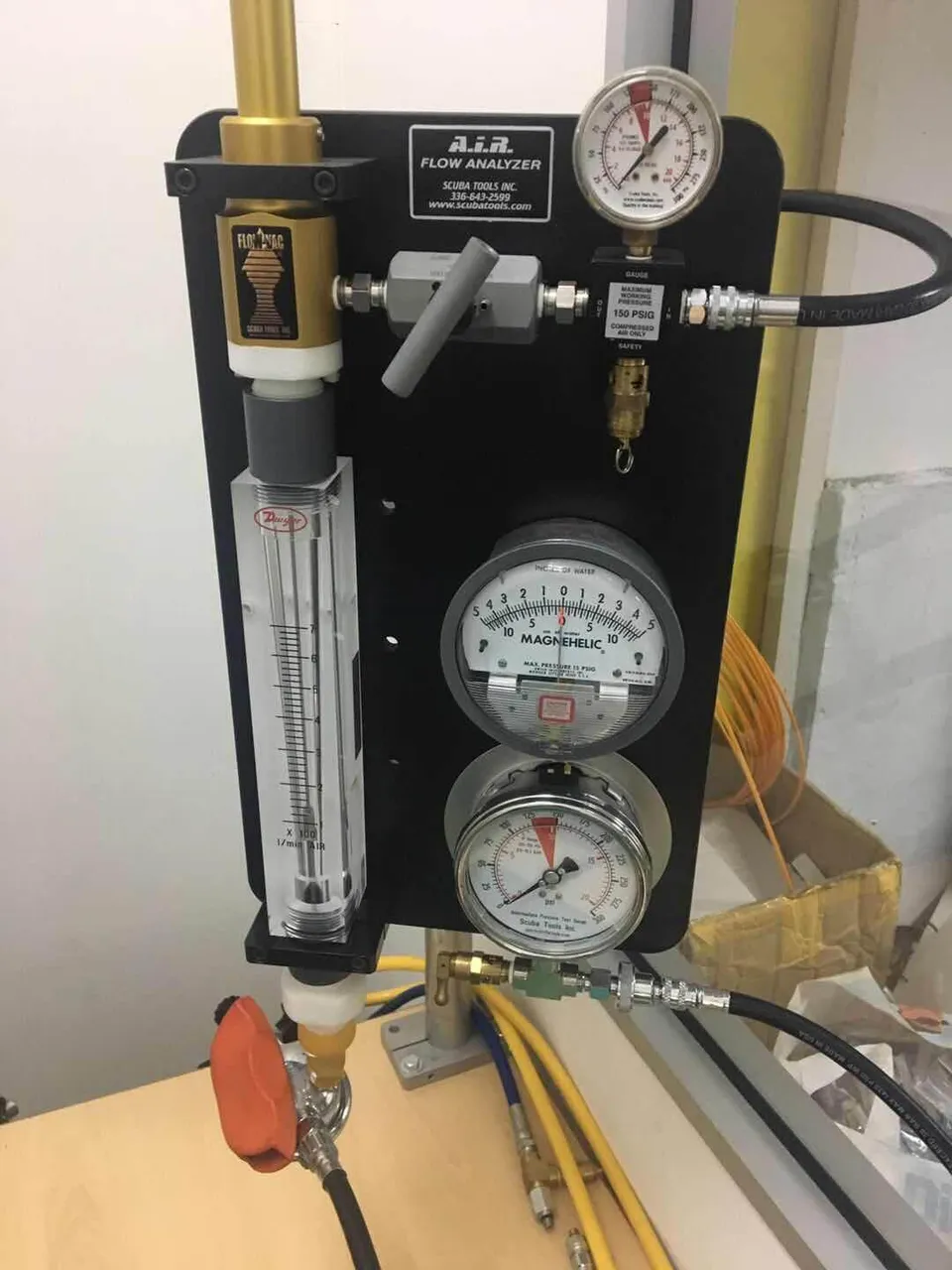
A range of high-specification testing instruments
-
Oxygen-clean treatment: Standard regulators use NBR rubber O-rings, but UTD uses Viton O-rings and MCG-129 high-grade silicone grease.
-
Ice diving treatment: Pistons and springs are Teflon-plated to prevent freezing in cold temperatures; heat sinks are added to the regulator.
-
When regulators leave the factory or undergo servicing, most manufacturers check only IP (intermediate pressure) and resistance, but rarely measure flow rate. UTD, however, uses precision measurement instruments to inspect each unit individually and even conducts ageing tests — quality that relates directly to safety is never compromised.
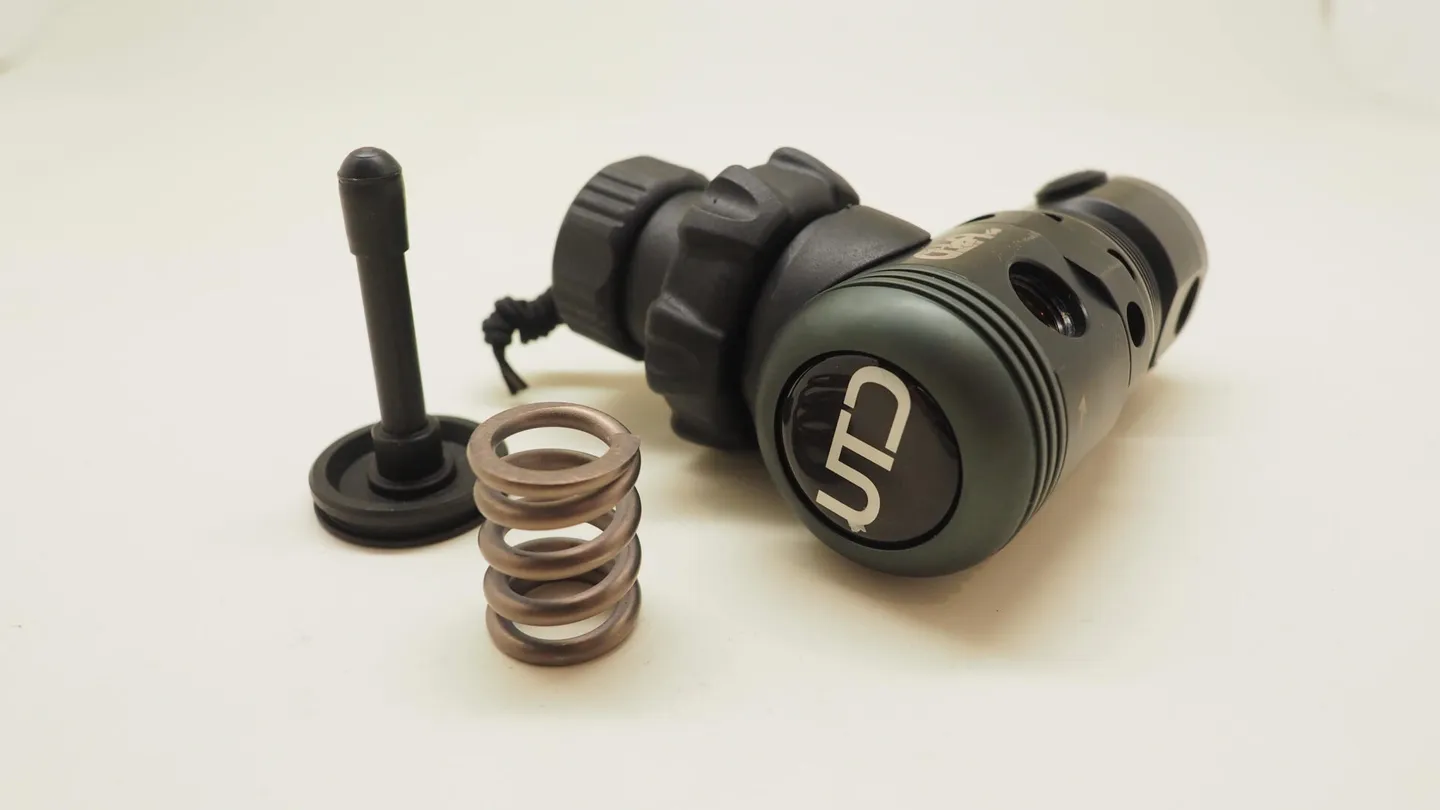
Pistons and springs are Teflon-plated to meet ice diving requirements
BCD:
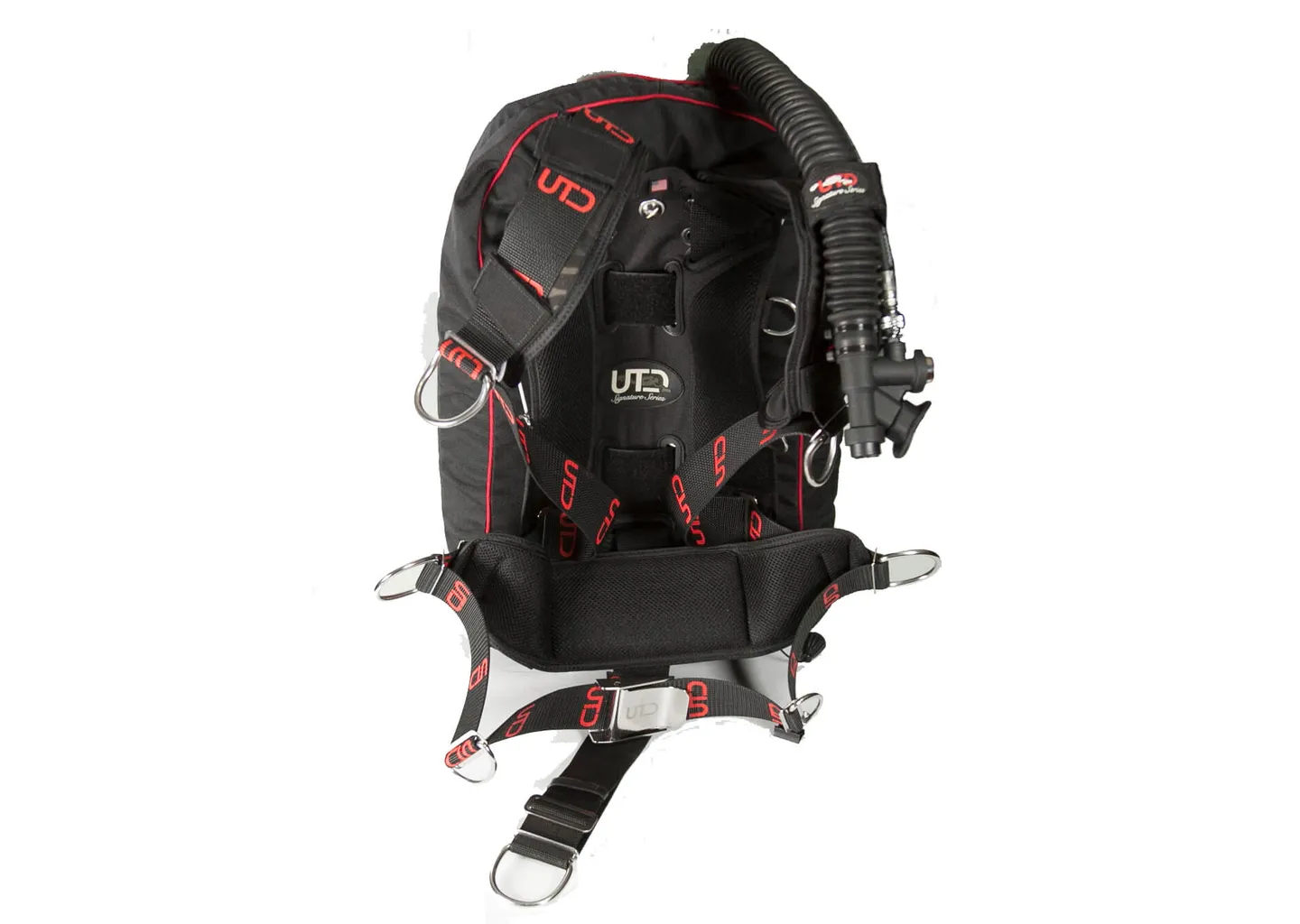
For technical diving, a BCD must adhere to minimalism — every additional accessory is an additional risk. Because every diver has a different body shape, the BCD must support an adjustable weight placement concept, allowing divers to configure their weight positions freely according to their individual needs in order to achieve a perfect trim position.
Furthermore, UTD took inspiration from American tactical backpack manufacturers to improve tank-carrying comfort. A soft backplate distributes the weight of the scuba tank / cylinder evenly across the entire back rather than loading it only onto the shoulders. In practical tests, a petite woman standing 150 cm tall was able to comfortably carry an 80 kg man on her back.
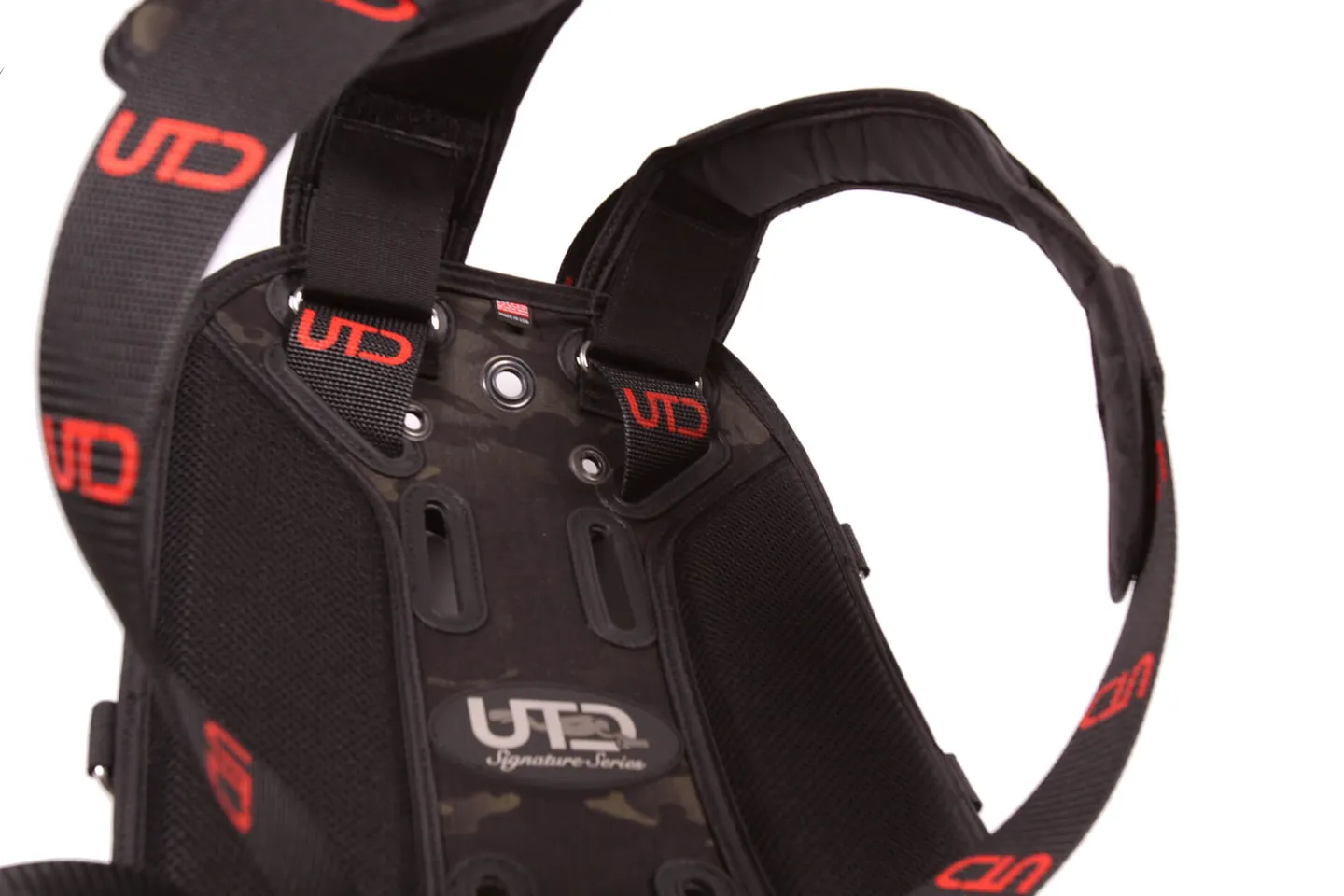
High load-bearing soft backplate manufactured by an American tactical backpack company
In other details, the inflate and deflate valve buttons are made of metal to reduce the risk of plastic degradation over time.
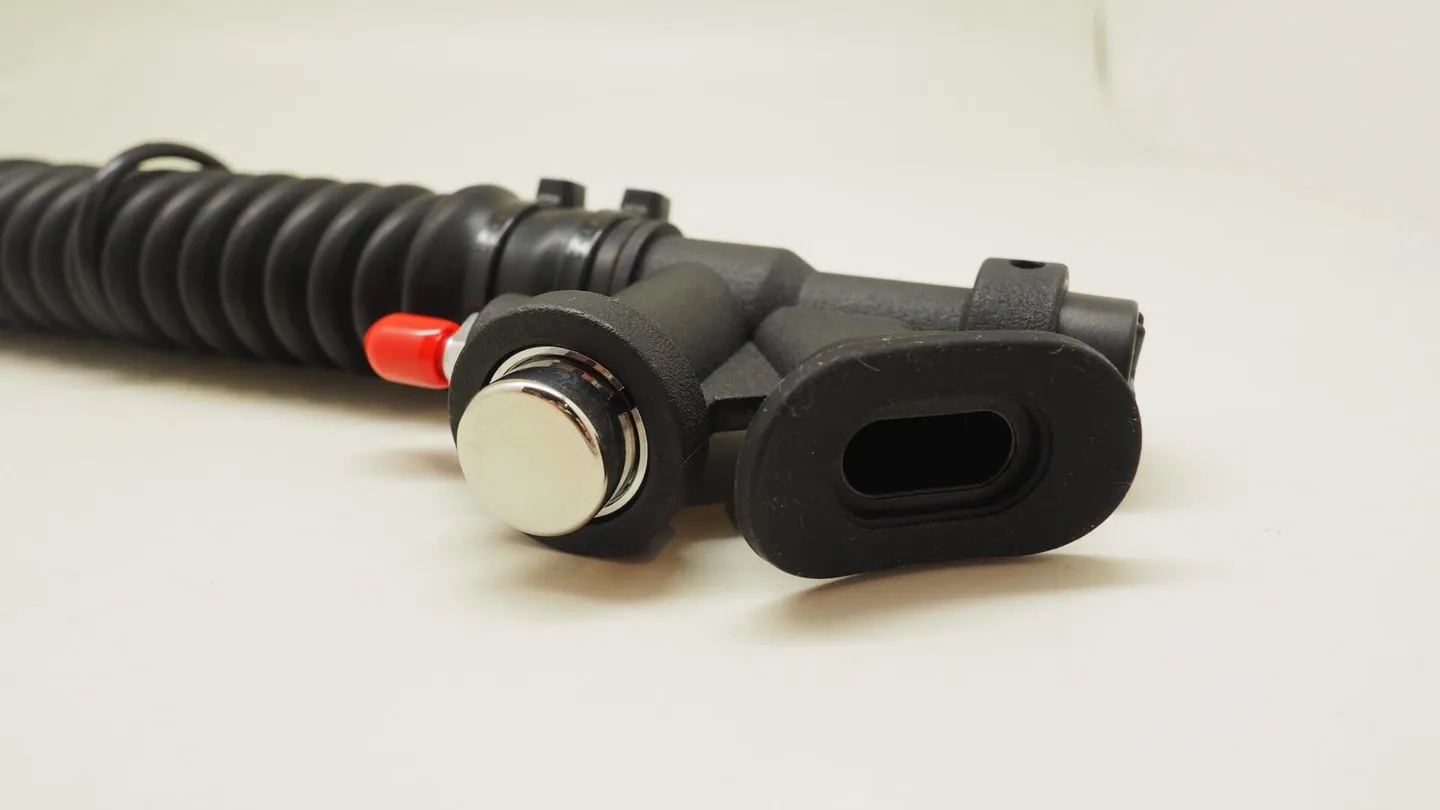
Inflate and deflate valve buttons crafted from metal
Fins:
UTD believes there is a widespread misconception about how the Rocket Fin should be kicked — its original design is intended for the flutter kick (free kick), not the frog kick. As shown in the diagram below, the frog kick actually uses the wrong power surface on this fin.
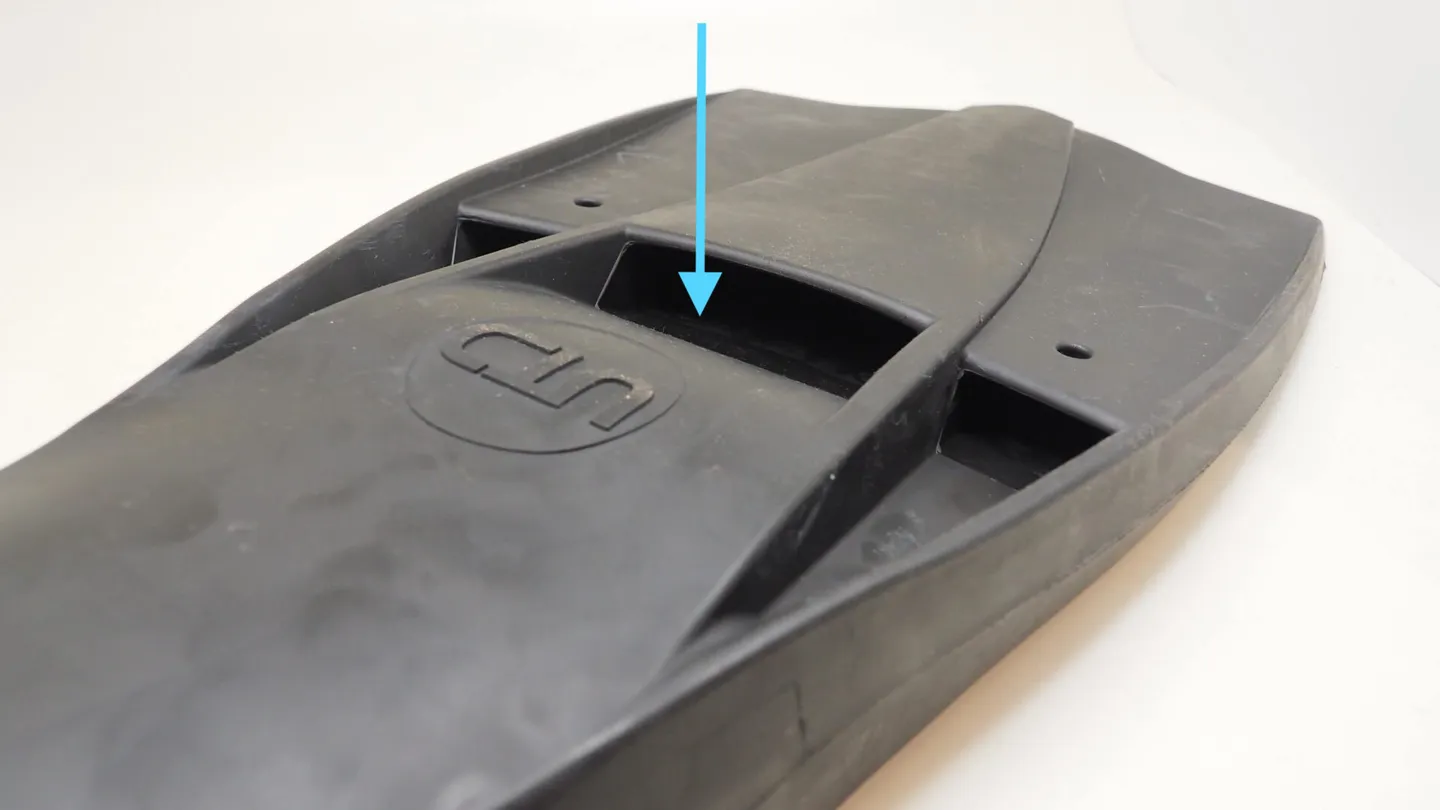
During a flutter kick, water does not pass through the holes — the entire blade surface acts as the power face
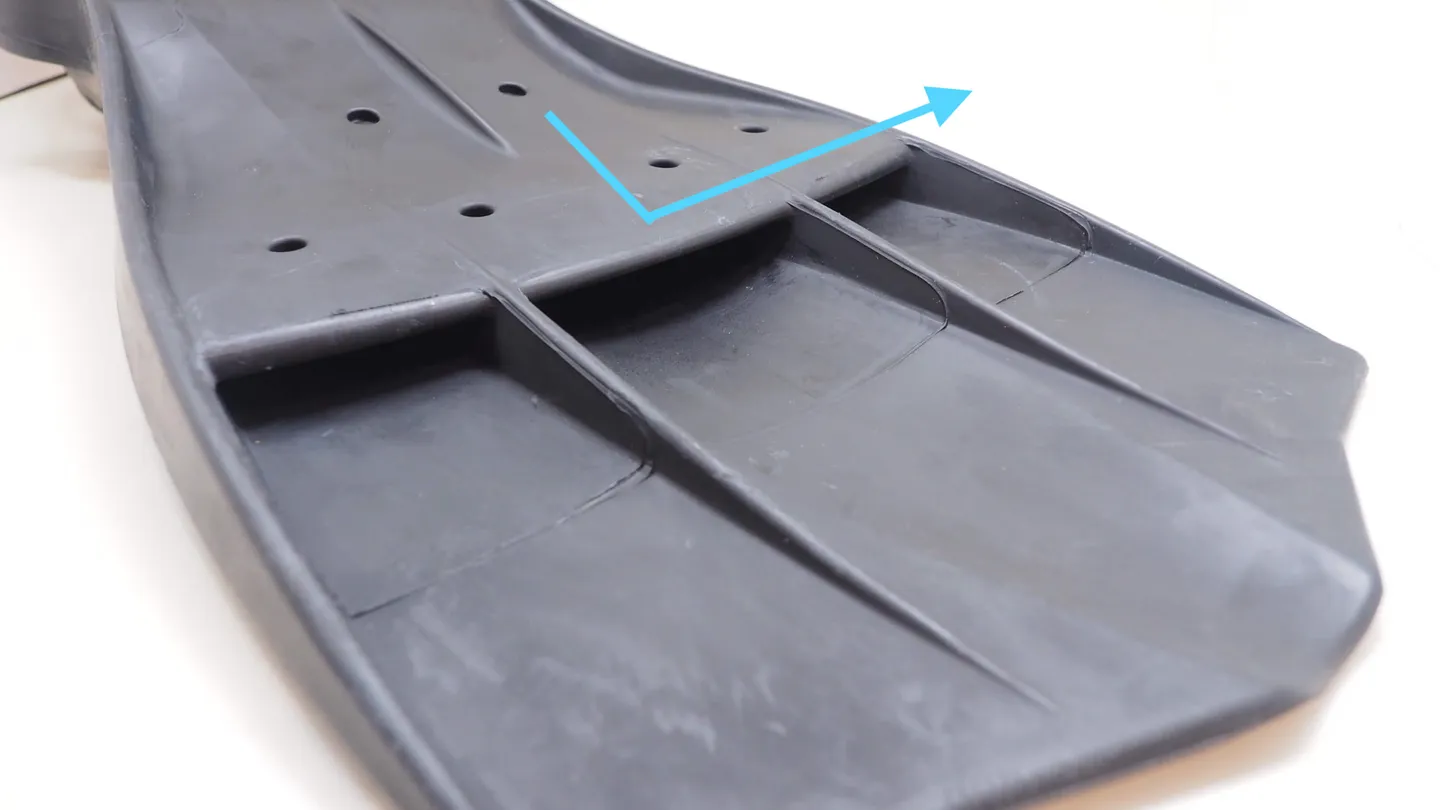
When recovering the legs during a flutter kick, the angle allows water to flow through and reduces drag. However, the frog kick drives with this same surface, so it cannot achieve maximum efficiency.
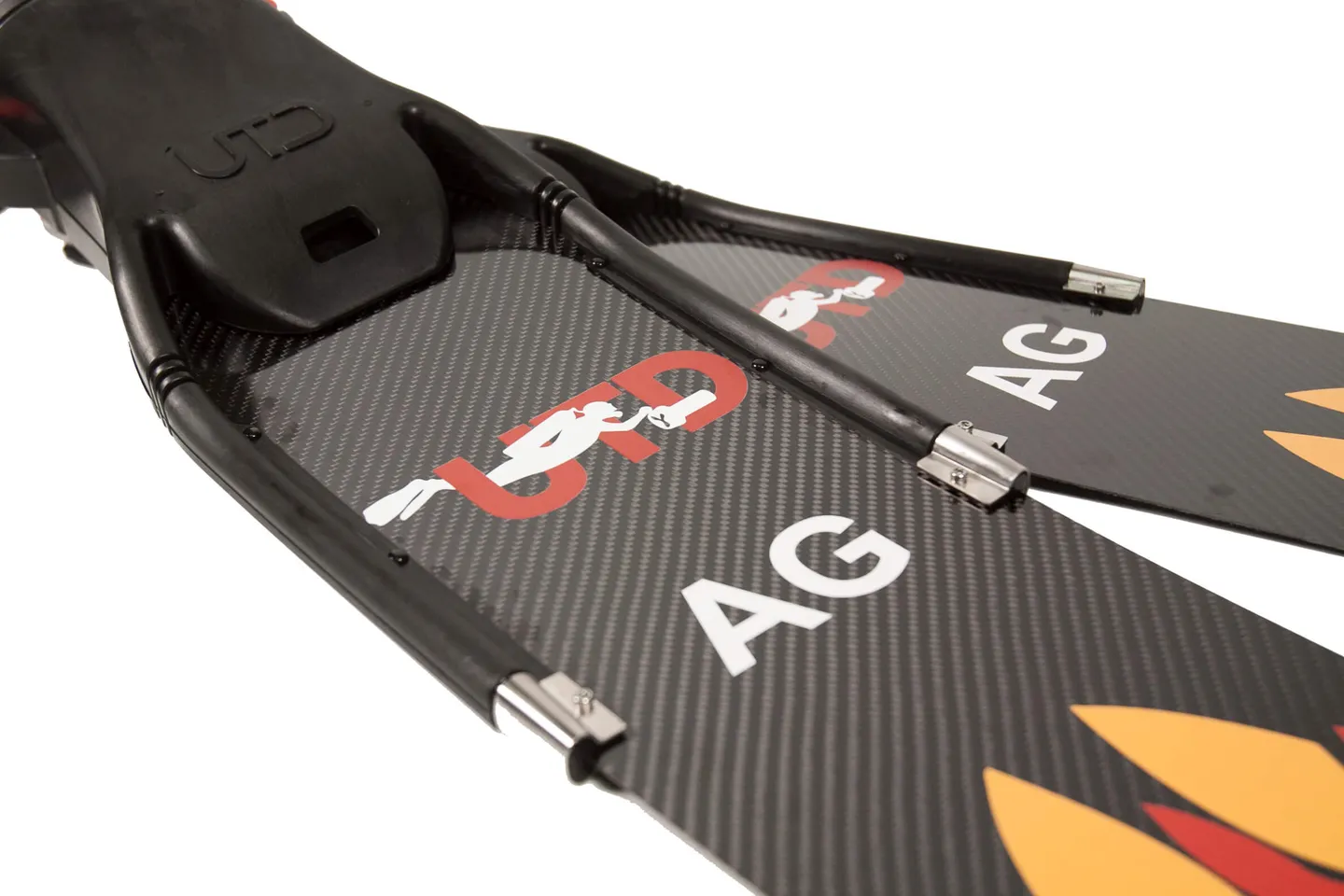
Diving is not about speed — it is about efficiency, pre-loading, and power delivery. The newly designed UTD Perfecto fins allow divers to swap blade surfaces at will rather than having to carry multiple pairs of fins for different environments. The carbon fibre construction also increases rebound energy during the power phase, reducing physical exertion throughout the dive.
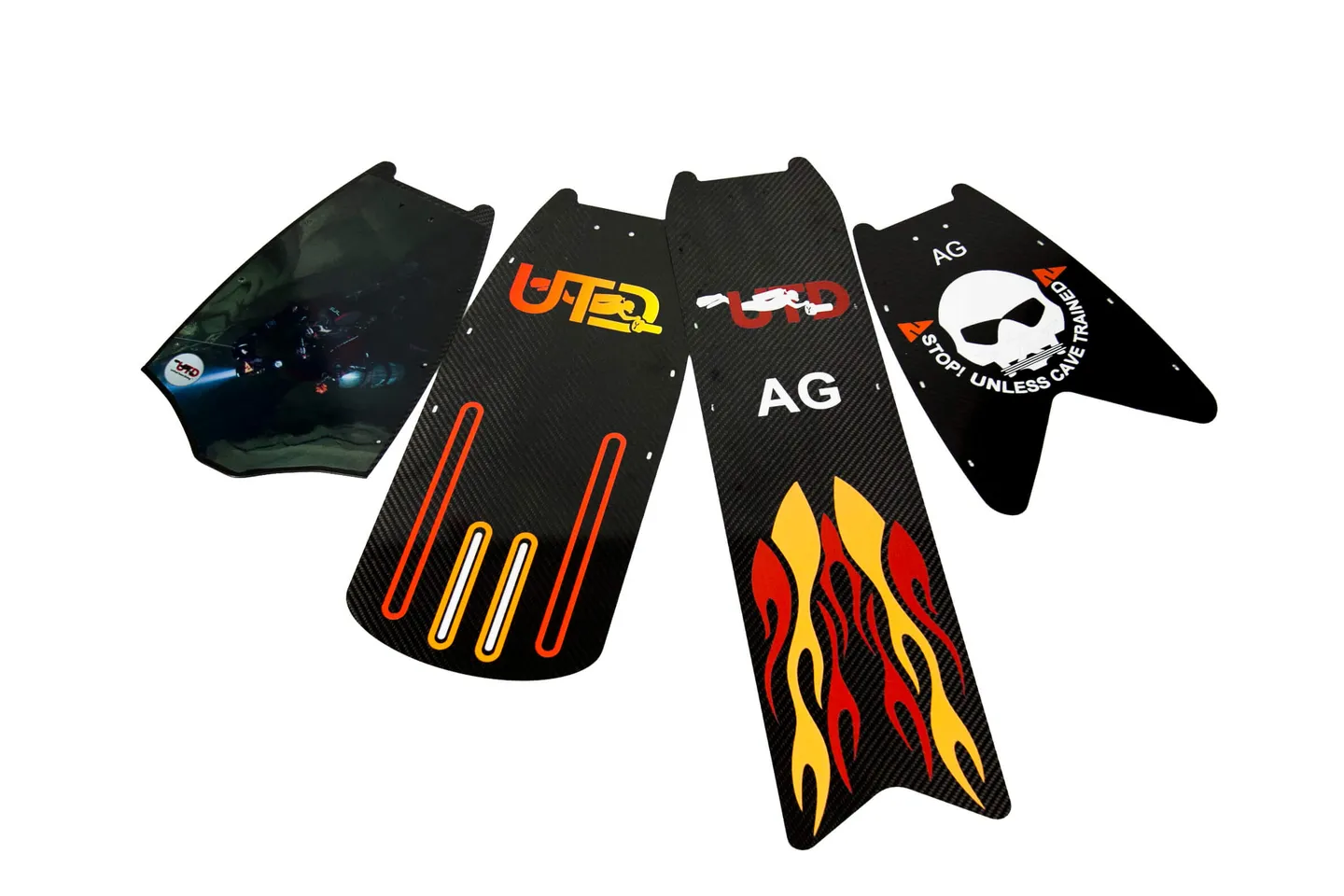
Blade surfaces can be swapped to suit different purposes, and custom blade surfaces are also available
Further reading: