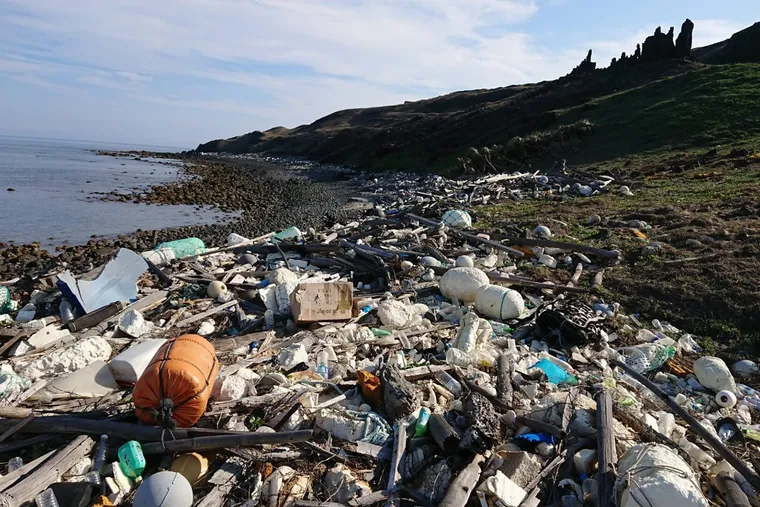
If you've already read our introduction to marine debris, you'll know that the issue of marine debris has grown increasingly severe alongside human economic development. According to statistics, more than 8 million tonnes of plastic waste are now discarded in the ocean, and nearly one truckload of plastic is dumped into the sea every minute. If nothing changes, there will be more plastic than fish in the ocean by 2050.
The Dangers of Marine Plastic Debris
The truly terrifying thing about marine plastic debris has never been the visible rubbish — it's the microplastic particles that break apart under the pounding of waves and sunlight. These particles absorb various carcinogens from the ocean, accumulate through the food chain, and ultimately end up back inside our own bodies. Many common modern ailments — such as infertility and cognitive delays in children — are believed to arise from exactly this process.
Fortunately, ocean issues have been garnering significant attention in recent years. According to unofficial and non-binding estimates, beach cleanup events grew steadily between 2016 and 2017, with approximately 20,000 participants taking part in beach cleanups in 2016 alone — a clear sign that the public is placing greater importance on ocean issues.
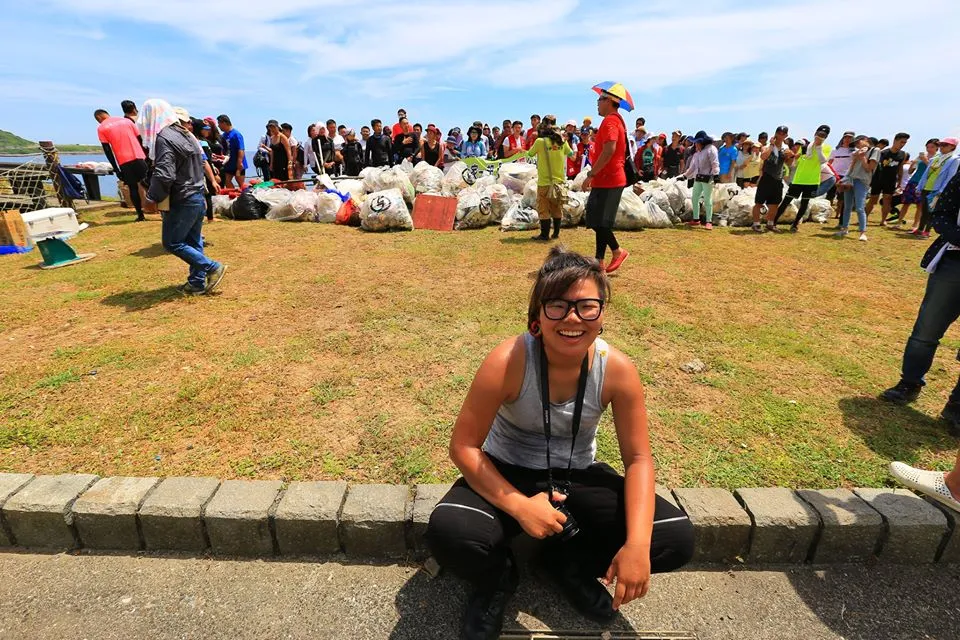
The joy felt after every beach cleanup. Photo Credit: 動手愛台灣
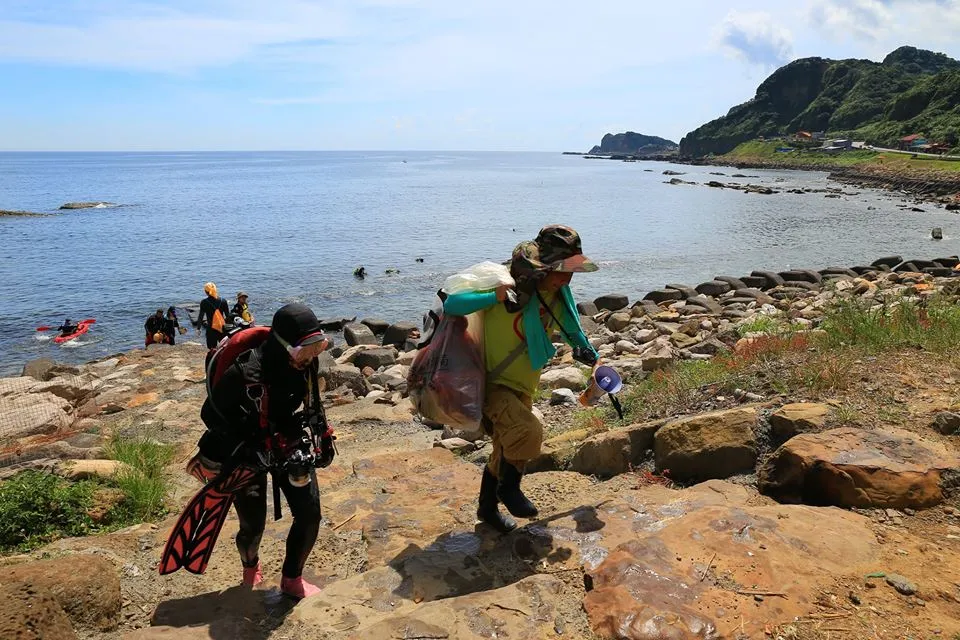
Brought together by a shared love of the ocean. Photo Credit: 動手愛台灣
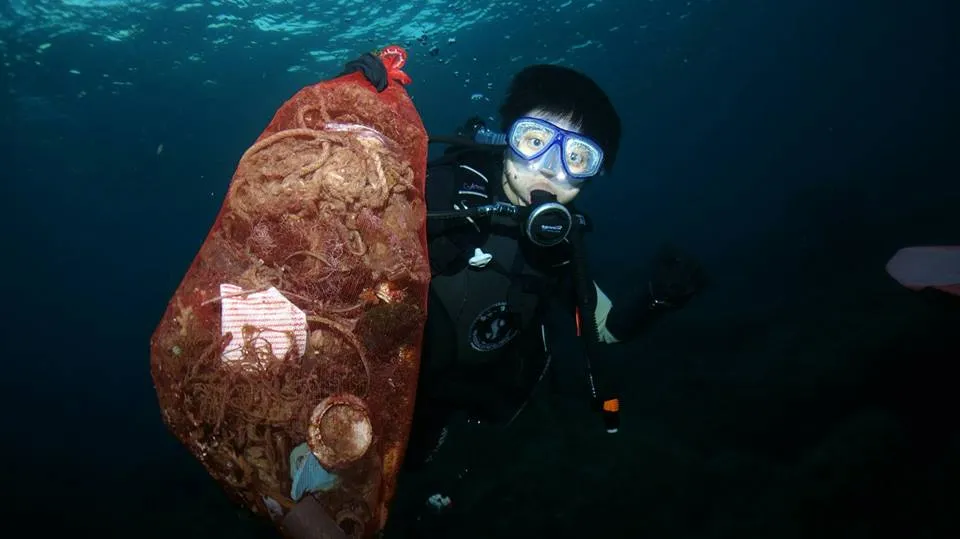
Deep diving ocean cleanups are also gaining popularity. Photo Credit: 揪潛水同學會
Beach cleanups are never meant to be a cure-all for marine debris — the real hope is that by holding these events, we can inspire everyone to reduce plastic use in their daily lives. The rate at which humans produce plastic is growing exponentially, and if we don't cut down at the source, no number of beach cleanups or newly built incinerators will ever fully solve the problem of marine plastic waste. The most we can currently do is collect debris along the shoreline — yet far greater quantities of plastic are floating on the open ocean, forming vast garbage patches that humanity will spend many times more than the cost of "making the plastic" to eventually clean up.
Further reading: Dutch youth builds ocean garbage collector
So what becomes of the shoreline debris that everyone spends so much time collecting? Unfortunately, at this stage all of it can only be sent to incinerators to be burned — a process that not only consumes energy but also causes secondary pollution (burning one tonne of plastic produces 3 tonnes of carbon dioxide).
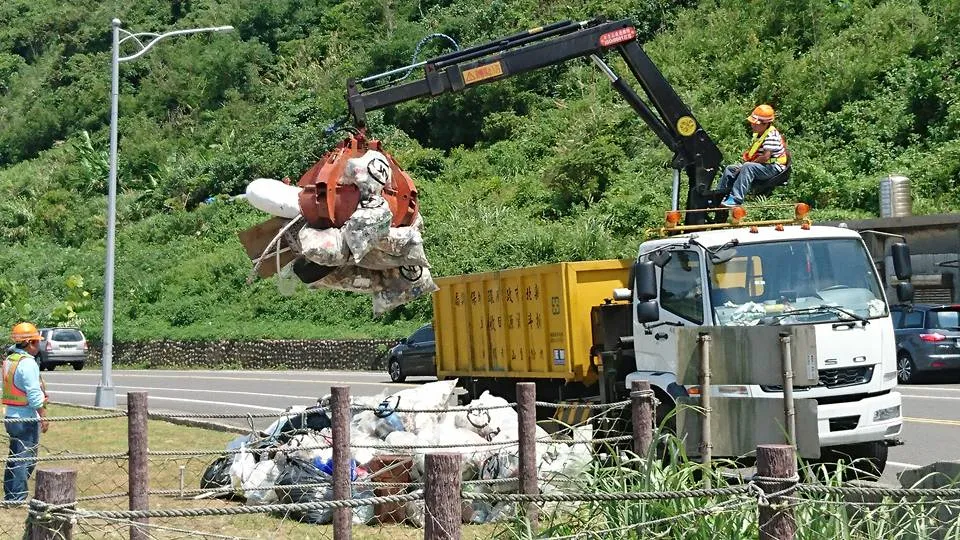
Incineration is currently the only option for processing marine debris. Photo Credit: 動手愛台灣
Beyond secondary pollution, incineration also gives rise to a host of further problems — including aging incinerator infrastructure in Taiwan approaching the end of its service life, ever-increasing energy demands, and strong public opposition to building new facilities. These will all be critical factors to weigh as environmental initiatives move forward.


A New Eco-Friendly Diesel Technology
Last year, we participated in the 社企流iLab incubation program, hoping to address the marine debris problem through a social enterprise model. In the process, we visited approximately 20 plastic recycling and processing businesses across Taiwan, and eventually discovered a remarkable technology that may well become the best option for marine debris processing in the future.
EVP Group's R-ONE technology uses molecular decomposition to convert mixed, unwashed plastic back into diesel fuel and a by-product called carbon black. The process produces only 30 grams of carbon dioxide per tonne of plastic and generates absolutely no secondary pollution.
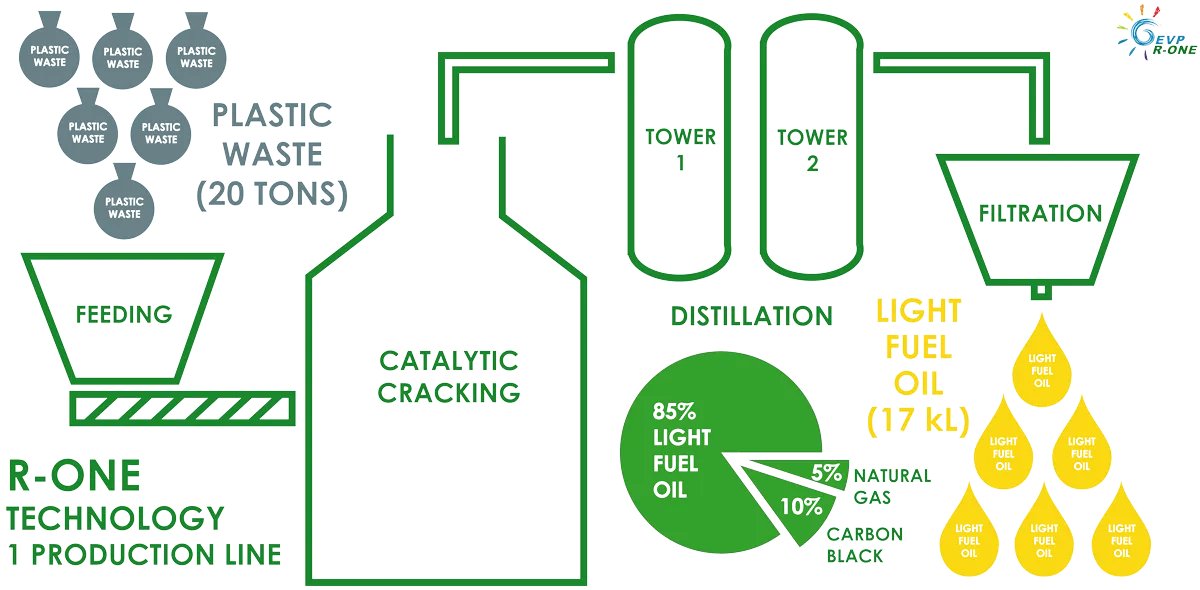
How the R-ONE technology works
This technology happens to address the exact bottlenecks that have left today's recycling operators shaking their heads when it comes to marine plastic debris:
- Requires material sorting => Too many types of plastic, but R-ONE can process mixed materials
- Requires washing => Marine debris tends to retain salt, seaweed, sand, and other impurities, but R-ONE converts these into the by-product carbon black
- Cannot achieve economies of scale => Because of the two points above, the range of recyclable plastic types is too narrow — but R-ONE sidesteps this issue entirely.
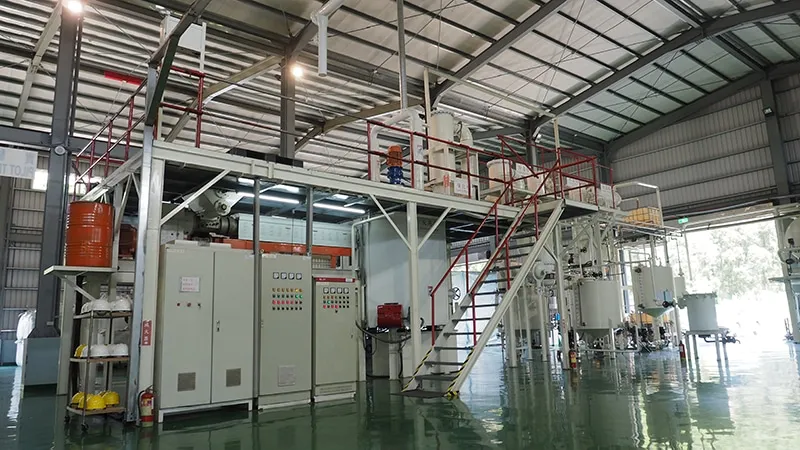
R-ONE production equipment — clean, tidy, and centrally computer-controlled
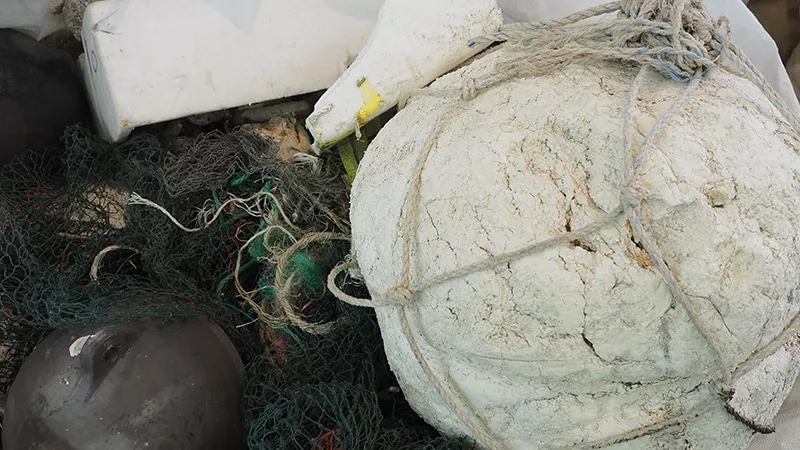
Capable of simultaneously processing fishing nets, styrofoam, and other fishery waste
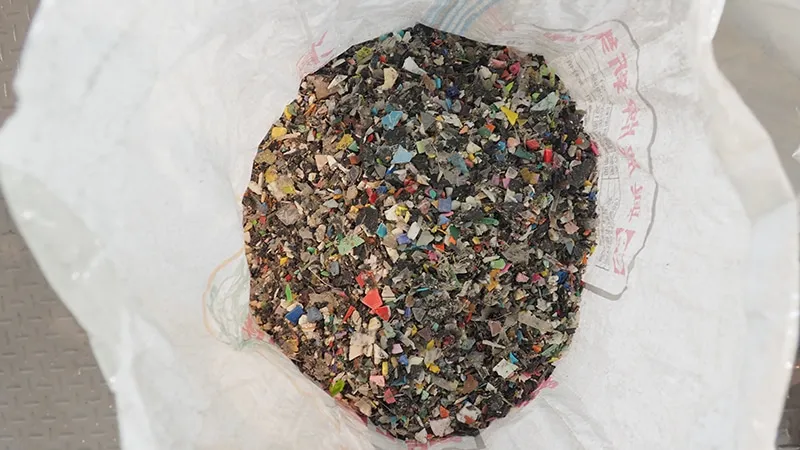
Common plastic fragments found in marine debris can all be processed together as mixed material
This technology is 100% homegrown in Taiwan. If it can be applied to marine debris processing, it could well become another source of Taiwanese pride on the world stage. That said, any business must be profitable to survive — at present, the company's main focus is on industrial waste with cleaner, more consistent feedstocks (such as plastic injection offcuts and waste cable sheathing), which offer stable supply and sometimes even generate a processing fee. Providing free marine debris processing remains a business model hurdle yet to be overcome. Fortunately, the company is currently planning a marine debris-specific project, and we look forward to the day when a MIT (Made in Taiwan) marine debris processing technology can make its mark internationally!
Further reading: