

The Editor says: The main reason I'm sharing this article is that underwater, you occasionally come across freedivers training in incorrect ways. I've seen lead weights and kettlebells dangling from a descent line, swinging like a pendulum with the current — not only does this damage the coral ecosystem on the bottom, it can also pose a serious injury risk to scuba divers below. I hope this series from Weird Coach helps everyone develop the right approach to freediving training!
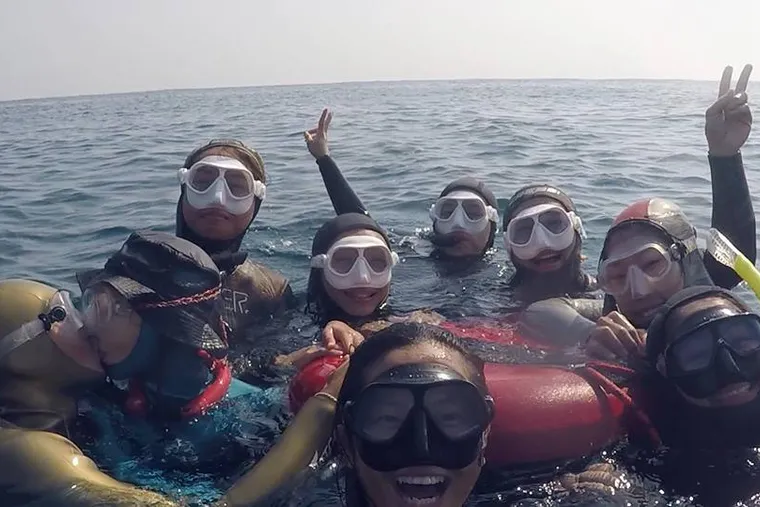
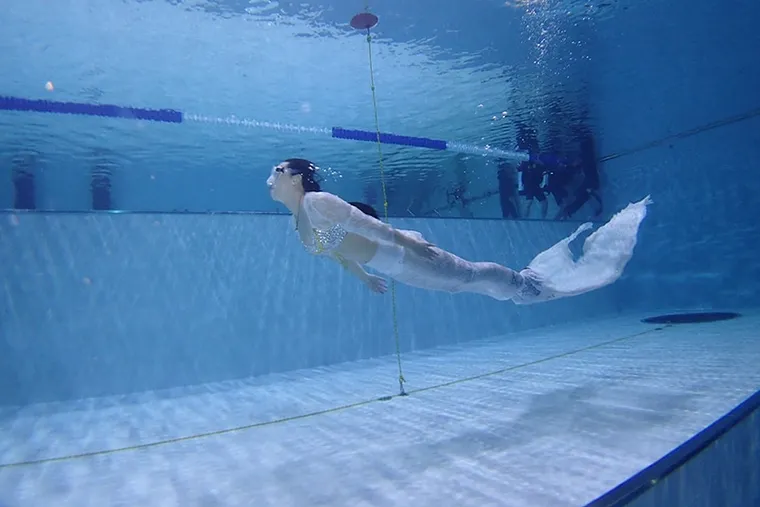
After completing a freediving course, many people want to keep practising or training with their dive buddy.
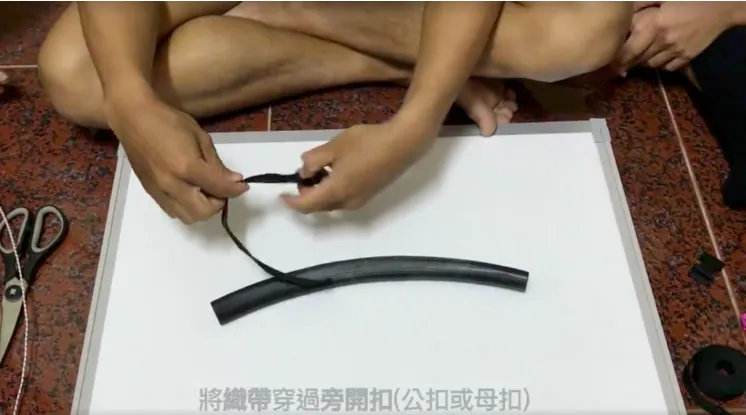
A lot of beginners don't know how to set up a float, which means they can't train properly.
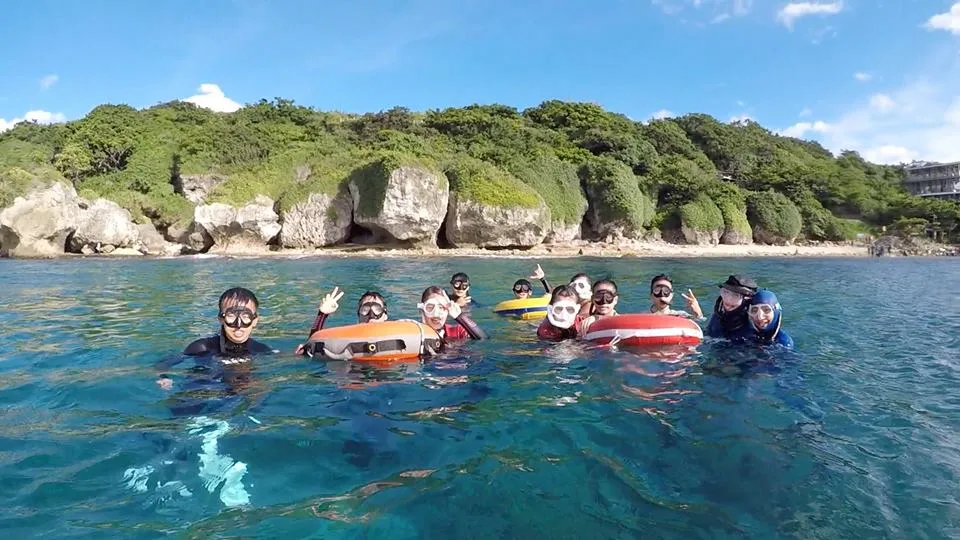
The main purposes of setting up a float are:
- To train safely
- Correct float setup protects the underwater environment
- To make vessels aware that freedivers are in the water, preventing accidents
Of course, a float serves many other purposes too — giving freedivers a place to rest, storing drinking water, and more.
If everyone learns how to set up a float and follows safe operating procedures, you can conduct your own practice or training sessions effectively and safely!
Setting up your float correctly protects both yourself and the marine environment below.
Next time, Weird Coach will share a video of the actual in-water setup.
If you enjoy our content, don't forget to like the "Weird Coach Freediving" page!