Contents(9)
- Strengths of Whale-Watching Sighting Data
- Long Time Span Covering Seasonal and Annual Variation
- High Effort, High Reliability, and Records of Rare Species
- Local Monitoring, Fostering Community Science Education and Participation
- Public Participation, Open and Transparent Data, and Information Enhancement
- A Stepping Stone Toward Connecting Northwest Pacific Cetacean Data
- Limitations of Whale-Watching Sighting Data
- Related Links
- Further Reading
the Editor says: Did you know? Through cetacean sighting records and related data collected by citizen scientists, we can not only deepen our understanding of cetacean ecology and behavior, but also reflect the indispensable role of citizen science in environmental conservation. Join BlueTrend and become a citizen scientist! <Full article reprinted from the Kuroshio Ocean Education Foundation; written by Yu Xin-Yi, 2023.4.14>
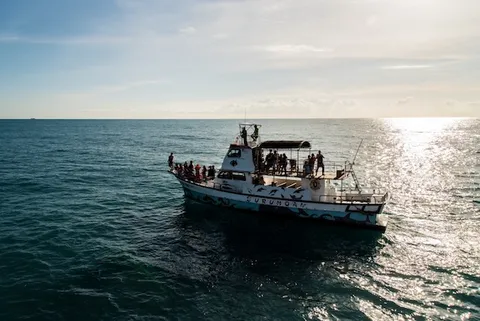
Thanks to the efforts of many, Taiwan's only long-term cetacean at-sea sighting dataset (1998–2021) was finally made publicly available this past March through the Global Biodiversity Information Facility (GBIF). From the very first year of Kuroshio's founding, naturalist guides spontaneously recorded the species, spatio-temporal occurrence, and behaviors of cetaceans observed during voyages. Although data submissions were unstable in the early years due to limited human and material resources, all Kuroshio members agreed on the importance of this foundational work. In addition to training guides in the knowledge and skills needed to fill out observation forms, the organization has in recent years hired dedicated staff who, together with interns, volunteers, and guides, compile the records into digital files; researchers then clean each entry to ensure accuracy. To date, the dataset spans twenty-three years (1998–2021, excluding 2021 due to missing data from 2001), comprising more than 10,000 sighting records. Given the high diversity of cetacean species in Hualien waters, this world-class, invaluable dataset is now available through a public database and is open for use by anyone interested.
Strengths of Whale-Watching Sighting Data
This dataset has already been applied to research on the spatio-temporal distribution of cetaceans in Hualien waters, a study on the spatio-temporal distribution of Risso's dolphins (Grampus griseus) in Hualien waters, the Ocean Conservation Administration's 2022 "Second Ocean Citizen Science Datathon" competition, and Kuroshio's own analyses of cetacean distribution hotspots and biodiversity inventories in Hualien — among other uses. Beyond research and long-term monitoring, we hope this data can be used by people from a wide range of fields: ecology lab courses, geographic information system (GIS) analysis exercises, or science fair papers. We hope that students and members of the public interested in cetaceans will help write new chapters of discovery. Here is a brief introduction to the key strengths of whale-watching sighting data:
Long Time Span Covering Seasonal and Annual Variation
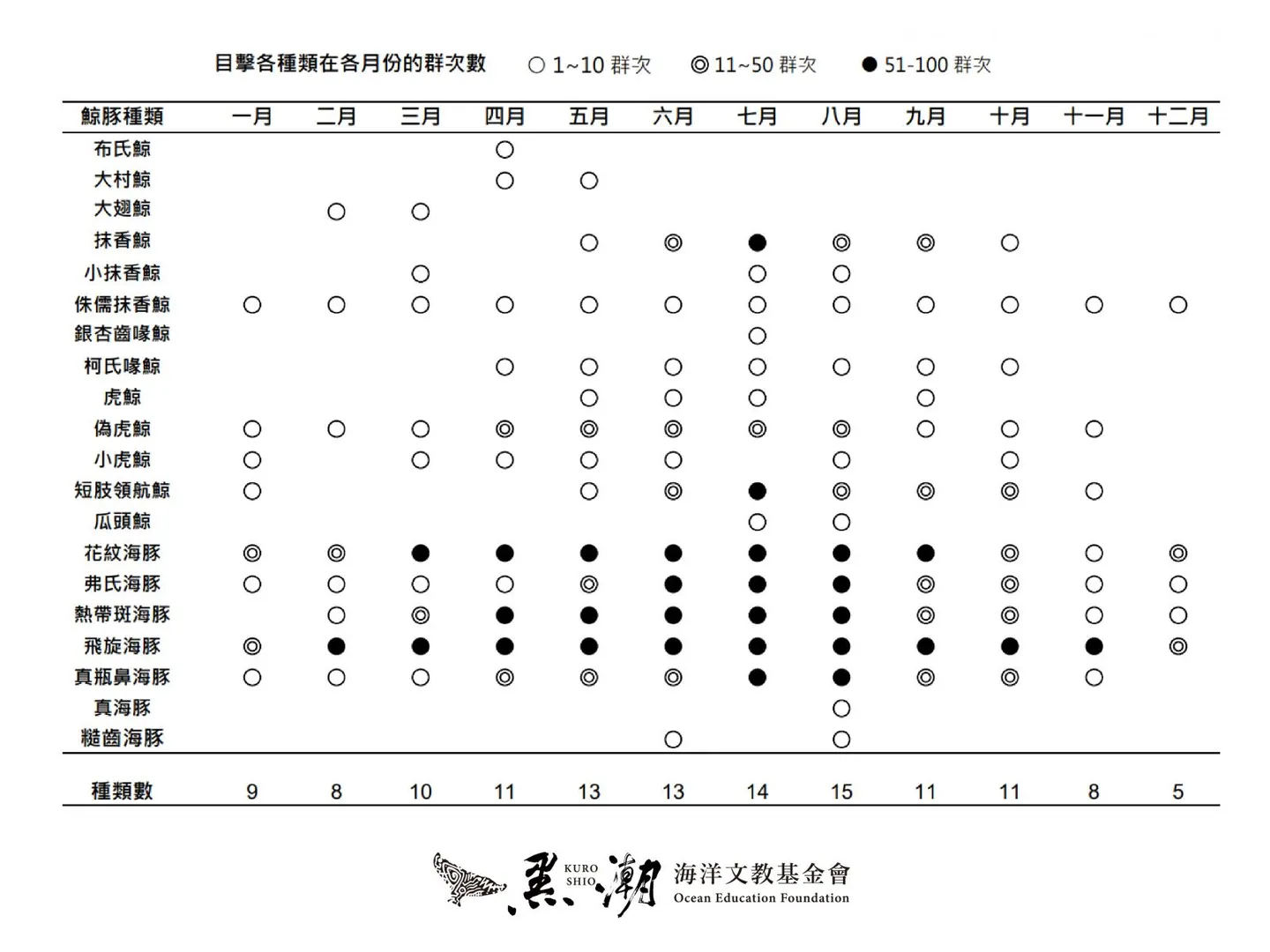
Kuroshio's whale-watching records now span twenty-three years and continue to grow. The dataset also contains the relatively rare winter and spring voyage records; sightings of false killer whales in spring, for example, further highlight the importance of records from seasons other than summer. Based on long-term underwater acoustic monitoring analyses by Dr. Lin Zi-Hao, more cetacean species may be present in winter, but research vessels are often unable to venture out in winter and spring due to budget constraints. Whale-watching data can therefore provide preliminary information in the interim.
High Effort, High Reliability, and Records of Rare Species
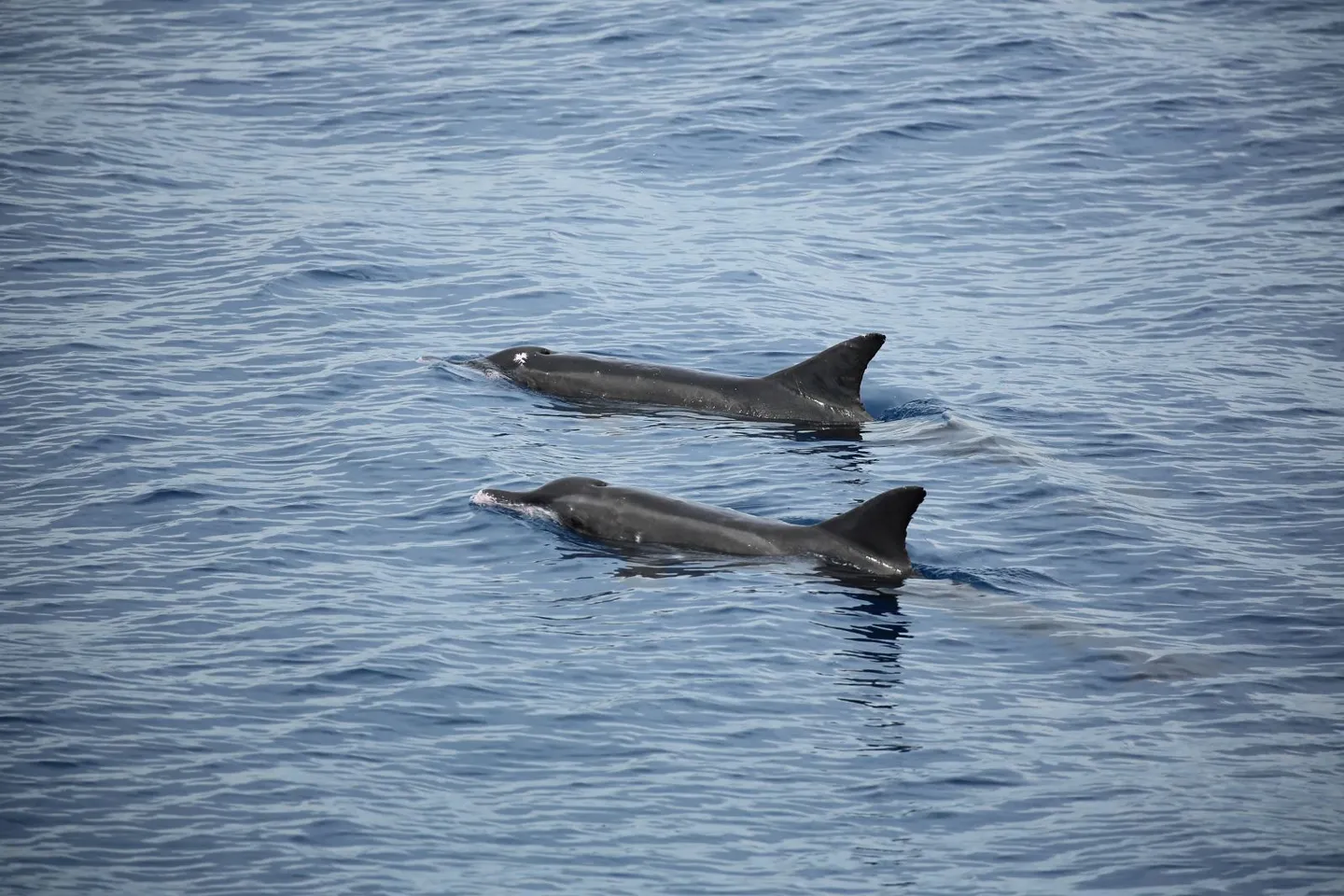
The scientific community strongly affirms the value of data provided by citizen science; rigorously processed data are reliable and are extremely valuable for understanding population and habitat information. In the field of cetacean research, the high cost of systematic surveys often means that survey frequency and coverage are insufficient. Whale-watching vessel data are therefore crucial for filling in information on "rare species," improving the accuracy of cetacean diversity assessments across different regions. In Kuroshio's whale-watching sighting dataset, nearly a thousand records over the past five years have repeatedly yielded new species records, including large baleen whales such as Omura's whale and Bryde's whale, and small dolphin species such as rough-toothed dolphins and common dolphins, for which only a small number of precious records exist — all from whale-watching vessel data — and which have yet to be observed in systematic surveys.
Local Monitoring, Fostering Community Science Education and Participation
The process of training guides to participate in citizen science recording — and their hands-on experience doing so — not only standardizes the methods and definitions used to document cetacean sightings, but also invites more people to engage in scientific recording. This includes identifying different species by key morphological features, and understanding the behavioral definitions used in sighting forms. These skills in quantification and objective description help attract more interested individuals to participate in and contribute to scientific recording. Citizen science participants can also spread this knowledge more widely into schools, communities, and industries. Completing cetacean sighting forms also serves as an introductory exercise for involvement in cetacean research, allowing undergraduates and graduate students to assess the feasibility of scientific projects through recording and analysis.
Public Participation, Open and Transparent Data, and Information Enhancement
In addition to quality control for accuracy, Kuroshio's cetacean data are uploaded to the database in their entirety without any selective human filtering — free from the constraints of any particular survey or research framework, and without any preset assumptions, so as to maintain the neutrality of the data. Beyond the ongoing internal analyses at Kuroshio, making the data publicly available is intended to encourage exploration of cetacean ecology from a wider range of perspectives, and to contribute to environmental monitoring. Through cross-disciplinary participation, the data has the potential to be developed into an indicator for observing the ecological health of cetacean populations, and for detecting potential threats to cetaceans at an early stage.
A Stepping Stone Toward Connecting Northwest Pacific Cetacean Data
Open citizen science data are especially important in areas where research findings remain unclear, and large-scale collaborations are often built on multiple cross-national citizen science datasets. For cetaceans — a highly migratory group with strong movement ability — among the world's several existing cetacean databases, publicly available data from countries along the northwestern Pacific coast remain rare. This cetacean sighting dataset is our open invitation for whale-watching and other survey data from across Taiwan and from other countries to be continually published as well — so that in the waters through which the Kuroshio Current flows, cetacean information can be shared and celebrated alongside biological resources, culture, language, and peoples.


Limitations of Whale-Watching Sighting Data
Records collected on whale-watching vessels do have certain limitations. For example, voyages last only two hours, and the range covered is limited, with relatively little cruising to offshore areas or to the northern and southern boundaries farther from port. Additionally, a small number of species that are not the primary target of whale-watching tours may be underrepresented in the records — for example, pygmy sperm whales, dwarf sperm whales, and beaked whales, which are behaviorally cryptic — while whale-watching target species, including large whales such as sperm whales and killer whales, receive particular recording attention. Furthermore, the same group of dolphins may be recorded multiple times in a single day by different morning and afternoon voyages. These characteristics of the data reflect the kinds of sampling or effort bias commonly encountered in citizen science in general, and researchers will need to address them on a case-by-case basis depending on the needs of subsequent analyses.
The use of citizen science data also requires consideration of the completeness of the citizen science program, including whether personnel training is thorough, the scope and depth of coverage, whether observer bias and experiential variation can be overcome, and the degree of quality control applied before data are made public. Kuroshio has long adhered to a careful scientific approach, standardizing at-sea cetacean observation records and seeking input from various experts to continuously improve data quality. We hope to provide rich, high-quality sighting records as one contribution to the protection of cetaceans.
If you are interested in using this dataset, please also read the integrity disclosure on the data sources and limitations of Kuroshio's cetacean sighting database.
Related Links
- Kuroshio Ocean Education Foundation official website
- Kuroshio Ocean Education Foundation Facebook
- Original article reprinted from: Taiwan's Only Long-Term Cetacean Sighting Record: The Strengths and Challenges of Whale-Watching Citizen Science Data
Further Reading