Contents(6)
- Heron Island's "ecological education" is itself a tourism highlight
- Protecting the "sea turtle nursery" — strict rules become a shared commitment
- Heron Island sea turtle nesting season reminders
- Heron Island sea turtle viewing guidelines
- Turtle canneries, turtle riding… Heron Island's "dark history"
- Million-dollar lights and sound vs. turning off a single lamp — what's your choice?
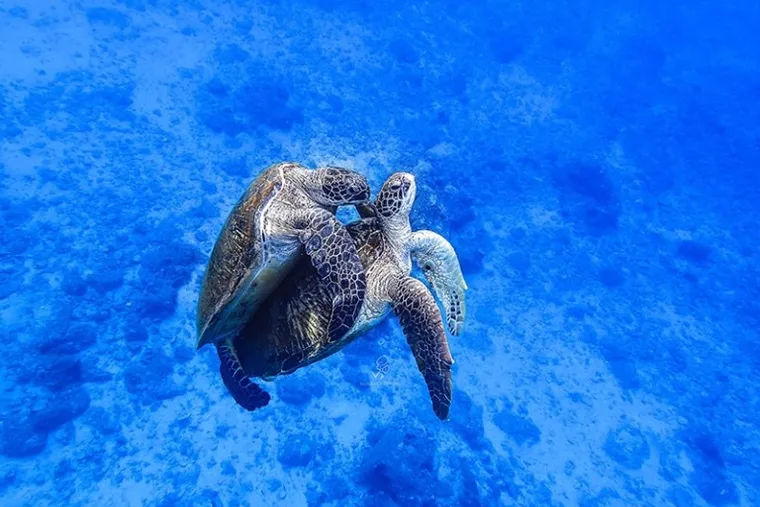
Known as Turtle Island, Xiaoliuqiu made headlines this year when a female sea turtle was recorded coming ashore to nest as early as February — a rare occurrence. Over the past several months, this mother turtle has already laid seven clutches of eggs at Jiaban Bay. Local association volunteers have stepped up beach patrols in hopes of seeing the hatchlings safely emerge. Yet just as the peak sea turtle nesting season approaches, a business operator is planning to hold a "Venice Music Festival" on the beach at Jiaban Bay, featuring a million-dollar sound-and-light setup and a DJ party that runs until the early hours of the morning.
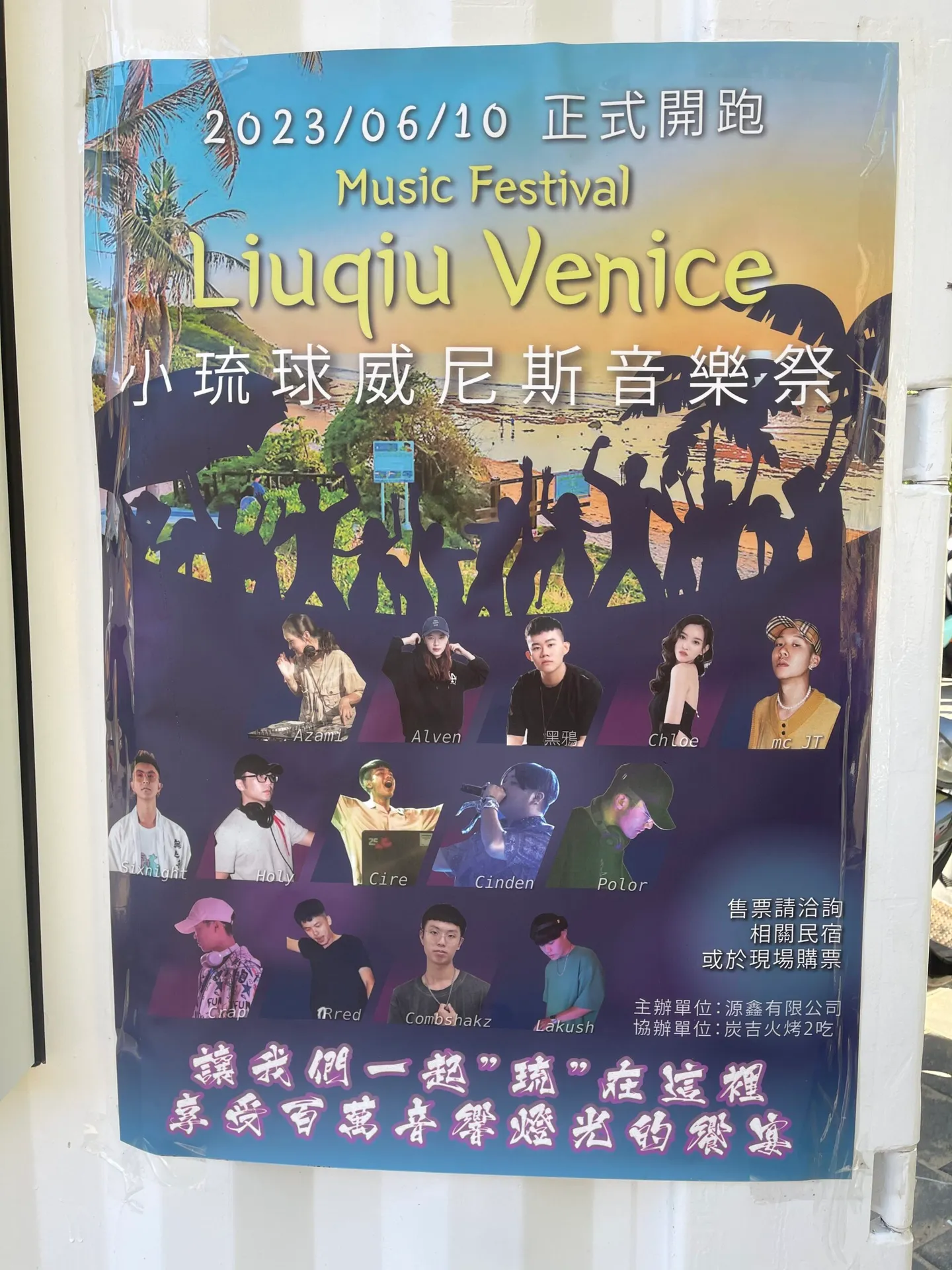
Do you think the Venice Music Festival on Xiaoliuqiu is necessary?
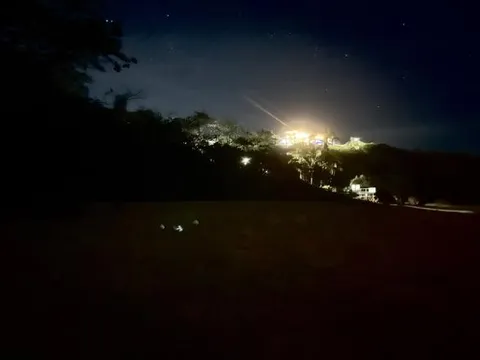
Although the organizers emphasize that the event will not take place on the beach itself, the lights and surrounding noise will still disturb nesting mother turtles and the hatchlings making their way toward the sea. Earlier this year, Chen Li-shu, Director of the Industry-Academia Exchange Division at the National Museum of Marine Science and Technology, visited Heron Island on Australia's Great Barrier Reef. She shared how this internationally renowned destination manages sea turtle nesting season and integrates ecotourism with conservation education.
Heron Island's "ecological education" is itself a tourism highlight
Heron Island sits on the southern end of the Great Barrier Reef. It is both a resort and a national park, home to the oldest and largest marine research station on the entire Great Barrier Reef. Every year, from November through March, the sea turtle nesting season draws many visitors who linger on the beach hoping to witness a turtle come ashore to nest.
Director Chen observed that the island has fully integrated tourism with ecotourism: the resort contributes funding to the research station, while researchers and numerous eco-volunteers take on the responsibility of public education.
"On the day I visited, at least 80 mother turtles had already come up onto the beach looking for a place to nest." It wasn't just turtles everywhere on the beach — the island's constant reminders also left a strong impression on Director Chen. In addition to signboards displaying "turtle-watching guidelines" posted throughout the area, volunteers and researchers could always be found along the resort grounds and beach, reminding visitors of the rules and offering guided explanations. Director Chen couldn't help but express her admiration: "I really respect them — no matter how busy they are, they always stop to patiently explain things to the public."
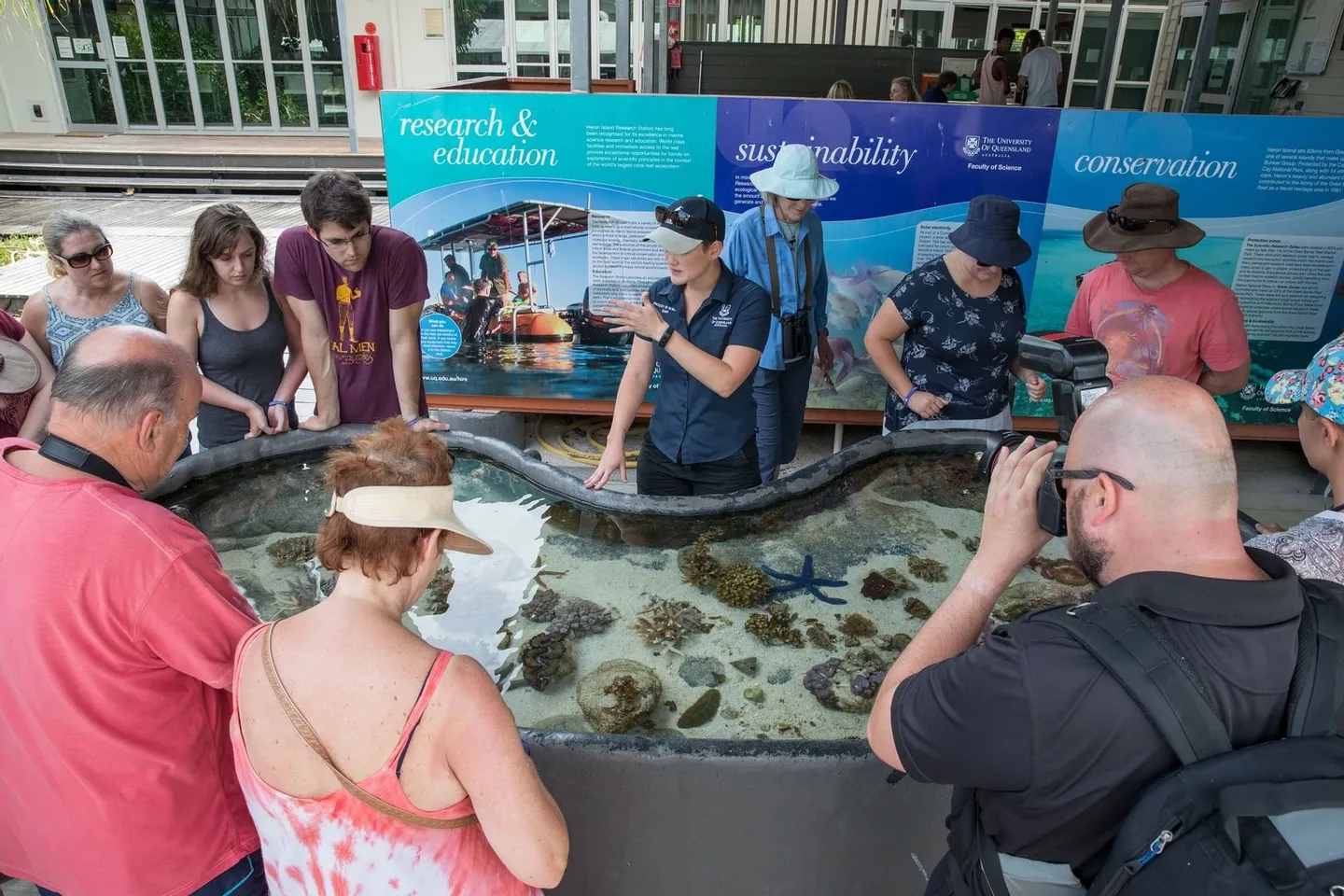
Heron Island is home to the largest marine research station on the Great Barrier Reef, where researchers and volunteers give guided tours and explanations to visitors. Image source: Heron Island official website


Protecting the "sea turtle nursery" — strict rules become a shared commitment
Director Chen noted that during nesting season, any non-essential light source can affect a sea turtle's ability to navigate, potentially disturbing mother turtles and causing them to abandon nesting and return to the sea; it can also cause newly hatched turtles to follow artificial light sources away from the ocean. On Heron Island, "reducing light" has become a collective understanding. Director Chen shared the island's official guidelines:
Heron Island sea turtle nesting season reminders
To allow hatchlings to reach the sea without human interference, artificial lighting near the beach must be avoided. Torches, streetlights, and light from hotel rooms can all cause hatchlings to lose their way. Visitors are therefore asked to:
- Turn off balcony lights
- Draw the curtains at night
- Avoid using torches, and do not use a flash when taking photos
Director Chen explained that even though there is a considerable distance between the beach and the ocean-facing rooms of the resort, turning off the lights is both a rule and an unspoken agreement on the island — a commitment to minimizing impact as much as possible. She shared a real-life example: a sea turtle once followed a faint light source all the way to the research station, requiring tremendous effort to move it back to the sea.
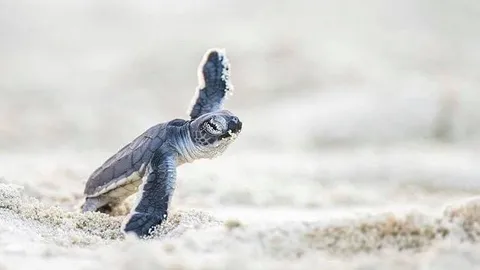
From November to March each year, Heron Island enters sea turtle nesting season. Every visitor can stroll along the beach and witness this sight firsthand, and strict rules are in place requiring all visitors to comply. Image source: Heron Island official website
Heron Island sea turtle viewing guidelines
Watching sea turtles nest at Heron Island is an experience open to every visitor, and there are specific instructions on how to behave around them — guidelines that everyone must follow.
- Do not use any lights near the beach, and flash photography is strictly prohibited.
- If you see a sea turtle, crouch down and remain still, as sea turtles are extremely sensitive to their surroundings.
- If you see a sea turtle, keep a distance of at least ten metres from it.
- If you see a sea turtle, position yourself behind it.
- Avoid walking along the high-tide line on the beach, as there may be many egg clutches beneath the sand.
- Do not touch sea turtles, and do not dig hatchlings out of their nests.
Director Chen also mentioned that because humans have been feeding seagulls, the seagull population on Heron Island has grown, creating a potential survival threat for hatchlings. As a result, "do not feed the wildlife" has become an increasingly important reminder in recent years.
Turtle canneries, turtle riding… Heron Island's "dark history"
Striking a balance between tourism and ecology is never easy, and Director Chen also shared the island's history: before tourism and ecology learned to coexist, "there was once a turtle cannery here, and 'turtle riding' was even a popular activity."
In the 1920s, the island had a turtle cannery that primarily supplied the United Kingdom, but as turtle populations plummeted and profits dried up, the operation shut down. Later, a sea captain saw the island's potential and built a resort — though "turtle riding" was among the resort's popular activities at the time, and it wasn't banned until the 1960s.
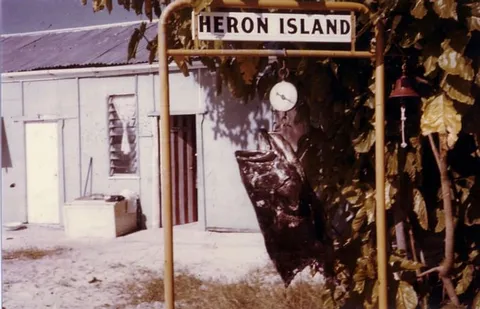
The Heron Island resort incorporates the history of tourism on the island as one of its guided tour themes, inviting guests to reflect together on the balance between ecology and tourism. Image source: Heron Island official website
The island's rich ecological resources led to the establishment of a national park and a research station, drawing many visitors eager to witness sea turtles nesting. Director Chen smiled as she recalled that while staying in the research station dormitory, hearing the mating calls of one or two hundred thousand herons was truly astonishing — though most tourists stay at the resort and are not affected. "The general feeling on the island is that making ecotourism the centerpiece of the visitor experience also raises the overall quality of tourism."
Million-dollar lights and sound vs. turning off a single lamp — what's your choice?
It takes a sea turtle at least 20 years from birth to reach reproductive maturity before it will return to its birthplace to mate and nest. When the mother turtle's nesting season overlaps heavily with peak tourist season, recreational activities inevitably have some degree of impact on the ecosystem.
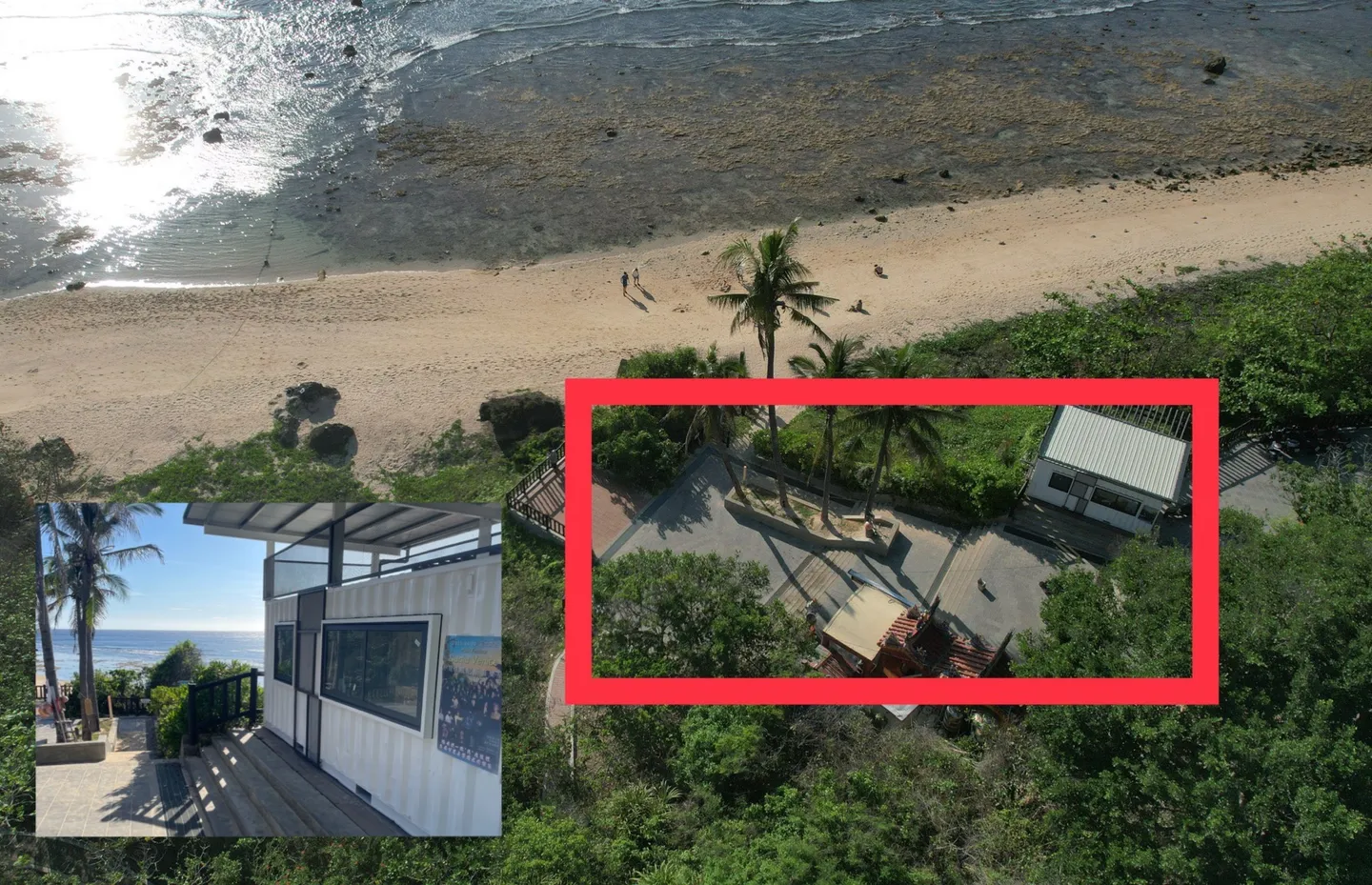
There are still many artificial light sources in and around Jiaban Bay, the sea turtle nesting beach, all of which can mislead turtles trying to navigate their way back to the ocean.
As you enjoy the island's holiday atmosphere, after nightfall you have a choice: bask in the spectacle of a million-dollar light-and-sound show on the beach — or simply turn off a lamp, and let the sea turtles find their way back to the sea and continue their journey home. What will you choose?
Further reading:
- Heron Island
- National Museum of Marine Science and Technology
- From landlubber to sea turtle fanatic — islander Su Huai and the ocean dream of a little island
- A sea turtle enthusiast? Let's meet the six species of sea turtles living on Australia's Great Barrier Reef!
- Capturing the moment of sea turtle mating