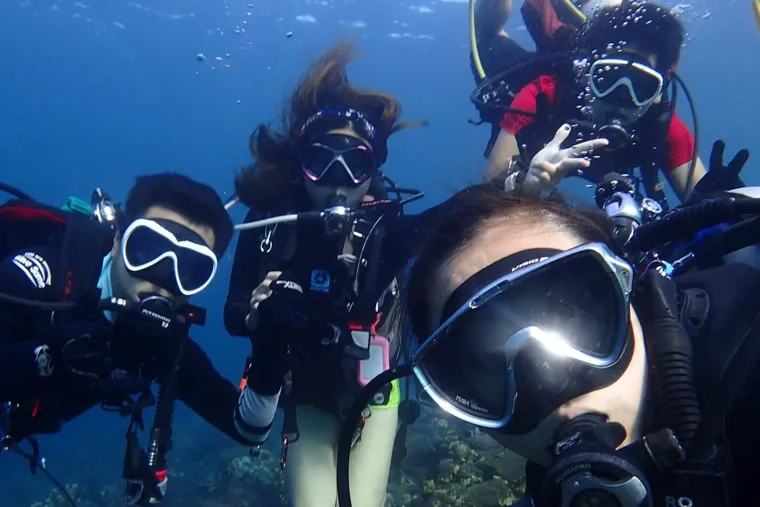
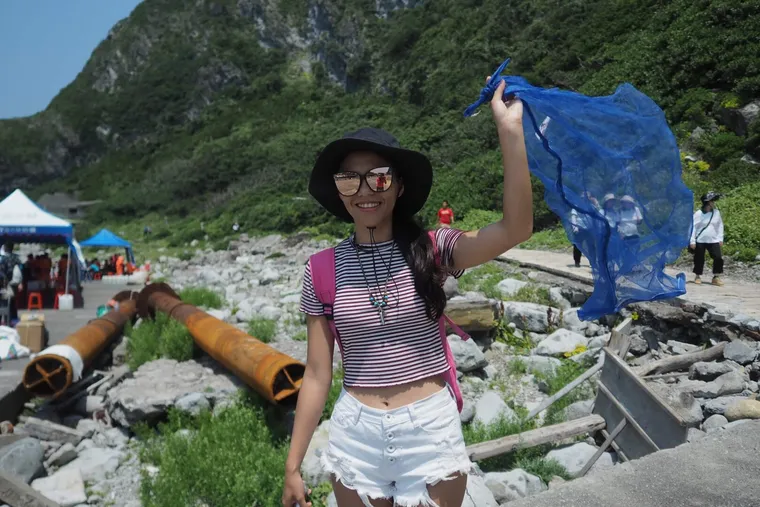
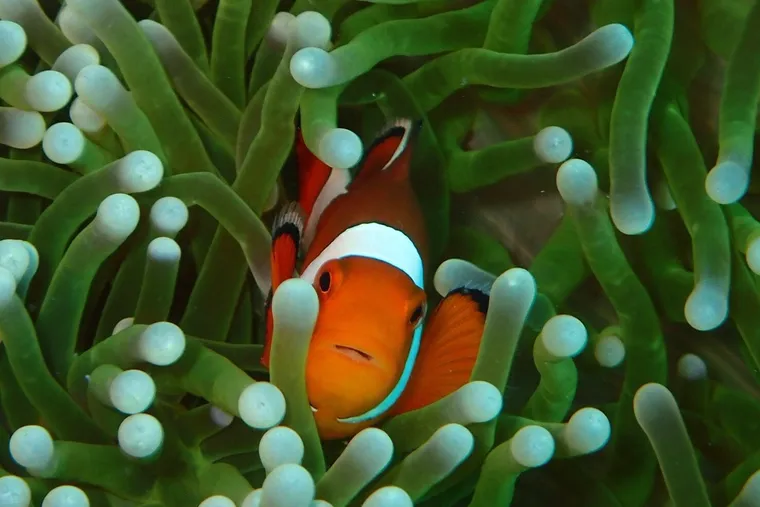
Editor's Note: This year, the Editor had the pleasure of traveling to various islands around Taiwan — including popular destinations like Green Island and Xiaoliuqiu, and even the not-yet-open-to-the-public Keelung Island. Every time we set sail, I found myself in awe of Taiwan's magnificent ocean scenery. Yet I can't say the same for the government's long-standing fear-of-the-sea policies. Divers often lash out at fishermen with emotionally charged language for catching various species of fish, while overlooking the fact that it is the government that holds the most critical role in driving the transformation of the maritime industry. I hope the relevant government agencies will take a more proactive approach to this challenge in the future, so that Taiwan can once again call itself a true ocean nation! This article is reprinted from the personal Facebook page of 張宸浩.
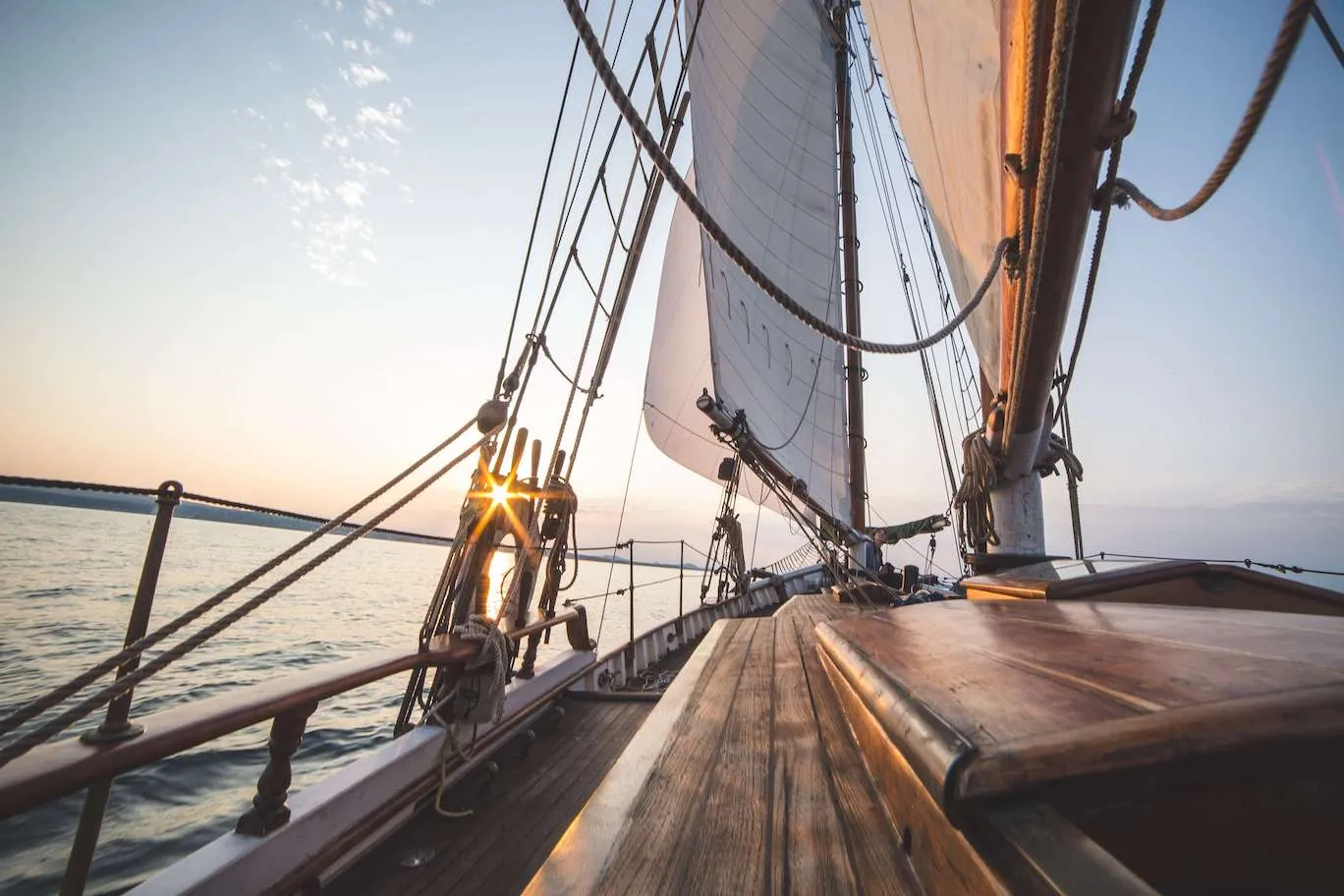
Last week I attended a very glamorous yacht party thrown by a friend of mine — I give it exceptionally high marks. It was the most fun party I've been to this year, aside from my own (a title that previously belonged to the Lunar New Year banquet hosted by Taipei Bureau's Wang, Shao-Kai).
Yacht parties feel impressive — cigars, fine wine, talented and beautiful people, a DJ spinning tracks, the bright moon over the river, a cool breeze on the water. It all gives off an air of extravagant indulgence. But this article is actually about social issues and politics.
The host, Ray Lee (not Ray Chen — a different person who happens to share the same name), is someone I've known for about a year or so. How did we meet? Through mutual friends, social circles, and eventually Facebook.
Most of the new friends I've made in recent years have come through a handful of channels: social circles, events, introductions from friends, friends of friends, and Facebook friends with many connections in common.
Among these friends, quite a few are also involved in the leisure yacht industry — things like yacht marinas, overseas sailing tours, yacht events, or co-ownership of yachts for charter or ocean voyages, and so on.
I had already heard a great deal about Ray Lee long before we met. He has been cultivating the yacht industry for many years and we share many mutual friends. After connecting on Facebook, I discovered that we hold many of the same values online, so I started meeting up with him regularly. His life reads like a storybook — rich with experience. In his early years he studied electrical engineering, worked at the Fourth Nuclear Power Plant and is confident that it is absolutely safe, and even traveled to Cuba hoping to promote dance. He later went into marine ecology restoration, developing a deep passion for the ocean, and eventually threw himself into the maritime industry — including yacht activities, yacht marinas, scuba diving, sea fishing, and more. He has also written for GQ magazine and is a true connoisseur of the good life.
After talking with him about Taiwan's political landscape and the yacht industry, drawing on his years of invaluable experience and sitting through one of his lectures, I came away with a great deal to reflect on.
Taiwan's yacht industry has developed relatively late due to regulatory constraints, and relatively few people here own yachts — yet Taiwan is actually a major yacht manufacturing nation, exporting to Europe and the Americas.
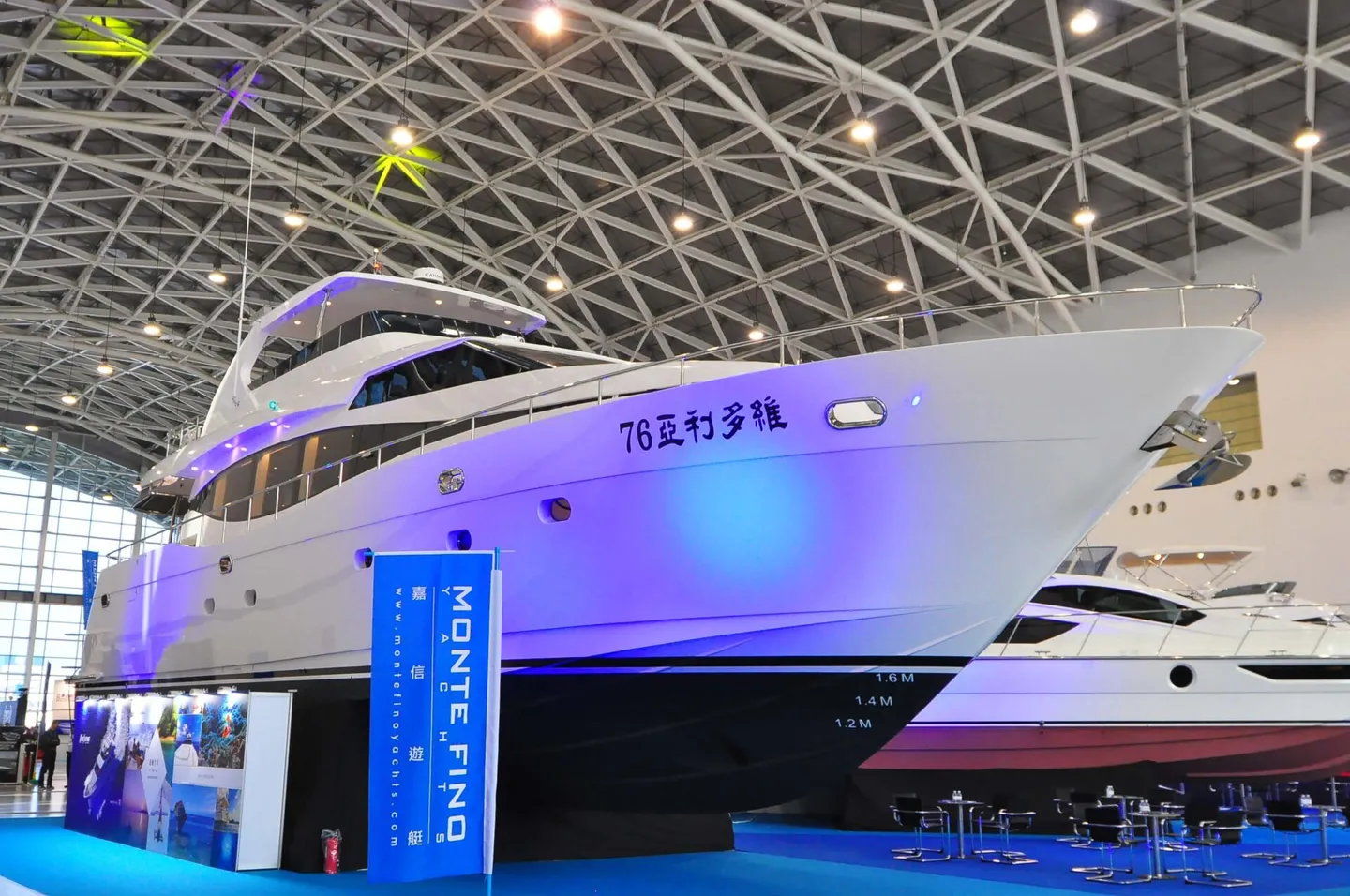
Taiwan is a major yacht manufacturing nation — pictured here is Kha Shing Yacht.
Reflections Inspired by a Yacht Party
In the United States or Mediterranean countries, owning a yacht is perfectly ordinary — even moderately successful middle-class professionals enjoy yachts and sailboats. But in Taiwan, that's rarely the case. Taiwan is clearly a maritime island, surrounded by the sea on all sides, and has excellent conditions for developing a yacht tourism industry. So why hasn't it taken off?
It's certainly not because people lack money — there are actually a great many wealthy people in Taiwan. The primary reason lies in government regulations and attitudes, along with an excessive tendency to protect the fishing industry.
I myself have always loved the ocean. Though I'm nowhere near as accomplished as Ray Lee, I enjoy scuba diving — I hold Advanced Open Water and nitrox certifications — and I enjoy all kinds of ocean activities. What's unfortunate about Taiwan is that it has so many precious resources and yet squanders and neglects them. Taiwan has an enormous wealth of marine tourism resources, but the government has allowed the fishing industry to take whatever it wants from the sea, leaving destruction in its wake.
Make no mistake — the biggest threat to the marine tourism industry is the fishing industry, along with a short-sighted culture. Indiscriminate fishing by fishermen has devastated the ocean, with absolutely no concept of conservation. Hammerhead Sharks, Stingrays, and all manner of precious fish species are simply swept up in nets and killed wholesale. Overfishing also disrupts ecosystems and damages coral growth.
The government could take action on all of this — banning certain catches, designating marine protected areas — but it doesn't dare, for fear of fishermen's protests and losing votes.
And what can the marine tourism industry bring us? An inexhaustible source of marine tourism resources. Just look at Palau, the Philippines, and the Maldives — how many tourists visit Palau every year, just to see beautiful coral, sharks, and manta rays? If a manta ray is hauled up and eaten, how much money does that make? If it's left in the ocean to reproduce and attract diving tourists, how much money does that generate? The latter produces value thousands of times greater.
Taiwan currently has many abandoned and idle fishing ports that could be transformed into yacht marinas for berthing yachts — not only beautiful and stylish, but also economically high-yielding.
We have a beautiful ocean, and we have leading yacht manufacturing technology. Developing a yacht tourism industry is absolutely feasible on a technical level. When the yacht tourism industry takes off, it will attract investment from wealthy Taiwanese — money that goes into yachts instead of real estate, making housing more affordable for young people. That's a truly remarkable investment. As more and more yacht marinas are built and more yachts come to berth, we'll need more people to manufacture yachts and yacht components. We'll need more people to manage marinas and yachts — captains, maritime crew — and yacht charter and management services will flourish. Yacht licensing exams, ocean leisure promotion through print and online marketing channels — all of these are part of the supply chain. Add to that the entire chain of yacht water activities, tourism, and event hosting, which will create countless job opportunities — and all of it is a clean, smokeless industry.
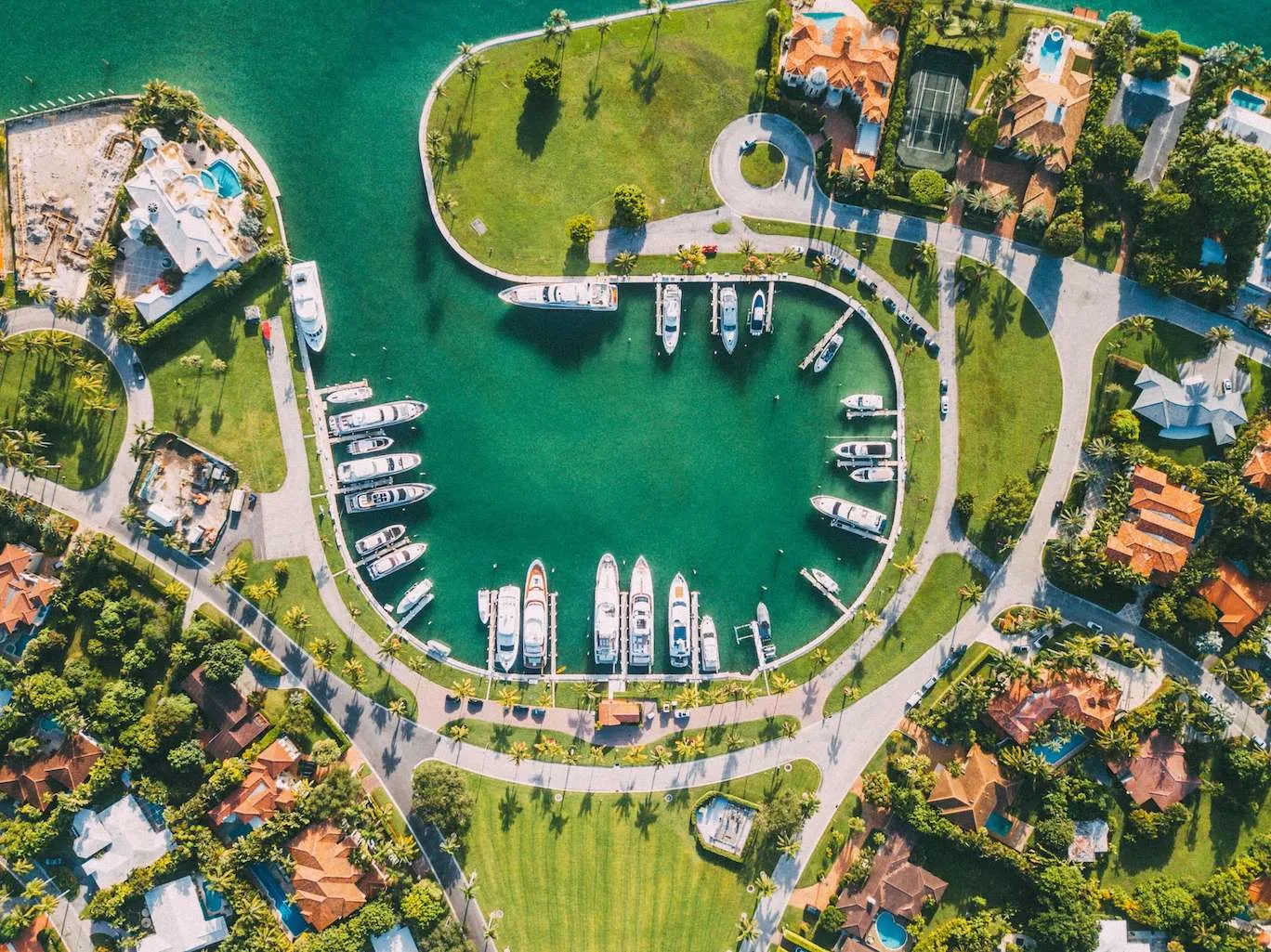
Ocean leisure activities can form a complete ecosystem of industry.
Not to mention how many foreign tourists would come to Taiwan each year for marine tourism and recreation once the yacht tourism industry matures — driving growth in the hospitality sector, hotels, car rentals, tour guides, and more.
Ray Lee also mentioned that Hong Kong residents actually own yachts at a relatively high rate, but the available marina space simply isn't sufficient. If Taiwan or Penghu were to build more yacht marinas, wealthy Hongkongers could dock their boats in Taiwan or Penghu — bringing Hong Kong visitors to Taiwan and generating berthing fee revenue at the same time.
When a well-organized government commits to driving this forward, it can absolutely create a beautiful vision for ocean leisure. But in Taiwan, that's unlikely to happen anytime soon.
The government over-subsidizes the fishing industry — and the irony is that many fishermen aren't even actively fishing anymore. Many simply collect government subsidies, and there are even fuel subsidies on top of that. All the support goes to fishing. Why doesn't the government subsidize the yacht industry instead? Probably because there are no votes in it.
The moment fishermen protest, everything grinds to a halt — that is Taiwan's current culture of populism. Ray Lee recalled that a fisherman once said to him, "We fishermen earn our money through hard work. You're all just out having fun." But has that fisherman ever considered that Taiwan, from past to present, has made its living through the hard work of manufacturing — and that the margins have since all but disappeared? Any transformation comes with growing pains; but once the transformation succeeds, the money earned while having fun is even greater.
When people see someone enjoying a yacht, do they only see it as a rich person's plaything? Have they ever considered that this very thing could earn Taiwan a great deal of foreign currency and improve all of our lives and the economy?
Despite such a challenging environment, I still see many friends who are deeply passionate about the ocean, tirelessly promoting ocean leisure. I love the ocean myself, and their dedication genuinely moves me. Perhaps in the second half of the year I'll go and get a yacht operator's license.
Short-sighted culture and Taiwan's excessive populism — no matter what you try to do, there's always a wave of self-styled "awakened youth" coming out to whine, obstruct, and boycott. Ray Lee and his merry band of companions are destined to walk a hard road toward their dream of ocean leisure tourism. But at least, on the Leaders Ocean website, I did see that the yacht marina had its opening ceremony, attended by Mayor Chu Li-lun for the ribbon-cutting. Perhaps even in this populist society, there are still a few clear-headed officials — and that, at least, is worth encouragement.
Further Reading: