![[What Your Instructor Never Taught You!] A Deep Dive into Regulator Details — Part 2](/_images/46e47eb26ca5-480w.webp)
Contents(8)
- 《Regulator Detail Series No. 5 — The Atomic Oil-Filled Regulator》
- 2 Benefits of Oil-Filling a Regulator:
- 《Regulator Detail Series No. 6 — The Odd One Out Among Regulators》
- The Diaphragm-Equipped Piston Regulator — Sherwood
- 《Regulator Detail Series No. 7 — O-Ring Differences Across Scubapro Series》
- Scubapro's S-Series Second Stage Regulators Have an Extra O-Ring on the Spindle
- 《Regulator Detail Series No. 8 — Go Back and Loosen That Knob!》
- 《Bonus Feature — How to Choose a Pressure Gauge (SPG)?》
If you haven't read the first article yet, here's the link: [What Your Instructor Never Taught You!] A Deep Dive into Regulator Details — Part 1
《Regulator Detail Series No. 5 — The Atomic Oil-Filled Regulator》
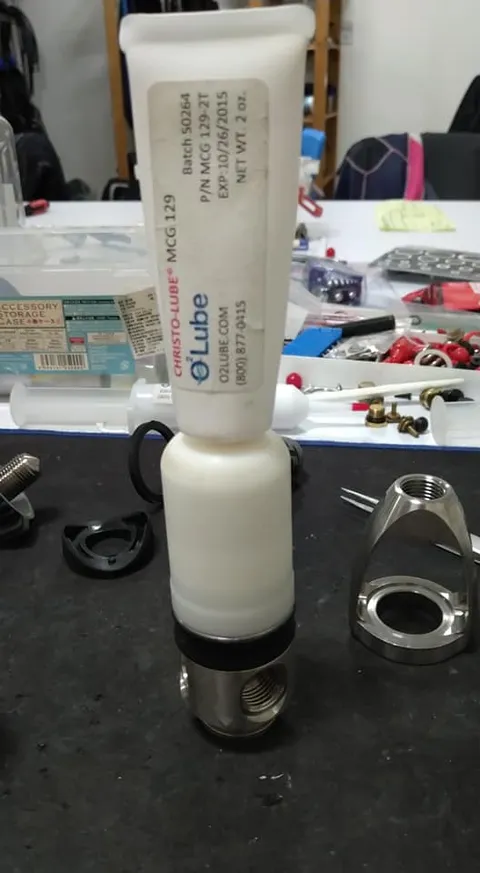
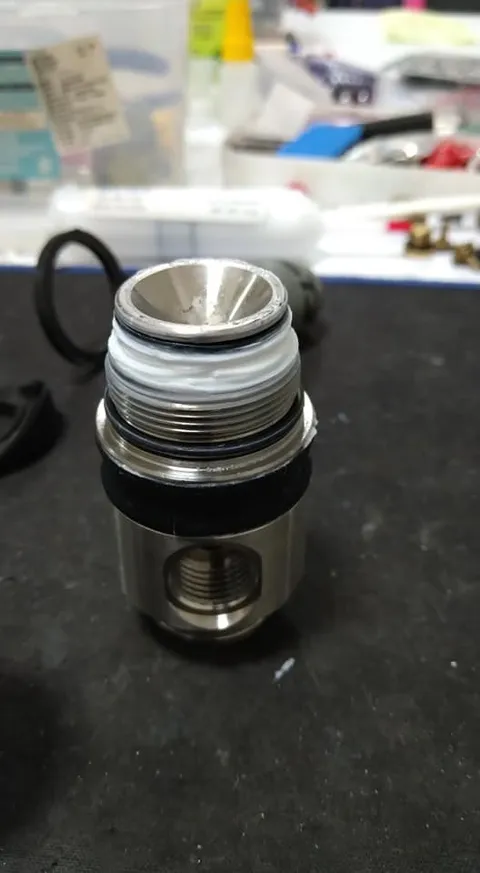
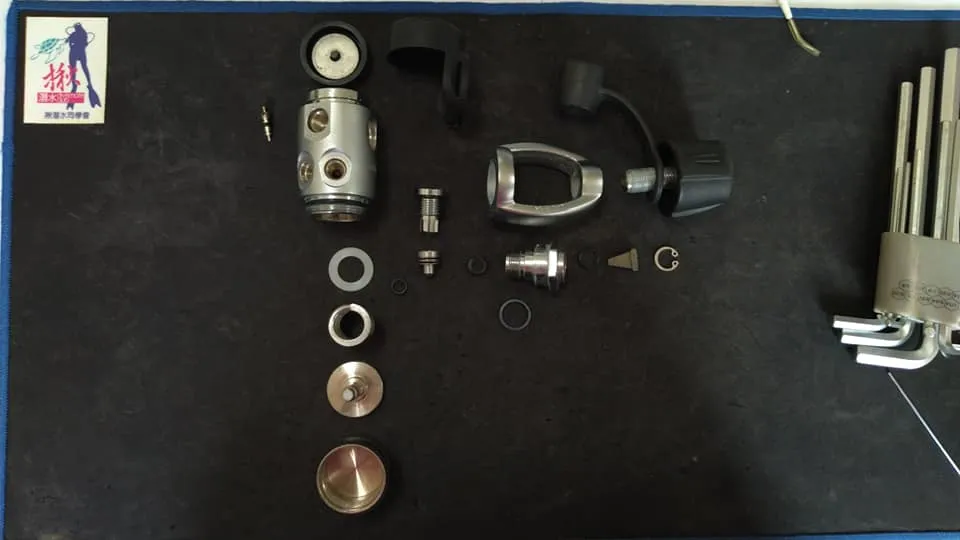
Beyond its titanium construction, the Atomic T-series regulator is perhaps best known for its industry-exclusive oil-filling technology. So what exactly is this mysterious oil, and what magical effects does it have? Atomic injects MCG-129 using a special tool (top row, left in the photo) into the space between the intermediate-pressure spring and the piston (top row, center). An elastic rubber ring then seals the port that would otherwise allow seawater to enter. As a result, external water pressure compresses the rubber, the rubber pressurizes the MCG-129, and the MCG-129 in turn presses on the piston — effectively transferring water pressure indirectly.
2 Benefits of Oil-Filling a Regulator:
-
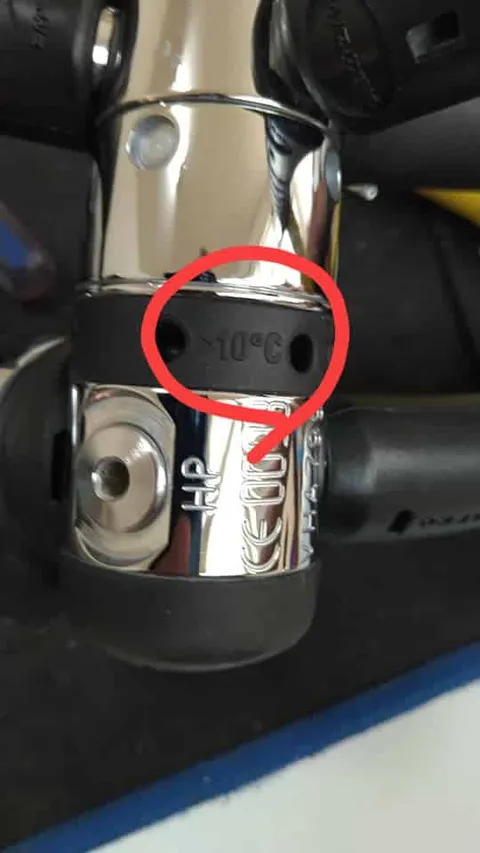
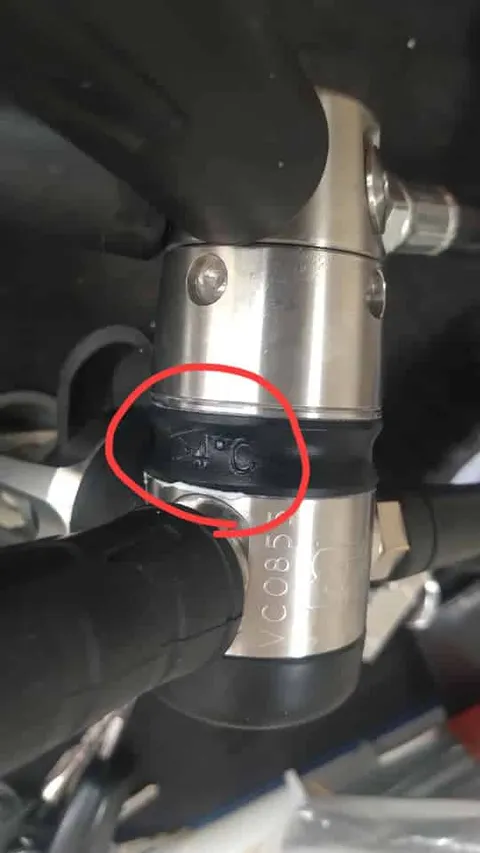
Freeze resistance: In a conventional regulator, seawater enters the interior and surrounds the intermediate-pressure spring to compensate for water pressure (don't worry if that doesn't make complete sense — it requires an equipment maintenance course to fully understand, but if you've taken my course and still don't get it, that's a spankable offence). When the regulator is working, it reduces the high-pressure gas from the scuba tank down to intermediate pressure; as the pressure drops, the gas expands and absorbs heat — you've probably noticed how cold the dust cap feels after you blow into it! When the surrounding seawater temperature is too low, this heat-absorption effect can cause the seawater inside to freeze. Imagine it like something out of Frozen — ice locking up the intermediate-pressure spring so it can no longer function, rendering the regulator inoperative. By replacing the seawater with MCG-129, water can no longer enter the regulator's interior, naturally preventing freeze-related failures. Notice the difference in the body markings between the B2 and T3: the B2 is rated for use above 10°C (top row, right), while the T3 works down to 4°C (bottom row, left) — a 6°C improvement in operating temperature.
-
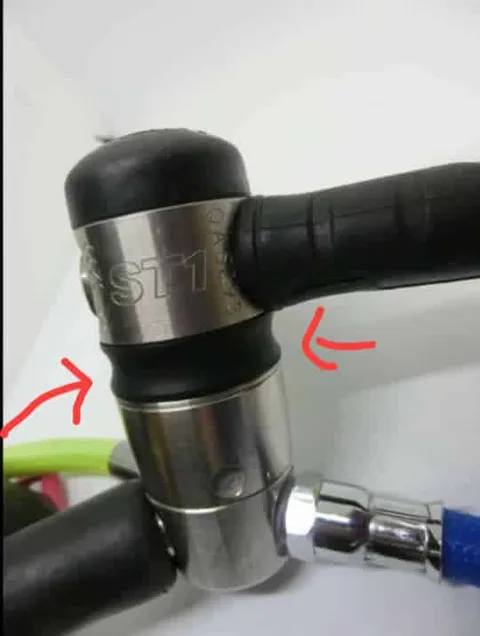
Corrosion and contamination resistance: When dirty water enters a balanced-piston regulator's interior, contaminants can interfere with the piston's reciprocating action and cause malfunctions. By replacing the seawater with MCG-129, dirty water is kept out, naturally preventing failures — and with no seawater inside, corrosion is also avoided. However, if the oil level drops after prolonged use or was insufficiently filled to begin with, the internal vacuum will be lost. At best, seawater will seep in, which may prevent proper water-pressure compensation. To check whether the internal oil fill is adequate, attach a scuba tank and open the valve, then feel whether the black rubber ring in the middle of the T3 is firm and taut; after releasing the pressure, check whether the black ring retracts inward. A correctly filled T3 should have a slight "waist" (bottom row, right) — because when the regulator is not working, the piston moves down, increasing the internal space, and the fully charged oil pulls the black ring inward. If the ring does not retract, the internal vacuum has been lost.
Regulator Detail Series No. 5 — The Atomic Oil-Filled Regulator
Regulator Detail Series No. 5 — The Atomic Oil-Filled Regulator
Regulator Detail Series No. 5 — The Atomic Oil-Filled Regulator
Regulator Detail Series No. 5 — The Atomic Oil-Filled Regulator
Regulator Detail Series No. 5 — The Atomic Oil-Filled Regulator


《Regulator Detail Series No. 6 — The Odd One Out Among Regulators》
Most first stage regulators are either diaphragm-type or piston-type. Today, however, we introduce a piston-type regulator that also incorporates a diaphragm — a design that overturns many conventional assumptions.
The Diaphragm-Equipped Piston Regulator — Sherwood
In a traditional piston-type first stage regulator, intermediate pressure drops as scuba tank pressure decreases, and the regulator cannot be used in cold water (below 10°C) because the piston can freeze and stop working. Neither of these problems exists with the Sherwood. For a primer on how piston-type first stage regulators work, please refer to https://bluetrend.media/regulators-introduce-first-stage/
First, Sherwood redesigned the high-pressure inlet. A spring leaf combined with the gas pressure from the scuba tank automatically adjusts the height of the inlet (top row, center). When tank pressure is high, the inlet is pushed down, shortening the distance to the high-pressure seat on the piston. This shortens the piston stroke, reduces compression of the intermediate-pressure spring, and lowers the intermediate pressure. Conversely, when tank pressure drops, the spring leaf raises the inlet, increasing the intermediate pressure. This neatly compensates for the original pressure variation, enabling stable intermediate-pressure output regardless of tank pressure.
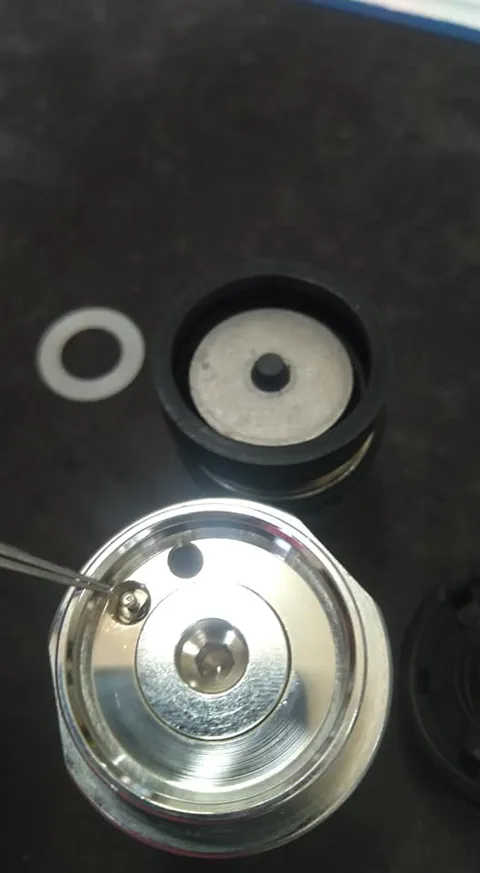
If you look closely at the exterior of this first stage regulator, you won't find any water ports at all — it is a fully environmentally sealed design (video). But how does it achieve water-pressure compensation? The key is that the intermediate-pressure spring chamber is filled with air rather than water (top row, right; bottom row, left). The spring chamber is completely sealed, but there is an air port that feeds air in — and this port communicates with the top of the unit.
It turns out that there is a diaphragm at the top (bottom row, center and right). When you descend and water pressure exceeds the internal air pressure, the diaphragm is pushed down, causing the air nozzle to release air (video) until the internal air pressure equals the external water pressure. As a result, the output intermediate pressure rises with increasing water pressure. Conversely, on ascent, when internal air pressure exceeds water pressure, air naturally leaks out (video — audible hiss), reducing the air pressure until it matches the water pressure again. The entire process uses air pressure to indirectly transmit water pressure.
This design keeps the intermediate-pressure spring completely sealed and isolated from water, eliminating corrosion entirely. More importantly, it makes the regulator suitable for use in polluted water and ice diving conditions.
Regulator Detail Series No. 6 — The Odd One Out Among Regulators
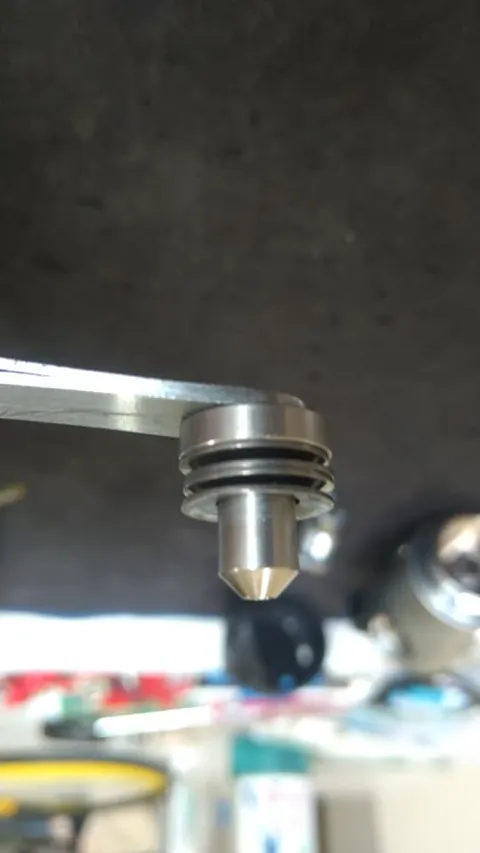
Regulator Detail Series No. 6 — The Odd One Out Among Regulators
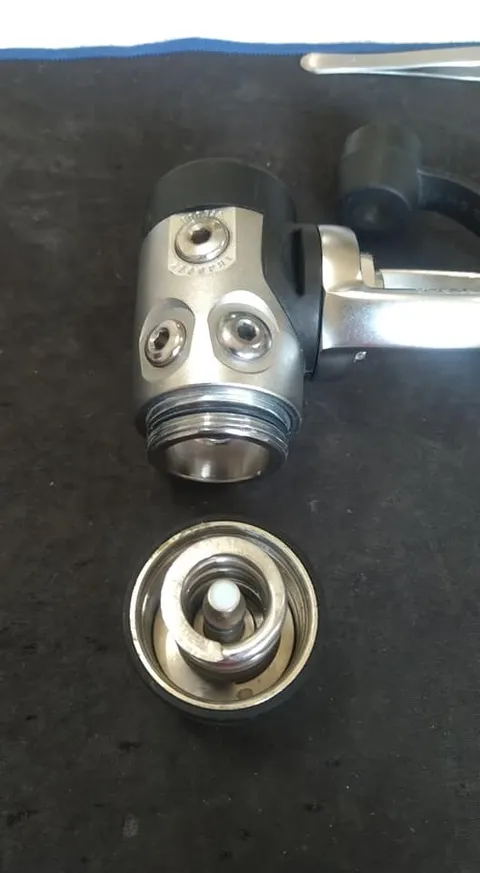
Regulator Detail Series No. 6 — The Odd One Out Among Regulators
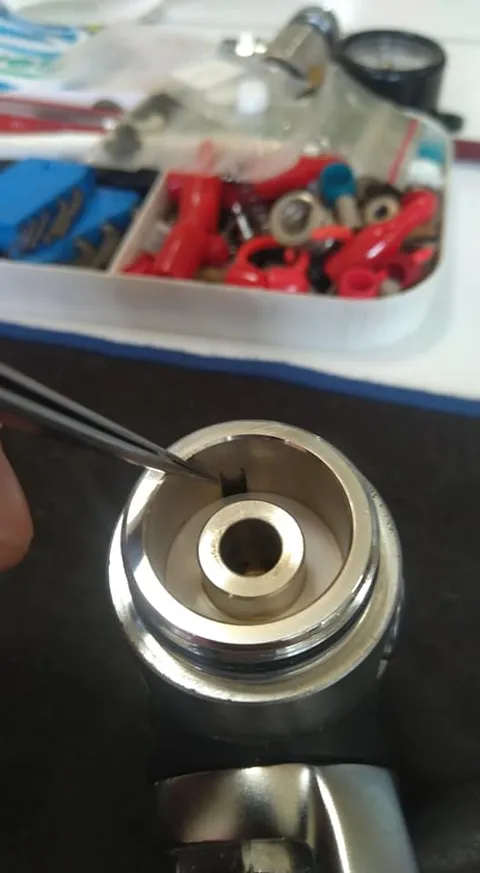
Regulator Detail Series No. 6 — The Odd One Out Among Regulators
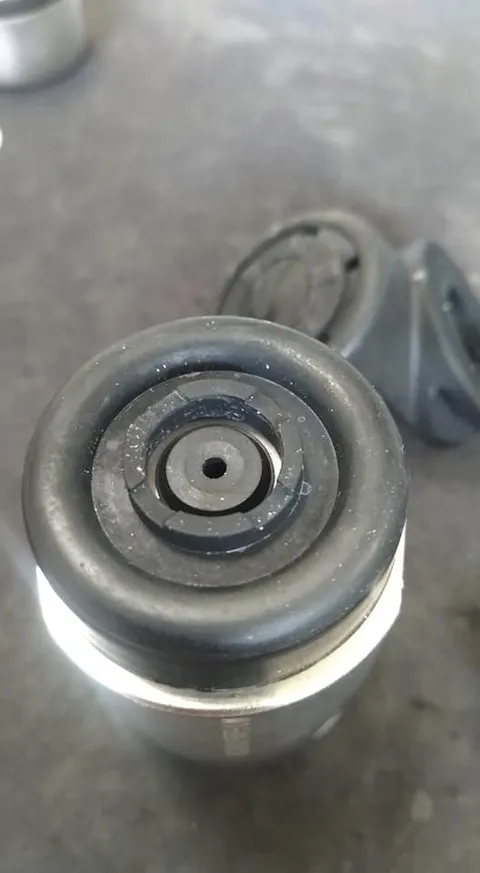
Regulator Detail Series No. 6 — The Odd One Out Among Regulators
Regulator Detail Series No. 6 — The Odd One Out Among Regulators
《Regulator Detail Series No. 7 — O-Ring Differences Across Scubapro Series》
Scubapro's S-Series Second Stage Regulators Have an Extra O-Ring on the Spindle
Have you ever noticed that Scubapro's S-series second stage regulators have an extra O-ring on the spindle, while the R-series does not?
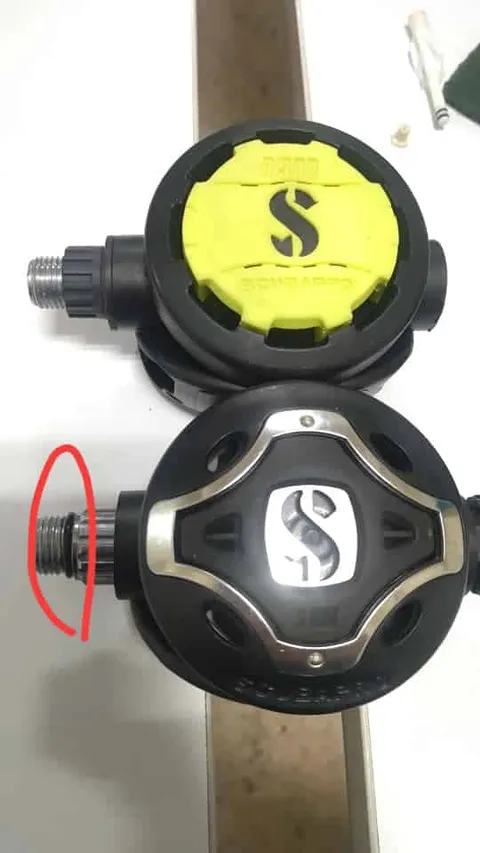
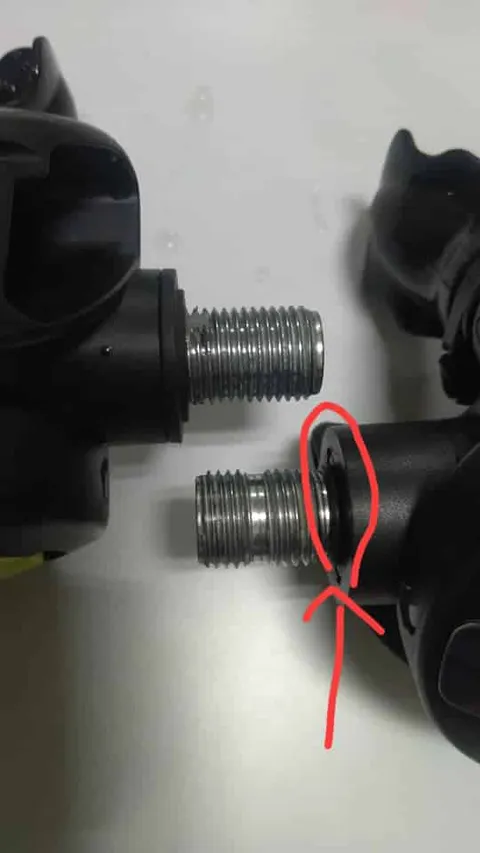
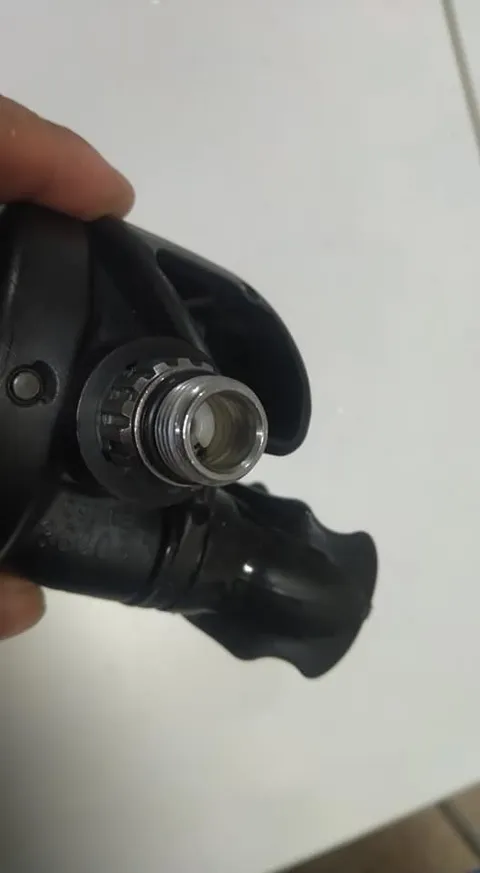
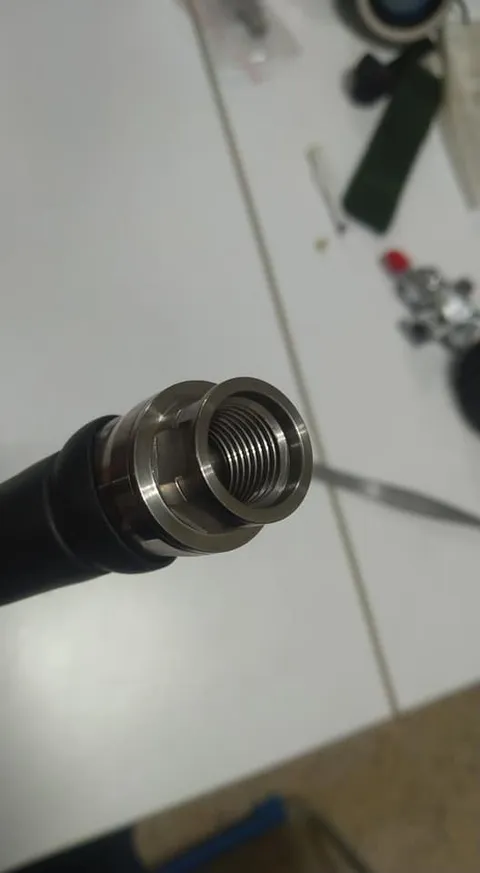
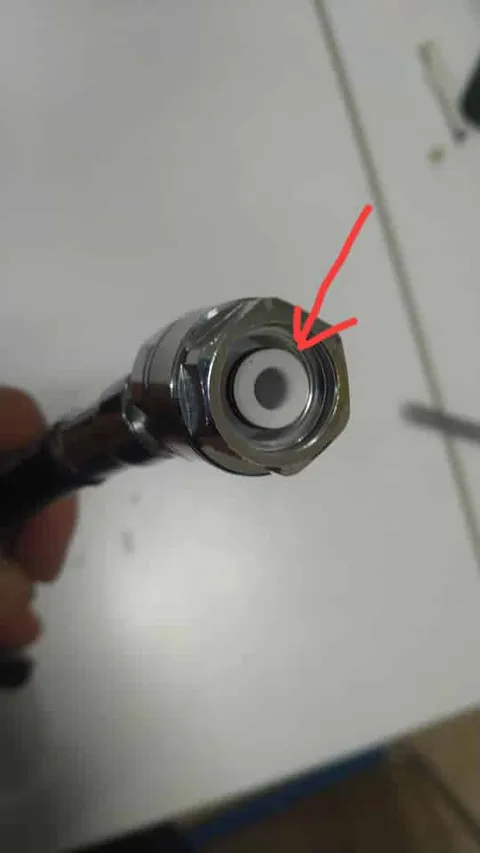
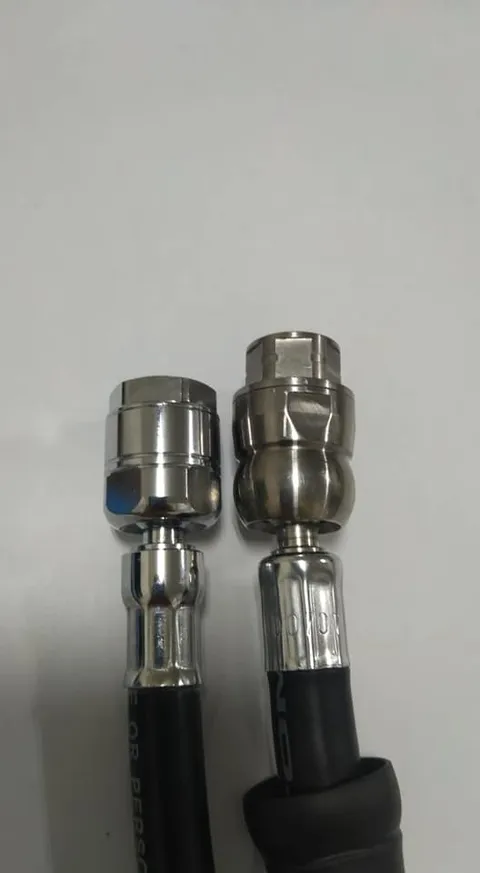
(Photo 1) Tentatively called the second stage spindle external O-ring (AS-013) — and even after removing the retaining screw, there is yet another O-ring inside (Photo 2). In fact, the airtight seal of a second stage regulator is formed by the O-ring inside the second stage spindle (Photo 3) together with the O-ring on the inner diameter of the second stage hose fitting (Photo 4) (AS-010), which together allow the swivel joint to rotate. However, some swivel joints do not have an inner-diameter design (Photo 5); in that case, the spindle external O-ring (Photo 1) must serve as the seal.
Swivel joints also come in short and long versions (Photo 6). When installing a "long" swivel joint, you must first remove the retaining screw and the first O-ring, then screw on the "long" swivel joint directly — at which point the second, inner spindle external O-ring provides the airtight seal.
So the two O-rings on the S-series are there as backup options, ready to accommodate a variety of swivel joint styles. The R-series, by contrast, does not have this provision — meaning that if you want to fit a swivel joint to an R-series regulator, you must specifically use the style shown in Photo 3.
Regulator Detail Series No. 7 — O-Ring Differences Across Scubapro Series
Regulator Detail Series No. 7 — O-Ring Differences Across Scubapro Series
Regulator Detail Series No. 7 — O-Ring Differences Across Scubapro Series
Regulator Detail Series No. 7 — O-Ring Differences Across Scubapro Series
Regulator Detail Series No. 7 — O-Ring Differences Across Scubapro Series
Regulator Detail Series No. 7 — O-Ring Differences Across Scubapro Series
《Regulator Detail Series No. 8 — Go Back and Loosen That Knob!》
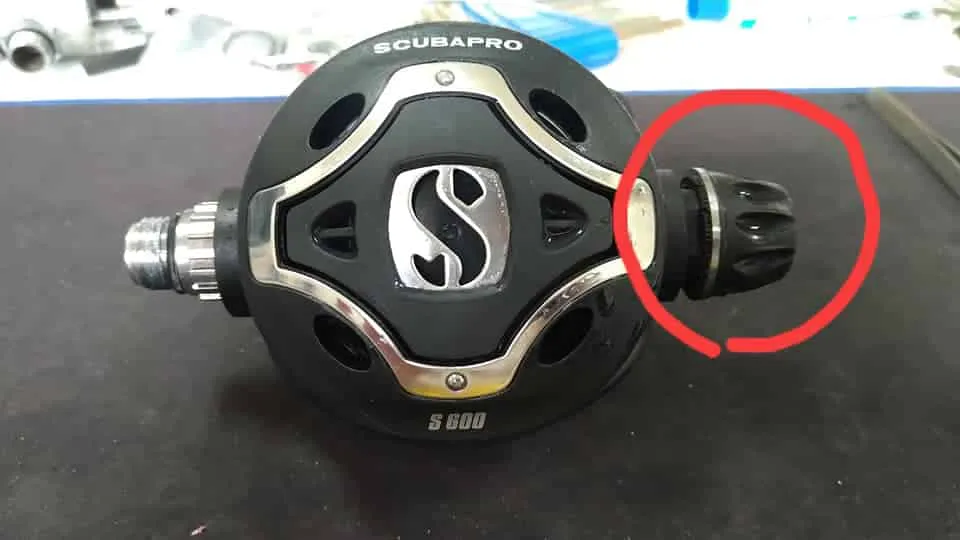
Many people, the moment they pick up a second stage regulator, instinctively crank the adjustment knob all the way tight. Others mistakenly think the knob controls the volume of airflow. Both habits are wrong.
What this knob actually does (see diagram 2 below) is compress the spring when turned clockwise. With the spring compressed, you have to inhale harder to pull the lever far enough to open the valve and let air flow. Put simply: the same amount of inhale effort produces a shorter lever stroke, the valve doesn't open as wide, and naturally less air comes out.
But here's the thing — the standard technical specification is to tune the second stage with the knob fully loosened, achieving the ideal balance between breathing resistance and zero free-flow. In plain language: tightening the knob only makes it harder to breathe.
Tuning a second stage so it doesn't free-flow is easy; tuning one that neither free-flows nor requires excessive effort to breathe from is genuinely difficult. Randomly cranking the knob tight undoes all of the technician's careful calibration. So when should you actually use this knob?
If after extended use you notice the second stage has a slight free-flow, it may be that the spring has fatigued — in that case, tightening it a little is appropriate. The other valid situation is underwater, when water pressure bearing down on the second stage causes it to free-flow; turning the knob in slightly can help prevent this. Alright — now go back and loosen that knob. Otherwise even the finest regulator money can buy is going to waste.
Regulator Detail Series No. 8 — Go Back and Loosen That Knob!
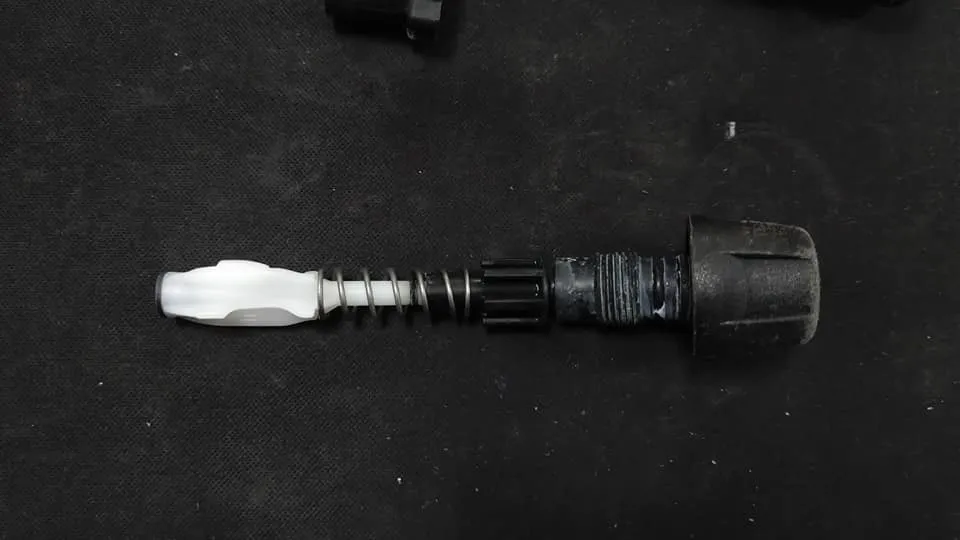
Regulator Detail Series No. 8 — Go Back and Loosen That Knob!
Don't forget your annual regulator service — find a trustworthy shop and dive with greater peace of mind.
《Bonus Feature — How to Choose a Pressure Gauge (SPG)?》
A cautionary tale: yet another SPG from a certain brand "S" has given up the ghost. Of my own four units, three have now flooded — a 75% casualty rate. Three generations of remains, lined up in a row, quite the spectacle. From 2013 to 20??… Even more heartbreaking: all four units were pool equipment, typically used at no more than 5 m depth.
As a non-natural death, an autopsy is in order. The suspected cause: O-ring failure between the metal and plastic housing sections. And here's the tragedy — those two O-rings cannot be serviced or replaced. From day one, they were doomed to die. There's no going back.
Sincerely, I urge anyone purchasing an SPG to prioritize metal-body models. At the very least, a one-piece metal housing is far more robust. Plastic housings have inferior strength, can crack under pressure, and have a much shorter service life.
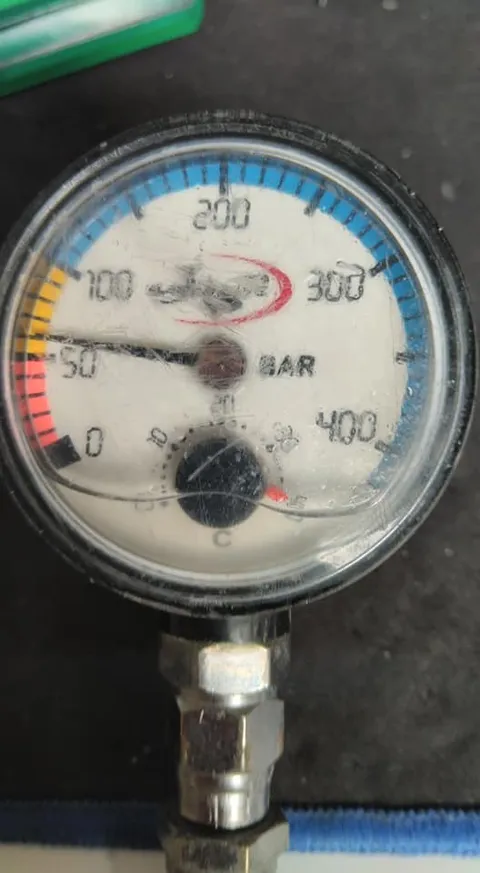
Bonus Feature — How to Choose a Pressure Gauge (SPG)?
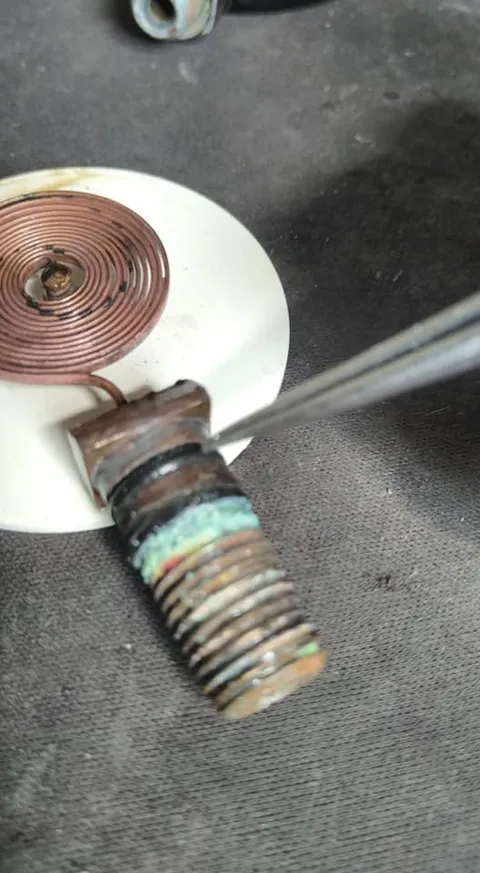
Bonus Feature — How to Choose a Pressure Gauge (SPG)?
Further Reading:
-
[What Your Instructor Never Taught You!] A Deep Dive into Regulator Details — Part 1
-
【What's This Gear?】SCUBAPRO Diving Regulator Demystified! SCUBAPRO Diving Regulator Unboxing
-
【What's This Gear?】ATOMIC Diving Regulator Demystified! ATOMIC Diving Regulator Unboxing
-
【What's This Gear?】APEKS Diving Regulator Demystified! APEKS Diving Regulator Unboxing

![[What Your Instructor Never Told You!] A Deep Dive into Regulator Details — Part 1](/_astro/74334093_2809395985739575_7521217394405015552_n_1o3PKQ.webp)