Contents(3)
Algae-based carbon capture was once a red-hot investment theme — until prohibitive production costs drove many companies to abandon the field. Now an Australian start-up has developed a technology for mass-producing algae at low cost, reopening the door for algae-based carbon-reduction applications.
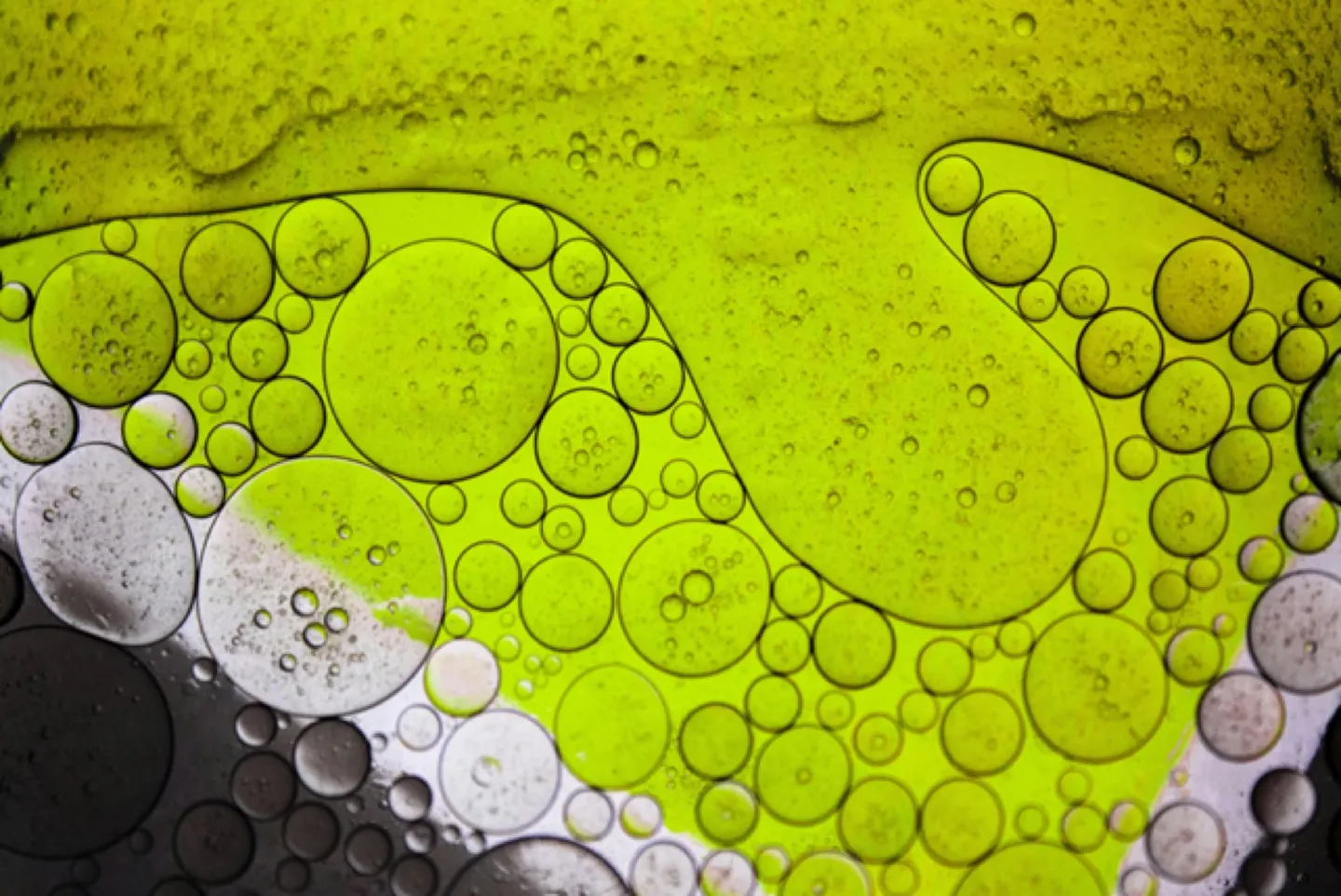
Algae fixes carbon ten to fifty times faster than land plants. Image credit: Garvit/ Unsplash
Lush, verdant algae may well be tomorrow's star solution to global warming. Over the past decade, using microalgae to sequester carbon has been regarded as "one of the most important and effective carbon-sequestration methods in the world." The reason is simple: algae's carbon-capture capacity is extraordinary. Algae fix carbon 10 to 50 times faster than land plants, and some microalgae capture CO₂ as much as 400 times more efficiently than trees.
According to calculations by the National Renewable Energy Laboratory, cultivating 1 kg of algal biomass removes 1.83 kg of carbon dioxide from the atmosphere. Algae reproduce rapidly and can be processed into fuel, fertiliser, food, animal feed, and even cosmetics — an impressively broad range of applications. They can also be grown in bioreactors (systems that cultivate algae in controlled environments) or ponds on non-arable land, without competing with food crops. These qualities once made algae the darling of major venture-capital funds, the oil industry, and government agencies. In 2021, the U.S. Department of Energy invested US$8 million in algae technology development projects to advance carbon-capture technology, and multinational oil giant ExxonMobil even pledged US$600 million to algae research.
Regrettably, the high costs of production and infrastructure made it difficult to sustain that wave of enthusiasm. Persistent declines in international oil prices made algae-based biofuel uncompetitive, triggering a wave of bankruptcies among algae biofuel companies — and in 2023, even ExxonMobil announced it was abandoning the effort.
A Plant-Based Meat Company Becomes the Key to Algae Mass Production
Fortunately, many organisations still believe in algae's potential. Sydney-based Australian start-up Algenie developed a novel spiral photobioreactor in 2024, claiming it can harvest 100 tonnes of algae per year within a space the size of a shipping container. The spiral structure dramatically improves light-use efficiency, boosting production efficiency while lowering material and maintenance costs — cutting the cost of production to one-tenth of previous levels, bringing the cost per kilogram of algae down to just US$1.
"Algae have enormous potential for addressing climate change and transforming multiple industries, but until now, achieving scalable and economical production has remained out of reach," said Algenie CEO Nick Hazell. "Our spiral design and technology represent a genuine breakthrough — one that enables algae to compete economically with conventional fossil-fuel-derived products, and even replace them."
Algenie was founded from an experiment Hazell conducted while serving as CEO of plant-based meat company v2food. At the time, he was looking for a way to add a blood-red hue to plant-based meat and found that algae protein pigments were an ideal ingredient — yet the cost of commercially available algae was prohibitively expensive.
"So we faced a choice: abandon algae cultivation, or dig deep into the principles of algae cultivation and find a way to produce it economically?" Hazell said. He began searching for solutions to produce algae at scale and low cost, collaborating with the University of Technology Sydney to experiment with the most productive algae strains.
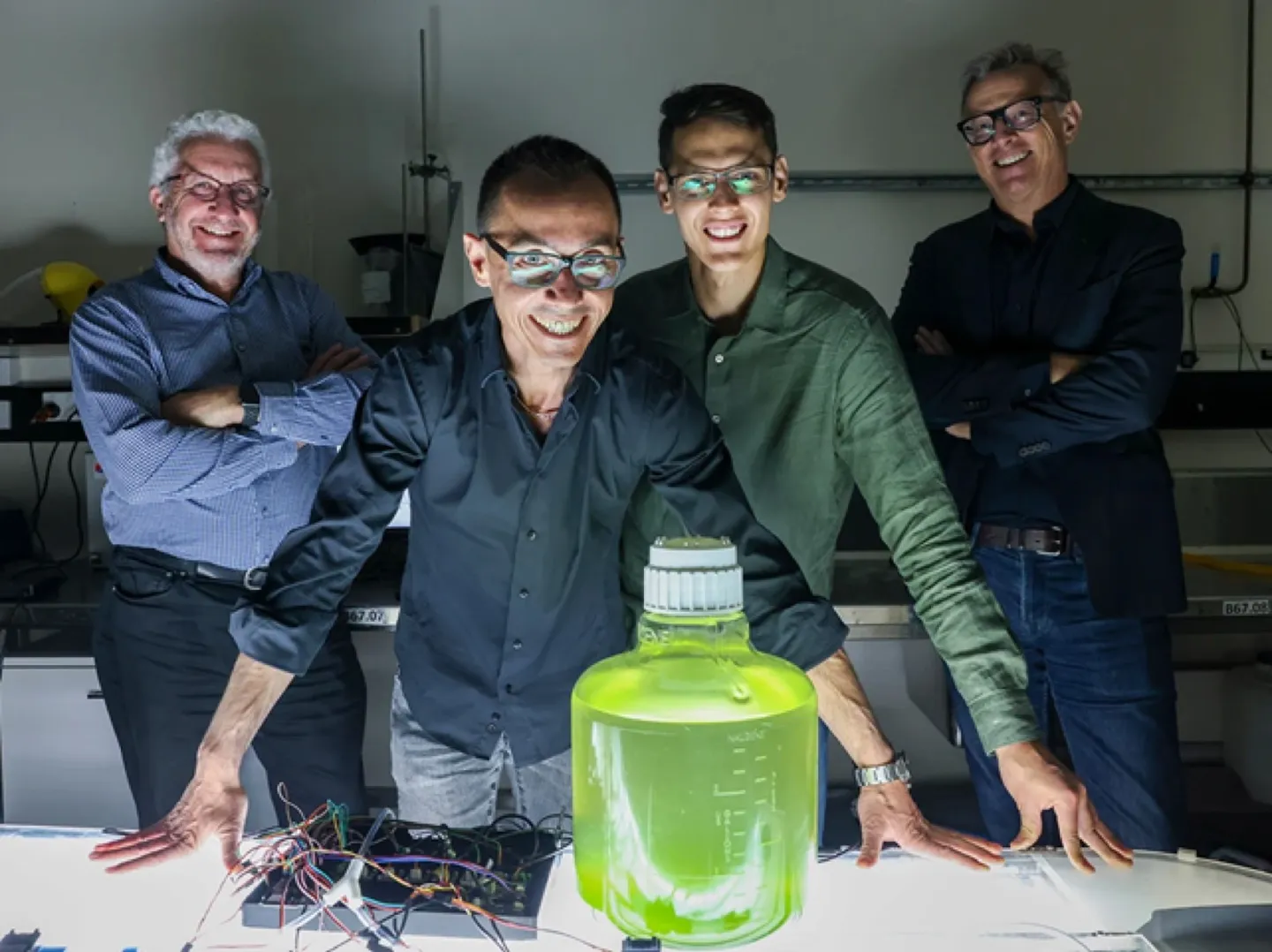
The novel spiral photobioreactor developed by Australian start-up Algenie dramatically reduces algae production costs. Image credit: Algenie


An Innovative Design Poised to Upend the Oil Industry
Perseverance paid off. After numerous rounds of trial and error, Hazell developed a new type of photobioreactor that moves algae along a spiral channel, paired with advanced LED lighting that provides optimal light conditions to promote rapid algae growth. This patented design allows certain algae strains to double in number every two to three hours under ideal conditions. Algenie states that this is sufficient to produce 10,000 tonnes of algae per hectare per year — a biomass yield efficiency per unit of land area that is 3,000 times greater than that of conventional soybean or corn crops.
Unlike other algae companies that focus on biofuel, high-value health products, bioplastics, textiles, or food additives, Algenie positions itself as a "platform" — licensing the technology and co-investing with partners to carry out large-scale production. "We want to be an enabler for multiple industries and companies," Hazell said, confident that this technology can unlock limitless possibilities.
If algae can be produced stably and at low cost — absorbing large quantities of CO₂ during growth and gradually replacing some petroleum-derived materials — the pressure of emissions could ease accordingly. Whether this is enough to transform the existing energy structure still remains to be seen, but at the very least it invites us to imagine: beyond simply using less energy and cutting carbon through conservation, can we also change the way we source our raw materials — so that economic development and environmental burden no longer have to be an either/or choice?
References
- AGFunderNews, Algenie unveils tech to unlock algae's potential in feed, bioplastics
- Business News Australia, Biotech Algenie raises $1.1m to create clean plastics
- Lewis & Clark Law School, Liquid Trees: Carbon Capture and Sequestration Via Mass Algae Farming and Marine Spatial Planning
- Algenie, Algenie
- Green queen, How Algenie is Turning Algae Into 'Carbon-Positive' Plastic & Biofuels
※ This article is reprinted from the Delta Electronics (company name) Foundation's Low-Carbon Living Blog: 〈One Hectare, Ten Thousand Tonnes a Year? How Algae Mass-Production Technology Is Rewriting the Carbon-Reduction Market〉, co-produced with BlueTrend.