This article is translated from New Advice Cautions Against Rushed Return to Diving for Coronavirus Patients
An article published on April 15 by German magazine Wetnotes outlines a number of issues that divers may face after contracting COVID-19 [1].
The article was written by Dr. Frank Hartig, who currently serves as a senior consultant and COVID-19 crisis response officer at a university in Austria, and is himself a scuba diver. In the article, he describes several ways in which COVID-19 may affect divers.
What is currently known is that COVID-19 has caused a massive wave of infections across many countries.
The Effects of a COVID-19 Infection
The full name of this coronavirus is SARS-CoV-2 (Severe Acute Respiratory Syndrome Coronavirus 2). As the name suggests, this type of virus primarily attacks the lungs, causing severe acute respiratory syndrome. While it may seem premature to study the long-term pulmonary prognosis of a novel virus, existing cases already reveal a number of negative effects on the body. Lung damage — such as pneumonia or Acute Respiratory Distress Syndrome (ARDS) [3] — has been widely documented in current research. Beyond the lungs, the virus can also attack other organs, including the heart, though cardiac damage of this kind may only be detected through detailed cardiac examination.
Although there is still much to learn about COVID-19, within the diving community we can say with confidence that cardiovascular abnormalities can have extremely serious — even fatal — consequences for divers.
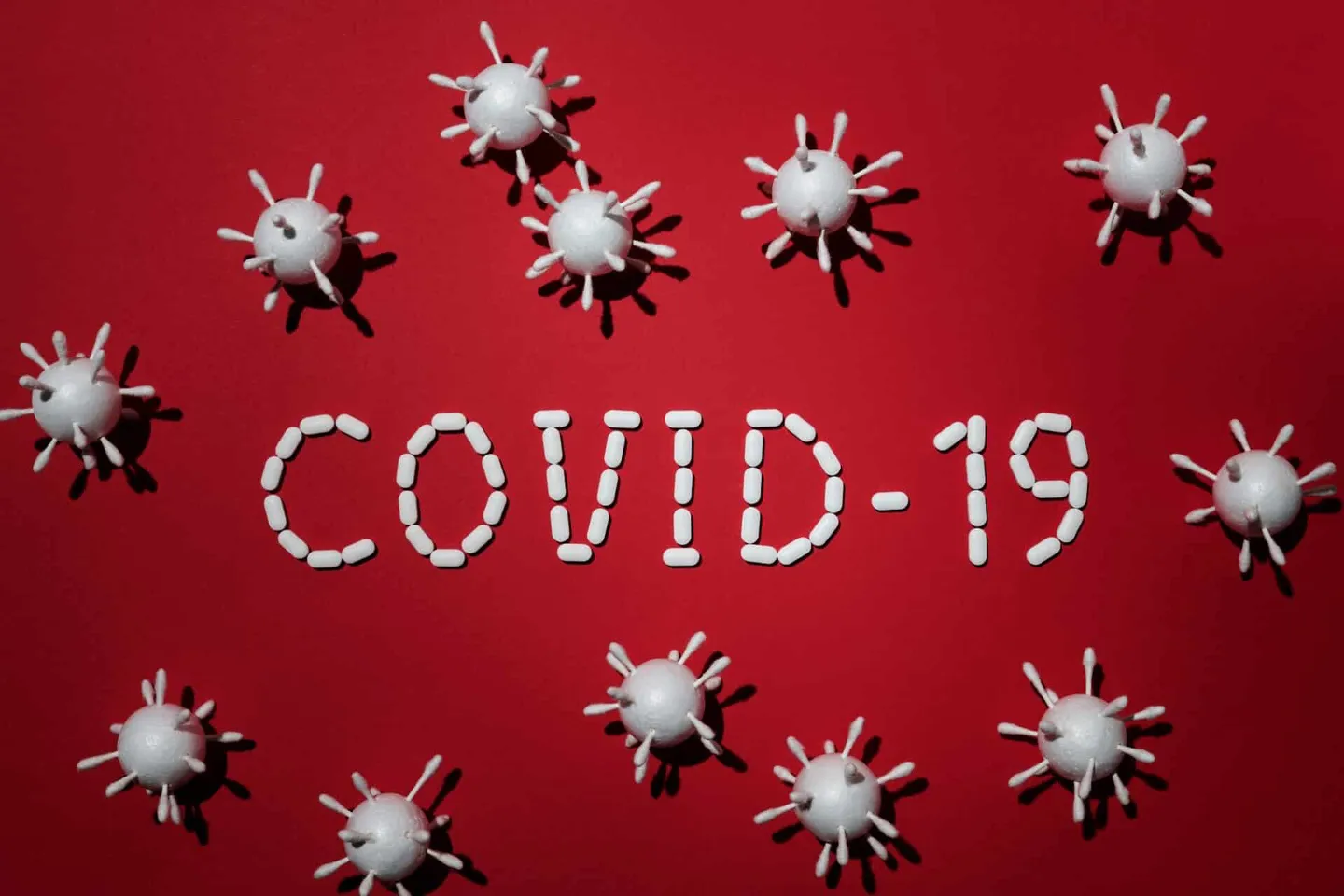
 Photographer: Pia, Source: Pexels


Findings
The article references six active divers who participated in the study. All of them had been hospitalised after contracting COVID-19 and were discharged following recovery, once confirmed to be virus-free. These patients returned to the hospital several weeks later for follow-up health checks. While they all appeared outwardly healthy, their test results revealed a number of concerning issues.
The first round of check-ups took place five to six weeks after recovery. Of the six divers, two showed signs of hypoxia under exertion — consistent with symptoms of a persistent pulmonary shunt; another two exhibited bronchial hyperreactivity during exercise, similar to exercise-induced asthma. CT scans of four out of the six patients revealed significant pulmonary changes. Following this first round of examinations, none of the six divers were medically cleared to dive.
Exercise-induced asthma is a contraindication for diving, as is a pulmonary shunt. In layman's terms, a pulmonary shunt occurs when blood passing through the lungs is unable to adequately absorb oxygen, resulting in hypoxia throughout the body. This typically occurs when there is fluid in the lungs, or as a result of pneumonia or pulmonary oedema [2] — all of which are already recognised as leading causes of death among divers.
At this stage, the long-term effects of COVID-19 on patients require further research and discussion. However, Dr. Hartig's article advises divers who have had COVID-19 — even those who appear fully recovered — to refrain from diving until they have undergone a comprehensive medical evaluation. This is especially important for younger patients, who may recover relatively quickly and feel tempted to jump back in the water, potentially overlooking underlying physical complications.
Personal Reflections
I came across this journal article shared on a diving website and decided to translate it so that others could take note. Reading through it, I don't think there is any need for alarm — we can wait for more detailed research to emerge. That said, anyone who has earned a dive certification should already know that if you experience any significant changes to your health, you should consult a medical professional and undergo a thorough check-up before diving again. COVID-19 is no exception!
While the above is simply a translation, in addition to the original German article I also found a number of research papers and related articles that may be worth reading further.
[1] Frank Hartig, 2020, WETNOTES · Nr. 36, Tauchen nach Covid-19-Erkrankung?
[2] [Physiology] Ventilation-Perfusion Mismatch — What Is a "Shunt"?
Image credit: Photographer: Pia, Source: Pexels
Original article: Can You Still Dive After Contracting COVID-19?
Hope you found this helpful!
- Going Abroad to Dive but Can't Speak Diving English? The Essential Diving English Guide for Divers 2 — [Practical Edition]
- Going Abroad to Dive but Can't Speak Diving English? The Essential Diving English Guide for Divers 1 — [Nouns Edition]
- 'If You Can't Think Like an Instructor, You Don't Belong Here' — The Journey from Divemaster to Dive Instructor
- Diving Safety Cannot Be Compromised — The Diver's Guardian: The Lookout
- Tired of Diving the Great Barrier Reef? Head to Melbourne and Swim with pipefish and Seals
- Exploring Australia's Mysterious Shipwreck in Strong Currents — S.S. Yongala
- Travelling on a Backpacker's Budget? Here's Your Complete Guide to Liveaboard Diving in Australia for Next to Nothing!
- Looking for a Life Purpose? Come for an Unforgettable Dive Working Holiday in Australia!
- Encountering a Minke Whale on the Great Barrier Reef — Australia's Dream Voyage You Must Experience
- Jen's Series of Articles on Medium

![[Diving Safety] Headache After Diving? Nosebleed After Diving? Ear Pain After Diving? 8 Physical Symptoms That May Occur During a Dive](/_astro/sea-79606_1920-2_1kBv47.webp)