the Editor says: Did you know that on the other side of the globe, the non-profit organisation Combat Wounded Veteran Challenge plans coral reef restoration programmes every year? Beyond reviving coral, the initiative aims to heal the physical and emotional wounds left on soldiers by war. Join the Editor to learn more about this meaningful endeavour! <Full article reprinted from the Environmental Information Center (compiled from international newswires); translated by Zu-Ling Xu2024.01.22>
In July 2023, US veteran Billy Costello and his teammates travelled to a small island at the southern tip of Florida. He strapped on his right prosthetic leg, geared up in his scuba diving equipment and fins, and leapt from the deck of a boat into the sea. He had a new mission — to save coral that was dying from rising ocean temperatures and ocean acidification.
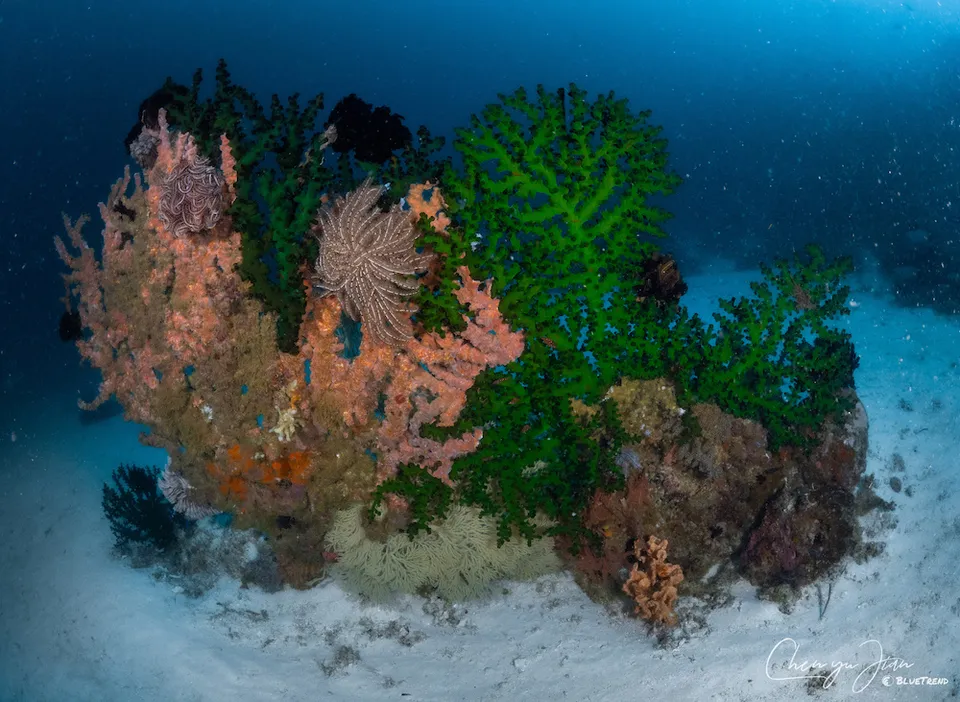
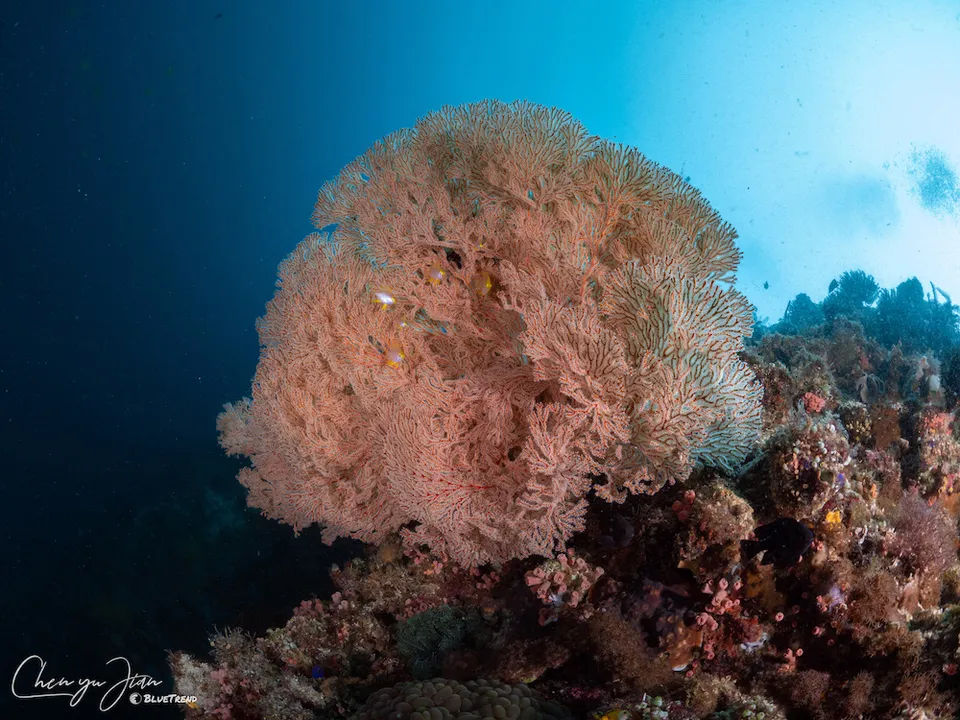
Image for illustrative purposes only. Photo credit: Chen yu Jian.
Costello was formerly a diver with the Army's 3rd Special Forces Group. He lost his right leg in an operation in Afghanistan in 2011. The coral reef rescue mission involved six laboratory staff members and 30 veterans — some of whom had suffered traumatic brain injuries, some who had undergone amputations like Costello, and others who struggled with post-traumatic stress disorder (PTSD). The group dove to a depth of 4 metres, picked up steel brushes to scrape algae off the coral reef, and carefully affixed coral fragments in place. In just over an hour, they transplanted 1,040 coral seedlings.
The programme they participated in is the Combat Wounded Veteran Challenge (CWVC).
Dual Healing: Ocean and Mind
Since 2011, the non-profit Combat Wounded Veteran Challenge has partnered annually with Mote Marine Laboratory to plan coral reef restoration programmes. The mission is twofold: to breathe new life into bleached coral, and to heal the physical, mental, and spiritual wounds that war has inflicted on service members.
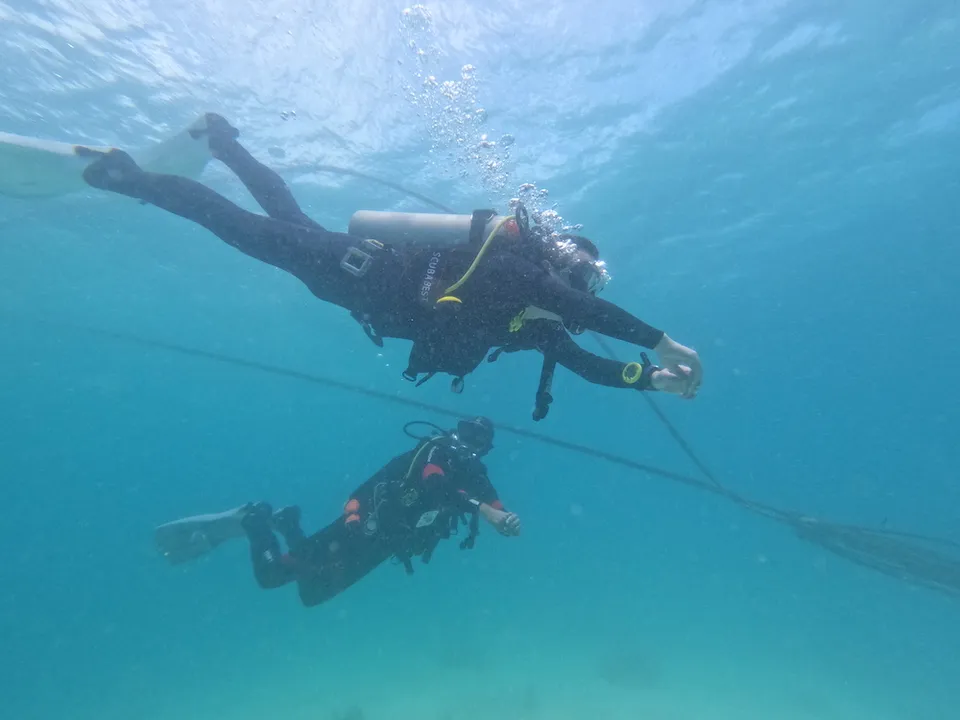
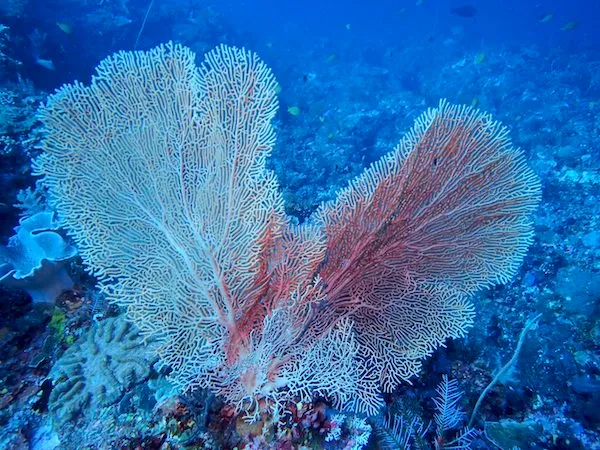
Image for illustrative purposes only. Photo credit: Jenny Tsai.
Costello told AFP that the activity helped him regain his confidence and showed him what he was still capable of after losing his right leg. Beyond contributing to coral reef restoration, what made him happiest was overcoming challenges and completing the mission alongside a group of people with similar experiences — something he said was "a great help for healing the mind."
"Challenge, camaraderie, and knowing you're making a difference" — that's the highlight we see in this year's participants, said Andrew Lourake, CWVC's Vice President of Operations.
CWVC also organises outdoor activities such as mountaineering and sailing to help injured veterans rebuild their confidence. These are not one-off events; CWVC observes the everyday difficulties participants encounter and uses those insights to explore treatments for PTSD and traumatic brain injury (TBI), as well as to research prosthetic improvements. The prosthetics used by participants in the 2023 challenge were refined based on lessons learned from the previous year.


Innovative Technology Helps Coral Grow
Florida, located in the southeastern corner of the United States, is home to one of the world's three major coral reef zones, nurturing nearly 100 species of coral and providing habitat for more than 400 species of fish. Like coral reefs worldwide, those here face enormous threats. According to a 2022 study by the National Oceanic and Atmospheric Administration (NOAA) and the University of Miami, climate change-driven coral disease and coral bleaching, combined with damage from ship groundings, have eroded nearly 70% of Florida's coral reefs.
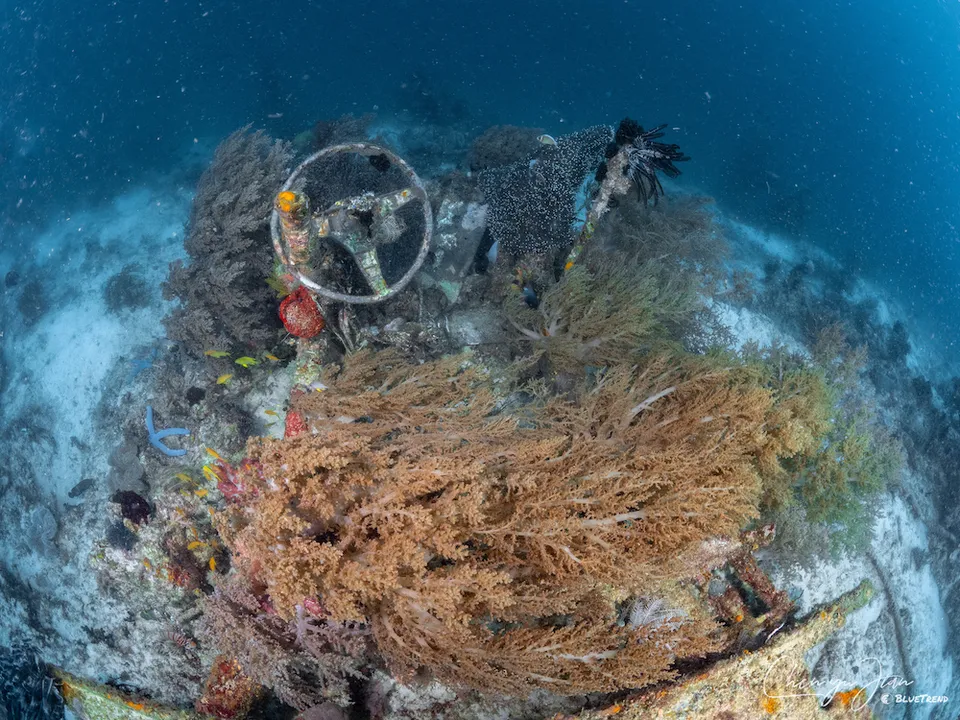
Image for illustrative purposes only. Photo credit: Chen yu Jian.
Mote Marine Laboratory is an expert in coral restoration. Its President and CEO, Michael Crosby, explained that the coral seedlings planted by the wounded veterans are specially selected and cultivated varieties that have greater resistance to ocean warming, ocean acidification, and disease.
Mote Marine Laboratory uses microfragmentation techniques, allowing coral seedlings to grow within small areas. As the small corals grow and fuse together, the colony can grow up to 40 times faster than typical coral. Crosby is confident that these carefully selected corals will survive in challenging marine conditions: "Within two to three years, we will have created the equivalent of 50 years' worth of coral growth — and then they will be able to spawn on their own."
The Latin phrase "Vulneror non Vincor" is CWVC's motto, meaning "I am wounded, not conquered." Crosby believes this phrase applies not only to the determined veterans, but also to Florida's coral reefs.
References:
-
Euronews (26 July 2023), 'A blessing': Wounded soldiers help US scientists to save coral reefs
-
AFP (23 July 2023), Wounded US veterans accept new mission: healing coral reefs
-
NOAA (7 December 2022), New study finds that seventy percent of Florida's coral reefs are eroding
-
MOTE (14 July 2023), On a mission: Mote and wounded veterans rebuild Key West coral reef
-
CWVC Official Website
-
Science News (30 October 2023), Fake fog, 're-skinning' and 'sea-weeding' could help coral reefs survive
-
Marine Savers, Microfragment Techniques in Coral Propagation
-
Earth Labs, Using Data to Identify Hot Spots and Predict Bleaching Events
Further Reading:
-
AI Listens to Sick Coral, Robots and Liquid Nitrogen: Creative Conservation Strategies
-
Slow Down and Embark on a One-of-a-Kind Penghu Coral Restoration Eco-Tour
This article is republished with permission from the Environmental Information Center. Original title: Diving Into Healing: US Combat Veterans Find Relief from War Trauma by Saving Coral