Contents(12)
- Crown of Thorns — Who Is the Crown-of-Thorns Starfish?
- An Alien-Like Existence — COTS Planktonic Larvae Can Get In Anywhere
- An Alien-Like Existence — The Crown-of-Thorns Starfish That Ate the Invincibility Star
- An Alien-Like Existence — The Crown-of-Thorns Starfish's Shadow Clone Technique
- A COTS Outbreak — What Does It Have to Do with Us?
- Why Do Crown-of-Thorns Starfish Outbreaks Occur?
- Rising Ocean Temperatures
- Coastal Development and Human Wastewater Pollution
- Overfishing and Loss of Natural Predators
- What Can We Do?
- Further References
- Further Reading
For those who love scuba diving, the breathtaking beauty of coral reef ecosystems is nothing short of mesmerizing — countless coral colonies and the reef fish that weave between them together form a vivid, ever-changing natural canvas. Although coral reefs cover only 0.2% of the ocean's surface area, they support 25% of all marine biodiversity, making their ecological importance impossible to overstate. Yet right now, a seemingly alien destroyer has arrived on the scene. Its visitation caused the death of more than 50% of the coral on Australia's Great Barrier Reef in the 1960s. Its name: the Crown-of-Thorns Starfish.
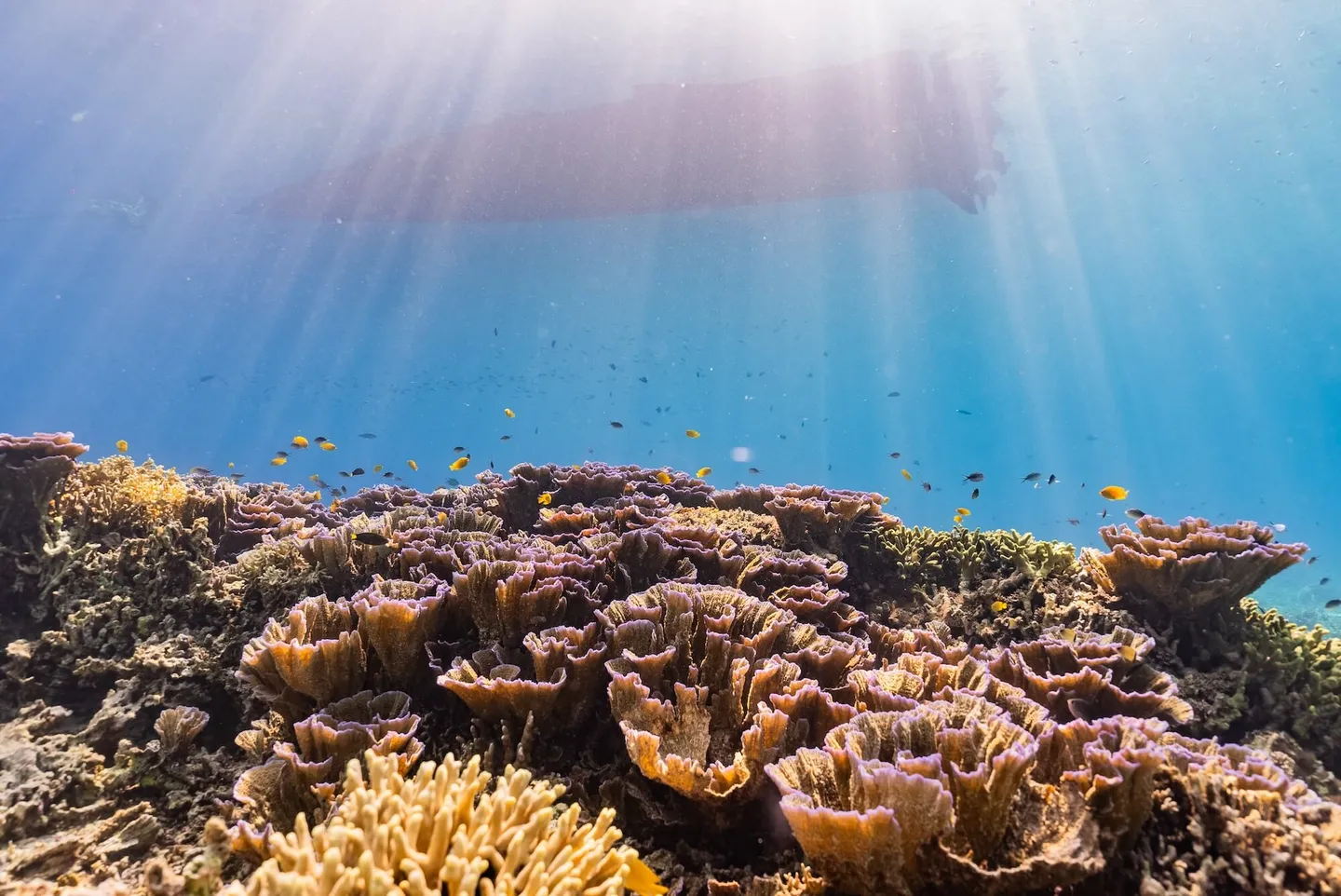
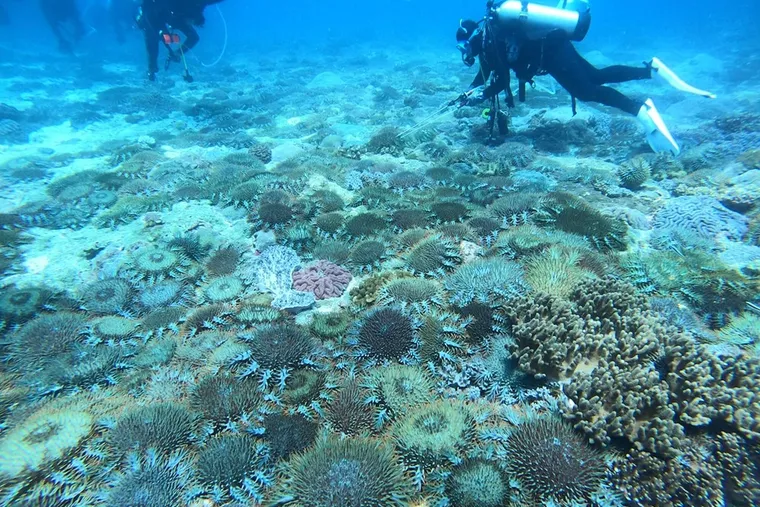
The stunning coral reef ecosystem is now under threat from a Crown-of-Thorns Starfish outbreak.
Crown of Thorns — Who Is the Crown-of-Thorns Starfish?
Before discussing the damage caused by the Crown-of-Thorns Starfish, let's first take a moment to understand just what this creature is.
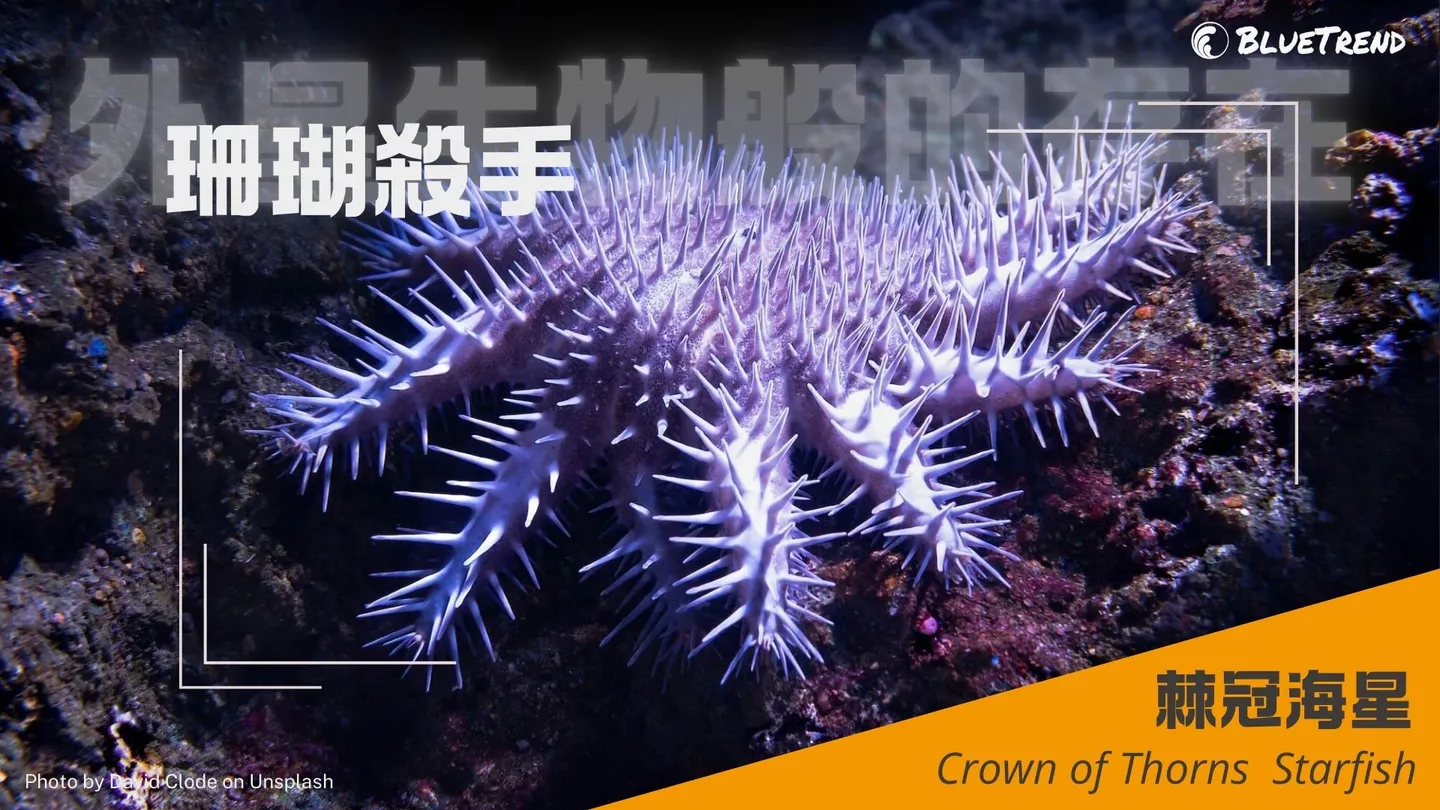
The Crown-of-Thorns Starfish, commonly abbreviated as COTS, carries the formal Latin name Acanthaster planci and belongs to the family Acanthasteridae. It has more than 12 arms radiating from its central disc, and those arms are covered in thorn-like spines packed with potent venom — a formidable defence against predators.
Unlike other sea stars, the Crown-of-Thorns Starfish feeds primarily on hard coral. When feeding, it everts its stomach over the coral, dissolving the coral tissue with acidic digestive juices before absorbing it, leaving nothing but bleached coral skeleton behind.
Crown-of-Thorns Starfish are found on coral reefs throughout mainland Taiwan, though usually in small numbers. However, large-scale outbreaks have been recorded in the Southern Four Islands of Penghu, the Spratly Islands in the South China Sea, and, in 2024, at Dongsha Atoll.
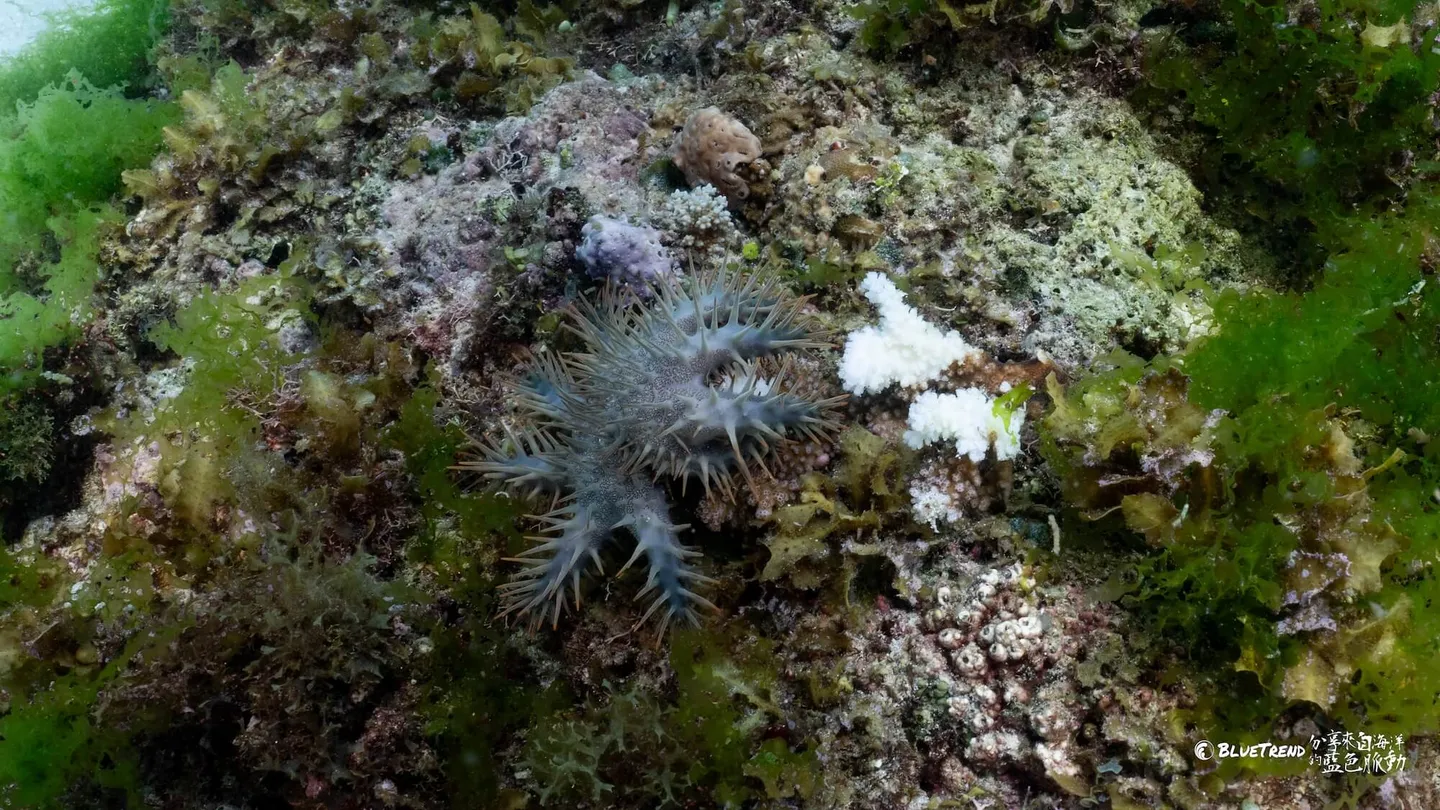
The Crown-of-Thorns Starfish feeds on hard coral.


An Alien-Like Existence — COTS Planktonic Larvae Can Get In Anywhere
Like many marine creatures, the Crown-of-Thorns Starfish passes through a planktonic larval stage, drifting with ocean currents to far-flung locations and maximising its reproductive range. After 18 to 20 days, it completes settlement, attaching itself to the coral reef surface and beginning its juvenile life.
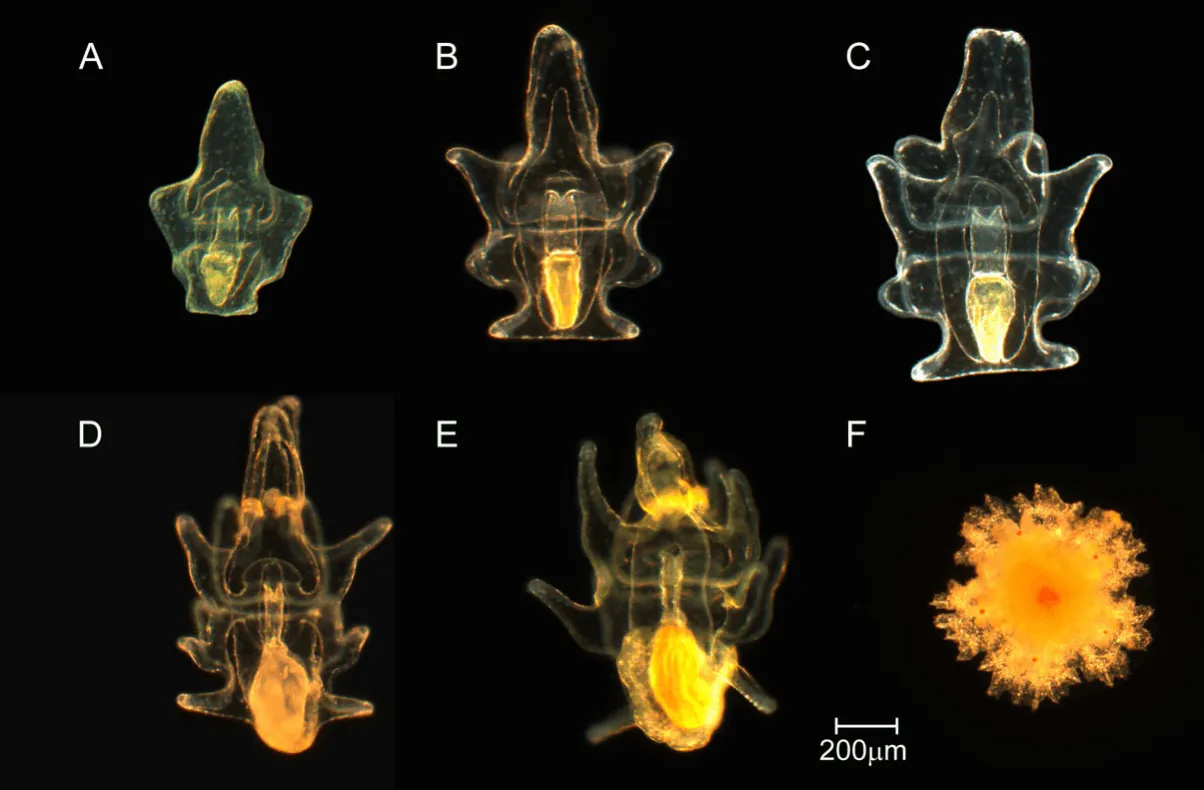
Crown-of-Thorns Starfish planktonic larvae. Source: Note 1
At this stage, the tiny juvenile COTS is still small, its venomous spines not yet fully developed, making it vulnerable to a wide range of reef predators — including various crustaceans, carnivorous triton snails and helmet snails, pufferfish, wrasse, and emperor fish. For a creature that seems almost invincible as an adult, its early life is remarkably fragile.
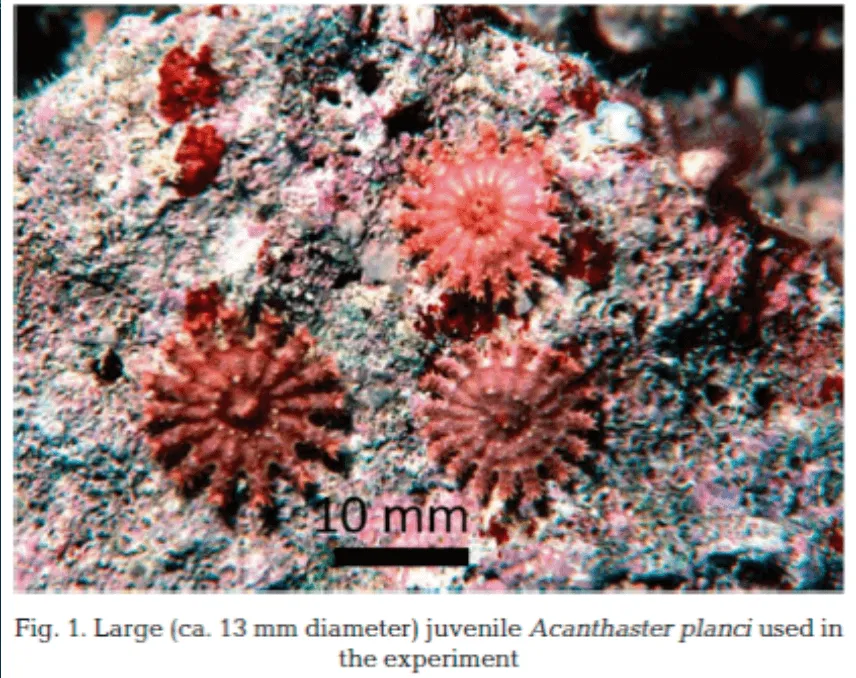
After settlement, juvenile Crown-of-Thorns Starfish face a host of natural predators. Source: Note 1
An Alien-Like Existence — The Crown-of-Thorns Starfish That Ate the Invincibility Star
It takes roughly two years for a juvenile COTS to grow into a sub-adult, during which time it must survive the many predators that lurk on the reef. Once its diameter surpasses 30 cm, however, it's as though it has swallowed the "Super Star" power-up from Super Mario — virtually unstoppable.
As the Crown-of-Thorns Starfish matures, its arms develop into tentacles bristling with venom-laden cells. At this stage, almost every creature on the reef — including humans who accidentally touch one — will have an extremely unpleasant experience.
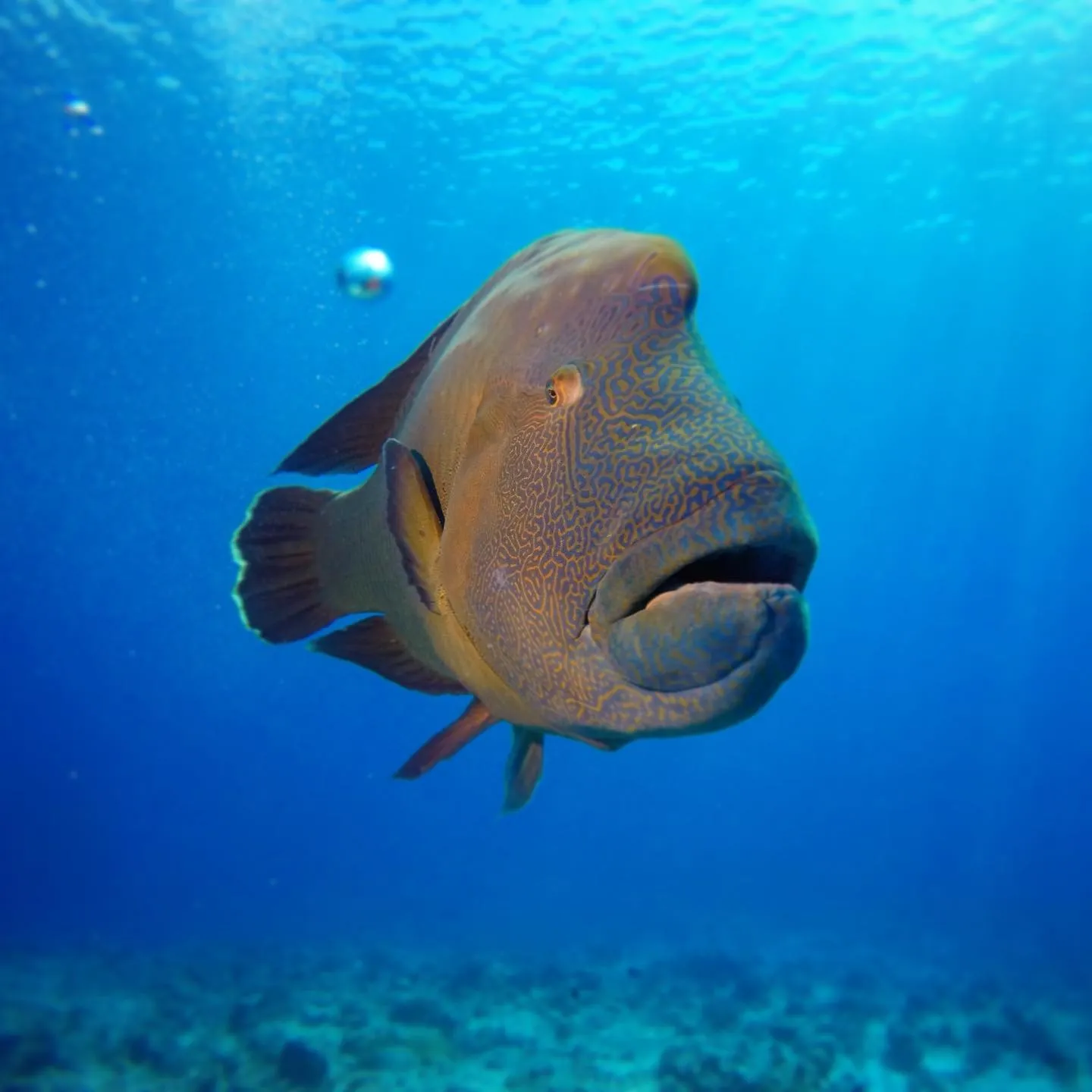
One of the adult Crown-of-Thorns Starfish's natural predators: the Humphead Wrasse. photo credit LT DIVE
At this point, the only underwater predators capable of taking on the "invincibility-star-powered" adult COTS are the Titan Triggerfish (Balistoides viridescens), the endearingly slow-witted Humphead Wrasse (Cheilinus undulatus), and the deceptively gentle-looking Giant Triton snail (Charonia tritonis).
An Alien-Like Existence — The Crown-of-Thorns Starfish's Shadow Clone Technique
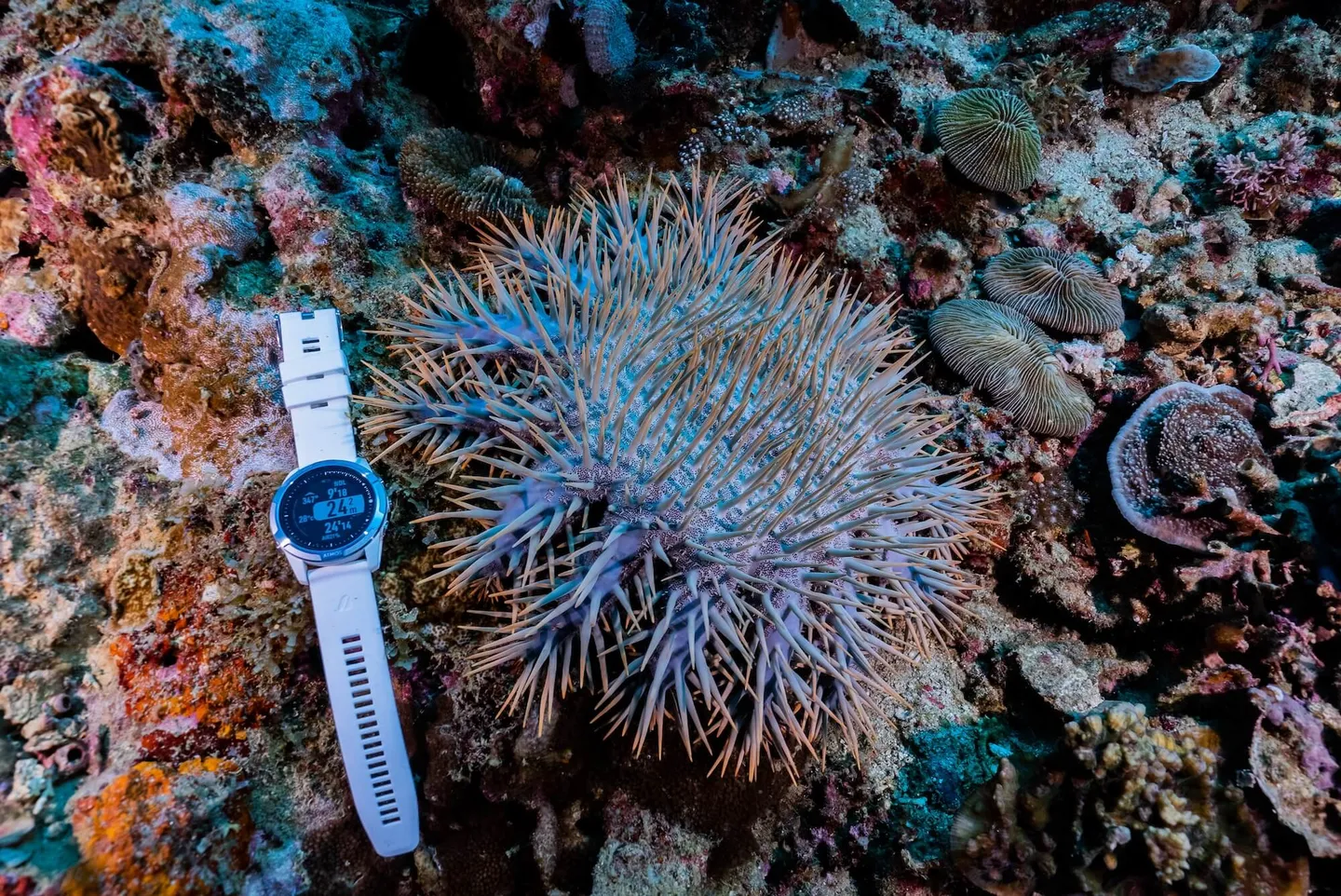
The Crown-of-Thorns Starfish has an extraordinary capacity for regeneration, making outbreaks a particularly thorny problem to deal with.
The Crown-of-Thorns Starfish's alien-like invasive power doesn't come from its venom alone — it also has what can only be described as a shadow clone technique. Like other sea stars, when disturbed a COTS will often shed one or more of its arms, each of which can then regenerate into a completely new individual. This is one of the key reasons population numbers can multiply so rapidly during an outbreak.
A COTS Outbreak — What Does It Have to Do with Us?
The Great Barrier Reef, off the coast of Queensland in northeastern Australia, is the world's largest coral reef ecosystem and a UNESCO World Heritage Site. It attracts millions of visitors every year and contributes AU$6.4 billion to the Australian economy along with countless jobs. Yet following the Crown-of-Thorns Starfish outbreak of the 1960s, more than 50% of the reef's hard coral disappeared. Combined with rising sea temperatures in recent decades, overall coral cover on the Great Barrier Reef has fallen sharply. Research data show that declining coral cover in the reef's southern sections has had severe impacts on local marine biodiversity and economic development.
Reflecting on this international example in the context of Taiwan: rising ocean temperatures are already an overwhelming and unavoidable threat to coral reef ecosystems. If a Crown-of-Thorns Starfish outbreak is added on top of that, it will only accelerate the arrival of a full-scale ecological catastrophe for Taiwan's coral reefs.
In areas with coral cover of 20% to 50%, a healthy reef can sustain 10 to 15 Crown-of-Thorns Starfish per hectare. As a general rule, if you observe more than 15 COTS per hectare — roughly 2 individuals spotted during a 20-minute dive — the density has reached outbreak level.
Ming-Shiou Jeng, Academia Sinica
Why Do Crown-of-Thorns Starfish Outbreaks Occur?
The scientific community has yet to reach a definitive consensus on the causes of COTS outbreaks. However, drawing on the biological characteristics outlined above, we can identify several possible contributing factors.
Rising Ocean Temperatures
Research has shown that adult Crown-of-Thorns Starfish release eggs and sperm when water temperatures exceed 26°C. The longer seawater remains warm, the more opportunities COTS have to reproduce. As global ocean temperatures remain persistently elevated over the long term, the likelihood of large-scale COTS reproduction increases accordingly. (Note 2)
Coastal Development and Human Wastewater Pollution
During their planktonic larval stage, juvenile COTS feed on microscopic phytoplankton in the water column, meaning their growth is directly linked to algal concentrations. If surrounding environments are excessively developed and discharge domestic wastewater or agricultural fertiliser runoff into the sea, the resulting eutrophication effectively provides a near-endless supply of nutrients for COTS larvae. (Note 3)
Overfishing and Loss of Natural Predators
Whether it is the juvenile COTS predators — reef fish, crustaceans, and the like — or the adult predators such as the Humphead Wrasse and the Giant Triton snail, all of these species now face the reality of overfishing by humans. As natural predators become increasingly scarce, the Crown-of-Thorns Starfish moves through the reef unchecked, freely ravaging the precious coral reef ecosystems that we all depend on.
What Can We Do?
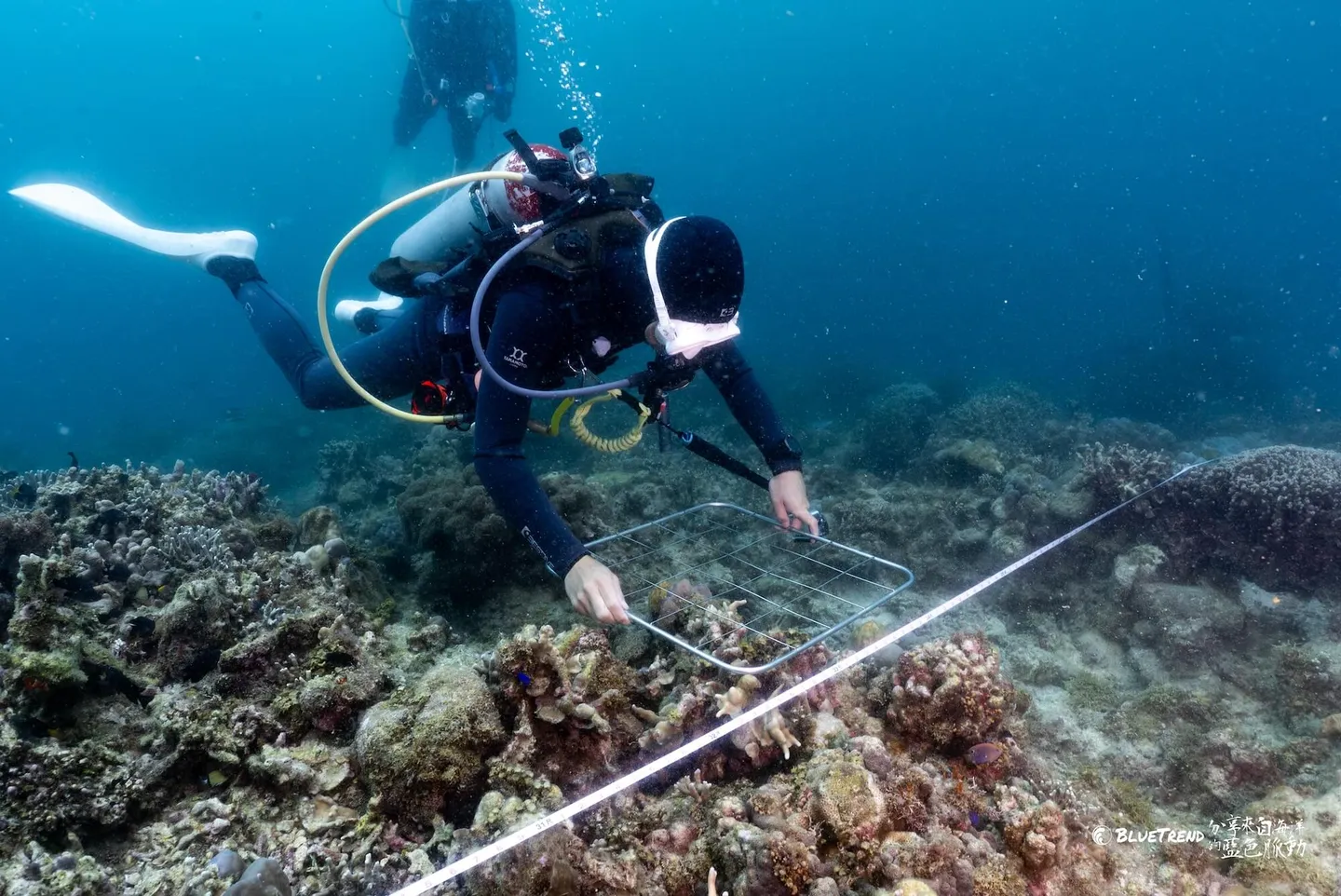
Through citizen scientist participation, divers can help monitor Crown-of-Thorns Starfish density during their dives.
Every living creature has its ecological role in the environment — nothing is purely evil.
As we wrap up, BlueTrend wants to reiterate: every species has its ecological role, and nothing is purely evil. A moderate presence of Crown-of-Thorns Starfish actually benefits the cycling of coral reef ecosystems, allowing certain corals to be culled in ways that can improve the overall health of the reef. So when you spot a Crown-of-Thorns Starfish underwater, it doesn't mean you should immediately point a finger and condemn it.
Before an outbreak takes hold, establishing long-term ecological monitoring is critically important. In addition to relying on government agencies and academic researchers for scientific monitoring, BlueTrend will be launching a Crown-of-Thorns Starfish citizen scientist programme in the future, sharing how divers can assist with both quantitative and qualitative COTS density surveys. We need to understand our ocean at all times, so that when it faces a challenge, we can offer timely help. If we remain completely in the dark about the state of our ocean, we won't even know when it is under threat or slowly dying. Most importantly — let the data speak!
Of course, once an outbreak has occurred, human intervention becomes necessary. If the opportunity arises, BlueTrend will also share with everyone the correct methods for removing Crown-of-Thorns Starfish!
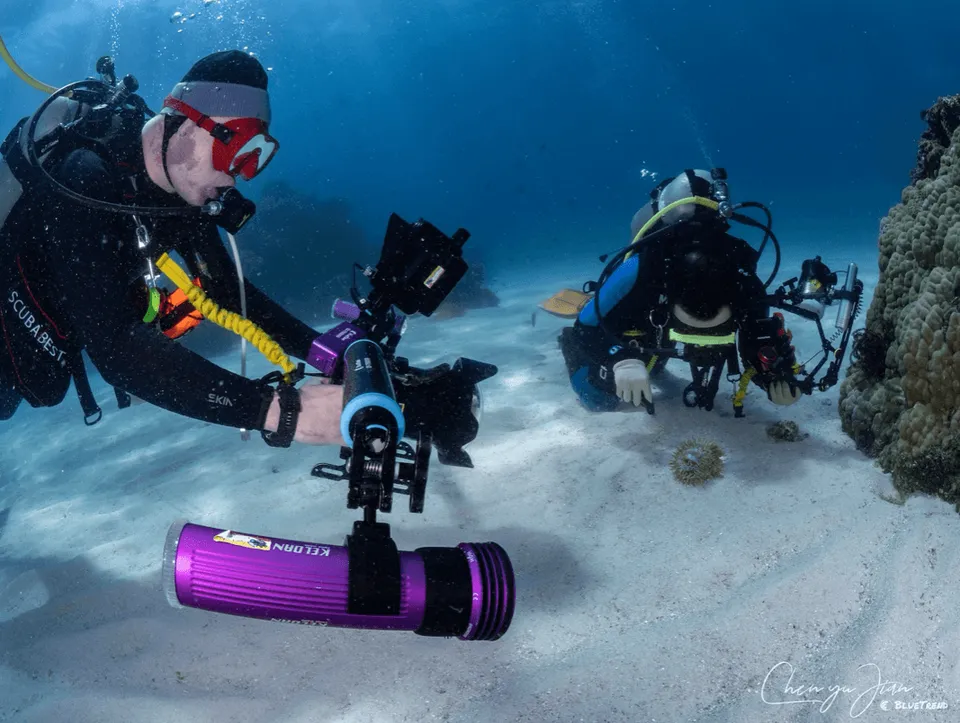
Through citizen scientist participation, marine biodiversity can be maintained.
https://www.youtube.com/watch?v=914Vd6e5sjQ
Further References
-
Note 1: Wolfe, K., Graba-Landry, A., Dworjanyn, S. A., & Byrne, M. (2017). Superstars: assessing nutrient thresholds for enhanced larval success of Acanthaster planci, a review of the evidence. Marine Pollution Bulletin, 116(1-2), 307-314.
-
Note 2: Yasuda, N. (2018). Distribution expansion and historical population outbreak patterns of crown-of-thorns starfish, Acanthaster planci sensu lato, in Japan from 1912 to 2015. Coral reef studies of Japan, 125-148.
-
Note 3: Wolfe, K., Graba-Landry, A., Dworjanyn, S. A., & Byrne, M. (2017). Superstars: assessing nutrient thresholds for enhanced larval success of Acanthaster planci, a review of the evidence. Marine Pollution Bulletin, 116(1-2), 307-314.
-
Rivera-Posada, J., Caballes, C. F., & Pratchett, M. S. (2013). Lethal doses of oxbile, peptones and thiosulfate-citrate-bile-sucrose agar (TCBS) for Acanthaster planci; exploring alternative population control options. Marine pollution bulletin, 75(1-2), 133-139.
-
Yamamoto, T., & Otsuka, T. (2013). Experimental validation of dilute acetic acid solution injection to control crown-of-thorns starfish (Acanthaster planci).
-
Rivera-Posada, J. A., Pratchett, M., Cano-Gómez, A., Arango-Gómez, J. D., & Owens, L. (2011). Injection of Acanthaster planci with thiosulfate-citrate-bile-sucrose agar (TCBS). I. Disease induction. Diseases of Aquatic Organisms, 97(2), 85-94.
-
Brodie, J., Fabricius, K., De'ath, G., & Okaji, K. (2005). Are increased nutrient inputs responsible for more outbreaks of crown-of-thorns starfish? An appraisal of the evidence. Marine pollution bulletin, 51(1-4), 266-278.
-
Brodie, J. E. (1992). Enhancement of larval and juvenile survival and recruitment in Acanthatser planci from the effects of terrestrial runoff: a review. Marine and Freshwater Research, 43(3), 539-553.
-
Ludevese-Pascual, G., Napala, J. J. O., Tomol, R. P., Oyong, L. J. L., Alfante, J. M. P., & Lumain, J. P. L. M. (2022). Crown-of-Thorns starfish (COTS) outbreak in Sogod Bay, Southern Leyte, Philippines. Governance, 4(1), 24-30.
-
文章首圖:Photo by David Clode on Unsplash
Further Reading