Contents(6)
- The Season the Ocean Turns Emerald — Why Seaweed Begins to Grow in Spring
- What Is Haru-nigori? — Why the Spring Sea Turns Turbid
- Haru-nigori: The Ocean's "Big Feeding Moment"
- Diving the Kagoshima Seaweed Forest — A Few Tips for Taiwanese Divers
- Haru-nigori Is the Ocean's "New Year": A Season to Embrace Life's Density, Not Clarity
- Further Reading
This is the fourth installment in my series exploring the waters surrounding the Japanese archipelago. This month, I'd like to introduce Kagoshima, located at the crossroads of Japan's main island and its southwestern island chain. In recent years, the dive sites surrounding Kagoshima's iconic volcano, Sakurajima, have been attracting growing attention within Japan's diving community.
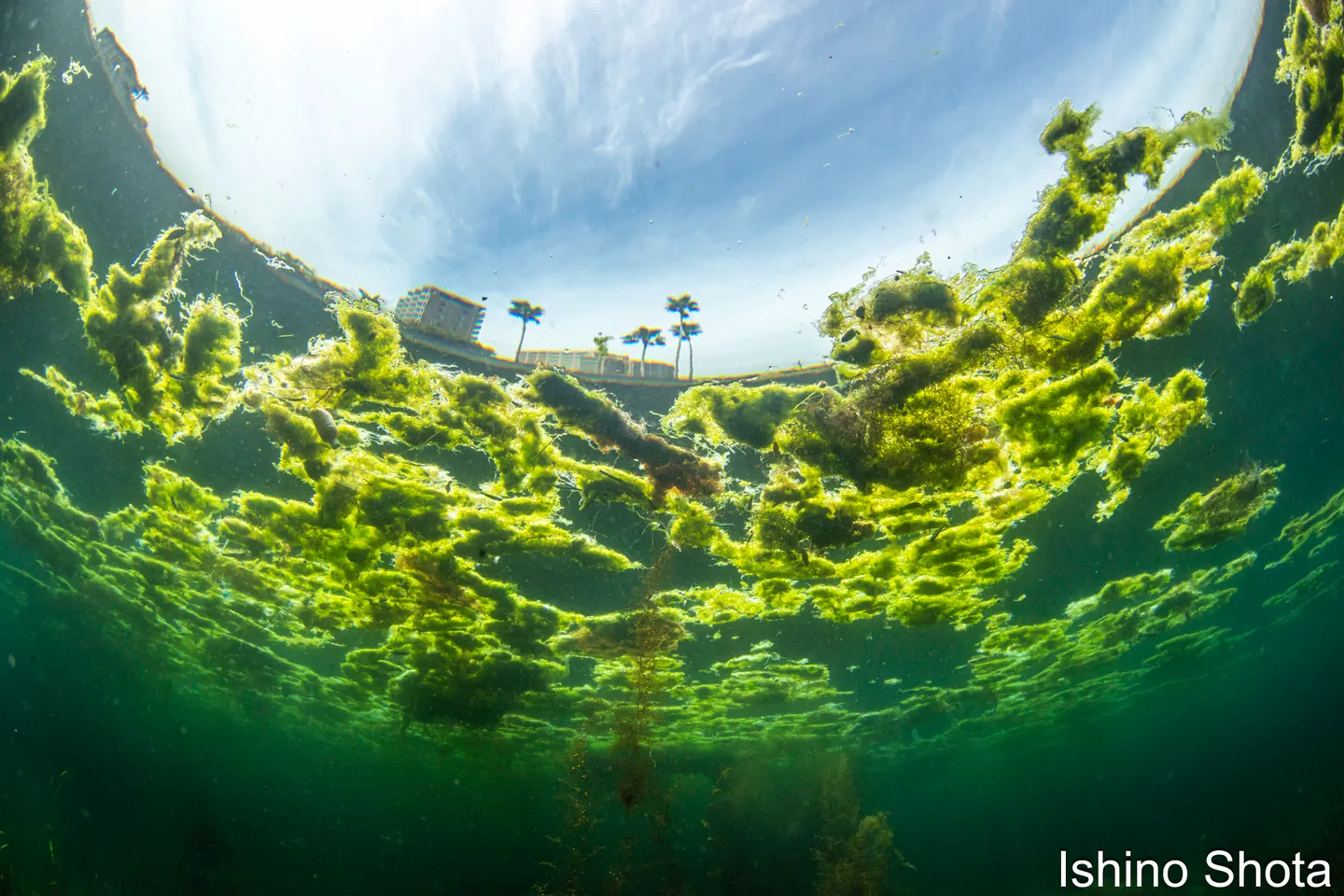
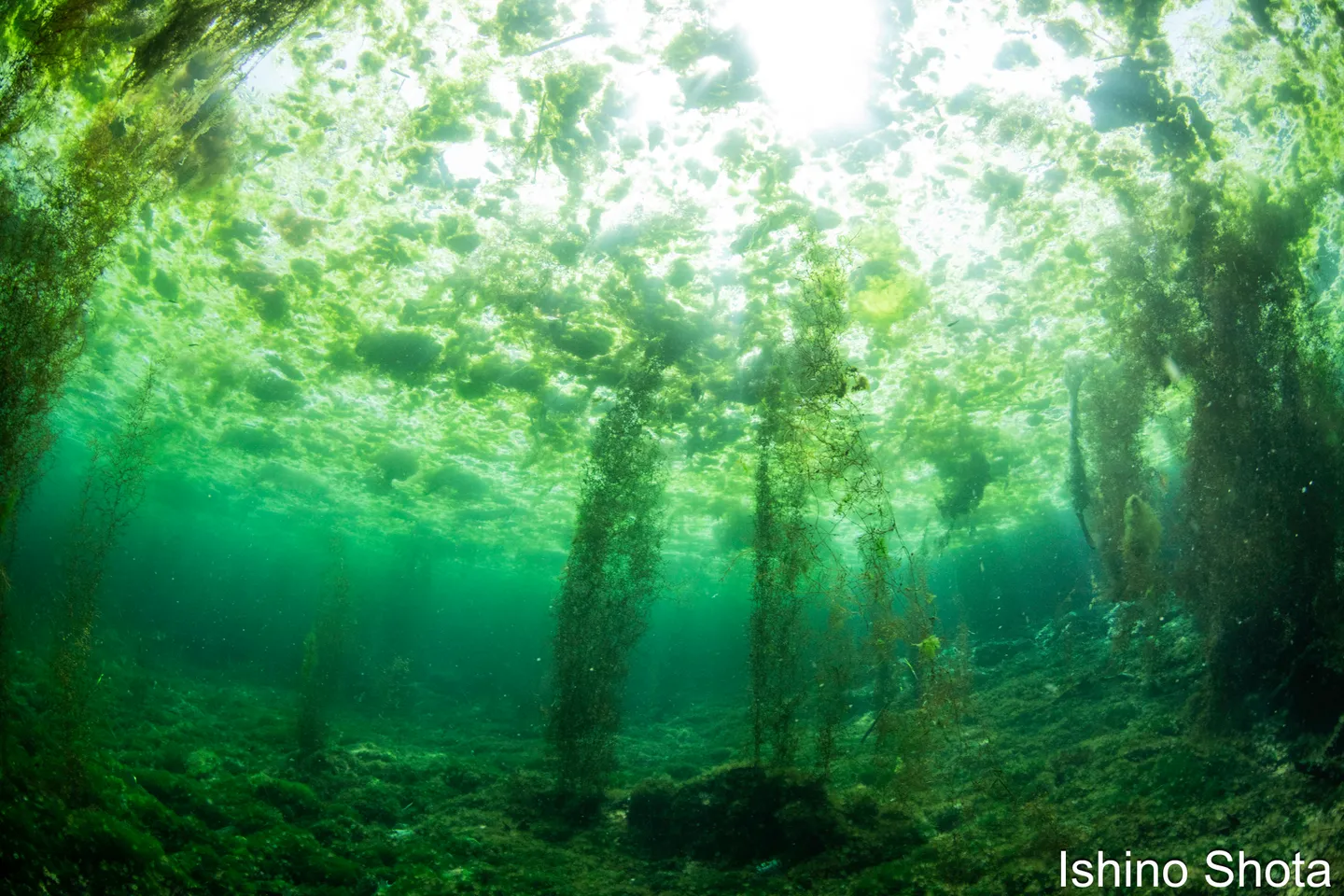
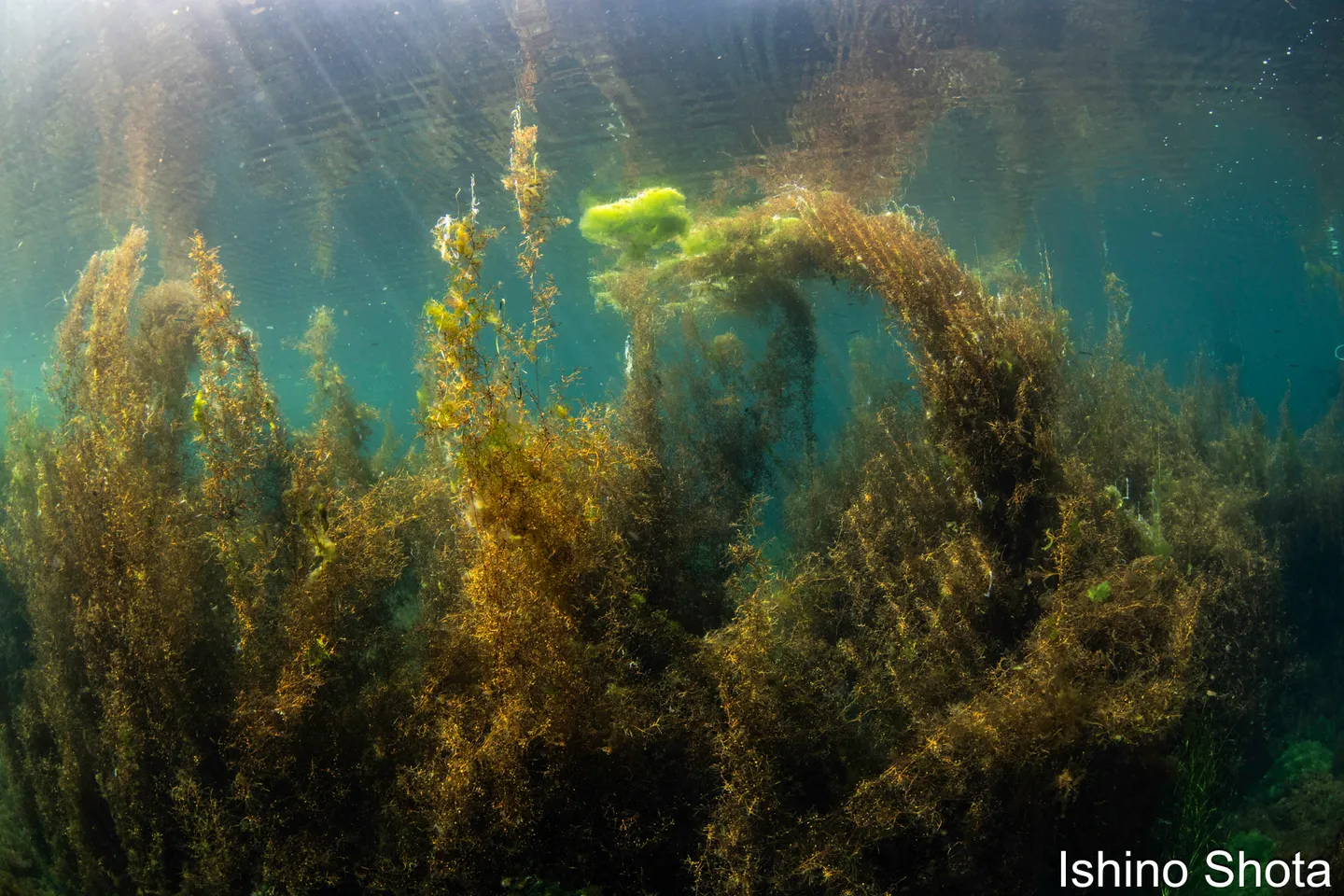
One of the primary reasons this area has become so popular is the spectacular underwater seaweed forest that flourishes here each spring. "Chosuuro," located right beside the city of Kagoshima, is an area formed by the construction of a breakwater. While it is almost entirely enclosed, it remains connected to the open sea through a narrow channel. Seaweed seeds and spores drifting in from the open ocean grow here at an astonishing rate, creating an indescribable underwater spectacle.
For Japan's highly productive coastal waters, the seasonal cycle of seaweed growth — rapid expansion in spring followed by a gradual die-off in early summer — is a critically important ecological process. Chosuuro is one of the best sites for consistently observing and understanding how this seasonal cycle helps keep Japan's coastal waters so abundant.
The Season the Ocean Turns Emerald — Why Seaweed Begins to Grow in Spring
Throughout winter, Japan's coastal waters are clear and a deep blue. As surface water cools and its density increases, it sinks, simultaneously drawing nutrients up from the seafloor to the surface — thoroughly mixing the water column in a vertical direction. This thorough winter mixing lays all the groundwork needed for spring.
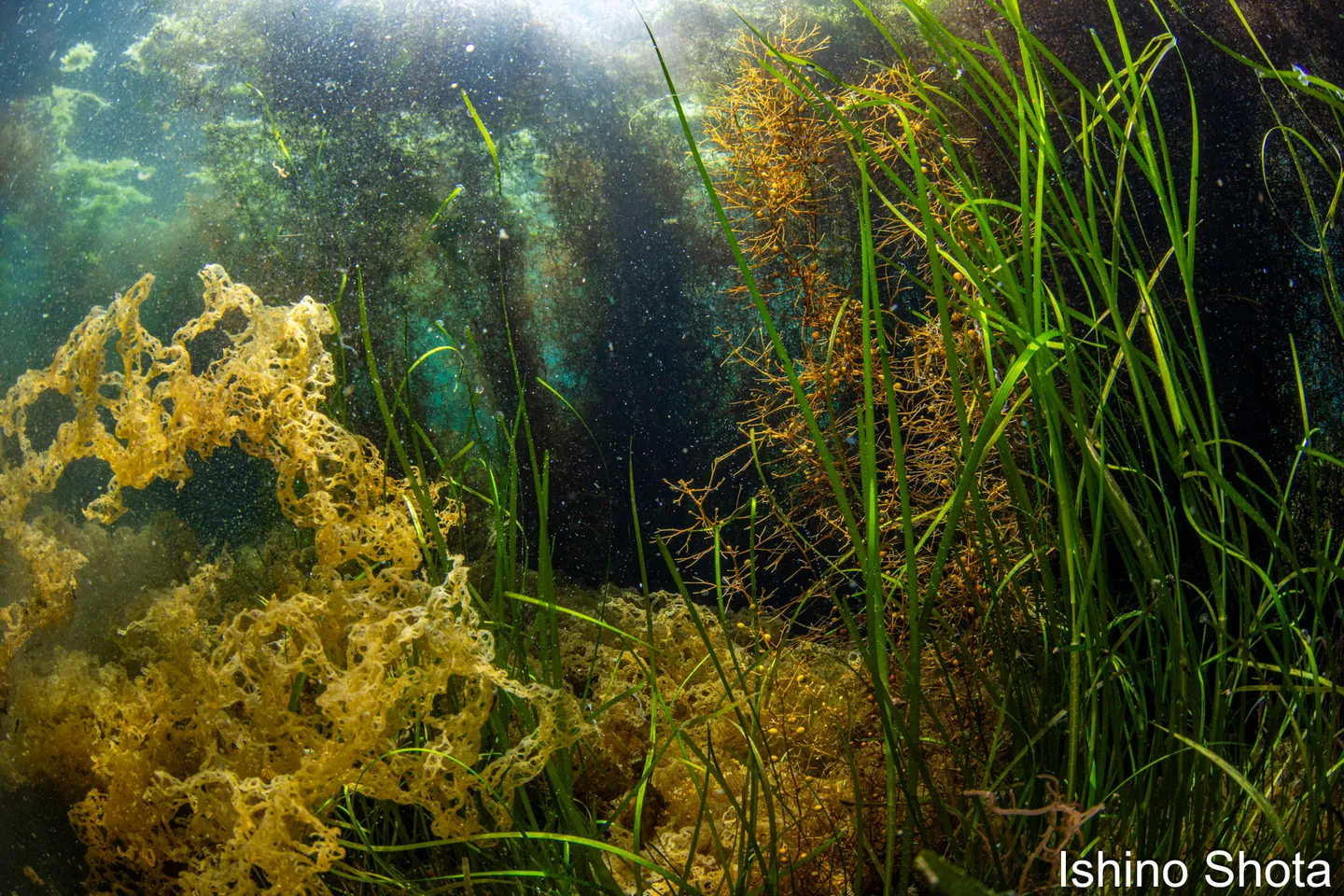
Then, between February and March each year, as the winter chill weakens, daylight hours lengthen, and water temperatures begin to rise, seaweed bursts into growth all at once. Often called "forests of the sea," these seaweed beds not only provide hiding spots for small fish but also support the growth of crustaceans and mollusks, which in turn attract larger predatory fish — bringing the entire food chain to life.
In other words, the seaweed-rich spring season is the most important time of year for marine life reproduction and growth.
This phenomenon is not unique to Kagoshima; many coastal waters along Japan's main island follow the same pattern. Once seaweed forests spread across the seafloor, gobies and wrasse spawn among them and cuttlefish begin their courtship displays. Visibility may not match that of winter, but the density of biological activity is noticeably far greater.


What Is Haru-nigori? — Why the Spring Sea Turns Turbid
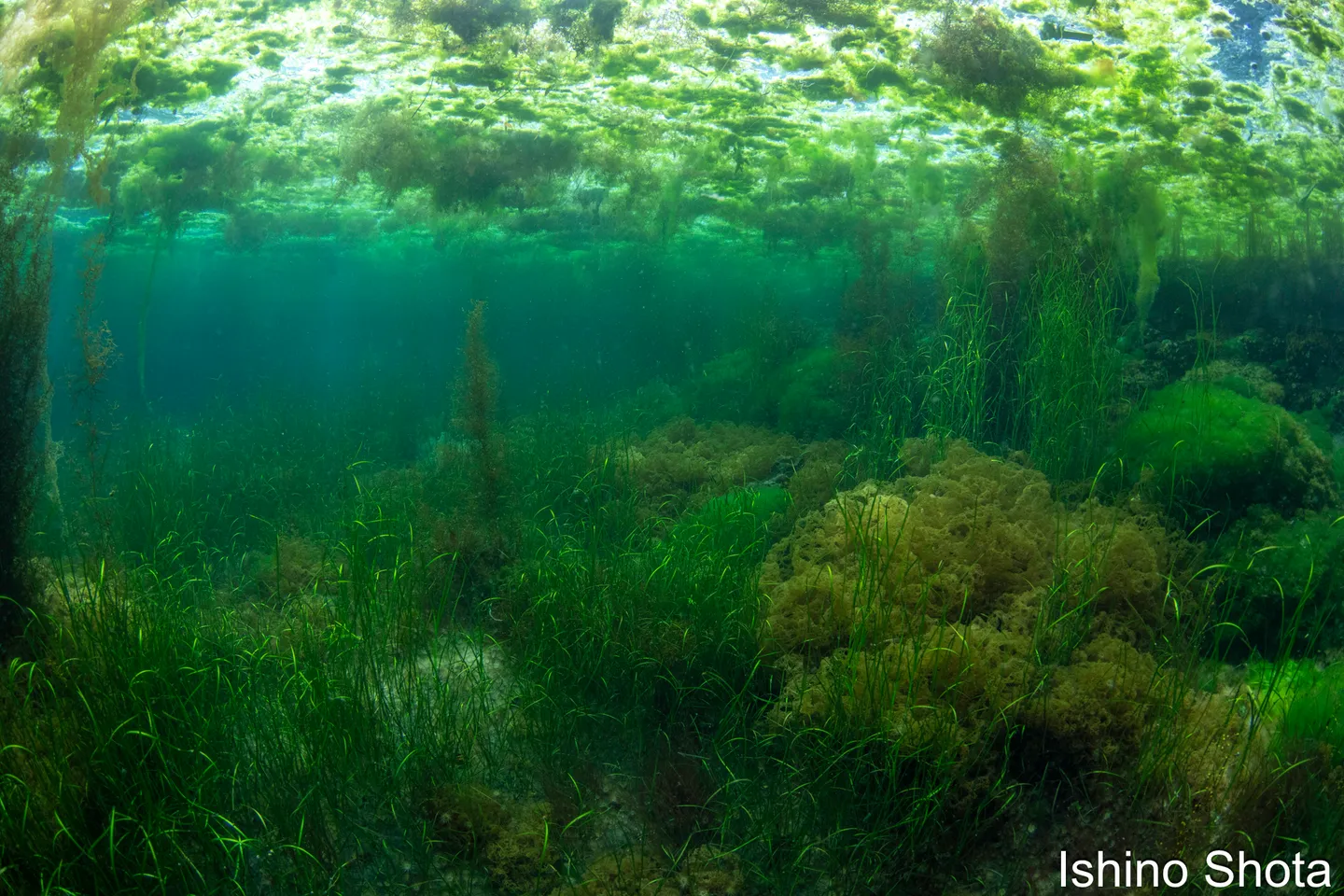
In spring, the sea often takes on a pale green hue, with visibility sometimes dropping to under 10 m. This phenomenon is known in Japan as "Haru-nigori." Its true cause is the explosive proliferation of phytoplankton — including diatoms, dinoflagellates, and cyanobacteria.
As sunlight intensifies, combined with the nutrients accumulated over winter and increasingly favorable water temperatures, phytoplankton undergo explosive growth. Known in fisheries science as the "Spring Bloom," this is a seasonal phenomenon commonly observed in temperate waters around the world.
For divers, reduced visibility may seem like a drawback; but from an ecological perspective, Haru-nigori is extraordinarily important.
Haru-nigori: The Ocean's "Big Feeding Moment"
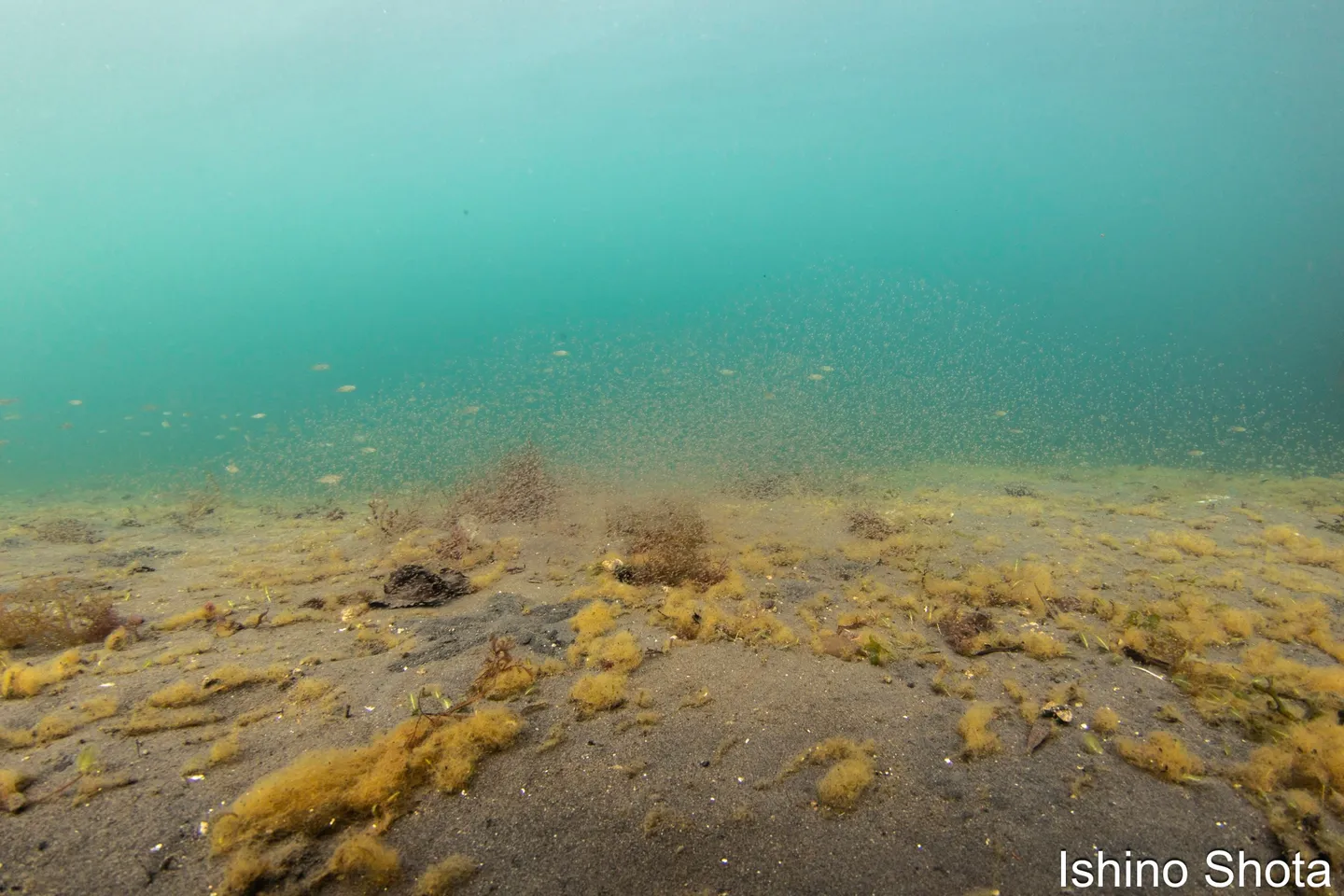
- A surge in zooplankton
Zooplankton such as copepods feed on phytoplankton and reproduce rapidly, while small fish and larval organisms in turn feed on these zooplankton.
-
A nursery for juvenile fish
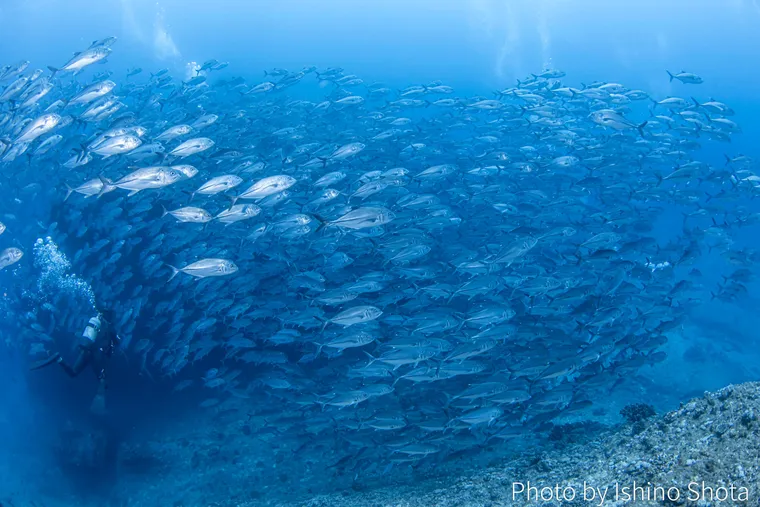
Spring is the spawning season for many species, including jack mackerel, sweetlips, damselfish, and squid. The plankton-rich environment allows juvenile fish to grow rapidly. Even with reduced visibility, for young fish this remains "a sea full of food." -
Sustaining fishery resources
Healthy Haru-nigori ensures that fish populations continue to grow through summer and autumn, making it a vital natural mechanism supporting Japan's coastal fishing industry.
-
A synergistic effect with seaweed forests
Seaweed provides shelter; Haru-nigori provides food. Together, they shape one of the most productive coastal ecosystems in the world.
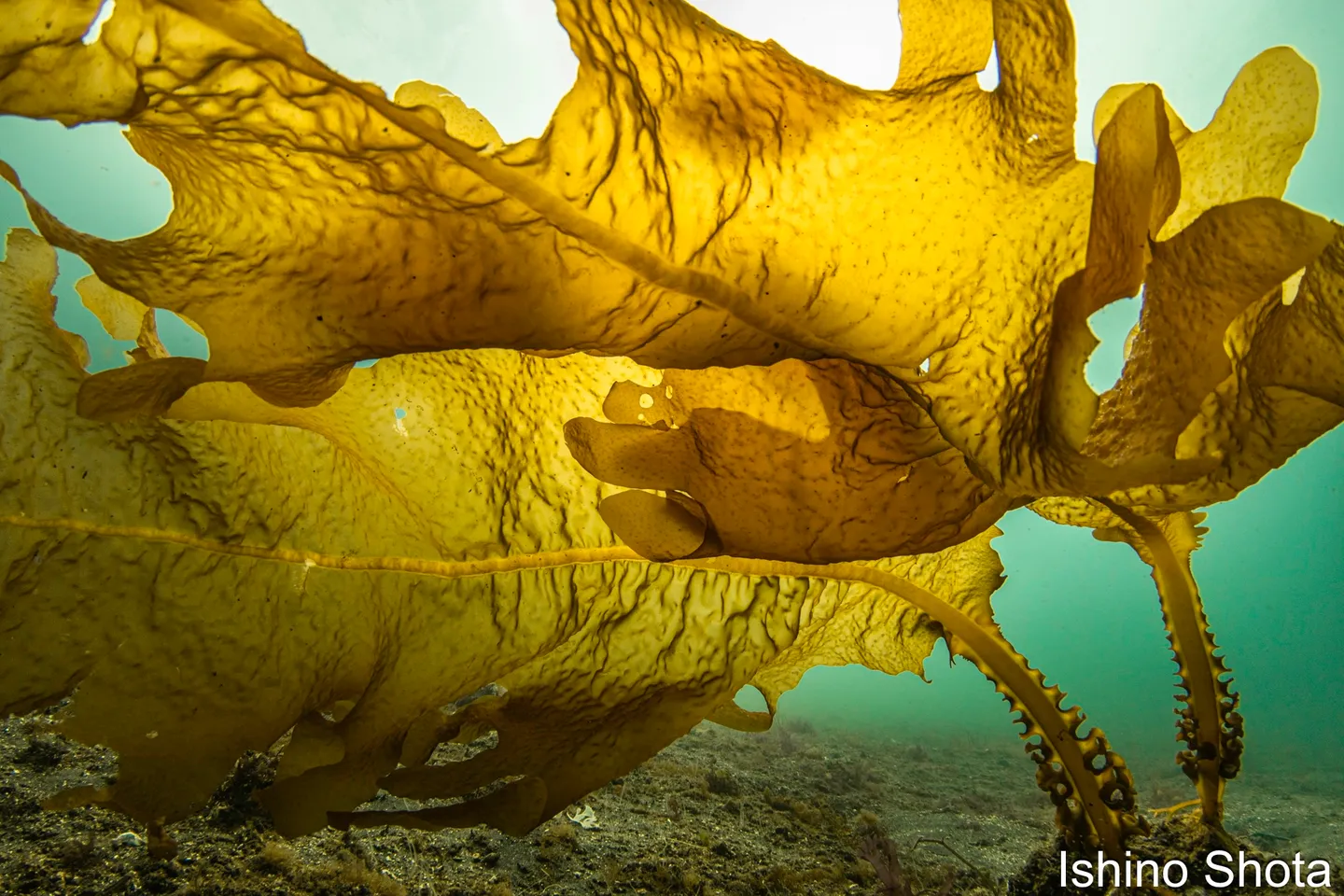
Diving the Kagoshima Seaweed Forest — A Few Tips for Taiwanese Divers
Step into a surreal, fairy-tale world crafted from a lush and thriving seaweed forest.
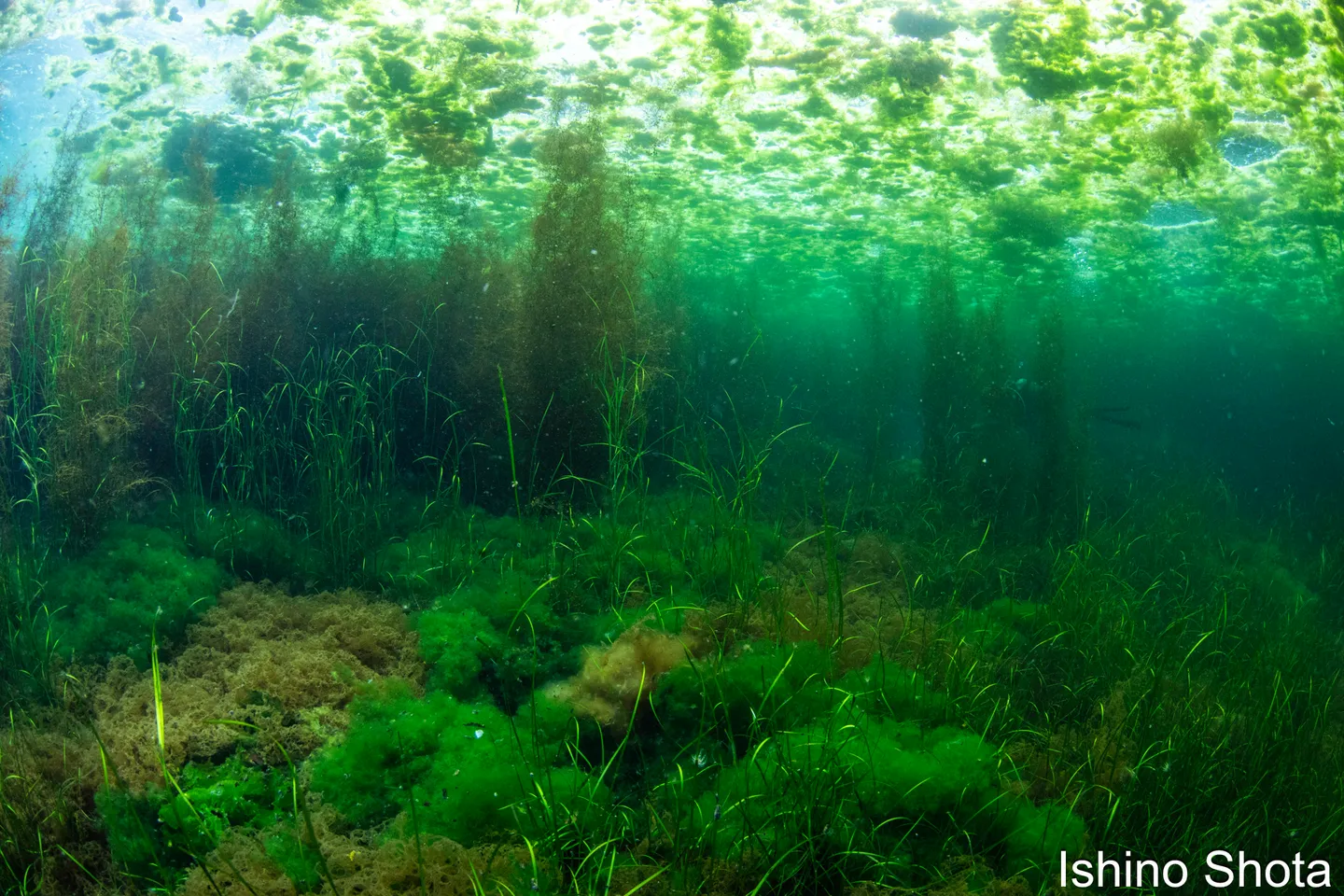
Diving Tips
-
Bubbles exhaled by divers can easily disturb the floating algae near the surface, causing visibility to drop rapidly.
-
A wide-angle lens is recommended for capturing the full sweep of this incredible green underwater world.
-
Mid-range shots of fish schools, large fish, or sea slugs are also very well-suited to these conditions.
-
Because light scatters easily here, keep your strobe output low.
-
Macro photography during this season often yields unexpectedly rewarding results.
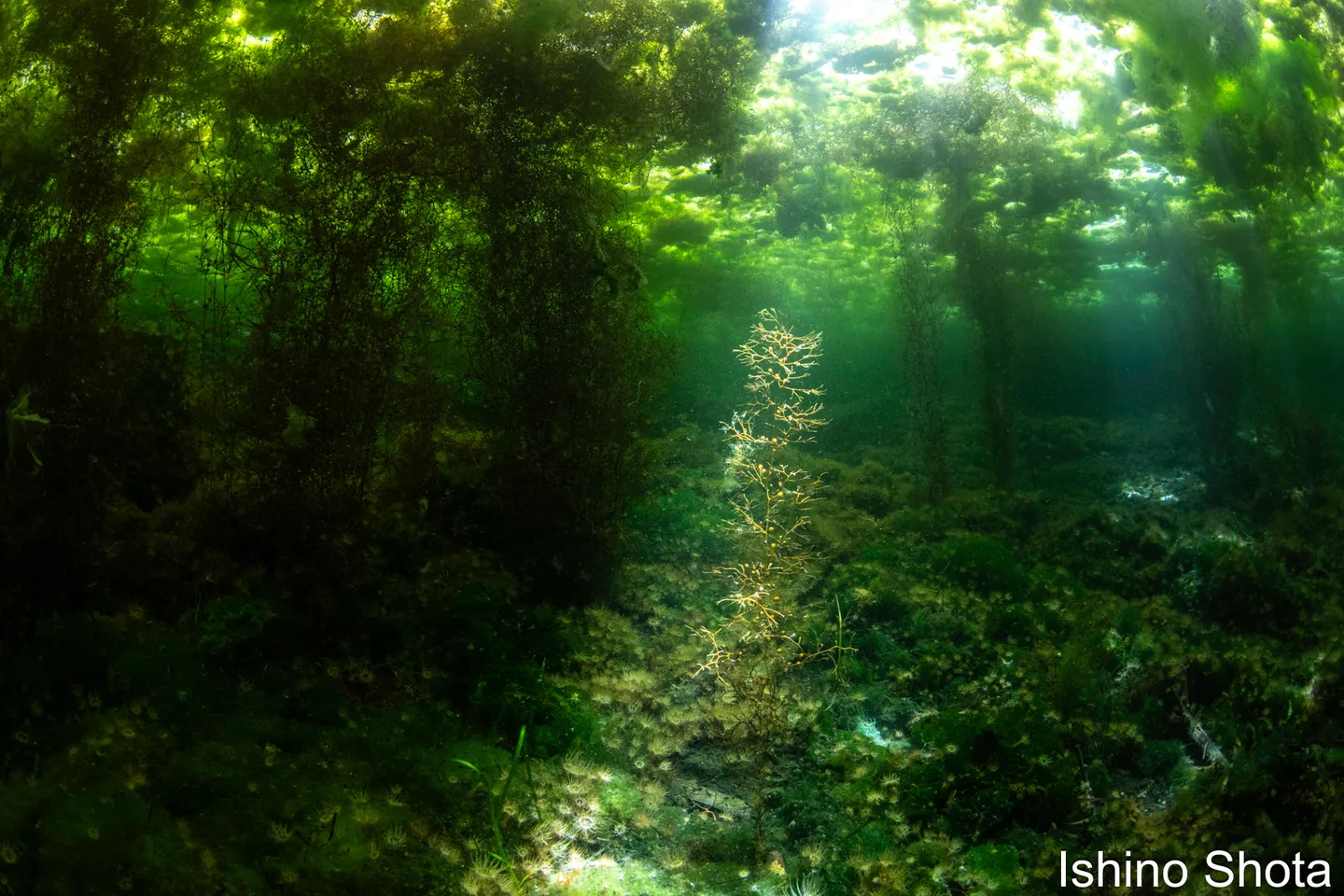
Haru-nigori Is the Ocean's "New Year": A Season to Embrace Life's Density, Not Clarity
Spring brings dramatic change to winter's clear, blue waters — yet turbidity is not a flaw; it is a symbol of the ocean awakening. Japan's Haru-nigori represents a unique seasonal rhythm, where the chain of life stirs back to visible, tangible activity once a year.
This is not the season to chase perfect visibility. It is a time to feel the richness of life and its vibrant energy. Why not make a trip to Kagoshima and experience for yourself the true abundance of Japan's spring ocean?
And the journey through Japan's seasonal seas continues. Next time, I'll return to my home base — Okinawa — to introduce the colorful underwater world of early summer, as fish activity begins to surge.
Further Reading
Frequently Asked Questions
How is a BlueTrend dive trip different from an unknown, no-name dive group?
Choosing us means full peace-of-mind protection and a smooth experience from start to finish. Every trip we run holds to three things.
First, full legal protection and a professional dive leader: we strictly follow Taiwan's travel regulations and provide complete travel-agency liability insurance, travel insurance, trip-inconvenience insurance and dive insurance. Every group is accompanied by a certified, foreign-language dive leader who joins you on both the dives and the land itinerary, liaising seamlessly with local dive shops and operators on your behalf to keep things running smoothly — the person our travellers trust most.
Second, fully licensed with secure payments: every payment goes into a licensed travel agency's account, with multiple safe payment channels (bank transfer, credit card and more) and a legal collect-and-remit receipt, so every transaction is open, transparent and protected, avoiding the fraud and dispute risks of transferring money privately to an individual.
Third, hand-picked quality we vet in person: every trip, dive site and partner shop is scouted on the ground by our own team, from the guides' professionalism and safety standards to the food, lodging, environment and service details on land, all vetted by us so you don't get caught out.
I want to sign up for a dive trip. Are there certification-level or logged-dive requirements?
Each dive site is different, so the entry bar varies. 'Bali Tulamben', for instance, is relatively beginner-friendly. 'Malapascua in the Philippines' is also beginner-friendly, but since thresher sharks tend to cruise between 20 and 30 metres, we recommend AOW certification with 20+ logged dives to enjoy this trip comfortably. For 'the Maldives' or 'Palau', we suggest AOW with 50+ logged dives for a more relaxed experience. If you're not sure whether your experience fits the trip you want, message us and our dive editors will assess it and help you find the trip you'll feel safest on.
Can I join if I'm signing up alone? How are rooms arranged?
Plenty of our travellers sign up solo! For rooms and beds, we prioritise pairing you with a same-gender traveller, and if you'd rather have your own space you can pay the difference to upgrade to a single room. For the diving, our professional leader will pair you with a suitable buddy, and with the happy vibe on our trips you'll quickly make a great group of dive friends. Many people sign up alone, make new friends, and end up organising the next trip together!
Does the trip fee include dive insurance, gear rental, taxes and instructor tips?
It depends on the trip, the destination's regulations and the local operators. Every BlueTrend dive trip has a detailed web page with a clear 'included / not included' list, transparent and with no hidden charges. All payments are collected by a licensed travel agency, with a standard-form contract for your protection.
I'm a new diver / haven't dived in a long time — will I fall behind the group?
Before you complete your booking, our team assesses a suitable trip based on your certification level and experience. Before departure, we strongly recommend taking time to refresh in Taiwan with an instructor, or a fun dive to get your feel back. On the trip itself, our professional dive leader groups and pairs everyone by experience, keeps a close eye underwater on travellers who need extra care, and steps in to help right away.
Will the photos and videos taken during the trip be shared with us?
During the dives, 'safety' is always the leader's top priority, so whenever it's suitable and safe the leader will capture great shots and record the best moments. During or after the trip, we compile a cloud album for all travellers to download, so you go home loaded with memories!
Besides your scheduled trips, can you arrange a private group charter or independent travel for me and my friends?
Absolutely! Besides group trips, we also arrange private group charters and independent travel. We can communicate, enquire and coordinate services with local operators based on your needs, saving you time and effort and taking the language barrier off your plate, to tailor the smoothest, most reassuring dive trip just for you. Contact our LINE support and our editors will arrange it for you!