The Editor says: If you've read Overcoming Life's Fears, Weaving Your Dreams with the Scent of Desserts and the Taste of the Ocean – PinckyMommy, you're probably very curious about her philosophy of blending desserts with freediving. So the Editor shamelessly invited her to share some thoughts on freediving with us — in plain language and with a light-hearted tone — to help everyone understand this fascinating sport! (The Editor has already been successfully lured in and is preparing to sign up for a freediving course.)
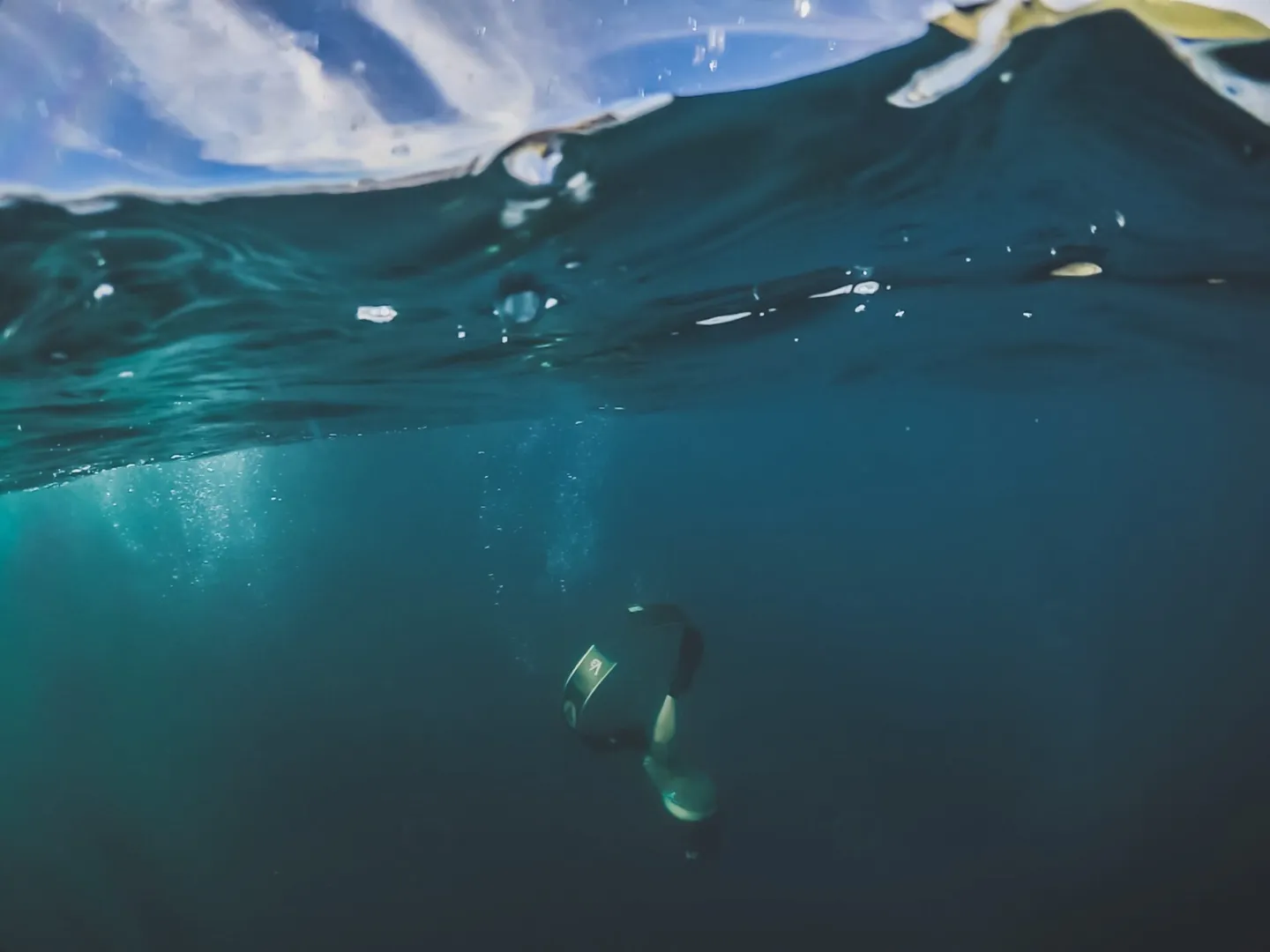
Customers often dine at my shop, glance at the photos on the wall, and ask: "Are you the one in those diving photos?"
Ans: Actually, there are 21 photos in the shop — and not a single one of them is me.
"So you're deep diving, right? The kind where you carry all that heavy gear and breathe underwater?"
Ans: Ah! What you're describing is scuba diving. What we do is freediving — no gear on your back.
"Freediving? Is that like snorkeling with a life vest?"
Ans: Snorkeling is staying on the surface, but freediving means actually going beneath the surface!
After a few playful exchanges, let's get serious and define what this activity really is:
Freediving — an underwater activity performed without any underwater breathing equipment, relying solely on a single breath and breath-hold diving.
In simpler terms: take one deep breath, hold it, and dive down into the water.
"Wait — no breathing?! Wouldn't you die?!"
Ans: The truth is, most people are so accustomed to breathing freely on land that the idea of holding their breath to dive feels terrifying and uncomfortable.
They say… the unknown is what frightens people most. Only when you truly understand an activity — inside and out — can you know both what it is and why it works the way it does.
"So how long can you hold your breath?"
Ans: My personal best is around 3 minutes (which is why I've been putting off going back to retake my A4 level exam). Honestly, beginners can typically reach the 2-minute breath-hold milestone through the course itself.
"Hold your breath for 2 minutes — won't you die?"
Ans: Ha! I'm still here, so I'd say no. And at the very worst, when you genuinely can't hold on any longer, you'll just float back up to the surface for air — just like a sea turtle.
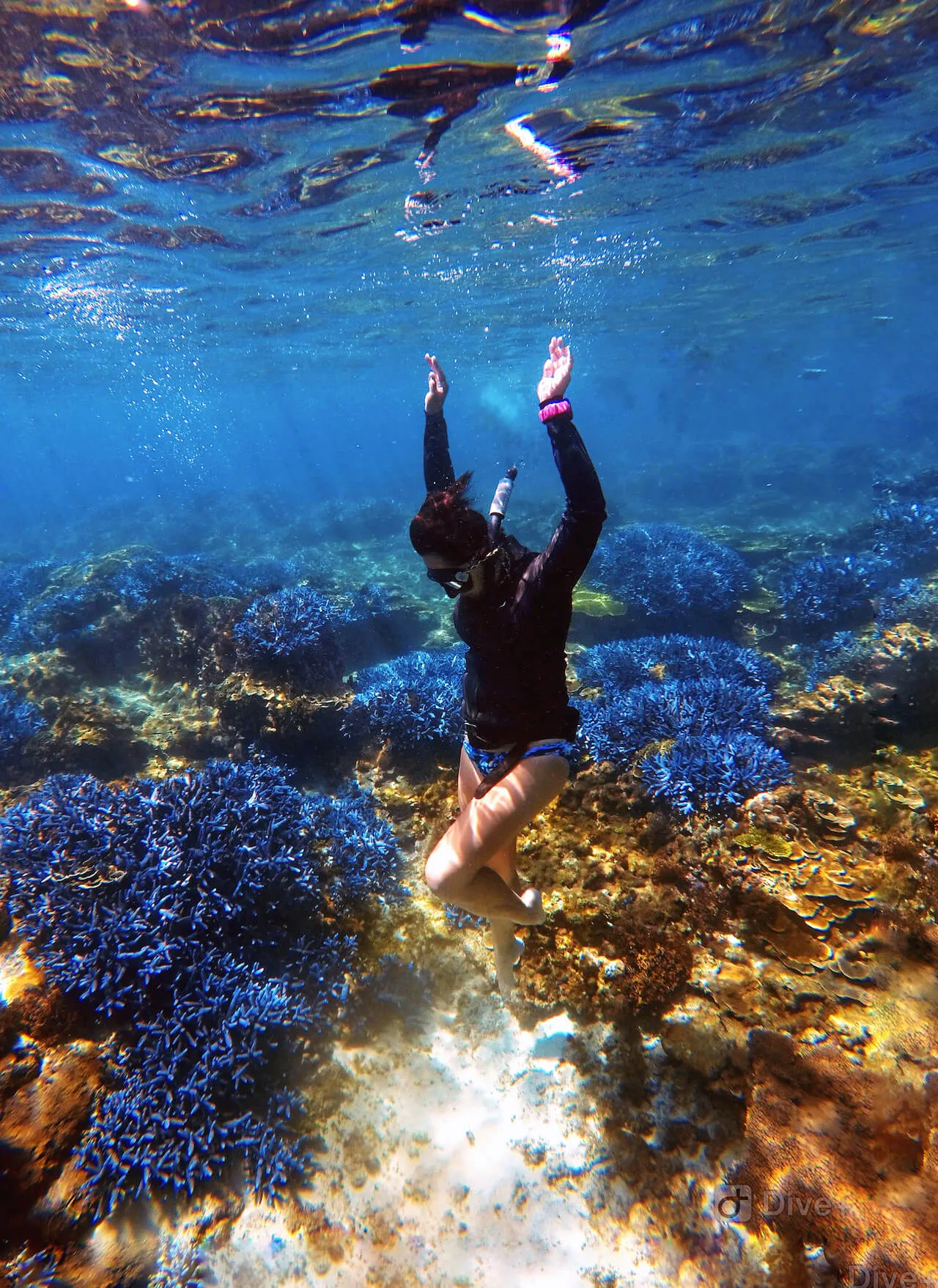
The above is roughly what my conversations with customers look like. So what exactly is freediving? If it's simply holding your breath and diving down, why do you need to take a course? Can't you just… stop breathing?
Freediving was once rated by Forbes magazine as the second most dangerous sport in the world. It is an activity that appears to push the limits of the human body — and yet, some describe it as a return to the earliest stage of life, floating in the amniotic fluid of the womb.
What first drove me to take a course was fear and the unknown. On this island of Taiwan, surrounded on all sides by the sea, our relationship with the ocean was shaped by the worries of our elders — always warning us that the sea is dangerous, to stay away, and that during the seventh lunar month, wandering spirits might drag you under, so just don't go near the water.
To give a brief overview of the freediving course: the theory portion covers body physiology, equalization principles, physics, and the issues and symptoms that arise when pushing beyond physical limits. Most importantly, it covers how your dive buddy can read your performance to understand how you're doing.
The pool sessions serve as the practical gateway into freediving. Beyond the certification benchmarks, the greater emphasis is on learning to relax and how to prepare your breathing. Proper relaxation and breathing preparation help us feel more at ease and move more gracefully underwater.
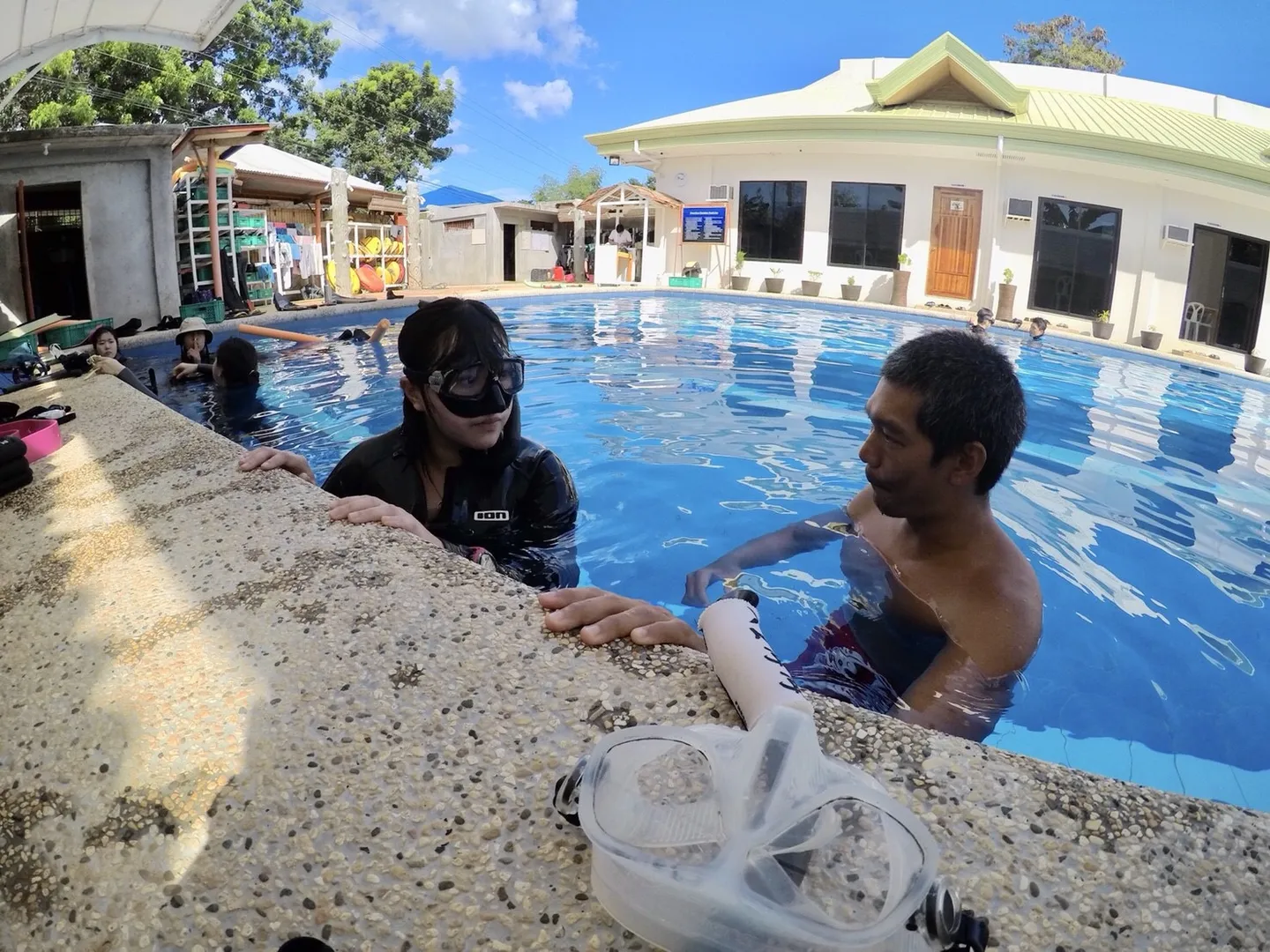
The ocean training session was probably the most nerve-wracking class for me. It was the very first open-water session after a typhoon had passed — jellyfish everywhere, choppy water, and extremely low visibility. I was on edge the entire time.
Breathing up on the surface, starting with a rope-guided descent, feeling every inch of my body change with the increasing depth. And the intense effort of equalization.
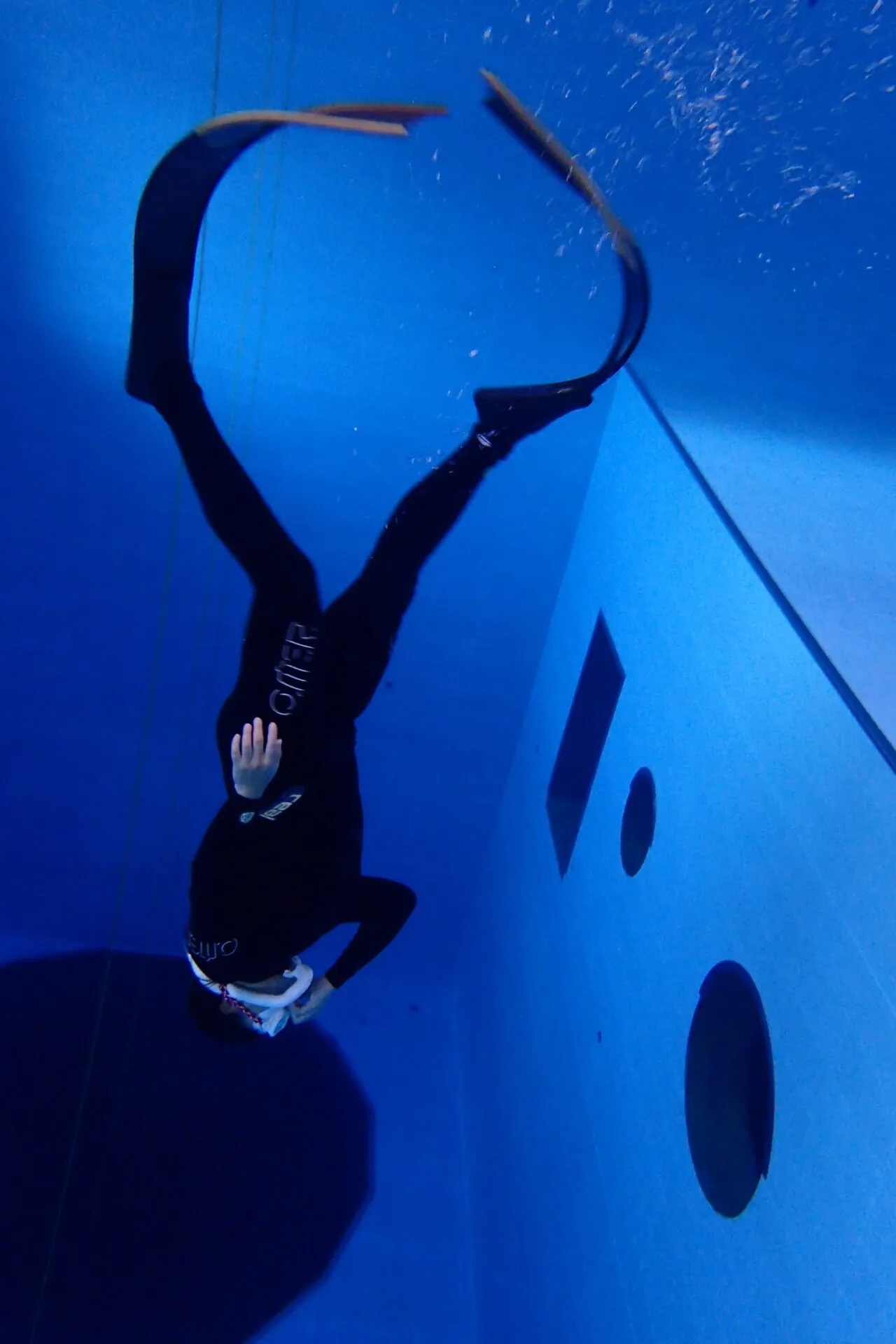
Then we learned the proper way to bow to the ocean — the duck dive. Like offering the sea our deepest respect, we bent at the waist and let our legs kick freely as we slowly made our way down into the depths.
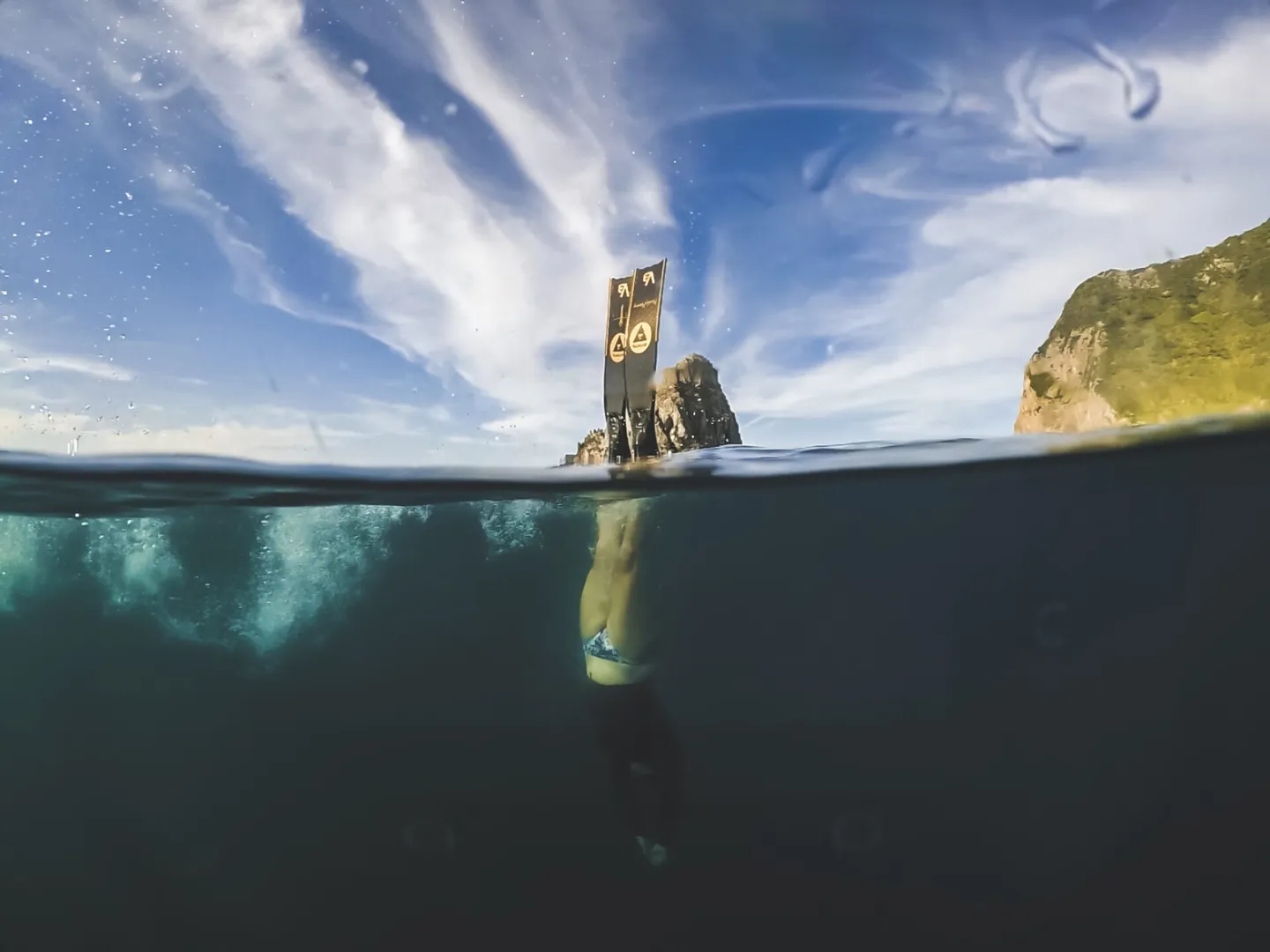
Equalization is no easy feat — it's the hurdle that trips up beginners most often. And the duck dive is another milestone that brings you one step closer to those beautiful photographs.
Within the ocean training curriculum, however, the most important — and the content that deserves the most serious attention — is the buddy system and rescue procedures.
They say dive buddies are easy to fall for. Those shared moments underwater, the eye-to-eye connection during a safety watch, the unspoken understanding in your dive plan, the times you've tumbled through the surf zone and held each other up — how could you not love your dive buddy?
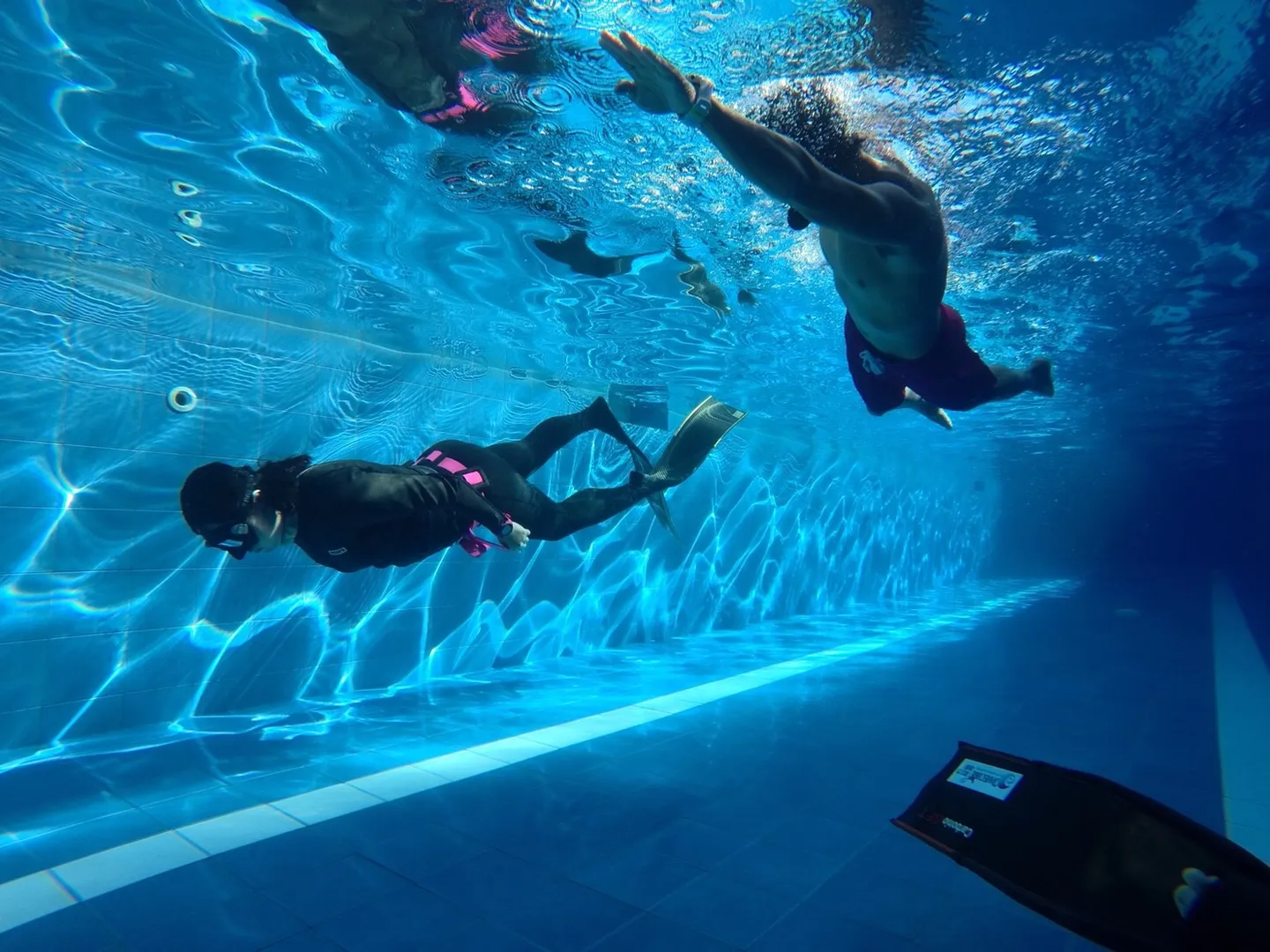
Each time: the breathing preparation, the full-breath duck dive, the moment of passing your buddy on the way back up. A little less anxiety than before, eyes meeting eyes, both moving toward the light streaming down from the surface. Breaking through the water and taking those three recovery breaths, flashing the "I'm OK" signal — and ending the dive with a smile.
The ocean is vast, and we humans are sometimes drawn to adventure. In those moments when we push past our limits and find ourselves at our most vulnerable, there will always be someone to pull you back — and that person is your dive buddy.
Whatever freediving means to you, always remember: DIVE ALONE, DIE ALONE.
Related Links: