Contents(7)
- Prohibited but Persistent: The Invisible Destruction Beneath the Waves
- The Lungs of the Mediterranean: Posidonia oceanica Is Disappearing
- "If the Law Can't Stop Them Entirely, We'll Find Another Way to Guard the Sea"
- When Art Becomes a Solution for Protecting the Ocean
- From Fishing to "Making People See What Is Happening in the Ocean"
- When Governance Falls Short, Choices Still Exist
- Further Reading
In the Bay of Talamone, in southern Tuscany, Italy, diving more than ten metres below the surface reveals not a coral reef, but a series of large marble sculptures standing quietly on the seabed. Arranged along the nearshore waters, they form an invisible boundary, blocking certain vessels from pressing further forward.
This is not an underwater museum in any traditional sense. These sculptures exist for a purpose tied to a fishing practice that has long plagued the Mediterranean coastline — bottom trawling.
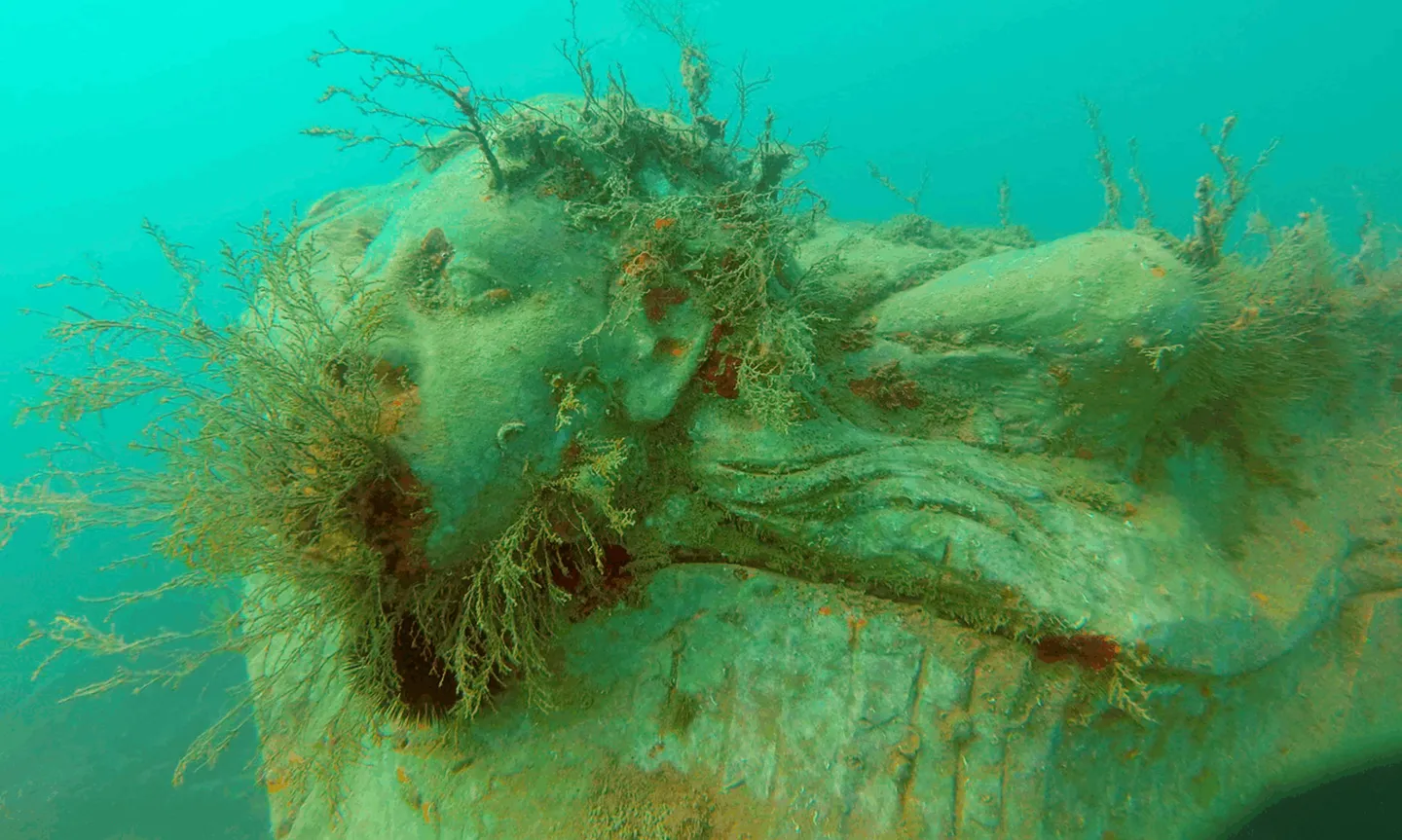
Image source: The Guardian, "Underwater museum: how 'Paolo the fisherman' made the Med's strangest sight"
Prohibited but Persistent: The Invisible Destruction Beneath the Waves
Bottom trawling involves dragging weighted nets across the seabed, yielding large catches in a short time, but its highly non-selective nature also sweeps up juvenile fish, non-target species, and destroys seafloor habitat.
In Italy, the law expressly prohibits bottom trawling within three nautical miles of the coast, yet multiple small-scale coastal fishermen report that illegal trawlers continue to appear — concentrated especially during night hours or periods of weak enforcement. The damage these vessels inflict on the seabed does not immediately show up in market prices, but it leaves long-term consequences throughout the ecosystem.
When heavy nets repeatedly scrape across the seafloor, seagrass beds and the habitat of benthic organisms are overturned and torn apart, and the structures that once offered fish shelter and breeding grounds gradually disappear. For small-scale fishermen who depend on nearshore fisheries, this destruction means "tomorrow's catch" is being spent in advance.
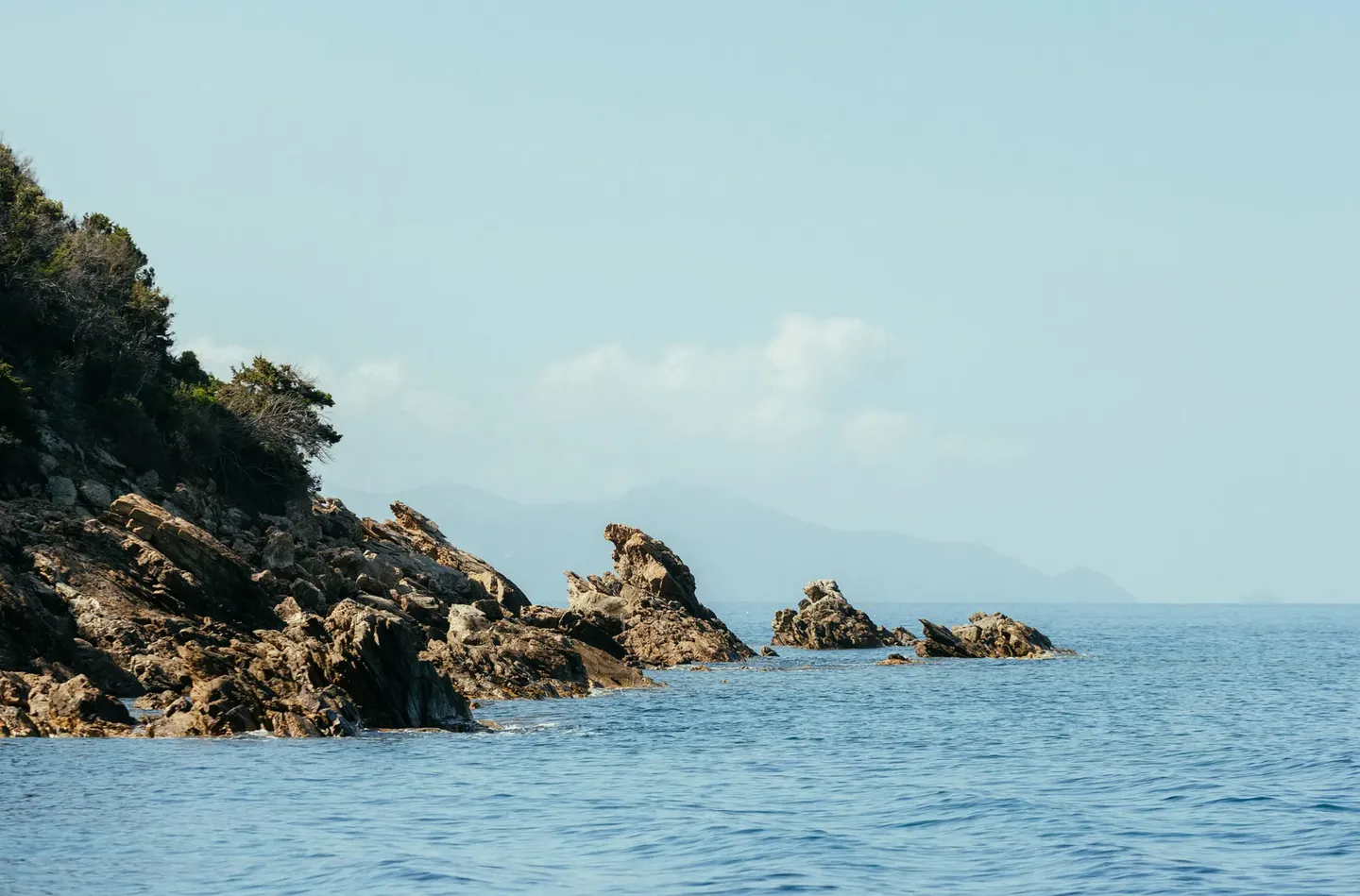
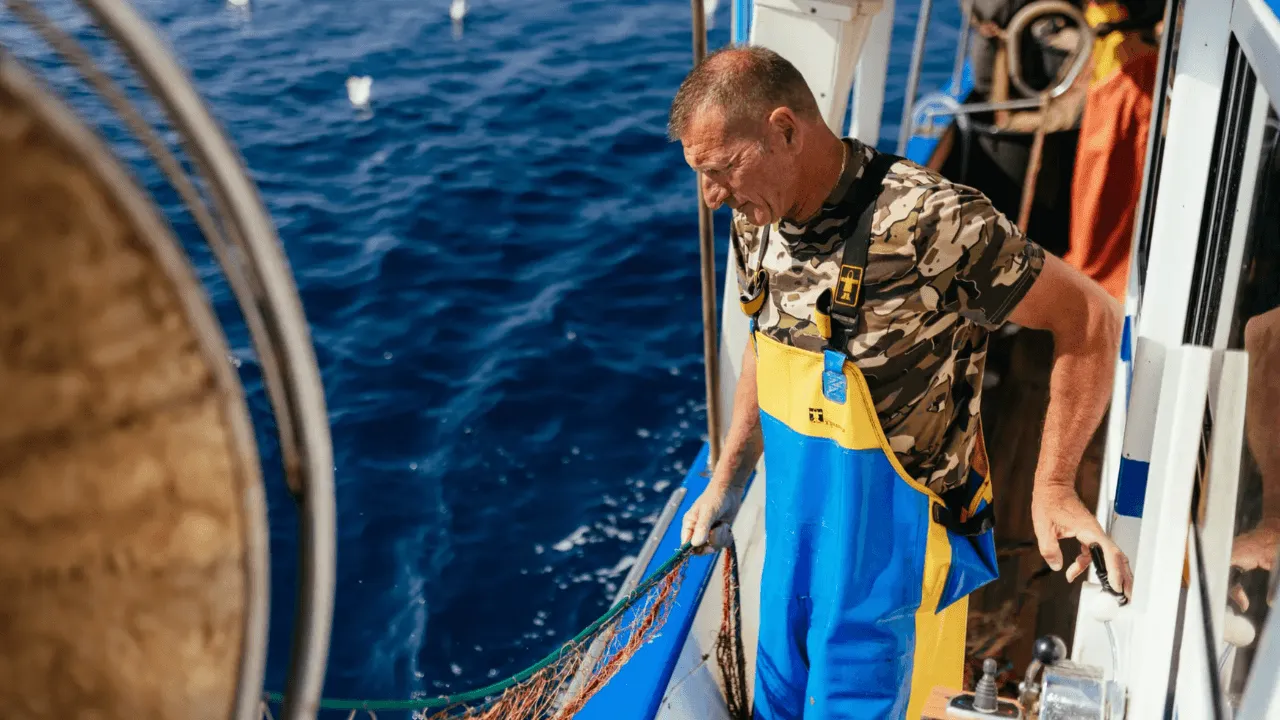
Image source: Huck, "The Italian fisher taking on industrial deep-sea trawlers"


The Lungs of the Mediterranean: Posidonia oceanica Is Disappearing
The Bay of Talamone once harboured extensive meadows of Posidonia oceanica, a seagrass endemic to the Mediterranean that is often described as a cornerstone of the marine ecosystem.
Posidonia oceanica is not only vital habitat for fish and invertebrates — its root systems stabilise the seabed, slow coastal erosion, and possess a remarkable capacity for carbon sequestration. Research indicates that mature seagrass beds can sequester carbon per unit area at rates comparable to terrestrial forests.
Yet once a seagrass bed is damaged by bottom trawling, recovery is extremely slow — often taking decades — and full restoration is considered by many to be nearly impossible. For the fishing industry, this is not merely an environmental concern; it is a decisive factor in whether marine resources can be sustained at all.
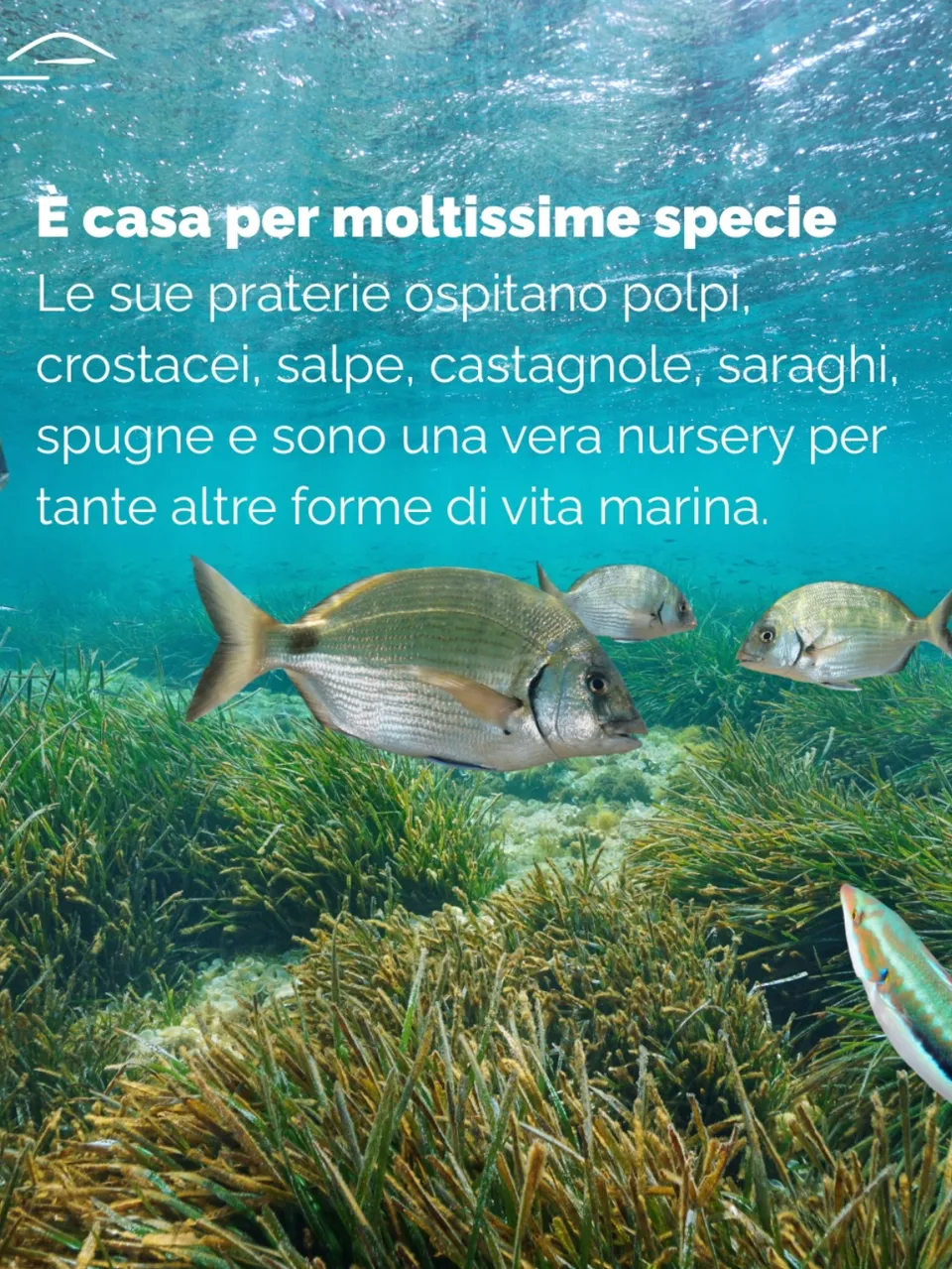
Posidonia oceanica meadows are home to many species, serving as a nursery for octopus, crustaceans, damselfish, and more. Image source: Casa dei Pesci
"If the Law Can't Stop Them Entirely, We'll Find Another Way to Guard the Sea"
Paolo Fanciulli was born into a fishing family in Talamone. Beginning in the late 1980s, he noticed that nearshore catches were declining year by year — fish were growing smaller, familiar species were becoming rare, and illegal bottom trawling was the primary driver of these changes.
At first, he tried reporting violations to the authorities, and even confronted illegal fishing vessels directly, but these approaches yielded limited results and exposed him and his family to risk. For Paolo, the problem gradually came into focus: in a context where the law could not be comprehensively enforced, was there another way to genuinely protect the sea?
The turning point came with an idea that seemed, on the surface, unusual — if trawlers could enter because the seafloor was "flat enough," could it be possible to alter the structure of the seabed to make trawling operations impossible?
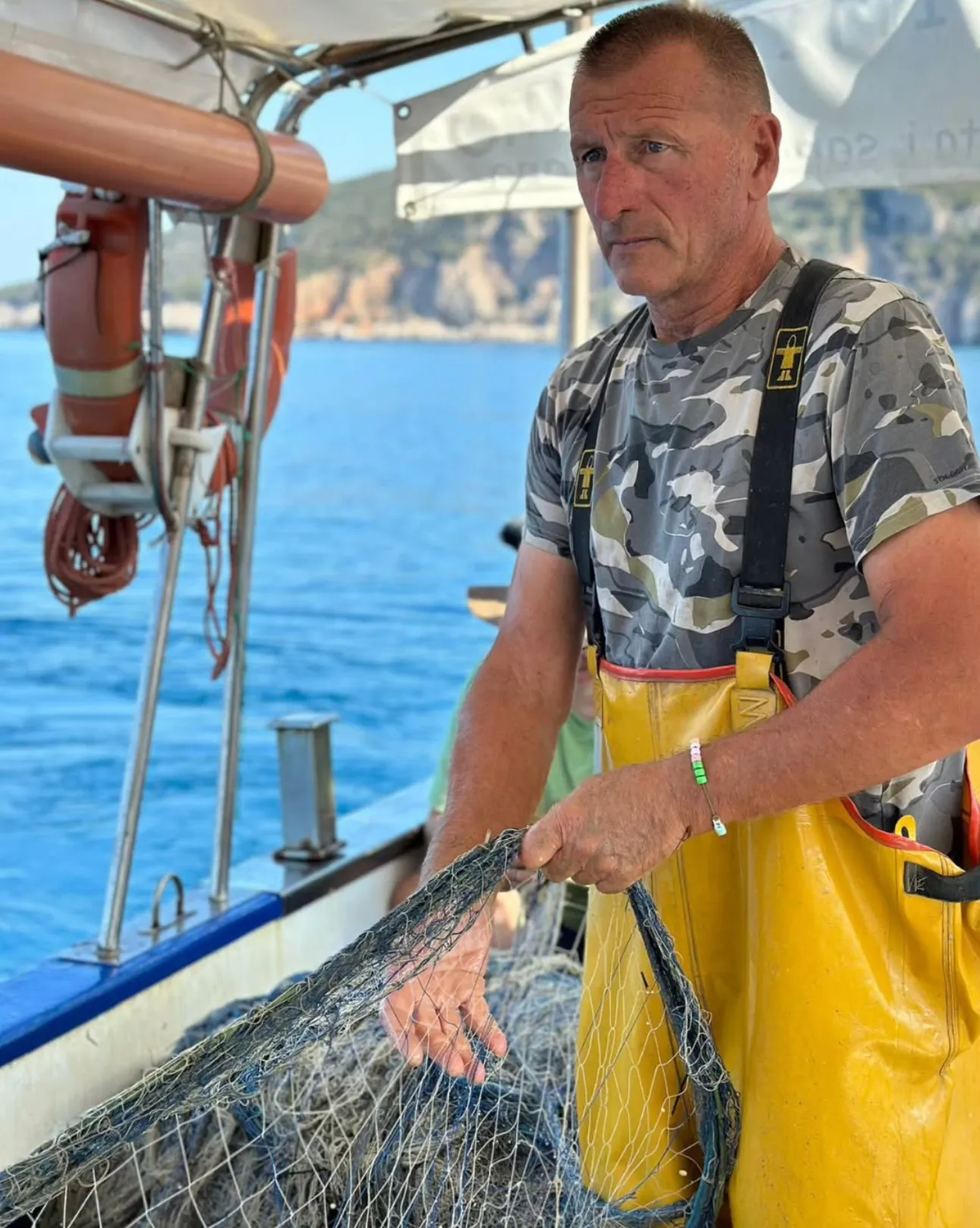
Paolo Fanciulli continually seeks sustainable ways to protect the local sea. Image source: Paolo Fanciulli
When Art Becomes a Solution for Protecting the Ocean
In 2015, Paolo and his partners founded the non-profit organisation Casa dei Pesci (House of Fish) and began collaborating with artists to sink large marble sculptures into nearshore waters. These works are not only artistic in form — their weight and arrangement physically constitute a barrier that prevents bottom trawling nets from entering.
Over time, algae and organisms began colonising the surfaces of the sculptures, gradually producing an effect similar to artificial reefs and drawing fish back to the area. These structures have also become a focal point for diving activities, forging a connection between conservation efforts and ecotourism.
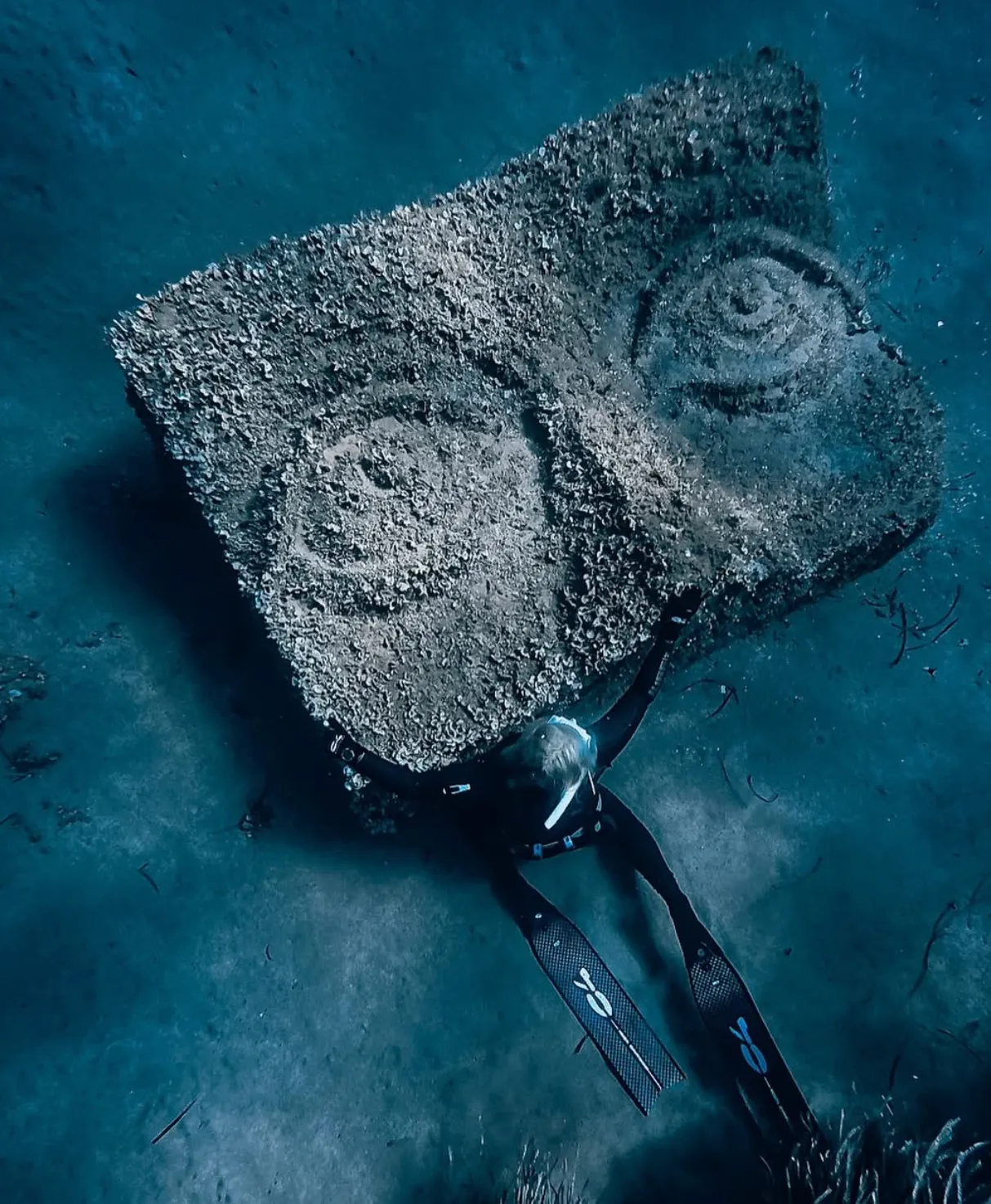
Paolo Fanciulli commissions artists to sculpt artworks that are then sunk into the sea to become biological habitat. Image source: Casa dei Pesci
From Fishing to "Making People See What Is Happening in the Ocean"
If the damage caused by bottom trawling is a process that unfolds quietly beneath the surface, then the underwater museum and its associated initiatives represent an attempt to make that damage visible. Beyond the underwater sculptures, Paolo has also invested in fishing tourism — taking visitors out to sea to explain firsthand the differences between various fishing methods, and to help people understand how destructive fishing affects both the ocean and the livelihoods of fishermen. On weekends, he runs a small restaurant selling the day's catch and collaborates with local businesses that share a commitment to sustainable values.
These efforts have transformed fishing from a mere food-production industry into a space for public dialogue. Through direct experience, people come to understand that choosing which fish to eat, and knowing which fishing method brought it to the plate, is no longer an abstract environmental slogan — it is a direct link to ecology and the local economy.
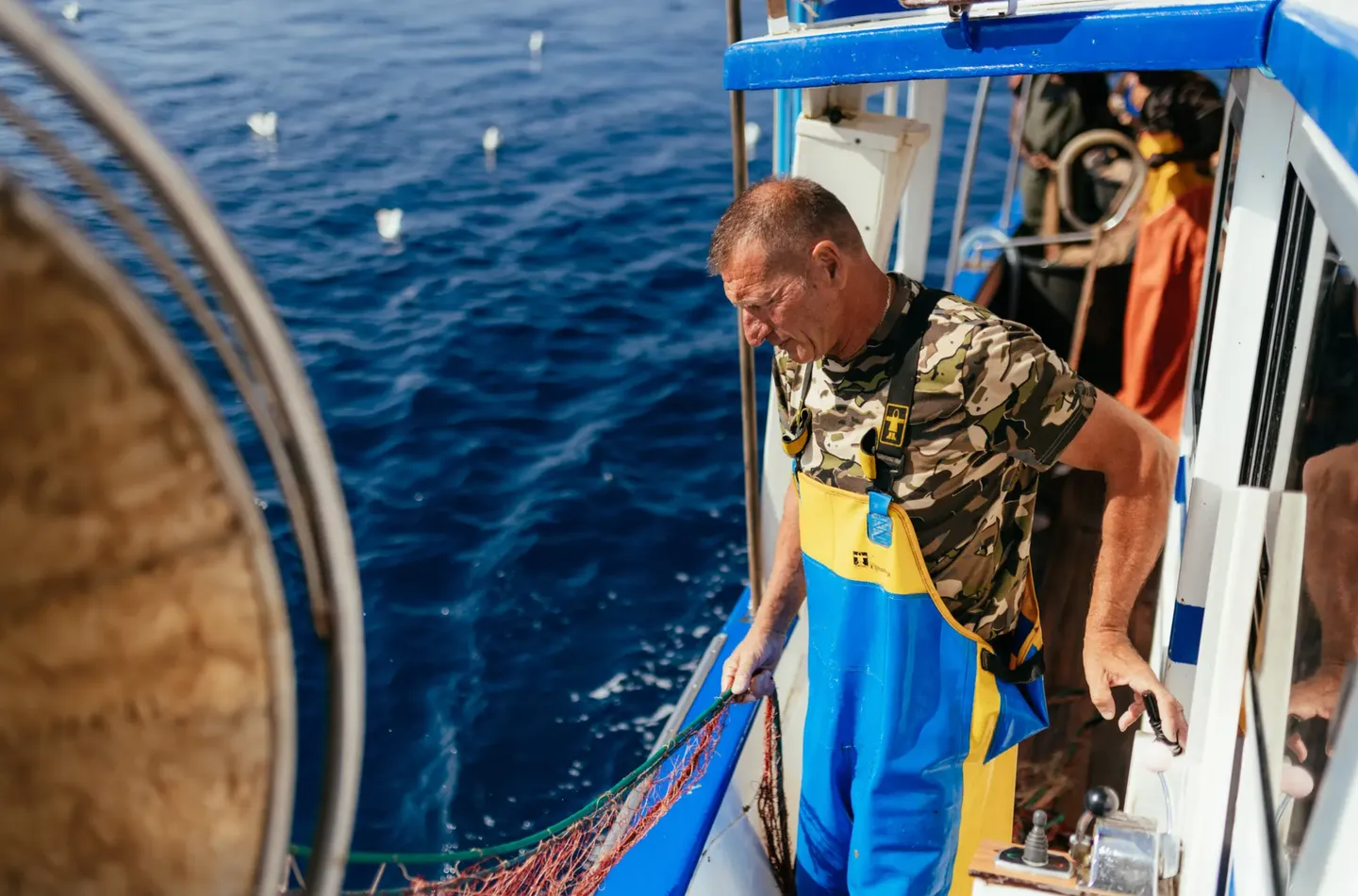
Image source: Huck, "The Italian fisher taking on industrial deep-sea trawlers"
When Governance Falls Short, Choices Still Exist
The experience of Talamone cannot solve all illegal fishing problems, nor can it be easily replicated. But it offers a direction worth observing: when formal institutions struggle to achieve full enforcement, can local action, industry transformation, and consumer choice win more breathing room for marine ecosystems?
For the general public, taking action does not necessarily mean standing on the front lines — it begins with understanding the differences between fishing methods and supporting low-impact, small-scale fisheries. These choices may seem small and are unlikely to immediately transform the entire industry, yet they can influence market trends and give initiatives like Talamone's a chance to endure.
In a corner of the Mediterranean, the sculptures on the seabed continue to stand in silence. They remind us that change in the ocean often happens in places we cannot see — and that protecting it sometimes demands not only laws, but also people willing to try a different way.
Further Reading