Around mid-May, a phone call came out of the blue asking whether I could teach a course on June 10, 2023, at the Fushan Fisheries Resource Conservation Area in Shanyuan, Taitung — and just like that, I had an opportunity to step up as an instructor.
Hearing "Shanyuan, Taitung" brought back memories. I had once roamed the East Coast myself — I recalled the intertidal surveys I conducted at various Taitung shorelines during my master's program, especially at Shanyuan, leaping between massive boulders and recording target species. That was more than ten years ago, and after graduation I never returned to the intertidal zones of eastern Taiwan. June 10 also suddenly reminded me that it was the sixth anniversary of the passing of director Chi Po-lin, the creator of Beyond Beauty: Taiwan from Above, a documentary that captured Taiwan's environment. Time moves so fast — have we forgotten something? As a flood of memories and feelings washed over me, I seized this opportunity to put them into writing.
Accepting the Commission
Here's how it all started: Coach A-Xian, an assistant at BlueTrend (躍入深藍有限公司), a marine media company that promotes the concept of marine citizen science, reached out and asked whether I could teach an intertidal survey training course hosted by the Taitung District Fishermen's Association.
The moment I heard I'd be an instructor, my first thought was: "Wait — I'd have to stand up in front of people and actually teach… Can I do this?"
As it turned out, the original invitation had gone to Wox Lee (李承錄), a seasoned wildlife observer and author of Marine Natural History, who had to cancel due to a scheduling conflict.
BlueTrend asked Wox who might fill in, and without a moment's hesitation he said, "Just find Yan-Hui — he can do it!!"
Hearing that I'd been recommended left me both flattered and a little flustered. I hadn't stood in front of a class before (even my experience as a teaching assistant amounted to little more than helping the professor handle administrative matters). I clarified to A-Xian that I had no formal teaching experience and that, while I do research on the taxonomy of marine invertebrates, I'm far more comfortable examining specimens under a microscope indoors than I am identifying organisms in the field — nothing like Wox's wealth of outdoor observation experience.
But A-Xian said, "Relax! We trust your expertise — just teach based on your own knowledge and experience. We have a template for you to reference."
Those words put me at ease. After thinking it over, I realized this was a once-in-a-lifetime chance to build actual teaching experience, so I agreed to take on the role of instructor for the day.
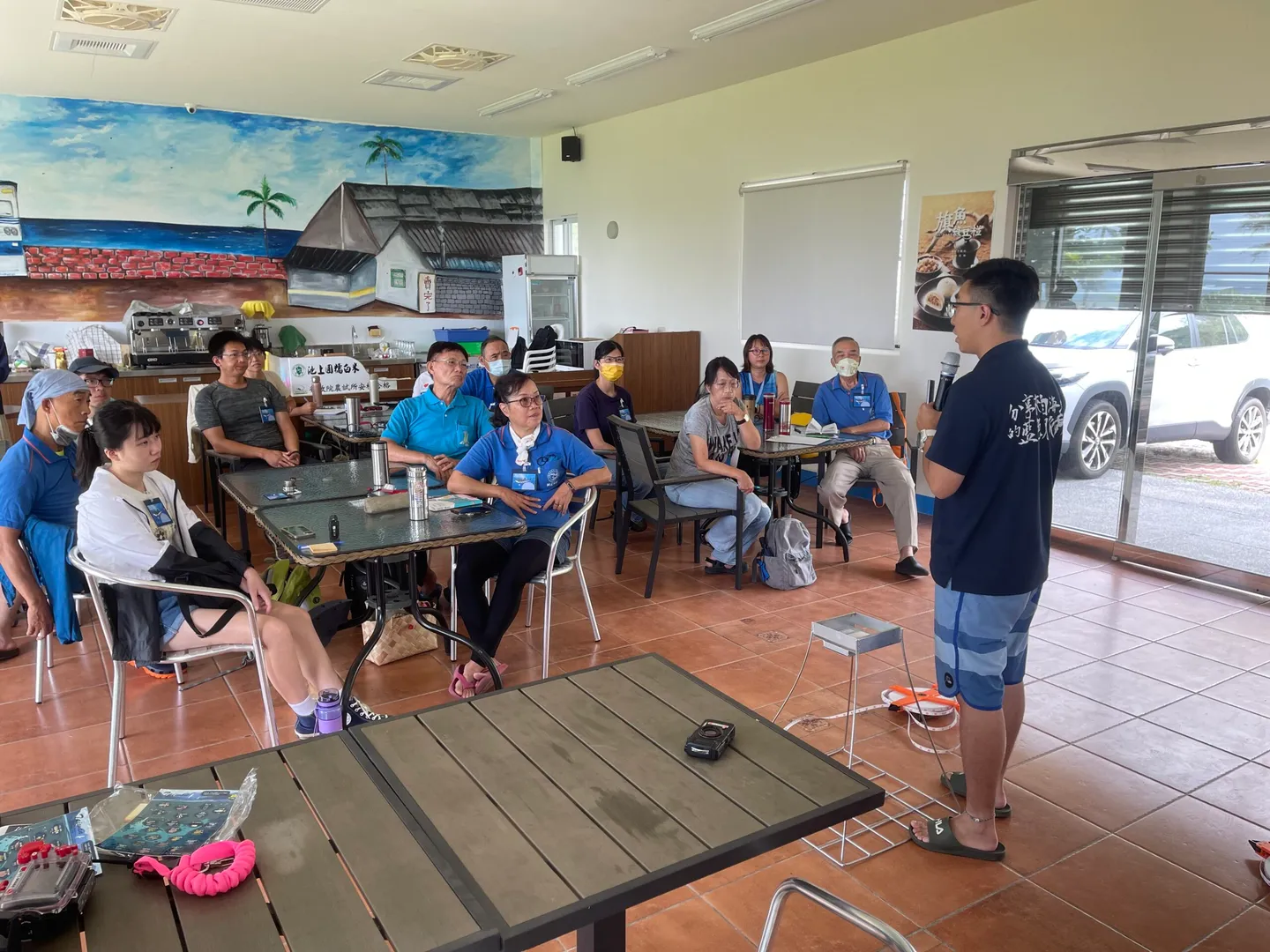
Coach A-Xian opened the session by introducing what citizen scientists are and how surveys are conducted.


Preparing the Course Materials
Shortly after, A-Xian set up my profile and sent over the teaching template.
He said, "This is Wox's intertidal teaching slide deck — I'll leave the revisions to you."
I opened the file to find slides packed with hand-drawn, full-color illustrations of marine life, landscape photographs, photos of all kinds of organisms, and a cast of charming fictional characters — the whole thing was vivid and lively. The content, however, centered on the coastal environment and intertidal life of the Northeast Coast, so I would have to overhaul it to fit the intertidal zone of the Fushan area in Taitung.
That said, a nagging thought hit me: "I don't have any of my own photos of the intertidal life on Taiwan's east coast, and I have no idea what species even live there!!"
I started by searching online for intertidal survey reports on the Fushan Fisheries Resource Conservation Area. Using various keywords, the only thing I could find was a Survey on Fish Diversity in the Fushan Fisheries Resource Conservation Area — clearly no data on the local intertidal invertebrates. Next, I searched for general introductions to the conservation area, and when I stumbled upon travel photos of the species identification signboards posted on-site, I felt a surge of relief: "Finally, some reference material on the local fauna!"
From there, I began mapping out what I wanted to cover. Looking at the nearly one hundred slides in the template, I worried: would there be enough time? Would participants fall asleep? Could they absorb all of this? How could I convey complex knowledge in a clear and accessible way?
As I turned these questions over in my mind, I opened the slides and started revising, and gradually noticed that the material could be organized into five chapters:
| Concepts | Observation | Field Safety | Survey Methods | Identification |
|---|---|---|---|---|
| Definition of the intertidal zone, environmental conditions, and how those conditions influence species distribution | Characteristics of intertidal organisms and the principles to follow when observing them | What to wear and what safety precautions to take when visiting the intertidal zone | Survey and documentation methods that citizen scientists can apply to intertidal observation | A taxonomy-based introduction to intertidal animals, how to identify them, and what research topics they lend themselves to |
I wanted to try a modular approach to the lesson structure. Human attention naturally wanes over time, and if I could adjust the order of chapters to match the participants and their level, I could front-load the most important content while their concentration was at its peak and leave a lasting impression.
I also recognized that photography equipment has become remarkably accessible — even smartphones are now waterproof and capable of high-resolution images — and that uploading photos to online communities gives instant access to experts who can identify species. There are also plenty of field guides available for cross-referencing. The average person, I figured, can already rattle off the names of common intertidal species without too much trouble.
So my thinking on training marine citizen scientists shifted away from simply listing every intertidal organism's name and habits and hoping people would remember them. What matters more, in my view, is fostering scientific thinking and critical reasoning about the ocean, and building the habit of conducting surveys and keeping records in a systematic way.
I shared this idea with A-Xian and Wox, and they both agreed. Wox went even further, suggesting we encourage participants to pay closer attention to locally significant target and indicator species, and that when introducing organisms it's more pressing to emphasize their ecological function and importance within the ecosystem. After that conversation, I felt considerably more confident — even without detailed knowledge of the local intertidal species, I had enough of a framework to teach the underlying concepts.
Taking the Stage
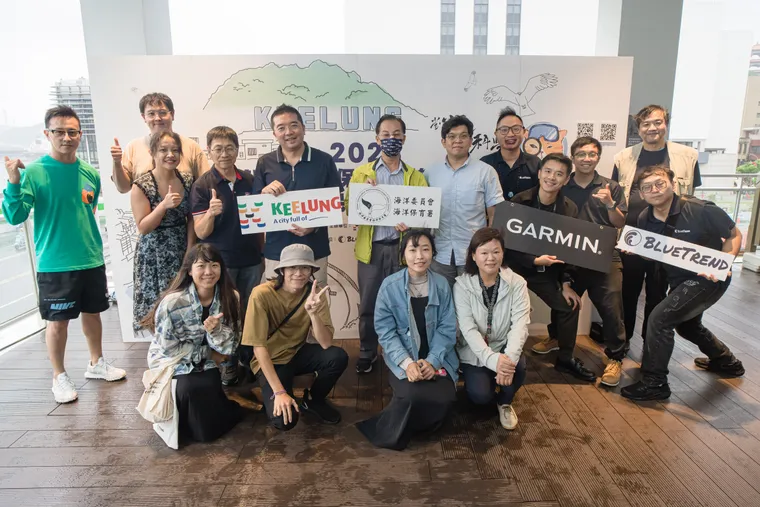
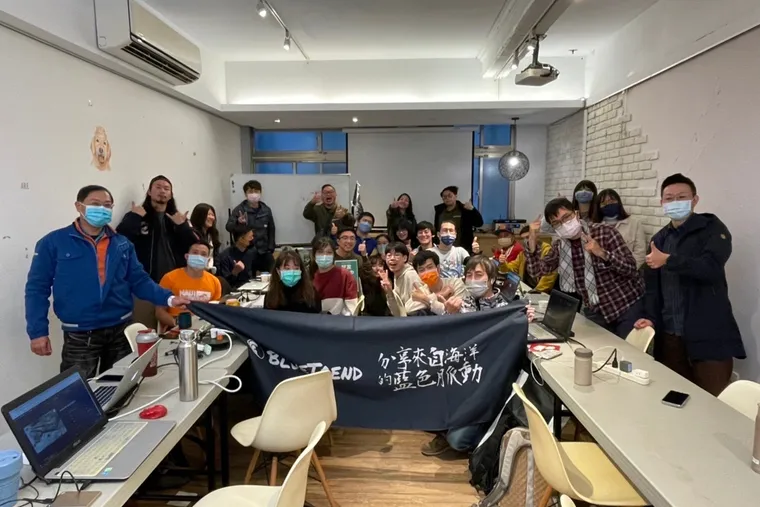
The day was structured as a full-day course: a morning session of classroom instruction followed by an afternoon of hands-on fieldwork at the intertidal zone and data processing, with approximately 16 participants. The program was formally opened by Chen Yi-Jun (Seashell Sister), the host from the Taitung District Fishermen's Association, who introduced us to warm applause. Spark and Coach A-Xian went first, covering the concept of citizen science and the operation of photography equipment. Watching them teach with such professionalism and energy, I noticed how they wove in questions for participants to answer — a technique that sparked interaction and helped close the distance between instructor and audience.
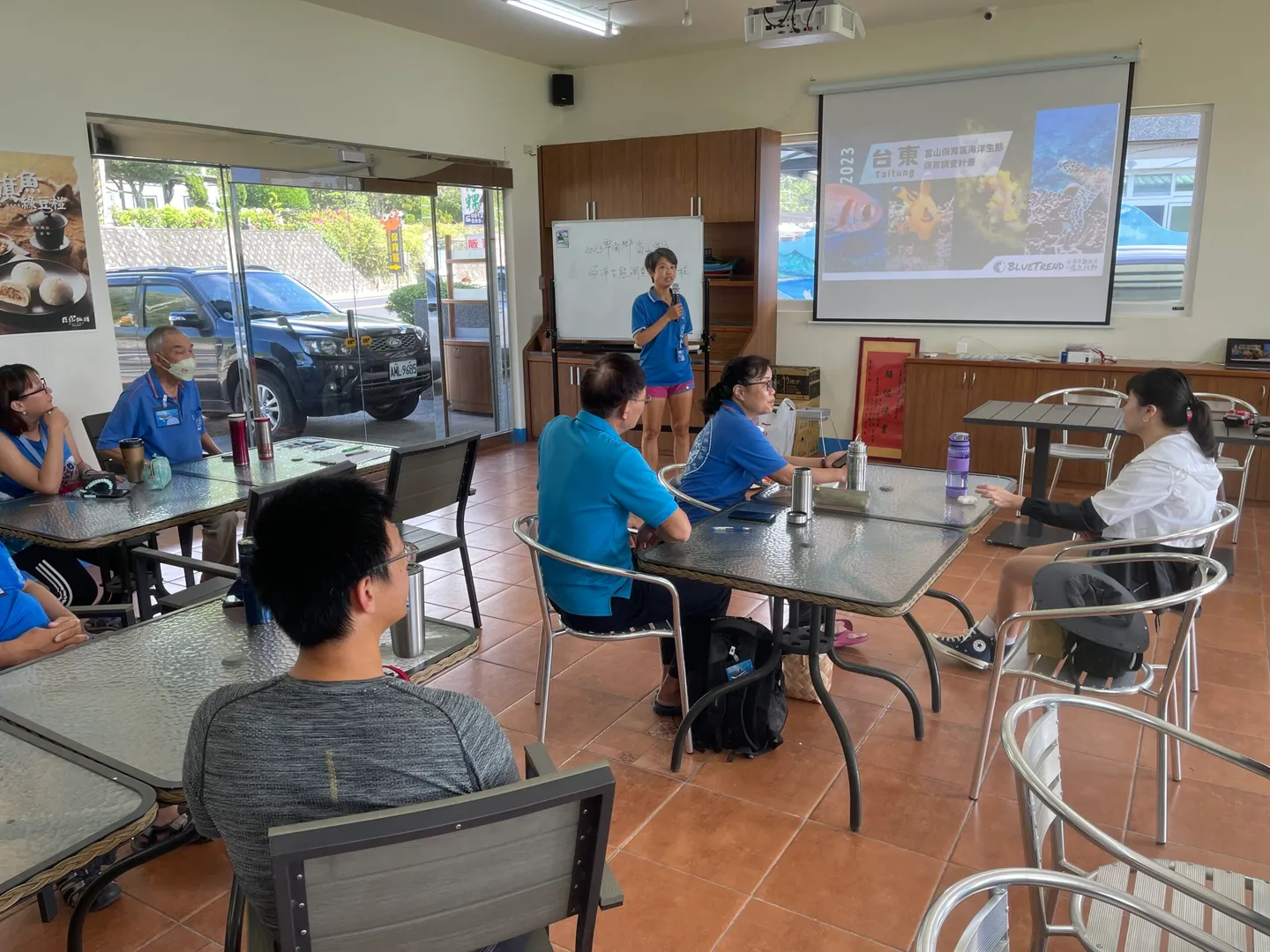
The participants paid close attention during the lessons and made the most of breaks to exchange notes and ideas with one another.
When Spark finished, I asked him for tips. He said, "You could ask them what they hope to learn about intertidal surveys — don't worry! Even if you say something wrong, we won't know anyway!!"
That made me think: "Right — instead of just marching through the slides, I could start by having a chat with them, asking about their intertidal observation experiences, like sharing stories with friends." The moment I framed it that way, the tension and pressure melted away — though I still kept making trips to the bathroom.
Time flew by, and before I knew it, it was my turn. When I picked up the microphone, there was still a flicker of hesitation, but I opened with why I was there and my memories of visiting the Fushan intertidal zone ten years ago, then asked participants about their own volunteer experiences. That back-and-forth broke the ice immediately. From there, I moved step by step through my thoughts on intertidal ecology, field survey methods, and hands-on experience, weaving in little puzzles that Wox had hidden in the slides to keep energy levels up. I also shared the kinds of things I notice and think about when observing intertidal life. The interaction with participants made me feel less like an instructor and more like a long-lost friend catching up. Before I knew it, the slides were done — right on schedule.
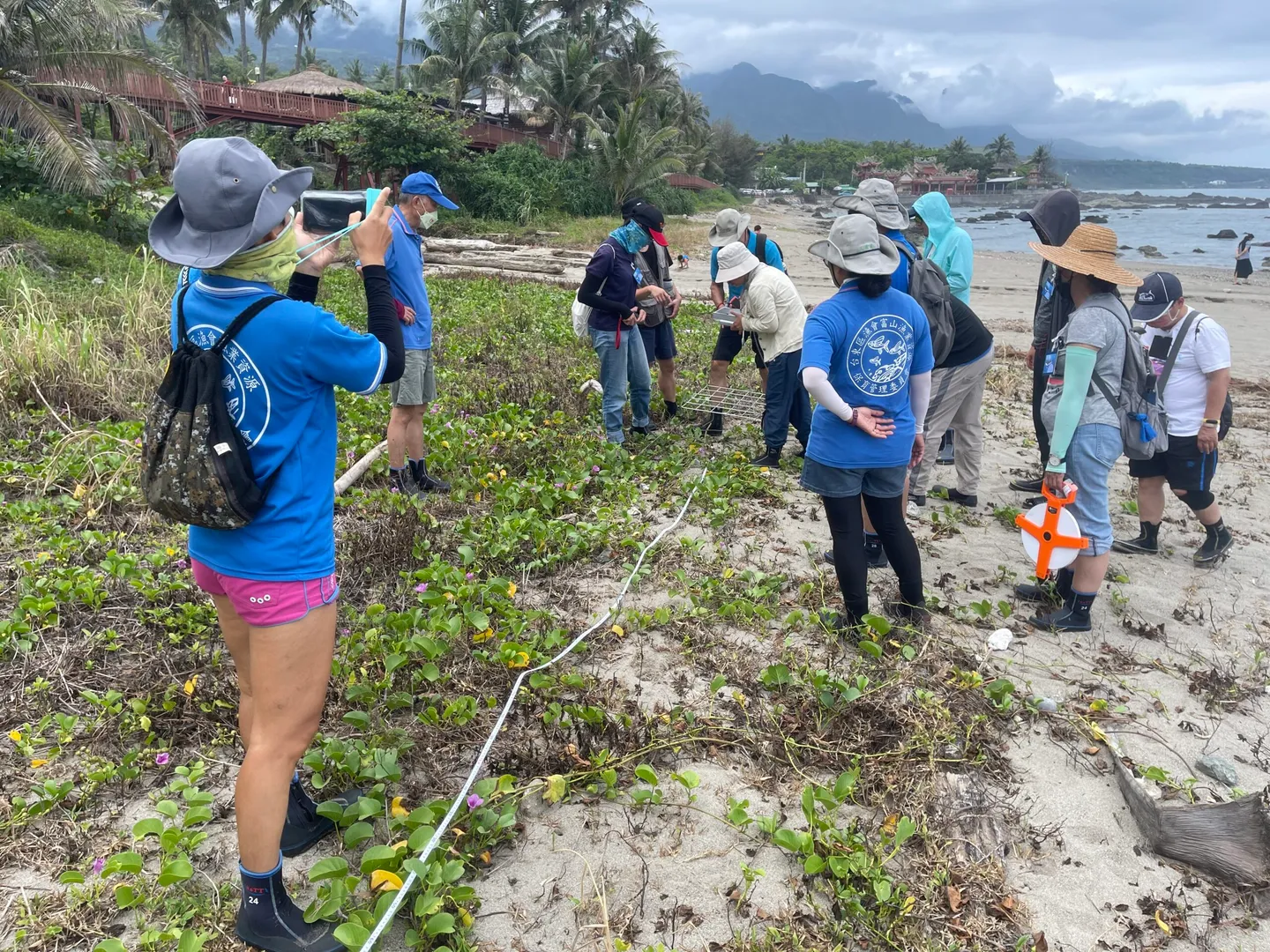
Leading participants out to the intertidal zone to put survey methods into practice.
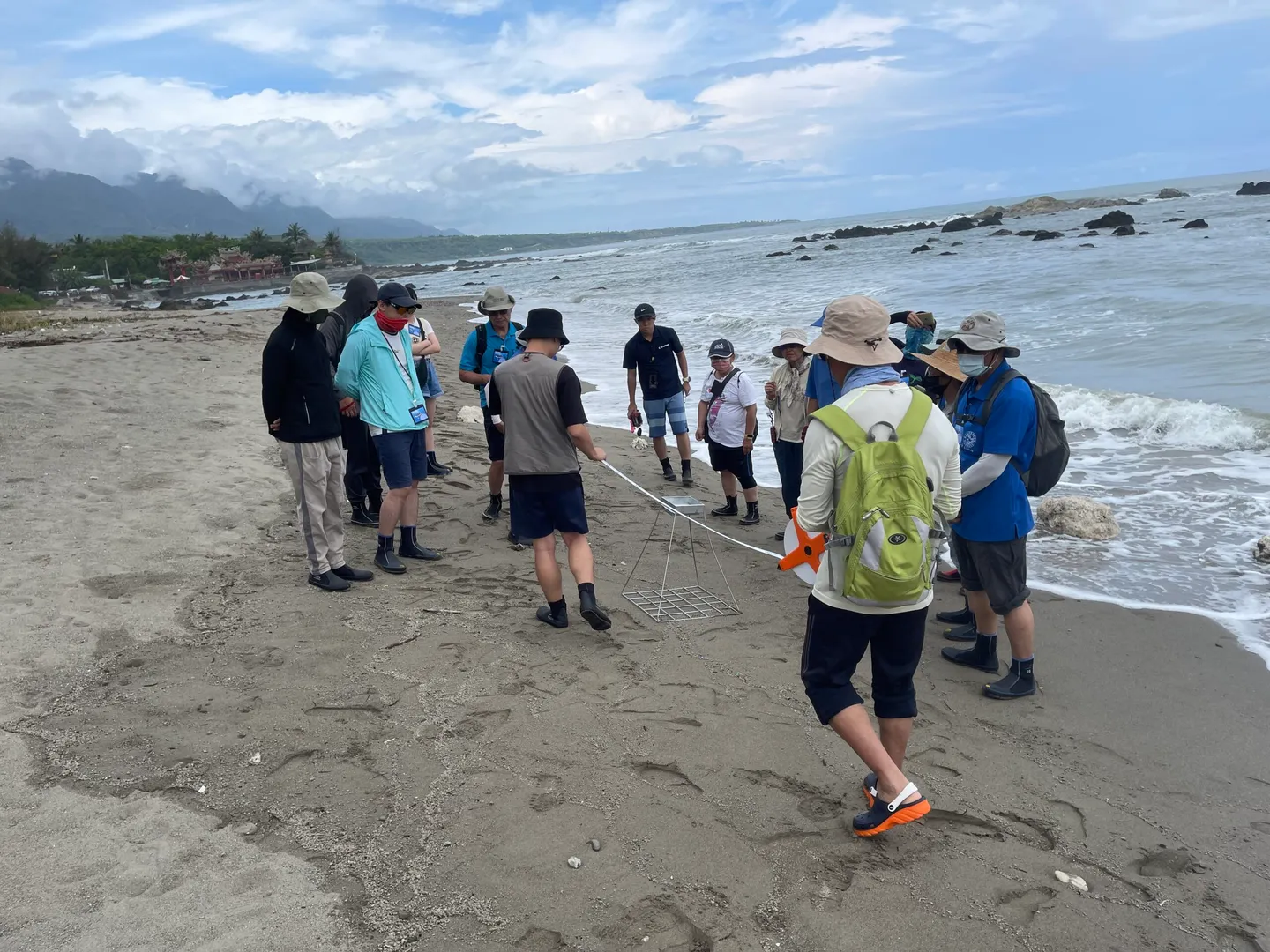
After lunch, the afternoon session brought us to the intertidal zone to practice survey methods and underwater photography — though the tides, weather, and surf were unfavorable that day (a typhoon was nearby), so we started by practicing on the beach. We began with the basics: setting up transect lines and using quadrats. Participants were enthusiastically raising all kinds of questions about planning and laying out transects, which told me the morning lesson had landed and that I'd managed to encourage them to think. If I simply lectured and they simply followed along, that would be an activity, not an experiment — and it wouldn't be in the spirit of citizen science.
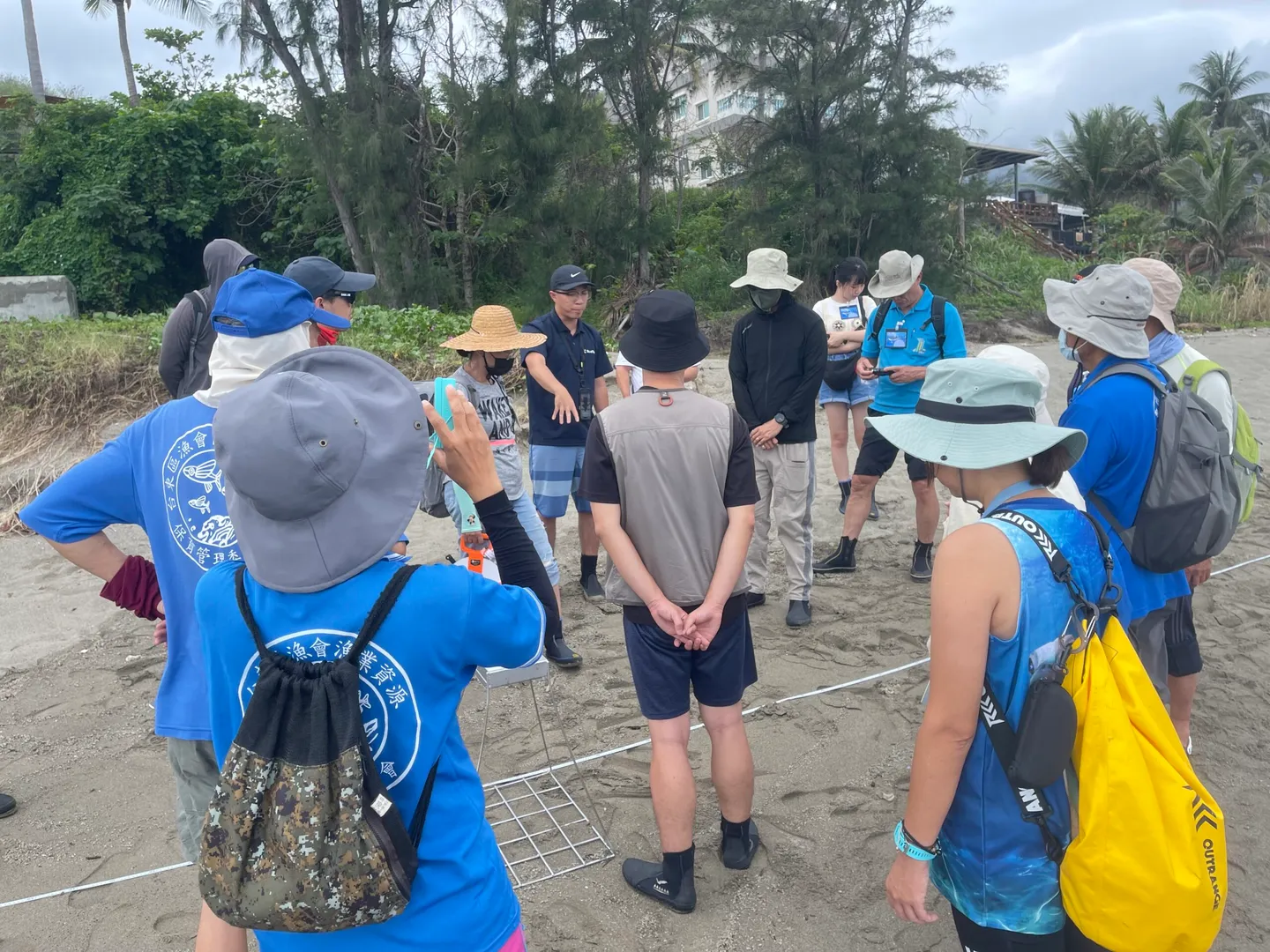
Transect lines and quadrats — two essential tools for intertidal surveys!
As the tide gradually receded, we explored the conservation area in search of intertidal life. Walking along the shoreline, I was struck by the rich variety of terrain: sandy beach to the south, then large rounded cobblestones as you head north, interspersed with isolated igneous rock outcrops that create lagoon-like formations, and at the far northern end, a concrete drainage outlet and seawall. While our main goal was to find intertidal organisms for participants to photograph, I couldn't help also surveying the terrain and chatting with participants about how I would design a survey protocol if I were conducting research here at the Fushan conservation area. But… everyone still looked rather bewildered, so I decided to just let participants focus on finding and photographing intertidal life. You need photos of at least 10 different species before you can call it a day!
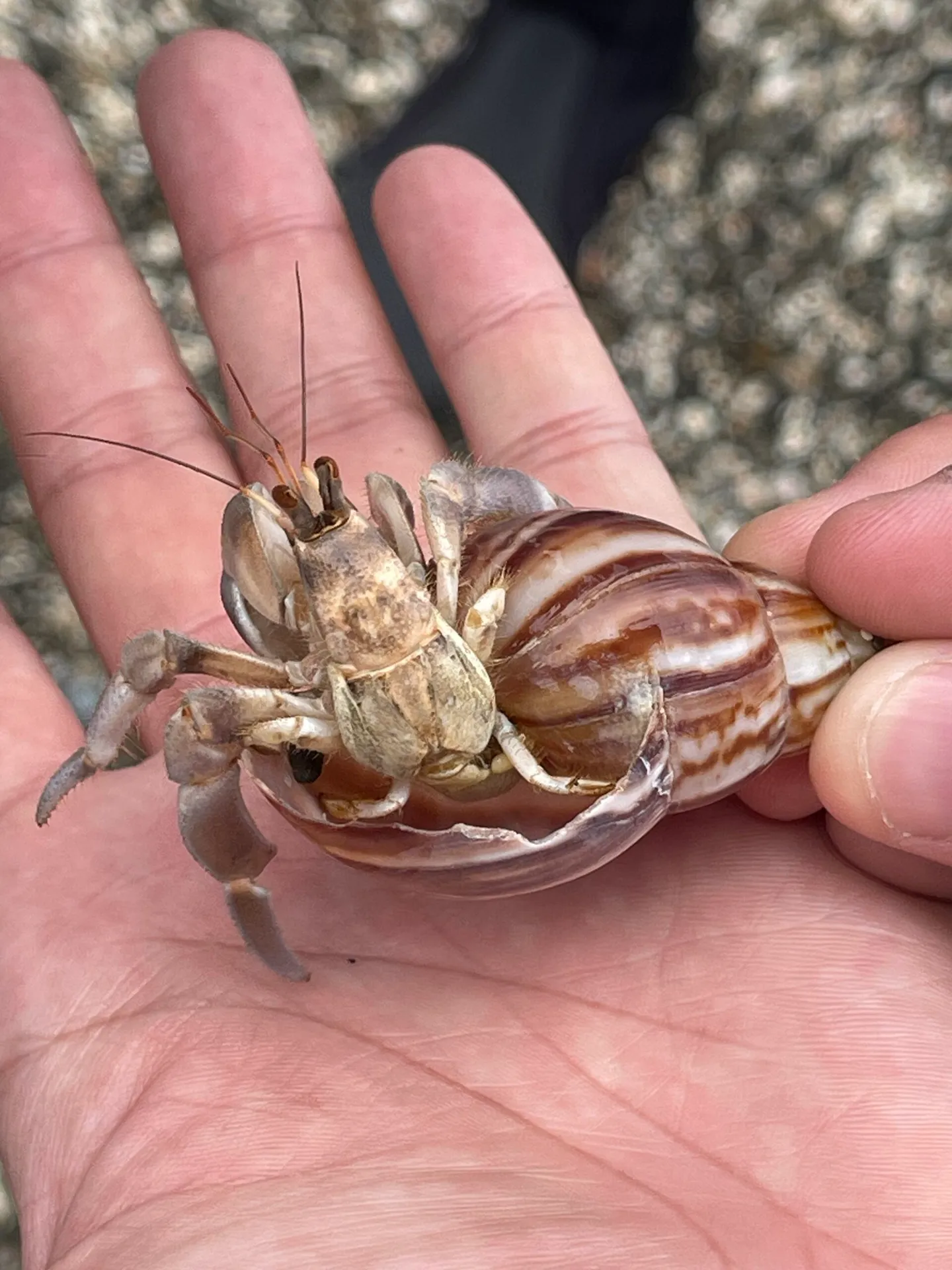
There were always adorable little creatures peeking out to say hello.
In the final stage of the course, we returned indoors to sort and upload our photos to the cloud, review the afternoon's transect survey, and work through how to process the recorded data. I consider this the most critical part of any citizen scientist training: citizen scientists need a basic ability to organize data and understand what the results of a survey actually mean. As we began crunching the numbers, I could see participants looking earnest and serious — but with a sea of question marks floating above their heads. They asked question after question, genuinely trying to understand. So I tried drawing diagrams and explaining things in plain terms to guide them through, making sure they didn't get stuck on any single survey framework. I'm not sure every participant fully grasped it all, but I think once they start conducting their own surveys, the understanding will deepen naturally.
At the end of the day, one participant turned to me and said, "This is really your first time teaching a class?"
"It is," I replied. "I've never done this before."
"You seemed completely natural and engaging — I assumed you were a seasoned instructor!"
Receiving positive feedback from participants — that's the greatest reward of being an instructor.
Reflections
This was my first time teaching as an instructor, and I found it to be an extraordinarily valuable experience. What I took away most is that standing in front of a class can be reframed as simply telling your own story — sharing the experiences and ideas you've accumulated through years of study and work with a group of friends, and trying to make it interactive. When done in a lively, engaging way, participants absorb far more. And the amount of information covered or the precision of the knowledge conveyed? Not as critical as you might think. In an age when information is everywhere and anyone can look anything up online, what truly matters is teaching people how to use knowledge — how to think about problems scientifically, how to discuss ecological issues through a scientific lens. That, to me, is the real spirit of citizen science. Even more important is encouraging participants to start accumulating data and developing the habit of planning long-term surveys, which can make a tremendous contribution to ecological conservation.
I am deeply grateful to Wox for the referral, to Spark and A-Xian at BlueTrend for their generous support, and to Seashell Sister for organizing this event. It brought me back to the very site where I conducted my master's research, and gave me a chance to witness the changes along the east coast and the vitality of its local community.