Contents(5)
- Why Do Giant Clams Need Conservation?
- Listing Giant Clams as Precious and Rare — Orchid Island's Tao People Fear Cultural Impact
- Giant Clam and Rock Shell Fired into Shell Lime — Uses Include...
- What Concerns Arise if Giant Clam Conservation Status Is Upgraded?
- The Next Steps for Giant Clam Conservation
In May 2022, the Ocean Conservation Administration (hereafter OCA) announced a proposed amendment to Point 5 of the "List of Marine Protected Wildlife," which would designate seven species of giant clams — including Tridacna squamosa, Tridacna noae, and Tridacna derasa — as precious and rare marine protected wildlife*. Nearly a year after the announcement, however, the Ocean Wildlife Conservation Advisory Committee of the Ocean Affairs Council resolved that the seven giant clam species would "temporarily not be listed as marine protected wildlife." This article takes a deep dive into the conflicts and contradictions that emerged during the decision-making process, exploring the challenges of giant clam conservation.
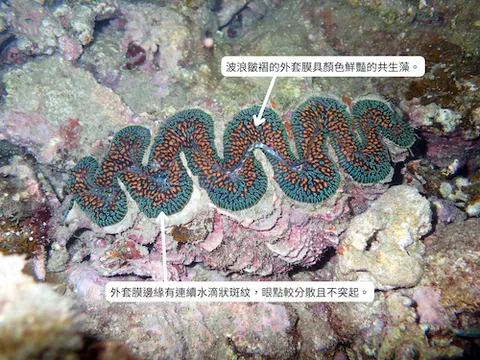
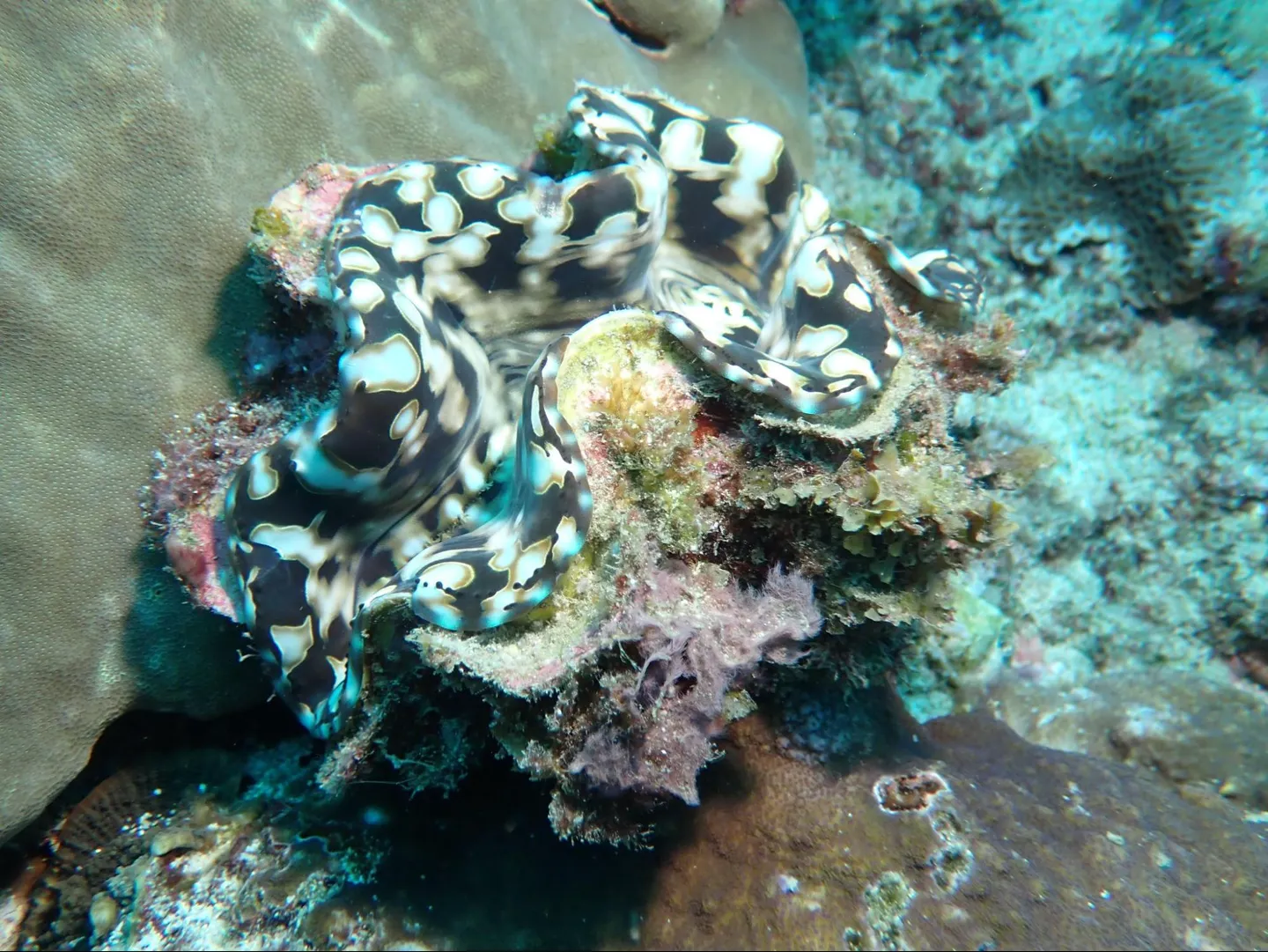
The vibrant colors on the mantle are bestowed by symbiotic algae. photo credit:李承錄。
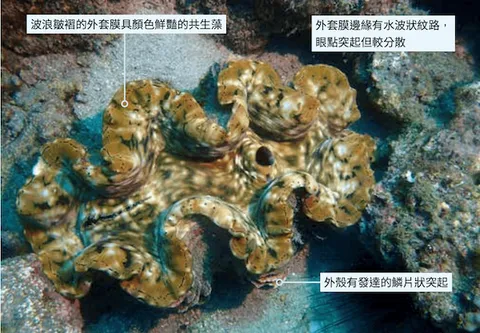
Tridacna squamosa can exceed 40 cm in shell length, making it one of the larger giant clam species. photo credit:林祐平。
*The List of Marine Protected Wildlife is divided into three conservation levels: Level 1 — endangered wildlife; Level 2 — precious and rare wildlife; Level 3 — other wildlife warranting conservation.
Why Do Giant Clams Need Conservation?
Giant clams belong to the phylum Mollusca, class Bivalvia — filter feeders that draw in seawater through their siphons and extract food particles. Beyond their impressive size relative to other bivalves, another defining characteristic is that, like coral, they host vibrantly colored symbiotic algae. They also contribute to reef building and water filtration, making them ecologically important. In many environmental assessment reports, giant clams are regarded as indicator species.
However, according to the OCA's 2021 survey results, giant clam populations in the waters surrounding Taiwan have been adversely affected by marine pollution, climate change, harvesting pressure, and human disturbance. Adult individuals are generally scarce, population density is low, and overall numbers have declined.
With populations already thin, giant clams are listed in Appendix II of the Convention on International Trade in Endangered Species of Wild Fauna and Flora (CITES). Domestically, only Penghu County Government and Taitung County Government have enacted bans on giant clam harvesting, and only a handful of counties, cities, or protected areas have any management regulations in place. The OCA therefore sought to strengthen oversight, invoking the Wildlife Conservation Act to prohibit activities including catching, buying, selling, displaying, exhibiting, possessing, importing, exporting, raising, and breeding.


Listing Giant Clams as Precious and Rare — Orchid Island's Tao People Fear Cultural Impact
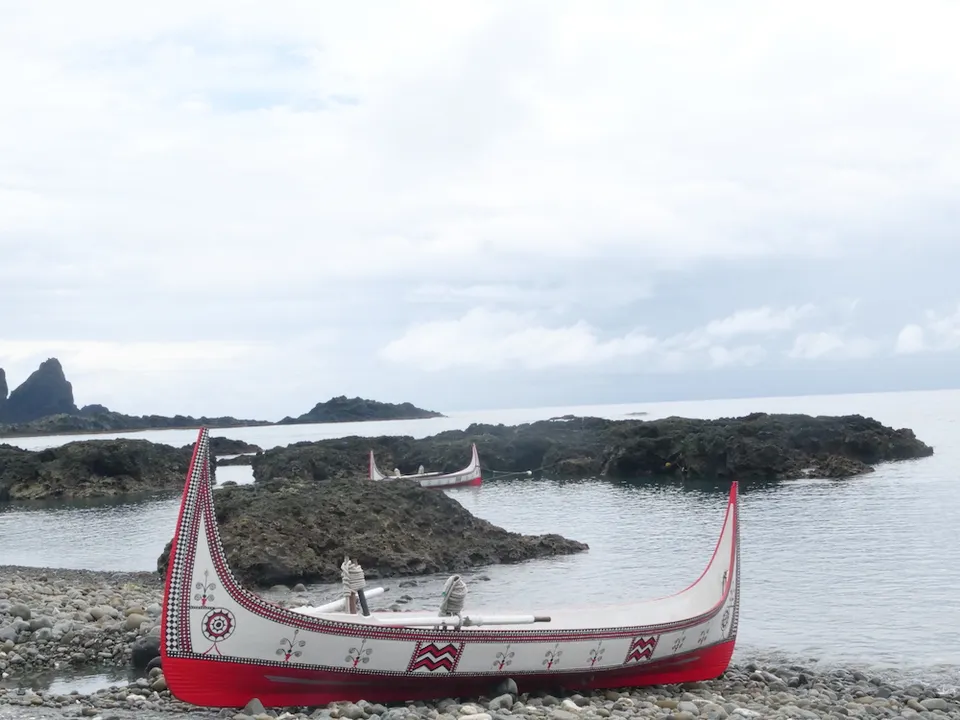
Fired shell lime can be used as a material for tatala (traditional canoes).
The OCA's announcement of its intent to upgrade the conservation status of giant clams sparked considerable pushback, with concerns that stricter regulations and restrictions would impact Indigenous cultural practices. "Shell lime culture" (貝灰文化) was officially designated as an exclusive Indigenous traditional intellectual creation right in 2021. Firing shell lime is a traditional practice of the Tao people of Orchid Island, who use giant clams and rock shells (Thais clavigera) as raw materials. According to information from the Indigenous Peoples Traditional Intellectual Creations Protection Network, shell lime serves many functions in Tao traditional culture, including:
Giant Clam and Rock Shell Fired into Shell Lime — Uses Include...
-
Hospitality: When guests visit, hosts are expected to offer betel nut, which must be prepared with betel leaf and shell lime. Failing to provide this customary welcome is regarded as a sign of poor social grace and an inability to treat others properly.
-
Tatala (traditional canoe) material: Traditional tatala are painted in only three colors — black, white, and red. The white color uses shell lime as its raw material. Without applying shell lime to renew the canoe, it cannot be taken out to sea.
-
Traditional healing: Elders believe that applying shell lime around an abscess accelerates wound healing. In eras before modern medicine was available, there was also a tradition of applying shell lime to areas of pain accompanied by prayer.
-
Warding off evil: When a child has nightmares, elders sprinkle shell lime around the child and recite protective words. Traditionally, shell lime is believed to repel evil spirits and dissolve curses.
What Concerns Arise if Giant Clam Conservation Status Is Upgraded?
Syaman Macinanao (謝永泉), representative of the shell lime culture intellectual creation rights and a member of Langtao Village on Orchid Island, notes in Orchid Island's Calendar: The Inheritance of Tao Ocean Culture that the Tao people fire shell lime only during one month of the lunar calendar — Kaneman (approximately October). During this month, all major mountain and sea activities come to a halt; the only activity permitted is firing shell lime.
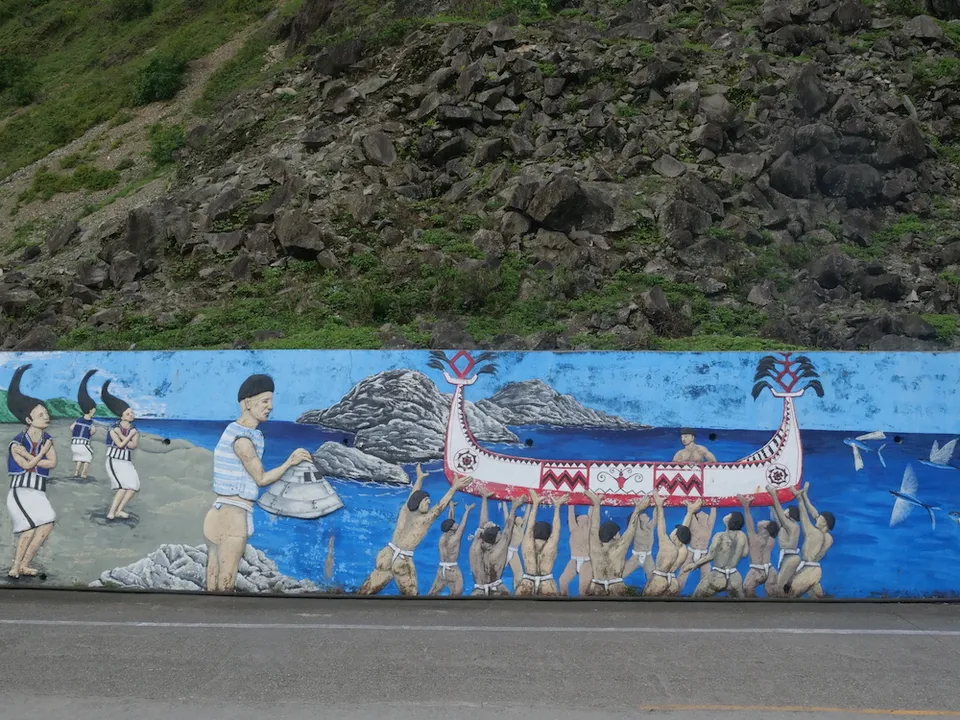
Tao culture is a precious heritage of Taiwan.
"We'd be absolutely furious if we had to file a public application just to fire shell lime and collect giant clams." Syaman Macinanao further explained that the giant clams used for firing shell lime must be ones gathered the year before or the year before that — only after being weathered by wind, sun, and rain through natural oxidation are they suitable for firing. Under the Wildlife Conservation Act and its management regulations, an application must be submitted at least 20 days before any harvesting activity, which conflicts directly with cultural customs.
Syaman Macinanao also added that once the northeast monsoon sets in, the sea is largely inaccessible for roughly six months of winter, during which giant clams naturally grow larger. "The time available to collect giant clams is very limited — the biggest mistake people make is assuming we're out digging them up every day."
Several cultural scholars also argued that regulating the use of natural resources — to the point of requiring official approval — constitutes a denial of Indigenous sovereignty and ocean culture, and called for greater respect toward Indigenous traditional cultural ceremonies and the use of traditional territories.
The Next Steps for Giant Clam Conservation
Reviewing the meeting records of the Ocean Wildlife Conservation Advisory Committee of the Ocean Affairs Council, expert and scholar representatives serving as advisory committee members offered the following perspectives from an ecological conservation standpoint:
-
Prof. Lin Hsing-Juh of National Chung Hsing University recommended continuously surveying giant clam stock, distribution, and usage patterns, stating that "science must be the foundation before management can be meaningfully discussed."
-
Prof. Shao Kwang-Tsao of Academia Sinica suggested that Indigenous people should, like researchers, first apply for harvesting permits specifying the species, location, and quantity to be harvested. "If the harvesting quantity falls below effective population size, it should no longer be permitted, in keeping with the spirit and purpose of conservation."
-
Prof. Cheng Ming-Shiou of Academia Sinica remarked: "Shell lime doesn't have to come from giant clams alone. I recommend stepping up promotion of alternatives — giant clams should no longer be the only species used." He also urged relevant government conservation agencies to take stock of current usage patterns and economic value, emphasizing that conservation action should not be halted simply because a small number of people require access, and stressing that "the later action is taken, the harder conservation becomes."
-
The representative from the Council of Indigenous Peoples reiterated that the Yami (Tao) people of Orchid Island do not use giant clams frequently, stressed that shell lime culture had been lost for a long time and must be carefully preserved, and invoked the Indigenous Peoples Basic Act in calling for respect for Indigenous traditional culture.
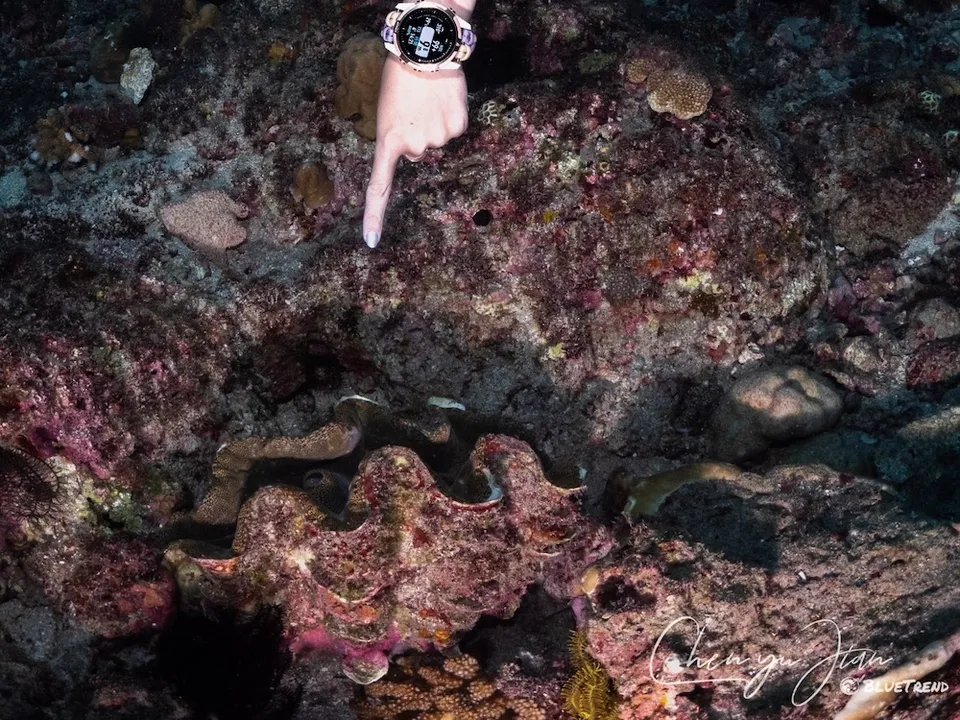
The future direction of giant clam conservation policy will serve as a landmark case. photo credit:簡晨宇。
Following the exchange of views from all sides, the committee's convener, OCA Director-General Huang Hsiang-Wen, identified the crux of the issue as "respecting the use of Indigenous traditional culture" and honoring the needs of Indigenous peoples' traditional culture. In addition to ongoing giant clam conservation efforts — such as local stewardship programs in Penghu, Hualien, and Taitung, as well as breeding and restoration programs in collaboration with the Fisheries Research Institute — the OCA will step up data collection on giant clam usage and resource monitoring.
Director-General Huang Hsiang-Wen also stated that local governments will be encouraged to assess and implement relevant conservation measures, such as announcing fishing bans under the Fisheries Act. As for whether giant clams will ultimately be listed as a protected species, that determination must await more comprehensive relevant legislation (such as the Wildlife Conservation Act) and the development of an appropriate management system, to be evaluated once a consensus is reached.
In June 2023, tourists witnessed a seafood vendor in Kenting displaying and selling wild giant clams — yet there was no law under which penalties could be imposed. Illegal poaching of giant clams continues unabated, underscoring the urgency of giant clam conservation. That said, formulating conservation policy requires sufficient data to support it, which highlights the importance of building biological databases. Long-term resource monitoring and documentation are essential to "letting the data speak" and serve as a vital reference for policy development.
Although the seven giant clam species have been temporarily excluded from the list of marine protected wildlife, the Ocean Wildlife Conservation Advisory Committee of the Ocean Affairs Council has resolved to continue communicating with relevant Indigenous peoples, experts, scholars, and government departments to "deliberate on diverse utilization and conservation frameworks." How can marine conservation and Indigenous traditional culture coexist and thrive together? The future direction of giant clam conservation policy will be a landmark case to watch.
References:
-
Orchid Island's Calendar: The Inheritance of Tao Ocean Culture
-
Indigenous Peoples Traditional Intellectual Creations Protection Information Network
-
Precious Giant Clams Fail to Gain Protected Status — Kenting Seafood Shops Sell Them Openly
Further Reading: