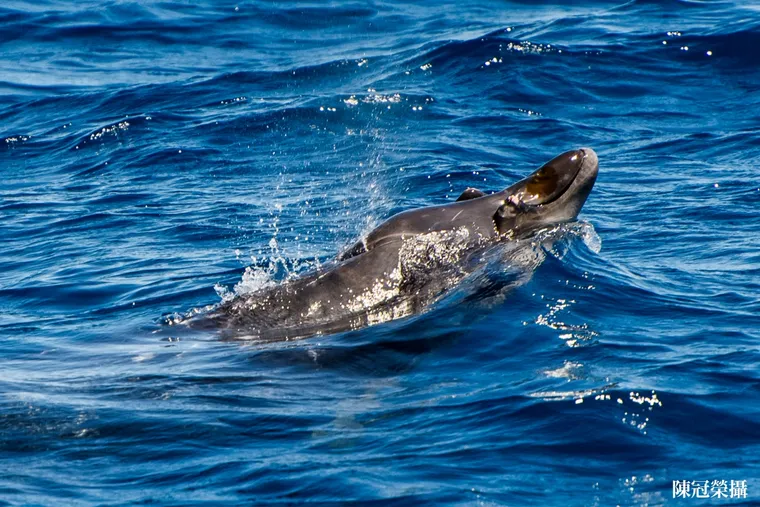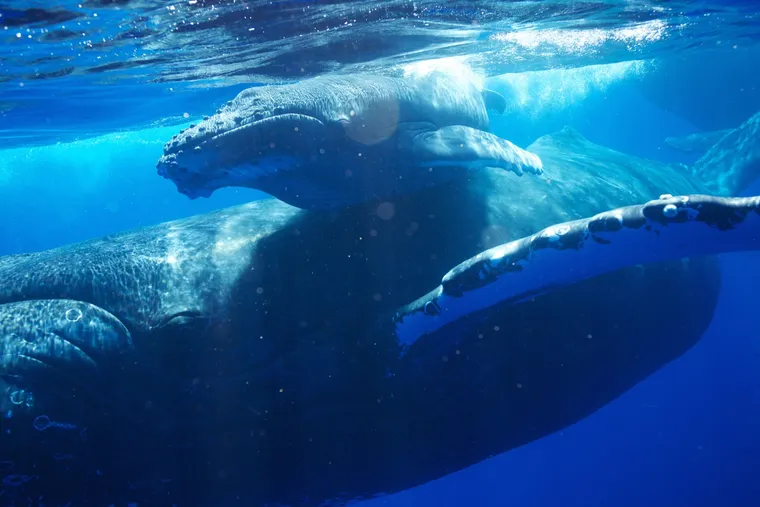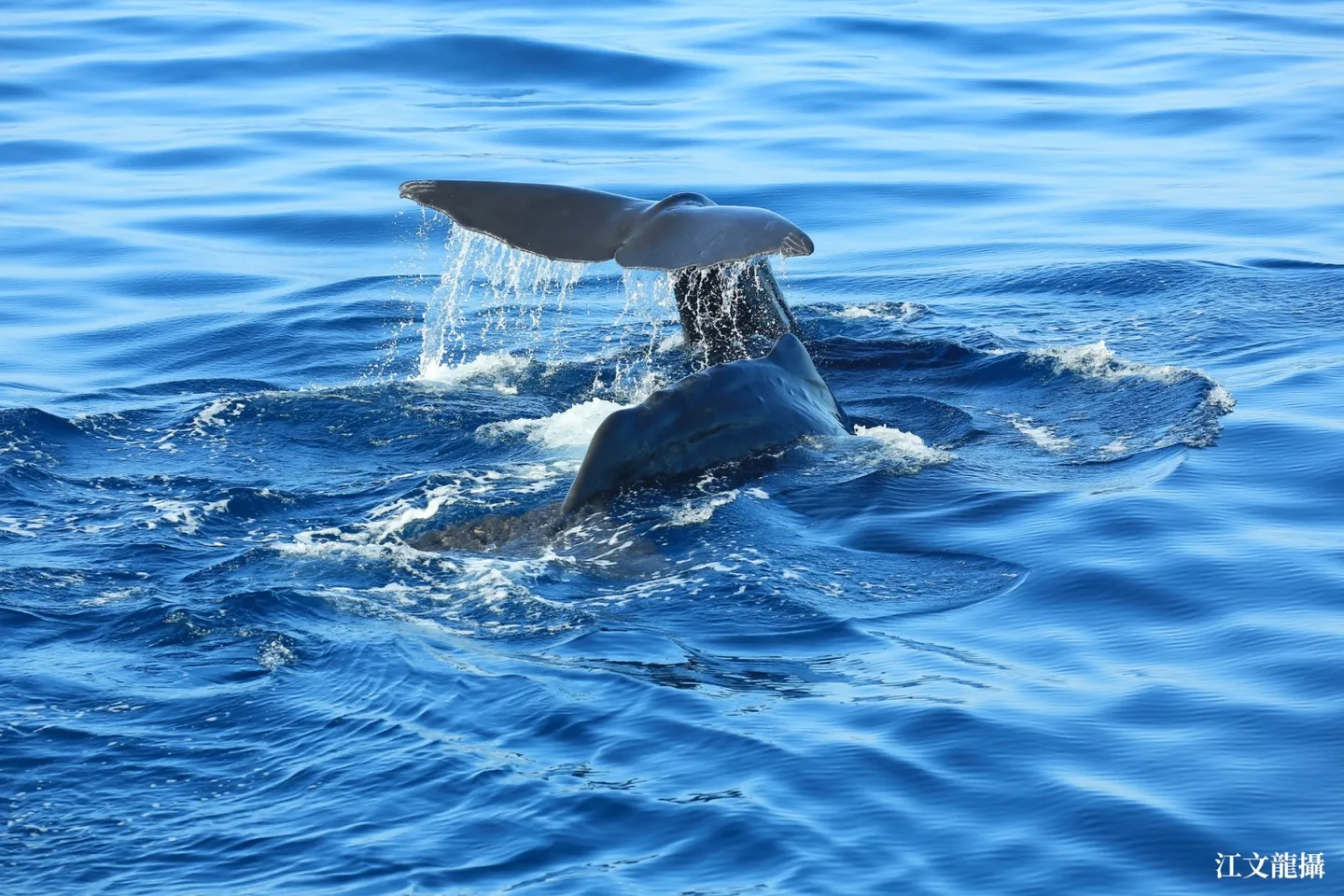
Contents(3)
The Editor says: Have you ever spotted cetaceans in Taiwan's waters? Deep-diving whales and dolphins have been sighted off the coast of Hualien and Taitung, but records are extremely scarce. If you want to see them with your own eyes, besides needing good weather, you'll need a whole lot of luck! So how exactly are these deep-sea species studied and surveyed? Read on with BlueTrend to find out! <Full article reprinted from the Kuroshio Ocean Education Foundation; written by 胡潔曦2024.02.15>
Deep-diving cetaceans never fail to spark our curiosity, and they carry an air of mystery as if perpetually veiled in a thin layer of gauze. Among the cetacean friends that Kuroshio knows well, there is a group of deep-sea eccentrics — including the sperm whale (Physeter macrocephalus), the beaked whale family (Ziphiidae), the pygmy sperm whale (Kogia breviceps), and the dwarf sperm whale (Kogia sima) — that are as elusive as cats. Every time one is spotted, it feels as thrilling as winning the lottery.
Meeting the Deep-Sea Mystery Visitors off Hualien
"It's a beaked whale — everyone seize the moment, they might dive again in just a few seconds!" the naturalist guide called out.
Amid surging adrenaline and the rapid clicking of shutters, a few seconds passed — and the beaked whales slowly arched their backs and disappeared into the depths of the ocean, far beyond what the naked eye could follow...
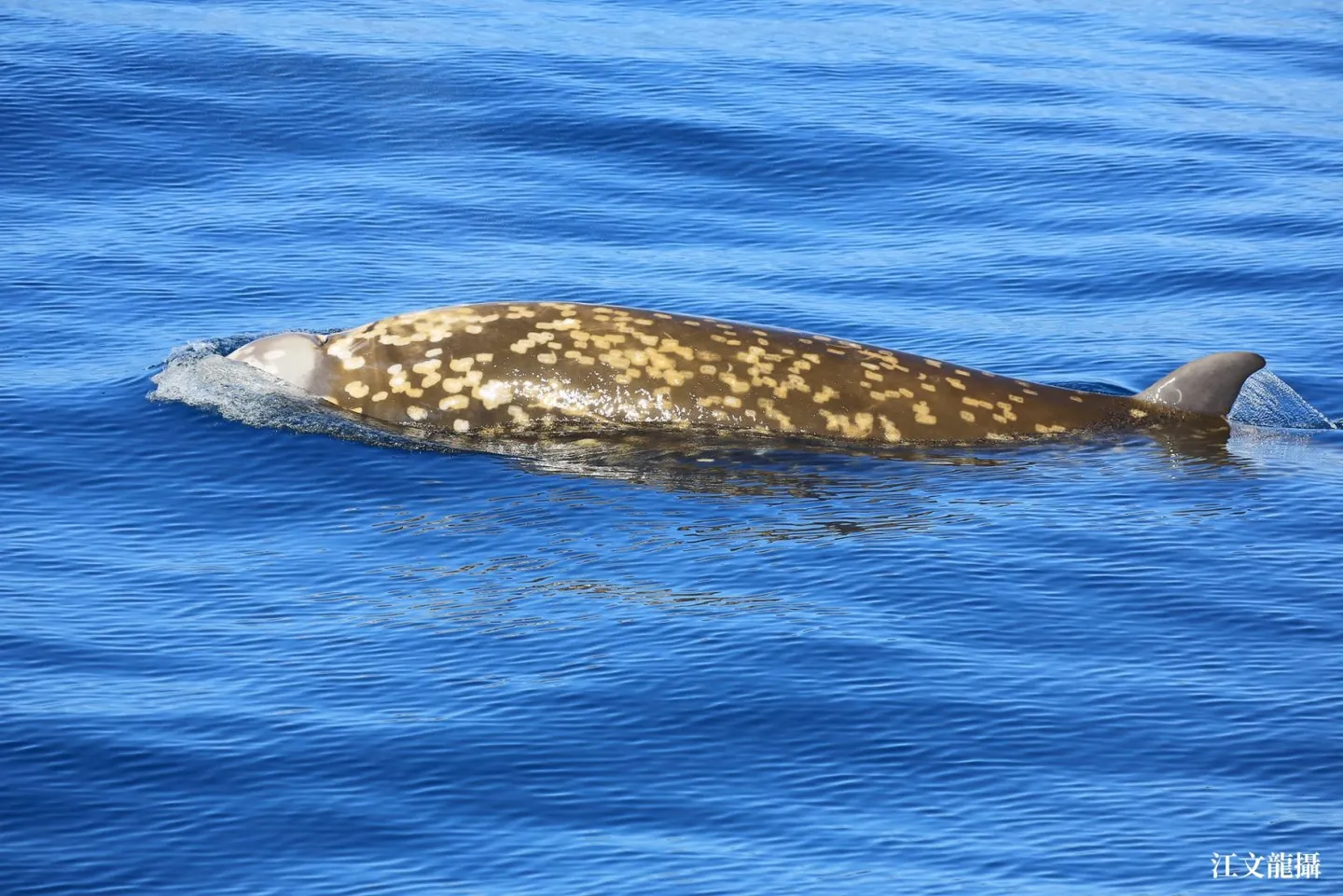
A rare sighting of Cuvier's beaked whale off the coast of Hualien — currently the record holder for the deepest dive. photo credit:江文龍
Deep-diving cetaceans are like a group of mystery visitors. Take Cuvier's beaked whale (Ziphius cavirostris) as an example: the record for their longest dive exceeds three hours. Looking back at the typical whale-watching tour schedule of just 1.5–2 hours, it's entirely possible that from the moment we leave port to the moment we return, these animals have been underwater the entire time! Because these mystery visitors so frequently dwell and forage in the deep sea, sighting records are extremely sparse — not only in Taiwan, but internationally as well. This makes it very difficult for scientists to analyze their distribution, life history, population size, and other key information. A look at the IUCN Red List reveals that the status of most beaked whale species remains listed as Data Deficient.


How Does the World Study Deep-Diving Cetaceans?
The deep sea below 2,000 m is cold, pitch-dark, and subject to pressures thousands of times greater than at sea level — so how does one study deep-diving cetaceans? In terms of population and distribution research, since sighting records for deep-sea species are so limited, several studies have employed species distribution models, using factors such as surface chlorophyll concentration, water depth, and the distribution of potential prey to predict where their habitats might be. In the northeast Atlantic, researchers have also combined historical transect surveys across different sea areas to estimate population sizes.
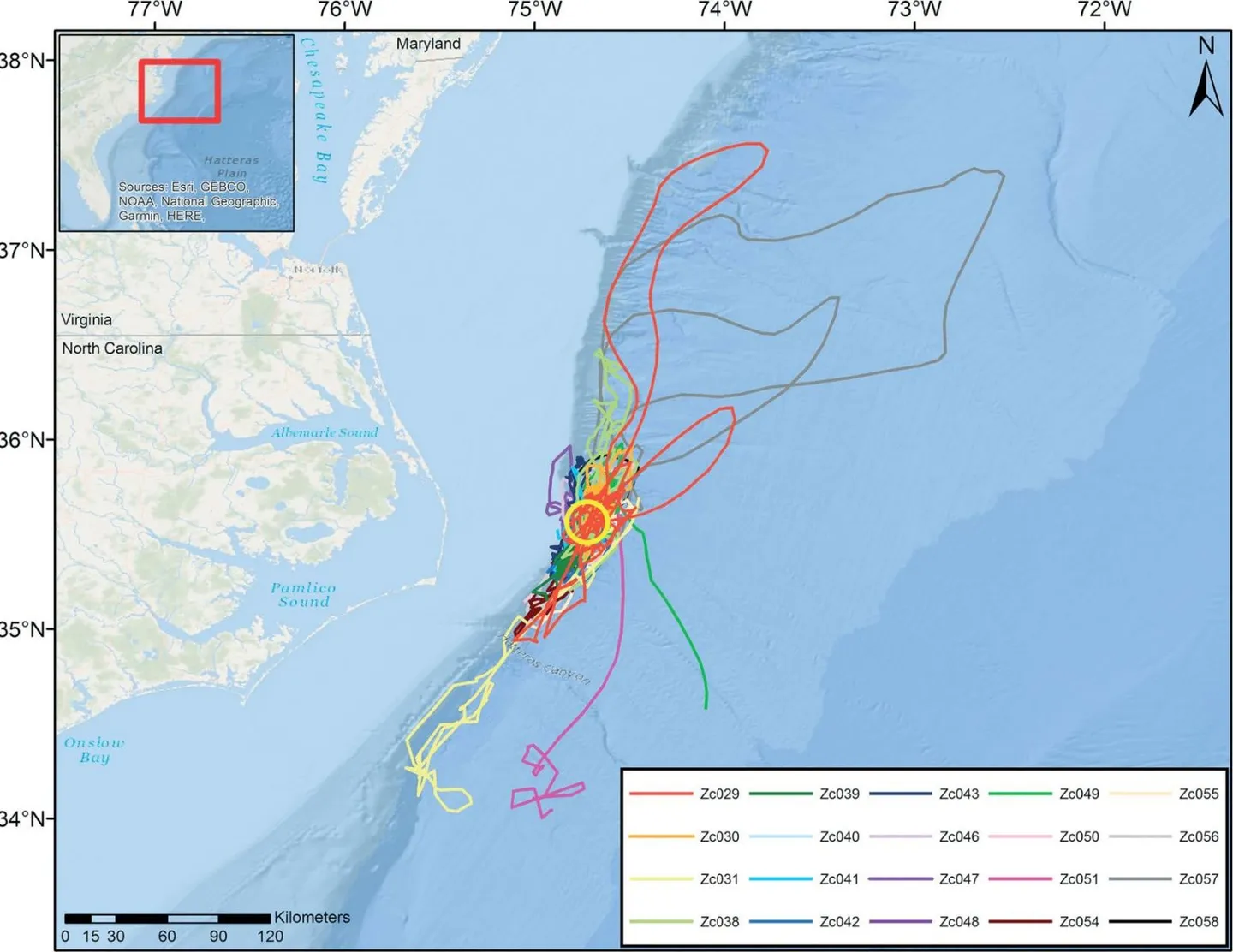
Satellite tag records of Cuvier's beaked whales off North Carolina, 2014–2017. Coloured tracks show the movement paths of the whales; yellow circles mark the locations where tags were attached (image source).
To understand the dive depths, activity ranges, preferred habitats, and physiology of deep-sea species, satellite-linked tags are another research method. Because tagging is an invasive procedure, it has been partially applied to some animals in Taiwan, though the risks and feasibility for wild cetaceans are still being evaluated¹. And because deep-sea species are so difficult to track, some studies collect trace amounts of environmental DNA (eDNA) left behind in the seawater as evidence of their presence — a method akin to inferring which animals have passed through an area by examining their footprints or droppings. Stranded individuals can also be used for genetic analysis and age determination, and can even reveal what the animals ate during their lifetime.
Hualien Has a Treasure of a "Sea"
By this point, you might be thinking: deep-sea species research sounds like one big challenge — so why has the second phase of the Ocean Oasis Project chosen such a difficult subject? Based on more than 20 years of research in Hualien waters and the whale-watching sighting data we have collected, these animals have actually been recorded off Hualien in considerable numbers. This may well be connected to the seafloor topography near Hualien, where the ocean floor plunges to depths of over a thousand meters just a short distance from shore. At the same time, local fishers have noted that squid — a type of cephalopod — are more easily caught in deeper waters, and for these deep-sea species, cephalopods are a crucial food source.
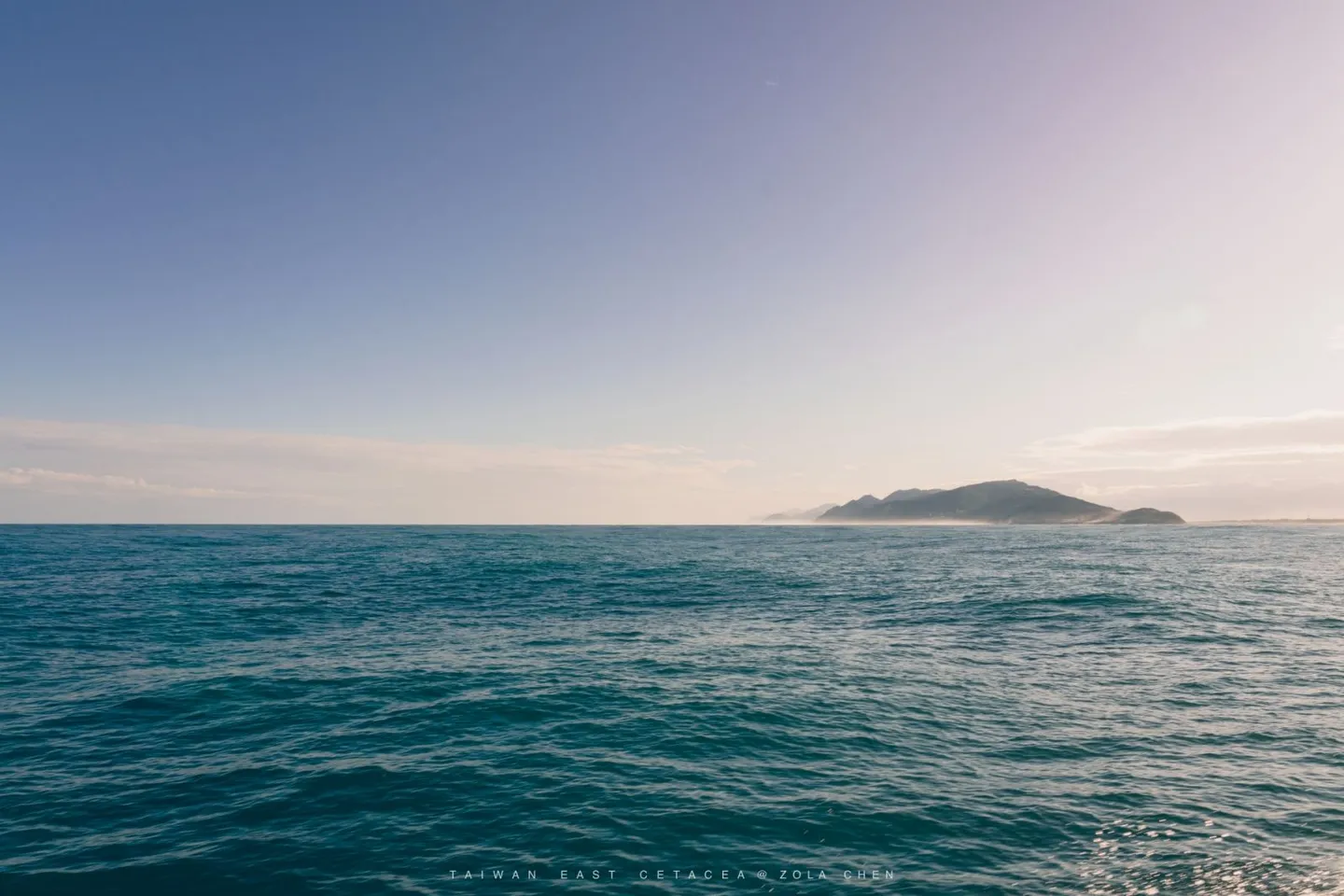
The waters off Hualien and the Coastal Mountain Range at dusk. photo credit:Kuroshio Ocean Education Foundation.
The waters off Hualien are in fact a highly promising area for surveying deep-sea species — one that could help fill the gaps in Taiwan's, and perhaps even the world's, data on these animals. This year, we will launch 20 offshore cetacean surveys, focusing specifically on deep-sea species such as Risso's dolphin (Grampus griseus), sperm whale, members of the family Ziphiidae, and members of the genus Kogia. We will record their spatiotemporal distribution and associated environmental factors. Since these animals tend to appear mostly in offshore areas far from the coast, our survey routes will extend further out to sea, filling in the data gaps beyond the range of standard whale-watching trips — and bringing the true faces of these deep-sea leviathans gradually to light.
This article is reprinted with permission from the Kuroshio Ocean Education Foundation. Original title: 世界鯨魚日:深海神秘客的調查正式啟動!
Editor-in-charge: Jenny Tsai
Further reading: