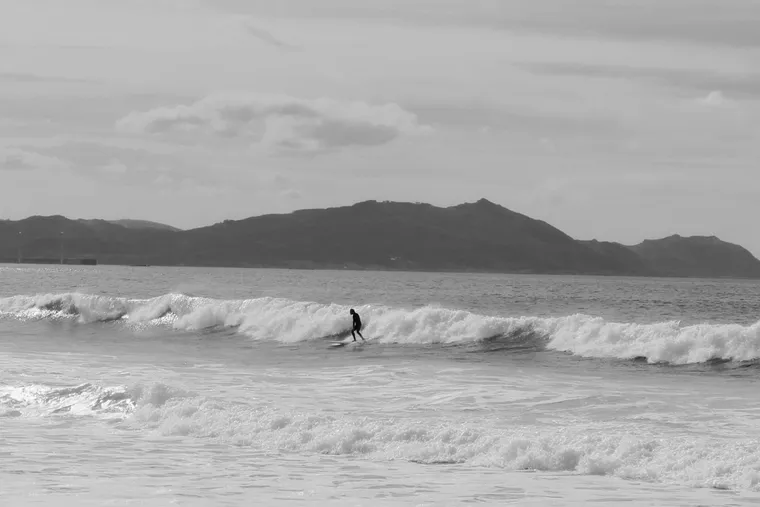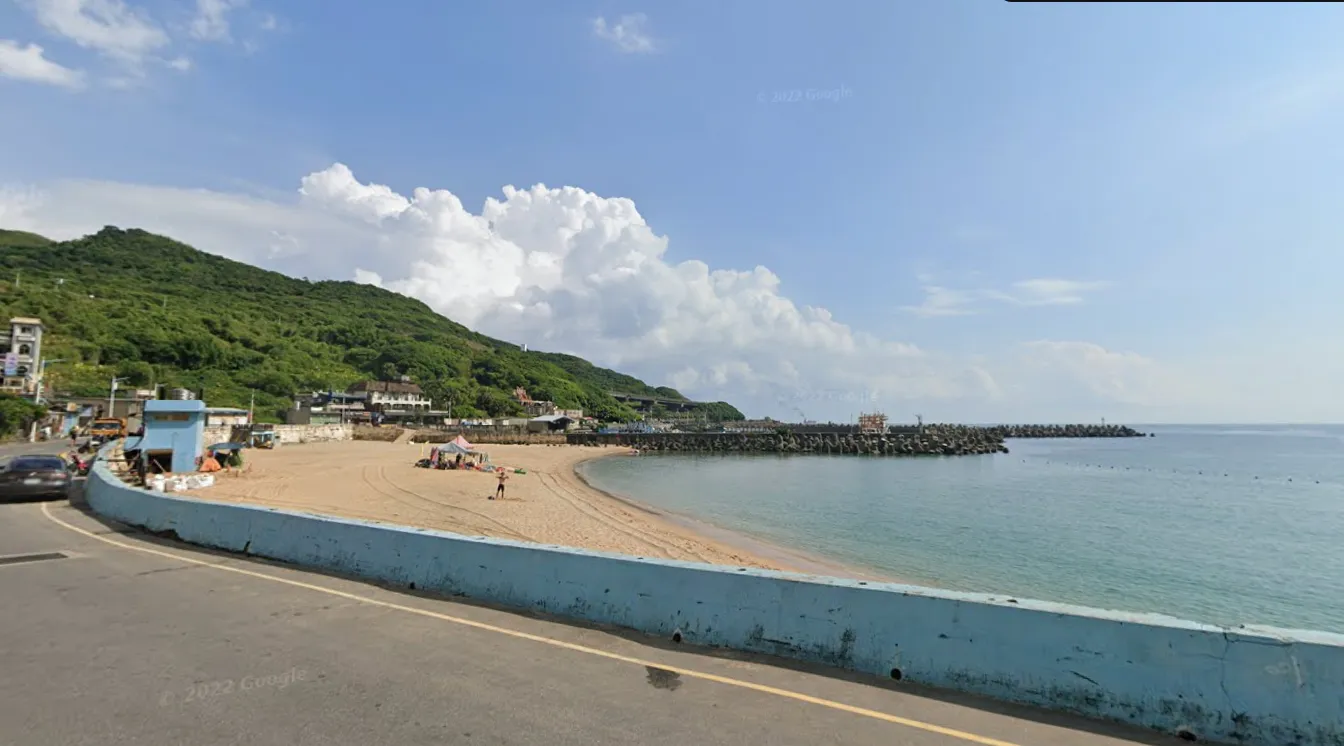
The Editor says: When an accident happens, can simply "banning activities" really solve the problem? Taiwan is surrounded by the sea, yet "Dangerous Waters" signs are a common sight along its coastlines — without ever explaining what makes a particular stretch dangerous or how people can stay safe. BlueTrend believes that rather than barring people from the ocean or resorting to fear-mongering slogans, ocean education is the way forward: strengthening public awareness of water-activity safety and basic self-rescue skills so that everyone can gain the right knowledge and enjoy Taiwan's world-class marine environment with confidence. Check out Guanyan's thoughts! <Full article reproduced from Chen Guanyan's Facebook post>
Tragedies like this are heartbreaking enough on their own — yet every time a similar incident occurs, public discourse fills up with calls for stricter restrictions, which only makes the whole situation that much more disheartening.
"Every adult should be responsible for their own actions" — most people would agree with that statement. If you do, then tightening regulations and handing out fines quickly reveals itself as an unreasonable management approach.
Stricter controls not only add to the administrative burden of governing agencies, they also strip citizens of their right to enjoy the water — a lose-lose outcome. Over time, they breed a culture of dependency: kept under constant regulatory constraints, people naturally come to expect the government to manage every possible risk on their behalf, rather than taking personal responsibility for the risks they themselves choose to take. Without a sense of individual accountability, the public gradually loses its ability to handle risk at all, creating a vicious cycle — more and more restrictions, yet incidents like this keep happening, piling up social costs. This is precisely what is unfolding in Taiwan.
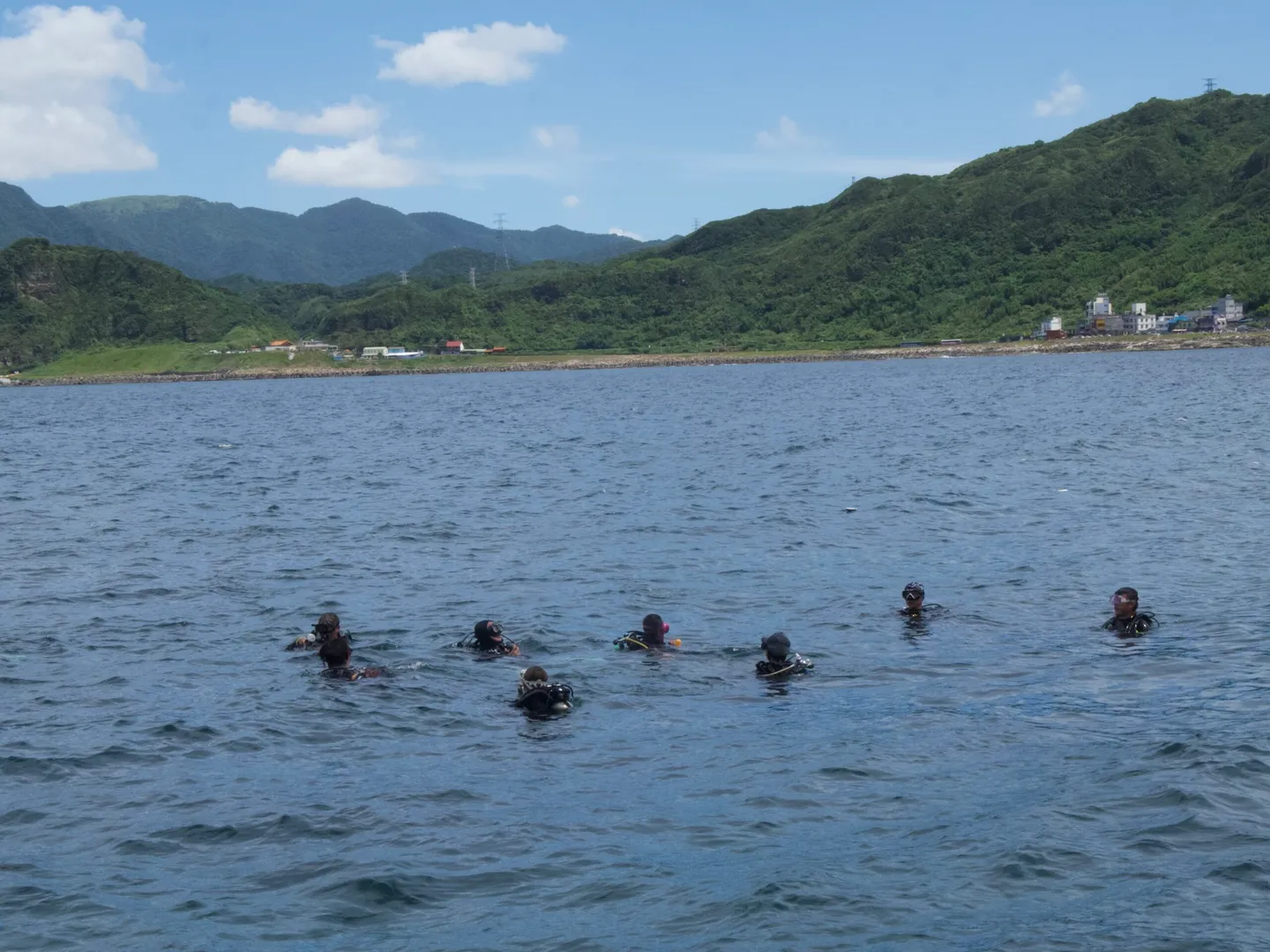
When accidents happen, does banning activities actually help? At the root of it, the underlying problem remains. (Photo is illustrative and does not depict the individuals involved.) photo credit:小均
The following suggestions draw on my personal experience spending time along Hawaii's shores and serving as a lifeguard at Dawulun Beach:
First and foremost, please take down the fear-mongering signs and replace them with notices that carry a genuinely educational message!
Fear-Mongering Slogans
Signs like "Line of Life and Death" and "Death Beach" are nothing more than scare tactics. Their logic is primitive — shocking language used to herd uninformed people around as if they were toddlers. Far from helping those unfamiliar with coastal waters, such signs only deepen the public's fear of the sea, reducing opportunities for people to improve their swimming ability. And when you don't understand the ocean, the ocean won't be kind to you when danger strikes.
I would suggest renaming the "Line of Life and Death" to the "Treading-Water Certification Line," and "Death Beach" to "Rip Current-Prone Beach." If you're not familiar with treading water or rip currents, please look them up. Unlike the old narrative of "disobey and you die," the term "treading water" highlights the critical skill that can mean the difference between life and death, while "rip current" provides an actual explanation of what the danger is. Of course, many people may have no idea what these terms mean and may even resist searching for the information themselves — but isn't it the responsibility of the media and the government to educate the public on how to effectively prevent accidents from happening?
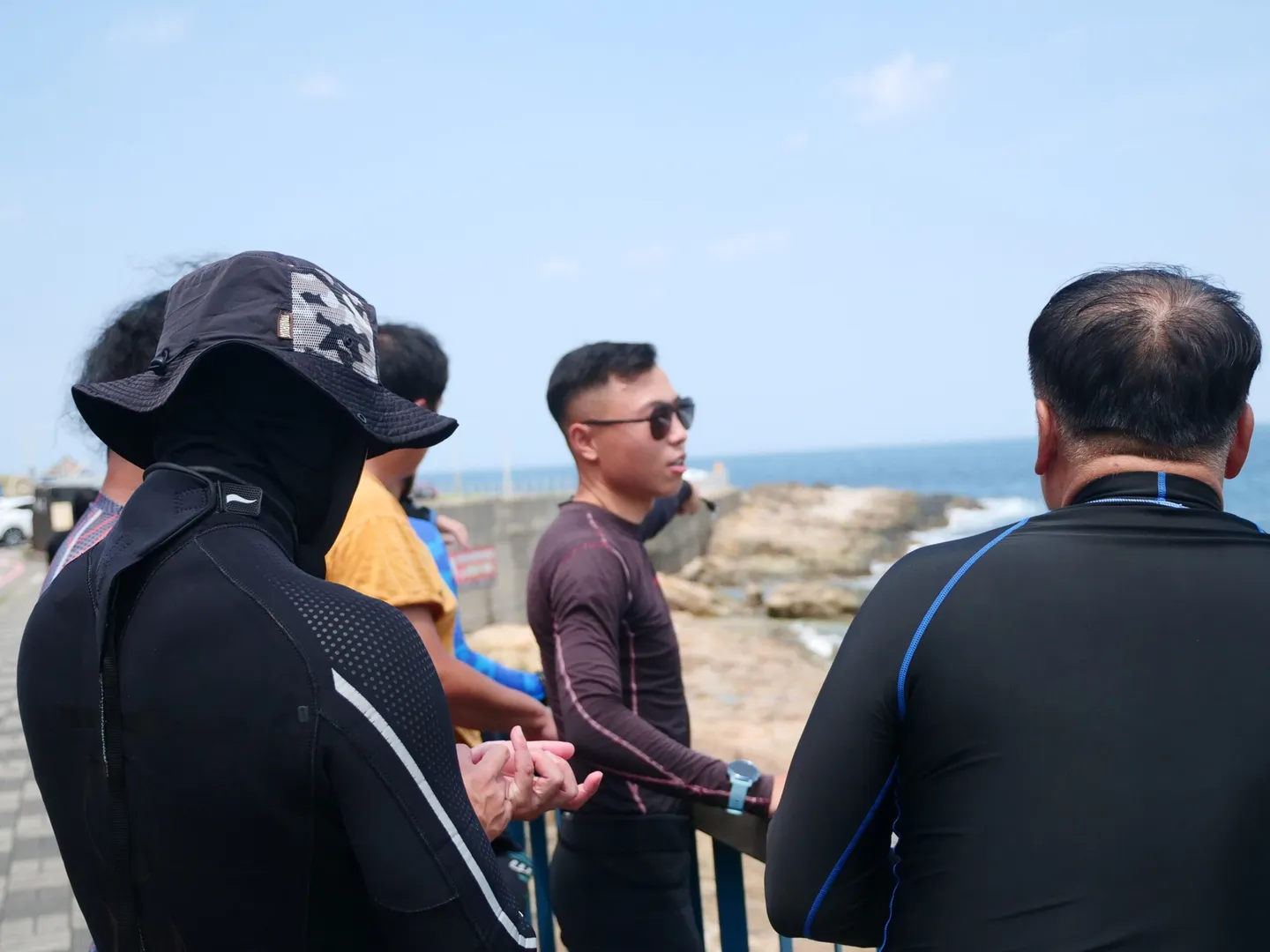
The priority should be on strengthening public awareness of water-activity safety and basic self-rescue skills — preparing people to face the real risks of a given body of water. (Photo is illustrative and does not depict the individuals involved.) photo credit:小均
Rather than issuing life-threatening warnings, it would be far more valuable to offer meaningful, practical knowledge — even just a few words of guidance. A simple change in terminology can tell someone unfamiliar with the water exactly what skills to go and practise at the swimming pool, while also helping water-sports enthusiasts prepare for the specific hazards of a given location — achieving a far more positive outcome.


Dangerous Waters Notices
"Dangerous Waters" signs are also common throughout Taiwan, yet in many locations they fail to provide any clear explanation of what, exactly, makes the water dangerous. "Dangerous" needs to be clearly defined — for example: at what wind speed and in which wind direction does this stretch become hazardous; where rip currents tend to form and how to respond to them; whether certain dangerous marine life are present and what protective measures should be taken; and so on. Activities should also be tiered by time and conditions to prevent conflicts between different user groups — when conditions are ideal for surfing or windsurfing, swimming and snorkeling are typically inadvisable, and vice versa.
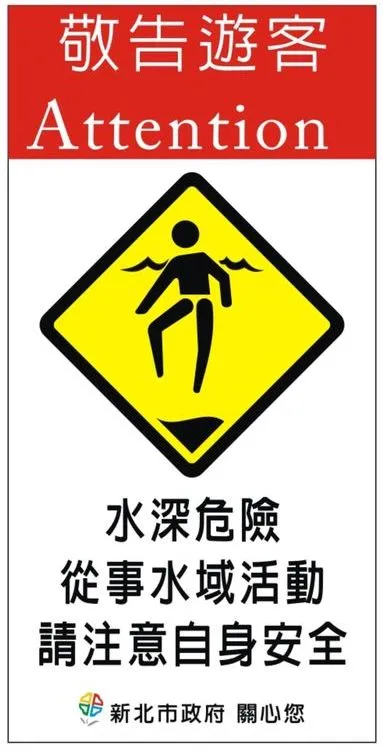
Illustration of a warning sign
Clearly defining "danger" not only serves an educational purpose for the public — it also gives authorities a concrete basis for enforcement, avoiding unnecessary disputes. The fact that ocean conditions change constantly is entirely natural; having "dangerous waters" designations plastered all over Taiwan is, by contrast, practically supernatural. A dangerous spot can have moments when it is perfectly safe to enjoy; a seemingly safe spot can turn deadly. Everyone's physical condition is different, and the weather changes every day. Declaring a zone dangerous based on vague, unconvincing standards and then blanket-banning all visitors is itself a failure of proper management — and arguably an infringement of human rights.
From a deterrence standpoint, rather than imposing blanket bans followed by fines, individuals should be required to bear the costs of any search-and-rescue operations they necessitate. This approach would preserve citizens' right to access the water, encourage people to take responsibility for their own actions, curb the instinct to immediately demand government compensation, and perhaps even foster a more robust insurance industry. Besides, the ocean is an inherently difficult environment to police — questions of whether someone crossed a prohibited line and whether personnel are available to issue fines will inevitably consign such regulations to Taiwan's long list of laws that exist only on paper and can never be meaningfully enforced.
The Banning of Chaojing
Finally, the Keelung City Government announced a seven-day ban on entry to Dawulun Beach — and swept up Chaojing Park, which was not even the site of the incident, in the same ban. What does a prohibition actually solve? Without promoting the right concepts for water activities, accidents will continue to happen. A far better use of those seven days would be to hold an open-water self-rescue workshop. Taiwan already has many veterans with extensive experience in water activities, and Keelung is home to the National Museum of Marine Science and Technology as well as National Taiwan Ocean University — there is certainly no shortage of talent when it comes to ocean education.
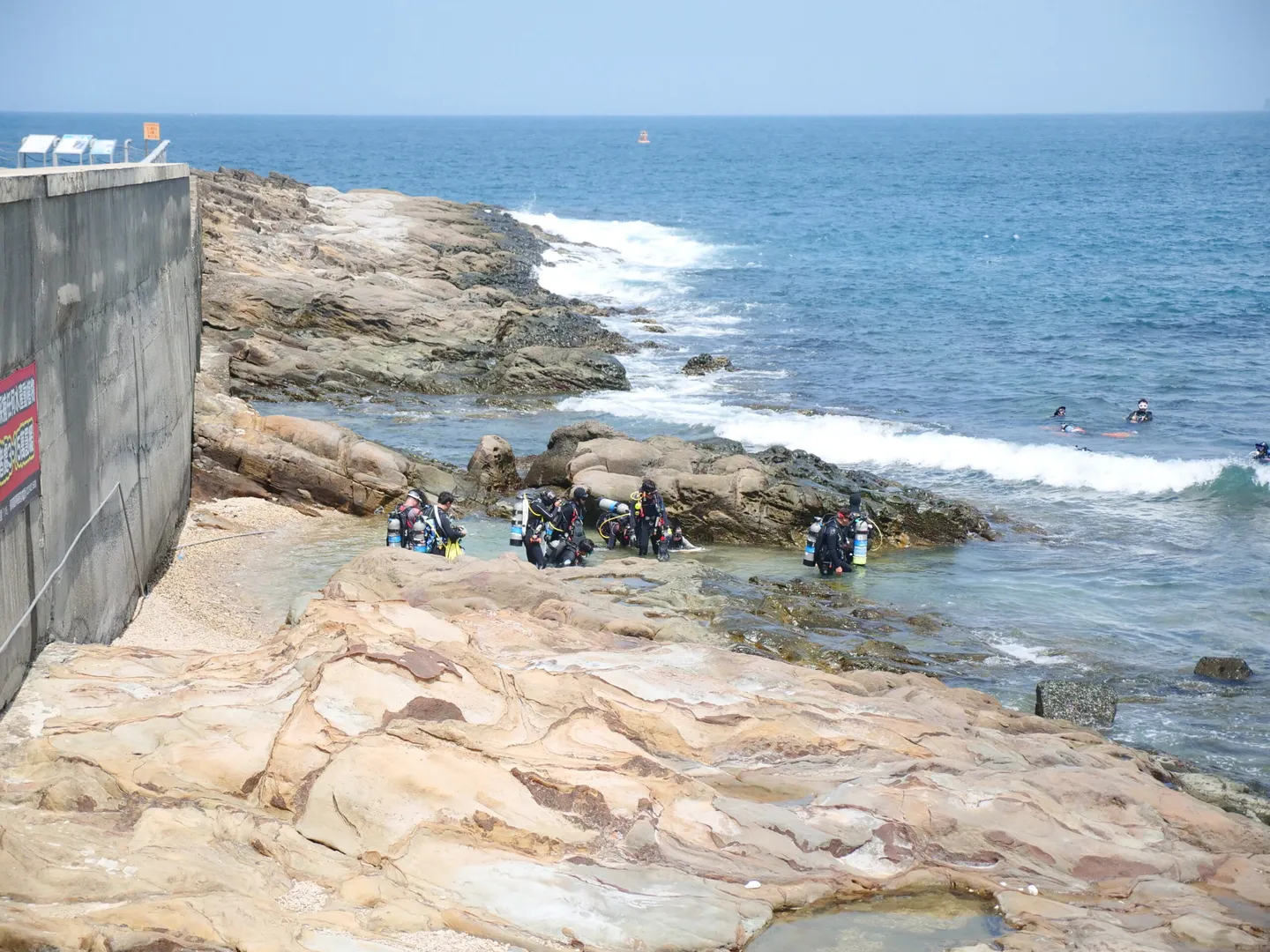
Chaojing Park was also banned from water access for seven days, drawing considerable public criticism. photo credit:小均
Taiwan's marine ecosystem is every bit as stunning as Hawaii's. I hope everyone gets to enjoy a better, safer relationship with the sea — because we deserve better management than this!
Cover image source: Google Maps
Further reading:
- What Is a Rip Current! 5 Diagrams to Help You Understand Rip Currents and How to Escape Them
- Downwelling, Washing Machine Currents, and Deadly Flows — Staying Calm Is the Only Answer When You Encounter Strong Currents
- Essential Reading for Outdoor Enthusiasts Before Getting in the Water! 3 Key Concepts for Water Activities
- 【Diving with Datou Shi】Three Steps to Reading the Windy App and Making Your Own Dive Conditions Call
- Chen Guanyan's Facebook Post