The Editor says: As someone who loves the sea, have you ever taken part in a beach cleanup or ocean cleanup? If you have, you've quietly become a member of the "marine citizen scientist" community! Citizen scientists are often far more familiar with the ocean near their own homes — and far freer to act — than scientists working in a laboratory. We hope to harness the power of everyone and bring the spirit of "citizen science" to more people. Come take a look with BlueTrend! <Full article reprinted from the Kuroshio Ocean Education Foundation; written by 温珮珍 2022.11.28>
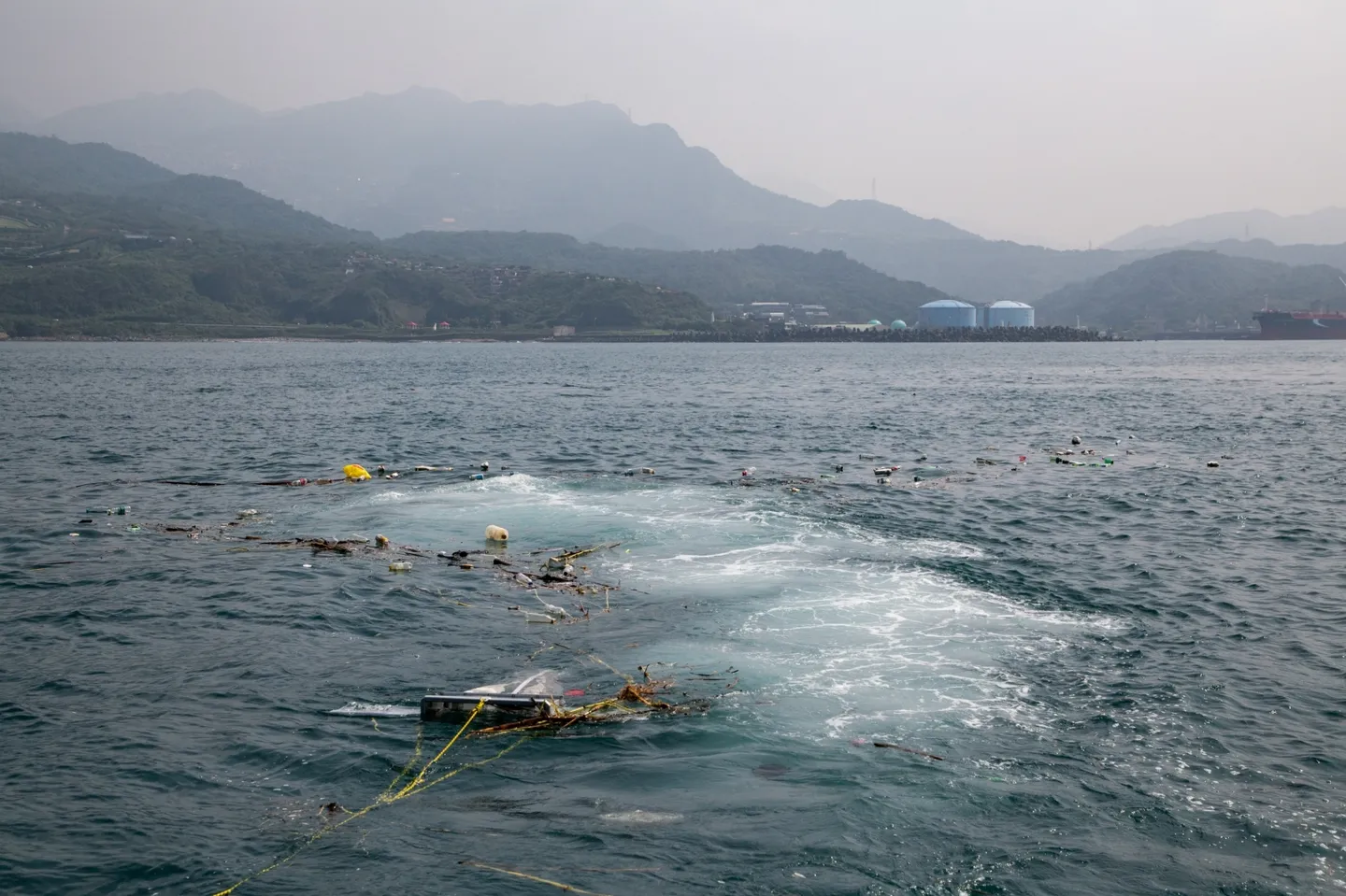
The 7th International Marine Debris Conference (7IMDC) was held in Busan, South Korea, from September 18 to September 23. The first marine debris conference was organized by the National Oceanic and Atmospheric Administration (NOAA) in 1984; it was not until the 5th conference in 2011 that the United Nations Environment Programme (UNEP) came on board as a co-organizer, and 2022 marked the first time the event was held outside the United States. The year in which the conference began tells us that marine debris had already caught the attention of scientists well before 1984. This year's conference covered nine major themes, 110 sub-topics, and more than five hundred short presentations, encompassing virtually every dimension of marine debris — scientific investigation, biological science, economics, and social science. Among the many themes, the one that attracted Kuroshio most — and where Kuroshio attended the greatest number of sessions — was the application and discussion of citizen science, which is indeed the survey methodology Kuroshio employs in its marine debris work.
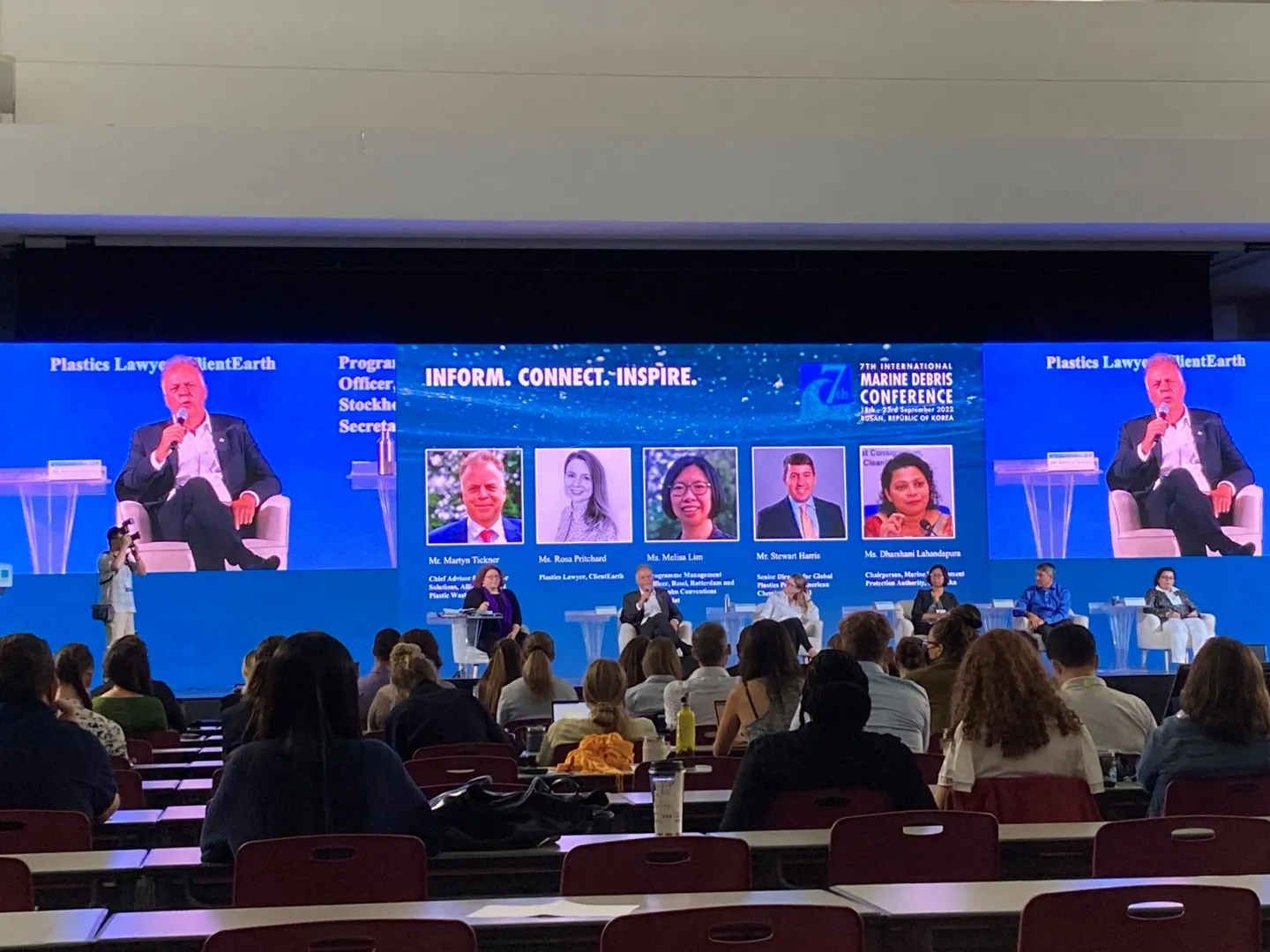
In 2022, Kuroshio traveled to Busan, South Korea, to attend the 7th International Marine Debris Conference (7IMDC).
What Is a Citizen Scientist?
When it comes to citizen scientists, I personally didn't encounter the term until after I joined Kuroshio. In fact, before I even learned the phrase, my very first assignment was to plan the surface seawater microplastics survey for the 2018 Island Voyage project. After taking stock of the hardware and software resources on hand, I found myself full of amazement: "Wow, all the equipment is borrowed!" "What a grassroots sampling method." "So nobody has actually operated this before." I could accept all of that — a passionate NGO with big ambitions and little funding makes sense — but when I discovered that the team members might be different people every single day, a string of question marks suddenly popped over my head: "If the operator changes every day, won't there be errors in the sampling procedure?" "Won't that create huge variation in the final experimental results?" "Should I give each new partner a detailed briefing to reduce error?" "Meeting new people every day and talking non-stop — could this trigger my social anxiety?" "If the Island Voyage lasts more than ten days, how many times will I have to explain the same sampling method — seriously?" When the voyage ended, I still defaulted to processing all the samples myself.
Then one day I came across the term "citizen scientist," and the question marks above my head instantly turned into a light bulb. Something clicked, and I found it easier to accept working with a different partner on every survey. At this marine debris conference, I met others who also use citizen science methods to monitor the environment and collect marine debris data, and I realized: "We're all facing exactly the same challenges!" It felt like finding kindred spirits and grasping the deeper meaning of the work. For example, NOAA's marine debris monitoring program highlighted that citizen science surveys enjoy many degrees of freedom that are almost unimaginable in conventional scientific surveys — including the choice of survey site, the interval between surveys, and the scale of the survey — all of which are typically decided by the participants themselves, leading to greater spatial variability. When a monitoring program spans several years, it is difficult for the same individuals to remain continuously involved, which often causes reporting delays and inconsistent data quality, not to mention the uncertainty — or outright absence — of long-term funding.
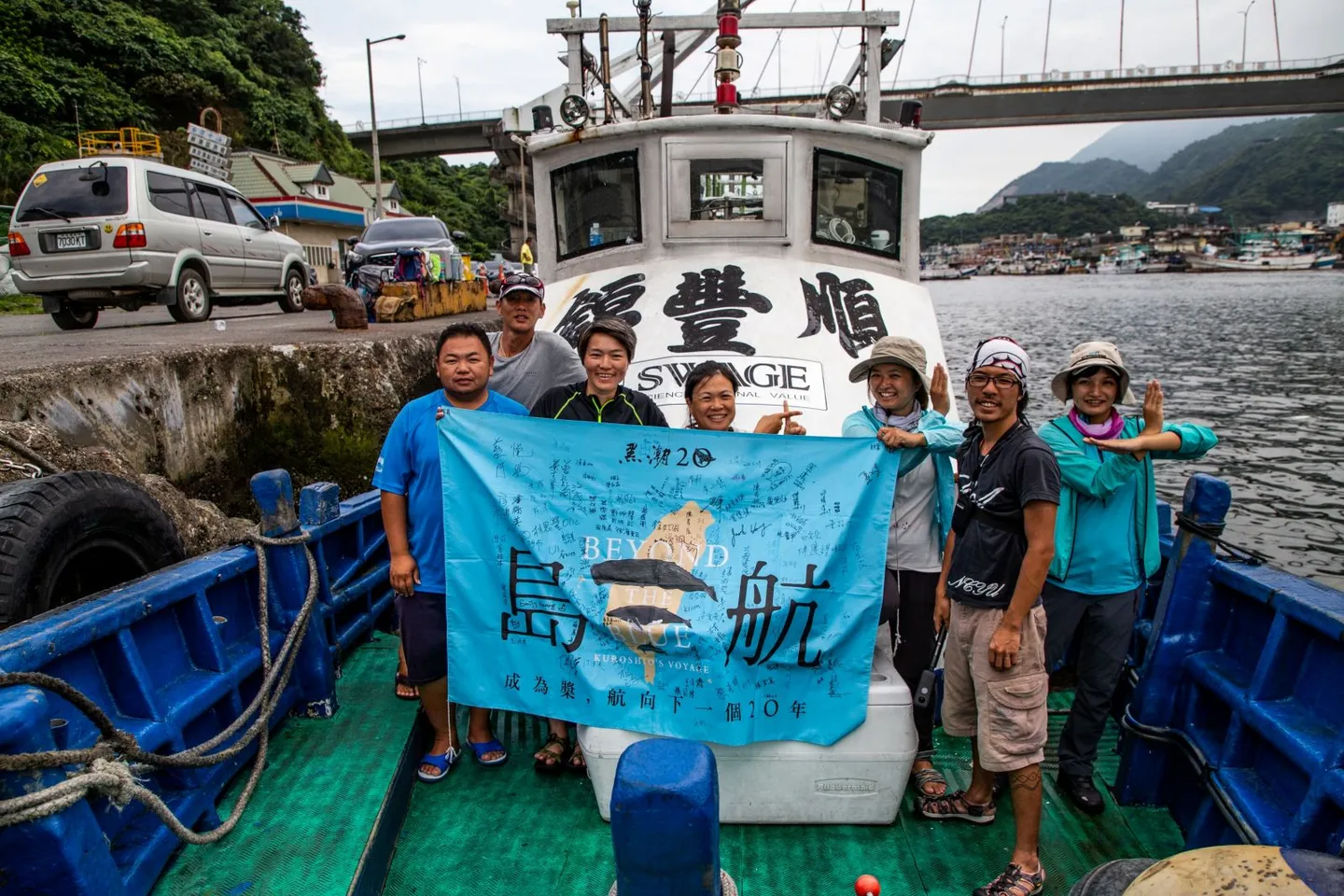
In 2019, Kuroshio conducted a coastal microplastics survey; pictured here is a group photo with the captain, crew, and citizen scientists taken at Nanfang'ao.
At the same time, I came to understand that citizen science survey methods represent a fusion of ecological investigation and social science. Conducted in this way, surveys yield not only scientific data but also the added value of citizens participating in public affairs — an added value that NGOs like Kuroshio treasure even more than the raw data. And when you think about it carefully, coastal debris surveys really are well suited to this approach. Starting from the motivations of participating in public affairs and improving the quality of one's local environment, ordinary people are genuinely willing to join such efforts. A questionnaire survey of volunteers conducted by the European organization The SeaCleaners found that over 50% of volunteers joined because they wanted to understand and reduce the impact of marine debris on the ecosystem, around 30% joined out of personal curiosity or as a hobby, and only 3% joined for career or professional reasons. From past work experience, conducting similar surveys in government agencies or academic research institutions comes with many constraints — perhaps the greatest being overthinking: which instruments to use, what equipment to bring, where the coastal access point is, how to plan the route, and so on. Faced with the same stretch of coastline, a citizen scientist's familiarity with the coastal environment right outside their door, the ease with which they can reach it, and the freedom to just go whenever they want are things no laboratory scientist can match.


Challenges for Marine Citizen Scientists
Once we understand these strengths and weaknesses, the key question becomes how to make the most of citizen scientists' advantages while meeting their challenges — reducing data variability and maintaining consistent data quality — all of which must be factored into survey design. Organizations such as NOAA (USA), Ocean Conservancy, OSPAR (EU), PNUD (the UN Development Programme in Panama), and South Korea's KOEM and OSEAN have, through years of survey experience, developed their own coastal debris survey operation manuals and beach cleanup record forms, helping participants understand the purpose of monitoring while giving them basic guidelines to follow.
Additionally, as smartphones have become ubiquitous, NGOs in various countries have developed mobile applications, enabling passionate citizen scientists to kick off a beach cleanup at any moment or plan longer-term marine debris monitoring activities on their own. NGOs also use these forms, reviewing and managing the data during collation. The resulting data not only reveal the types and quantities of debris along coastlines, but — because a consistent set of survey principles is applied — the data can ultimately be compared across different seasons, different coastal regions, and even different countries.
And of course, all that data is meant to be put to practical use in coastal management! South Korea's OSEAN has been monitoring marine debris since 2008, and the results of its long-term monitoring have shaped policy-making and measurable changes in debris quantities through collaboration with the government. For example, after a ban on single-use plastic bags was enacted in 2019, monitoring data showed a significant drop in the number of plastic bags found in marine debris. Working with fisheries-related agencies, OSEAN also developed a recycling mechanism for polystyrene floats, created environmentally friendly float alternatives, convened stakeholders for discussions and workshops, and built fishers' awareness of the marine debris crisis — a multi-pronged approach that successfully reduced plastic pollution caused by polystyrene floats.
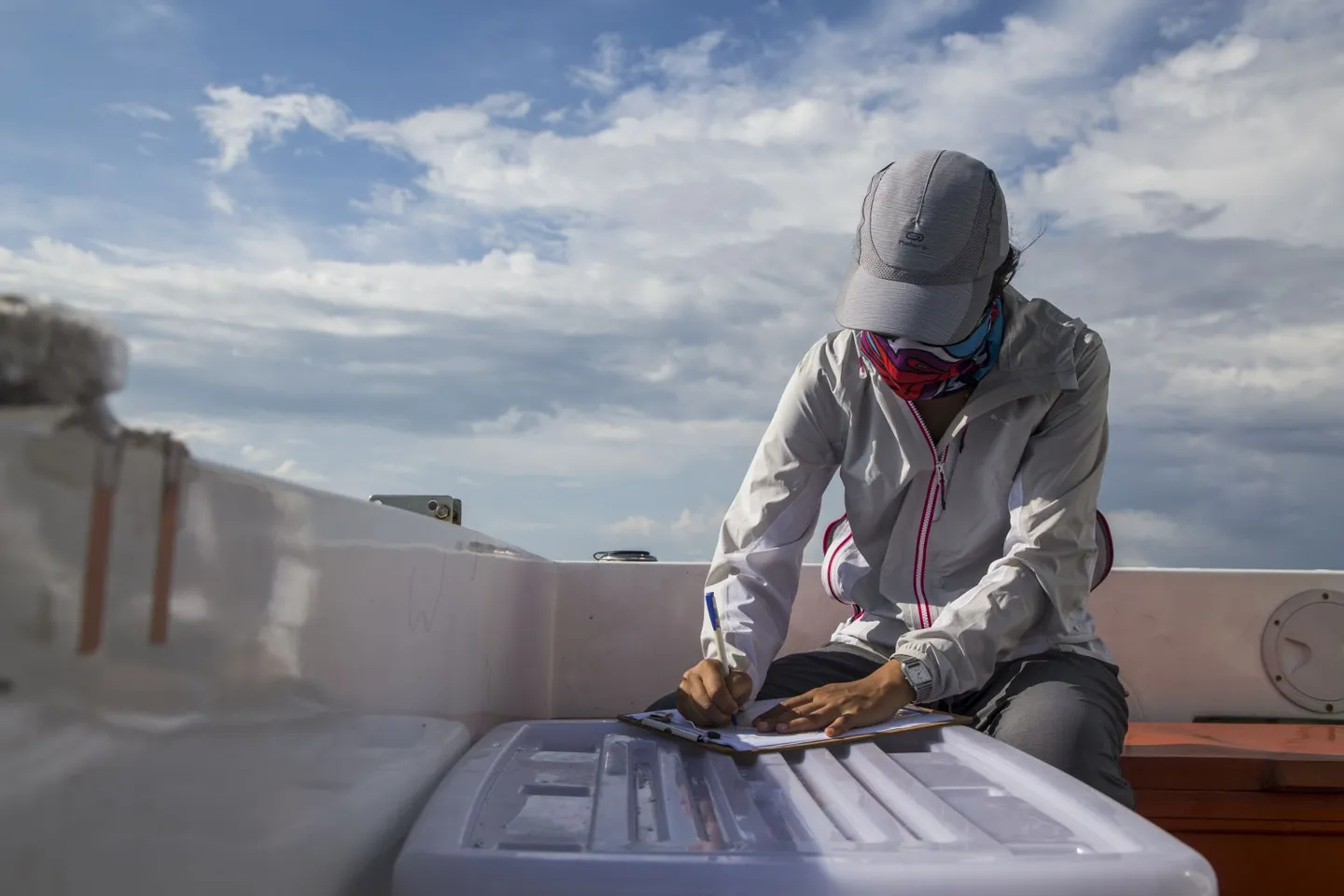
By joining a citizen science survey, you too can become a guardian of the ocean!
The added value of public participation in scientific surveys is also an aspect that Kuroshio holds dear. Every time we conduct an ICC-form beach cleanup or go out to sea for sampling with a different group of citizen surveyors, you can feel their care for the environment and their enthusiasm for being part of the survey. Knowing that these surveyors understand how even small individual actions can make a difference — and that they carry those feelings back into their daily lives, practicing "reuse and reducing single-use waste" and in turn influencing the family and friends around them, becoming a little kinder to the planet each day — that thought alone is enough to ignite your own passion. Not only has working with citizen scientists proven harmless to my social anxiety, but I've gradually gone from "How many times do I have to explain the same sampling method?" to "I'll explain the same sampling method as many times as you need!" For Kuroshio, this represents the long-term goal of environmental education leading to behavioral change. For the individual, it's like defeating a boss, gaining experience points, leveling up, and getting your HP fully restored all at once.
Before setting off for the marine debris conference, I had many misgivings — the biggest being which themes to focus on among so many discussion topics. In the end, I chose to attend mainly the citizen science and environmental education tracks, in keeping with my own work. After exchanging ideas with speakers engaged in similar work, I was able not only to reflect on what adjustments I could make to my own practice to improve our data and its application in public affairs and environmental education, but also to place greater emphasis on feedback and interaction with citizen science surveyors. There was also an emotional sense of "If only we'd met sooner — how great it would have been to have someone to talk to." The entire experience truly brought to life the three core goals of the conference: Inform, Connect, Inspire. Over five days, the conference touched on education, monitoring, and social and natural science — from the microbial communities on microplastic particles all the way up to mega-sized debris floating across a seemingly endless ocean — making it clear that marine debris is not a problem faced by any single region or country. And no matter which aspect of marine debris was being discussed, while the solutions may vary, everyone agreed on one thing: after the exchange and mutual inspiration of the conference, it is time for more action. So whoever you are — come be one of the citizen scientists who are changing the world!
This article is reprinted with the kind permission of the Kuroshio Ocean Education Foundation. Original title: 集眾之力的守護行動:你也能成為說走就走的「海廢」公民科學家!
Editor-in-charge: Jenny Tsai
Further Reading:
-
Coastal Debris Survey Manuals and Beach Cleanup Forms
-
Mobile Beach Cleanup Apps