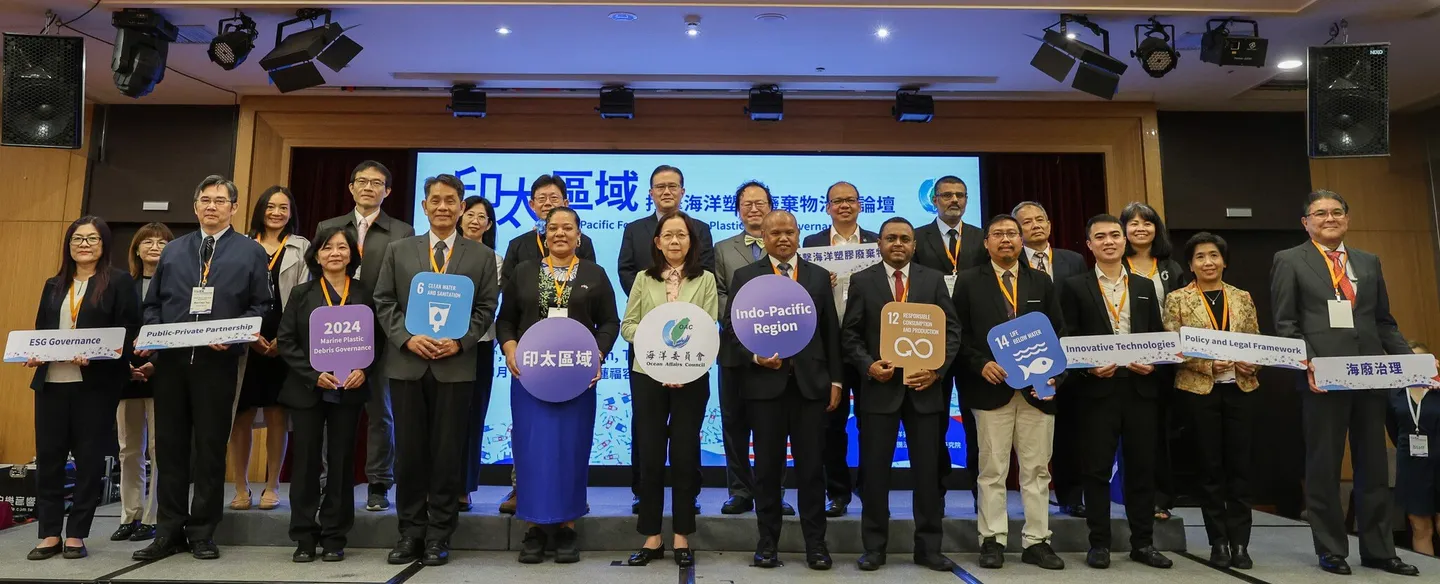
The Ocean Affairs Council held the "Indo-Pacific Regional Forum on Combating Marine Plastic Waste Governance" in Hualien on November 13, bringing together nearly eighty participants from government, industry, and academia across eight countries — Palau, Maldives, Indonesia, Japan, Thailand, Vietnam, the Philippines, and Taiwan. The forum centred on three themes — policy and regulatory frameworks, innovative technology, and public-private collaboration — to jointly discuss plastic waste governance and the establishment of a regional cooperation network, driving cross-border cooperation in addressing the problem of marine plastic waste.
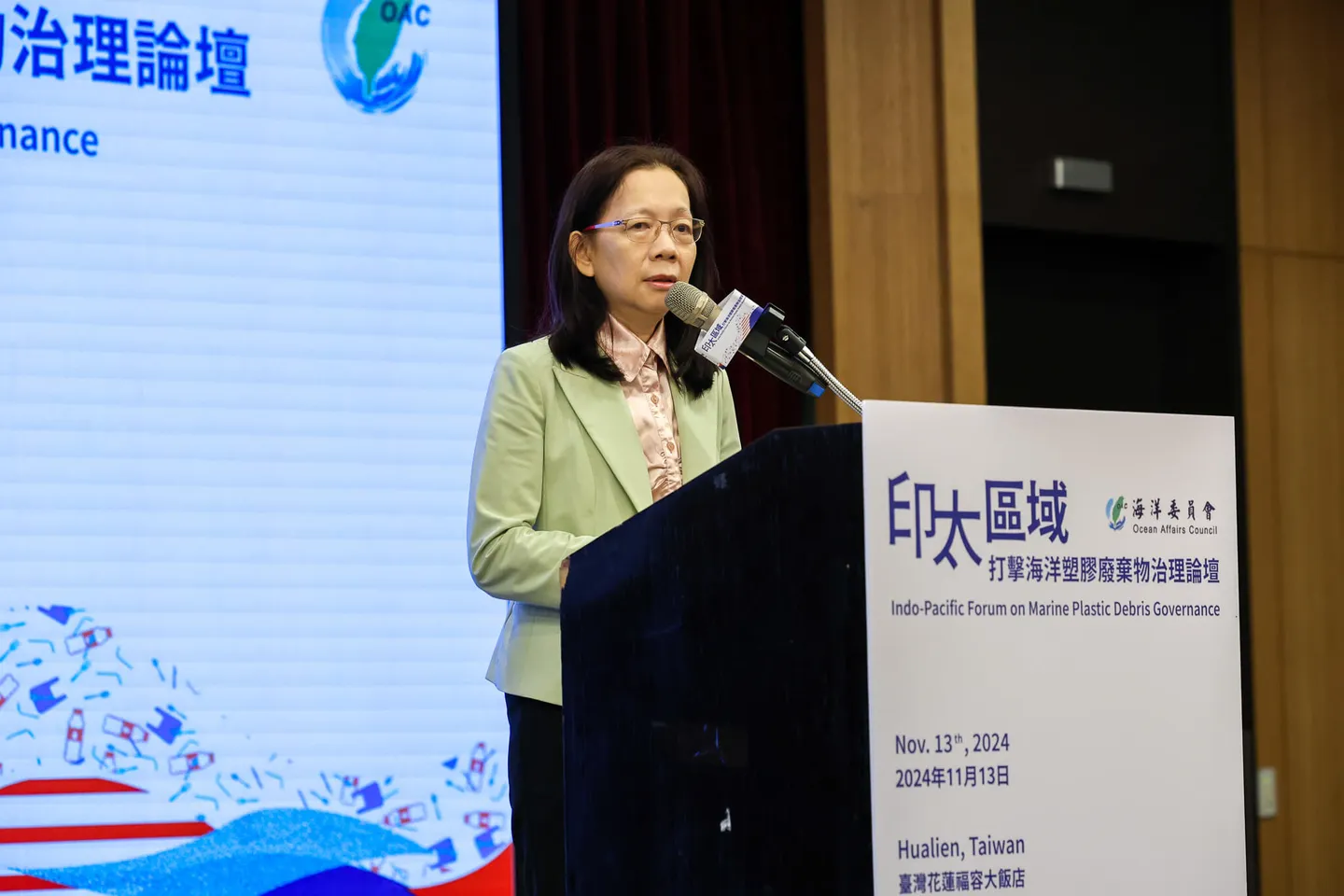
Remarks by Ocean Affairs Council Deputy Minister Huang Hsiang-wen
In his opening remarks, Deputy Minister Huang Hsiang-wen explained that Hualien was chosen as the venue in the hope that international guests would gain a deeper understanding of Taiwan and come to know Hualien's natural environment and resilience. Hualien County Magistrate Hsu Chen-wei attended to welcome the guests in person, emphasising that sustainability is a way of life in Hualien and that marine debris can only be effectively addressed through international cooperation. National Dong Hwa University President Hsu Hui-ming also expressed the university's full support for the forum's initiatives and actions.
Steven Victor, Minister of Agriculture, Fisheries and Environment of Palau, opened by noting that small Pacific island nations bear the brunt of high concentrations of ocean-drifting waste. He spoke of island nations working together to improve biodiversity and advance the Blue Pacific initiative, and of the need to secure funding to drive related efforts. He also expressed special gratitude for Taiwan's substantial support in marine technology, training, and plastic reduction, highlighting the potential for Indo-Pacific regional cooperation.
The forum's three main themes focused on "Policy and Legal Frameworks," "Innovative Technology," and "Public-Private Collaboration in ESG Governance." In the "Policy and Legal Frameworks" session, representatives from Taiwan, the Maldives, Indonesia, and Thailand outlined their respective policies, regulations, and measures. Taiwan's Marine Conservation Administration presented practical actions across five dimensions: survey and monitoring, cleanup, recycling and reuse, education and advocacy with expanded collaboration, and international exchange and cooperation. To date, these efforts have engaged nearly six thousand vessels in an eco-fleet, more than four thousand underwater volunteer divers, and a marine debris recycling alliance representing strong public-private partnership.
The Maldives has imposed additional tariffs on plastics, banned low-capacity PET bottles, and restricted single-use plastics in hotels, successfully reducing waste by 76%. The Indonesian government has enacted three major regulations and, through a national action plan and Ocean Love Month activities, raised awareness among fishers, aiming to reduce marine debris by 70% by 2025.
Thailand stopped using plastic bottle caps in 2019; banned styrofoam containers and thin plastic bags in 2022; and will ban single-use plastic cups and straws in 2025. It has also promoted 100% biodegradable zero-waste cups to reduce plastic waste. All speakers emphasised the importance of education and public outreach.
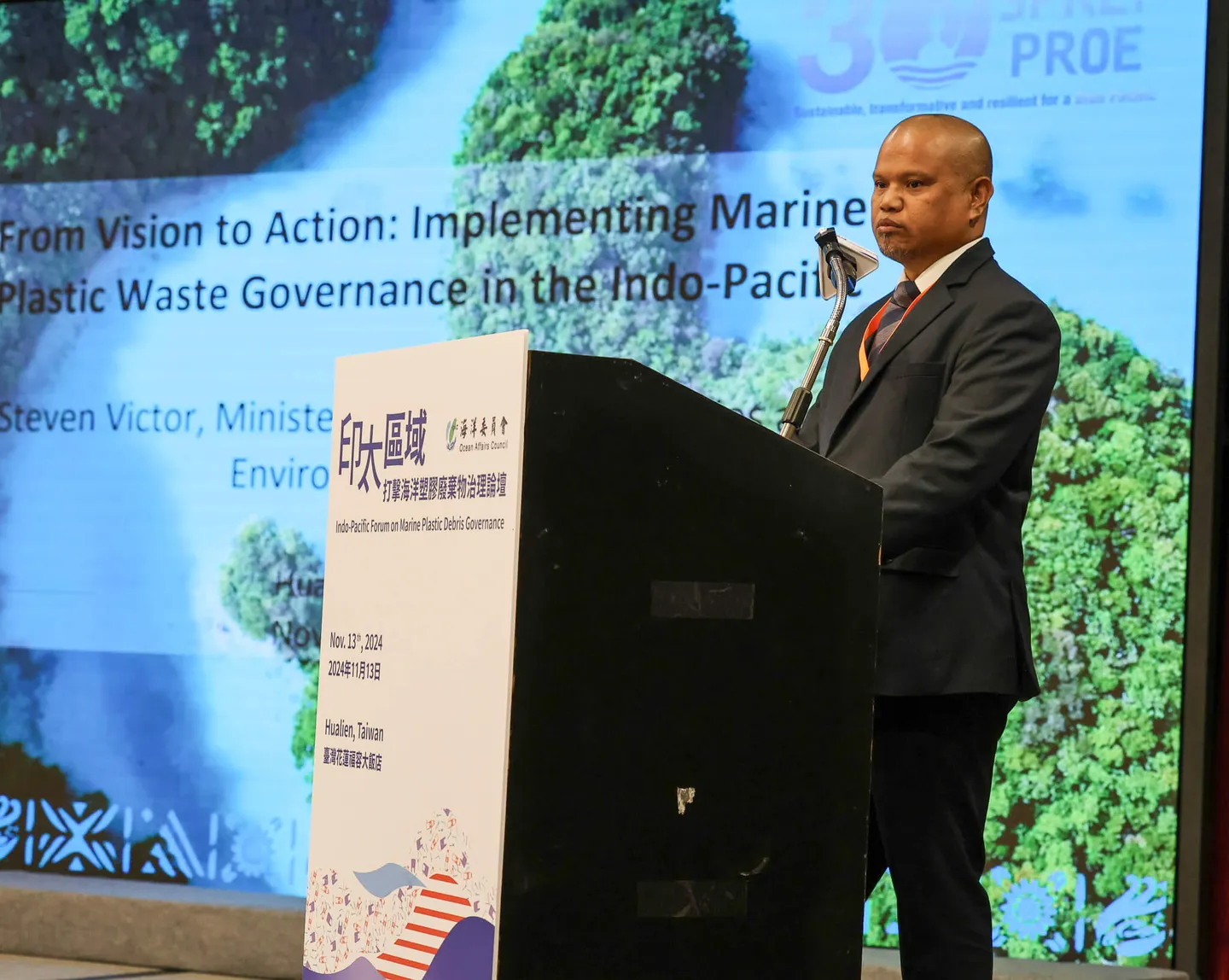
Palau Minister of Agriculture, Fisheries and Environment Steven Victor delivering a keynote address
In the "Innovative Technology" session, Far Eastern New Century showcased its land, sea, and air recycling strategy — particularly its collaboration with international environmental organisations to help small island nations like the Maldives recover marine debris — and its partnerships with brands to produce tens of millions of pairs of shoes and items of clothing, demonstrating how recycled materials can be transformed into high-value products. Indonesia and Vietnam introduced the use of seaweed to produce bioplastics, incorporation of recycled plastic into road-paving asphalt, and promotion of pyrolysis technology to convert plastic waste into fuel. They also described the use of drones and GPS to monitor plastic waste hotspots, initiatives to turn plastic waste into renewable energy, the use of fishing vessels to collect waste, and the promotion of "ocean houses" (similar to recycling stations) to encourage fishers to recycle — all in effective response to the marine debris challenge. A researcher from Academia Sinica recommended that the government standardise sampling and monitoring methods and conduct long-term monitoring of microplastics.
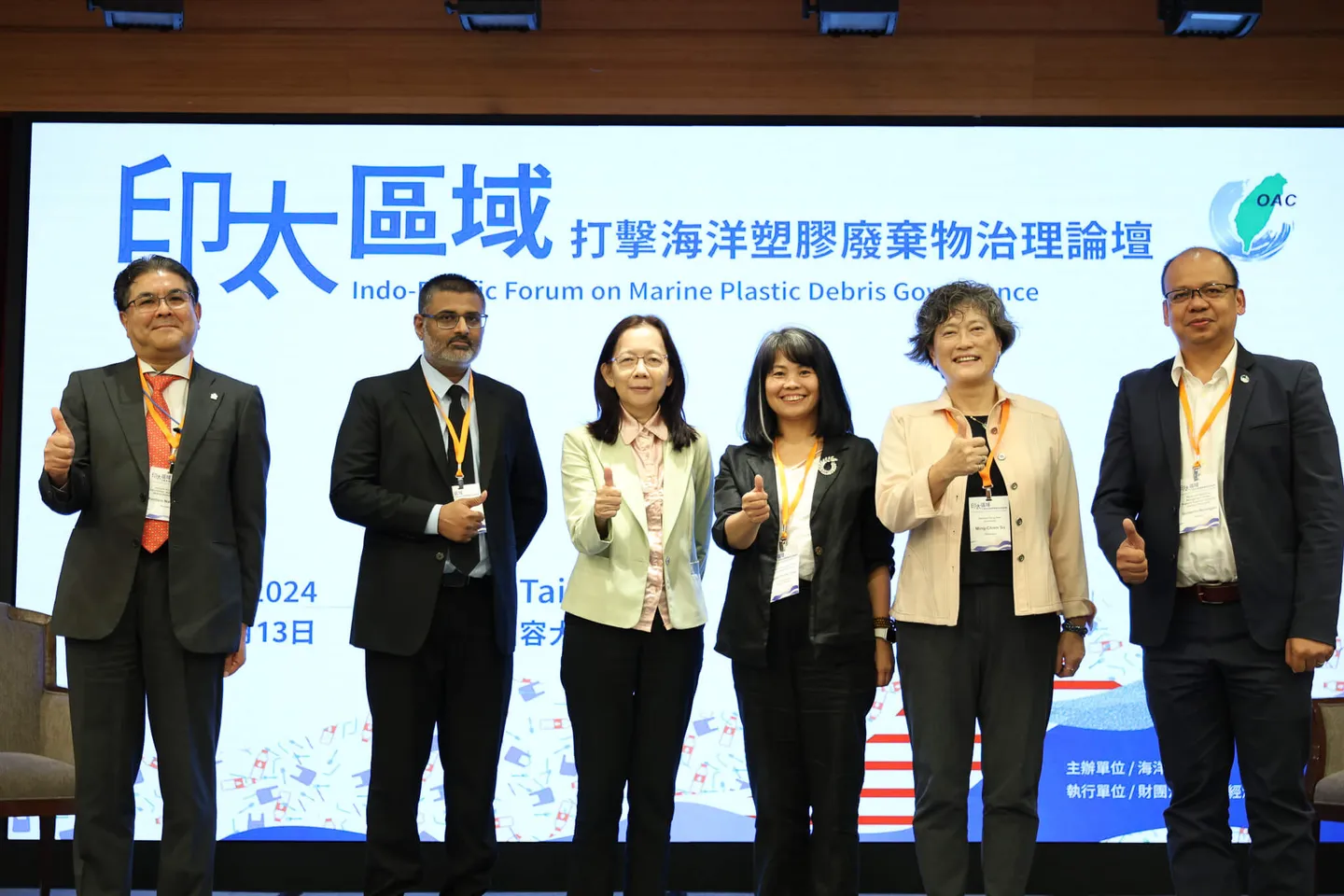
Group photo of the Public-Private Collaboration in ESG Governance session (from left: Mr. Kentaro Nakamura, Manager of the International Cooperation Subcommittee of Japan's Clean Ocean Material Alliance (CLOMA); Mr. Abdulla, Senior Analyst at the Maldives Environmental Protection Agency; Ocean Affairs Council Deputy Minister Huang Hsiang-wen; Ms. Nguyen, Deputy Director and Co-founder of Vietnam's GreenHub Centre for Supporting Green Development; Professor Su Ming-chien of National Dong Hwa University; Mr. Borongan, Director of Waste and Resource Management at the Regional Resource Centre for Asia and the Pacific)
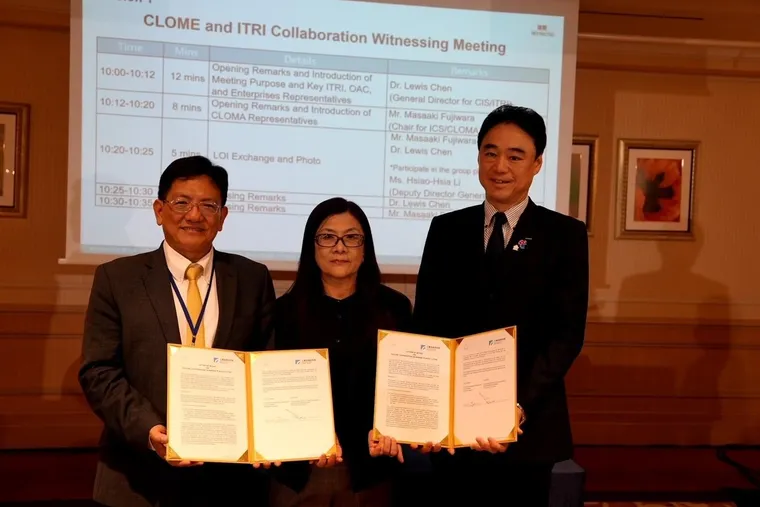
The "Public-Private Collaboration in ESG Governance" session focused on the importance of business-government cooperation in ocean protection. The Regional Resource Centre for Asia and the Pacific (Thailand), Japan's Clean Ocean Material Alliance (CLOMA), and Vietnamese NGO GreenHub shared success stories in corporate collaboration, community plastic reduction initiatives, and improvements to women's livelihoods. CLOMA began its education and outreach efforts with nearly one million employee households and put forward the concept of a model community. Speakers emphasised extended producer responsibility (EPR) and the influence of ESG, noting that government policy guidance and economic incentives are equally indispensable.
Participants engaged in lively discussion about the Fifth Session of the Plastics Treaty negotiations scheduled for late November in South Korea. While all countries recognise the urgency of effectively addressing plastic waste — including the development of alternative materials and the completeness of recycling systems and regulations — some delegates could not help but express concern that certain plastic products will be difficult to ban outright (for example, medical and automotive applications). Given that industries have yet to develop adequate transition technology and funding, and that basic infrastructure and management systems in developing countries remain incomplete, some provisions still leave room for further deliberation. Participants urged governments to assess as quickly as possible the impact of the draft convention on the plastics industry and to provide feasible complementary measures and timelines. Separately, with different countries adopting varying approaches to the microplastics crisis, continued investigation and the pursuit of innovative technology were seen as essential.
At the closing session, the Ocean Affairs Council summarised three goals for future joint efforts: "implementing cross-border collaboration," "strengthening investment in and application of innovative technology," and "enhancing corporate collaboration to deliver on ESG." The Council reiterated its vision for the "Indo-Pacific Regional Marine Debris Cooperation Platform," hoping to foster cooperation among private-sector actors — including industry — across Indo-Pacific nations through technical exchange workshops and data-sharing platforms. This forum marks an important step forward for Taiwan in marine protection across the Indo-Pacific region. The Ocean Affairs Council will continue to follow the Fifth Session of the Plastics Treaty negotiations and map out future cooperation priorities, working together to reduce waste in Indo-Pacific waters.
Related Links


Further Reading