![[Are Marine Protected Areas the Best Answer for Ocean Sustainability?] Ocean Almanac Takes You Back to Basics on Marine Protected Areas — Part 1](/_images/d23cae31f5d6-1440w.webp)
Contents(7)
- The First Premise of Economics: Humans Are Rational Decision-Makers
- Do Marine Protected Areas Completely Ban Fishing?
- Spillover Effect
- Marine Protected Areas Can Save Large Species
- Marine Protected Areas Drive the Transformation of Fishing Village Industries
- With Marine Protected Areas in Place, Will Taiwan's Oceans Simply Flourish?
- Book purchase link on Books.com.tw: Support the Ocean Almanac
Taiwan is surrounded by the sea on all four sides, with diverse coastal topography and actual jurisdiction over as many as 165 islands, which can be categorized by their formation into volcanic islands, continental islands, coral islands, and more. Taiwan also lies in the subtropical monsoon zone of the Pacific, a region of highly variable climate with four distinct seasons. The heavy summer rains trigger well-developed sedimentary processes along the western coast, nurturing a unique wetland ecosystem distinct from those found along the eastern coast and coral islands. Every winter, the northeast monsoon sets in and the China Coastal Current flows from north to south along Taiwan, a low-salinity, low-temperature water mass rich in nutrients from China's rivers. This current meets the Kuroshio Current — what divers affectionately call "the big blue water" — off Taiwan's northern and eastern shores. These two powerful ocean currents converge in the seas surrounding Taiwan, providing a rich source of nutrients for marine life and drawing large marine creatures from both water masses to compete for food. Can marine protected areas (MPAs) be the best answer to ensuring ocean sustainability?
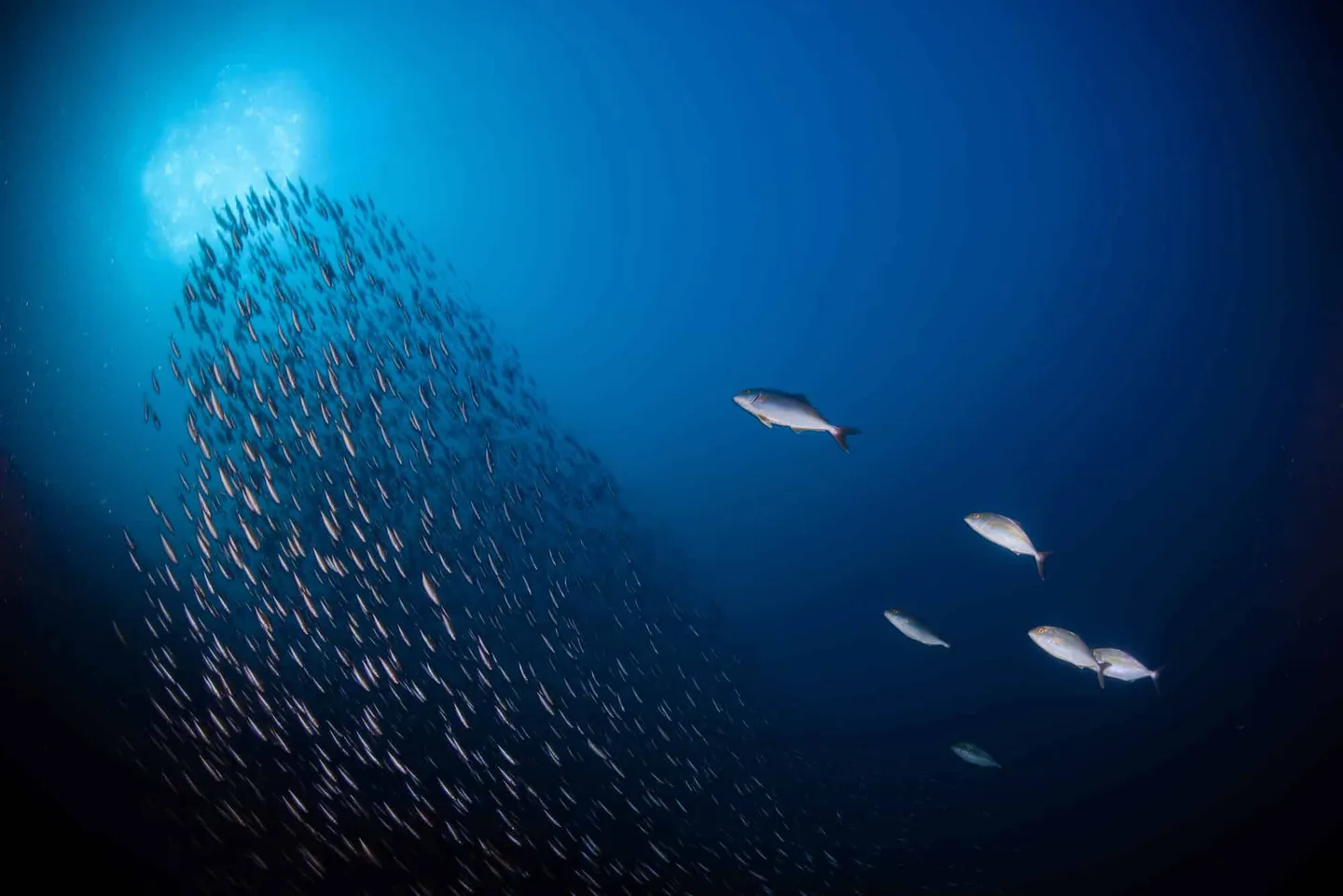
Taiwan's waters were once teeming with fish. Photo: 京太郎
At the intersection of climate, topography, and ocean currents, Taiwan has effectively become a rich marine ecological database. The relatively gentle continental shelf along Taiwan's western coast, shaped over countless years by sedimentary processes and river inputs, has created a safer, nutrient-rich environment where shallow waters of 200 meters or less serve as a cradle for newly hatched species. On the other hand, Taiwan's eastern coast faces the Pacific, where the seabed drops off steeply from the shoreline, and with the Kuroshio flowing year-round, migratory fish and large cetaceans dominate the ecosystem. Shifting our perspective to the Penghu archipelago, situated off Taiwan's western coast, Penghu sits at the confluence of the China Coastal Current and a branch of the Kuroshio — and the local catch, which includes both migratory and demersal species, reflects the diverse underwater topography of the area.
The First Premise of Economics: Humans Are Rational Decision-Makers
Taiwan is blessed with a wealth of natural advantages, and ideally these gifts from nature should be fully utilized and conserved. However, long-standing neglect of overfishing and the dramatic improvement in fishing efficiency have made the depletion of fish stocks along Taiwan's coastlines a reality. While the government has in recent years placed greater emphasis on policies regulating fishing methods and species protection, the high bycatch rates of modern fishing present a difficult reality. Consider this: if a species caught as bycatch is not itself a protected species (and therefore not subject to a fishing ban), assuming humans are rational decision-makers, fishers will inevitably choose to bring it back to port and sell it to offset fuel costs (non-target catch tends to fetch a lower market price — for example, shark prices are far below those of Spanish mackerel). This is how Taiwan's major fishing ports have become a parade ground for sharks, Stingray, and other large marine animals.
Bycatch rate: When a particular fishing method catches species other than the intended target, those are called bycatch. For example, longline fishing targeting tuna frequently results in accidental catches of seabirds, sharks, sea turtles, and other non-target species. According to research reports, tuna longline fleets may incidentally catch up to 4,000 seabirds per year at peak. In tropical Atlantic waters, the bycatch rate for sea turtles can reach 0.030 individuals per thousand hooks — a truly staggering figure.
Now consider this: if the government designates certain species as protected and requires fishers to report any catch of those species to the relevant authorities — if you are a fisher racing against time in a battle with the sea, would you sacrifice precious hold space, dutifully bring the catch back to port, dutifully complete the cumbersome government reporting process, and dutifully watch the catch be handed over to a research institution? Or would you simply throw it back overboard and keep working toward your target catch? Coming back to the premise that humans are rational decision-makers, the answer is self-evident. On the pessimistic side, announcing a ban on catching specific species merely spares concerned citizens or media from witnessing this tragedy at the dockside — but the situation continues to unfold in the ocean all the same. It is for this reason that establishing marine protected areas has come to be widely regarded worldwide as one of the more effective approaches to marine conservation. Further reading: The Silent Tragedy Played Out Daily at the Fishing Port — Sharks, manta rays, and Fishermen
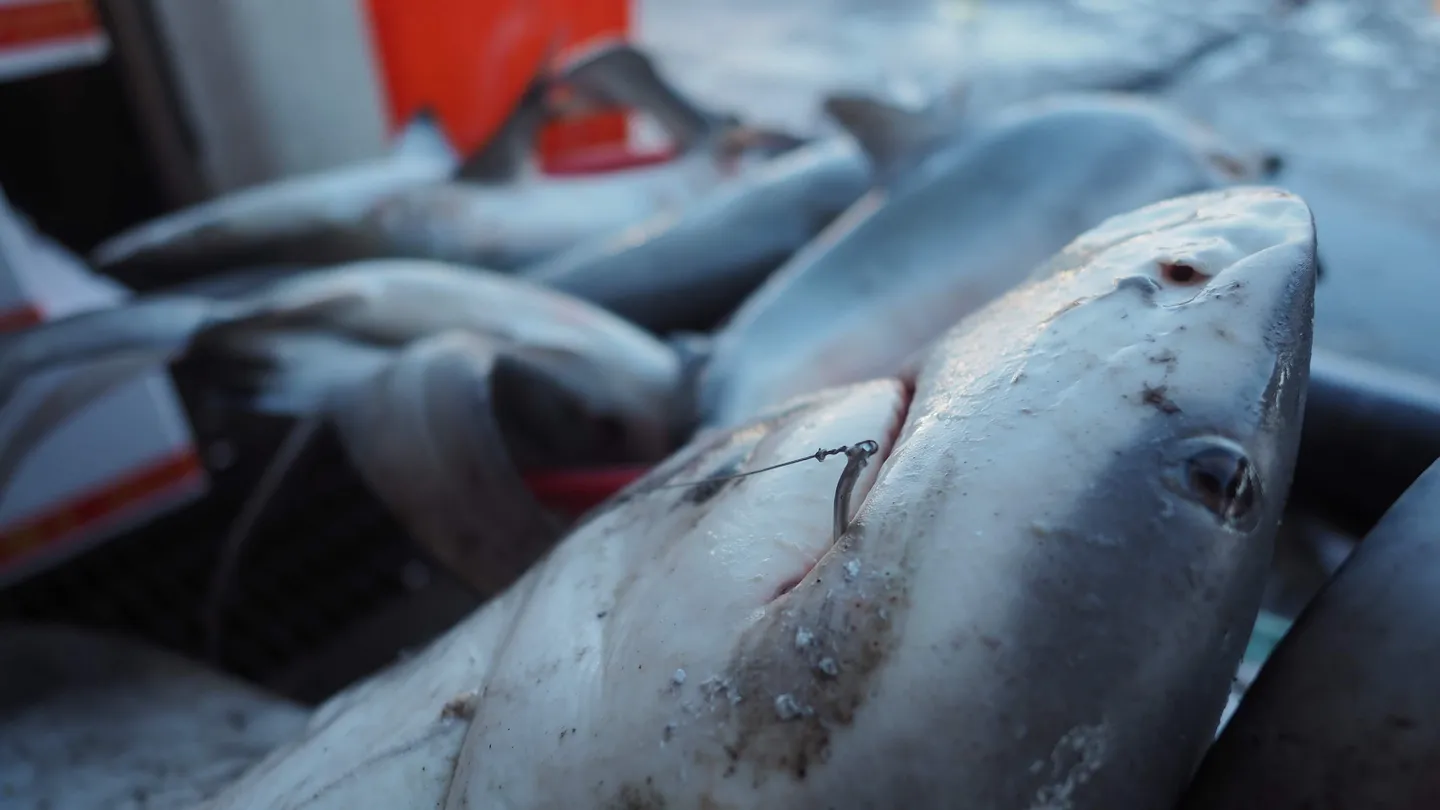
Bycatch remains an unsolved problem for many modern fishing methods. Yet these fish are often not the high-value catch fishers are after.
Marine protected areas (MPAs) are defined by the World Conservation Union (IUCN) as: "Any area of intertidal or subtidal terrain, together with its overlying water and associated flora, fauna, historical and cultural features, which has been reserved by law or other effective means to protect part or all of the enclosed environment." Taiwan's Fisheries Agency under the Executive Yuan's Council of Agriculture defines marine protected areas as: "Areas within a defined range extending seaward from the mean high-tide line that possess special natural landscapes, important cultural heritage, or sustainably utilizable ecological resources, and which are protected and managed by law or other effective means."
To put it in plain language: within a designated sea area, the competent authority may legislate — based on actual conditions — to restrict human activities in that zone, thereby restoring the marine ecosystem. The question of which authority is "competent" is in fact the single biggest sticking point in the advancement of marine conservation in Taiwan — we will explain this in detail shortly. For now, let's focus on the establishment of marine protected areas. MPAs are generally divided into core zones, buffer zones, and sustainable-use zones based on ecological sensitivity, with management applied to each zone accordingly. The specific naming conventions vary from country to country and region to region, but the underlying logic is broadly similar. According to the Fisheries Agency under Taiwan's Executive Yuan's Council of Agriculture, Taiwan's marine protected areas are classified as follows:
-
"No Entry or Impact" Marine Protected Areas: These carry the strictest regulations. Entry into the designated sea area is permitted only with prior approval from the competent authority and solely for the purposes of scientific research, monitoring, or ecological restoration; alternatively, entry may be allowed but any activity that affects or damages the ecosystem, cultural assets, or natural landscape of the area is strictly prohibited. Examples include the Marine Ecological Conservation Zone of Dongsha Atoll National Park, the Marine Ecological Conservation Zone of Kenting National Park (along with its Special Marine Landscape Zone), and the buffer zone of the Penghu Cat Islet Seabird Protection Area.
-
"No-Take" Marine Protected Areas: This is the type commonly referred to as no-take zones. Generally designated within the core zone of an MPA, these areas prohibit all extractive (developmental) use of natural or cultural resources. Examples include the Special Landscape Zone of Dongsha Atoll National Park, the Marine Recreation Zone and Marine General Control Zone of Kenting National Park, and the Wanghaixiang Chaojing Bay Resources Conservation Area in Keelung City.
-
"Multi-Use" Marine Protected Areas: Local governments across Taiwan, under the premise of sustainable use, restrict certain extractive (developmental) activities in specific waters to reduce the impact of fishing and recreational activities on the marine environment. According to the Fisheries Agency website, there are 26 fishery resource conservation areas and associated restricted fishing zones and special fishery ban zones across Taiwan. Various county and city governments and coastal authorities have also designated multiple specific fishery ban zones, including gill-net fishing prohibition zones, light-fishing prohibition zones, and artificial reef no-fishing zones.
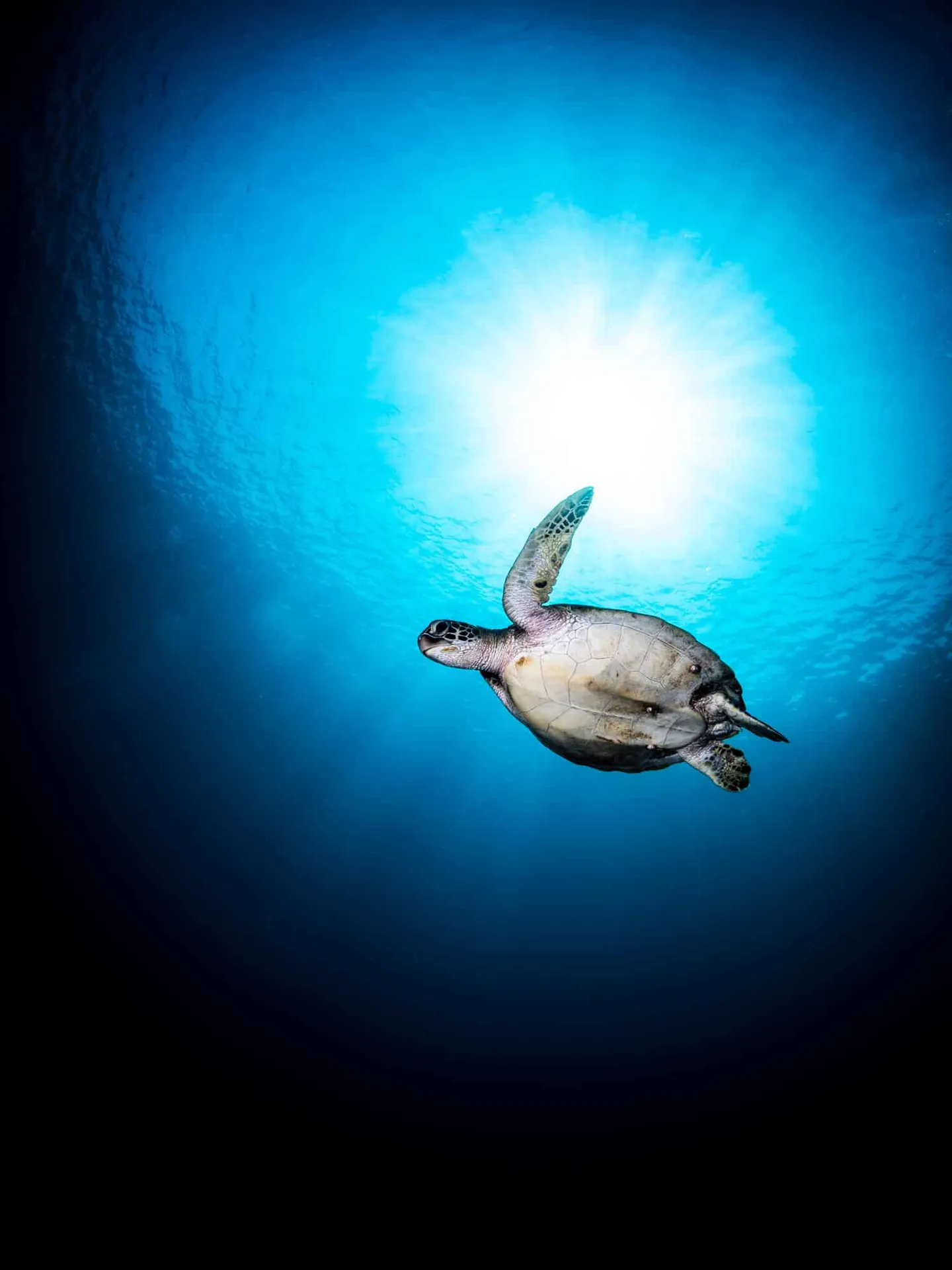
Establishing marine protected areas gives marine life a chance to breathe. Photo: Marco Chang


Do Marine Protected Areas Completely Ban Fishing?
Once a marine protected area is demarcated on paper, the first challenge it faces is that such legislation affects the livelihoods of people who have lived and worked in that area for generations. Taking the Wanghaixiang Chaojing Bay Resources Conservation Area in Keelung City as an example: since its announcement in May 2016, the Keelung City Government has faced enormous pressure from local fishers, and the very real dynamic of votes in a democratic society has driven local representatives to put pressure on city hall. But it is worth considering the issue from a different angle — a broader, longer-term perspective that weighs the sustained benefits that establishing a marine protected area can bring:
Spillover Effect
Establishing a marine protected area does not simply mean drawing a boundary and hoping the marine creatures inside will live happily ever after. In fact, a key reason for designating MPAs is the expectation that a spillover effect will occur. Think of the protected area as a bank and fish as deposits: leave the deposits in the bank for a certain period of time and they will generate a steady stream of interest. Every environment has a maximum carrying capacity for its inhabitants, and once that capacity is reached, animals will naturally spill out beyond the boundaries of the protected area — becoming a continuously replenishing source of catch for fishers. But this kind of benefit works just like earning interest on savings: it depends on the size of the principal and the compounding effect of time. If everyone rushes to withdraw the principal out of short-term greed, it only validates the vicious cycle described by the old Chinese proverb about draining the lake to catch all the fish.
Marine Protected Areas Can Save Large Species
Those who follow marine conservation or fisheries issues are likely aware that over the past 20 to 30 years, populations of large predatory fish in the ocean have declined by 80 to 90% due to the expansion of the fishing industry — species such as Pacific bluefin tuna, beloved by East Asian diners, and the various sharks treasured by divers. Once a marine protected area is established, it can maintain the integrity of the local food chain, continuously supplying food to apex predatory fish and large animals at the top of the pyramid. These large individuals reproduce at remarkable rates once they reach adulthood: compared to smaller individuals of the same species, they have higher egg production rates, hatching rates, and survival rates. Marine protected areas therefore not only provide a safe refuge for fish to live, but also serve as a cradle for new life — allowing species to thrive and perpetuate themselves sustainably in these waters.
Marine Protected Areas Drive the Transformation of Fishing Village Industries
Many divers will have had the experience of lugging heavy bags of gear on a long journey to Malapascua in the Philippines, just for the chance to see the Thresher Shark. About 20 years ago, local fishers discovered by chance that Thresher Sharks regularly make their way each morning to a submerged reef out at sea to receive cleaning services from small fish. The community subsequently abandoned its dynamite fishing practices in favor of "shark tourism." This tiny island — tucked away in a remote corner of Cebu — now opens its arms each year to divers from around the world. Alongside a proliferation of dive shops, the island has seen parallel growth in upscale massage parlors, boutique guesthouses, international restaurants, and other ancillary services. According to available statistics, the diving industry accounts for one quarter of the Philippines' total tourism output, generating NT$1.2 billion in dive tourism revenue annually.
While we may envy the Philippines for capitalizing so profitably on dive tourism, it is worth turning our gaze back to the Wanghaixiang Chaojing Bay Resources Conservation Area on the northern coast of Keelung. Long before the MPA was established, dive sites around the underwater secret garden of Chaojing had already drawn divers with their enormous gorgonian / sea fans and rich marine life — but due to insufficient supporting infrastructure and the relatively strong currents in the area, only a small number of divers would make the trip, and the symbiotic relationship between dive tourism and the local community remained limited. Since the Keelung City Government announced the establishment of the Wanghaixiang Chaojing Bay Resources Conservation Area in 2016, however, it has progressively developed the infrastructure needed for dive tourism — such as changing facilities, restrooms, and trail improvements — gradually making this site a landmark dive destination on Taiwan's northern coast. During dive season, divers arrive in an unbroken stream, and ancillary services such as scuba tank rental, dive guide services, and dive instruction have begun to take root.
In 2019, the area nurtured its first locally trained dive instructor from the fishing village — Jian Chen-Yu — in the hope that active participation by local residents could provide another effective pathway for the community's transformation. But ocean tourism is not the exclusive domain of scuba divers. The rise of underwater photography and the reach of social media have attracted snorkelers who had never previously visited — and snorkeling, as a way of experiencing the ocean that is far more accessible than scuba diving, represents yet another driving force in the transformation of fishing village communities. The Chaojing Bay Festival, which the Keelung City Government works hard to organize each year, brings the beauty of the entire bay to the wider public. In addition to scenic installations that cater to the check-in culture of younger generations, the festival also features diverse fishing village tours, special exhibitions at the National Museum of Marine Science and Technology, and other activities — gradually shifting the small fishing village's relationship with the sea away from a single, extractive reliance on fishing and toward a diversified industry that integrates tourism and recreation.
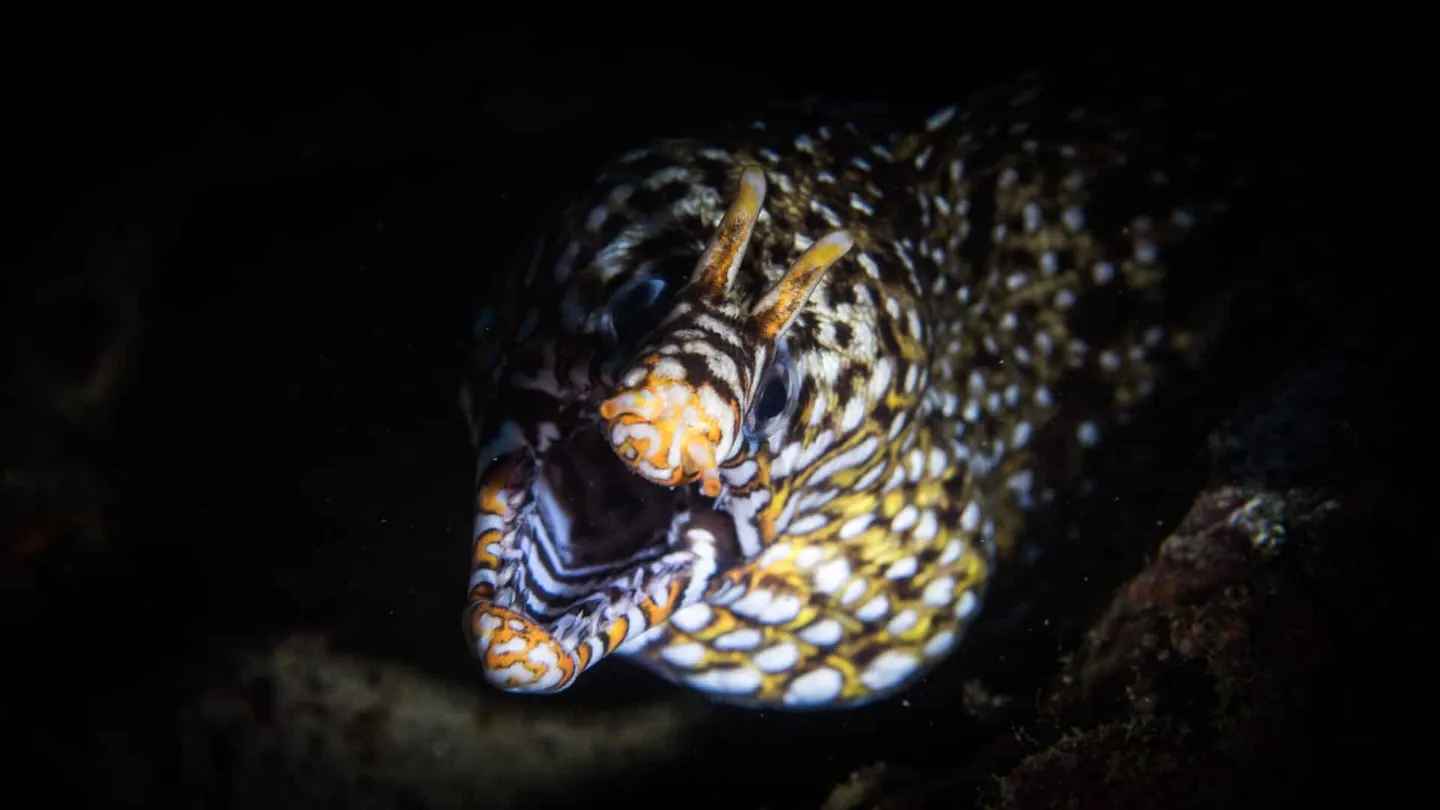
Through ocean-going activities, marine life means far more to people than just a price on a menu or a cooking method. Photo: Spark
With Marine Protected Areas in Place, Will Taiwan's Oceans Simply Flourish?
Because this article has grown rather long, let's take a breath — please look forward to Ocean Almanac Part 2, where we take you back to basics on marine protected areas (【Drawing More Protected Areas Means Nothing Without Enforcement!】 Ocean Almanac Takes You Back to Basics on Marine Protected Areas — Part 2)! We will draw on the long-term research findings of scientists tracking species within Taiwan's protected areas, letting the data tell us whether Taiwan's established protected areas deliver the kind of fairy-tale outcome we might hope for. In Part 3, we will also share insights into the important indicator roles that specific species play within the marine ecosystem! If you find value in our content, please help us share it so that more people can learn about the importance of marine protected areas!
Last but not least, a quick plug: if you love the ocean, or if you want to rediscover it with fresh eyes, we highly recommend the Ocean Almanac — Northern Taiwan Edition published by BlueTrend!
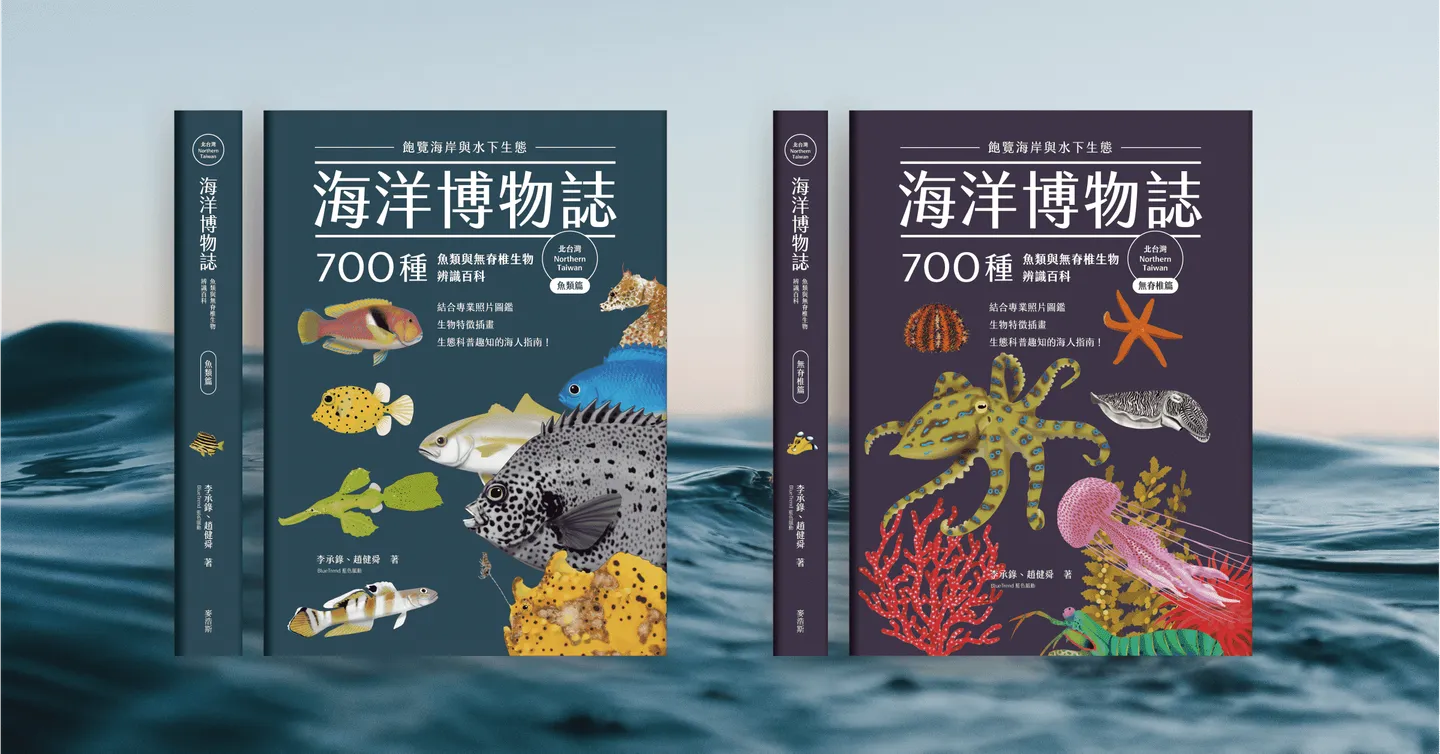
Ocean Almanac — Northern Taiwan Edition, published by BlueTrend
Book purchase link on Books.com.tw: Support the Ocean Almanac
Cover illustration: Xu Yan-Kai
Further reading:

![[More Protected Zones Mean Nothing Without Enforcement!] Ocean Encyclopaedia: A Fresh Look at Marine Protected Areas — Part 2](/_astro/%E6%BD%AE%E4%B8%8B%E5%B8%B6%E5%AE%8C%E7%A8%BF_Z1IciwA.webp)