Contents(5)
Among my friends and family who know I spend a lot of time near the ocean, it's hard to get through a gathering without someone asking how things are going. Almost every conversation starts the same way, like everyone's reading from the same script: "Hey Ray, you're so outdoorsy — aren't you into that… rowing thing!?" I can only smile patiently and reply with a head full of question marks: "Ah — no, no, I'm into sailing!"
Sure enough, the next question is always: "Sailing? You mean the kind where you stand on a board with a sail?" And then I have to explain further: "No, that's probably windsurfing — it works on the same principle as sailing, but a sailboat has a hull… and so on and so forth." Most of the time, the small talk ends right there, and only the truly curious stick around to hear my little lecture.
From all these experiences, it's clear that for most Taiwanese people, sailing conjures a vague image built from three elements: sea, boat, and wind — and sometimes, lurking somewhere in the subconscious, a fourth element: danger. What gets overlooked is that sailing is actually a sport requiring tremendous skill, intelligence, and grace — and it's the most romantic way to connect with the ocean.
Sailing — What Exactly Is It?
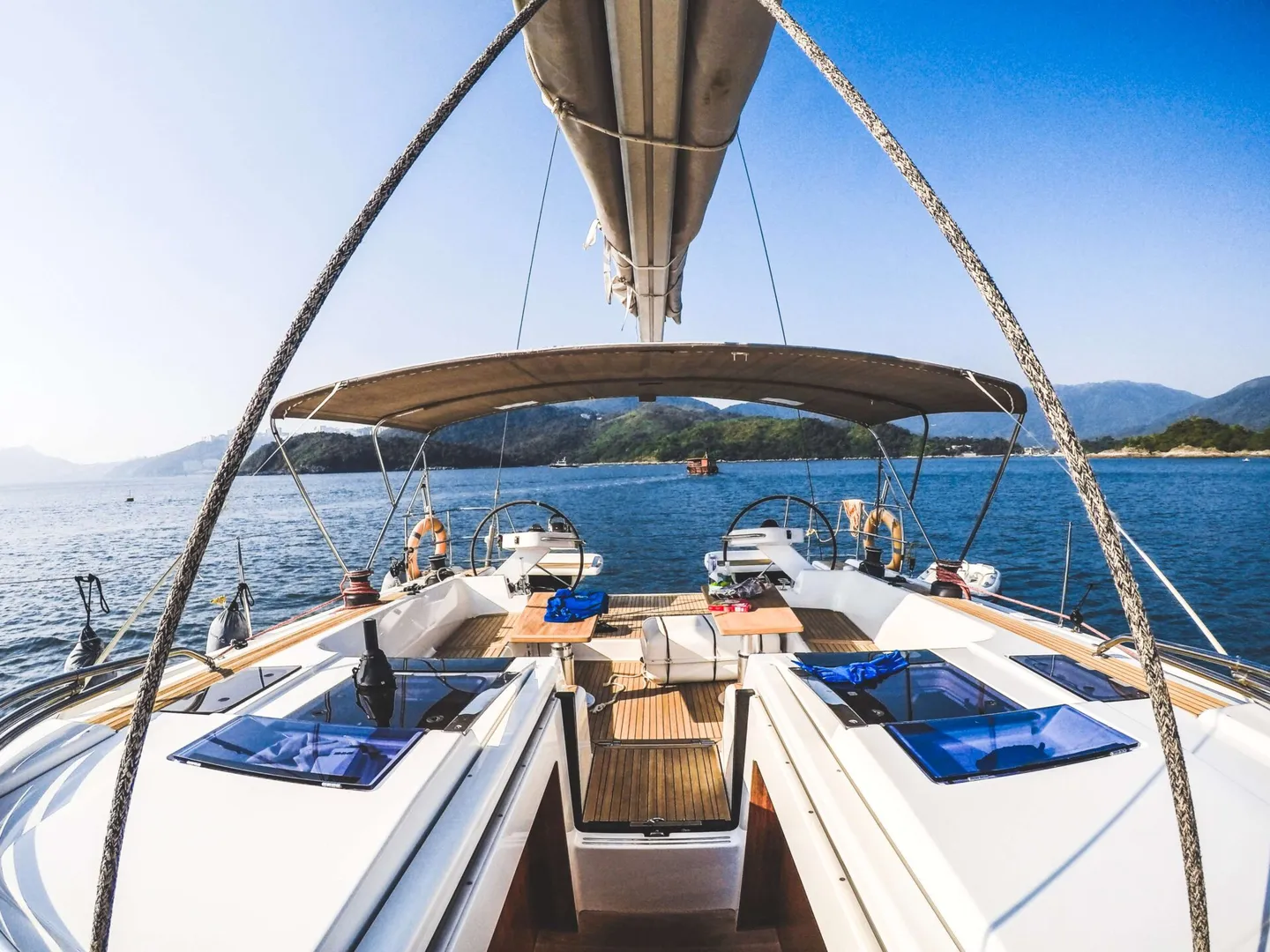
Tracing back to the Middle Ages, when the great era of trade began, explorers and merchants used sailing vessels to conduct cross-border commerce and venture into uncharted parts of the world. Broadly speaking, a sailboat is any vessel that uses some form of wind-catching medium to harness the wind and travel across a body of water. Over centuries of development and refinement, sailing evolved from simple wooden hulls with massive sails that could only run downwind, into a diverse family of vessels — twin-masted schooners, catamarans, and even modern carbon-fiber hydrofoil superracers.
That kind of introduction, though, probably sounds dry to most people — about as engaging as a woman trying to understand why men obsess over cars, or a man trying to figure out why women spend so much on cosmetics.
Maybe this analogy works better: modern cruising sailboats and racing sailboats are like SUVs and supercars — calm or wild, elegant or ferocious, capable of anything. A sailboat can do it all. So from the moment you step aboard, be prepared to have your attention pulled in every direction.
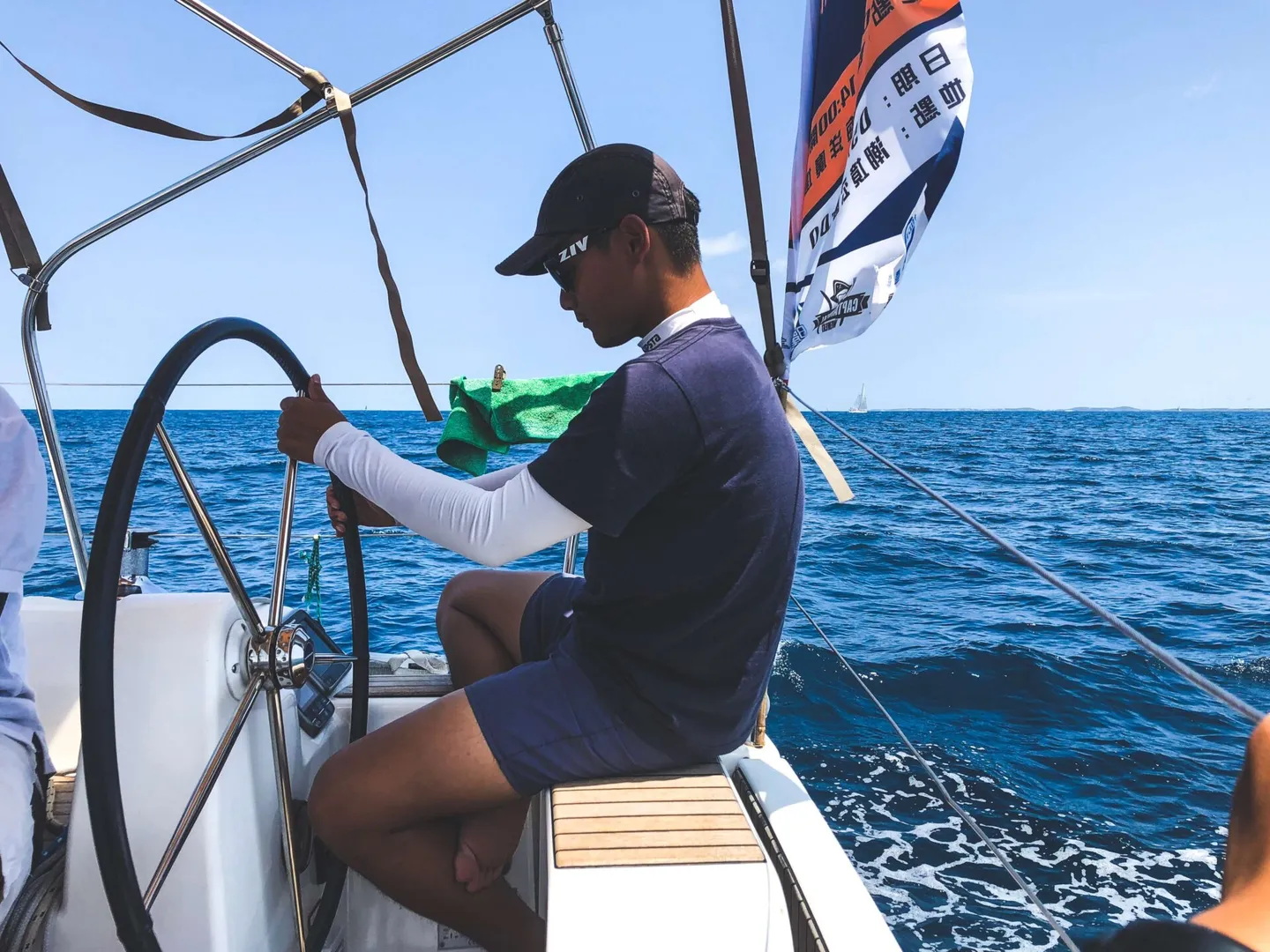
Sailing involves far more nuance than operating a regular motorboat


What's the Most Obvious Difference Between a Sailboat and a Regular Boat?
The biggest difference is in propulsion. Like any other vessel, a sailboat is fitted with an engine — but when wind and sea conditions allow, that engine is basically only used for entering and leaving harbour, or handling emergencies. Most of the time, once the sails are up and you've set the right angle to the wind, the boat's power comes entirely from the breeze. Here's a fun fact: I once heard a boat owner mention that his beloved vessel went a full year and a half without needing to refuel — proof that sailing is one of the most environmentally friendly ways to travel on the water.
So What Do You Actually Do When You Go Sailing?
Compared to motor yachts or powerboats, sailing demands sharper observation and more precise judgment. Put plainly, it's a game you play with the wind and the sea — they can work with you, or against you. Sailing is a team sport: the chemistry between crewmates during a race shapes the entire atmosphere on board; reading wind and sea conditions determines your tactics and route; and every adjustment of the rudder, sails, and trim affects your boat speed at every moment.

Sailing is a team sport
That's why people often say a good sailor needs eyes in the back of their head and ears all around, with knowledge of the heavens above and the earth below. Reading this, you might be thinking: "Well, damn — I already thought life was hard enough!"
What Kind of Scenery Can You See Sailing Around Taiwan?
Let's start from Keelung in northern Taiwan and go clockwise around the island. Heading out of Keelung Bisha Yacht Harbor, you'll find the dramatic sea caves on the back face of Keelung Islet to the north, and even further north lie the mysterious North Three Islands. To the west is Waimushan Beach and the hidden beach at Jinshan; to the east, Chaojing Bay, Elephant Trunk Rock, the Shen-Ao Rose Garden, and the yin-yang sea at Jinguashi.
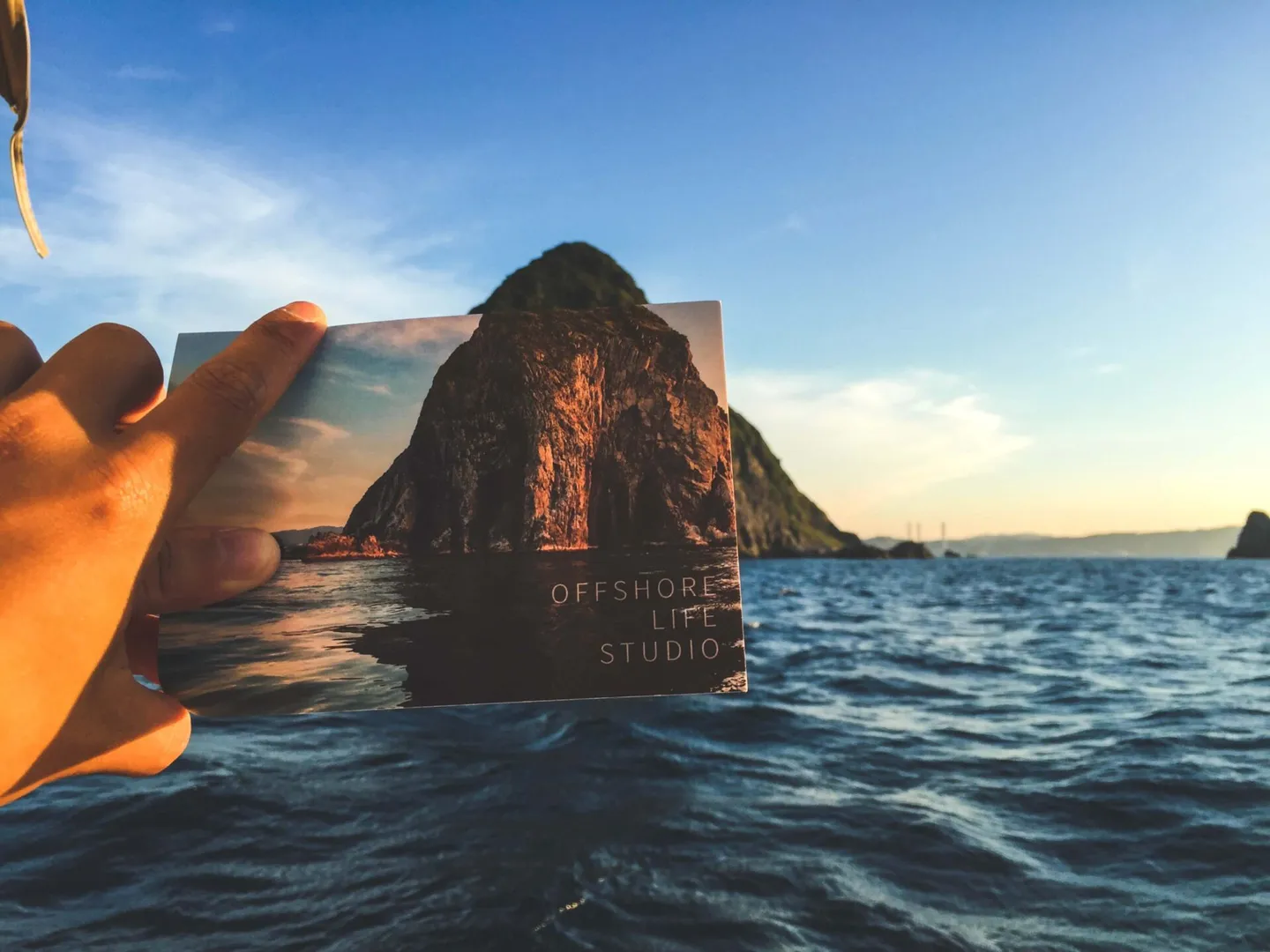
Sailing opens up a completely different way of experiencing Taiwan
Sailing straight out of Yilan's Wushih Harbor brings you to Guishan Island and its famous milk lake — the hottest attraction this past summer. Head further south and you'll encounter the black rocky cape of Dong'ao, Fenniaoling, and even the sea caves of Nan'ao and the sheer Qingshui Cliffs.
At Taiwan's southernmost tip, the Houbihu Yacht Harbor sits between the famous rough-water zones of Cape Eluanbi to the east and Cat Nose Head to the west — best left to experienced hands. But sailing the deep blue waters of Kenting is a joy in itself, and boat diving makes the perfect companion to a day of sailing.
Kaohsiung's Asia Bay Yacht Harbor is mostly private, but if you ever get the chance to sail through Kaohsiung Port with its enormous cargo cranes as a backdrop, gazing up at the 85 Sky Tower from the water is a truly one-of-a-kind experience.
Tainan Anping International Yacht Harbor has sailboats heading directly to the Penghu South Sea Islands National Park. Go ahead — claim your own secluded island, then jump in and dive the world-class fish aggregations and coral reefs below the surface.
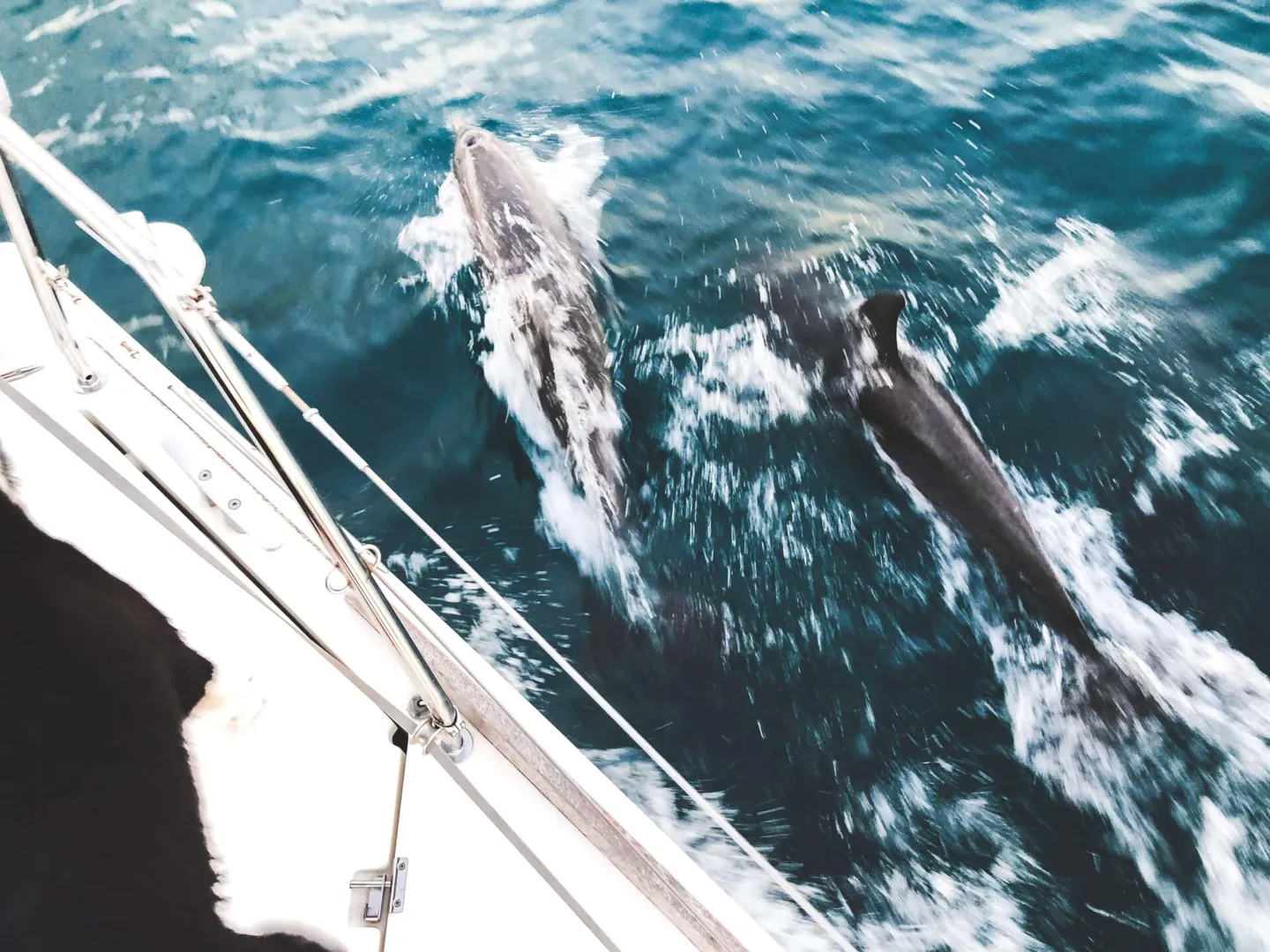
A fleeting glimpse of dolphins or whales is nature's greatest gift
Penghu's Magong Yagor Yacht Harbor offers outstanding wind conditions in both summer and winter — highly recommended whether you're there for recreation or training.
Back in New Taipei, sailing out of Danshui in the early evening, you can wave to friends strolling the Danshui Old Street while looking up at the rush-hour traffic crawling across the Guandu Bridge — all while drifting blissfully along the Danshui River, quietly smug about where you are.
Offshore Life Studio will keep bringing you Taiwan's beauty through the lens of life at sea.
Where Can You Learn to Sail in Taiwan?
North:
East:
South:
West:
That's all for this article. If you enjoyed it, please share it so more people can discover the timeless charm and pure delight of sailing!
Further reading:

![[Fall in Love with Sailing with a Young Captain] Confidently Say "I'm an Open-Water Drone Pilot!" — A Practical Aerial Photography Guide](/_astro/%E5%B0%81%E9%9D%A2_Z1WF6nR.webp)