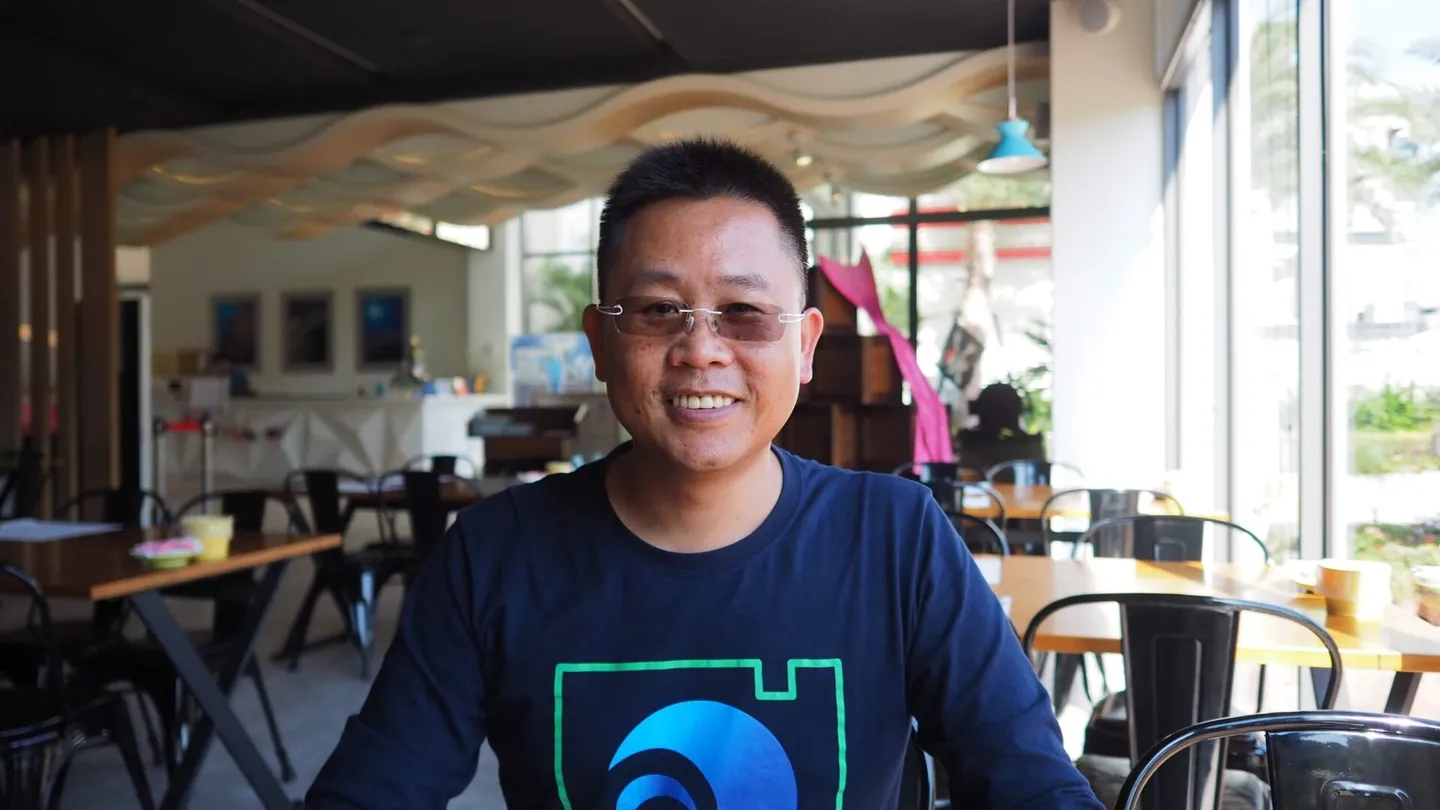
As a child, Biandi Huang was an accomplished competitive swimmer who trained over 18,000 metres every single day. Representing Hsinchu County in competitions, he earned the nickname "Frog King of Hsinchu County." Water sports were never foreign to him. He went on to become Taiwan's youngest certified scuba diving instructor at just 18 years old, and steadily worked his way up to becoming a PADI Course Director — training over a hundred professional dive instructors across Taiwan and mainland China. He even helped translate and produce the world's first PADI Open Water Diver Chinese-language instructional DVD. By any measure, Biandi has been one of the driving forces behind a generation of Taiwan's scuba diving industry.
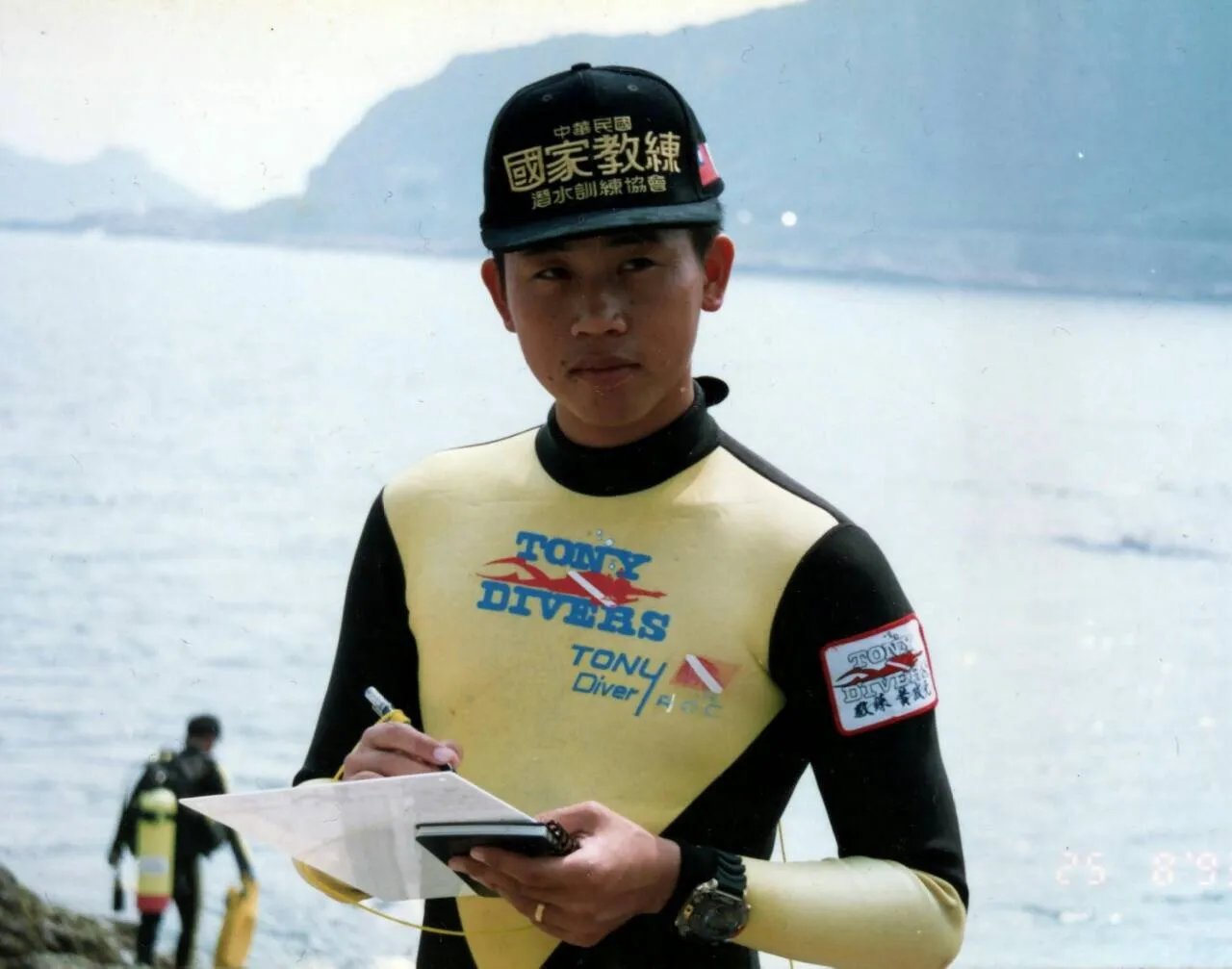
Became Taiwan's youngest dive instructor at the age of 18
Taiwan's Youngest PADI Course Director
Yet what seemed like a smooth and unstoppable journey in diving was brought to a sudden halt by a life-changing accident. In 2007, Biandi became Taiwan's youngest PADI Course Director. Well-versed in the dynamics of the diving industry, he believed Taiwan needed to elevate its capabilities beyond dive instruction and equipment sales — specifically, divers should be able to service and repair their own gear. With that vision in mind, he traveled to the United States to attend the DEMA Show and enrolled in an equipment maintenance course. Upon returning to Taiwan, he purchased hydraulic pressure testing equipment from a local supplier in preparation for launching a dive equipment repair service.
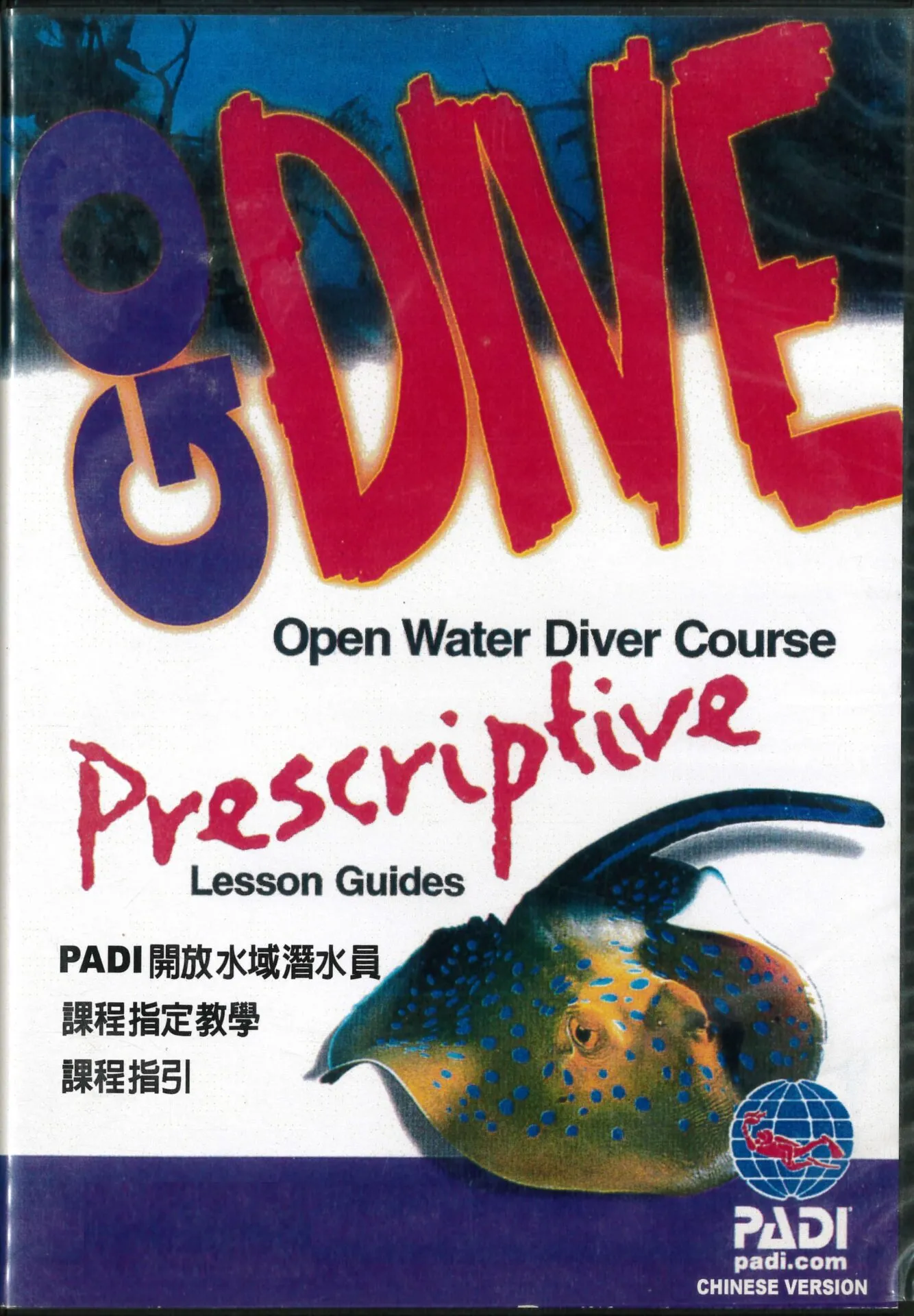
The world's first PADI Open Water Diver Chinese-language instructional DVD


Life's Unexpected Turn
Tragically, the hydraulic pressure testing cylinder he had purchased exploded without warning during a pressure-release procedure. The cylinder ricocheted off a table and struck Biandi directly in the right cheek, causing severe fractures to the bones of his face. Fortunately, his elementary-school-aged son happened to be home that day and was able to call for help. Biandi's life was saved, but the road to recovery stretched ahead with no clear end in sight — and, most heartbreakingly, he was told he would almost certainly never be able to dive again. The future felt utterly hopeless.
The impact of the blast shattered his orbital bone, broke his nose, fractured his cheekbone and jaw, and caused significant damage to his eye. Over more than a year of surgeries, he underwent four reconstructive operations and two eye nerve surgeries. While his appearance is now nearly indistinguishable from before, one lasting side effect has stayed with him for life: diplopia — or double vision. When he looks at something with both eyes open, he sees two images, and this cannot be corrected through any form of vision treatment. Reflecting on the two years of rehabilitation that followed his surgeries, Biandi recalls feeling completely adrift — as though everything he had built and loved had been stripped away from him in an instant.
It was at a bookshop in the basement of Chang Gung Memorial Hospital that he picked up The Audacity of Hope by Barack Obama — a book that traces how the future U.S. president navigated a society still steeped in racial bias, finding his footing in school, work, and family life by choosing a courageous, forward-looking attitude in the face of his darkest inner struggles. The book's central motto — "The audacity of hope, reclaiming the American dream" — hit Biandi like a thunderbolt. Reading those words, thinking about the diving he loved so deeply, all the pressure he had been silently carrying finally broke free. Alone in that basement corridor, he wept — a grown man crying tears he could no longer hold back. He never forgot the moment a passing stranger quietly offered him a tissue. Life, he realized, is full of warmth. When he finally composed himself, he reframed his own motto: "The audacity of hope — reclaiming my diving dream."
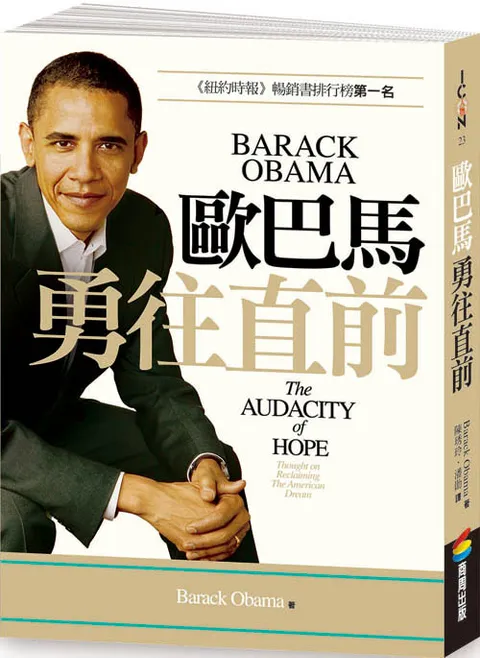
The Audacity of Hope
The Transformation
Back in the clinic, the story took a dramatic turn. Biandi laughs recounting how his doctors would dread seeing him come through the door — because every single visit, he would ask when he could start diving again, even as every physician had already ruled it out for the rest of his life. Perhaps it was precisely that unquenchable determination that wore them down. His attending physician eventually gave a reluctant green light for him to slowly test the water at shallow depths. After successfully completing four scuba dives, Biandi went back to his doctor and asked to train for deep technical diving. The doctor reportedly erupted in anger right there in the examination room, accusing him of disrespecting professional medical advice and asking for far too much.
But once the doctor understood Biandi's purpose, he ultimately agreed to provide the medical clearance needed for Biandi to travel to the Philippines for deep diving training. At the time, Taiwan's marine rescue operations fell under the jurisdiction of the Coast Guard Administration, but their training only qualified personnel to operate at depths of up to 40 metres — any deeper, and rescue missions were simply impossible to execute. Biandi hoped that by acquiring this expertise himself, he could help bring that capability to Taiwan's rescue system. This ambition reflected a fundamental shift in his life's purpose after his near-death experience. Before the accident, he had been a Course Director and a business owner — content, expecting to retire comfortably at 50. After it, he found himself rethinking everything. Maybe there were still dreams worth chasing.
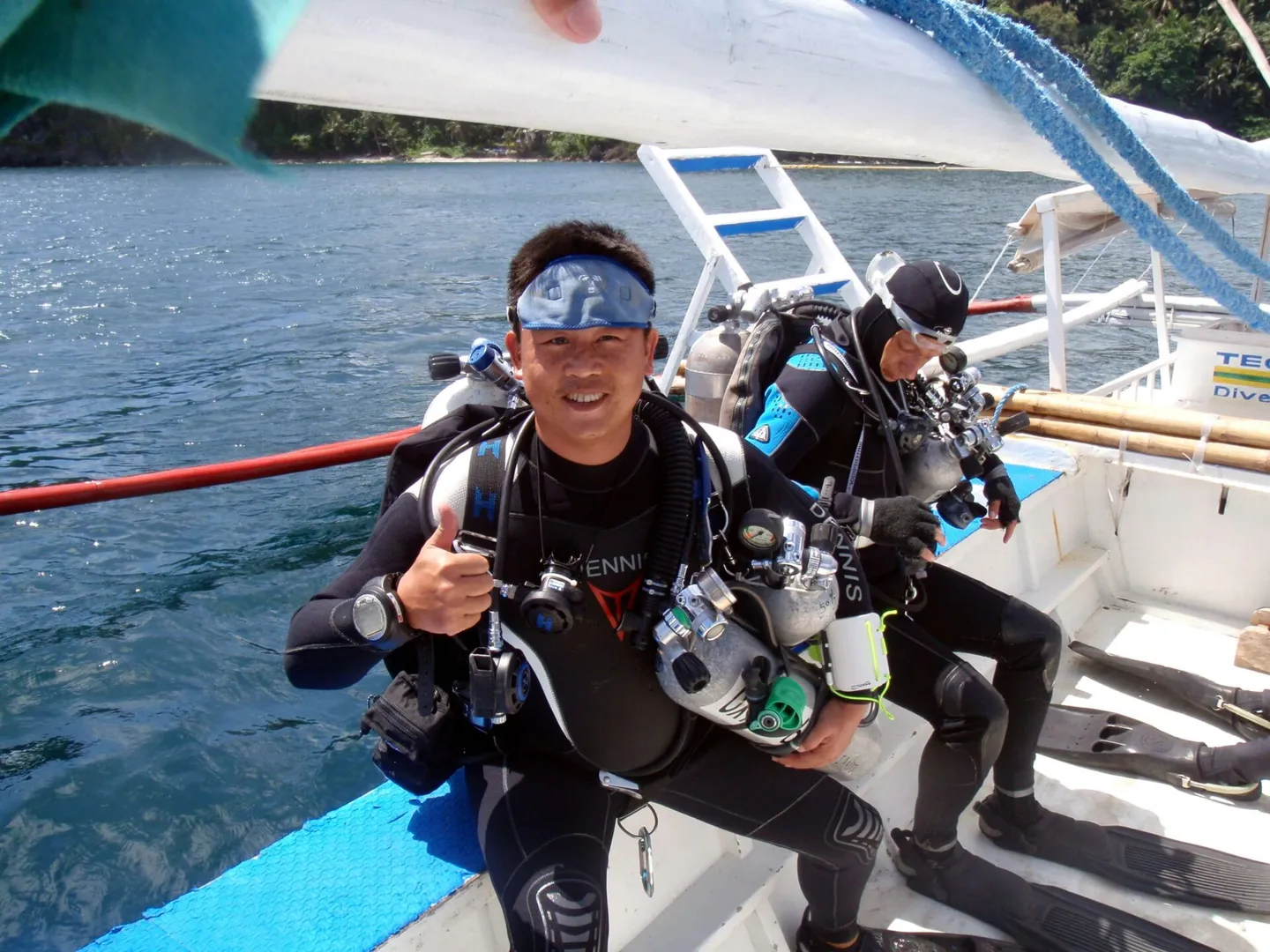
Technical deep diving training in the Philippines
And so Biandi's outlook was transformed. Beyond doubling down on the quality of his instruction, he began dedicating himself to helping the nation develop professional diving talent. He challenged himself to push deeper into specialised diving disciplines — military diving, tactical diving, rescue techniques, Public Safety Diving (PSD), and Underwater Criminal Investigation (UCI). After completing his technical deep diving training in the Philippines and earning his instructor qualifications, he went on to assist three Coast Guard seed instructors in completing their deep-water search and rescue training — a direct and meaningful outcome of everything he had fought to reclaim.
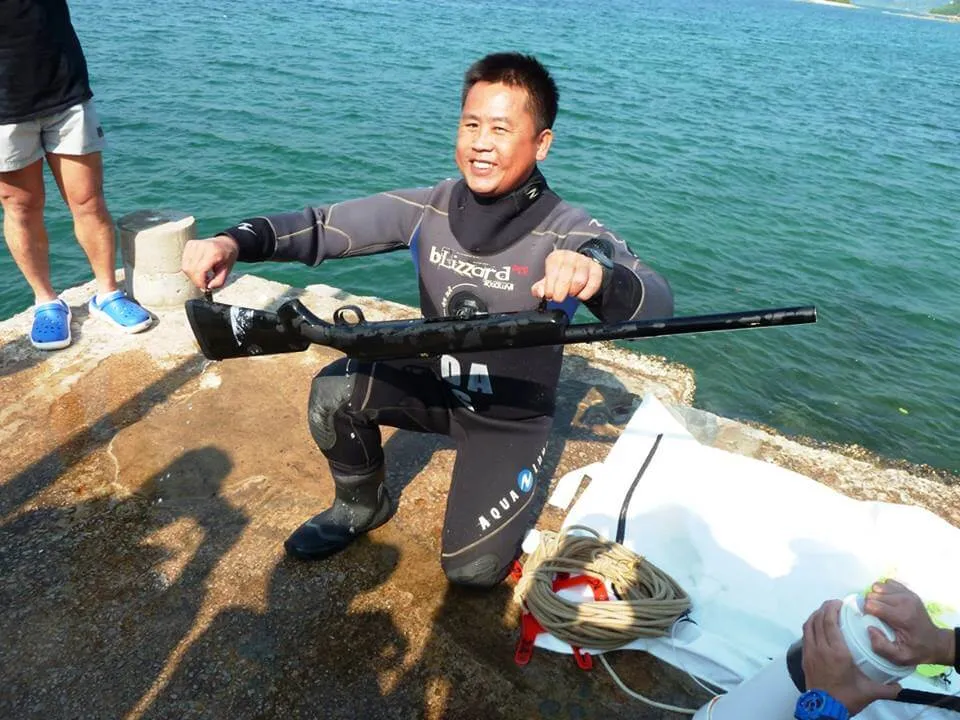
Public Safety Diving (PSD) and Underwater Criminal Investigation (UCI)
With decades of experience across every corner of the diving industry — product distribution, course instruction, dive travel planning, and both domestic and international resort operations — Biandi is as well-rounded as they come. Between 2004 and 2007, he also served as one of PADI's first batch of seed training officers in mainland China, shouldering the enormous responsibility of helping PADI break into that market. So what led someone with that kind of pedigree to plant his flag at DiveCube in Taichung?
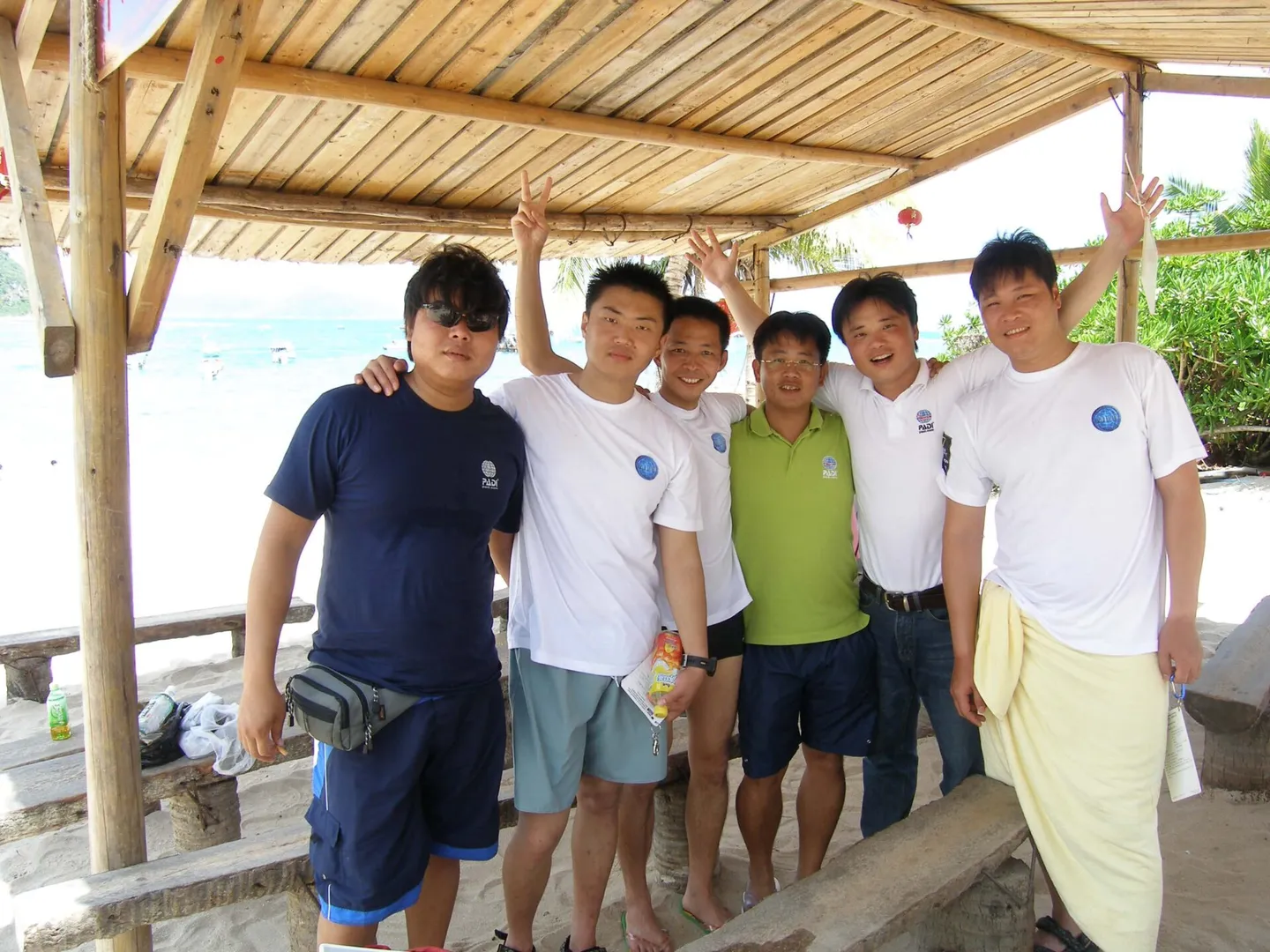
Instructor training in Sanya, Hainan, 2006
He had originally been planning to open a resort in Palau, but as relations between Palau and mainland China began to ease, tourist numbers dropped sharply and the resort project was put on hold. He returned to Taiwan and heard through the grapevine about Jim — a fellow alumnus of the National Taiwan University of Sport (NTUS) and the CEO of DiveCube — who was hoping to bring Biandi on board. The two kept missing each other whenever they tried to meet, and the conversation never quite happened. Then one day, exhausted from constant travel between north and south Taiwan, Biandi called Jim on a whim to ask whether DiveCube had a room available for the night. He arrived at DiveCube past 2 a.m. — and Jim was there in the lobby, waiting. That single gesture moved Biandi deeply. The two men talked through the night until nearly dawn, exchanging candid thoughts on the challenges and strategies they each faced in running a dive shop and a resort. It was that late-night conversation that led Biandi to officially join DiveCube in June 2018, taking on responsibility for curriculum planning and venue operations.
Jim believes that a strong diving operation requires the following: a sound, comprehensive system; a responsible Course Director to implement that system; instructors trained within that system who hold the right values; a well-equipped and comfortable diving environment; and a marketing mindset that keeps pace with the times.
During our interview, we were curious about the nature of the working relationship between Biandi and Jim. Biandi told us that any new partnership inevitably goes through a period of adjustment, and that frequent, wide-ranging discussion is the only way to align two people's visions. In the six months since Biandi joined DiveCube, no matter how busy either of them is, the two always carve out at least 30 minutes each day to talk — discussing current operational challenges as well as DiveCube's long-term brand direction. Building a business is hard. This dive hotel, conceived as something uniquely Taiwanese, has faced test after test — from securing land and constructing the facility in the early days, to managing staff turnover, day-to-day operations, and cash flow once open. Through all of it, what keeps Jim and Biandi aligned is not just a shared sense of mission in business, but also a shared commitment to giving back to society.
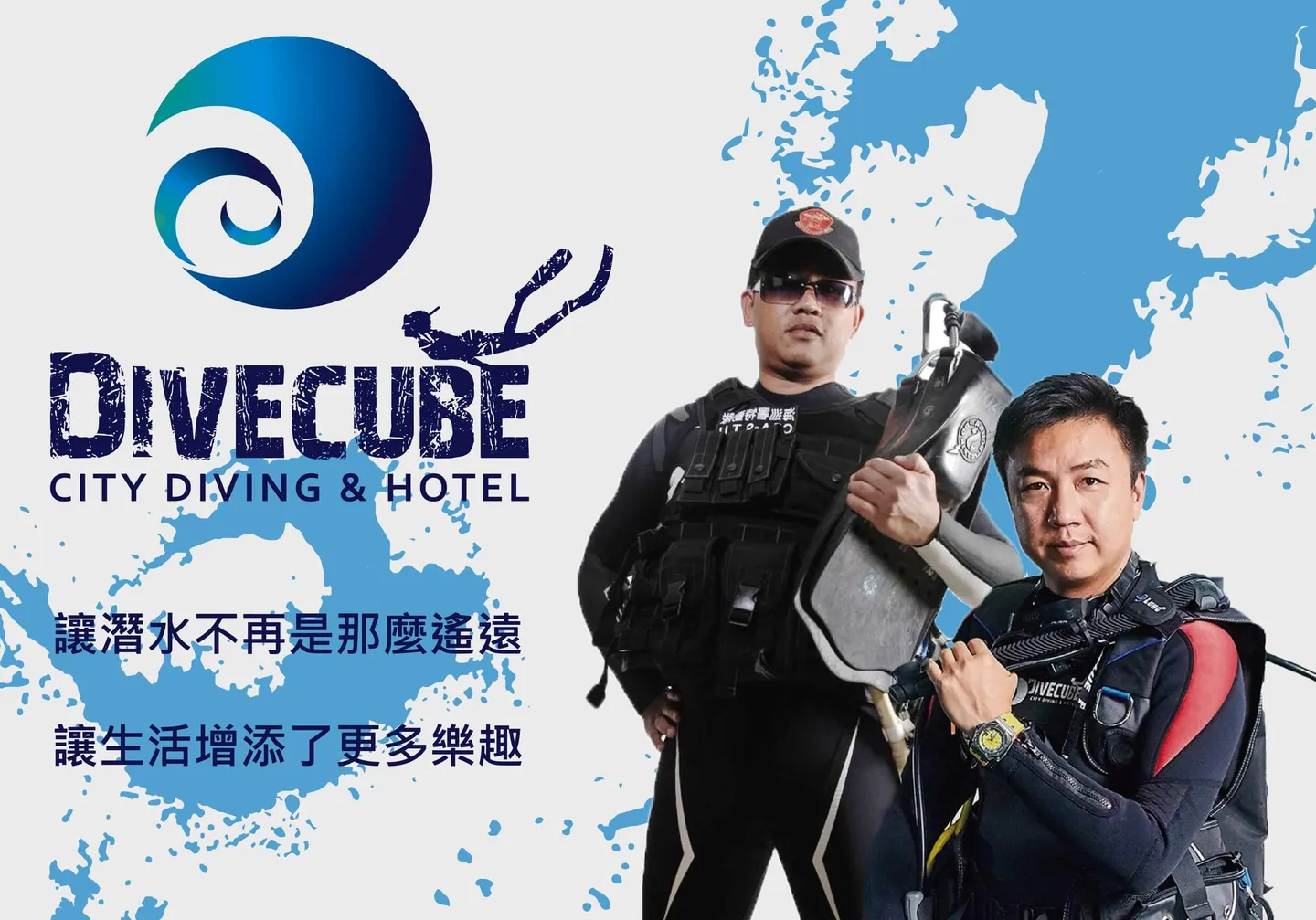
Jim and Biandi partnering together to grow DiveCube
Jim knows the state of Taiwan's diving industry better than almost anyone, and he believes the answer lies in integrating the entire supply chain to raise the industry's overall capacity. Since both Jim and Biandi are NTUS alumni, they began promoting dive training programs at the university. After four years of rigorous training, students graduate with professional, well-rounded diving skills. They are then connected to overseas resort positions to broaden their international horizons — and when they return to Taiwan, they bring that experience home. Jim and Biandi have started replicating this model at other universities, with the goal of building strong roots from the ground up. In their vision, DiveCube is not simply a venue — it is a brand. Down the road, DiveCube may expand to other countries by exporting its entire service model, and the young professionals nurtured through this pipeline — equipped with both expertise and a global outlook — will be ready to step in and run those operations from day one.
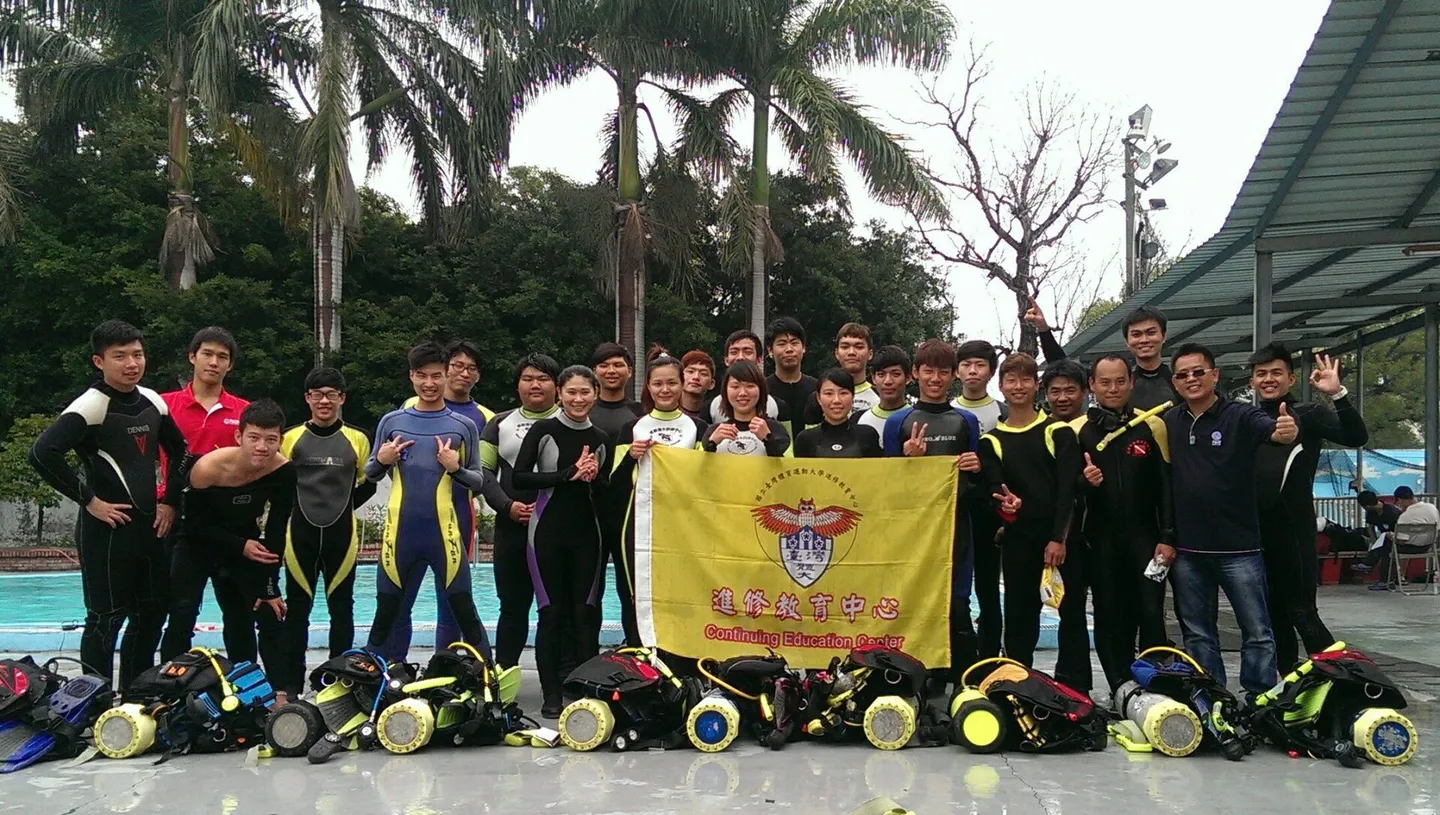
Scuba diving training program at National Taiwan University of Sport
For his own part, Biandi still hopes to retire to the United States at 50 to be with his children. In the time he has left before that, he wants to see DiveCube well and truly on track. Perhaps one day DiveCube will bloom across the world, becoming another source of pride for Taiwan — and he will be able to look his grandchildren in the eye and say, with pride, that their grandfather was one of the key people behind this remarkable dive hotel.
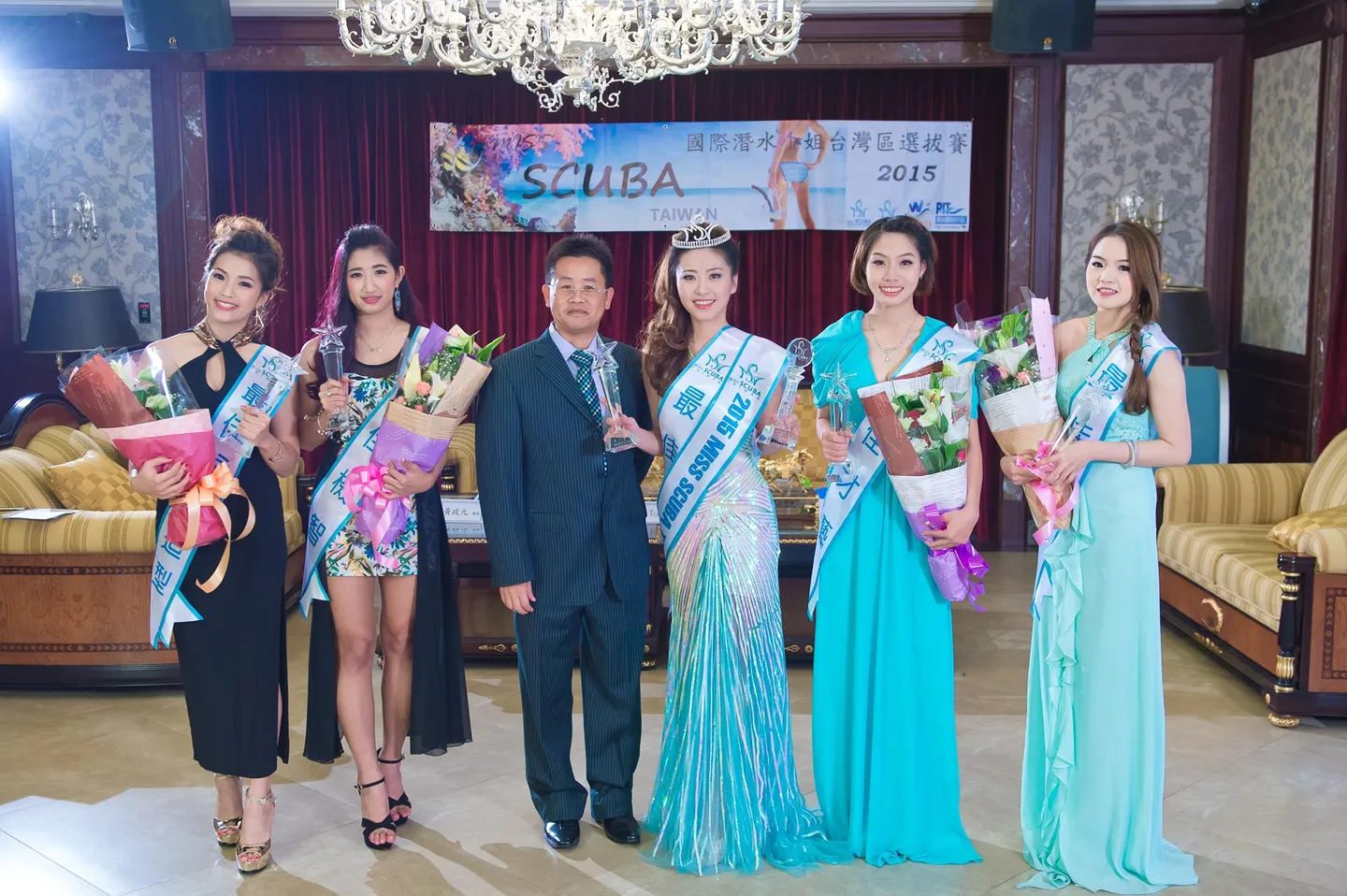
Chairman of the Taiwan division of the International Diving Miss pageant, 1st (2013) and 2nd (2014) editions
Further Reading: