Contents(9)
- Where Is Palau? What Country Does Palau Belong To?
- What Is the Palauan Tradition of Bul?
- From Grassroots Bul Tradition to a National Marine Protected Area
- Palau Extends the Influence of Bul from a Small Island to the World
- Ocean Science Diplomacy Deepens Taiwan–Palau Relations
- Bonus: Comparing Marine Conservation in Palau and Hawaiʻi
- Behind the Scenes: Does the Ambassador to Palau Have to Know How to Scuba Dive?
- Related Links
- Further Reading
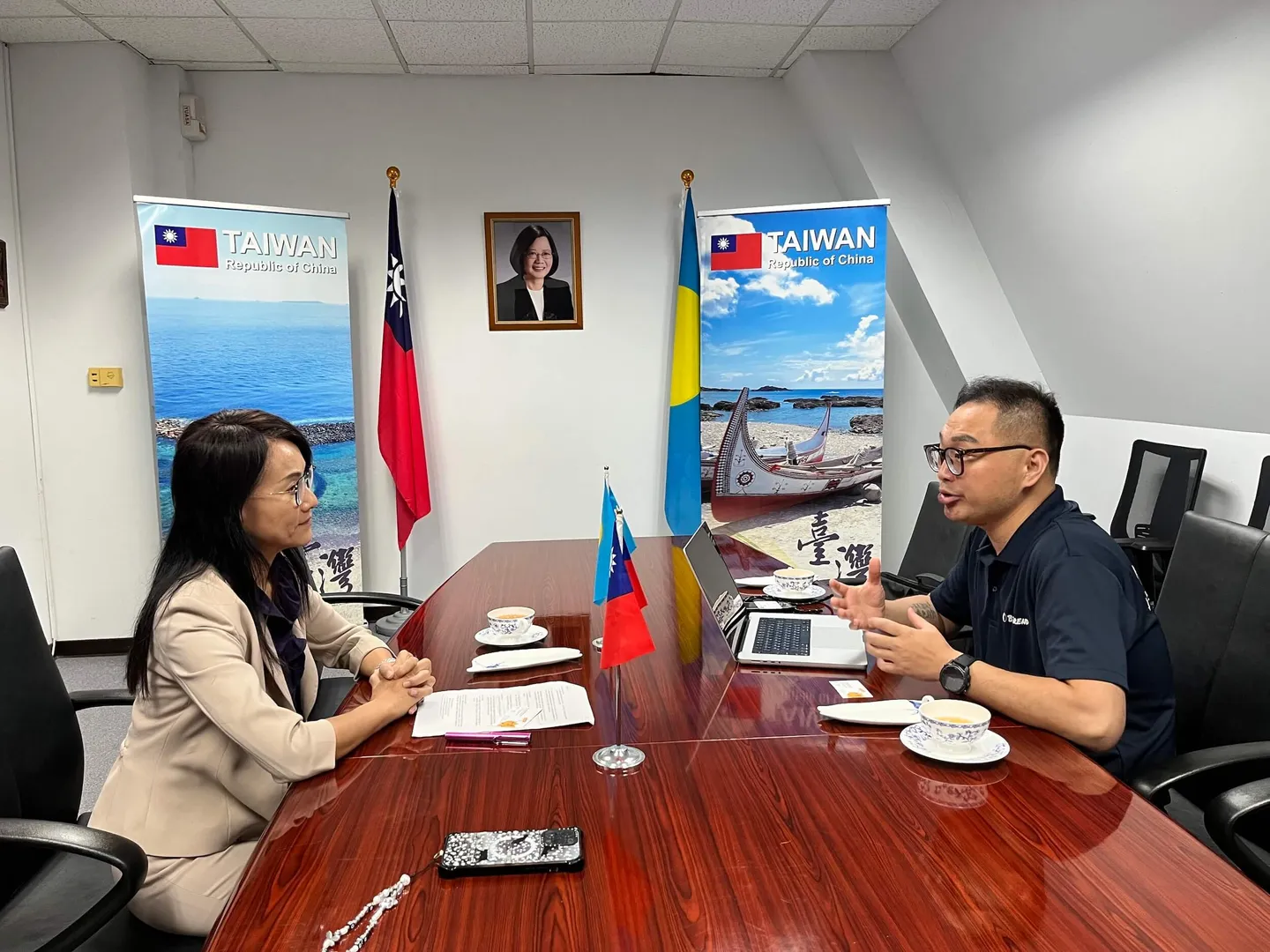
Palau is one of Taiwan's diplomatic allies and is regarded by many divers as a once-in-a-lifetime diving destination. In the spring of 2024, the Editor flew to Palau to experience the bliss of swimming alongside manta rays. Beyond a rich dive travel itinerary, we were also fortunate to sit down with Ambassador Jessica Lee of the Embassy of the Republic of China (Taiwan) in Palau for an exclusive BlueTrend interview — exploring how the ancient Palauan tribal tradition of "Bul" evolved, step by step from the grassroots up, into national marine conservation law and eventually into a force shaping international ocean policy.
Where Is Palau? What Country Does Palau Belong To?
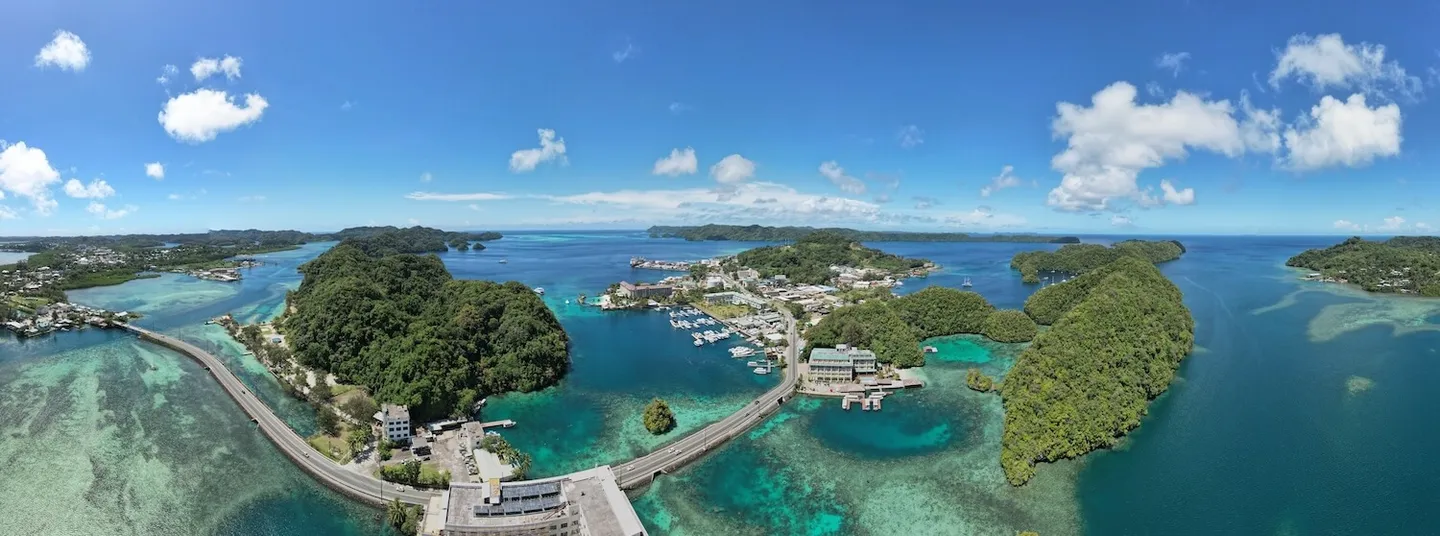
Palau is recognized as one of the Seven Underwater Wonders of the World.
Before diving into the main topic, let the Editor give you a quick introduction to Palau! Palau is an island nation in the western Pacific Ocean, made up of eight main islands and more than three hundred small volcanic islands. The population is fewer than twenty thousand, with roughly seventy percent living in Koror, the country's largest city. Palau has 16 states, every one of them fronting the sea.
Many people ask what country Palau belongs to — the answer is that Palau is an independent nation. It was ruled successively by Spain, Germany, and Japan, and during World War II the United States defeated Japan at the Battle of Peleliu and gained control of Palau. After the war the United Nations authorized the United States to administer Palau as a trust territory, and Palau did not formally become independent until 1994.
Palau is endowed with abundant marine resources. In addition to fisheries, it offers diverse natural landscapes — Jellyfish Lake, Milky Way lagoon, rich underwater coral reef ecosystems, WWII shipwrecks and downed aircraft, and the Rock Islands Southern Lagoon, a UNESCO World Heritage Site — all of which draw large numbers of visitors. Palau is truly a nation that lives by the sea. Ambassador Jessica Lee describes marine conservation as being "in the DNA of Palauan people." How do they put that conservation into practice? Read on to find out! (For a full dive travel itinerary, see the extended links at the end of the article.)
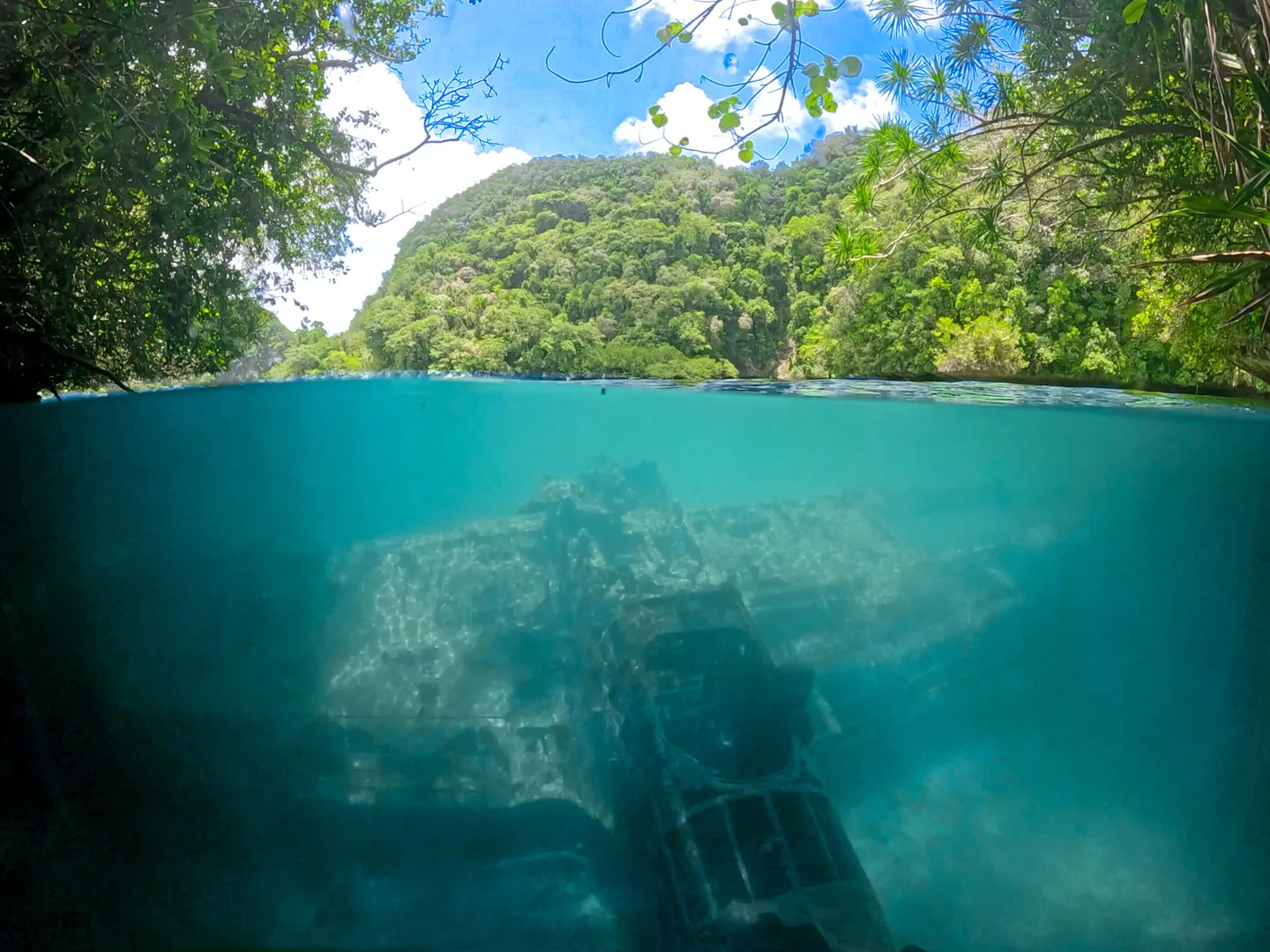
The wreckage of a Japanese military aircraft from World War II. photo credit @cathy2wildddd


What Is the Palauan Tradition of Bul?
Bul has been practiced in Palau for thousands of years. The word means restriction or prohibition — but as Ambassador Lee explains, "It is not a permanent ban. Rather, it establishes rules for harvesting in accordance with natural cycles." She elaborates that Bul is rooted in the wisdom accumulated through generations of tribal elders interacting with the natural environment, and it regulates which fish species may or may not be caught during particular seasons.
When a chief observes that the numbers of a certain fish are declining or that a species is in its breeding season and therefore should not be caught, the states and sub-districts voluntarily comply with the chief's guidance. "You cannot catch them, and if you do catch one you put it back." Through the Bul tradition, overfishing is avoided and natural resources are given the chance to recover and regenerate.
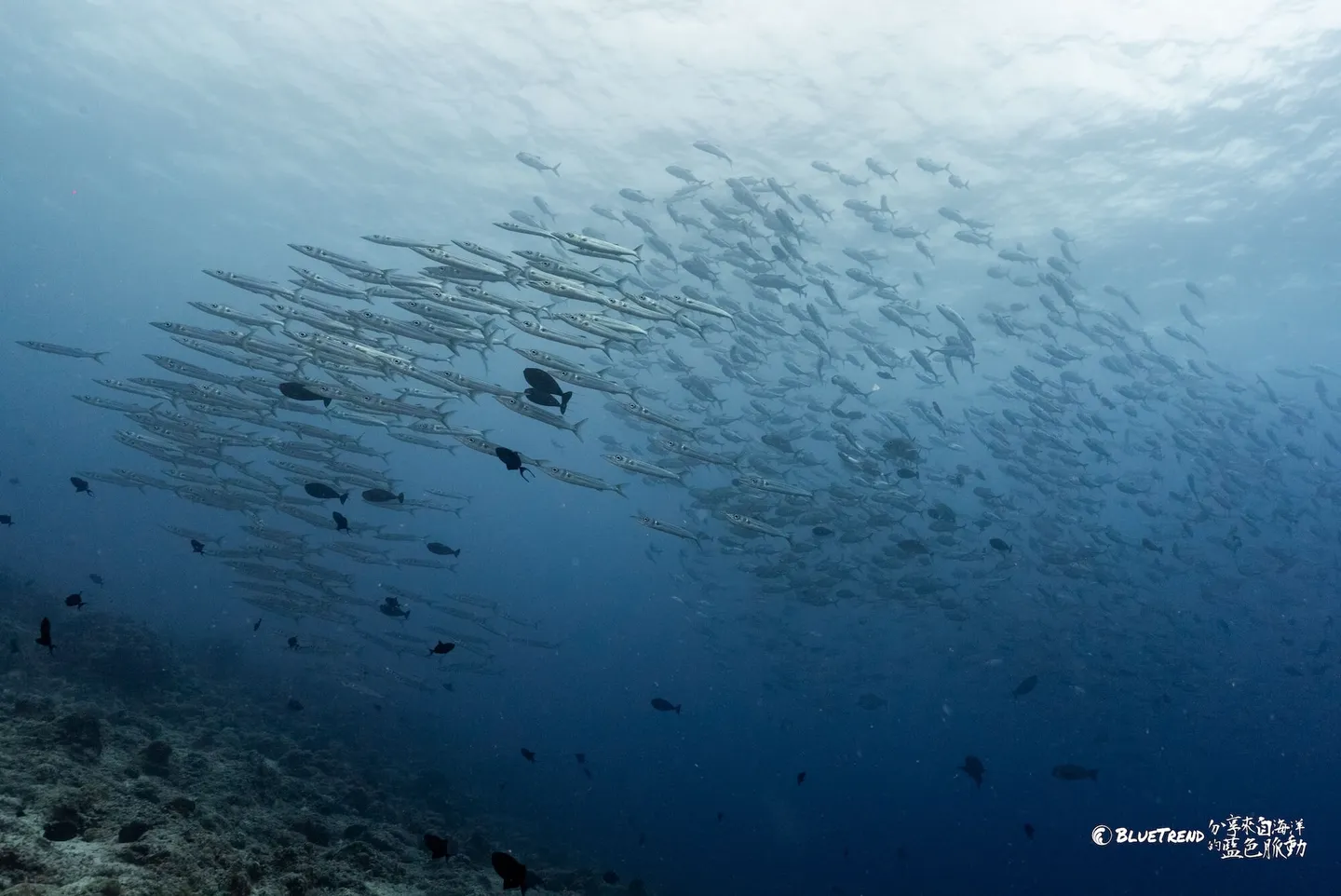
The vibrant underwater ecosystem at Palau's Blue Corner
Ambassador Lee says: "The government has actually taken these chiefs' and tribes' traditional practices — customs that had long been accepted as a matter of course — and codified them into law. Bul is not only about banning fishing; more importantly, it is about ensuring that resources exist for every generation to come. That comes from their own environmental awareness." This bottom-up approach may well be the key to Palau's success in marine conservation.
The very core of Palauan culture is its island and ocean identity. Treating Bul as second nature is not the result of extensive environmental or ocean education acquired later in life — which is why I say it is in their DNA.
— Ambassador Jessica Lee
From Grassroots Bul Tradition to a National Marine Protected Area
"In marine conservation, Palau is almost ahead of its entire era," Ambassador Lee observes. When it comes to tribal and national regulations governing the ocean, "Palauans have virtually no dissenting voices." In recent years, the millennia-old Bul tradition has evolved into a more comprehensive set of marine conservation policies and regulations at the national level.
80% of Palau's Waters Are Protected
In 2015, Palau enacted legislation establishing the Palau National Marine Sanctuary (PNMS). By 2020, 80% of Palau's Exclusive Economic Zone (EEZ) was closed to fishing, mining, and all other economic activities. Only 20% remains open to domestic fishing operations and commercial fisheries, and the number of licenses issued to foreign fishing vessels is reduced each year.
Ambassador Lee explains: "Initially, some interest groups and distant-water fishing operators opposed the measure and lobbied Congress, but they did not succeed — because the public's desire to protect the ocean was simply too strong." Taking Taiwan as an example, more than 20 distant-water fishing vessels once operated in Palauan waters; today only one remains. This policy was also a difficult decision for Palau itself, because "access fees" paid by foreign fishing vessels to fish in Palauan waters represent a critically important source of national revenue for Pacific island nations. Protecting 80% of the ocean meant sacrificing the vast majority of that income.
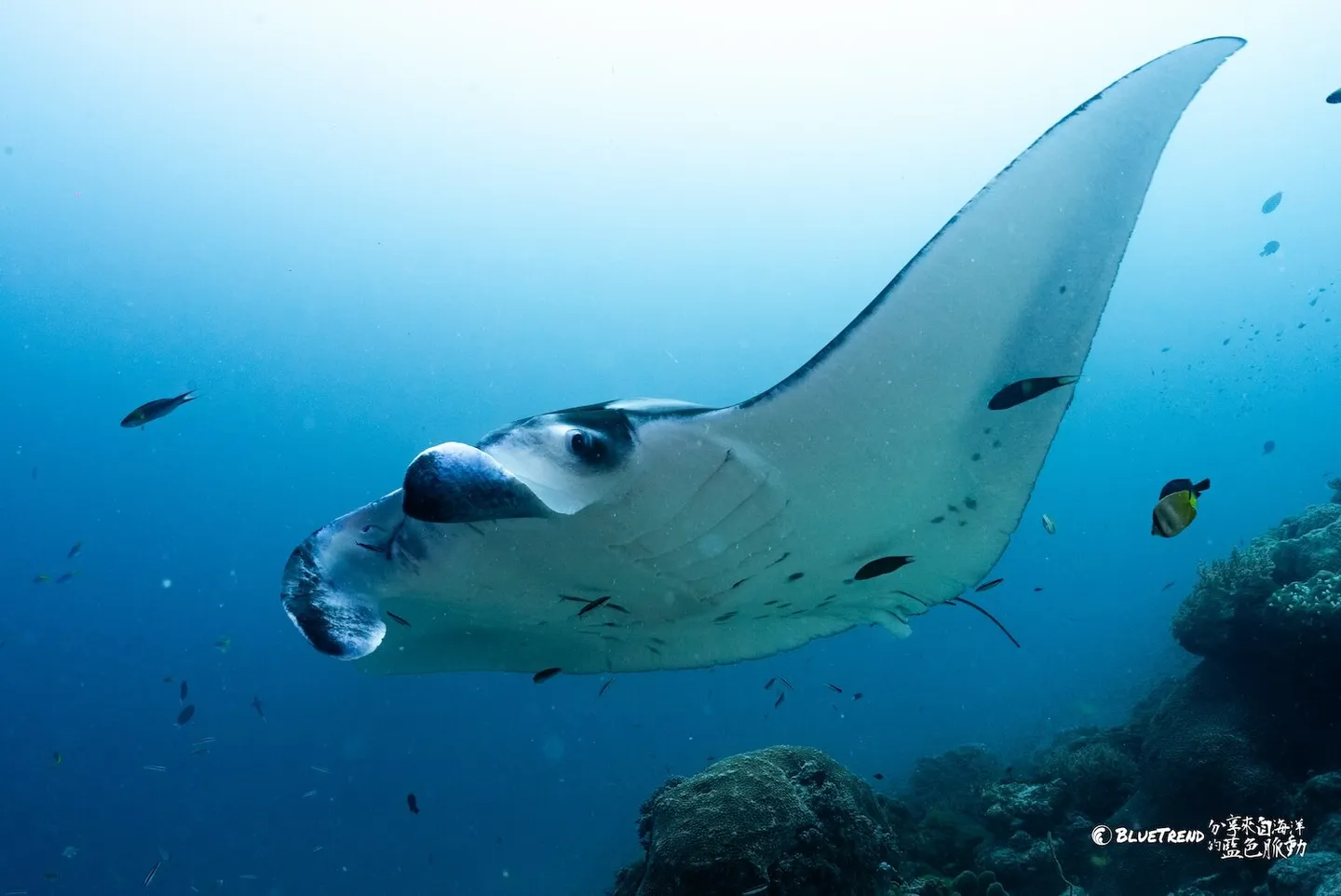
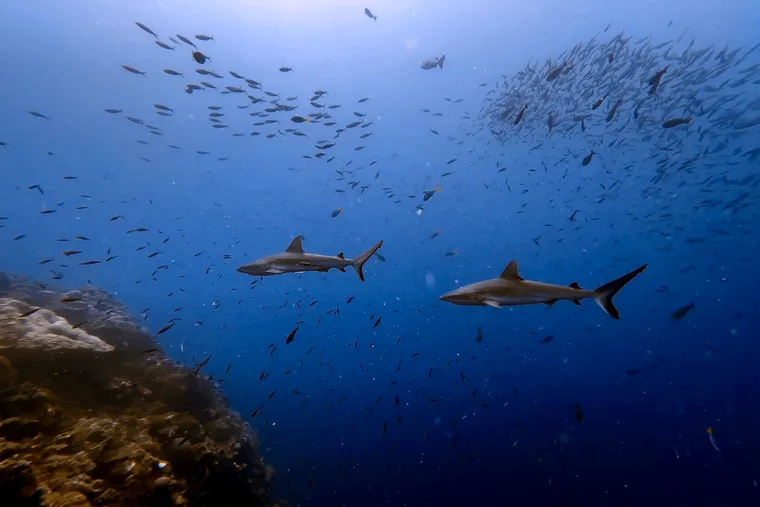
The comprehensive rollout of marine protected areas allows nearshore marine ecosystems to recover and regenerate.
With Access Fees Gone, Palau Collects a "Conservation Fee"
Starting in 2017, Palau introduced a sustainable tourism initiative requiring visitors to have the "Palau Pledge" stamped in their passports upon entry — a commitment to protect the natural environment and respect local culture. Palau also levies a US$100 Pristine Paradise Environmental Fee on every visitor, boosting government revenue.
Additionally, citing Palauan media reports, from the enactment of PNMS-related legislation through 2021, the Palau National Marine Sanctuary received more than US$111 million in income — entirely in the form of diplomatic donations and support from partner organizations drawn by Palau's marine conservation policies.
The Results of Palau's Marine Protected Area
Within the Palau National Marine Sanctuary, at least nine species listed on the IUCN Red List have been identified — including the Critically Endangered (CR) Hawksbill Turtle, the Endangered (EN) blue whale, and the Vulnerable (VU) leatherback turtle. Following the designation of the protected area, researchers from the University of Hawaiʻi found in 2017 that fish populations inside the sanctuary were twice those in unprotected areas.
Palau Extends the Influence of Bul from a Small Island to the World
Palau's marine conservation policies, however, go beyond sustainable fisheries — they are also a response to climate change.
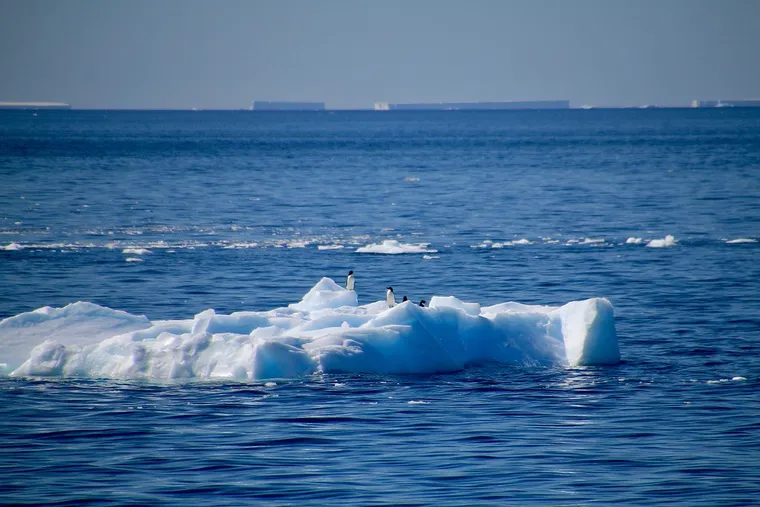
Jellyfish Lake, once a must-visit for tourists, is known for its golden jellyfish, whose numbers have fluctuated dramatically: at their peak there were millions of them; now very few remain. This is stark evidence of climate change. Protecting the ocean — and the world's largest carbon sink — has therefore become a cause that Palau actively advocates and promotes on the international stage.
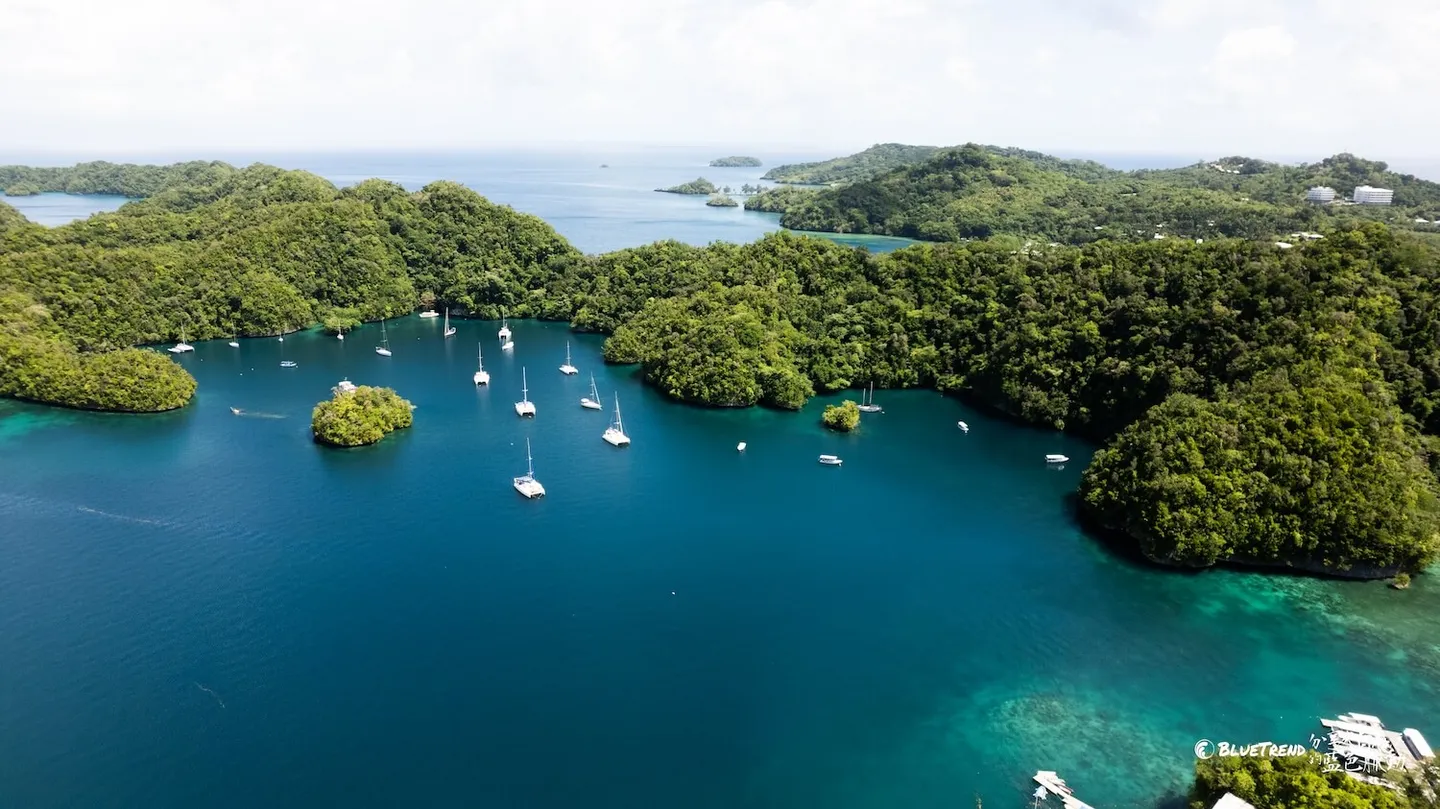
Palau sits in the front row of ocean views — and on the front line of climate change.
"Palau sits in the front row of ocean views — and on the front line of climate change. What can Palau do? This is a global problem." Although there is a hint of helplessness in Ambassador Lee's voice, she is also deeply inspired by Palau's actions and influence. She says: "This tiny Pacific island nation, with a population of fewer than twenty thousand, has been able to take the Bul concept all the way to the broader Pacific island community, and then to COP28 — the 28th UN Climate Change Conference — where countries reached a global consensus that embodies the spirit of Bul."
Palau and other Pacific island nations have jointly committed to "Unlocking Blue Pacific Prosperity (UBPP)," pledging 100% effective management of the region's oceans and the protection of 30% of terrestrial areas. The initiative has received a US$100 million donation from the Bezos Earth Fund, the foundation of Amazon founder Jeff Bezos, who has credited Palauan President Surangel Whipps Jr. with the vision and partnership behind this commitment.
Ocean Science Diplomacy Deepens Taiwan–Palau Relations
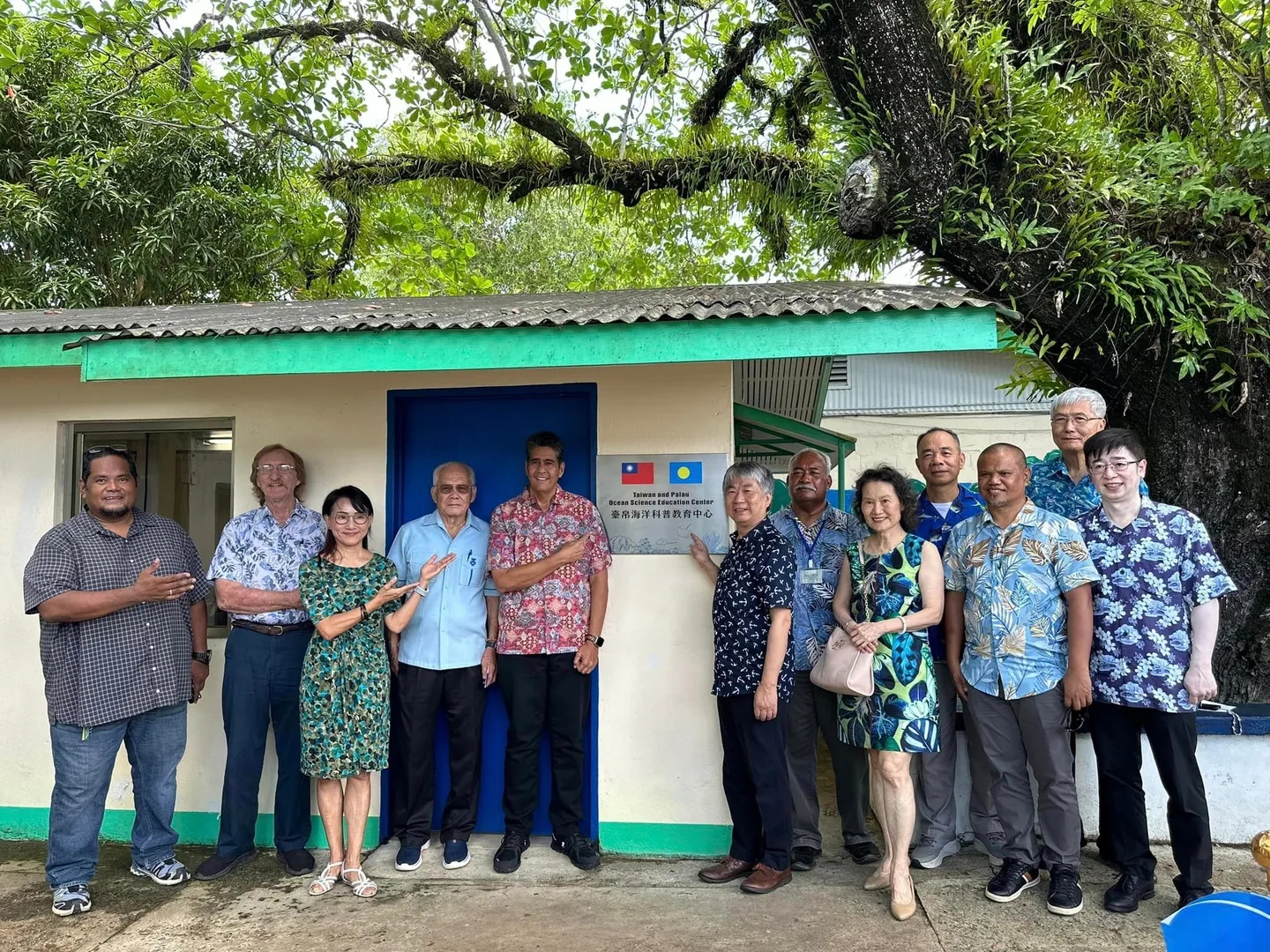
Unveiling ceremony of the Taiwan–Palau Ocean Science Education Center
As diplomatic allies and fellow ocean nations, Taiwan and Palau have deepened their cooperative relationship on marine conservation issues, working together to address the challenges of global warming and rising sea levels. Ambassador Lee notes that diplomacy is multifaceted, and "ocean science diplomacy" is one dimension of it. For instance, the 2023 Memorandum of Understanding on Marine Science Research signed between Taiwan's National Science and Technology Council and Palau's Ministry of Agriculture, Fisheries and Environment marks one such cooperative milestone.
The collaboration includes: documenting Palau's indigenous ocean knowledge and using deep machine learning to build that ancient wisdom into a database; designing science education courses at Palau Community College for local residents, ocean-related government agencies, and school science teachers, incorporating field study components; and establishing hydrological monitoring stations in Palau to record data during extreme rainfall or heat wave events and observe their impact on marine life. The goal is to harness science to amplify marine conservation outcomes for both sides.
Learning Ocean Governance from Palau
Reducing human impact is the primary key and challenge in environmental protection. Travelers who have visited Palau are always reminded before departure that reef-toxic sunscreen products are prohibited — not only will they be confiscated, but offenders face a US$1,000 fine. Even ordinary tourists can feel the force of Palau's commitment to protecting its ocean.
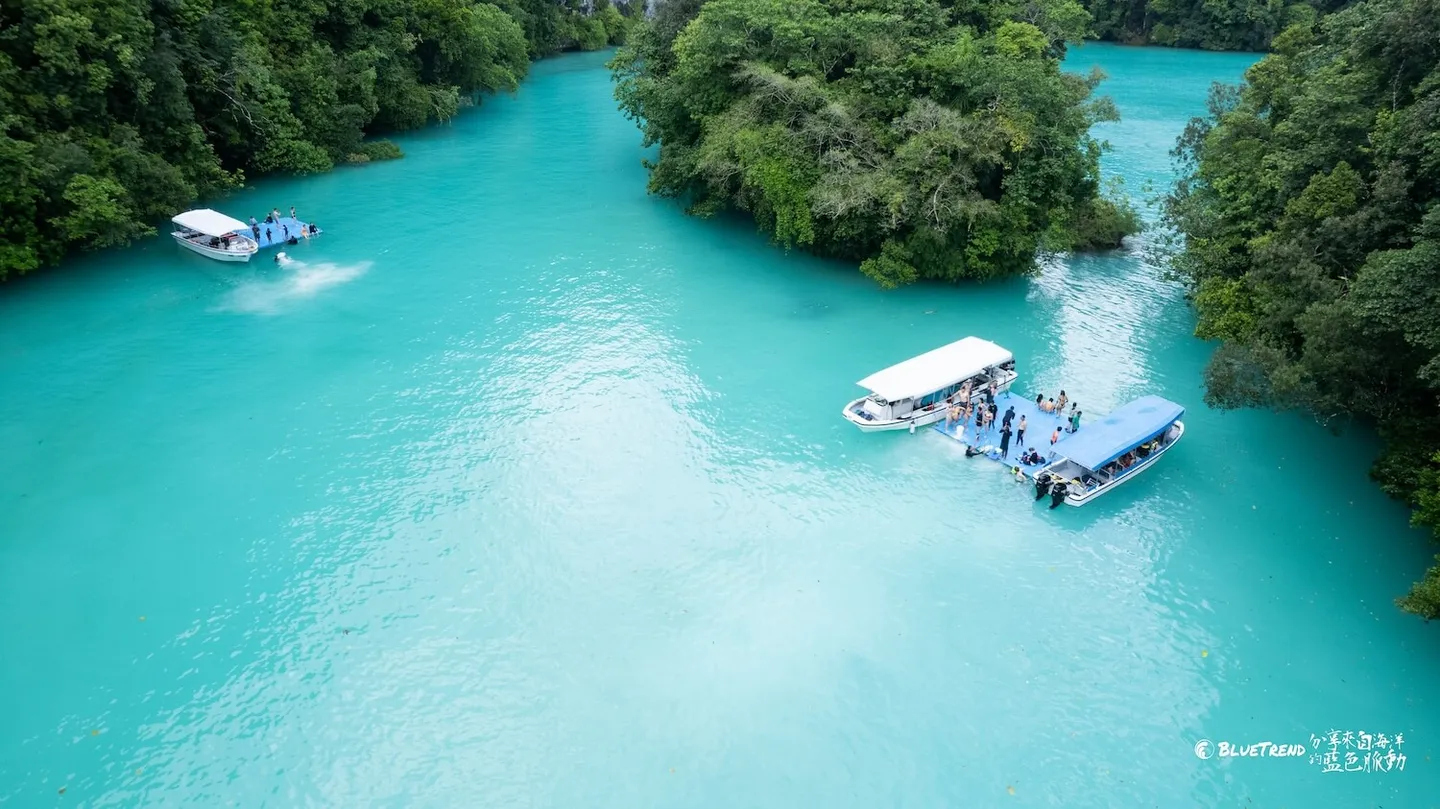
Visitors to Palau are required to comply with a range of ocean-friendly regulations.
When it comes to governing marine protected areas, however, the biggest difference from Palau is that Taiwan has no traditional Bul with its inherent binding force — Taiwan can only rely on written regulations, and must also ensure effective enforcement, to make marine protected areas truly functional.
Take fishing as an example: Palau's traditional Bul carries its own authority and is reinforced by a high degree of local self-governance to strengthen protected area management. Taiwan has no Bul — only legislation. If clear regulations on fish harvesting were established, drawing on Palau's model of restrictions by season and species — and potentially adding limits on size and quantity — it might be possible to strengthen and realize effective ocean governance.
Bonus: Comparing Marine Conservation in Palau and Hawaiʻi
Before her posting to Palau, Ambassador Lee was also stationed in Hawaiʻi. She notes that both places place great emphasis on marine ecological conservation, but the origins differ. "Hawaiʻi learned its lesson the hard way, and then started ocean education," she says. She recounts how Hanauma Bay suffered severe coral trampling due to an excess of visitors of widely varying environmental awareness, leading to coral death and declining fish populations. Local authorities recognized the severity of the problem and closed the bay for three years for rehabilitation. When it reopened, all visitors were required to first attend a class and watch a conservation video, learning how to be responsible travelers.
Palau is different. This place will not be overdeveloped — it will always remain relatively natural. But the biggest crisis it faces is climate change.
— Ambassador Jessica Lee
Slowing the threat of climate change cannot rest on the closure or rehabilitation of a single site; it is a challenge that the entire world must address together.
Behind the Scenes: Does the Ambassador to Palau Have to Know How to Scuba Dive?
Rumor has it that Palauan President Surangel Whipps Jr. asks every ambassador to know how to dive. Is that true? We put the question directly to Ambassador Jessica Lee and invited her to answer for herself.
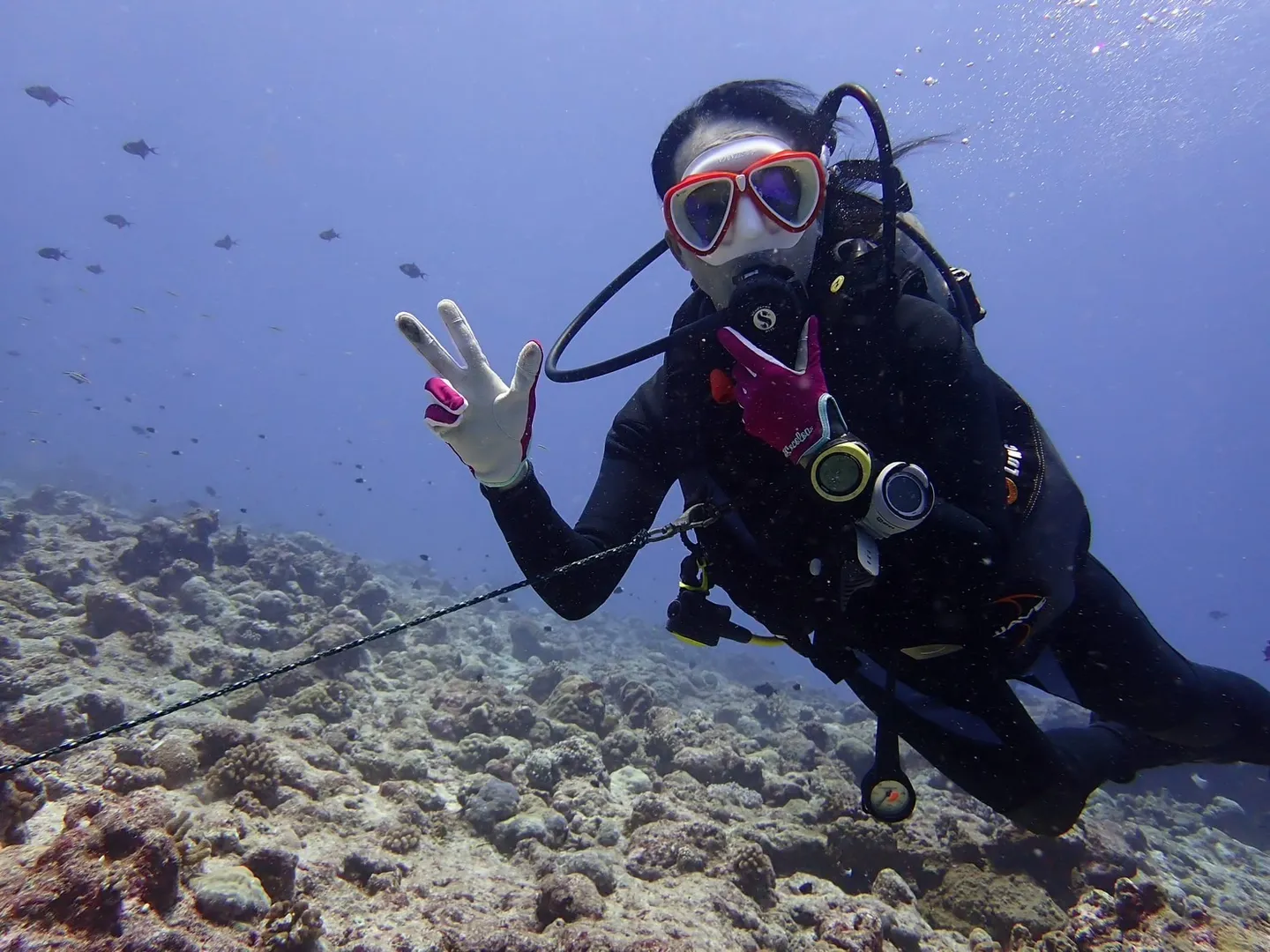
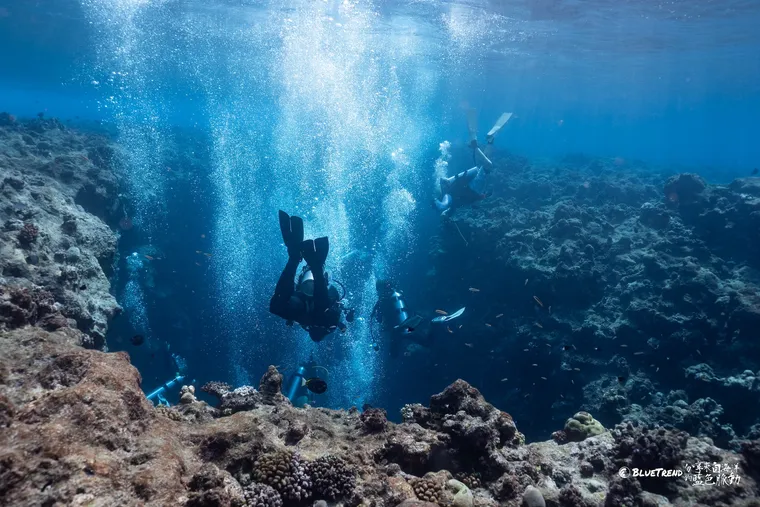
Ambassador Jessica Lee experiencing the underwater beauty of Palau through scuba diving
Ambassador Lee: "Not at all! It wasn't really a requirement." That said, she laughed as she reconstructed her first meeting with President Whipps Jr. for us: "He simply asked me, 'Can you dive?' I said, 'No,' and he said he would invite ambassadors to go diving and suggested I learn — and then he listed off the American ambassador, the Australian ambassador, the Japanese ambassador, and several others who all could."
"I thought to myself — well, doesn't everyone know how to dive then? We diplomatic personnel are always ready to embrace a challenge; of course I wasn't going to be left behind!" At President Whipps Jr.'s invitation, Ambassador Lee — who arrived at her post in late 2021 — kicked off her first New Year's Day in Palau with a Fun Dive. Descending into the ocean, she described the experience as discovering "another world" and beholding the beauty of the sea.
References:
-
- Embassy of the Republic of China (Taiwan) in the Republic of Palau
- PalauGov.pw
- Palauans benefit from PNMS - Island Times
- New Strategy highlights the scientific priorities of the Palau National Marine Sanctuary
- Unlocking Blue Pacific Prosperity
- Bezos Earth Fund Pledges $100 Million to Support Pacific Islands' Initiative
- WWF-Pacific poised to support 'Unlocking Blue Pacific Prosperity' | WWF Asiapacific
- Embassy of the Republic of China (Taiwan) in the Republic of Palau
Related Links
Further Reading