Contents(3)
The AM-1 SkyRaider attack aircraft, the 75mm M3 Half-Track, the USS New York, and the Coral Garden just outside the bay are all exceptionally compelling dive sites.
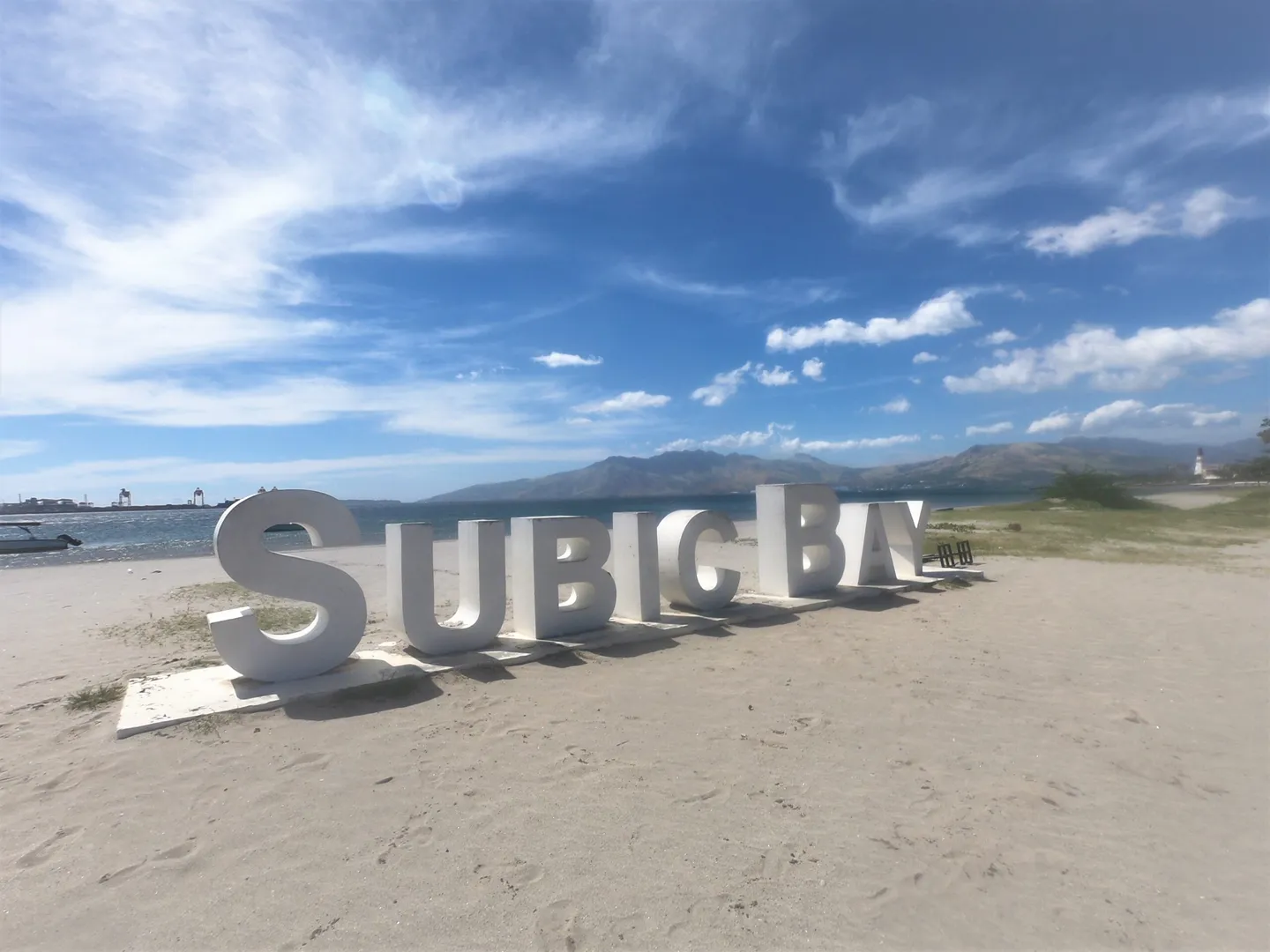
Subic Bay served as a U.S. Naval Base in the Philippines from 1901 to 1992, living through both World Wars. As a result, the waters are littered with sunken military hardware waiting to be explored — warships with massive gun turrets, aircraft of every type, and tanks that have become an irresistible draw for technical divers. At the same time, Subic Bay offers plenty of dive sites for recreational divers as well. The AM-1 SkyRaider attack aircraft, the 75mm M3 Half-Track, the USS New York, and the Coral Garden just outside the bay are all exceptionally compelling dive sites. If you happen to pass through, even non-technical divers can enjoy a truly extraordinary underwater experience! Beyond diving, the onshore attractions within the Subic Bay Freeport Zone are equally impressive — a nearby zoo, shopping malls, casinos, a diverse food scene, a water park, and golf courses all make for great activities when you're out of the water.
As a special economic zone, Subic Bay naturally benefits from a strong sense of public safety. There are also plenty of excellent restaurants in the area — American steakhouses, Korean BBQ, Japanese yakiniku, and of course authentic Filipino cuisine — so you'll never go hungry during your stay.
Course Content & Challenges
With nowhere special to go during the holiday, a few friends and I decided to head to Mango Valley Hotel in Subic Bay, Philippines, for TDI Advanced Wreck, Decompression Procedures, and Advanced Nitrox training. Our main goal was to learn and complete the procedures and skills required for closed-overhead wreck penetration diving. We joined a course led by George — an internationally renowned Advanced Wreck Instructor Trainer — and local Advanced Wreck Instructor Dantee. Unlike previous dives where we had only explored the exteriors of wrecks, this time we were going inside the ship's interior — an environment where surfacing directly is not an option, and where the pressure of potentially losing your bearings between compartments in low visibility poses a significant challenge. But with that challenge comes an entirely new kind of diving experience: weaving through one wreck after another, as if stepping back in time, witnessing these colossal vessels from their construction, to battle, to their final resting place on the bay floor.
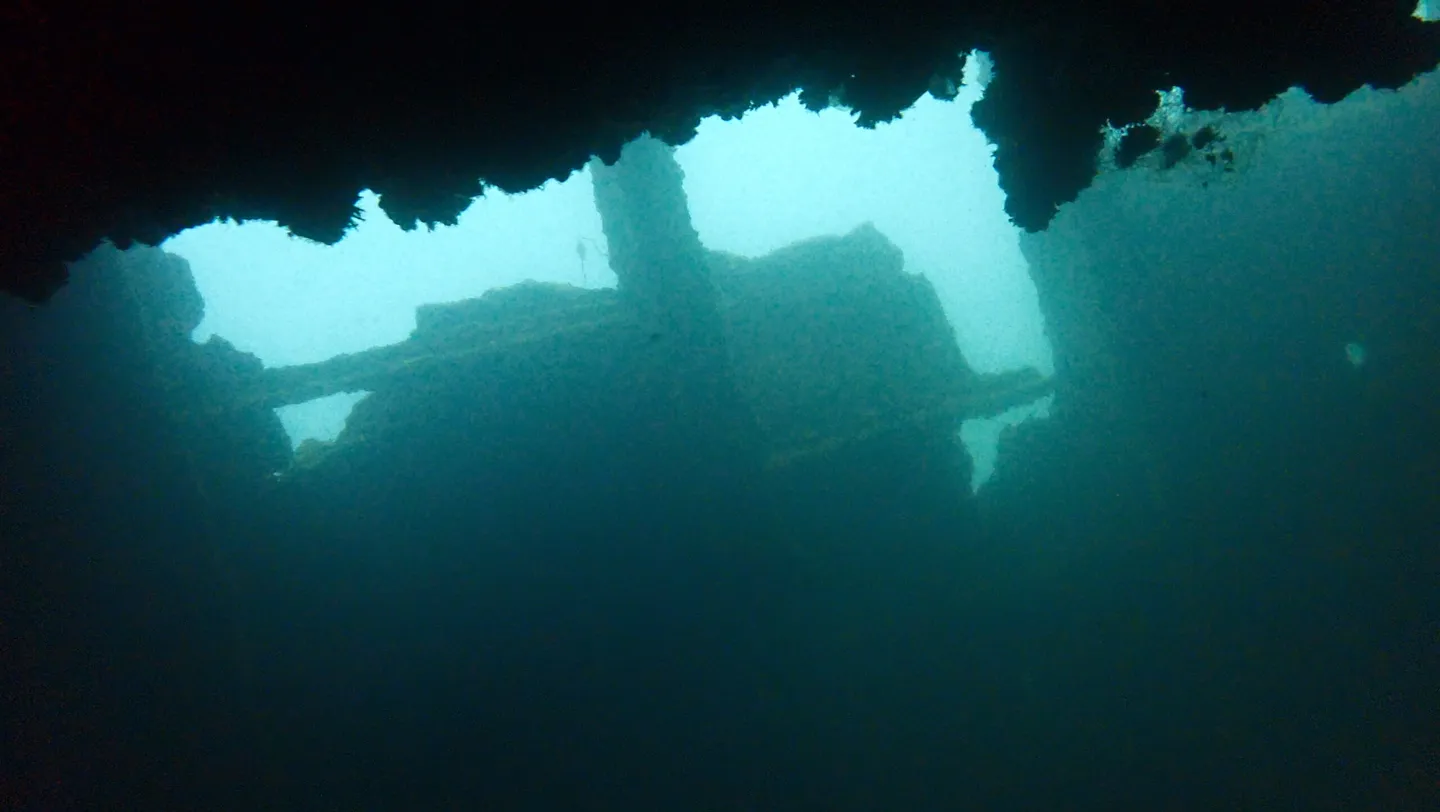
A breach in the hull of the EL Capitan — a great entry and exit point for the interior compartments.
The course began with line-laying practice around the LCU, a smaller vessel, covering the rules and techniques for working on a line. We gradually progressed to penetrating El Capitan, a considerably larger cargo ship. Entering a pitch-black ship interior for the first time drove home just how critical line-laying technique really is, and we came to understand that navigation inside a wreck can't rely entirely on the guideline — what matters even more is paying attention to changes in the surrounding environment and layout, and applying a progressive exploration mindset to learn the structure of each vessel. Most of the course took place inside El Capitan, where skills like zero-visibility bailouts and zero-visibility buddy breathing pushed us to our limits. Dive buddies had to support each other in complete blackout conditions, navigating back along the guideline by touch alone, while the lost-line recovery procedure was harder still. Among all the drills, the lost-buddy recovery was perhaps the most entertaining — like playing hide-and-seek underwater with a guideline, hunting through the darkness of the wreck for a buddy hiding in a corner, then guiding them back to the main line.
After completing all the skills assessments, we moved on to the final exam and the true highlight of the entire trip: the USS New York (ACR-2). This behemoth participated in both World Wars, and its complex interior compartments and remarkable state of preservation make it an outstanding destination for both training and sightseeing. The enormous 8-inch main guns on the hull and the twisting passages inside the ship offer a genuinely thrilling dive experience. The final lessons of the course were spent navigating through this great warship, and I personally highly recommend the boiler room route. Not only does this path let you watch Dantee's breathtaking technique as he enters the wreck, but many of the valves in the boiler room have not seized up despite nearly 130 years of corrosion — they can still be turned. If you pass through, try seeing which valves are still in working order!
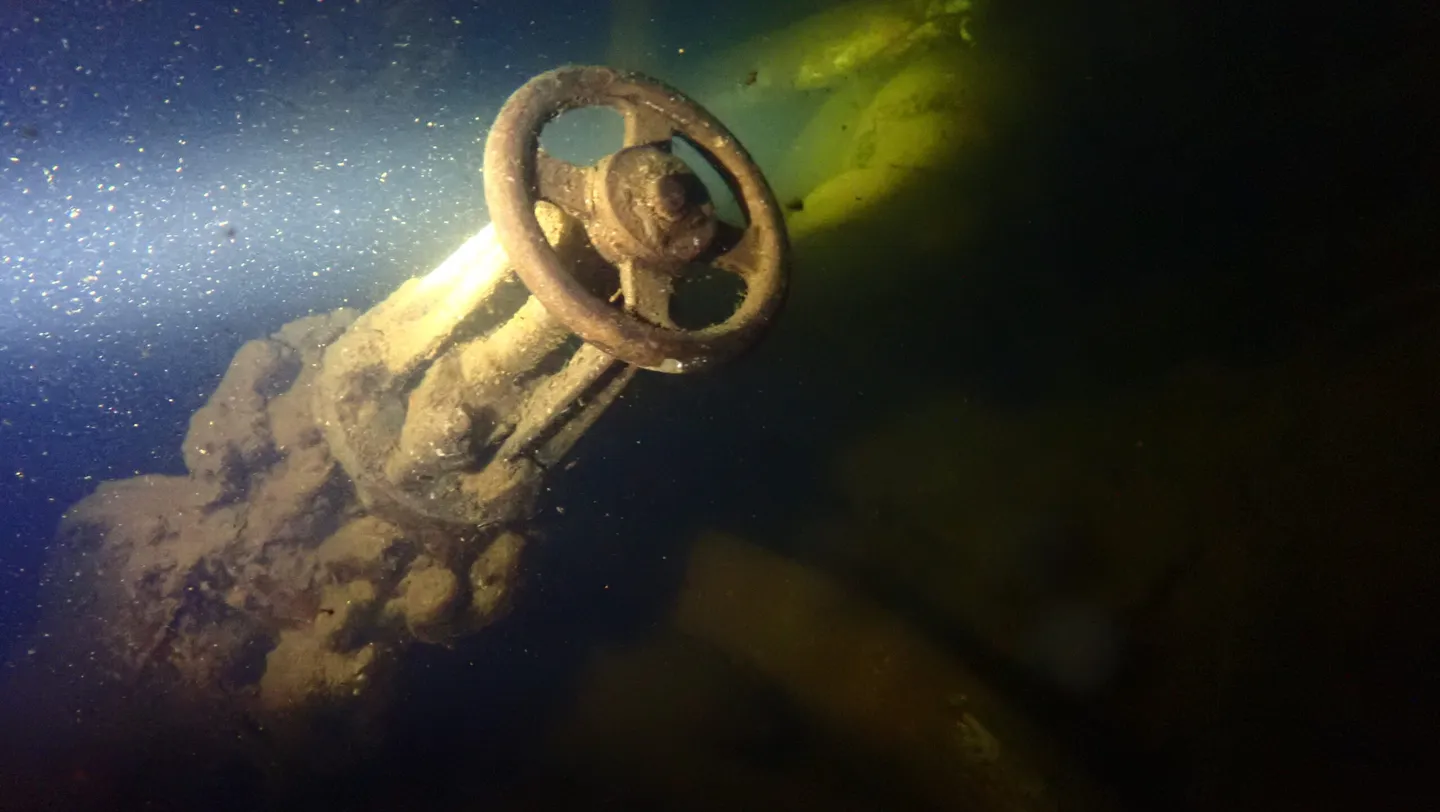
A rotary valve in the USS New York's boiler room — still operable after 180 years beneath the sea.
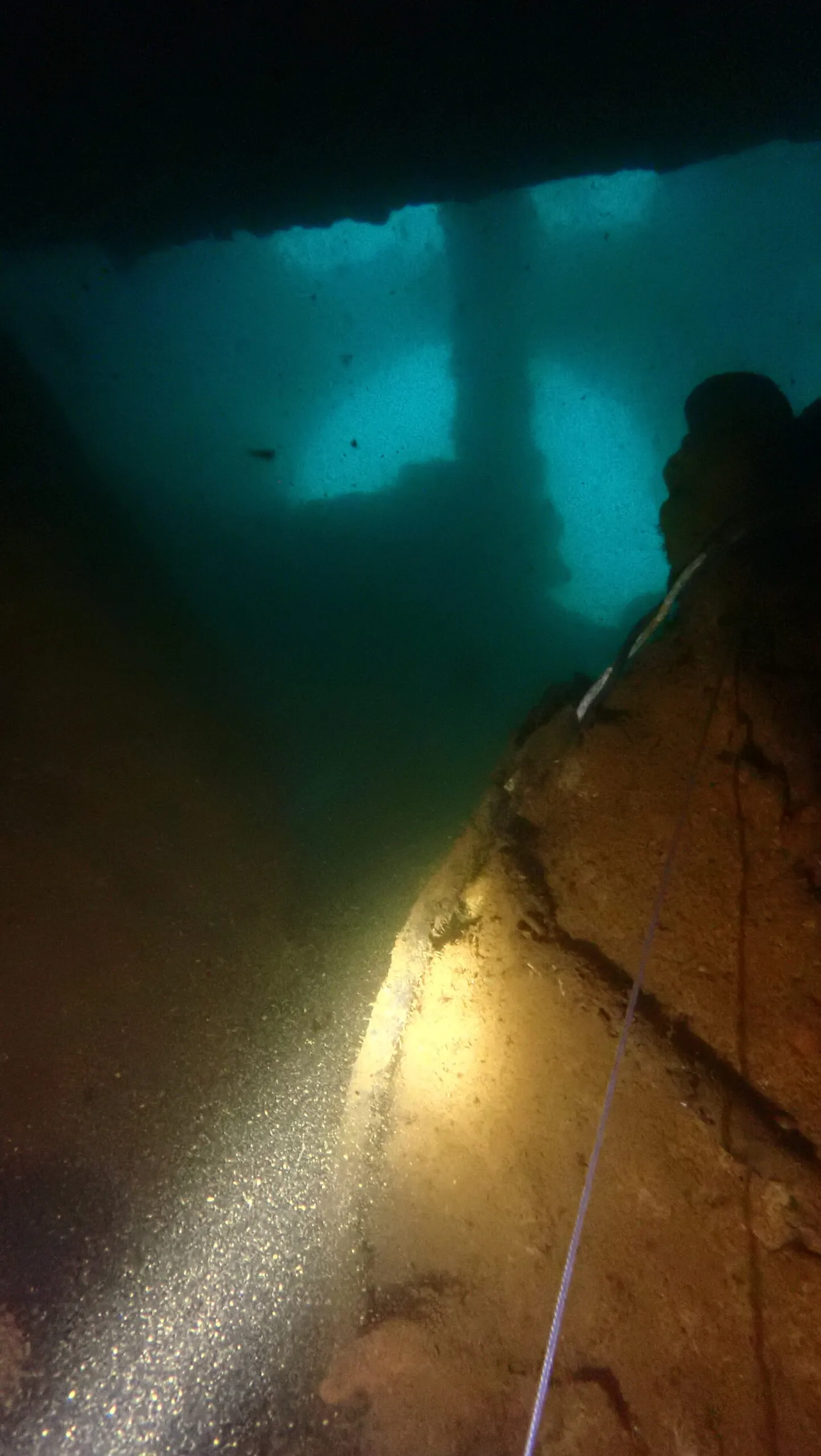
Squeezing through this small opening can genuinely get you stuck for a moment — especially when there's so much good food nearby.


What's the Appeal? Why Do This?
The greatest reward of technical diving like this is the ability to observe and experience underwater historical artifacts up close, over an extended period. Through advanced wreck training, you get to enter these wrecks and then, back on the surface, learn the history and story behind each one — as if you had travelled back in time during the dive and lived each ship's story firsthand. However, because the depth of these wrecks is somewhat awkward (15–30 m), training in decompression procedures and advanced nitrox allows you to effectively and safely manage your ascent, build a proper decompression plan, and extend your bottom time.
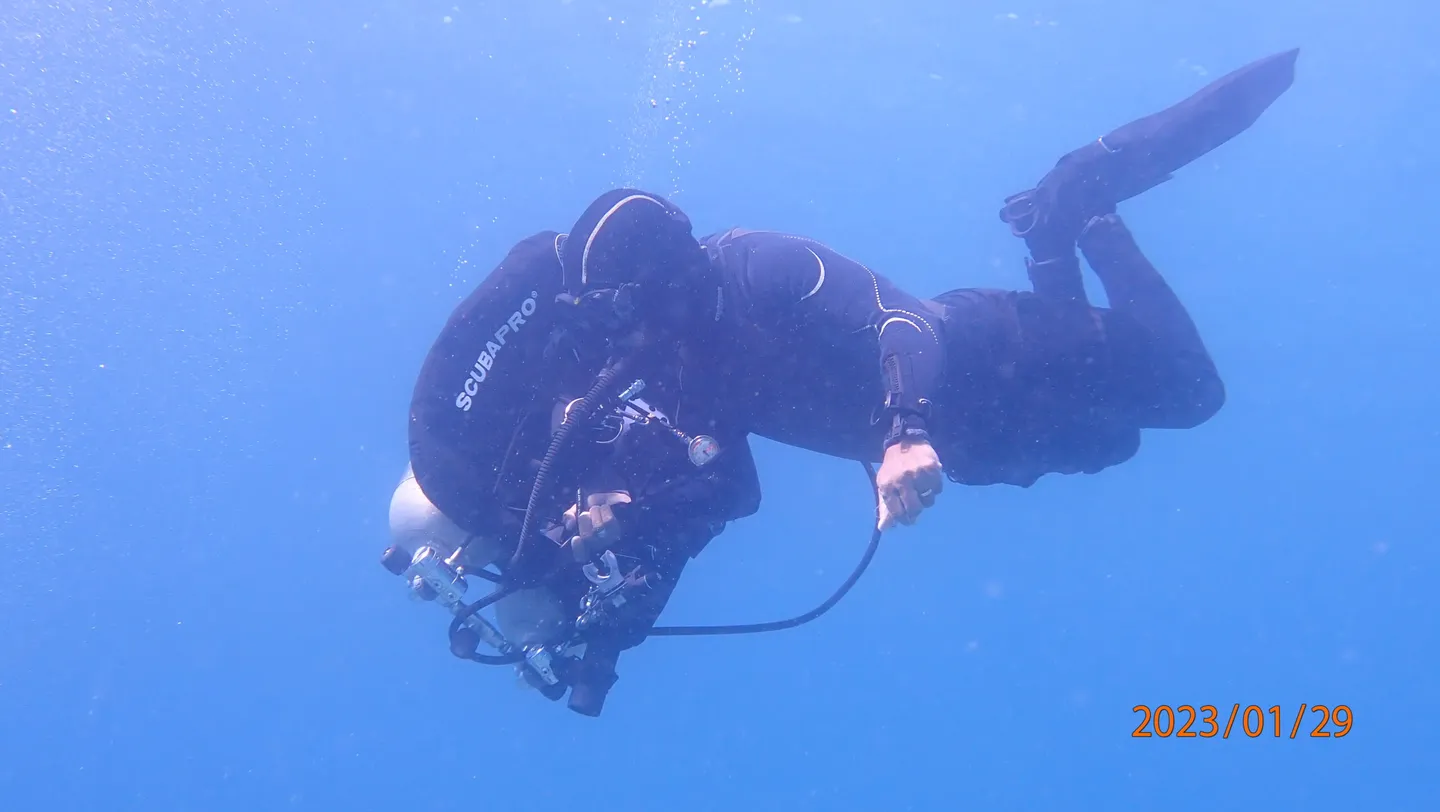
Instructor Dantee demonstrating an in-water twin-tank removal and replacement.
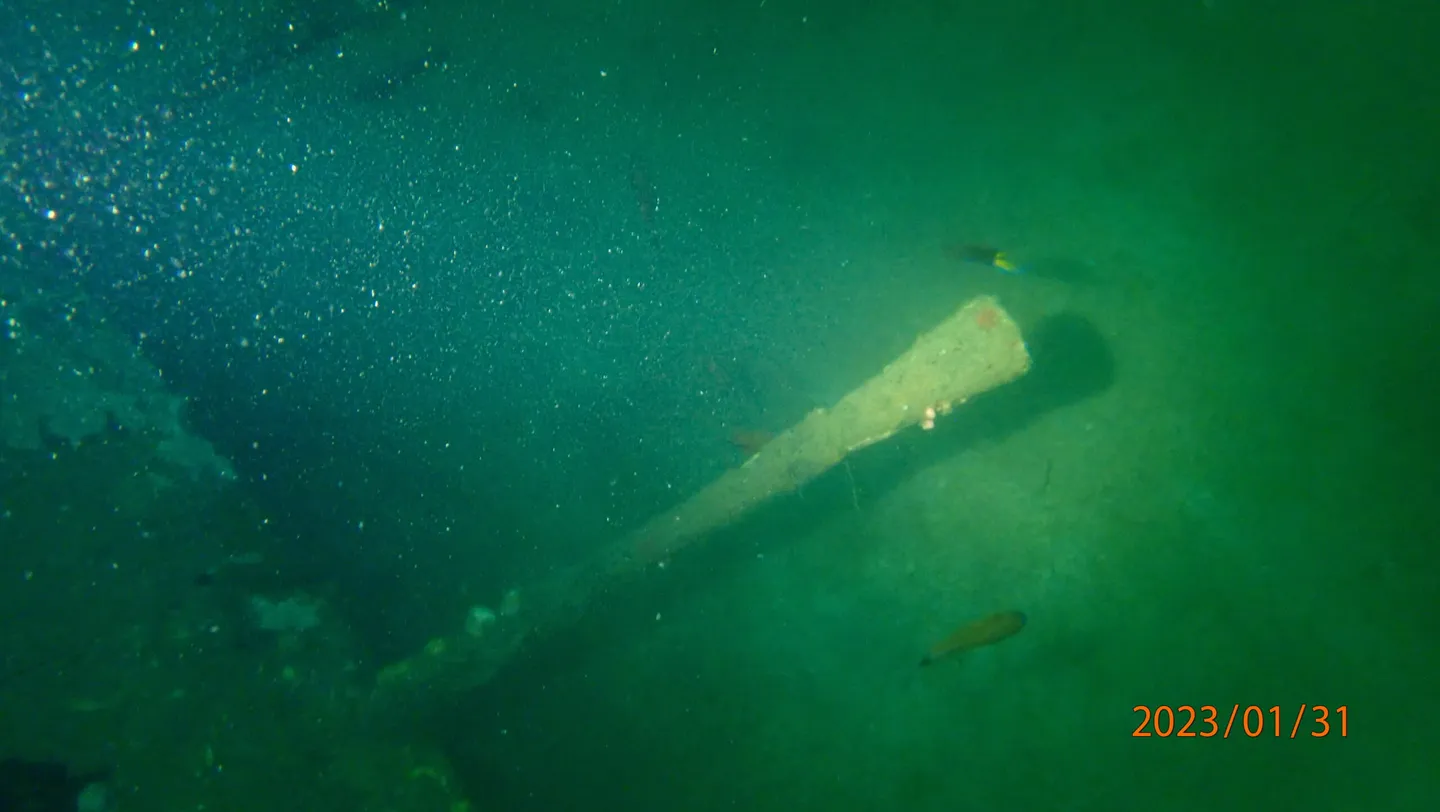
The 20mm cannon on the AM-1 SkyRaider aircraft.
The Question Everyone's Asking: How Much Does It Cost?
A double room at Mango Valley Hotel is 2,900 PHP per night. A private transfer from Manila Airport to the hotel is 8,000 PHP one way (6-seater vehicle). Each single dive costs 1,400 PHP, nitrox fills are an additional 350 PHP per cylinder, and decompression cylinders are 600 PHP each. The local tuition for the Advanced Wreck course is 850 USD. If you get a group of four together, the total cost per person for a 5-day, 4-night trip — including accommodation, transport, and course fees — comes to approximately 63,200 PHP. As for food, prices vary widely depending on where you eat, so we recommend deciding what kind of cuisine you're after before hunting for a restaurant. Also, don't forget to tip your hardworking service staff!
Please note that the prices above reflect what we paid on this particular trip and are not indicative of future pricing. If prices change, that is no reflection of my views — please treat these figures as a rough reference only, not a guarantee!
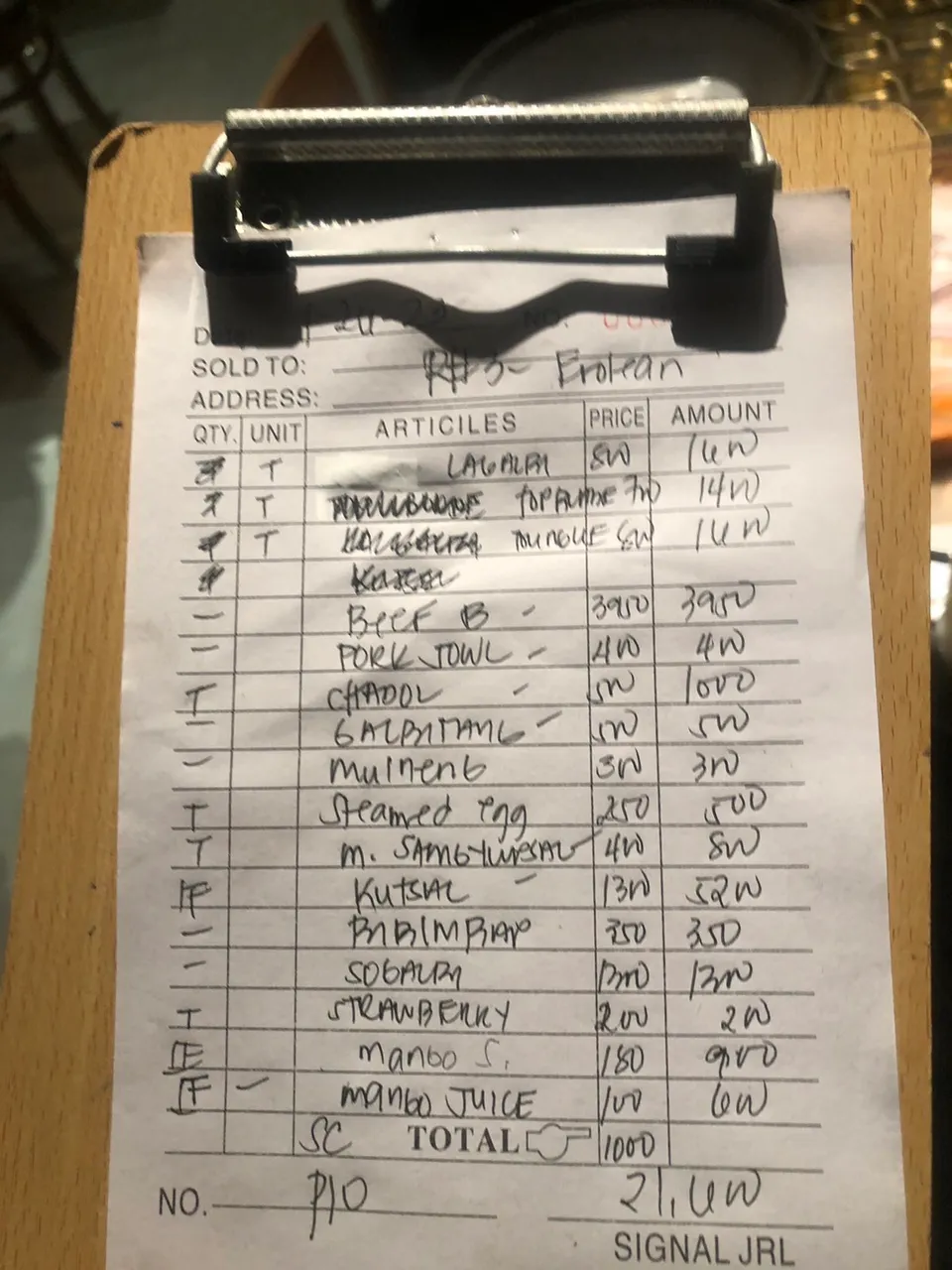
When it's time to eat, go all out! We casually racked up over 20,000 pesos in one sitting.
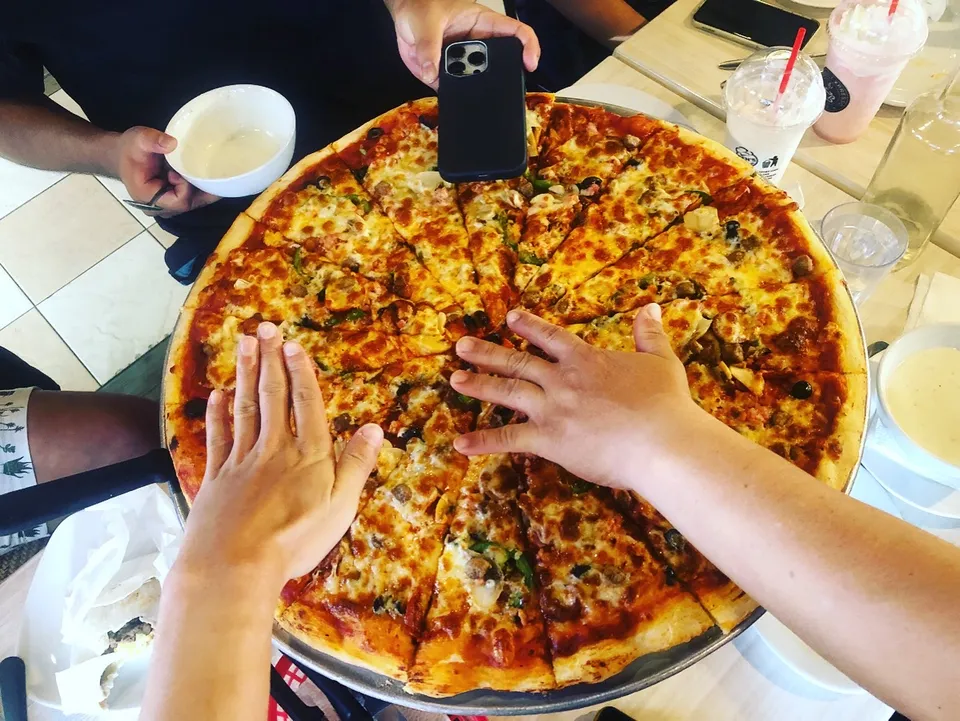
A super-sized pizza — delicious and great value.
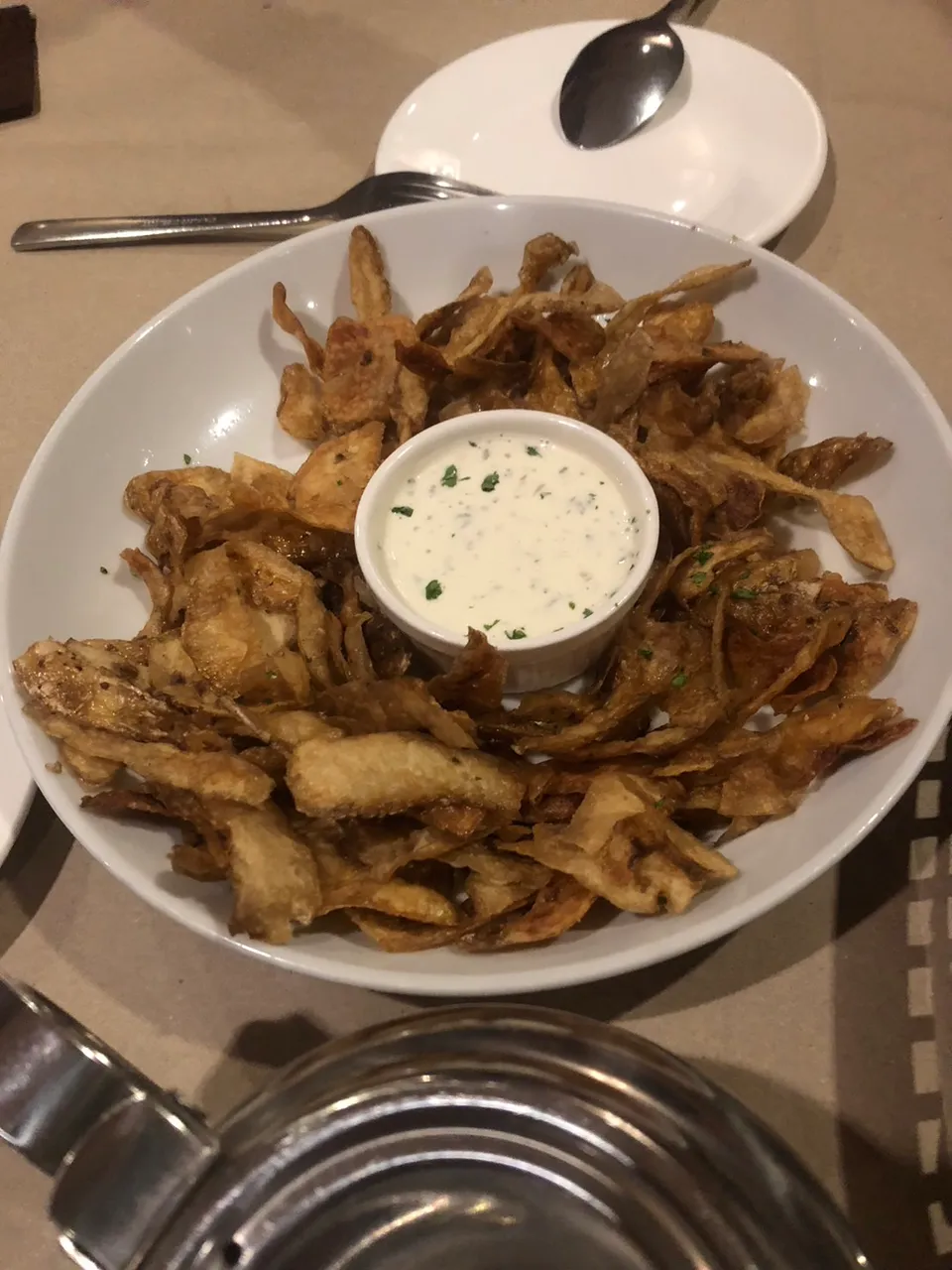
A local specialty: Potato Skins — literally deep-fried potato skins, and surprisingly tasty. Worth a try.
IG: https://www.instagram.com/liyang_underwater/
FB: https://www.facebook.com/Springfishdivecenter
Mango Valley Hotel: https://mangovalleyhotels.com/
Further Reading:
Frequently Asked Questions
How is a BlueTrend dive trip different from an unknown, no-name dive group?
Choosing us means full peace-of-mind protection and a smooth experience from start to finish. Every trip we run holds to three things.
First, full legal protection and a professional dive leader: we strictly follow Taiwan's travel regulations and provide complete travel-agency liability insurance, travel insurance, trip-inconvenience insurance and dive insurance. Every group is accompanied by a certified, foreign-language dive leader who joins you on both the dives and the land itinerary, liaising seamlessly with local dive shops and operators on your behalf to keep things running smoothly — the person our travellers trust most.
Second, fully licensed with secure payments: every payment goes into a licensed travel agency's account, with multiple safe payment channels (bank transfer, credit card and more) and a legal collect-and-remit receipt, so every transaction is open, transparent and protected, avoiding the fraud and dispute risks of transferring money privately to an individual.
Third, hand-picked quality we vet in person: every trip, dive site and partner shop is scouted on the ground by our own team, from the guides' professionalism and safety standards to the food, lodging, environment and service details on land, all vetted by us so you don't get caught out.
I want to sign up for a dive trip. Are there certification-level or logged-dive requirements?
Each dive site is different, so the entry bar varies. 'Bali Tulamben', for instance, is relatively beginner-friendly. 'Malapascua in the Philippines' is also beginner-friendly, but since thresher sharks tend to cruise between 20 and 30 metres, we recommend AOW certification with 20+ logged dives to enjoy this trip comfortably. For 'the Maldives' or 'Palau', we suggest AOW with 50+ logged dives for a more relaxed experience. If you're not sure whether your experience fits the trip you want, message us and our dive editors will assess it and help you find the trip you'll feel safest on.
Can I join if I'm signing up alone? How are rooms arranged?
Plenty of our travellers sign up solo! For rooms and beds, we prioritise pairing you with a same-gender traveller, and if you'd rather have your own space you can pay the difference to upgrade to a single room. For the diving, our professional leader will pair you with a suitable buddy, and with the happy vibe on our trips you'll quickly make a great group of dive friends. Many people sign up alone, make new friends, and end up organising the next trip together!
Does the trip fee include dive insurance, gear rental, taxes and instructor tips?
It depends on the trip, the destination's regulations and the local operators. Every BlueTrend dive trip has a detailed web page with a clear 'included / not included' list, transparent and with no hidden charges. All payments are collected by a licensed travel agency, with a standard-form contract for your protection.
I'm a new diver / haven't dived in a long time — will I fall behind the group?
Before you complete your booking, our team assesses a suitable trip based on your certification level and experience. Before departure, we strongly recommend taking time to refresh in Taiwan with an instructor, or a fun dive to get your feel back. On the trip itself, our professional dive leader groups and pairs everyone by experience, keeps a close eye underwater on travellers who need extra care, and steps in to help right away.
Will the photos and videos taken during the trip be shared with us?
During the dives, 'safety' is always the leader's top priority, so whenever it's suitable and safe the leader will capture great shots and record the best moments. During or after the trip, we compile a cloud album for all travellers to download, so you go home loaded with memories!
Besides your scheduled trips, can you arrange a private group charter or independent travel for me and my friends?
Absolutely! Besides group trips, we also arrange private group charters and independent travel. We can communicate, enquire and coordinate services with local operators based on your needs, saving you time and effort and taking the language barrier off your plate, to tailor the smoothest, most reassuring dive trip just for you. Contact our LINE support and our editors will arrange it for you!