



The mud shrimp Austinogebia edulis, known in Taiwanese as "shrimp monkey" (蝦猴), has a body divided into a cephalothorax and abdomen, with a triangular rostrum and five pairs of walking legs. Males are larger in build, while females are more slender. Peak spawning season runs from November through March of the following year; females incubate their eggs externally by carrying them on their bodies.
Mud shrimp are euryhaline arthropods that love to burrow, living in mud-and-sand tunnels in intertidal zones. They typically inhabit environments that are half muddy and half sandy, taking up residence in the U-shaped burrows they excavate themselves — one end of the U serves as a water inlet and the other as an outlet. They feed by channelling water currents through these U-shaped passages to draw in diatoms and planktonic organisms, then filter food particles with the setae on their walking legs before conveying them to their mouths.
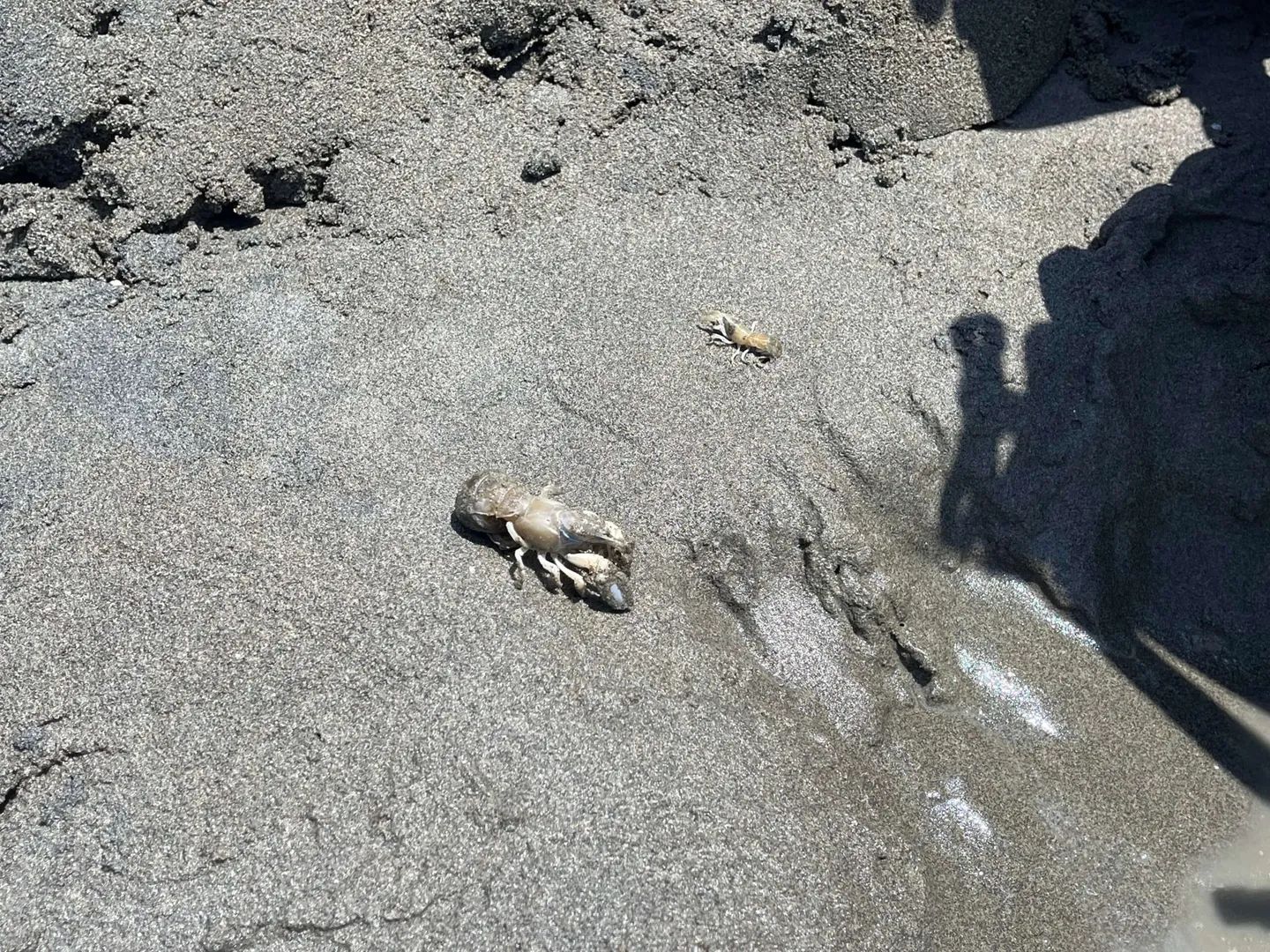
The mud shrimp (Austinogebia edulis) is a signature species of Taiwan's west coast.
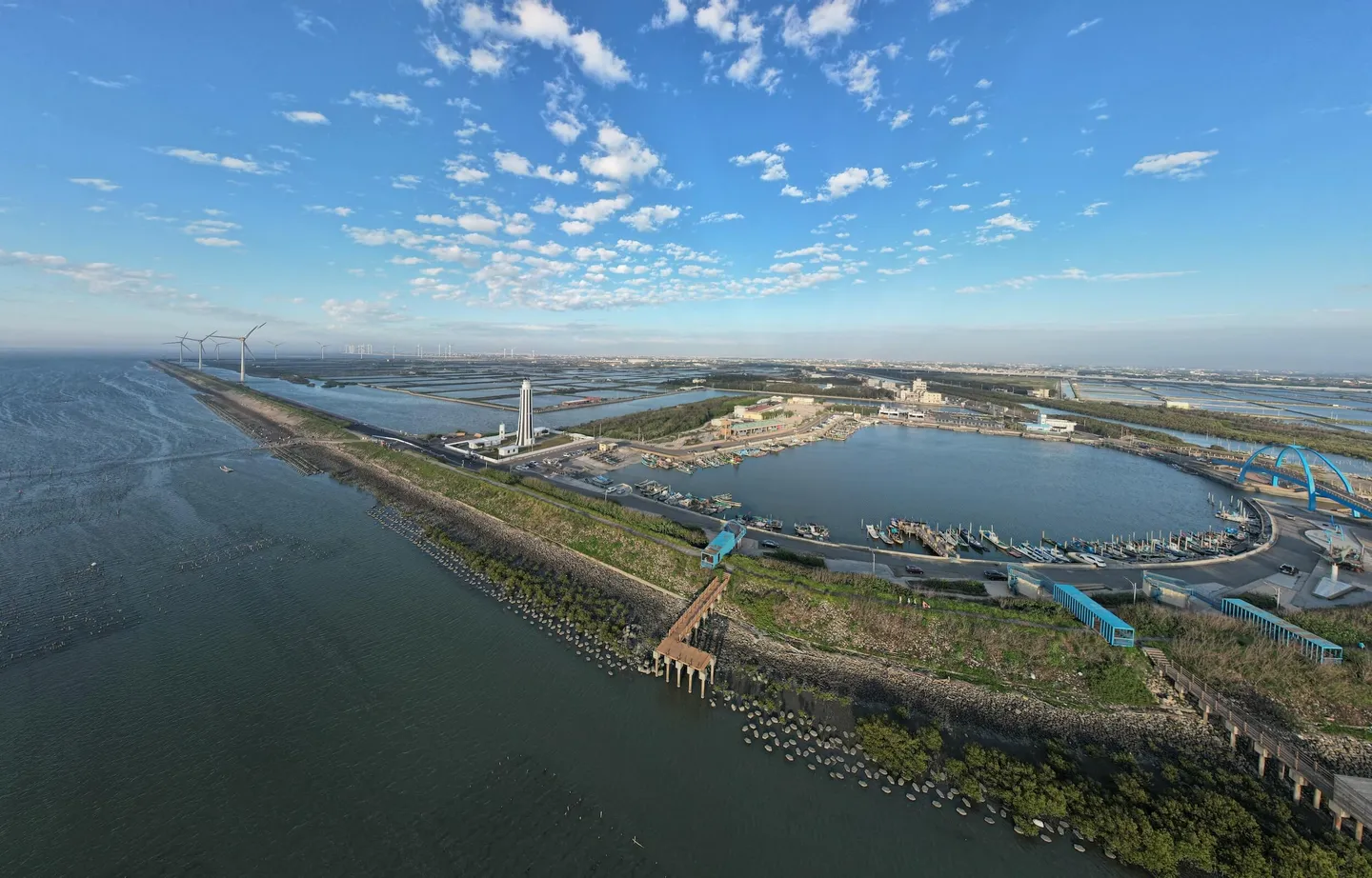
The Marine Protected Area Under Threat
Land reclamation projects have damaged the intertidal habitat in which mud shrimp live. In pursuit of large catches, fishermen have used powerful motorised pumps to flood the burrows en masse — a practice that simultaneously destroys the structural integrity of the sandy tunnels. Currently, 36 hectares of the Shengang Township intertidal zone are designated as the "Mud Shrimp Breeding Conservation Zone." Together with an additional 20 hectares extending into Shengang and 40.5 hectares of the Wanggong Fishing Port intertidal zone, there are three protected areas in total, all subject to fishing bans and catch limits.
Despite the noble intentions behind these marine protected areas, recent research indicates that mud shrimp populations have been declining year by year. The main causes are coastal urban development and changes to the shoreline: the areas originally designated as protected zones have gradually been filled in by silt, leaving vast expanses exposed and dry after the tide recedes — conditions increasingly unsuitable for mud shrimp. In response, the Ocean Conservation Administration and Changhua County Government are jointly studying how to adjust the boundaries of the marine protected area so as to more effectively safeguard this cherished species of the west coast.
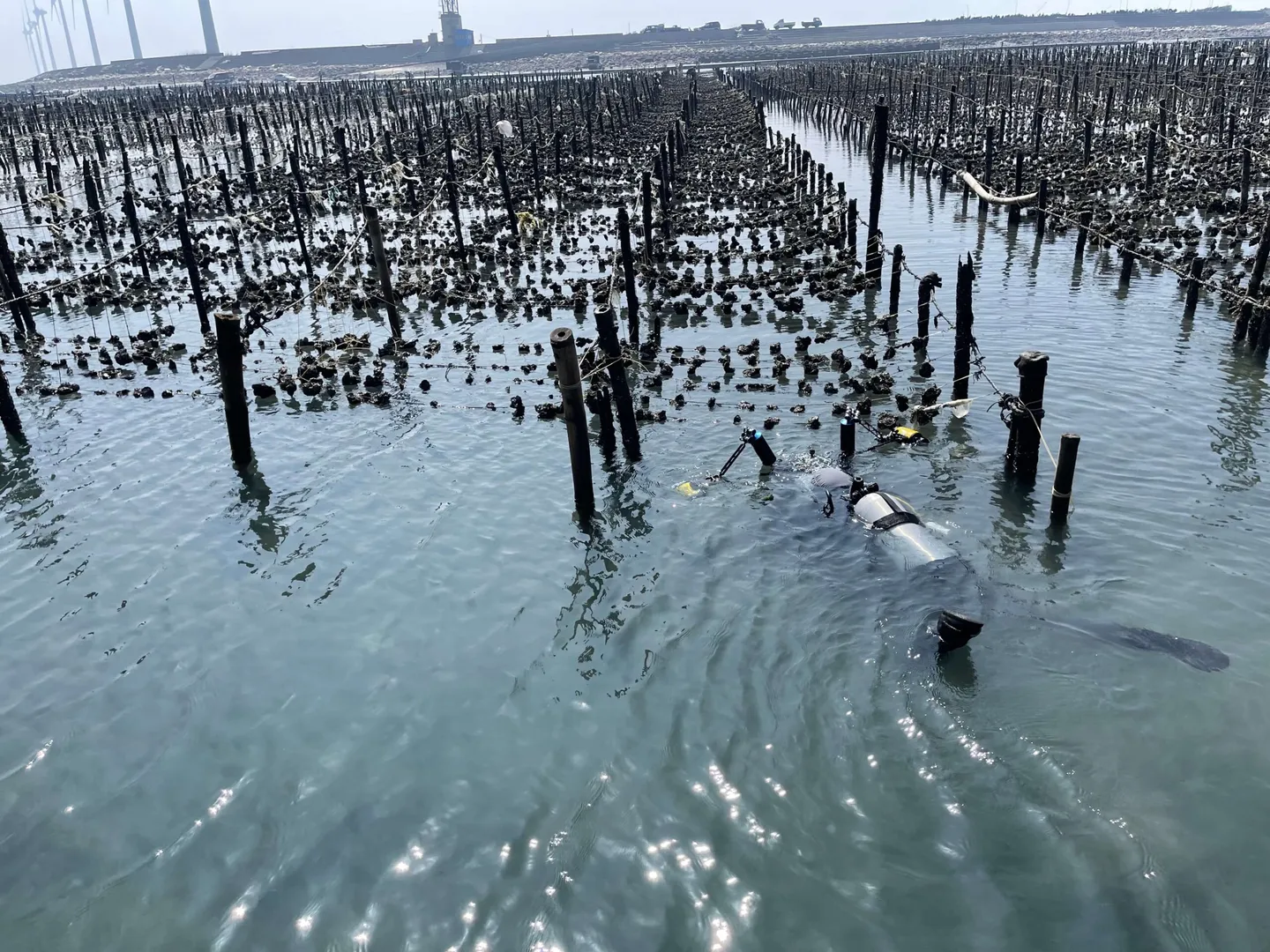
The Changhua area is home to one of Taiwan's most important oyster industries, and its cultivation method is unlike anywhere else on the island.
On the mudflats beside the Wanggong Fishing Port intertidal zone in Changhua, visitors can spot monk crabs, horn-eyed ghost crabs, sentinel crabs, and Ocypode stimpsoni, alongside what is arguably the birthplace of pearl oysters. Wanggong's oysters are raised using a horizontal suspension method — stringing them horizontally across shallow mudflats — where they filter-feed underwater at high tide and undergo photosynthesis when the tide recedes. Compared with vertically suspended oysters, those raised horizontally spend less time submerged, which slows their growth and keeps them smaller in size. However, thanks to the extended sunlight exposure, Wanggong's pearl oysters develop a firm, plump flesh with a satisfyingly springy texture.
Every year from late autumn into early winter — October through November — the local oyster farmers of Wanggong head out to their oyster beds at low tide to sort the harvest. They collect empty oyster shells, drill holes in them onshore, string them onto nylon ropes, and set them out in the intertidal zone to catch oyster larvae. November through December is the growth period for juvenile oysters: after fertilisation, spat attach themselves to the empty shells and enter a metamorphic stage as they grow.
Hop aboard a traditional oyster-farm cart and head out to the oyster beds to learn the stories of the farmers who have worked this land for generations.
From January through February, oyster farmers thin out the crop — separating the oyster strings one by one and spreading them horizontally across the rack frames — to give each oyster more room to grow. In the months that follow, they make regular rounds of the oyster beds to guard against natural predators such as Reishia clavigera (oyster drills) and flatworms, and to re-secure any ropes that have been loosened by the tide.
On your next visit to Wanggong, come and meet the legendary mud shrimp, or join an eco-experience tour featuring a ride on an iron-wheeled ox cart out to dig for clams and a self-grilled pearl oyster barbecue. Bear in mind that oyster-farm outings are timed to the tides, so it's best to call ahead and make a reservation. After the experience, head over to the nearby Fangyuan Lighthouse — painted with its distinctive black-and-white vertical stripes — and take in the spectacular sunset.
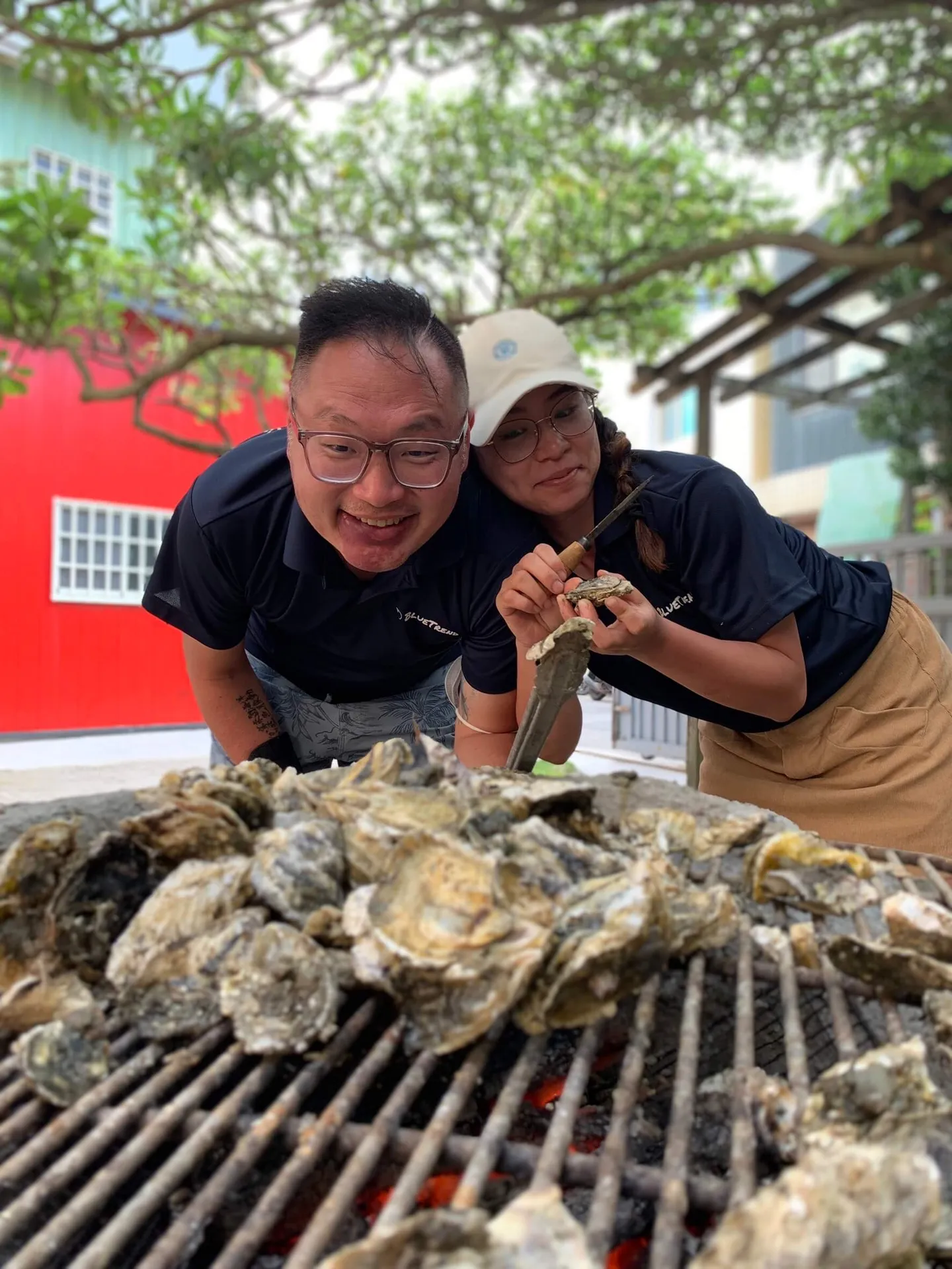
The local guided tours offer a wide range of experiences; freshly grilled oysters are one of the highlights for sampling the area's finest ingredients.
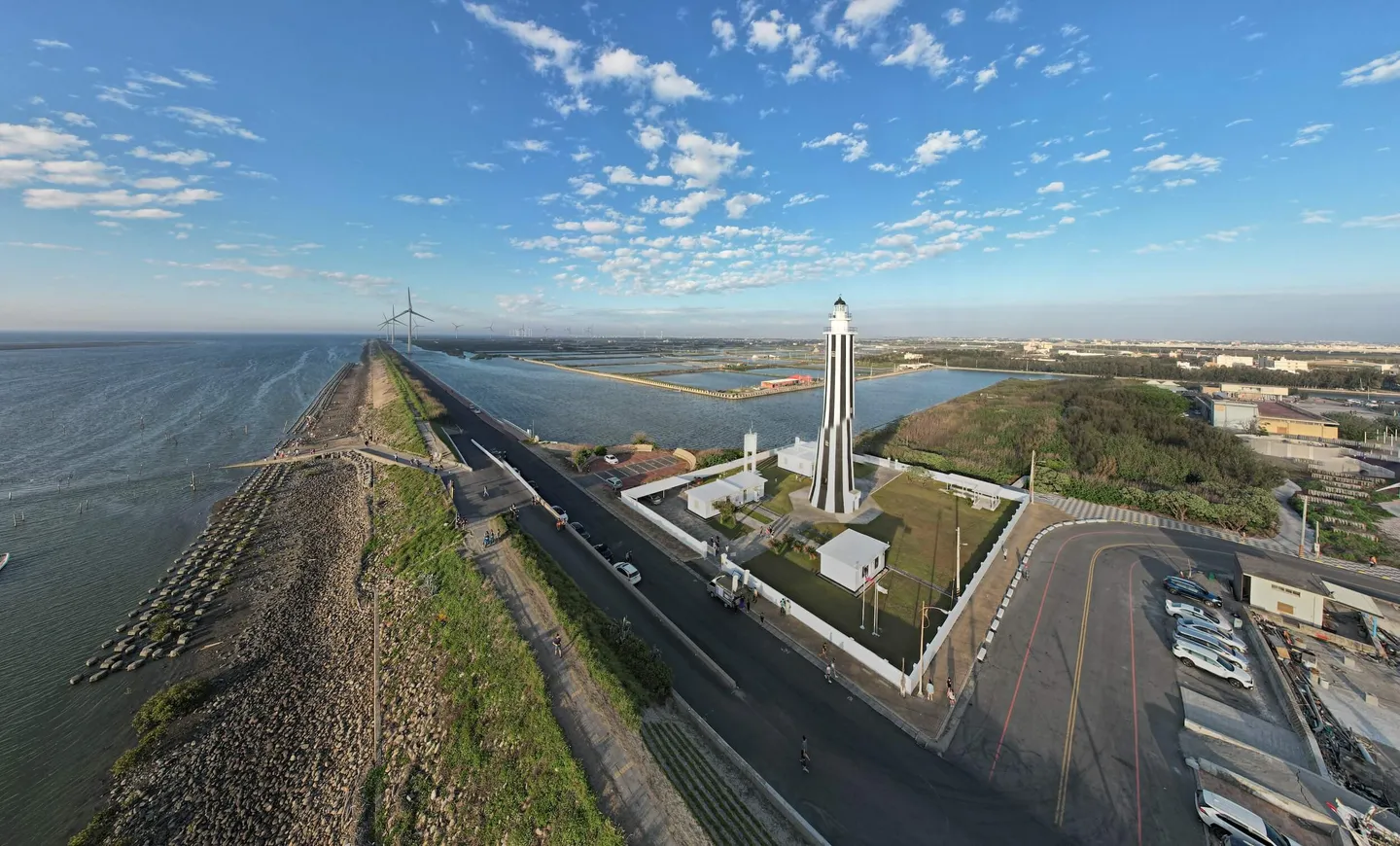
Fangyuan Lighthouse — the perfect vantage point for a million-dollar sunset.
Further reading:

![[Blu's Classroom] Marine Conservation Animals Get an Upgrade! Can You Identify These 3 Common Giant Clam Species in Taiwan?](/_astro/%E7%A1%A8%E7%A3%B2%E8%B2%9D%E8%BE%A8%E8%AD%98_ZblJt0.webp)
![[BlueTrend Mini Classroom] Sea Lettuce Edition|Marine Habitat & Life Micro-Education Series Part 1 ft. Ocean Conservation Administration, Keelung City Government](/_astro/%E7%9F%B3%E8%93%B4%E7%AF%87%E5%B0%81%E9%9D%A2_1ALbXT.webp)
![[Blu's Little Classroom] Tide Pools | Marine Habitat & Life Micro-Education Series Part 2 ft. Ocean Conservation Administration, Keelung City Government](/_astro/%E6%BD%AE%E6%B1%A0%E7%AF%87_20dBwG.webp)