Contents(7)
- Canada's First Marine Protected Area in the Atlantic — The Gully MPA
- How Was the Importance of the Habitat Assessed Before the MPA Was Established?
- How Does the Canadian Government Manage the Gully MPA?
- Once a Marine Protected Area Is Successfully Established, Is That the End of It?
- The Gully MPA Has Recorded 16 Cetacean Species — Waters off Hualien Have Recorded Even More: 20!
- References
- Further Reading
This article is fully reprinted from the Kuroshio Ocean Education Foundation: "Why Does Taiwan Also Need Marine Protected Areas for Whales and Dolphins?"
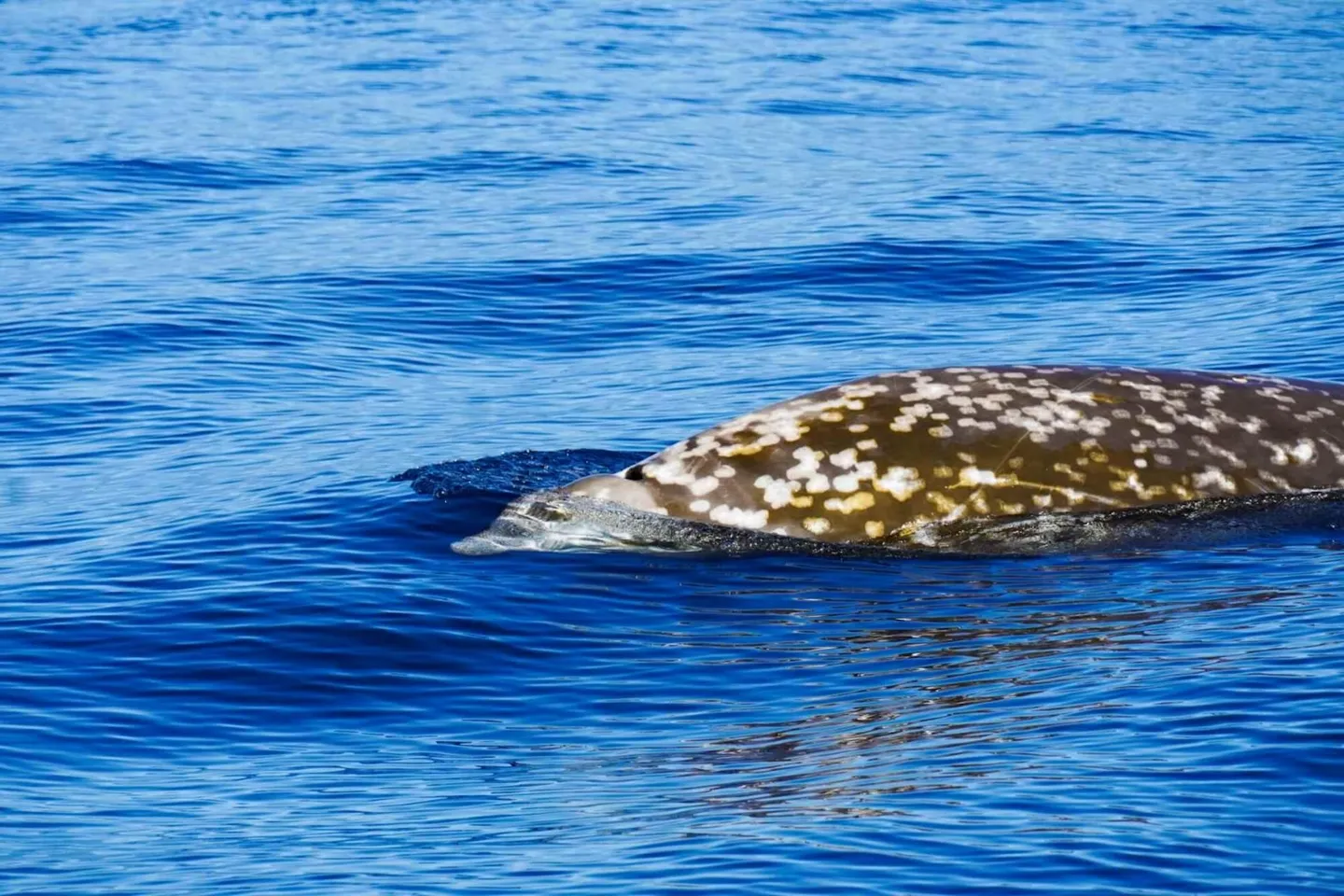
Figure 1. A Cuvier's beaked whale (Ziphius cavirostris) makes a surprise appearance during an Ocean Oasis Project survey voyage.
As the negative impacts of human activity on the marine environment continue to grow, the survival of marine life has become a cause for serious concern. In recent years, we have witnessed declining biodiversity, widespread coral bleaching, entanglement in fishing gear, and vessel strikes on marine animals — events that seem like the ocean's own cry for help. So how can we slow the damage we are inflicting on the sea?
Establishing marine protected areas (MPAs) is one of the directions that the international community is collectively pursuing. Among the many marine conservation actions available, designating MPAs is widely regarded as one of the most effective. By setting aside large MPAs, human disturbance to the marine environment can be reduced, thereby protecting marine life habitat and overall biodiversity¹. This article introduces Canada's Gully Marine Protected Area (MPA) — "gully" referring to a submarine canyon — which is home to as many as 16 species of cetaceans. We also explore lessons and practices that Taiwan might draw upon, with the hope that this case study can serve as a concrete reference when the Kuroshio Ocean Oasis Project applies for designation as an Important Marine Mammal Area (IMMA) in the future.
Canada's First Marine Protected Area in the Atlantic — The Gully MPA
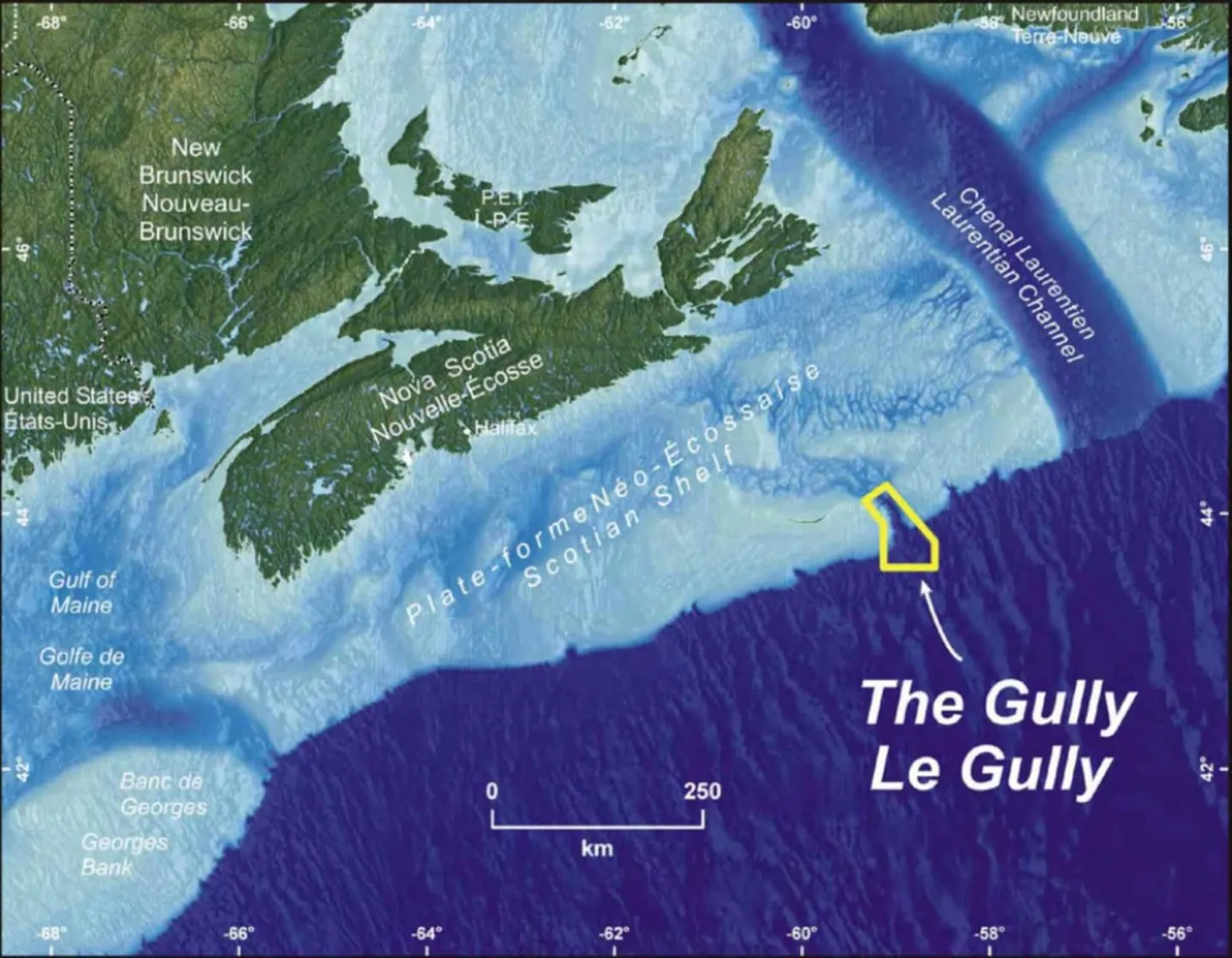
Figure 2. The yellow box indicates the geographic location of the Gully MPA. (Source: Government of Canada official website)
Between approximately 150,000 and 450,000 years ago, the movement of massive glaciers and the erosion caused by meltwater carved out a large submarine canyon at the edge of the Scotian Shelf off Canada's eastern coast. Known as the Gully, it reaches depths of more than 2,500 m and is the largest submarine canyon in the North Atlantic. The Gully is extraordinarily rich in biodiversity, nurturing 30 species of cold-water corals and accumulating sighting records of 16 cetacean species, including the northern bottlenose whale (Hyperoodon ampullatus), the blue whale (Balaenoptera musculus), and Sowerby's beaked whale (Mesoplodon bidens), among others.
Of these, the northern bottlenose whale was listed as a Vulnerable species by Canada's Committee on the Status of Endangered Wildlife in Canada (COSEWIC) in 1997. At the time, however, the Gully was under threat from oil and natural gas development, which subjected local cetaceans to chronic risks from vessel strikes and construction noise, placing their survival in serious jeopardy. In response, the Canadian government established the Gully MPA in 2004 to protect the endangered northern bottlenose whale and the area's other precious marine life.


How Was the Importance of the Habitat Assessed Before the MPA Was Established?
If we want to protect the biodiversity of a given area, protecting the entire habitat — rather than a single species — is the most direct, root-cause approach. But how do we determine whether the designated area encompasses the habitat that cetaceans need to survive? Through at-sea visual surveys and passive acoustic monitoring², we can gather information on where, when, and how frequently cetaceans appear in the area, and use this data to evaluate the appropriate size and boundaries of the MPA.
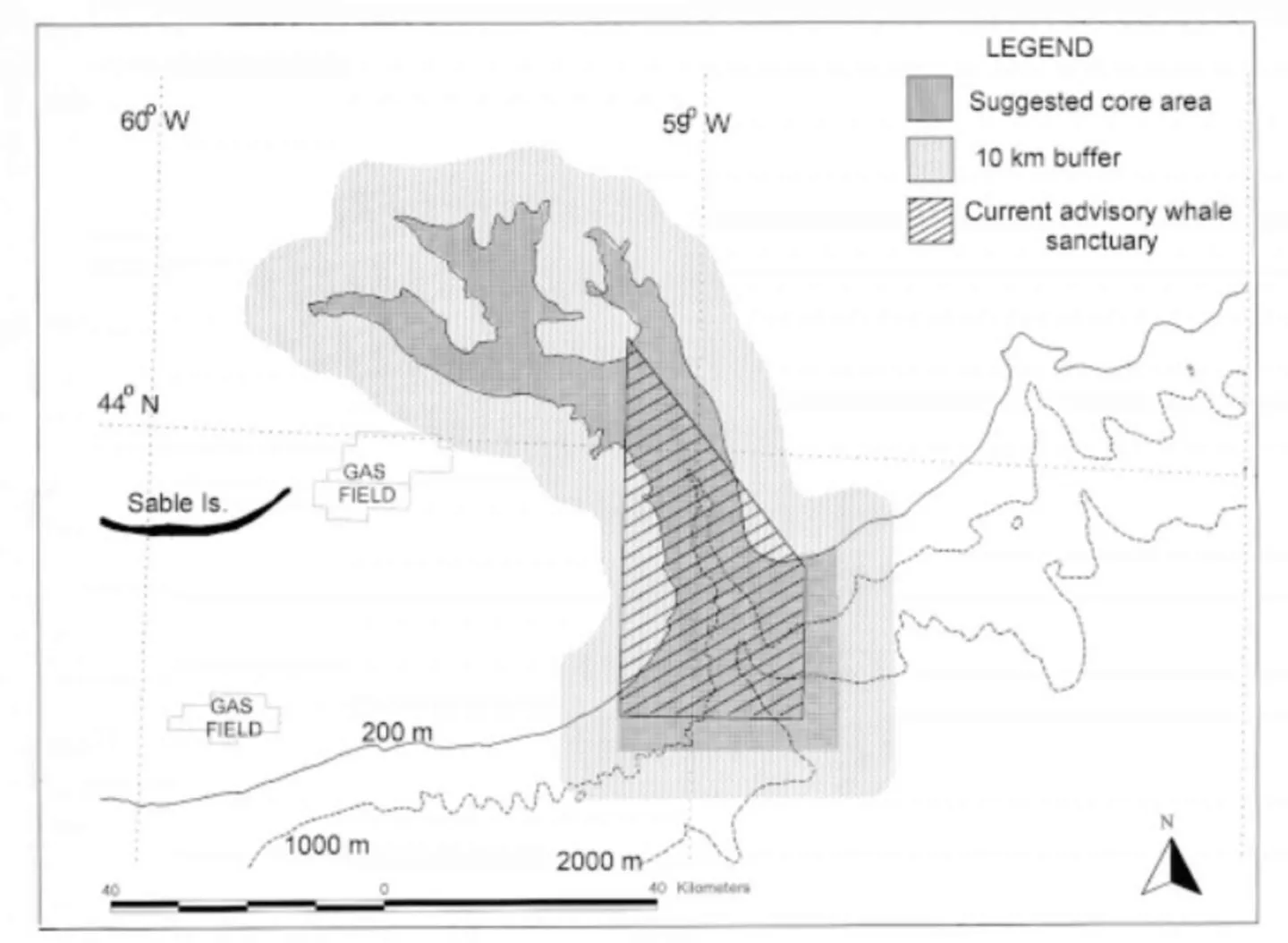
Figure 3. A comparison between the non-legally binding cetacean sanctuary (hatched area) and the scientifically recommended cetacean protection zone (dark grey area). (Source: Hooker, S. K., 1999)
In fact, before the Gully MPA was formally established, the government and researchers had already conducted preliminary assessments and studies of local cetaceans. In 1994, Canada's Department of Fisheries and Oceans (DFO) designated a non-legally binding whale sanctuary in the Gully — essentially a pilot zone to test its effectiveness — covering the hatched area shown in Figure 4. The agency educated passing mariners about the area's ecological significance and provided guidelines instructing captains on how to minimize threats to cetaceans when transiting the zone, with the aim of reducing the risk of vessel strikes on northern bottlenose whales as much as possible. Simultaneously, local researchers actively studied the distribution range and population size of cetaceans in the Gully.
Using cetacean sighting data collected between 1988 and 1996 — including species, numbers, and coordinates — and integrating various environmental factors such as sea surface temperature, water depth, and seafloor gradient, researchers found a strong correlation between cetacean occurrence and depth. Most cetaceans around the Gully inhabit the submarine canyon at depths of 200 to 2,000 m. Researchers therefore recommended that the government establish a core zone boundary along the 200 m isobath, surrounded by a buffer zone, in order to comprehensively protect the Gully's cetaceans from the impacts of oil development and shipping.
How Does the Canadian Government Manage the Gully MPA?
Following years of investigation, Canada officially enacted the Gully Marine Protected Area Regulations in 2004, publicly designating the Gully MPA boundaries within those regulations. With the exception of specific activities permitted under the regulations³, it is strictly prohibited within the Gully MPA to "disturb, damage, or destroy any living organism or any part of its habitat, or remove any living organism" — including the substrate to a depth of 15 m below the seabed — and the dumping, discarding, or discharging of any substance is likewise prohibited.
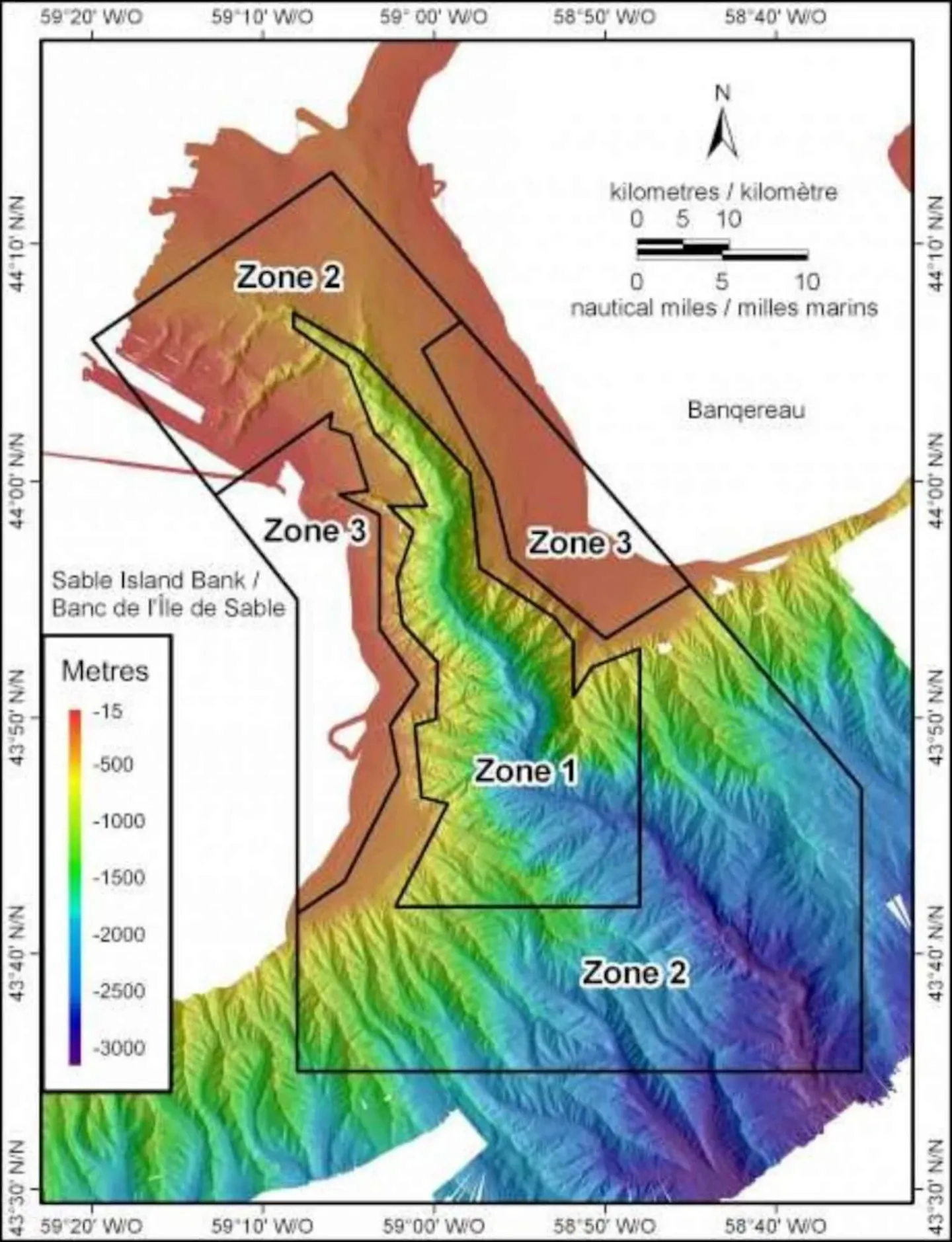
Figure 4. The Gully MPA management zones are divided into three areas according to depth. (Source: Government of Canada official website)
In addition, the Canadian government has divided the MPA into three management zones based on water depth — Zone 1, Zone 2, and Zone 3, as shown in Figure 5. Each zone has its own distinct ecological character, and management restrictions vary slightly between them. In Zone 1, the core cetacean habitat, fishing is entirely prohibited. In Zone 2 and Zone 3, commercial hook-and-line fishing is permitted for halibut, tuna, shark, and swordfish.
Once a Marine Protected Area Is Successfully Established, Is That the End of It?
Long-term data collection is required not only before an MPA is designated, but also afterward — ongoing monitoring is essential to evaluate the MPA's effectiveness. Canadian researchers surveyed the population dynamics of northern bottlenose whales seven years after the Gully MPA was established. They estimated approximately 143 northern bottlenose whales in the Scotian Shelf waters and found that both the population size and sex ratio had remained stable since 1988. Although the population had not shown a marked increase, this stability demonstrated that the MPA had effectively allowed the species to maintain a steady population without the pressure of human development.
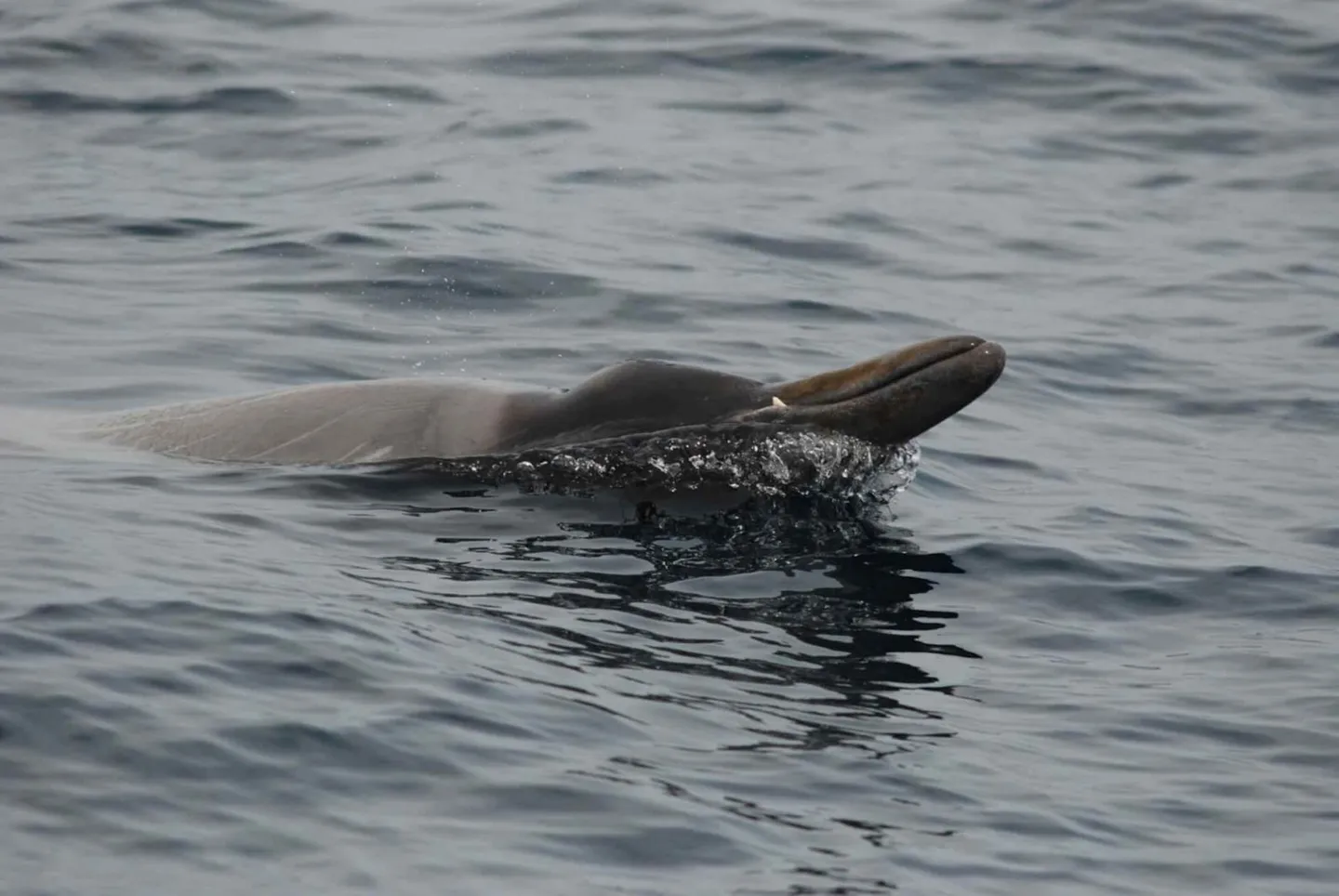
Figure 5. Sowerby's beaked whale. (Photo: Catalina Gomez; Source: Government of Canada official website)
Beyond the primary target species, other cetaceans in the Gully have also shown some changes. Researchers observed that between 1988 and 2011, sightings per unit effort (SPUE) declined for some species and increased for others, with trends potentially linked to shifts in environmental conditions or food resources. Particularly noteworthy is the case of another beaked whale, Sowerby's beaked whale (Mesoplodon bidens), whose SPUE⁴ increased dramatically after the MPA was established (by 21% per year). Given the lack of supporting data on deep-sea cetacean food availability, scientists consider the most reasonable explanation to be that the MPA has reduced human disturbance. A decrease in vessel traffic and associated noise has made the Gully MPA a habitat of choice for acoustically sensitive beaked whales. Although the establishment of the MPA has improved the habitat conditions for beaked whales, long-term monitoring must continue to ensure that MPA management remains effective and can be adjusted in a timely manner in response to environmental changes.
The Gully MPA Has Recorded 16 Cetacean Species — Waters off Hualien Have Recorded Even More: 20!
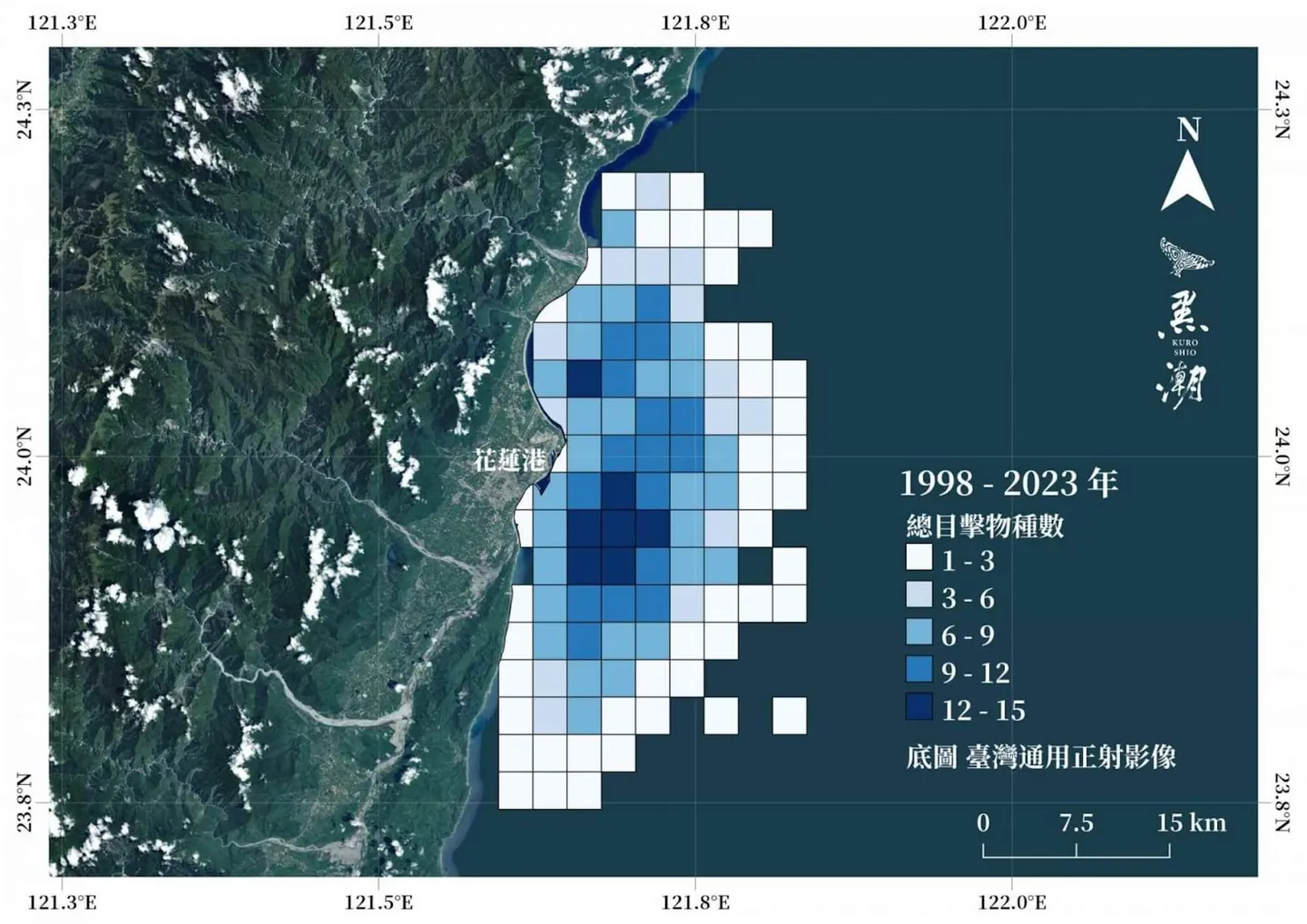
Figure 6. Cetacean species diversity in Hualien waters, 1998–2023.
Canada's Gully MPA currently holds records of 16 cetacean species. Yet according to cetacean sighting data accumulated over more than 20 years of whale-watching voyages by the Kuroshio Ocean Education Foundation, the waters off Hualien have recorded as many as 20 species — an even greater level of species diversity! However, we have observed that Risso's dolphins commonly seen in Hualien waters sometimes bear scars that appear to be human-caused in addition to their natural scarring. For this reason, in 2023 we conducted a body-scar analysis of Risso's dolphins, which revealed that 19 out of 50 individuals (38%) showed scars suspected to have been caused by human activities. The waters off eastern Taiwan support an extraordinary variety of cetacean species, and if we continue to fail to provide them with a safe ocean oasis in which to grow and raise their young, we may one day find it impossible to perch on the bow of a boat, feel the sea breeze, and watch the whales and dolphins of Hualien in all their splendor.
Canada's Gully MPA has now celebrated its 20th anniversary and offers a valuable model for Taiwan as it looks toward establishing its own cetacean protected areas. Kuroshio continues to press forward through the Ocean Oasis: Eastern Coast Cetacean Conservation Project, which aims to have Taiwan's eastern waters recognized internationally as an Important Marine Mammal Area. The goal is to build a more comprehensive body of background data for future dialogue with government agencies on conservation policy.
¹Biodiversity is composed of three components — genetic, species, and ecosystem diversity — like a stable and intricately balanced pyramid.
²Passive acoustic monitoring is a technique that uses recording devices to capture various sounds in the natural environment.
³Specific activities permitted under the regulations are as follows:
● Commercial hook-and-line fishing for halibut, tuna, shark, and swordfish in Zone 2 and Zone 3.
● Vessel transit (subject to compliance with Canada's Shipping Act).
● Search and rescue, environmental emergency response, and cleanup.
● Activities related to national security, sovereignty, and public safety.
⁴Sightings per unit effort (SPUE) = number of sighting groups / survey effort.
References
- 【Expert Testimony】Professor Shao Guangzhao — Why Designate Marine Protected Areas?
- World Wildlife Fund — The Gully Marine Protected Area
- Department of Fisheries and Oceans Canada — The Gully Marine Protected Area
- Lessons from Atlantic Canada's oldest marine protected area, https://wwf.ca/stories/lessons-atlantic-canadas-oldest-marine-protected-area/
- Cetacean Biodiversity in Hualien Waters
- Uncovering the Secrets Behind Cetacean Scars — A Body-Scar Analysis of Risso's Dolphins
- Brien, K. O., & Whitehead, H. (2013). Population analysis of Endangered northern bottlenose whales on the Scotian Shelf seven years after the establishment of a Marine Protected Area. Endangered Species Research, 21(3), 273-284.
- Hooker, S. K., Whitehead, H., & Gowans, S. (1999). Marine protected area design and the spatial and temporal distribution of cetaceans in a submarine canyon. Conservation biology, 13(3), 592-602.
- Moors-Murphy, H. B. (2014). Submarine canyons as important habitat for cetaceans, with special reference to the Gully: a review. Deep Sea Research Part II: Topical Studies in Oceanography, 104, 6-19.
- Whitehead, H. (2013). Trends in cetacean abundance in the Gully submarine canyon, 1988–2011, highlight a 21% per year increase in Sowerby's beaked whales (Mesoplodon bidens). Canadian Journal of Zoology, 91(3), 141-148.
- Original article: Why Does Taiwan Also Need Marine Protected Areas for Whales and Dolphins?
Further Reading