Contents(5)
They say distance makes things beautiful. The ocean looks stunning from afar, but immersing yourself in it offers a whole different kind of beauty.
Since 2017, the Small and Medium Enterprise and Startup Administration (SMESA) under the Ministry of Economic Affairs has run the "Social Innovation Products and Services Procurement Incentive Programme," bringing together nearly a thousand social innovation organizations (hereafter "social innovators") that build their business models around the United Nations Sustainable Development Goals (SDGs).
To encourage the public to embrace SDG 12 — Responsible Consumption and Production — SMESA launched the "Responsible Commerce" curated brand, selecting 80 featured products and services annually. Through the Social Innovation Selection Catalogue, it promotes sustainable products and services to consumers, including a number of social innovators that champion ocean sustainability under SDG 14 — Life Below Water. This series of articles, spanning everyday purchases to local experiences, shares how the products and services of these social innovators can help support marine conservation.
Beyond coastal day trips spent listening to waves and feeling the breeze, is there a way to go further — to let the ocean wrap itself entirely around you? Absolutely. Step off the shore and into the sea: here are four social innovators that close the distance between you and the ocean.
Fishing Around — Understanding the Ocean Through Food: Fishbar
Seafood is inescapable in Taiwan's daily cuisine — but do you actually know the name of that steamed red fish on the dinner table? Was it caught along Taiwan's coast, or imported from overseas? Head to Fishbar at Qixingtan in Hualien, and let them take you on a perfectly legitimate "fishing expedition" — one that traces your seafood from the sea all the way to the table.
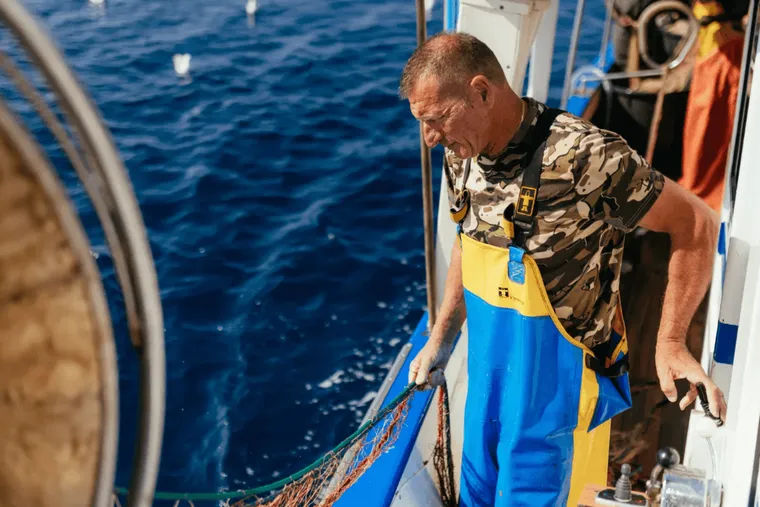
Fishbar is a social innovation team centred on "fish food education," combining seafood sales, learning, and hands-on experiences. One of their signature programmes, "Brave the Ocean Labyrinth at Sea," takes you directly out on the water to explore set-net fishing — one of the more ocean-friendly fishing methods. Out at sea, you don't just observe the fishing technique; you also get a chance to spot the East Coast's celebrity cetaceans. Back on shore, you role-play and use scale models to understand how fish are caught, then enjoy a meet-and-greet with the fish themselves — touching and observing them up close to uncover more seafood secrets. And of course, the adventure wraps up with cooking your own catch, completing a full farm-to-table journey.
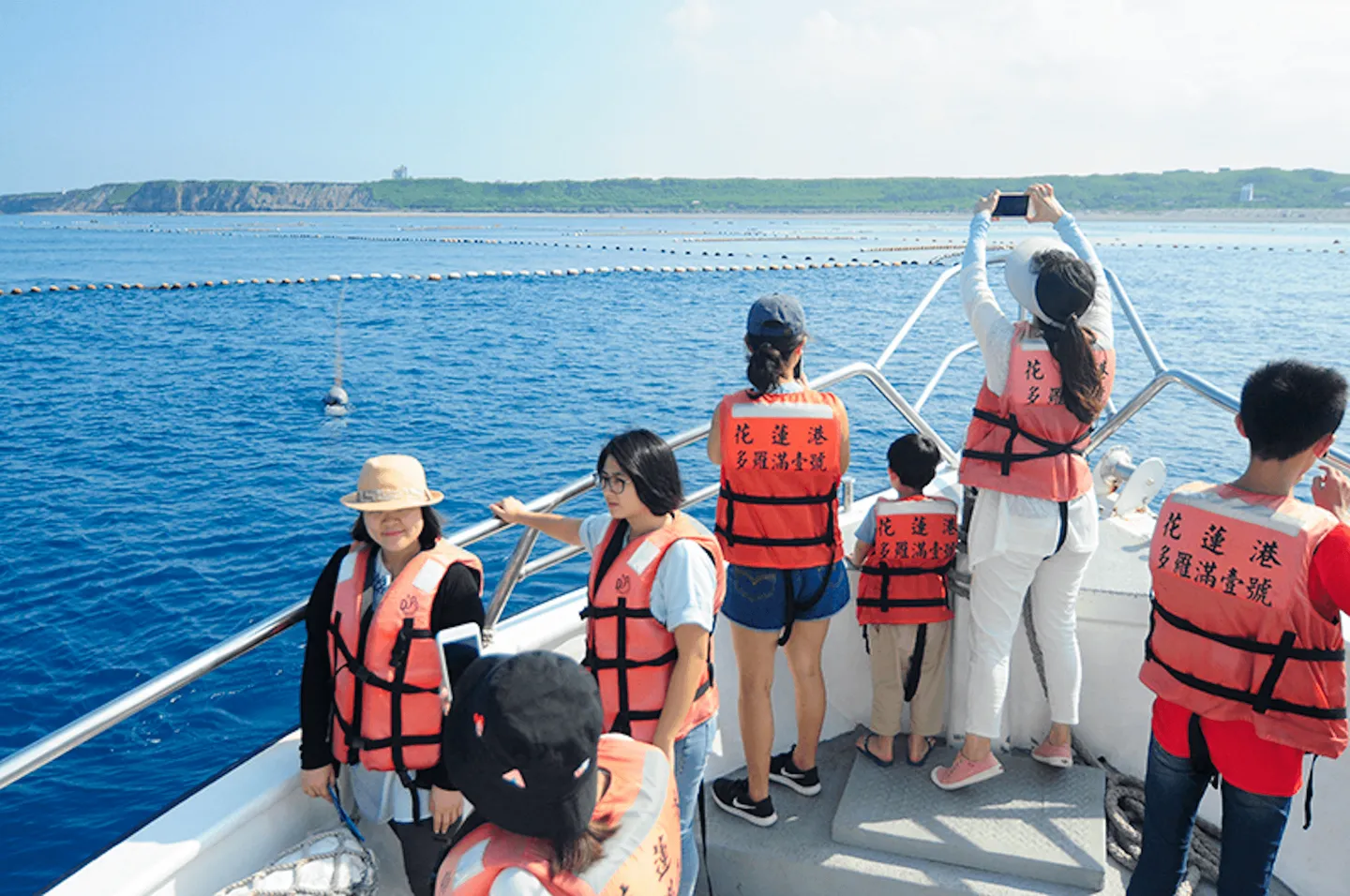
The "Ocean Labyrinth" is actually a set-net fishing system. After seeing it up close at sea, participants return to shore to learn about the fishing principles through scale models. Image credit: Fishbar
Beyond these hands-on programmes, Fishbar also hosts occasional talks covering sustainable fishing methods, fishing village culture, cetacean conservation, and fish handling. Whether you care deeply about marine conservation or are simply curious, there's always an angle that speaks to you. This summer, Fishbar used "listening" as its medium, sharing the underwater symphony that makes up the ocean ecosystem; come winter, they plan to spotlight sustainable seafood through the theme of "ocean flavours."
Fishbar's merchandise is equally impressive. In addition to locally caught sustainable seafood, the shop stocks fish-themed playing cards and board games that teach you which fish are in season throughout the year. There's also gin, popcorn, and fish floss all made from bonito. And if you find yourself craving these flavours long after you've left, no need to make another trip to Hualien — you can order everything directly through their website.
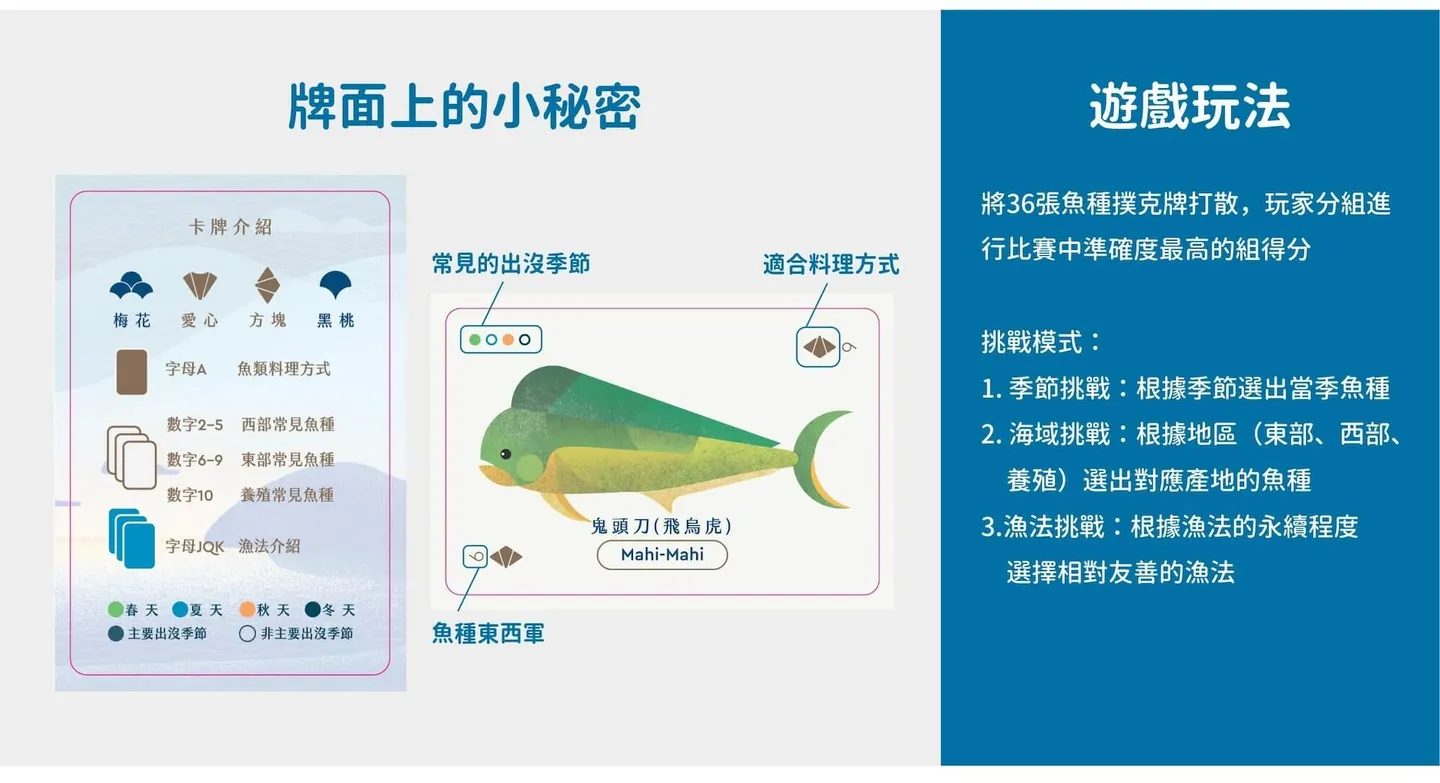
The playing cards are not just for games — they also help players learn about the local fish species commonly found in Taiwan throughout the four seasons. Image credit: Fishbar


Whale Watching and Research, All in One: Turumoan Whale Watching
When people think of whale watching hotspots, Taiwan rarely comes to mind — but it should. Situated at the confluence of major ocean currents, Taiwan's eastern coast is a natural gathering ground for cetaceans, with over one-third of all known whale and dolphin species having been spotted in Taiwanese waters. Turumoan, recently honoured with three nominations at the Regional Revitalization Grand Awards, was Hualien Port's very first whale watching company. More than just taking you out to see whales and dolphins, Turumoan introduces you to their behaviour and habits, and gives every cetacean that frequents these waters a proper introduction.
Whether you prefer Mandarin, Taiwanese Hokkien, or Hakka narration — or you're after a night observation or a photography-focused trip — Turumoan has you covered. Guiding you on these voyages are some remarkable figures: celebrated cetacean photographer Jin Lei, ocean literary writer Liao Hongji (widely regarded as the godfather of whale watching in Taiwan), and certified trainers from the Black Tide Ocean Cultural and Educational Foundation, which has long been dedicated to cetacean conservation in Hualien. This journey is guaranteed to leave you richer in knowledge and well worth every penny.
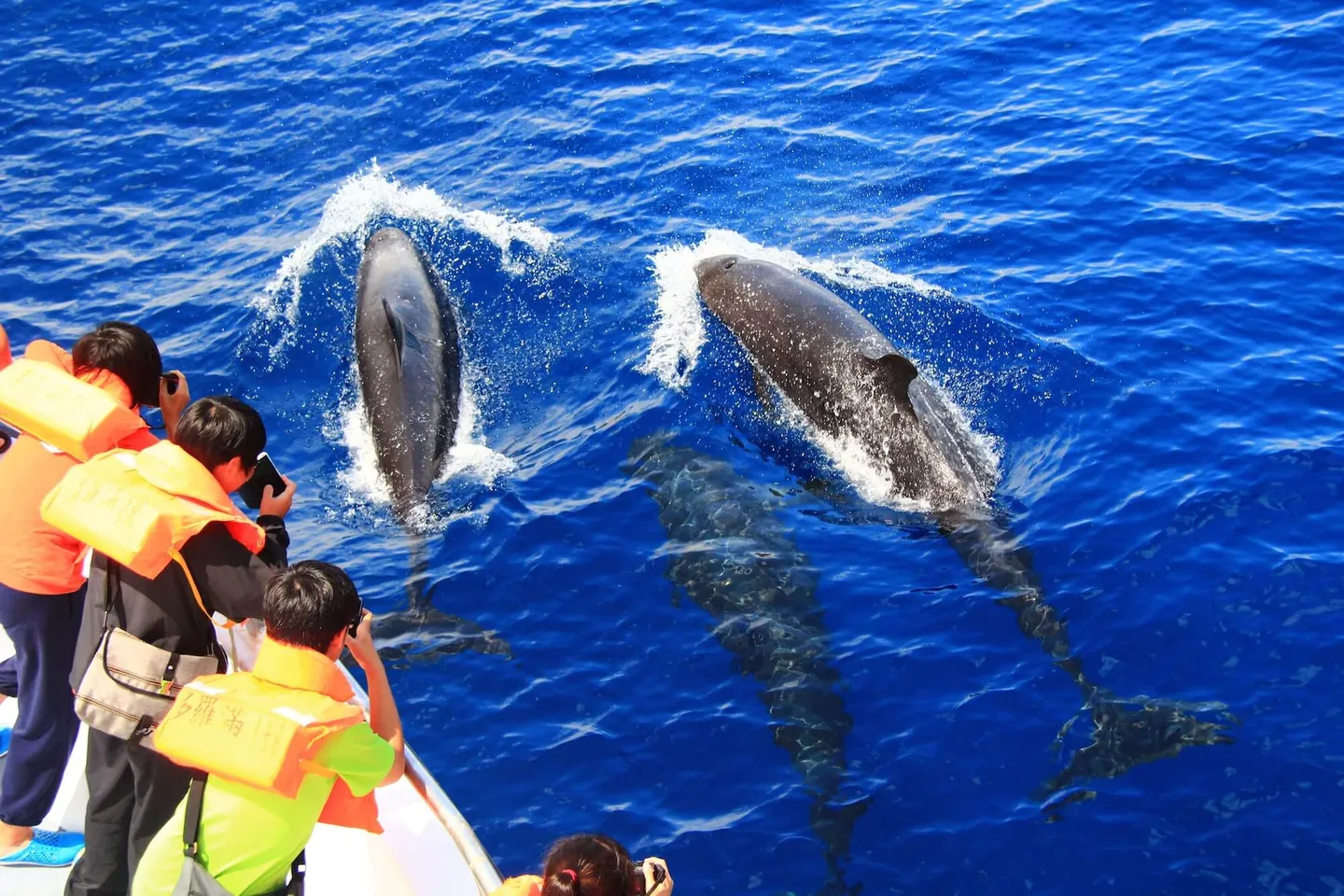
The classic whale watching programme is accompanied by interpreters from the Black Tide Ocean Cultural and Educational Foundation. Image credit: Turumoan Whale Watching
A programme especially worth highlighting is the "Visit the Pacific Sperm Whale — Project π." On this five-hour voyage, participants become active contributors to a sperm whale research initiative. Sperm whale sightings were once recorded at less than 1% frequency, but in 2023 that figure suddenly jumped to 6%. To better understand sperm whale behaviour, Turumoan partnered with the Formosa Association in Hualien to plan 60 hours of survey voyages each quarter, inviting the public to help document sperm whale sounds, images, and tracking data.
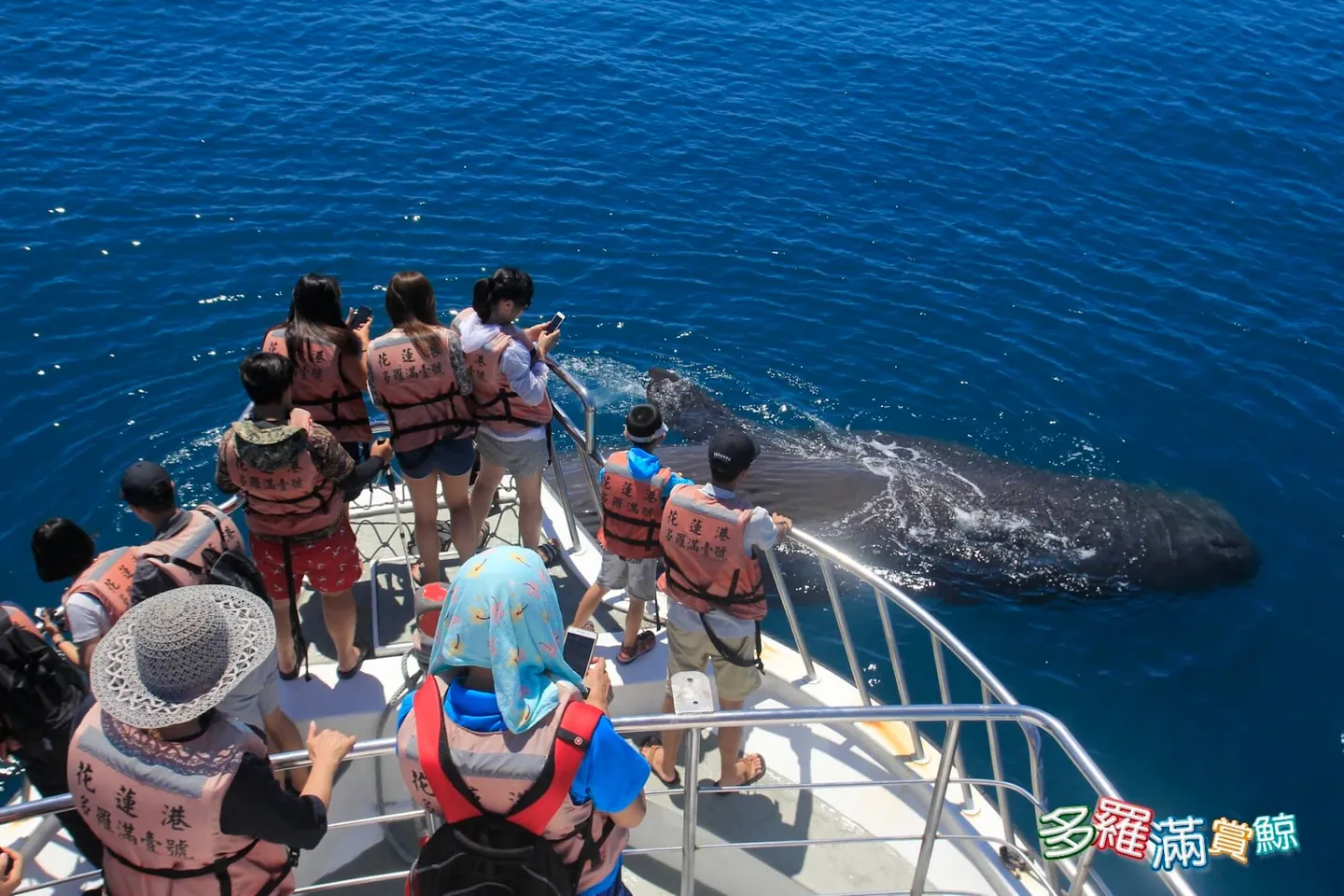
The Project π departures venture into more distant waters, which is why the voyage takes considerably longer. Image credit: Turumoan Whale Watching
Touch the Sea, Know the Sea, and You Might Just Love It: Taiwan Dive
If wave-wading, snorkeling, SUP, and surfing are no longer enough to satisfy your love of the ocean, and you're yearning to explore even deeper, scuba diving might be exactly the new perspective you're looking for. Taiwan is an island surrounded by the sea on all sides, with the Northeast Coast, Orchid Island, Green Island, Kenting, Xiaoliuqiu, and Penghu all being popular diving destinations. This time, we'd like to introduce a dive shop in Hengchun where diving is possible year-round: Taiwan Dive.
"Bring ocean into your life" — this bold motto hangs behind the reception counter at the dive shop. Taiwan Dive hopes to give more people the chance to enter the ocean firsthand, experience its beauty, and ultimately become advocates for protecting it. CEO Chen Qi'en has continuously explored how the diving industry can contribute to ocean protection throughout his time running Taiwan Dive. The building itself is a certified green building, and 20% of annual profits are channelled into a Blue Fund used to organise ocean cleanups, beach cleanups, and underwater elementary school graduation ceremonies. Guests who come to take courses or dive are also encouraged to reduce their use of plastic products and to choose reef-safe sunscreen.
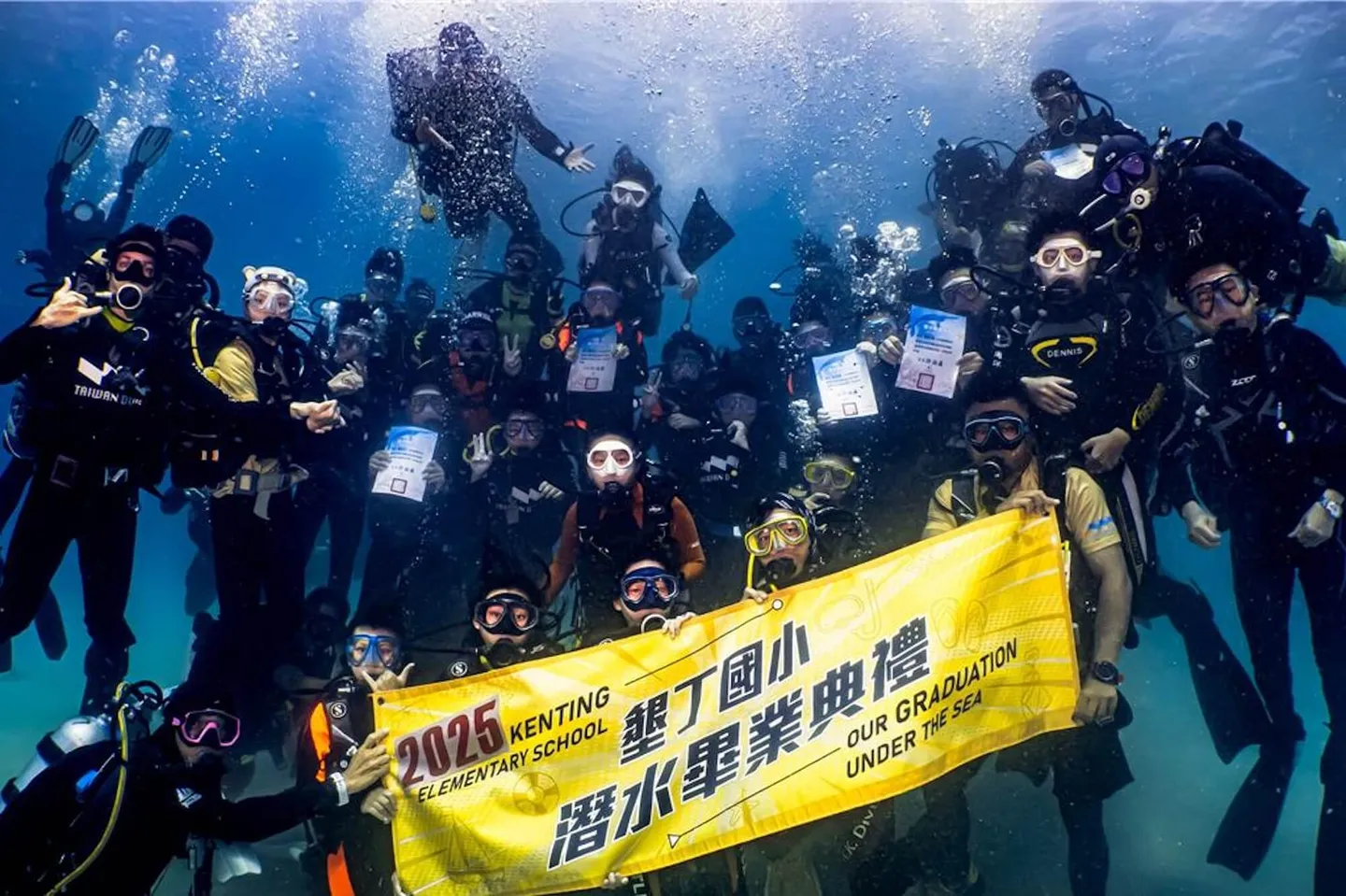
Every year, Taiwan Dive uses the Blue Fund to host underwater elementary school graduation ceremonies, presenting diplomas beneath the surface and giving children a meaningful connection to the sea. Image credit: Taiwan Dive
Beyond its core services, Taiwan Dive has in recent years linked up with land-based itineraries and activities around Hengchun — for example, tailoring full-day land-and-underwater experiences to meet corporate needs, hosting an Ocean Life Festival on World Ocean Day, and running "Homecoming Day" (洄家日), an annual event now in its 12th consecutive year, inviting everyone back to Hengchun for an ocean cleanup. The goal is to draw more people closer to the sea.
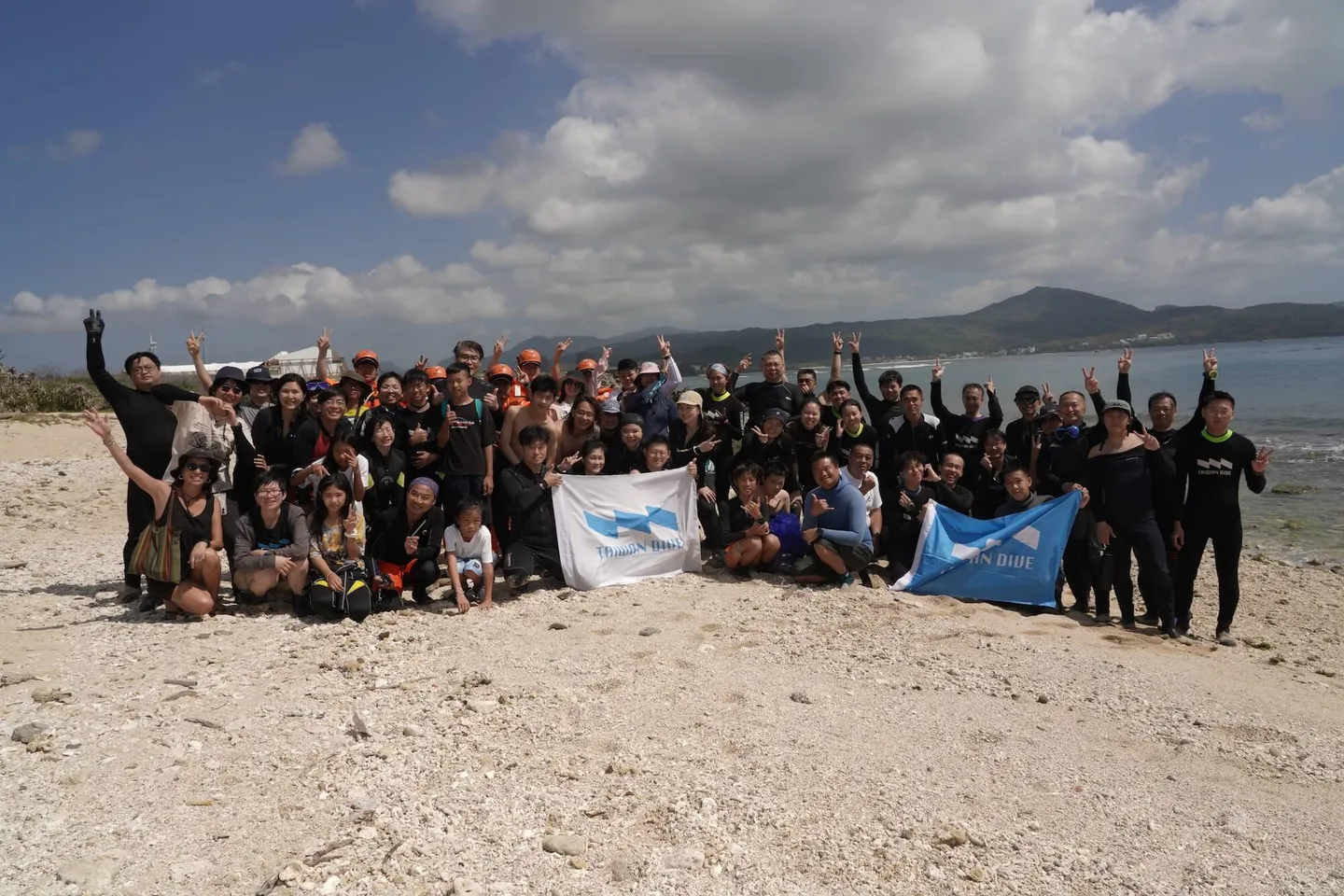
Homecoming Day is Taiwan Dive's flagship annual event, inviting divers back to Hengchun for a collective ocean cleanup. Image credit: Taiwan Dive
Next time you head to Hengchun to soak up the tropical southern atmosphere, why not stop by Taiwan Dive? Let a professional instructor guide you through the breathtaking underwater scenery, and support their ongoing mission to protect the ocean through your visit — helping shift people's first instinct toward the sea from fear to confident, peaceful coexistence.
Everyone Has the Right to Enjoy the Ocean: Woh New Life Care
The right to enjoy the ocean shouldn't belong only to the able-bodied — people with disabilities deserve it too. Occupational therapist Chen Jianhong founded Woh New Life Care after witnessing the gap between medical treatment and long-term care. The organisation helps people with disabilities obtain custom-fitted assistive devices through a one-stop service — from assessing the person's needs and their home environment to post-purchase adjustment and repair — reducing the unnecessary hardship and risk of secondary injury caused by ill-fitting equipment.
The founder is also a freediving instructor. When diving, he noticed an absence of people with disabilities in the water, and felt that was a real shame. While scuba diving programmes for people with disabilities exist, freediving-specific options for disabled participants did not — so three years ago, he established Chillax Freediving (Chillax Freediving). The programme is open not just to able-bodied participants, but also to people with disabilities who want to experience this sport.
Rather than pursuing certification, the freediving experience for participants with disabilities focuses on enjoyment of underwater activity, realising their right to leisure and sport. To date, students with lower-limb amputations, spinal injuries, visual impairments (including total blindness), and hearing impairments have all taken part and provided positive feedback. His very first student with a disability — who was also the first student of his entire coaching career — even went on to compete in a freediving competition. As Taiwan's first freediving brand specifically serving people with disabilities, and backed by the founder's professional background as an occupational therapist, Chillax Freediving can provide expert assistive device support throughout the dive, as well as an assessment of the most suitable diving approach for each individual's physical condition.
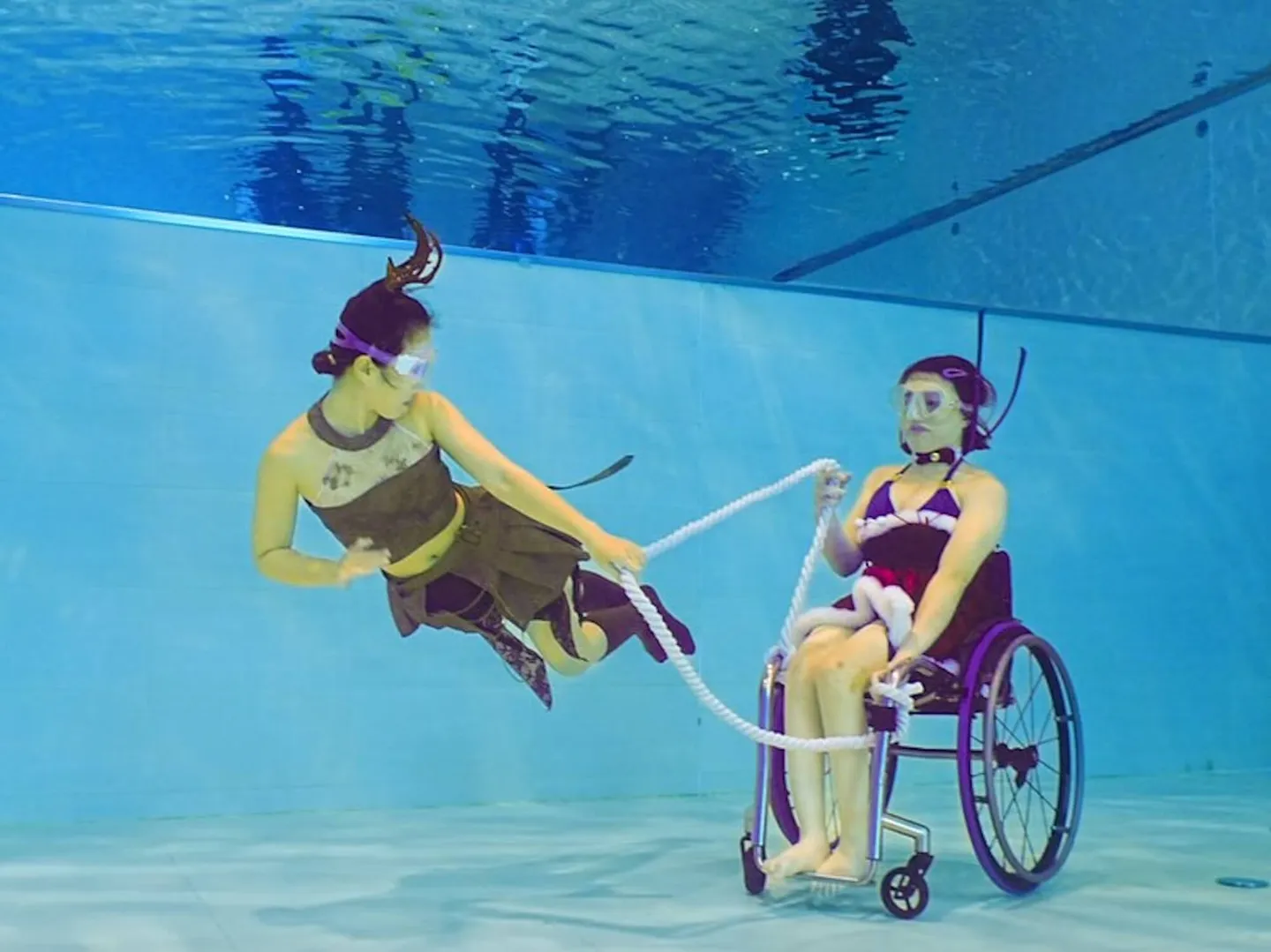
Freediving for people with disabilities not only offers an additional sport option, but also brings positive benefits to physical, mental, and emotional well-being. Image credit: Chillax Freediving
From the dinner table to the open sea, from whale watching to diving, these four social innovators each find their own way to bring us closer to the ocean. The sea is not merely a distant blue backdrop — it is part of the world we live in. Whether we choose sustainable seafood, join a research expedition, support ocean-friendly fishing practices, or push past our limits to enter the water, every choice is a step toward closing the distance between ourselves and the sea.
Further Reading