Contents(5)
- A Comprehensive Environmental Education Brand Rooted in Wetland Schools: Friendly Seed
- A Whole New Level of Quality! Who Knew Heping Island Could Be Like This: Heping Island Geopark
- The Salt Chosen by Fine Dining, Selling More Than Salt — Selling the Wind and Light of a Century-Old Salt Farm: Zhounnan Salt Field
- Preserving More Than a Village — an Entire Coastal Community's Cultural Memory: Jingood Cultural Tourism
- Further Reading
What impressions do you have of Taiwan's coastal environment or ocean culture? The Northeast Coast, Qingshui Cliffs, basalt formations… Syaman Rapongan, fishing villages, Mazu… Beyond these, what other coastlines in Taiwan are worth exploring?
Since 2017, the Small and Medium Enterprise and Startup Administration (SMESA) under the Ministry of Economic Affairs has operated the "Social Innovation Products and Services Procurement Incentive Mechanism," bringing together nearly a thousand social innovation organizations (hereafter "social innovators") that develop their business models around the United Nations Sustainable Development Goals (SDGs).
To encourage the public to embrace SDG 12 "Responsible Consumption and Production," SMESA established the "Responsible Commerce" curated brand, selecting 80 annual featured products, and promoting sustainable products and services to consumers through the "Social Innovation Selection Catalogue." Among these selections are numerous social innovators advancing sustainable action under SDG 14 "Life Below Water." This series of reports will share, from multiple perspectives — ranging from everyday purchasing to local experiences — how social innovators' products and services can support marine conservation!
Are you curious about what other coastlines in Taiwan deserve to be explored and understood? This time, we'd like to introduce four social innovators that promote coastal scenery and culture through environmental education.
A Comprehensive Environmental Education Brand Rooted in Wetland Schools: Friendly Seed
Friendly Seed (友種) lives up to its name — hoping to plant a seed of environmental kindness in every person's heart. Friendly Seed assists in providing environmental education programs across Taiwan, rebuilding respect and understanding between people and the natural environment.
Did you know that the Sicao Green Tunnel, dubbed "Taiwan's Amazon," is located in the country's only wetland national park? Since 2012, Friendly Seed has accompanied Taijiang National Park in developing the Taijiang Wetland School. Starting with nature ecology-focused curricula, the program has grown to encompass salt village culture, agriculture and fisheries, and cultural beliefs — and even includes an outreach program called "Black-faced Spoonbill Mission" for students from third grade through the general public. Courses can be booked year-round. After 13 years of collaboration, Friendly Seed hopes that the Taijiang Wetland School will one day become an environmental learning center for wetlands that everyone can participate in!
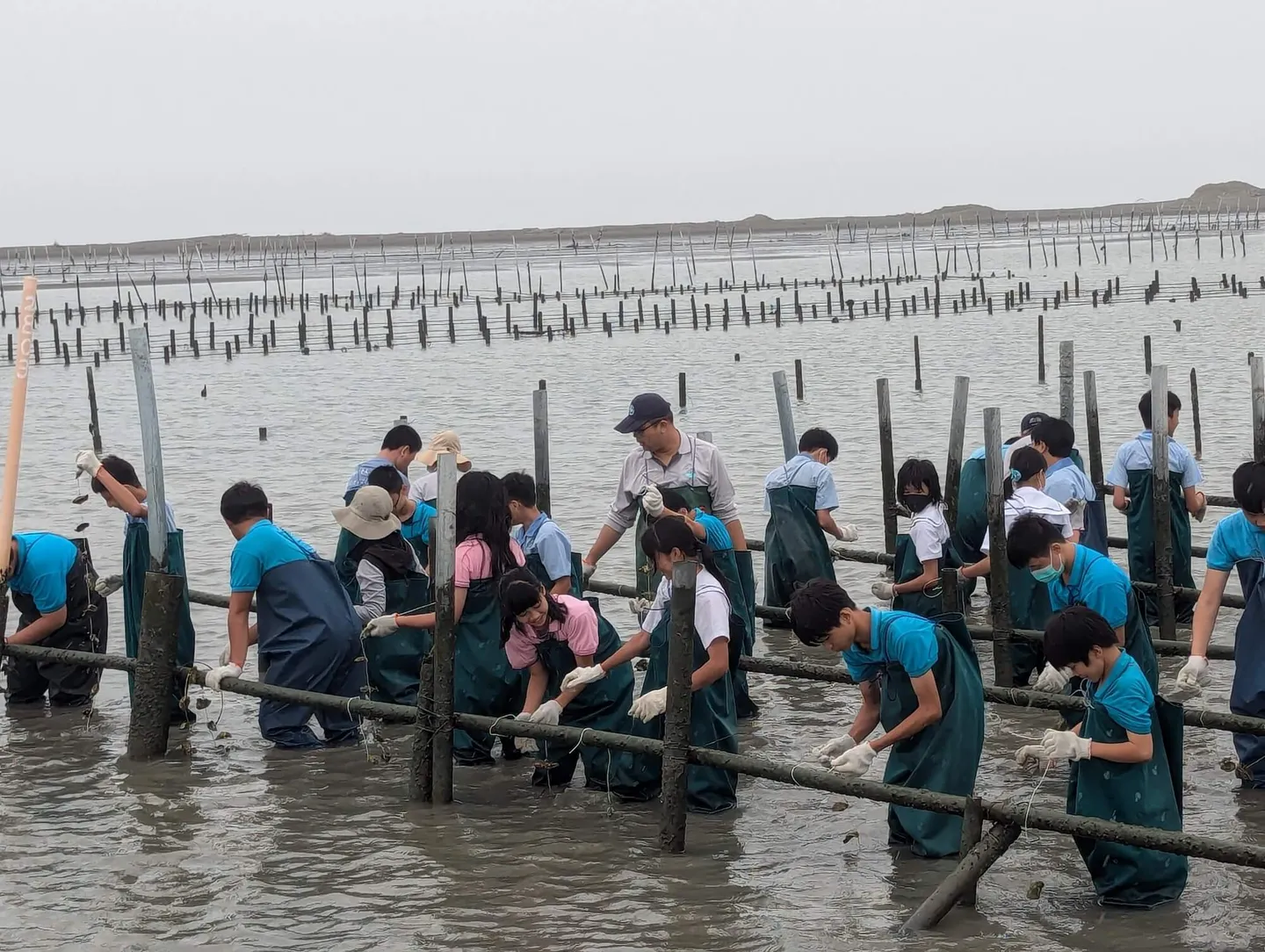
The Taijiang Wetland School has accompanied many students in learning about the wetland environment, resident species, industrial development, and salt village culture. Image source: Friendly Seed
In addition, in 2018 Friendly Seed established a marine education brand called "Slow Island Travel" (慢島旅) on Heping Island in Keelung, hoping to explore the local area at a slow pace, tell island stories in the island's own language, and put environmental-friendly values into practice through travel. In their programs, participants become citizen scientists conducting ecological surveys in the intertidal zone, and can also enjoy the natural seawater swimming pool, building a connection between people and the sea.
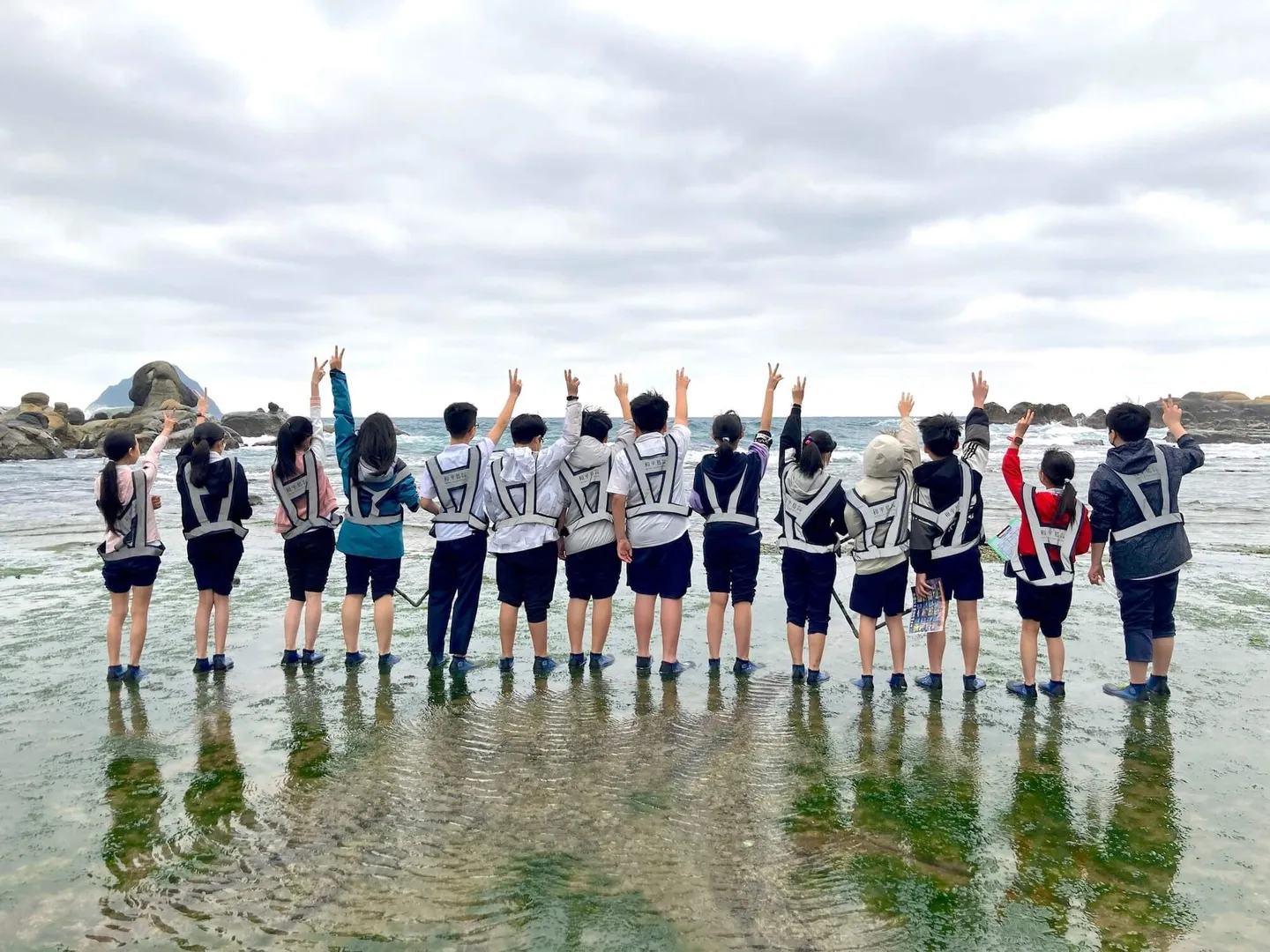
Heping Island is the closest offshore island to the Taiwan mainland, making it ideal for a family day trip. Image source: Friendly Seed


A Whole New Level of Quality! Who Knew Heping Island Could Be Like This: Heping Island Geopark
Since we're talking about Heping Island, we can't leave out Heping Island Geopark! Formerly known as Sheliao Island, Heping Island's geographic position has made it a witness to many chapters of Taiwan's diverse history — boasting not only 400 years of human history but also 20 million years of geological history. Shaped by wind and sea erosion, each rock formation has become a one-of-a-kind sculpture.
"Travel is not just travel — it is a big deal that changes places." Heping Island carries a part of Taiwan's ocean culture, and the opportunity to share these precious assets with everyone stems from the efforts of a group of Keelung-based young people with backgrounds in environmental education, tourism, and marine industry-academia education. They have transformed Heping Island into a world-class tourism destination, combining intertidal zone ecological survey experiences, geological tours, water activities, escape-room adventures, island painting gatherings, and a rich variety of activities suitable for the whole family.
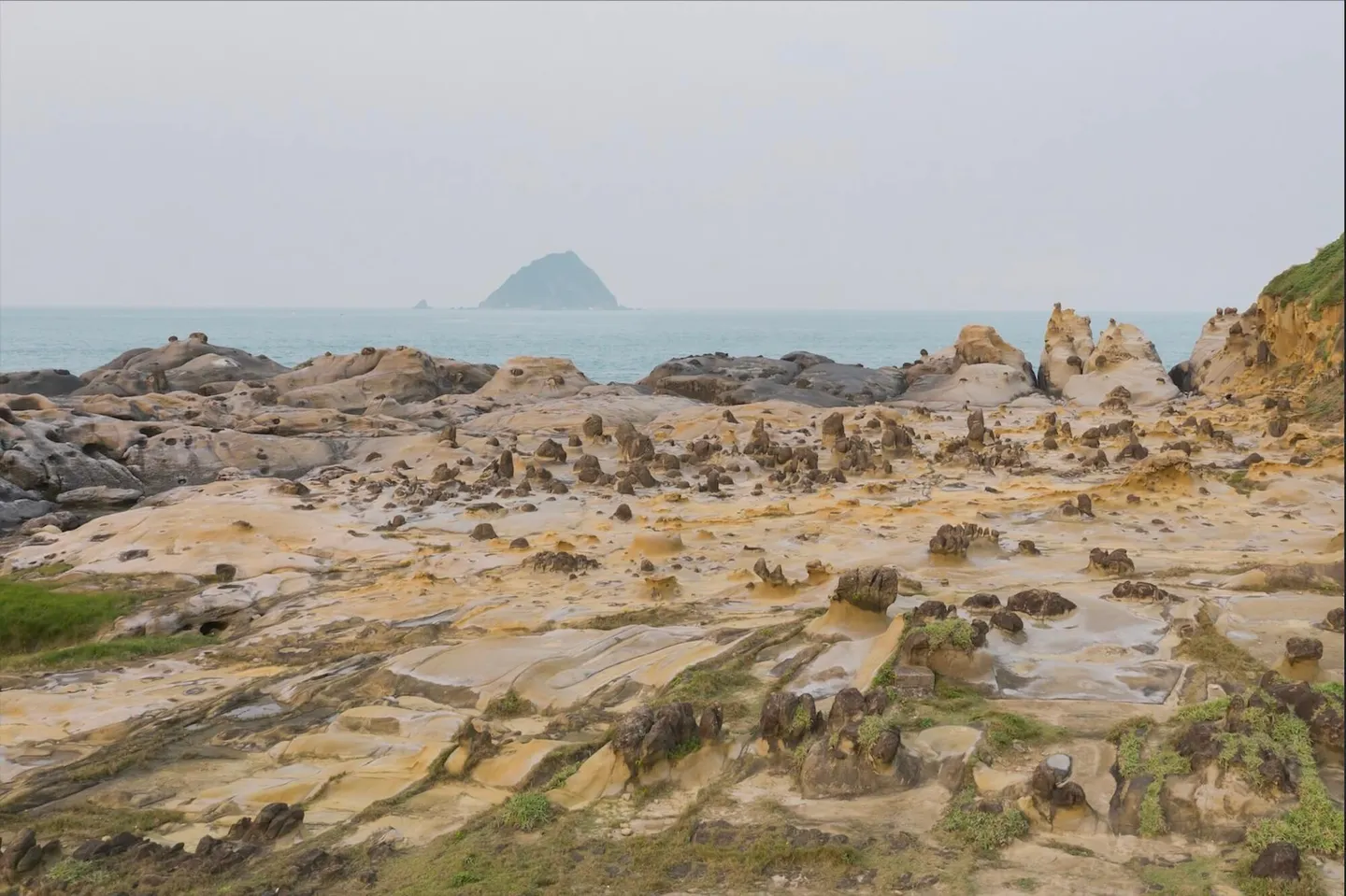
20 million years of geological history, eroded by sea wind and seawater, have shaped the rocks into extraordinary forms. Image source: Heping Island Geopark
The intertidal zone ecological survey experience is in fact a collaboration with Slow Island Travel — itineraries can be booked through either organization's website! Before you leave, be sure to stop by their lifestyle shop "Ledao Yuren" (里島語人) — it's filled with an array of beautifully crafted, ocean-themed sustainable products that you won't want to put down.
The Salt Chosen by Fine Dining, Selling More Than Salt — Selling the Wind and Light of a Century-Old Salt Farm: Zhounnan Salt Field
Fleur de sel croissants, potato chips, beverages… Just what is this "fleur de sel," and what makes it so special? Beyond saltiness, what else can salt offer? This seemingly unremarkable seasoning staple turns out to be quite fascinating when you take a closer look!
Beyond the well-known Qigu in Tainan, salt-making was once a defining feature of Budai in Chiayi. As national policies changed, salt fields across Taiwan were gradually abandoned. Zhounnan Salt Field founder Cai Jiongqiao decided to revive Budai's salt-making culture, bringing back veteran salt workers to recover the salt field's memories and develop environmental education programs. Starting with "salt worker's tea," the public is invited to step into a day in the life of a salt worker and rebuild the connection between people and the land.
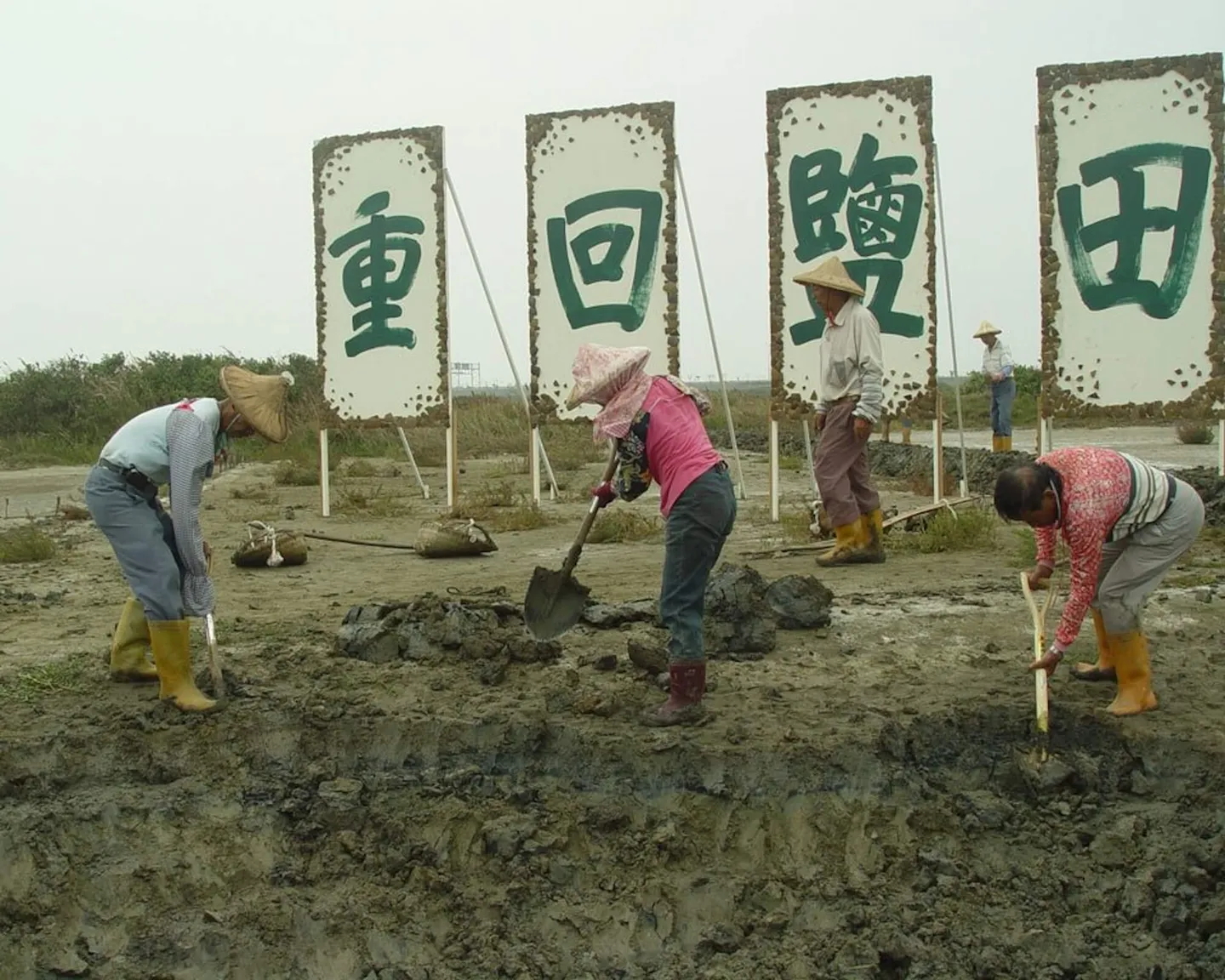
After taking over in 2008, Zhounnan Salt Field brought back veteran salt workers to restore the salt fields — it took 3 years to produce the first harvest of salt again. Image source: Zhounnan Salt Field
The three DNA elements of sun-dried salt — minerals, microorganisms, and climate — determine the flavor of the salt. Products such as seasonal fleur de sel, frost salt, and thick algae salt, each born from unique conditions, have earned Zhounnan Salt Field a distinguished reputation in the fine dining world. The farm-to-table movement has further brought Taiwan's salt culture back into the spotlight, transforming this everyday condiment into a key player in elevating the flavor of dishes.
Preserving Taiwan's salt culture is a long journey. In addition to last year's publication of "Salt-Selected Island Flavors," Zhounnan Salt Field harbors an even grander vision: the Taiwan Salt Selection Team. By seeking out specialty salts from across Taiwan — such as Hengchun coral salt, Green Island Kuroshio sea salt, Taitung Pangcah hand-roasted sea salt, and mountain bamboo salt — they hope to unite Taiwan's salt artisans, give new value to Taiwan's salt culture, and preserve the traces of a way of life once sustained by the sea.
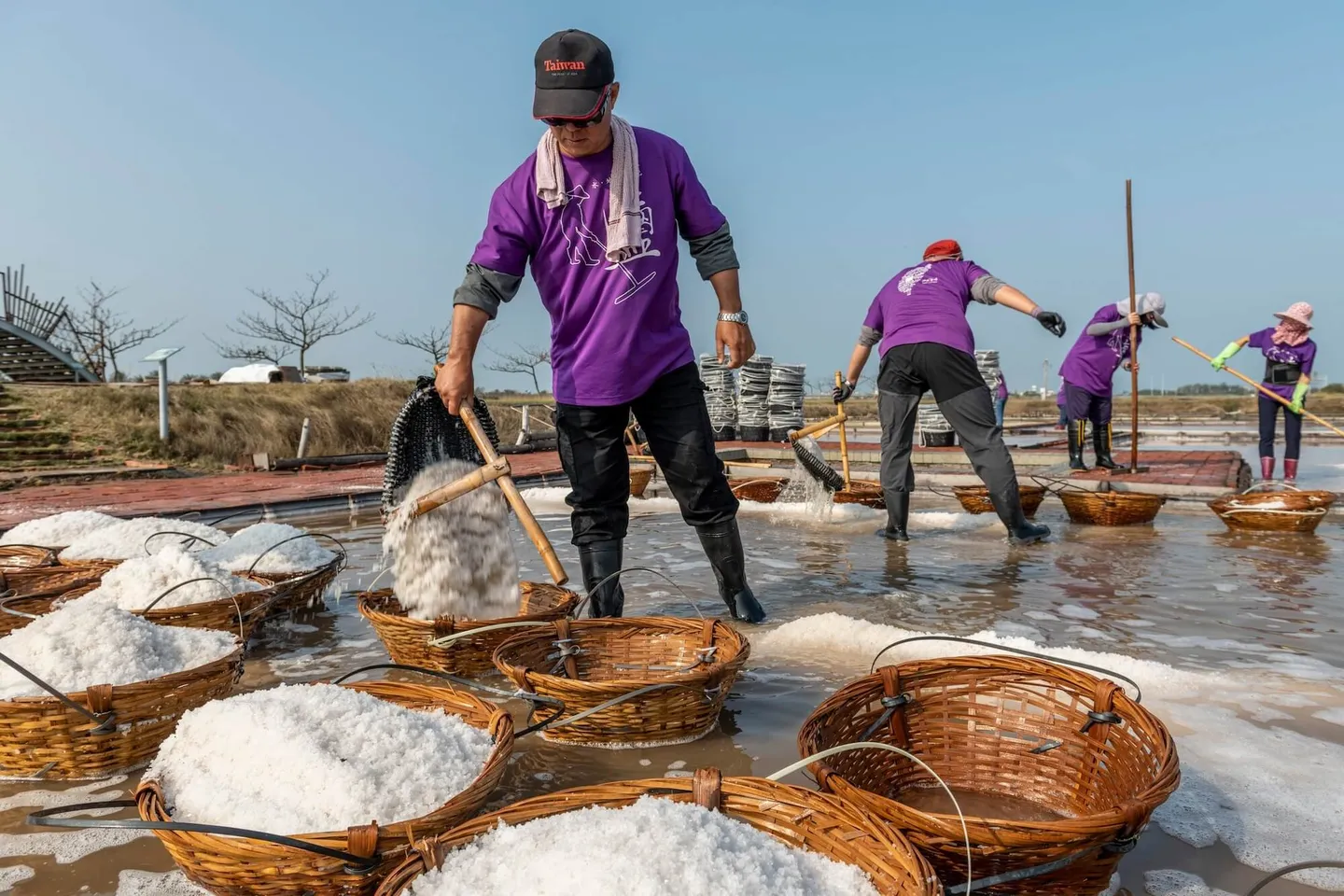
Zhounnan Salt Field hopes to connect more salt artisans in the future, breathing new life into Taiwan's salt culture. Image source: Zhounnan Salt Field
Preserving More Than a Village — an Entire Coastal Community's Cultural Memory: Jingood Cultural Tourism
Jinsha, which combines military history, fishing village heritage, and Mindong (Eastern Min) settlements, is one of the earliest-developed villages on Nangan, Matsu — a microcosm of Taiwan's western offshore islands. Yet like other remote islands, it faces challenges of youth migration, an aging population, and declining tourism.
Nestled in this hillside-meets-sea village is an organization that has breathed new life into the Jinsha community: Jingood Cultural Tourism. With "Ocean × Environment × Action × Digital" as its core pillars, Jingood has created the "Jinliao · Community Revitalization Base," drawing young people and visitors back into the community. They don't just restore old houses — they invest in community development and environmental education. The revitalization base is more than a visitor center; it is a hub connecting local businesses, a foothold for young entrepreneurs, and a storyteller for the community.
The base's guided walking tours don't just take visitors through the traces of military and fishing village life — you can also join a beach cleanup, create art from marine debris, or taste local specialties like sweet potato dumplings and Matsu rice wine.
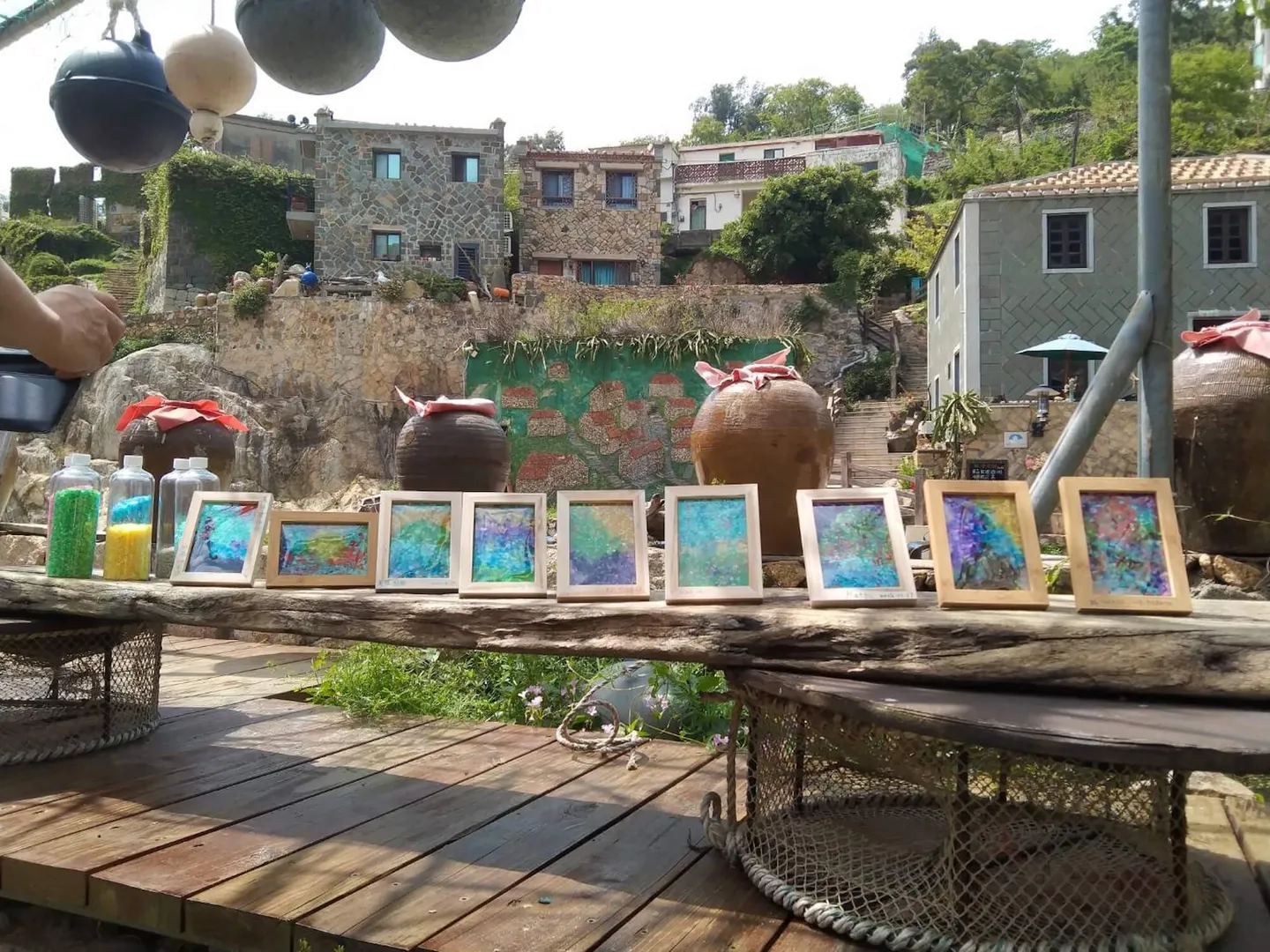
The base uses collected marine debris to run workshops and create works of art. Image source: Jinliao · Community Revitalization Base
Since Jinsha is celebrated as the "hometown of rice wine," you absolutely can't miss Matsu rice wine when you visit! The "Jindong Wine Festival," held every autumn for three consecutive years now, brings together an artisan market, rice wine brewing demonstrations, ocean lectures, and community tours. The event not only showcases the charm of rice wine and its by-product red fermented rice (紅糟), but also preserves the unique maritime community culture of this offshore island.
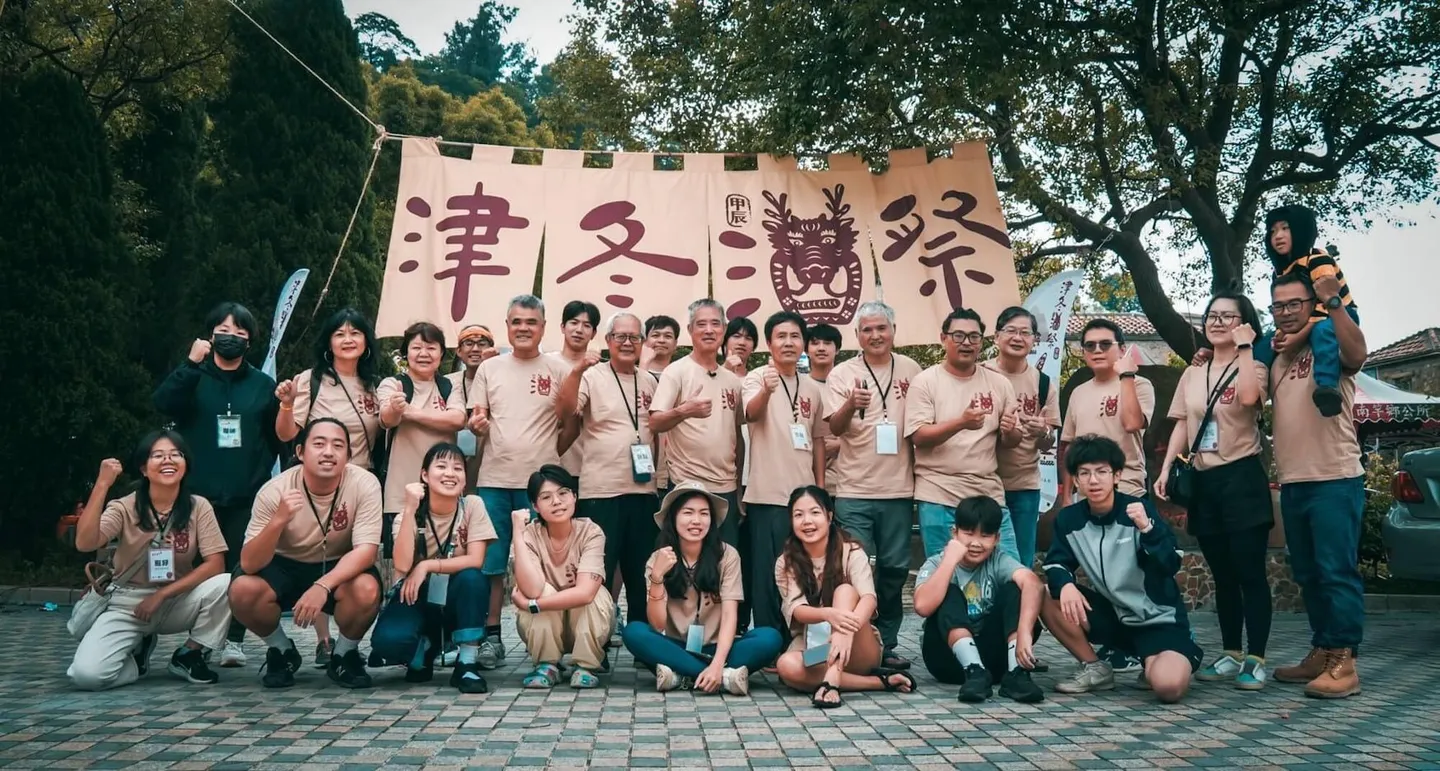
The Jindong Wine Festival has become an annual highlight of the community. Image source: Jinliao · Community Revitalization Base
We tend to think of "the sea" as something far away — but in truth, it has long been woven into our songs, our tables, and our beliefs, embedded deep in our everyday lives.
Next time you have some free time, why not head to one of these places and go in search of Taiwan's ocean memories?
Further Reading