

Contents(4)
- Thirsty on the Go? Just Open the App: Refill Action (奉茶行動)
- Inspired by a Straw, Sipping Toward a Sustainable Future: WonderGreener (玩艸植造)
- Sustainable Aquaculture, the Most Reassuring Flavour: Su Captain's Safe Grouper (蘇班長安心石斑)
- Natural Ecological Aquaculture for a Sustainable Environment and Fishing Communities: Taiwan Good Fish (台灣好漁)
Have you ever stopped to think about how our small, everyday habits are closely connected to the health of the ocean? In Taiwan, where food culture runs deep, even the smallest changes to what and how we eat can go a long way — not just satisfying our appetites, but giving the ocean a much-needed chance to breathe and recover.
Since 2017, the Small and Medium Enterprise and Startup Administration (SMESA) under the Ministry of Economic Affairs has been running the "Social Innovation Products and Services Procurement Incentive Program," bringing together nearly a thousand social innovation organizations (hereinafter "social enterprises") that build their business models around the United Nations Sustainable Development Goals (SDGs).
To encourage the public to embrace SDG 12 — Responsible Consumption and Production — SMESA launched the curated brand "有責商行" (Responsible Commerce), selecting 80 standout products each year and promoting them to consumers through the "Social Innovation Selection Catalog." Among these selections are social enterprises driving sustainability under SDG 14 — Life Below Water. This series of reports will explore, from everyday purchasing to local experiences, how the products and services of social enterprises can support marine conservation.
This time, let's start with food — here are four social enterprises closely tied to our daily eating habits.
Thirsty on the Go? Just Open the App: Refill Action (奉茶行動)
When you're out and about, thirst can strike at any moment. Even if you're carrying a reusable bottle, it's not always easy to find somewhere to fill up — and it's all too tempting to pop into the nearest convenience store for a bottle of water.
But did you know that bottled water doesn't just generate mountains of plastic waste — it also wastes water resources and poses health risks? According to Refill Action (奉茶行動), producing a single bottle of water requires approximately 10 times the water it contains. Compared to tap water, bottled water contains 22 times more microplastics. And the plastic bottle it leaves behind takes an average of 400 years to decompose.
Compared to many countries, Taiwan is already relatively well-equipped with water refill points. Refill Action takes this even further by digitizing information on over 13,000 water points across Taiwan and consolidating them into a map app. Beyond just listing refill stations, the app incorporates interactive design to make the act of refilling feel meaningful — collect points to redeem for rewards, check in at different refill stations each day to earn points, and watch each check-in instantly translate into real-time carbon reduction and plastic reduction data, making your environmental actions feel tangible.
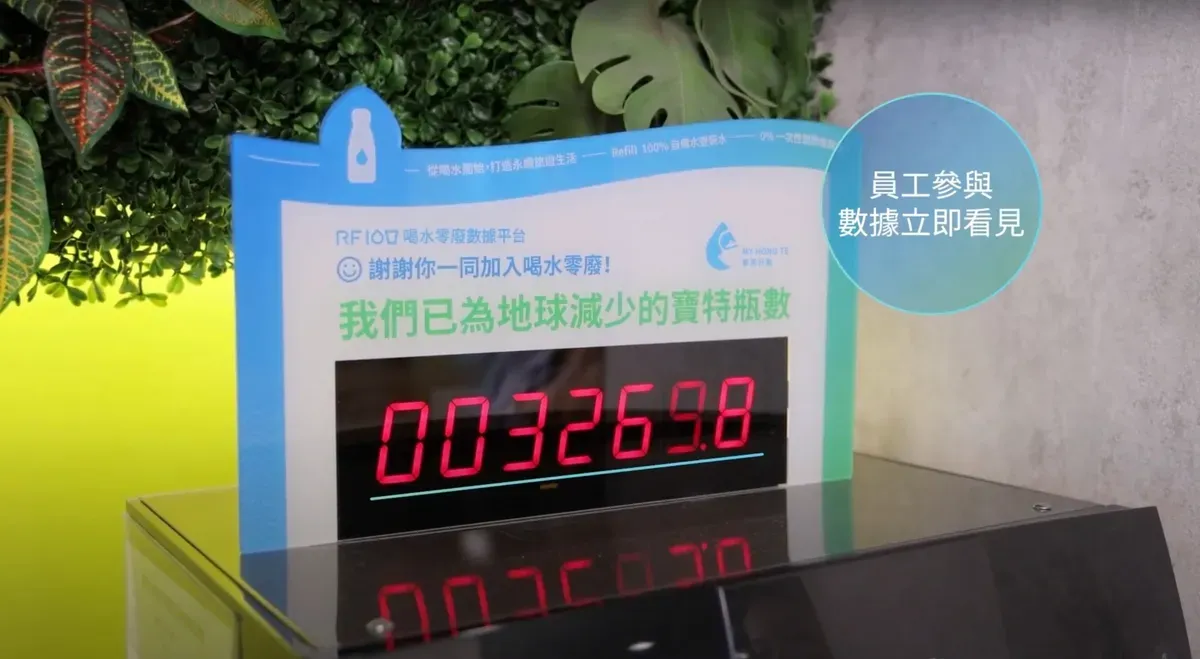
Impact you can see! Every refill shows you the growing number of plastic bottles saved in real time. Image source: Refill Action (奉茶行動)
Beyond the app, Refill Action launched the "RF100 Initiative" in 2024, with the goal of partnering with 100 companies by 2026 to eliminate 10 million plastic bottles. Through a sustainable workplace hydration solution, companies can display real-time counts of plastic bottles saved on their water dispensers, and also support the installation of refill stations in rural communities.
They also champion a "Zero-Trace Hydration Service," becoming a regular presence at music festivals, sports venues, and corporate events by setting up bulk water refill stations — preventing large quantities of single-use plastic waste from being generated at these gatherings.
So next time you're out and feeling thirsty, don't rush to grab a bottle of water. Open the Refill Action app, find the nearest water point, and hydrate your way to less plastic — lightening the load on our planet, one sip of change at a time.
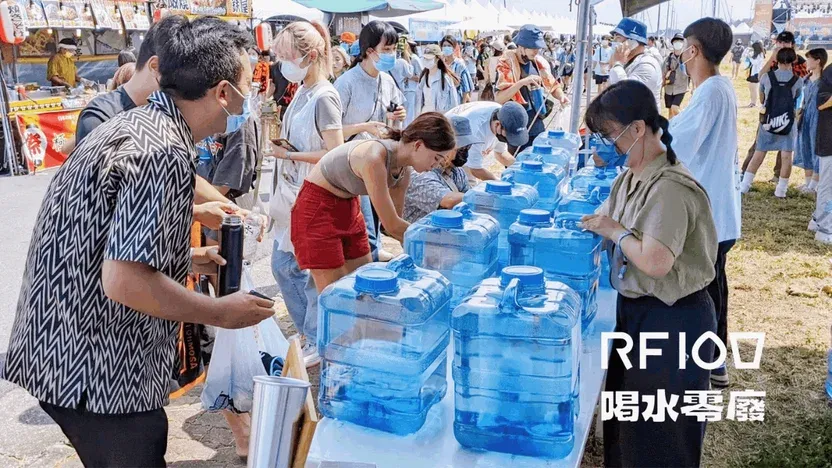
The "Zero-Trace Hydration Service" helps large events reduce plastic bottle waste by supplying water through bulk containers. Image source: Refill Action (奉茶行動)


Inspired by a Straw, Sipping Toward a Sustainable Future: WonderGreener (玩艸植造)
The threat of microplastics has spread far beyond the ocean ecosystem — it has entered our food chain. These tiny particles are everywhere, and research even suggests that the human brain may have accumulated as much as 7 grams of microplastics. Faced with this silent health crisis, we urgently need to address the problem at its source by reducing our everyday use of plastic.
Identifying the need to move away from plastic straws, WonderGreener (玩艸植造) developed a 100% natural cattail grass straw. This straw doesn't just replace plastic — after use, it can go directly into the food waste bin and decompose completely and naturally, achieving true cradle-to-grave environmental friendliness. Thanks to these qualities, the cattail straw has not only gained popularity in the domestic market but has also successfully entered European and American markets. To meet international demand, WonderGreener established an automated factory in Vietnam last year to boost production capacity, bringing this sustainable product to an even wider stage.
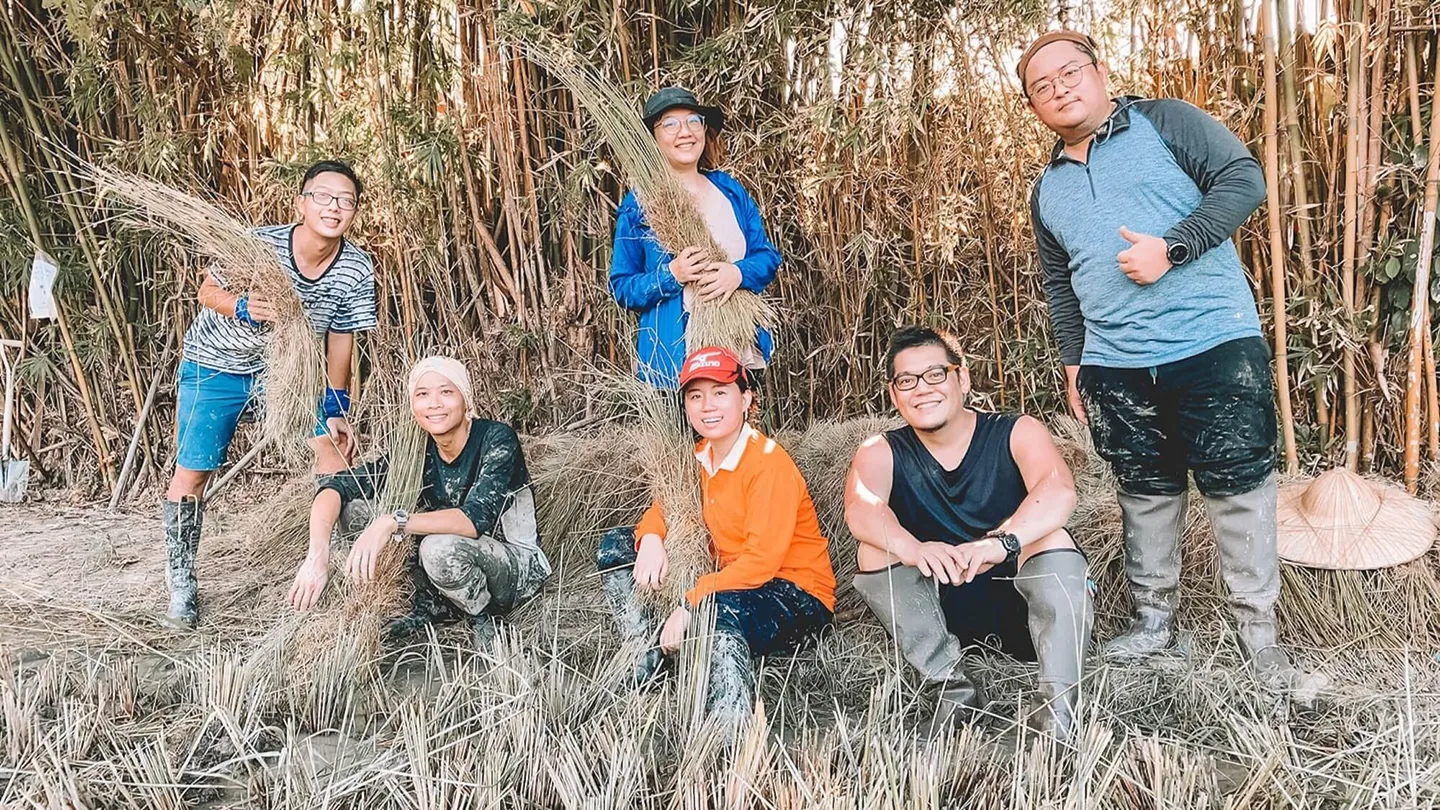
After years of seedling cultivation, breeding trials, and failed crops, WonderGreener finally succeeded in developing the cattail grass straw. Image source: WonderGreener (玩艸植造)
WonderGreener doesn't stop at producing eco-friendly straws — the company takes the circular economy concept to its fullest expression. By revitalizing idle farmland and growing cattail grass without pesticides, it protects the biodiversity of terrestrial habitats and enhances soil carbon sequestration. Furthermore, the trimming offcuts produced during the straw manufacturing process are upcycled into "grass mats." In the future, these mats are set to be used in "coral shading" projects, helping to restore coral reefs affected by coral bleaching caused by rising ocean temperatures. This initiative extends sustainability from land to sea, letting a humble piece of cattail grass deliver value far beyond what anyone might imagine.
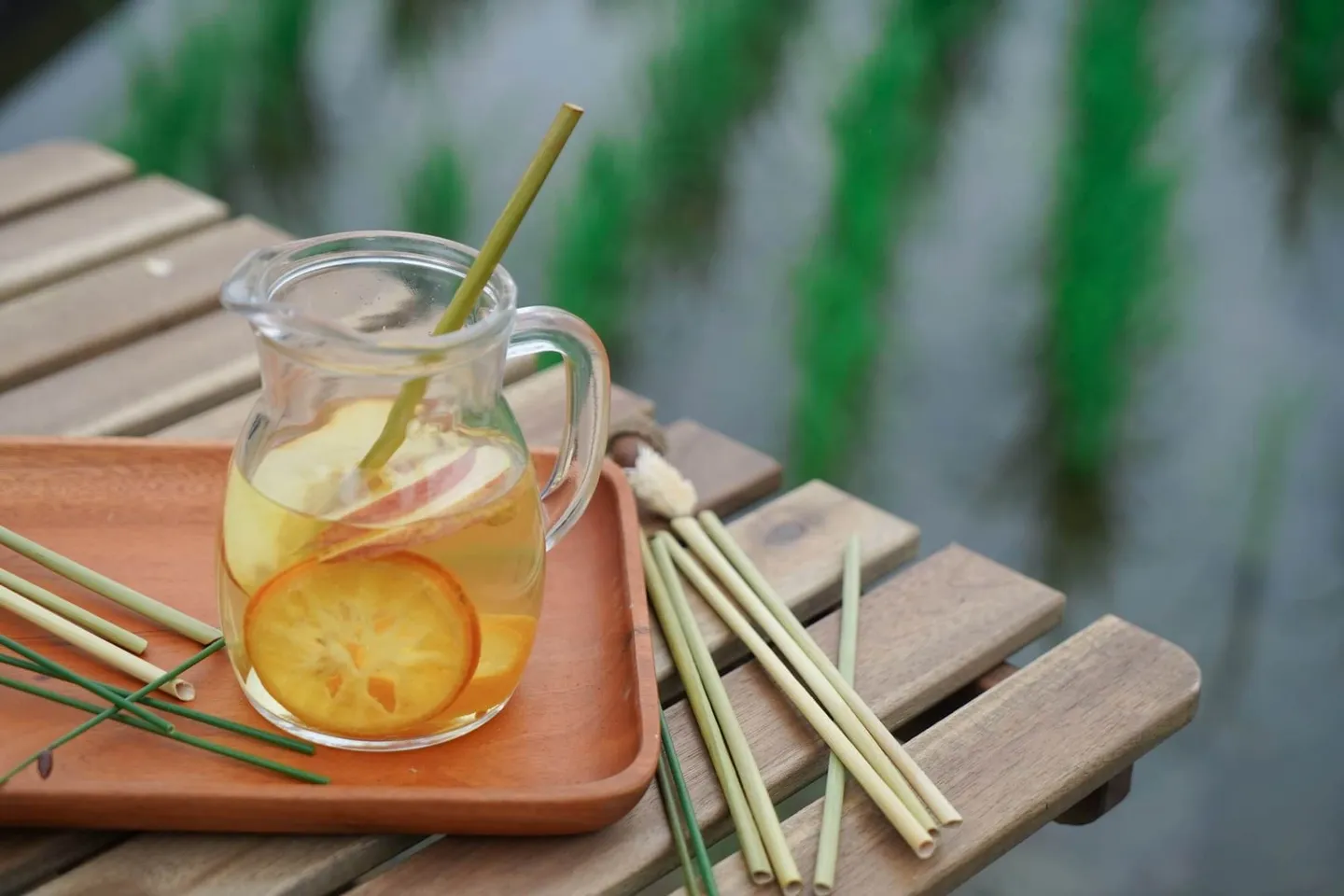
The additive-free cattail grass straw can go straight into the food waste bin for composting after use. Image source: WonderGreener (玩艸植造)
At the same time, to bring more farmers into cattail grass cultivation, WonderGreener has launched a "Cattail Field Adoption Program." Companies can support farmers at prices above traditional rice procurement rates, attracting both young and veteran farmers to join. Under this collaboration model, each hectare of cattail field not only delivers 400 tonnes of carbon sequestration, but also protects terrestrial biodiversity through eco-friendly farming — giving corporate sustainability efforts genuine environmental, social, and economic value.
Beyond the utensils we use in our daily meals, the seafood we eat doesn't come exclusively from nearshore or deep-sea fishing — a significant portion comes from aquaculture. Taiwan's aquaculture technology is internationally renowned, and with global aquaculture output now surpassing wild catch, making aquaculture more sustainable — and properly managing wastewater to avoid damaging coastal ecosystems — has become a critical challenge. Two social enterprises in Taiwan are working directly on this: Su Captain's Safe Grouper (蘇班長安心石斑) and Taiwan Good Fish (台灣好漁).
Sustainable Aquaculture, the Most Reassuring Flavour: Su Captain's Safe Grouper (蘇班長安心石斑)
Yong'an District in Kaohsiung is one of Taiwan's most important Grouper farming hubs — and within it, there is a unit that places exceptional emphasis on food safety and low-carbon aquaculture: Production and Marketing Group No. 8, founded by Su Guo-zhen, known affectionately as "Captain Su" (Su Ban Zhang). In the past, the aquaculture industry often resorted to medication or cramming as many fish as possible into limited pond space in order to maximize output. But this approach left fish stunted in growth and the pond ecosystem increasingly out of balance. Captain Su rallied fellow fish farmers to form a production and marketing group, working together to discuss and solve aquaculture challenges, gradually developing a healthier, more sustainable approach.
In Captain Su's fish ponds, the Grouper may well eat and live better than most of us do. Instead of standard fish feed, these fish are fed whole mackerel. They're also said to live in "air-conditioned rooms" — water quality is the key to raising fish, and Yong'an happens to be home to a CPC Corporation natural gas receiving terminal, where seawater is used for heat exchange during gas conversion. The discharged water maintains a year-round temperature of 22 to 24°C — the ideal conditions for Grouper. This stable water temperature not only promotes healthy fish growth but also prevents production losses caused by excessive heat.
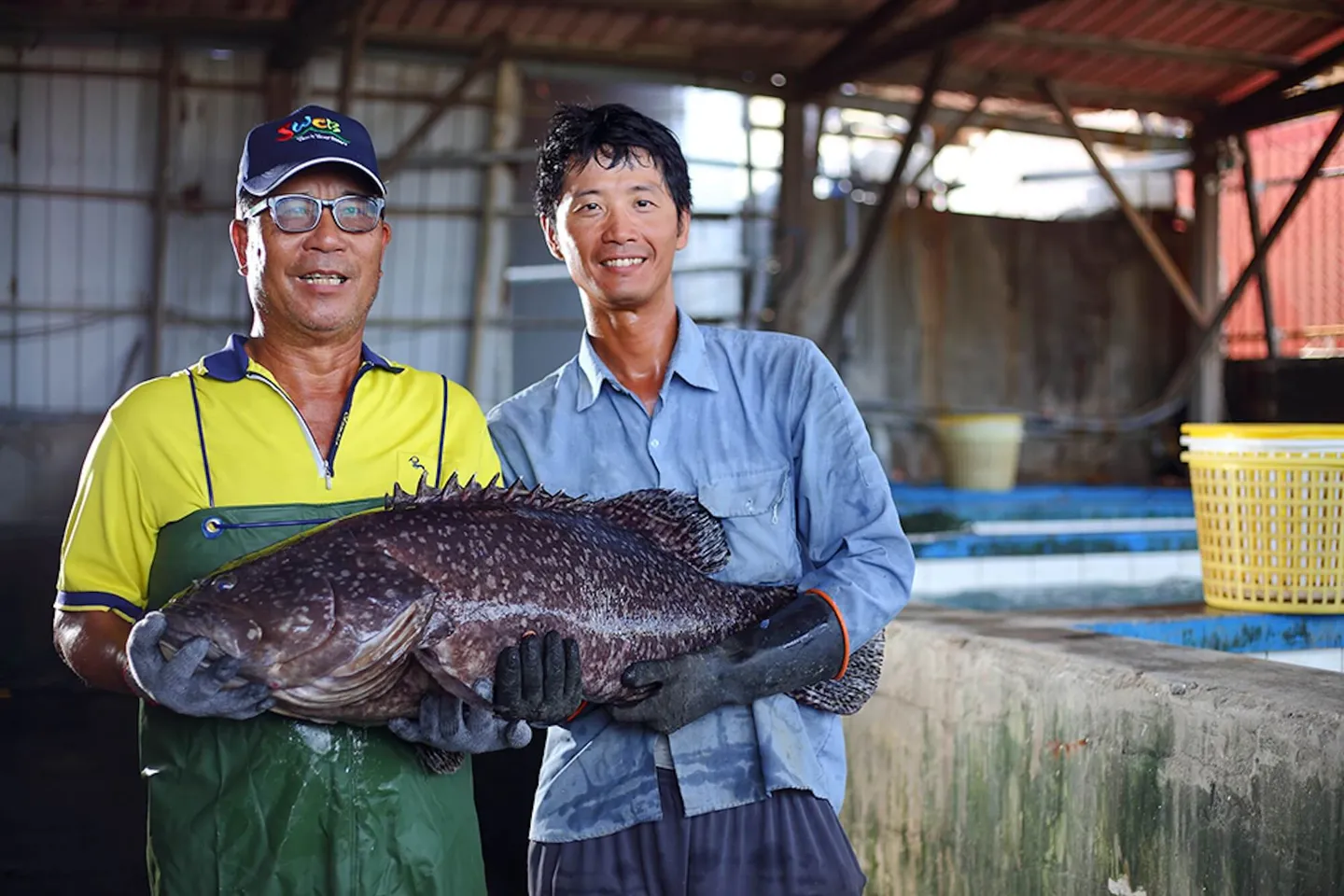
Captain Su insists on giving his Grouper the best food and living conditions, so that consumers receive a high-quality product they can trust. Image source: Xingang Social Cooperative (新港社合)
As food safety awareness grows, Captain Su has eliminated antibiotics in favor of fruit enzymes and probiotics to maintain fish health. This approach not only gives consumers peace of mind, but also reduces pollutants in aquaculture wastewater — helping to stabilize the migratory bird habitat adjacent to the Yong'an Wetlands, and protecting a coral ecosystem with as many as 130 species along the nearby coastline.
In addition, the group hosts over a hundred fish-literacy education events each year, bringing the concept of eco-friendly aquaculture into communities and schools, helping more people understand the importance of sustainable aquaculture — and feel confident enjoying healthy, premium-quality Grouper.
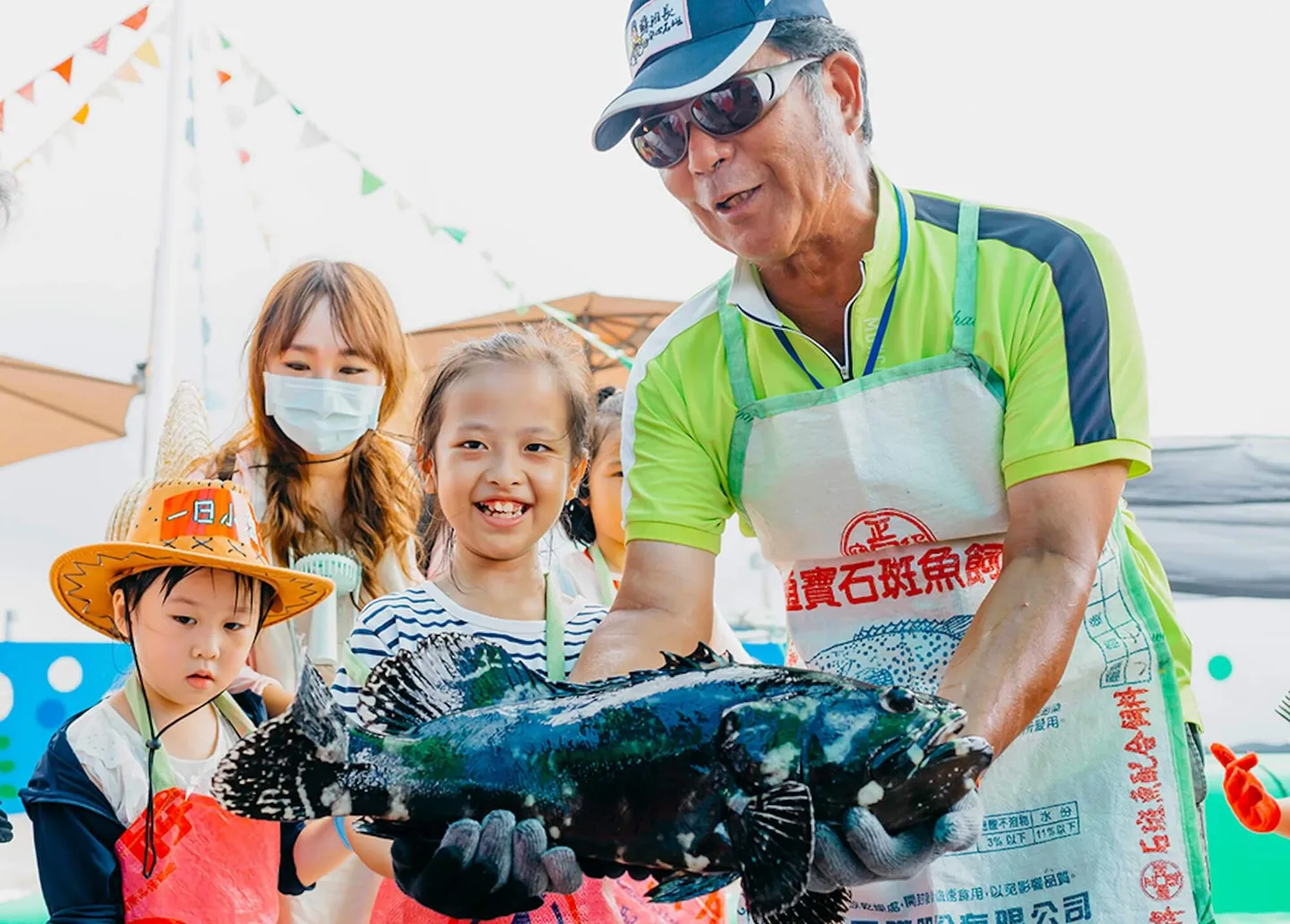
The fish-literacy education program "Fisherman for a Day" takes children through the Grouper farming process. Image source: Xingang Social Cooperative (新港社合)
Natural Ecological Aquaculture for a Sustainable Environment and Fishing Communities: Taiwan Good Fish (台灣好漁)
Promoting "toxin-free ecological aquaculture" is the core mission of Taiwan Good Fish (台灣好漁). While aquaculture is one of Taiwan's important industries, it is also one that is heavily dependent on water resources. When water supplies run short, fish farmers often have no choice but to over-extract groundwater — leading, over time, to land subsidence and soil salinization, trapping the environment and people's livelihoods in a vicious cycle. Taiwan Good Fish looks beyond the environmental problem, also recognizing the challenges of an aging and shrinking population in western coastal fishing villages, and seeks to find long-term solutions that balance environmental protection, economic viability, and education through new aquaculture methods.
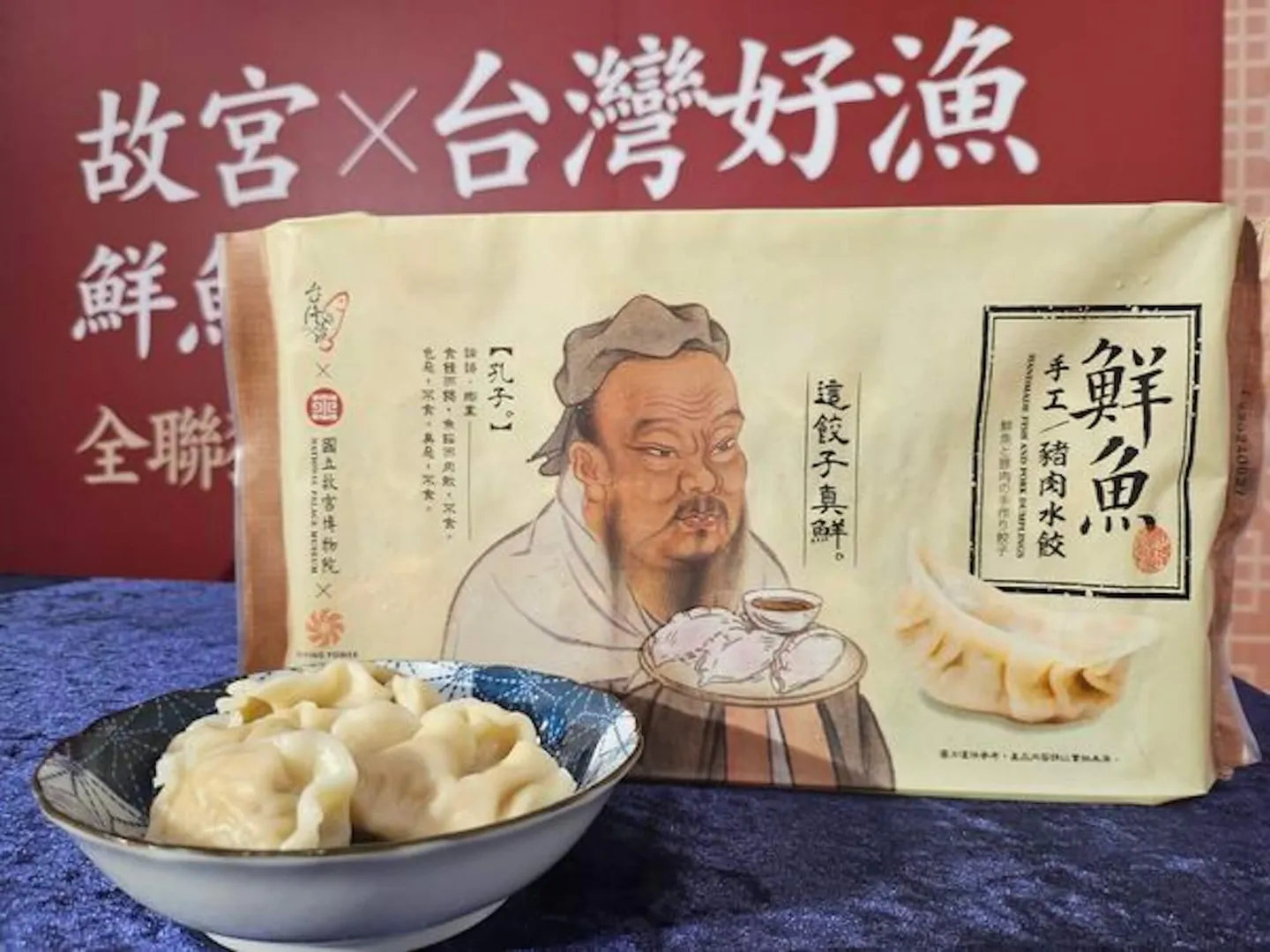
In addition to promoting toxin-free ecological aquaculture, Taiwan Good Fish actively expands its processed food product lines — pictured here is a fresh fish and pork dumpling co-branded with SMESA's Buying Power program and the National Palace Museum two years ago. Image source: Taiwan Good Fish (台灣好漁)
Their "Natural Ecological Aquaculture" approach has four key features. First, to address the overuse of groundwater, farmers are encouraged to dig deeper ponds and use rainwater collection reservoirs to store and conserve water, reducing dependence on groundwater. Second, in terms of fish health management, antibiotics and formaldehyde — which work quickly but leave chemical residues that can threaten human health and damage aquatic environments — are replaced with natural methods, reducing risks while being more environmentally friendly.
Third, fish are given more spacious living conditions, lowering the incidence of disease and helping maintain more stable water quality. Finally, natural ecological cycles are harnessed to allow different species within the pond to balance one another: water spinach is grown on the surface to purify the water; grass carp eat the vegetables and algae; mud carp handle snails and shellfish; and tilapia clean up the waste produced by the other fish. This ecological chain design not only maintains a healthy cycle within the pond, but also makes aquaculture more aligned with the demands of sustainable development.
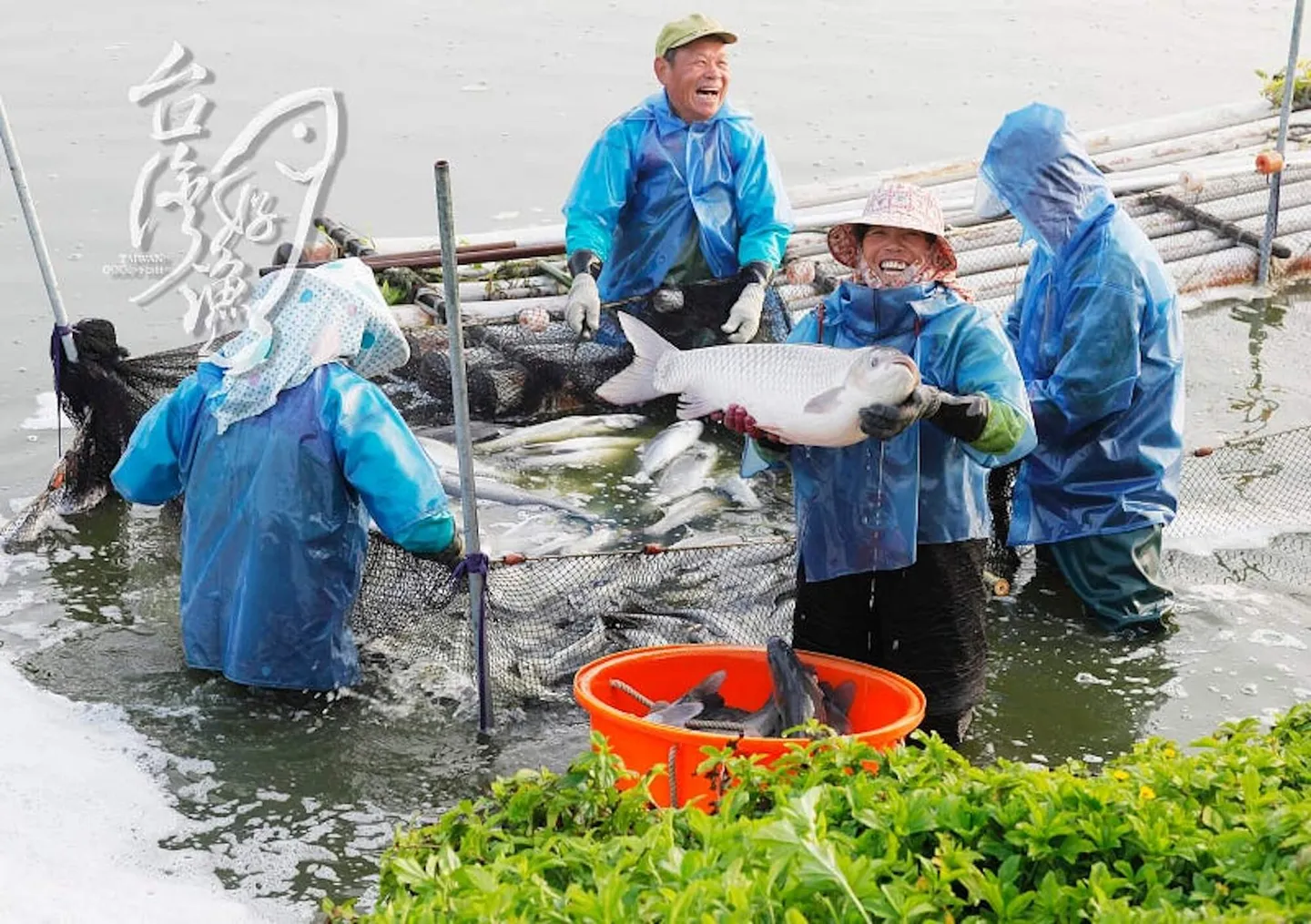
"Natural Ecological Aquaculture" — raising toxin-free fish while protecting the environment. Image source: Taiwan Good Fish (台灣好漁)
"Eating your way to a cleaner ocean" is more than just a slogan — it can be lived out in the everyday. Every purchase is a choice about the future you want. When you choose a cattail grass straw that fully biodegrades, a fish raised through toxin-free aquaculture, or grab your water bottle and refill it at a Refill Action station, these small but consistent changes all help make the ocean a little bit better.
![[Bending Down for 825] A Group of Divers Taking Action to Protect Taiwan's Macro Diving Mecca](/_astro/DSC_6308_M2oaq.webp)
![[NCCU Diving Club] Reflections on a Beach Cleanup: A Little Inconvenience for Us, Infinite Opportunities for the Ocean](/_astro/94387669_2786902881408514_3988714893476888576_o_mQFSh.webp)