Contents(4)
Wreck and cave diving footage always gives off a mysterious vibe. So why not spend the Mid-Autumn holiday exploring Coron, one of the most famous wreck diving destinations in the world? We happened to pick the rainy season, but luckily, wreck diving visibility is never great to begin with — so the weather barely mattered.
All I can say is: the Philippines truly is a diver's paradise. The underwater world is rich, diverse, and stunning; prices are affordable; it's close by; and flights are cheap.
To maximize diving time, we took a flight at 8:30 p.m. on Tuesday, spent the night at Manila Airport, and caught an early morning flight to Busuanga Airport. I'd worried the journey would be exhausting and that we wouldn't be able to dive until the afternoon. But the moment we stepped off the plane and reached the dive shop, the boat was already waiting at the dock — we pulled our gear out of our bags and hopped straight on. An incredibly efficient itinerary.
Fortunately, the first dive was a Check Dive. We did a relaxed reef that didn't have much going on — a little uneventful, honestly — but it was the perfect chance to test new gear and run a quick check. It also gave the dive guide a chance to assess everyone's skill level.
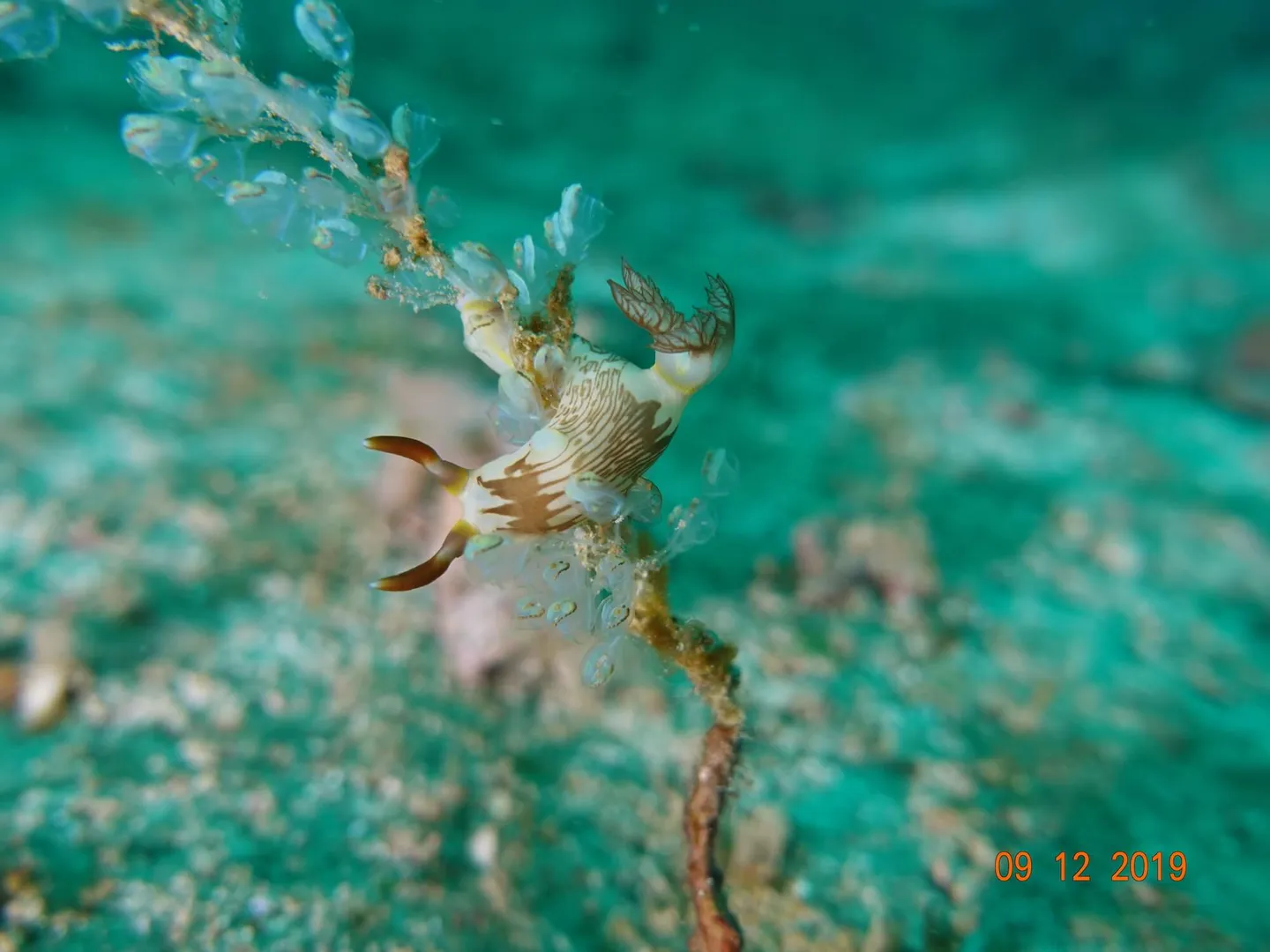
Photo Credit @Fish Su
Day 1 — A Relaxed Dive Fresh Off the Plane
- D1 Malpadan Reef
Just an ordinary reef — maybe even a notch below Longdong. But the Check Dive is necessary before getting into the wrecks ahead.
- D2 Morazan Maru
Morazan Maru was a British-built cargo ship later captured by the Imperial Japanese Navy and used as an auxiliary freighter. It lies on its side on a sandy bottom, reaching 25 m at its deepest, and measures 91.5 m in length. Swimming through it feels like weaving through alleyways between buildings — it has four massive cargo hatches and a very open hull structure, with spacious interior sections.
- D3 East Tangat
East Tangat sits at 3–19 m depth with a 35 m hull. It's a submarine chaser. Lionfish can be spotted along the sides of the wreck.
Day 1's schedule felt a bit more touristy. These two vessels are easy to find trip reports on. It was probably also a way for the guide to gauge everyone's level before deciding how to plan the days ahead.
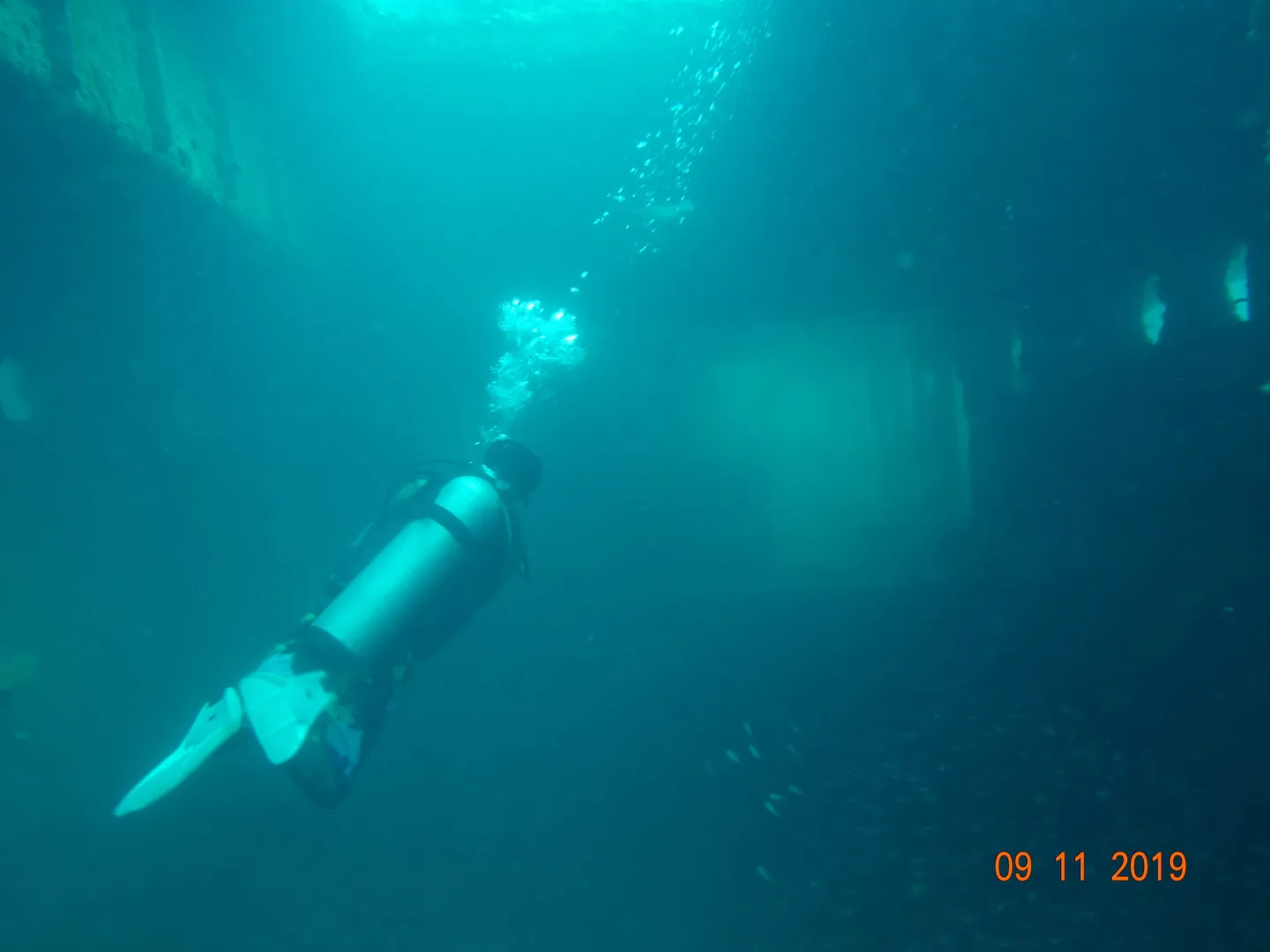
Photo Credit @Fish Su


Day 2 — The Main Event
- D4 Akitsushima (秋津洲號 Seaplane Tender)
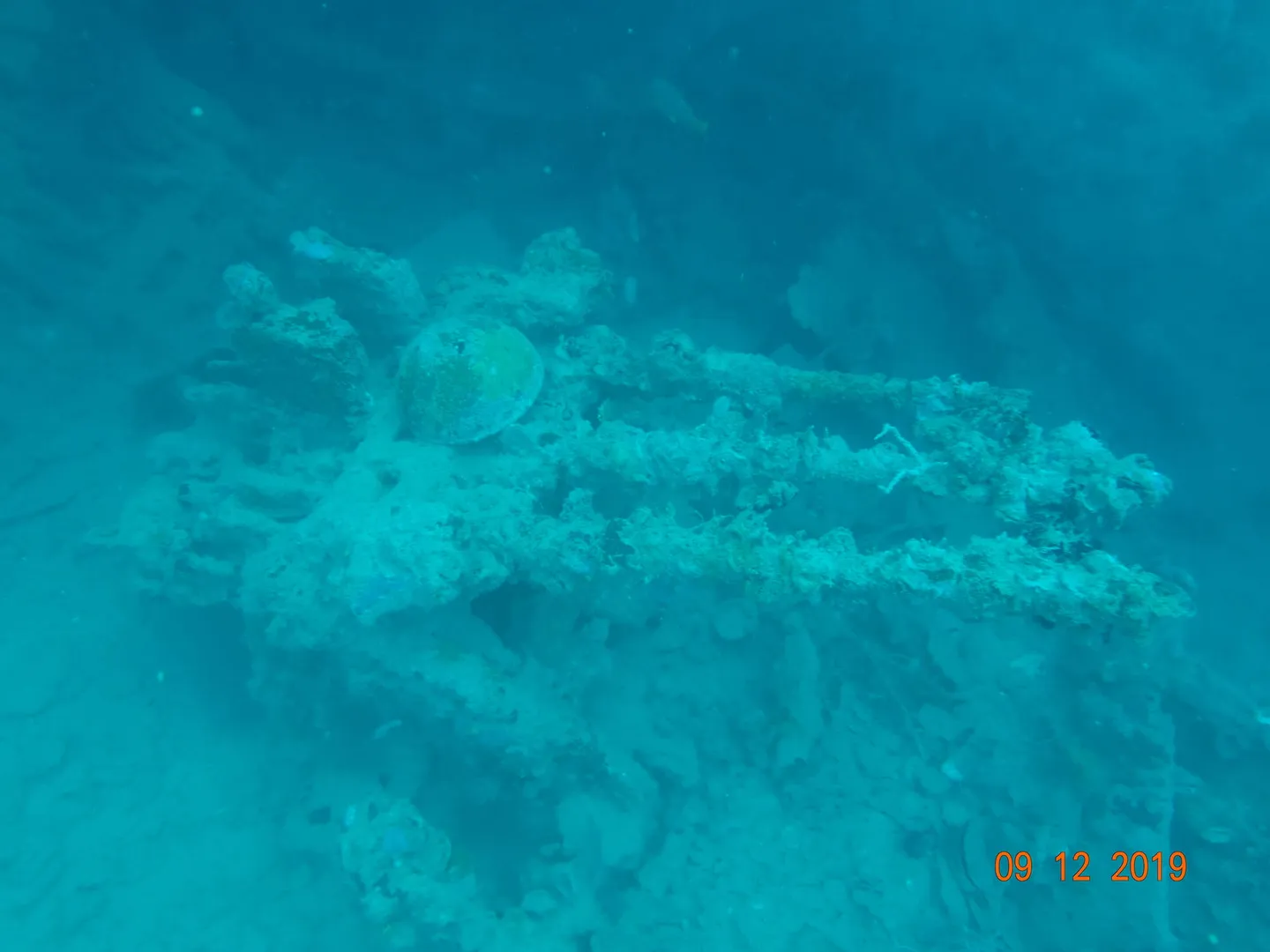
Akitsushima is arguably the most famous wreck in this area — the dive shop even sells little model replicas. At 114 m long and reaching 35 m at its deepest, it's the only naval warship in the region. Outside you'll find a massive crane arm, 25mm cannons, and a radio mast; inside there were gas masks (though they've been taken).
Philippines, Philippines diving, Coron, wreck, wreck diving, Palawan, dugong
- D5 Okikawa Maru
Okikawa Maru stretches 160 m and reaches 25 m at its deepest. It's a tanker, and you can still see the boilers sitting inside. Venture in and you'll find a compartment where dried, congealed oil floats on the surface of an air pocket — tap the bubbles and they'll drift back down. Fascinating.
- D6 Lusong Gunboat
Lusong Gunboat is 30 m long, sitting at 0–14 m depth. A small vessel reachable by snorkeling. There's also a cluster of giant clams nearby.
Day 3 — The Mysterious 3D Dive
- D7 Irako
Irako measures 145 m in length and reaches 42 m at its deepest. It's a supply ship — and the most memorable wreck of the entire trip. Midway through the hull, the dive guide swam upward through a deck opening and disappeared from sight. My dive buddy followed and squeezed through a hole smaller than a window frame. I followed too — and then my octopus / alternate second stage got snagged (time to rethink gear configuration). To make things worse, the diver behind me lost visibility due to all the silt we'd stirred up and went missing for about a minute. Fortunately, the guide found him quickly. I remember feeling especially sharp on that dive — looking back, it was probably because we were using enriched air nitrox (EANx).
Only after surfacing did we find out we'd squeezed through a hole no one had ever gone through before. The guide had actually passed through a much larger opening right next to it.
Later, chatting with a dive guide from another shop, we learned that Irako is classified as a dangerous wreck. There was even an incident here a few years ago. It truly is a 3D Dive — Deep, Dark, and Dangerous.
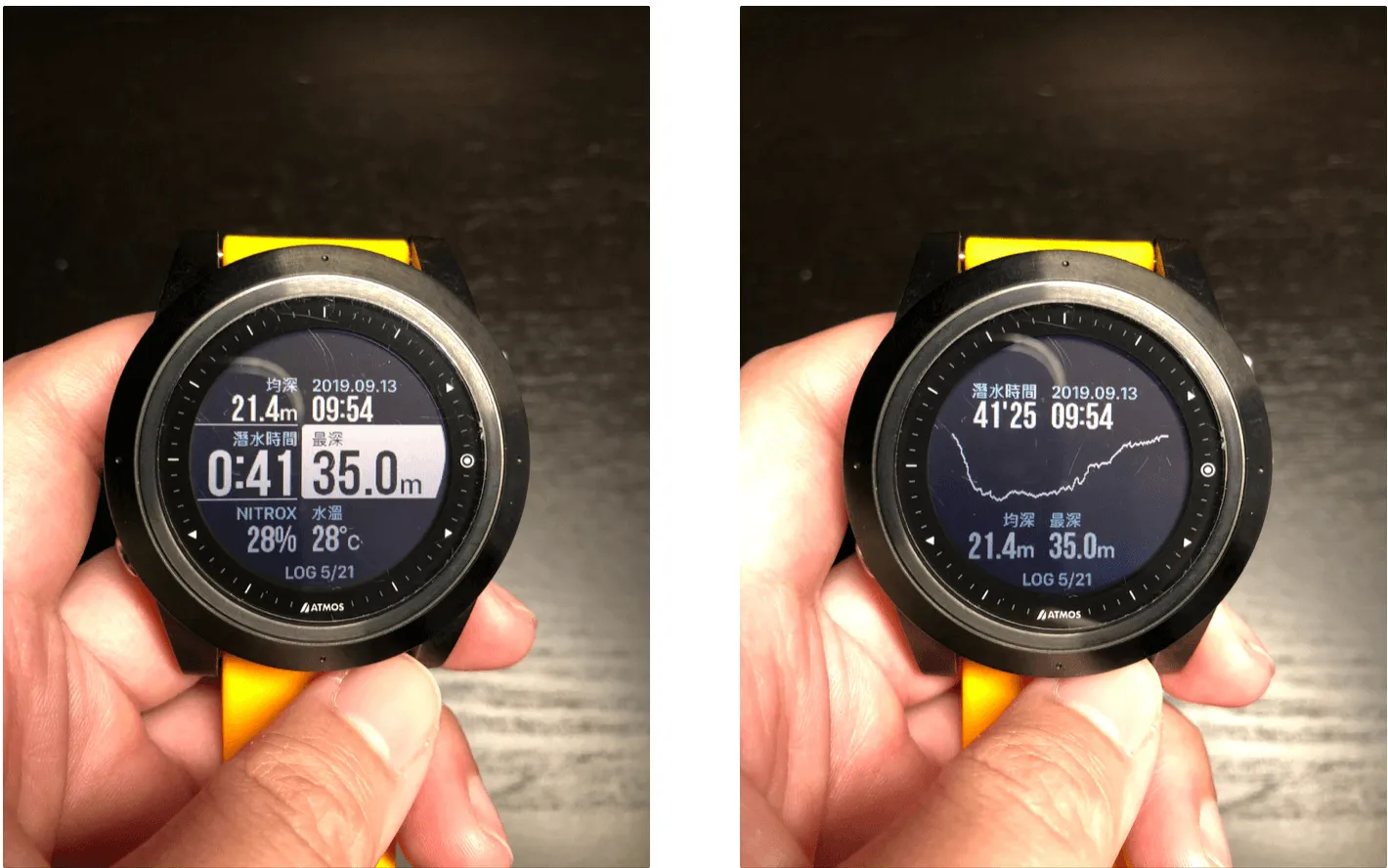
- D8 Olympia Maru
Olympia Maru is 127 m long, sitting at 30 m depth. We hung around the bow for a while looking for seahorses — no luck — but we did catch a hunting scene that was well worth it. This wreck has a relatively open structure overall; it's one of the more relaxed dives of the trip.
- D9 Barracuda Lake
Back near town is Barracuda Lake — a freshwater lake where the upper layer comes from rainwater, while the lower layer is seawater that flows in with the tides. Deep at the bottom, volcanic geothermal activity heats the water to 40°C or higher, so no wetsuit needed here. The guide mentioned he wouldn't normally combine this with deep diving, as the rapid temperature shifts can contribute to decompression sickness (DCS). Since we'd kept our depths controlled earlier and spent extra time on the surface, it should be fine as long as you don't go too deep into the warm zone.
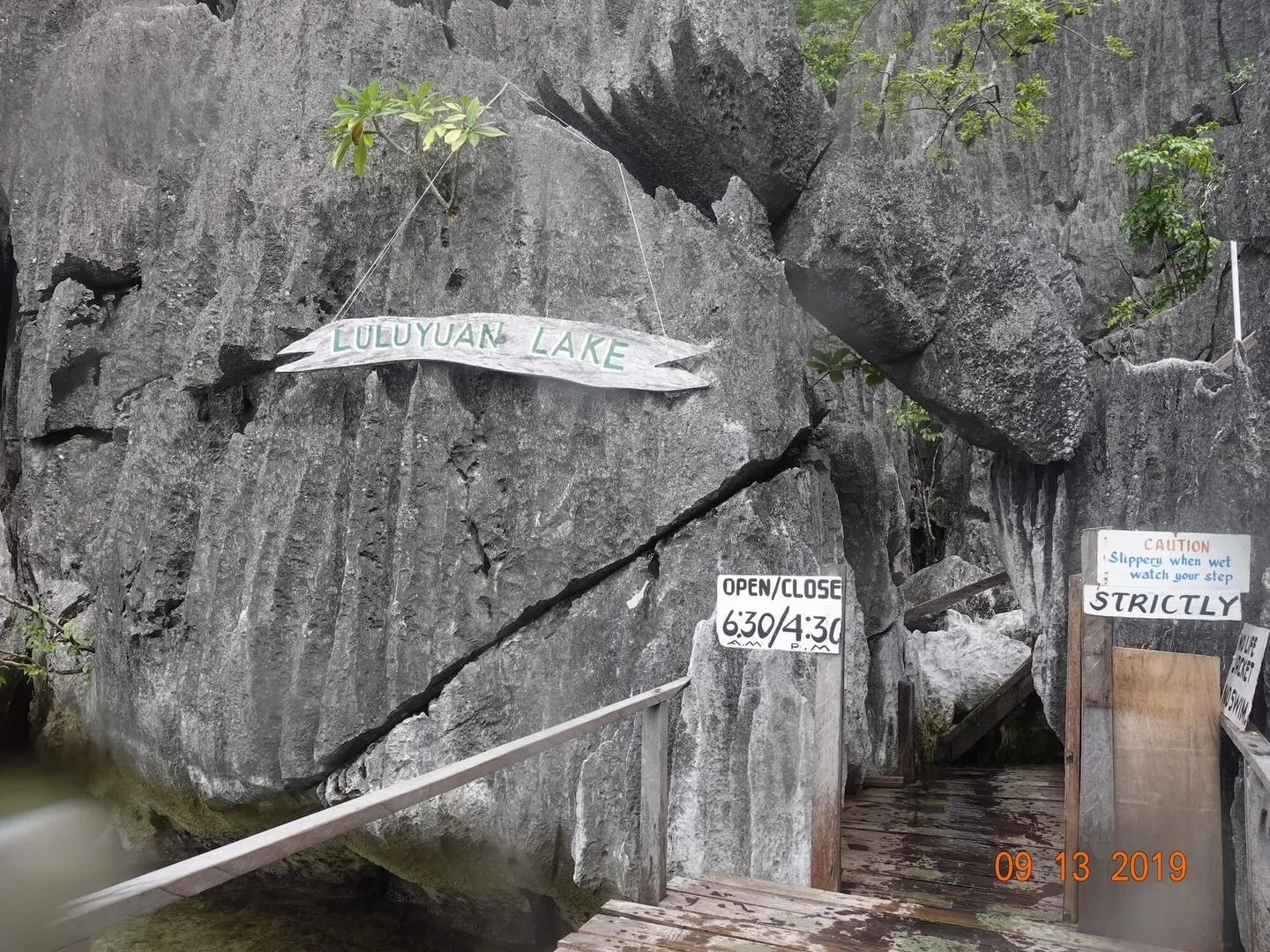
Photo Credit @Fish Su
The boat drops you nearby, you swim to shore, and a short flight of steps brings you right to the lake. Thermoclines are very noticeable — it gets warmer the deeper you go. There's a dreamy, slow-motion quality to diving in this lake unlike anything I'd felt before. At one point my dive buddy accidentally followed the wrong group off to one side. I looked forward at the guide, then back at my buddy, then again at my buddy drifting toward the wrong group — I grabbed my rattle to call them back, and the whole sequence played out as if the world were running at half speed. Surreal.
Visibility inside the lake is pretty good, but there's not much marine life — just some small shrimp and small catfish. As a warm, comfortable final dive of the day, it was a lovely way to wrap up.
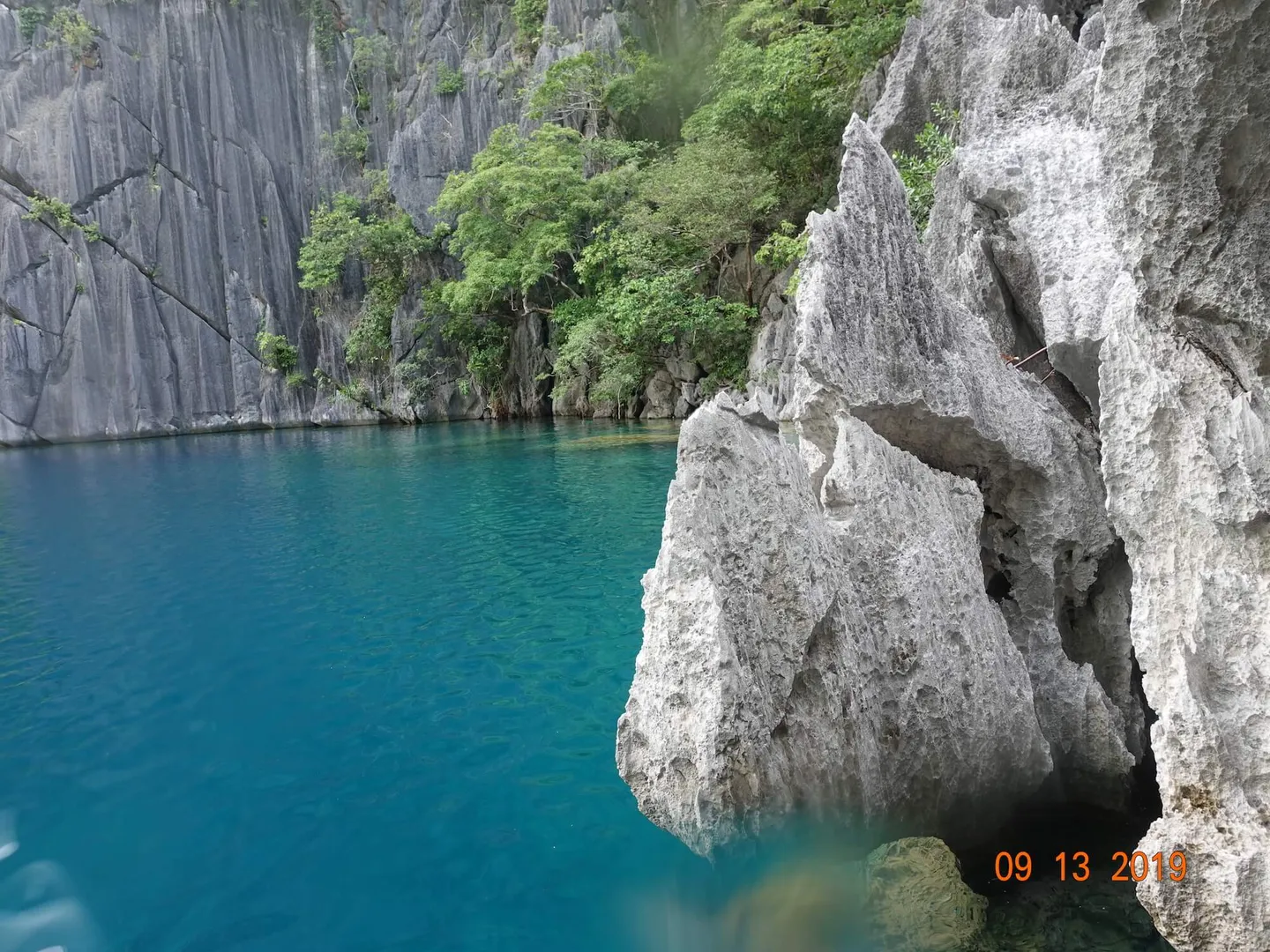
Photo Credit @Fish Su
Across three days and nine dives, we explored seven wrecks in total. Day 1 started with larger, more open wreckage — wide hull breaches, corridors running horizontally and vertically, like threading through alleys between buildings. As the trip progressed, the passages grew narrower and tighter: squeezing through railings and hull ruptures, encountering WWII-era relics like machine guns, cranes, periscopes, engine rooms, fuel ballast channels, and even a bicycle and a washing machine.
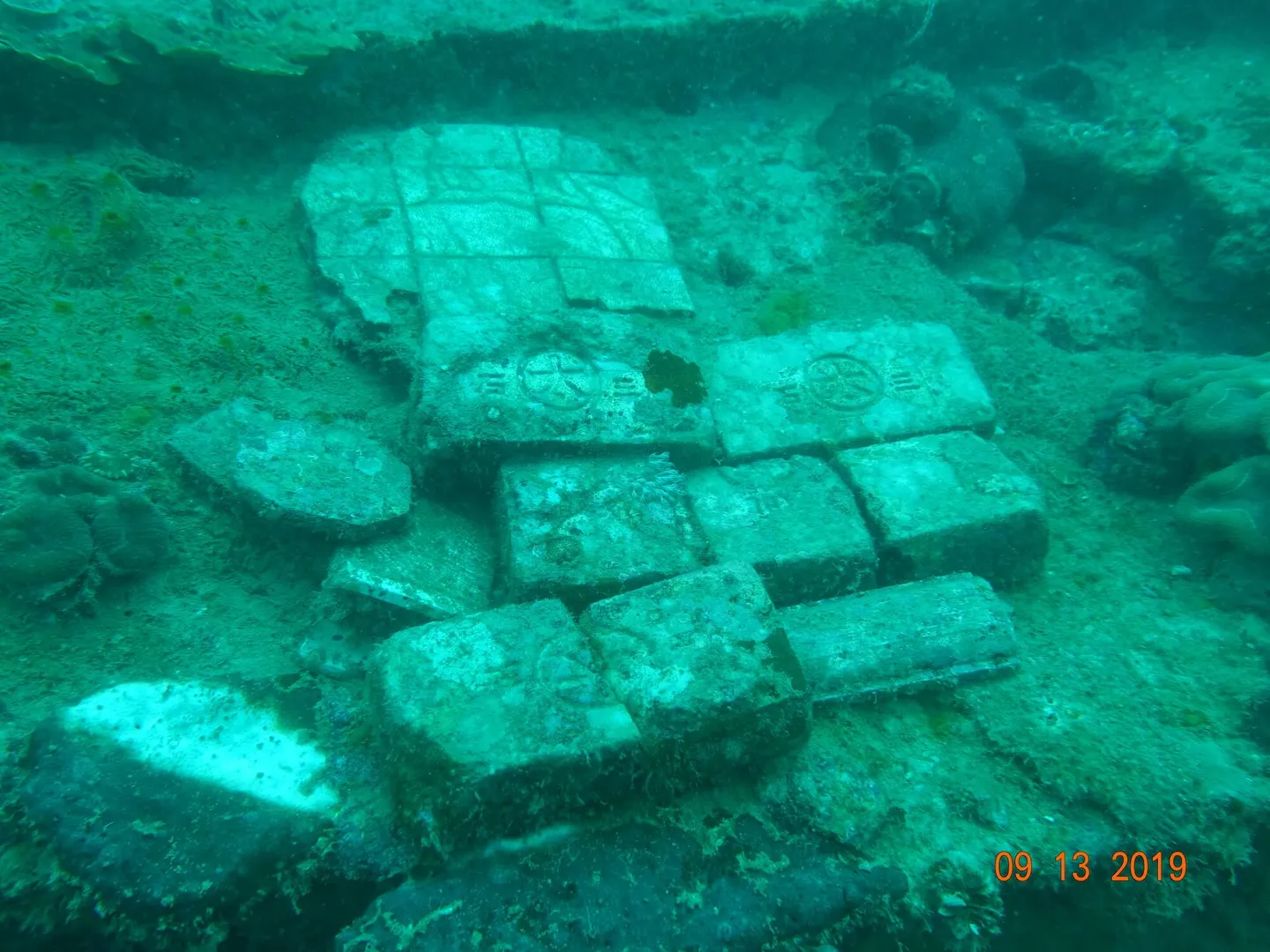
Photo Credit @Fish Su
One notable detail: every single day, there was a large pure oxygen cylinder on the boat — and during dives, another cylinder would be hanging at 5 m off the bow. I didn't understand at first, but eventually figured it out: it's a decompression cylinder, there in case your own scuba tank / cylinder runs low before you finish your safety stop. Once I understood, it was a genuine comfort.
The conditions around the southern wreck sites were calm throughout. During surface intervals, the boat would move to the next site — a perfect chance to catch a short nap. The sun wasn't too harsh, and as long as it didn't rain, the whole experience was very pleasant. Around midday, the crew would cook lunch onboard. Don't expect gourmet Filipino food made on a small boat, but after burning through a dive you're hungry enough to polish off a big plateful.
Originally we'd planned four days diving out of Coron, which would have covered most of the wrecks. But mid-trip we got chatting with a Korean diver who'd been up north the day before to see dugongs — and said it was brilliant. We rearranged things on the fly and dedicated the last day to hunting this rare creature.
- D10 Dugong Protection Area
Inside the protection area, a dugong ranger boards the boat with you, explains the rules, and helps locate the dugongs. To avoid startling them, you must enter the water quietly before putting on your gear — no giant strides allowed. Visibility was middling at this time of year, and the dugong was feeding, stirring up sand as it went, so getting decent shots was a real challenge. It surfaces to breathe roughly every five minutes, so you're constantly swimming to keep up. Given that it's such a rare and magnificent creature, fifteen minutes in its company felt like a fair trade. Total dive time: 24 minutes — no safety stop even needed.
- D11 Dimipac Island
Slight surge on entry. 3× sea turtles, 1× bluespotted stingray — a leisurely stroll of a dive. We followed turtles as they grazed and circled around the stingray.
The second dive near the protection area was a similar sandy environment with a touch of coral reef. We kept moving without stopping to look for anything in particular. We spotted three sea turtles: one skittish and constantly darting away, one totally unbothered and grazing on its own, and one enormous old soul sound asleep. Then came a bluespotted stingray with one wing damaged — we followed it through a couple of laps before it finally glided away.
The dugong trip departing from Coron includes breakfast and lunch. Gather at the dive shop at 6 a.m., two hours of travel, pick up the dugong ranger, eat instant noodles for breakfast on the boat, do two dives, and wrap up the diving before noon. Lunch is at a restaurant near the protection area, and you're back in Coron by around 3 p.m. With a Sunday 1 p.m. return flight, finishing with the dugong trip as our final diving day worked out perfectly.
Coron Diving — A Quick Wrap-Up:
When planning a dive trip, I always think it'd be best to rally seven or eight people — more fun, cheaper per head. But after a few trips, I've come to realise that group size doesn't need to be that big. Four people sharing a vehicle is just right; two people isn't that much more expensive. The real key is that your dive buddies share a similar skill level and set of expectations — that's when planning becomes effortless. Many local dive guides here are genuinely skilled, and when divers in the water are competent, the guide doesn't have to babysit anyone — they're free to focus on finding things to show you.
As for wreck diving itself, it's a bit like a 3D live-wire maze. Some passages are narrow and winding; some involve ascending vertically and then rounding a corner — routes that would actually be harder to navigate without water. Some compartments are very deep and very dark. If you love night diving and the thrill of mysterious exploration, you'll almost certainly love it here.
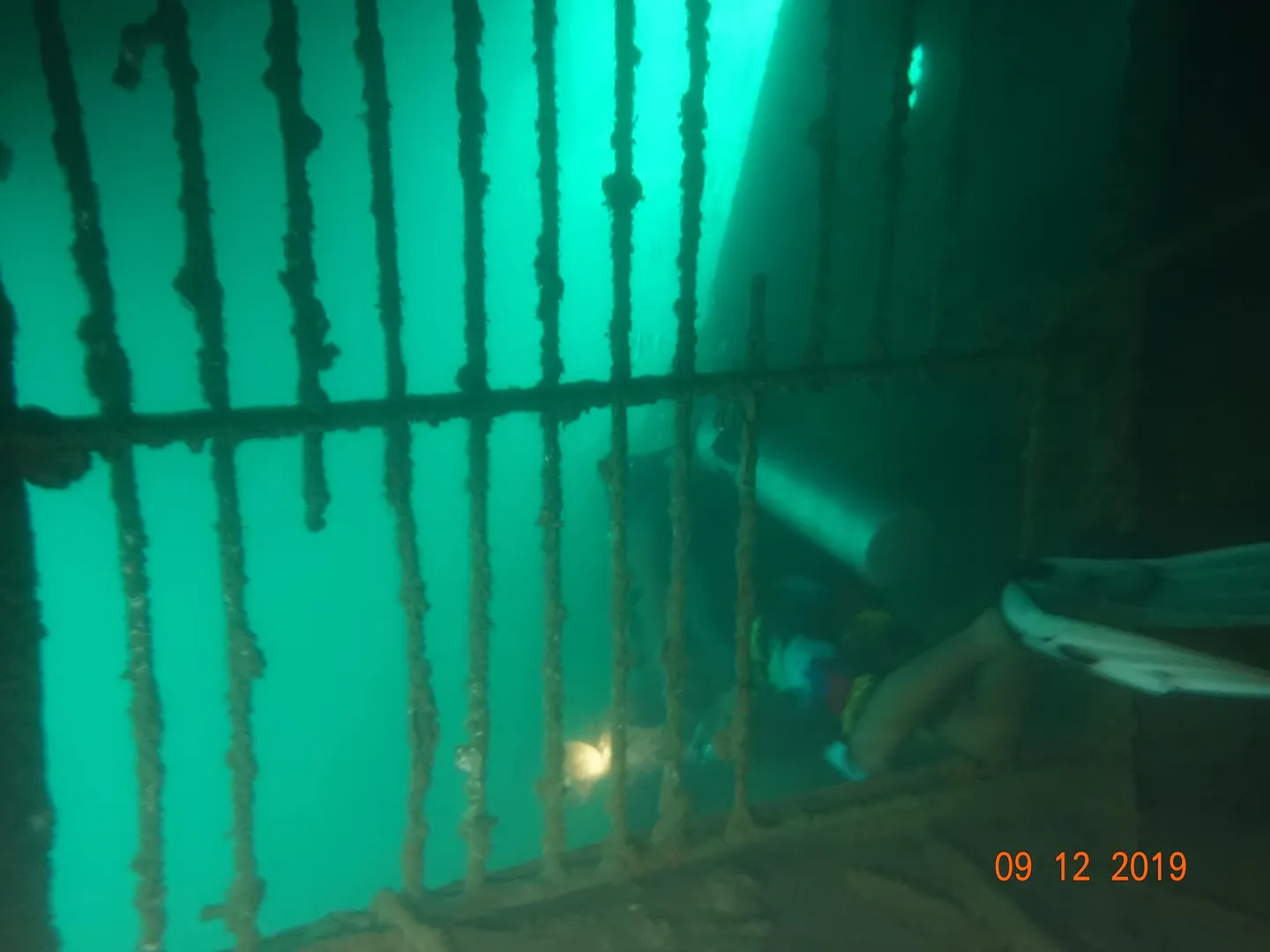
Photo Credit @Fish Su
Over this trip we penetrated seven wrecks in total, three or four of which are rated as hazardous. We were fortunate enough to earn our guide's trust, and he led us into those dim, mysterious compartments. Being inside them really does feel like filming a deep-sea treasure-hunt movie — squeezing through narrow pipes and hatches, pushing into sections where the water barely circulates, places that are clearly rarely visited. The other groups on our boat that day were definitely not taking the same routes we were.
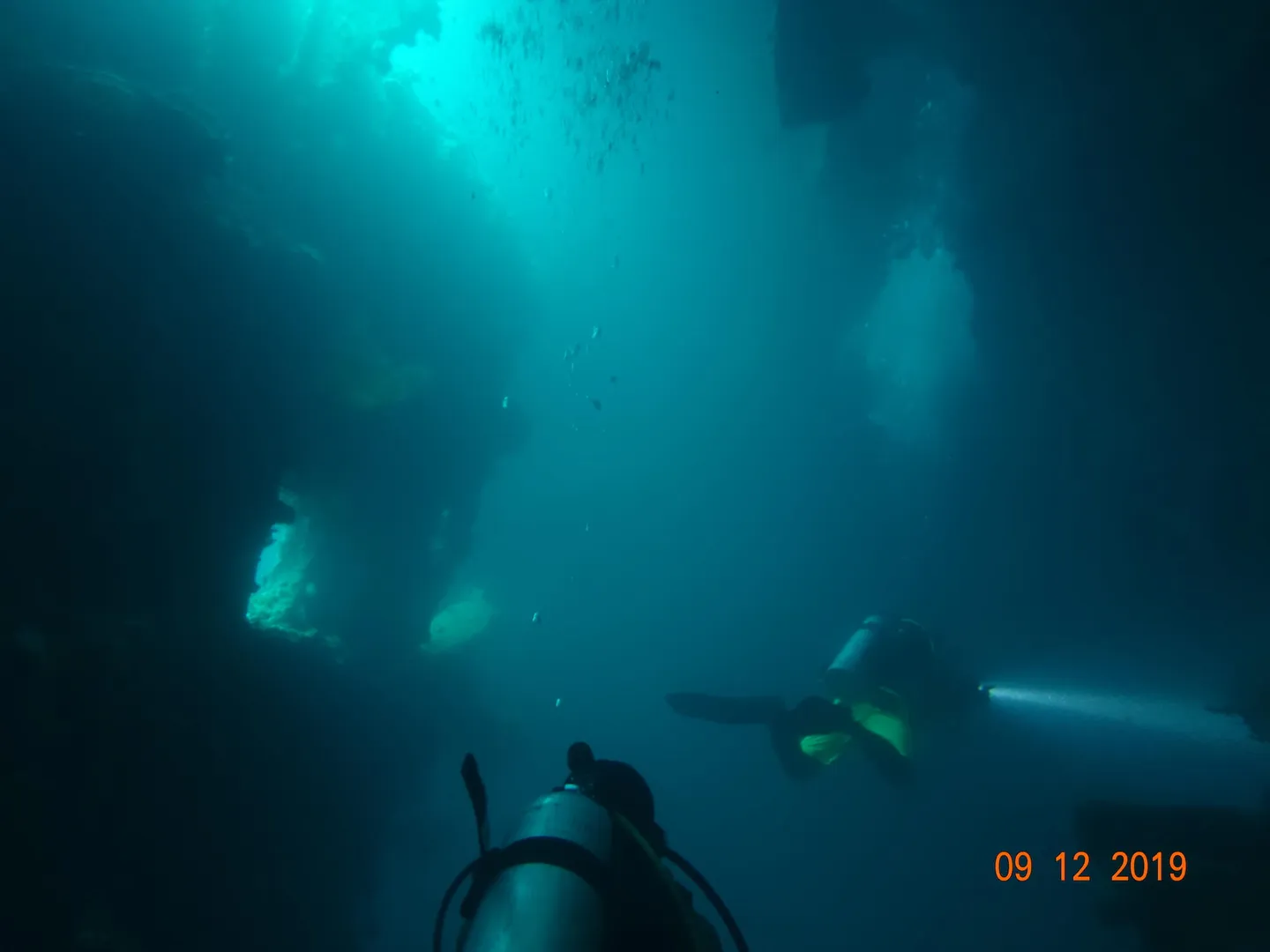
Photo Credit @Fish Su
Unlike the USAT Liberty in Bali, where much of the hull has collapsed and marine life is abundant, the wrecks here have many more enclosed spaces — neutral buoyancy really does need to be dialled in. Good air consumption extends your exploration time significantly. Ultimately, though, everyone is still constrained by no-decompression limits, and some of the deeper compartments remained out of reach this time. Coming here is more about visiting WWII wreck heritage sites than about biodiversity or visibility — so temper those expectations accordingly.
Cover image: Photo by Alana Harris on Unsplash
Further reading:
Frequently Asked Questions
How is a BlueTrend dive trip different from an unknown, no-name dive group?
Choosing us means full peace-of-mind protection and a smooth experience from start to finish. Every trip we run holds to three things.
First, full legal protection and a professional dive leader: we strictly follow Taiwan's travel regulations and provide complete travel-agency liability insurance, travel insurance, trip-inconvenience insurance and dive insurance. Every group is accompanied by a certified, foreign-language dive leader who joins you on both the dives and the land itinerary, liaising seamlessly with local dive shops and operators on your behalf to keep things running smoothly — the person our travellers trust most.
Second, fully licensed with secure payments: every payment goes into a licensed travel agency's account, with multiple safe payment channels (bank transfer, credit card and more) and a legal collect-and-remit receipt, so every transaction is open, transparent and protected, avoiding the fraud and dispute risks of transferring money privately to an individual.
Third, hand-picked quality we vet in person: every trip, dive site and partner shop is scouted on the ground by our own team, from the guides' professionalism and safety standards to the food, lodging, environment and service details on land, all vetted by us so you don't get caught out.
I want to sign up for a dive trip. Are there certification-level or logged-dive requirements?
Each dive site is different, so the entry bar varies. 'Bali Tulamben', for instance, is relatively beginner-friendly. 'Malapascua in the Philippines' is also beginner-friendly, but since thresher sharks tend to cruise between 20 and 30 metres, we recommend AOW certification with 20+ logged dives to enjoy this trip comfortably. For 'the Maldives' or 'Palau', we suggest AOW with 50+ logged dives for a more relaxed experience. If you're not sure whether your experience fits the trip you want, message us and our dive editors will assess it and help you find the trip you'll feel safest on.
Can I join if I'm signing up alone? How are rooms arranged?
Plenty of our travellers sign up solo! For rooms and beds, we prioritise pairing you with a same-gender traveller, and if you'd rather have your own space you can pay the difference to upgrade to a single room. For the diving, our professional leader will pair you with a suitable buddy, and with the happy vibe on our trips you'll quickly make a great group of dive friends. Many people sign up alone, make new friends, and end up organising the next trip together!
Does the trip fee include dive insurance, gear rental, taxes and instructor tips?
It depends on the trip, the destination's regulations and the local operators. Every BlueTrend dive trip has a detailed web page with a clear 'included / not included' list, transparent and with no hidden charges. All payments are collected by a licensed travel agency, with a standard-form contract for your protection.
I'm a new diver / haven't dived in a long time — will I fall behind the group?
Before you complete your booking, our team assesses a suitable trip based on your certification level and experience. Before departure, we strongly recommend taking time to refresh in Taiwan with an instructor, or a fun dive to get your feel back. On the trip itself, our professional dive leader groups and pairs everyone by experience, keeps a close eye underwater on travellers who need extra care, and steps in to help right away.
Will the photos and videos taken during the trip be shared with us?
During the dives, 'safety' is always the leader's top priority, so whenever it's suitable and safe the leader will capture great shots and record the best moments. During or after the trip, we compile a cloud album for all travellers to download, so you go home loaded with memories!
Besides your scheduled trips, can you arrange a private group charter or independent travel for me and my friends?
Absolutely! Besides group trips, we also arrange private group charters and independent travel. We can communicate, enquire and coordinate services with local operators based on your needs, saving you time and effort and taking the language barrier off your plate, to tailor the smoothest, most reassuring dive trip just for you. Contact our LINE support and our editors will arrange it for you!