Contents(5)
Think back to your last holiday... Do the moments that stayed with you involve ticking off famous landmarks, or something quieter? A shared meal with a local family, a morning spent restoring a coral reef, a conversation that shifted how you see the world? More and more of us are chasing that second kind of memory.
That's the heart of purposeful travel. Also called intentional or meaningful travel, it's about care, consideration, and choosing experiences that give something back to the places and people. It puts local communities and fragile ecosystems at the centre of your plans.

Travellers are turning away from crowded, cookie-cutter mass tourism and towards trips that leave a positive mark, with 34% of travellers saying they actively seek out quieter destinations, according to Skyscanner.
The good news? Travelling with purpose doesn't require grand gestures or a huge budget. It starts with a few thoughtful choices. Below, you'll find five practical ways to plan a trip with purpose.
1. Start with a conservation or community goal
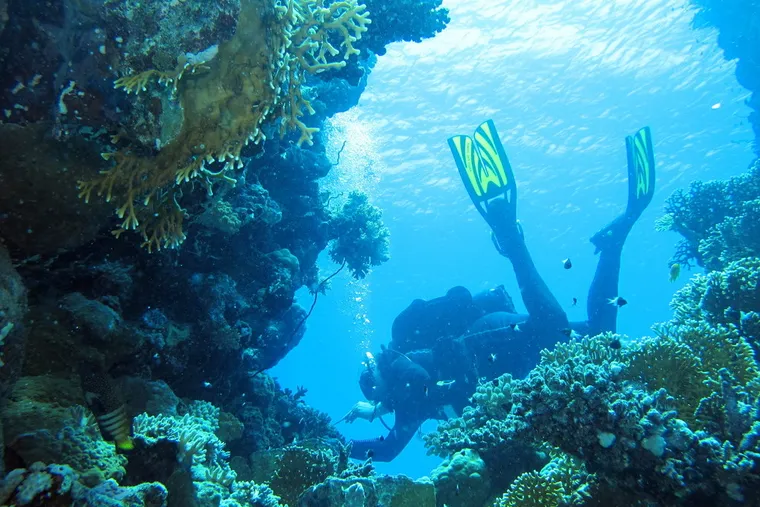
Choose a destination that aligns with your personal values, then research the conservation efforts and projects that are operating there. Your purpose will likely become clearer based on that: do you want to protect wildlife? Support local communities? Get involved with a marine conservation project? Knowing this will shape the rest of your decisions and turn your trip into something even more meaningful.


2. Make responsible choices before you leave
Some careful planning means much of the work has been done before you even set off. Look into sustainable, ethical tour operators and accommodation for the practical elements, then work out whether you can reduce your travel emissions. And what about supporting local businesses? Having the names of independent restaurants, stores and initiatives before you go gives you a place to start when you arrive.
3. Choose sustainable transport and travel slowly
Look at how you get around affects both the planet and your experience. While not everyone will be able to avoid flying, for example, there may be public transport you can take once you reach your destination. You can also reduce your carbon emissions by visiting fewer places and staying there longer, so you savour your time there rather than rushing through it.
4. Create meaningful experiences during your trip
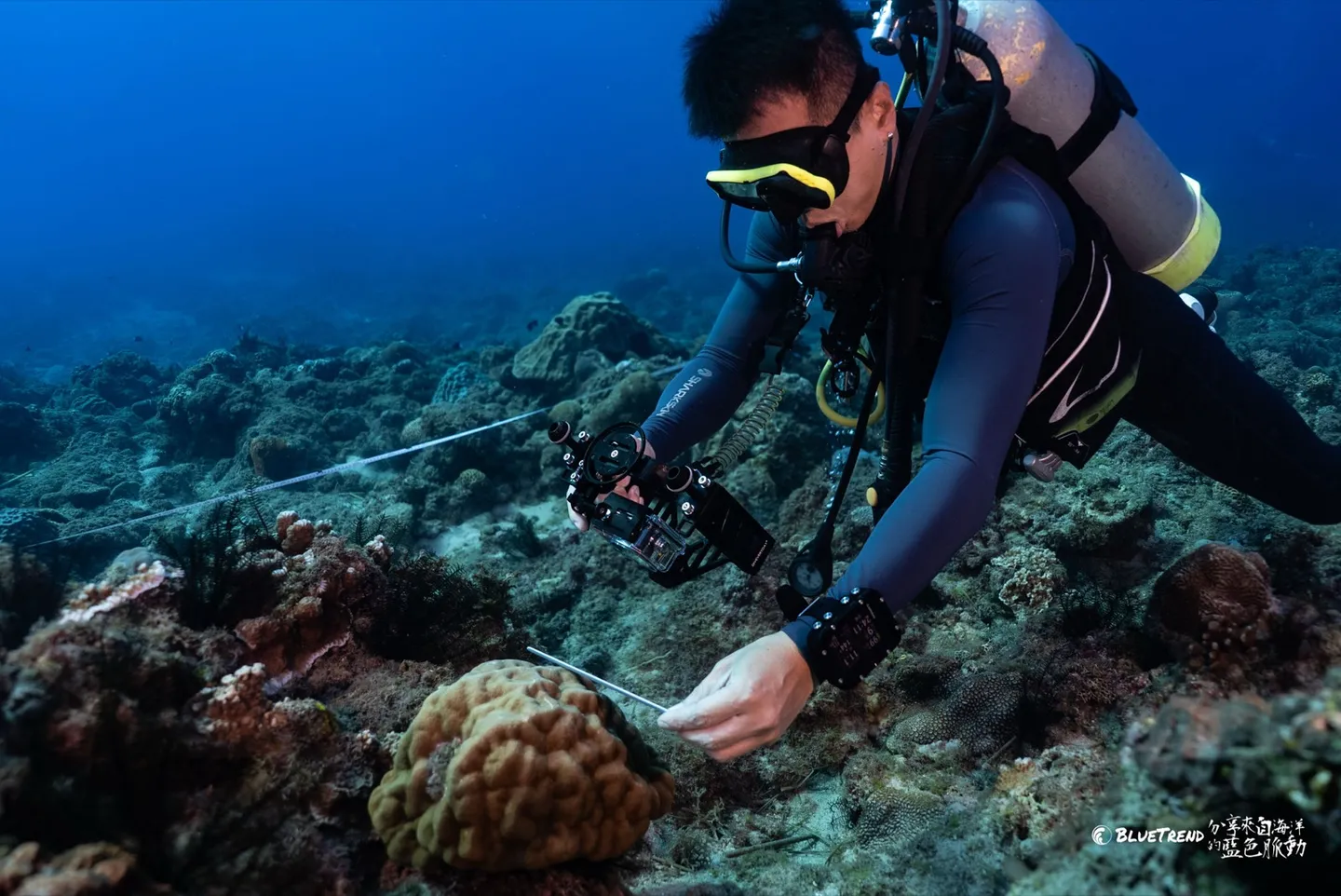
Slow down and make room for connection: take a cooking lesson with a local, learn a few words of the language, or join an educational excursion that opens your eyes to a region's history and environmental challenges. Better still, roll up your sleeves for community-led activities like a beach cleanup or a citizen science project, where you help gather data on wildlife or water quality alongside the people who call the place home.
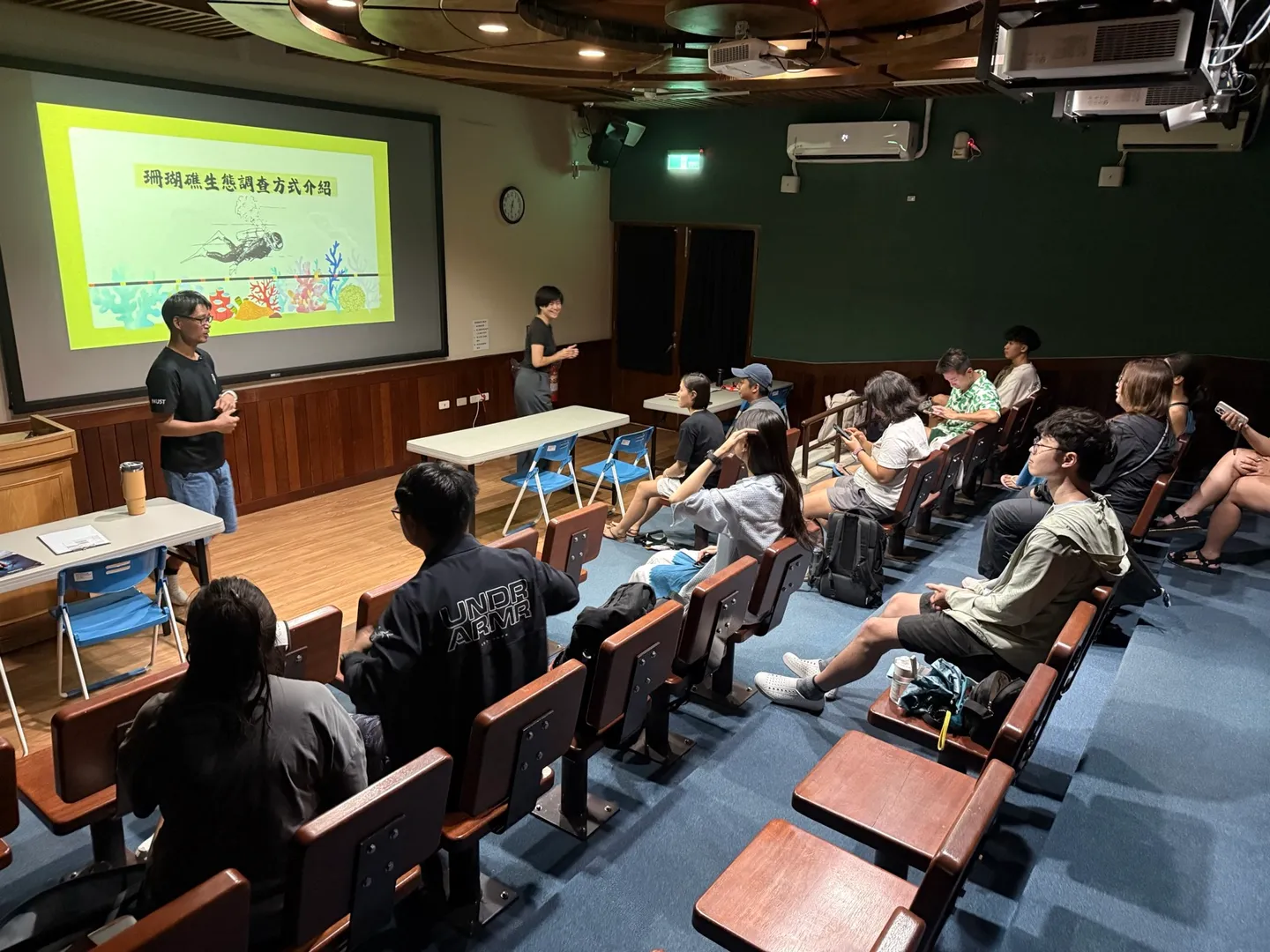

These hands-on experiences teach you new skills, deepen your understanding of local culture, and channel your time and energy where they're needed most. Choose quality over quantity, and you'll come away with lasting memories.
5. Give back and share your impact after you return
The journey doesn't have to end when you unpack your bags. Keep the momentum alive by staying connected to the causes that moved you: donate to the conservation project you volunteered with, order handmade goods from the artisans you met, or continue supporting a family-run business through their online shop. Share what you learned, too. A few honest travel tips over dinner, a thoughtful photo caption, or a quick chat about why you chose a community-led tour can nudge friends and family towards travelling with more care. You become an advocate every time you speak up.
Purposeful travel doesn't require sacrificing comfort or adventure. Small, intentional decisions can create a lasting positive impact, so take one small step towards your next meaningful trip and travel in a way that leaves the world a little better.
Produced by BlueTrend, with the support of Shin Kong Life Foundation and the Pingtung County Government.