Contents(4)
A grain of rice's journey doesn't actually end at harvest.
Not long ago, the Editor wrote about the Penghu biochar coral restoration bricks, and the response was warmer than expected. What people were most curious about, it turned out, was how "carbon sequestration" is actually calculated. But that article was really about the second half of the story — the ocean. This time, we're pulling the camera back to where it all begins: a paddy field in Yilan, and the long relay from land to sea.
On 18 July 2026, witnessed by the Ministry of Agriculture, Shinkong Security and the Shin Kong Life Charitable Foundation carried forward their years of collaboration, launching a sustainable circular initiative that connects their respective long-term commitments — one rooted in the land, the other in the ocean. What links the two ends of this chain is a remarkably simple starting point: rice.
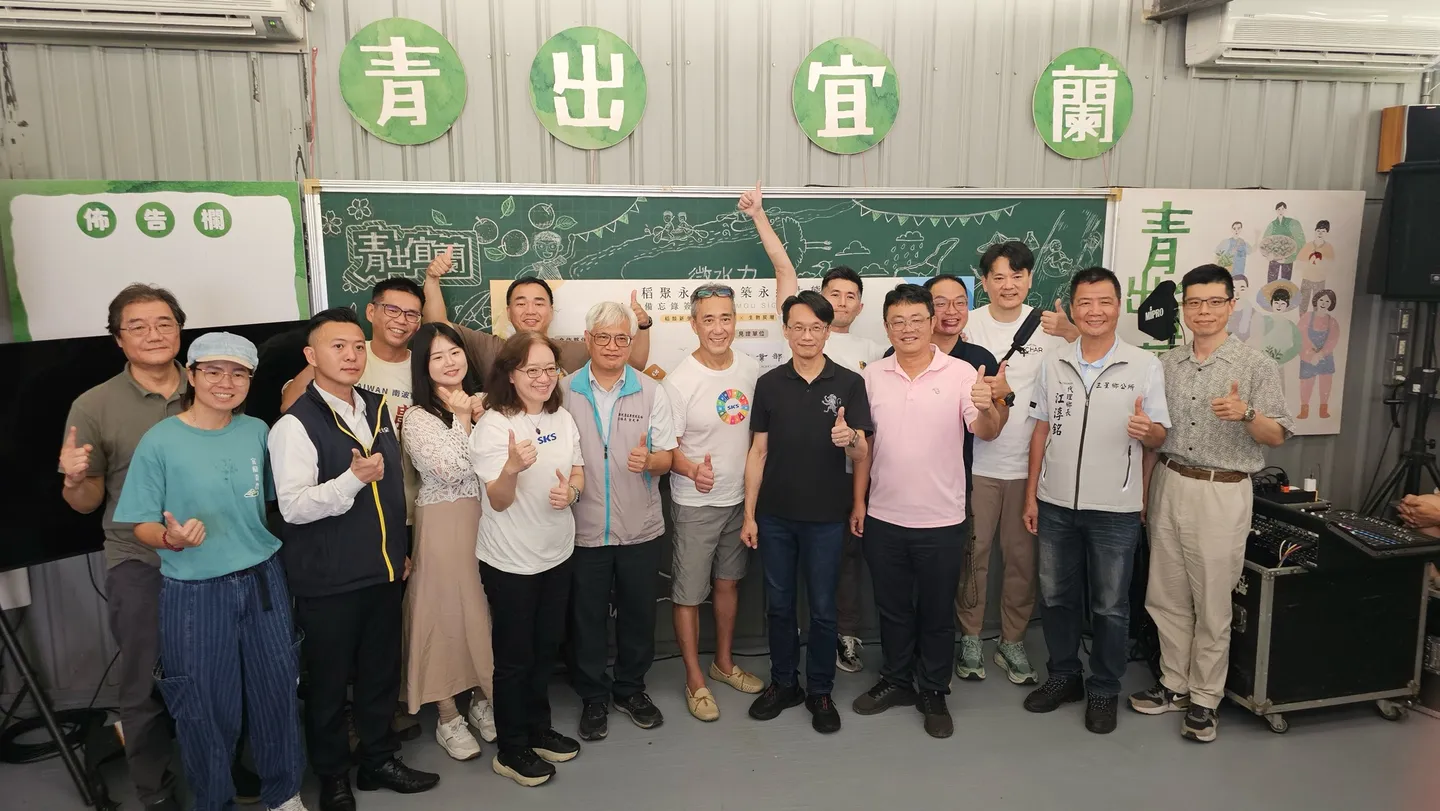
On Land: Starting with a Single, Sustainably Farmed Paddy Field
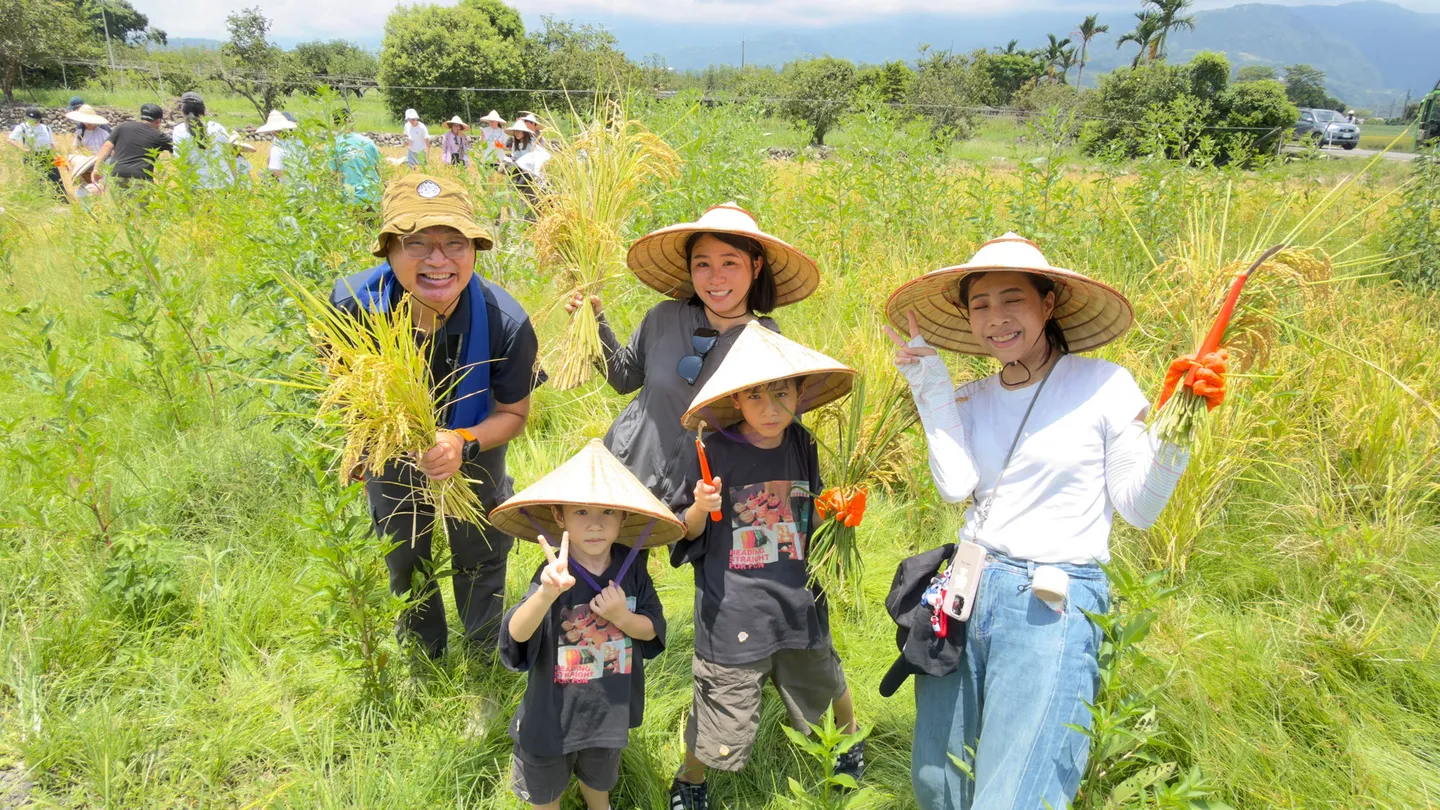
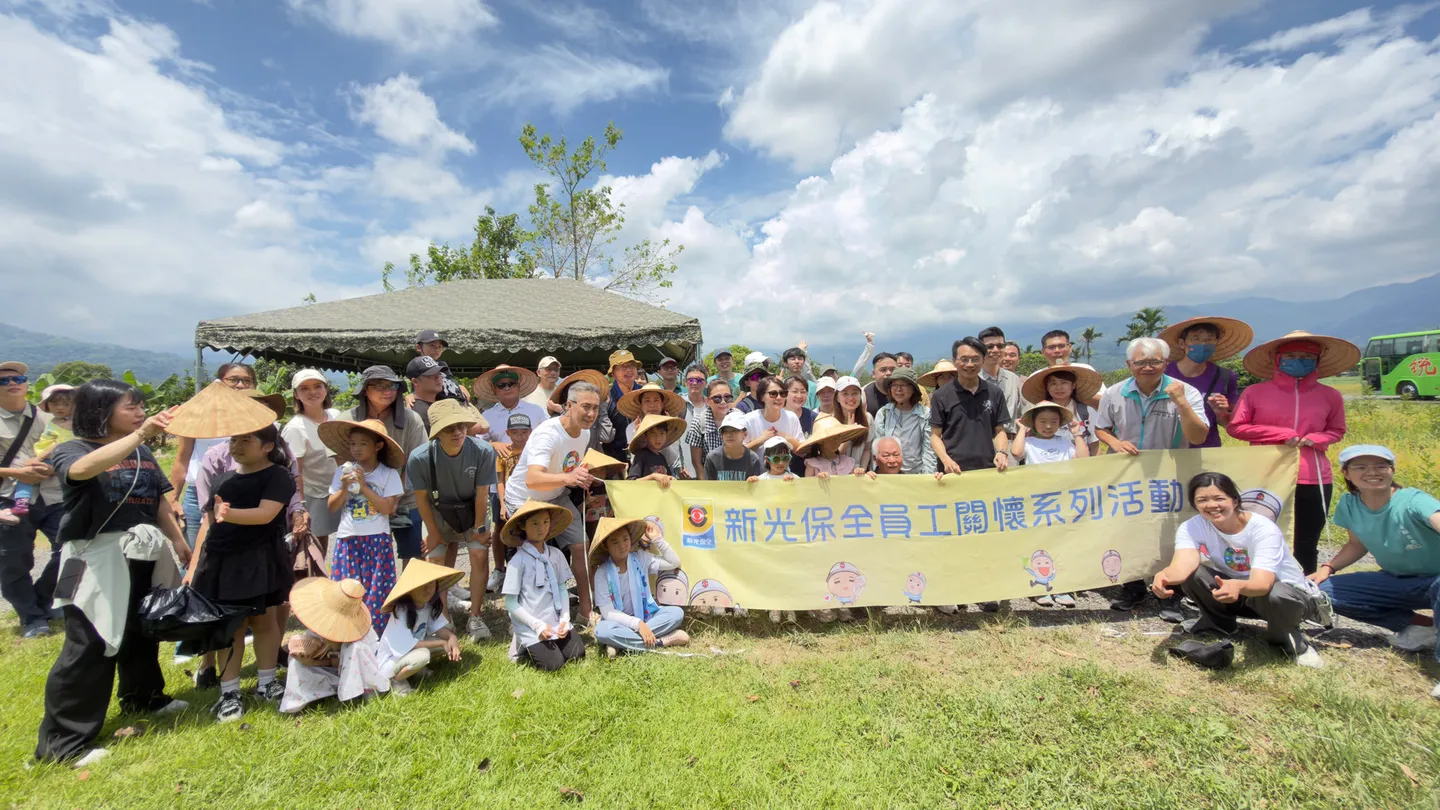
The story begins in Yilan. Shinkong Security has long championed its "Green from Yilan" program, supporting young farmers in returning to their hometowns to grow organic rice using eco-friendly farming practices — and sharing the harvest directly with disadvantaged families across Taiwan, turning the fruits of the land into a force for social care.
But their vision goes beyond simply "growing good rice." Shinkong Security has brought together partners including the Green from Yilan initiative, the Council of Agriculture's Hualien District Agricultural Research and Extension Station, and Lian Heng Biotech, jointly advancing youth rural return, sustainable agriculture, circular economy principles, and farmland biodiversity. Through eco-friendly cultivation, pollinator habitat creation, ecological surveys, and returning biochar to the fields, the goal is for this land to nourish food while also becoming a habitat where diverse species can coexist.


The Husk's Second Journey: From Agricultural By-product to Coral Restoration Brick
After the rice is harvested, vast quantities of husks and straw remain. In the past, these agricultural by-products were often treated as waste — but this is precisely the most pivotal turning point in the entire cycle.
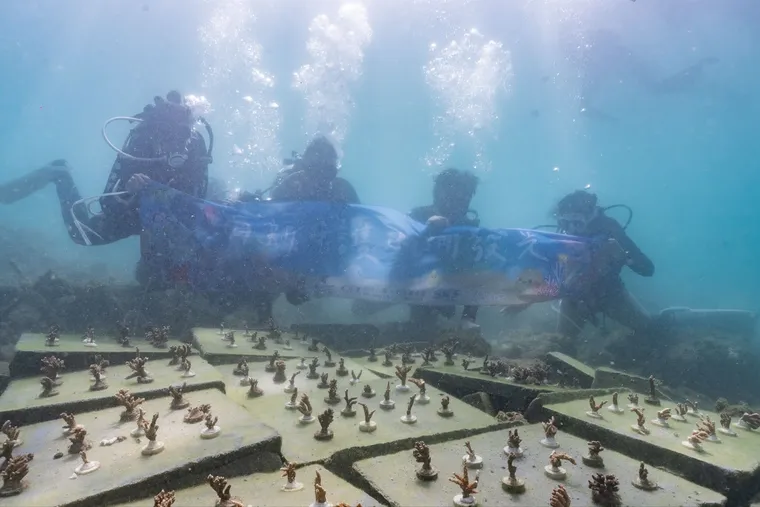
The baton passes to the Shin Kong Life Charitable Foundation. The Foundation combines these husks and straw with the technology of Guangtai Environmental Energy Co., Ltd. to produce biochar, which is then applied — in accordance with international standards — to the biochar coral restoration bricks, giving them the dual capacity to sequester carbon and enhance natural carbon sinks. In short, rice husks that would otherwise have been discarded are now stably "locked" into a brick resting on the seafloor.
Just how effective is this brick at growing coral? And how exactly is the carbon calculated — including the world's first internationally recognized carbon removal certification? The Editor covers all of that in detail in two other articles, so there's no need to repeat it here:
- How the coral is growing: Penghu Biochar Coral Restoration Bricks: Sustainable and Resilient Tourism You Can Dive Into
- How the carbon is calculated: How Is Carbon Sequestration Measured? Penghu Biochar Coral Restoration Bricks — Understanding Taiwan's Voluntary Carbon Reduction and International Carbon Removal Certification
In the Ocean: Coral Grows, and So Does a Citizen Science Program
Once the restoration bricks were placed on the seafloor of Penghu's Hang Bay, the story truly entered the ocean.
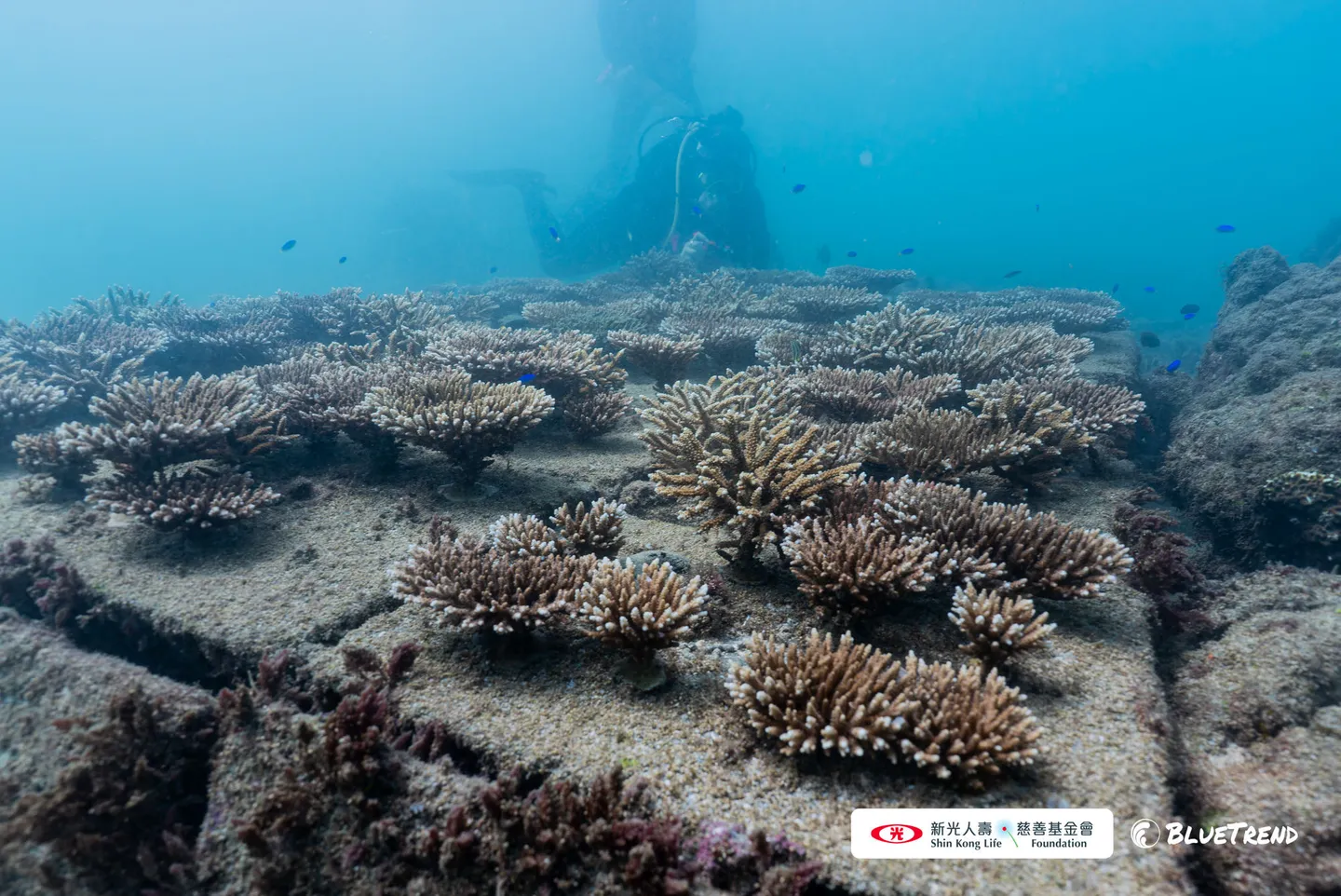
And the Shin Kong Life Charitable Foundation didn't stop at simply "planting coral." In response to the United Nations' International Year of Sustainable and Resilient Tourism initiative, the Foundation launched a coral observer training program and partnered with National Kaohsiung University of Science and Technology to co-develop a "Coral Observation Curriculum."
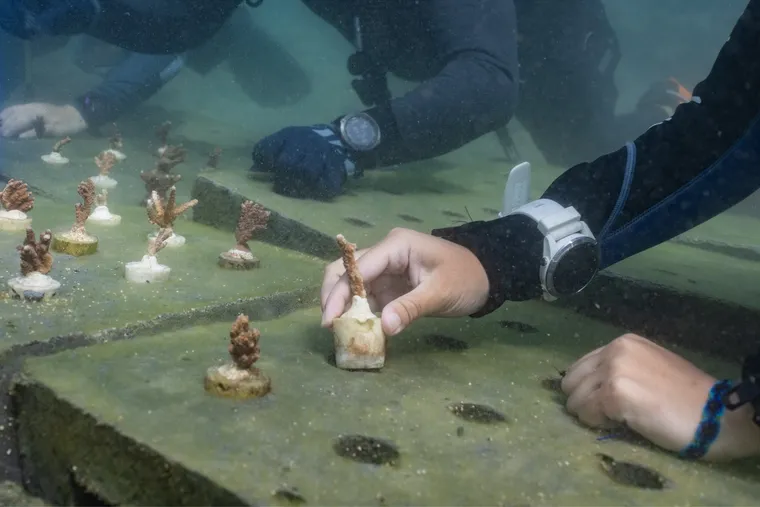
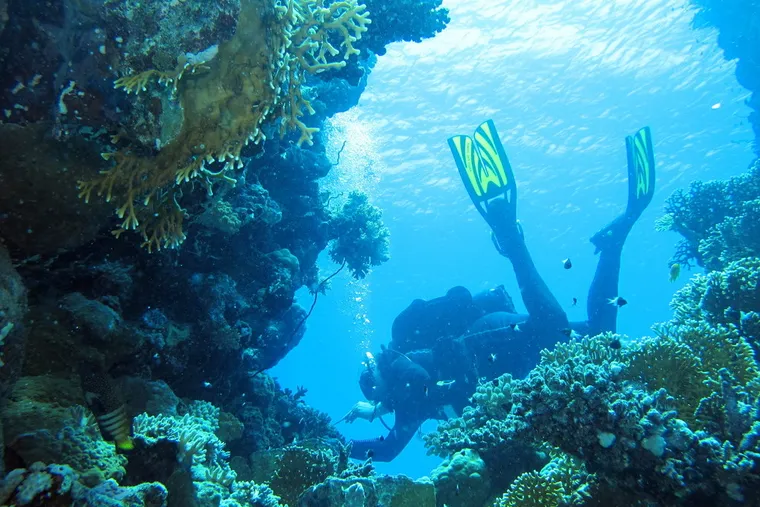
The concept is refreshingly straightforward: invite visitors who come to Penghu to scuba dive, give them a grounding in coral conservation basics, and then — while they're diving — have them assist in recording the health, growth, and surrounding ecology of the coral. In this way, tourism becomes not just about "enjoying the ocean," but about actively participating in marine conservation.
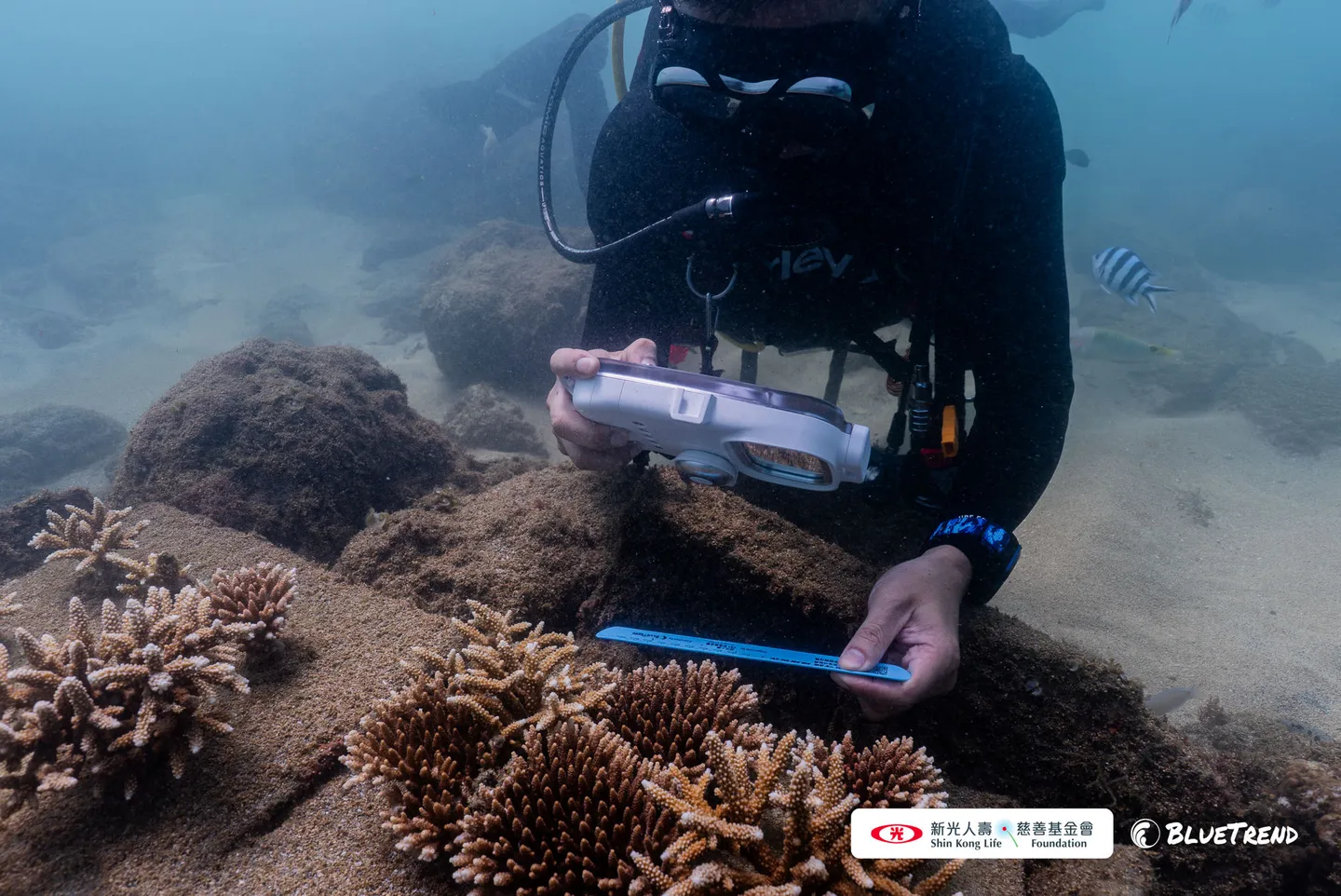
The observational data collected will be analyzed by the Department of Fisheries Technology and Management at National Kaohsiung University of Science and Technology, building a long-term coral monitoring dataset to serve as a vital foundation for coral restoration, biodiversity research, and marine conservation — accumulating Taiwan's precious marine ecological records, one data point at a time. BlueTrend, for its part, provides support on the ocean side of this initiative, assisting with outreach and coral monitoring.
From Land to Ocean: A Complete Sustainable Cycle
What makes this collaboration so compelling isn't simply the circular reuse of agricultural by-products — it's the fact that it genuinely connects two major ecosystems: the terrestrial and the marine.
Shinkong Security cultivates the land; the Shin Kong Life Charitable Foundation sustains its commitment to ocean conservation. Each brings its own expertise to the table, weaving two originally parallel long-term endeavors into a single continuous thread — and allowing resources and knowledge from different fields to generate far greater impact. The value of a single grain of rice now extends all the way from the paddy fields of Yilan to the seafloor of Penghu.
Looking ahead, the Shin Kong Life Charitable Foundation and Shinkong Security will deepen their collaboration further, bringing in more corporate, government, academic, and community partners, so that the work done on land can continue to carry its value into the ocean. And we'll keep our post on the ocean side of things — carefully recording what happens along this journey, and telling that story to you.
Further Reading