BioChar Coral
Carbon removal × Biodiversity × Citizen science

BioChar Coral
Biochar for reefs: carbon removal and biodiversity gains in one brick

BioChar Coral turns biochar into coral restoration bricks, so a single brick delivers verifiable carbon removal while boosting reef biodiversity, monitored over time by scientists and divers. Hangwan Bay in Penghu, Taiwan is our active field site today, and the model is set to expand to other Taiwanese waters and abroad. This page shares every step and every number so far.

100 biochar bricks
552 corals transplanted
8.6x Zone A growth, 1 year
46 stony coral species
00 · The film

Biochar coral restoration in 2 minutes

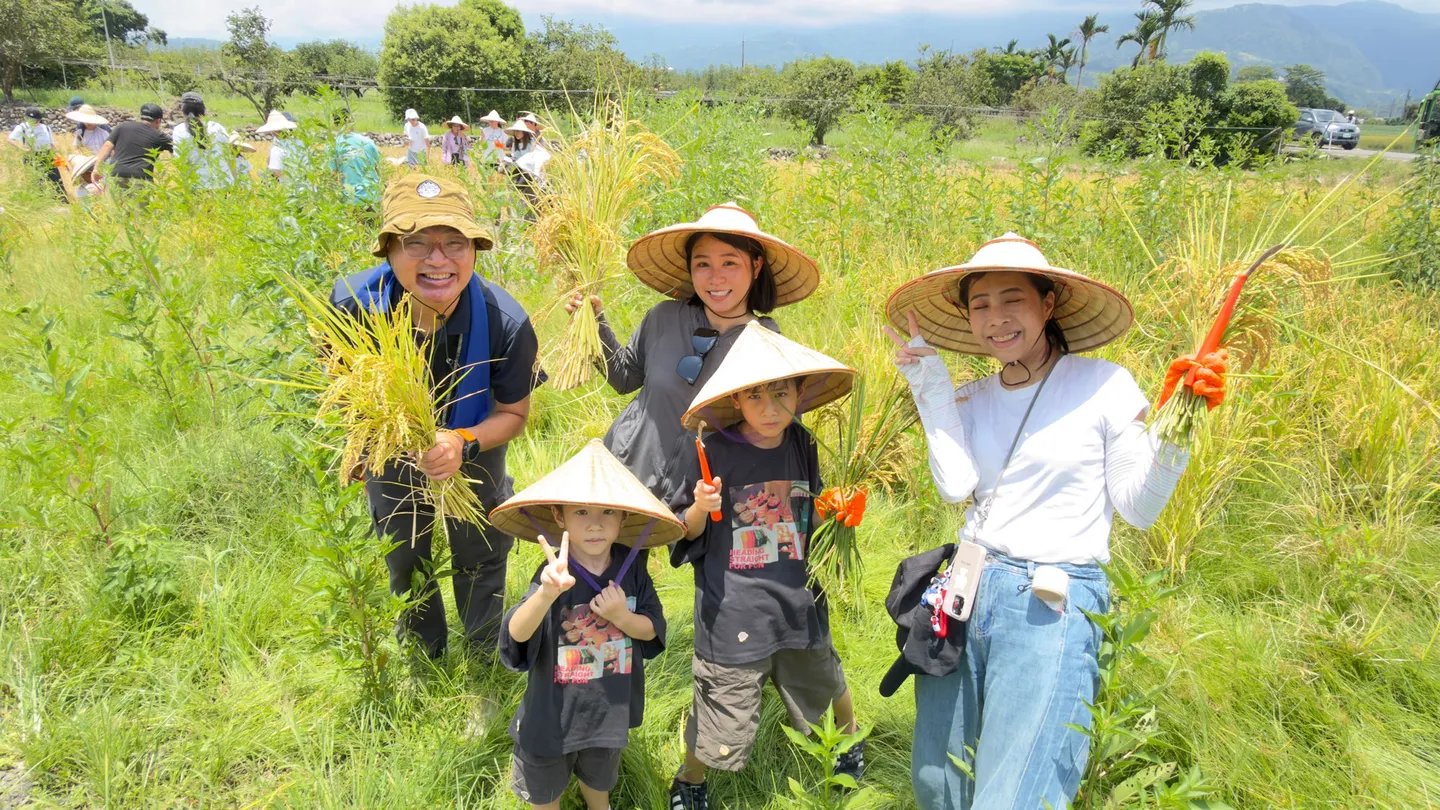
Biochar is a carbon-rich solid made by heating biomass without oxygen, locking carbon away for centuries. TCHAR’s biochar is certified under the European Biochar Certificate (EBC). Mixed with low-carbon cement, it becomes a porous brick that corals attach to easily. The first bricks in 2025 used wood biochar, and the next phase will use rice husks from young farmers in Yilan.

01 · Timeline

Every step so far

A 2025 pilot study to set the methodology, wider monitoring and the Team Ocean Award in 2026, and the next step in 2027.

  1. 2024

    Bleaching hits

    The fourth global coral bleaching event reached Penghu, raising the question this project set out to answer: how to make restoration more resilient and its results measurable.

  2. 2025.07

    Pilot study: testing biochar bricks

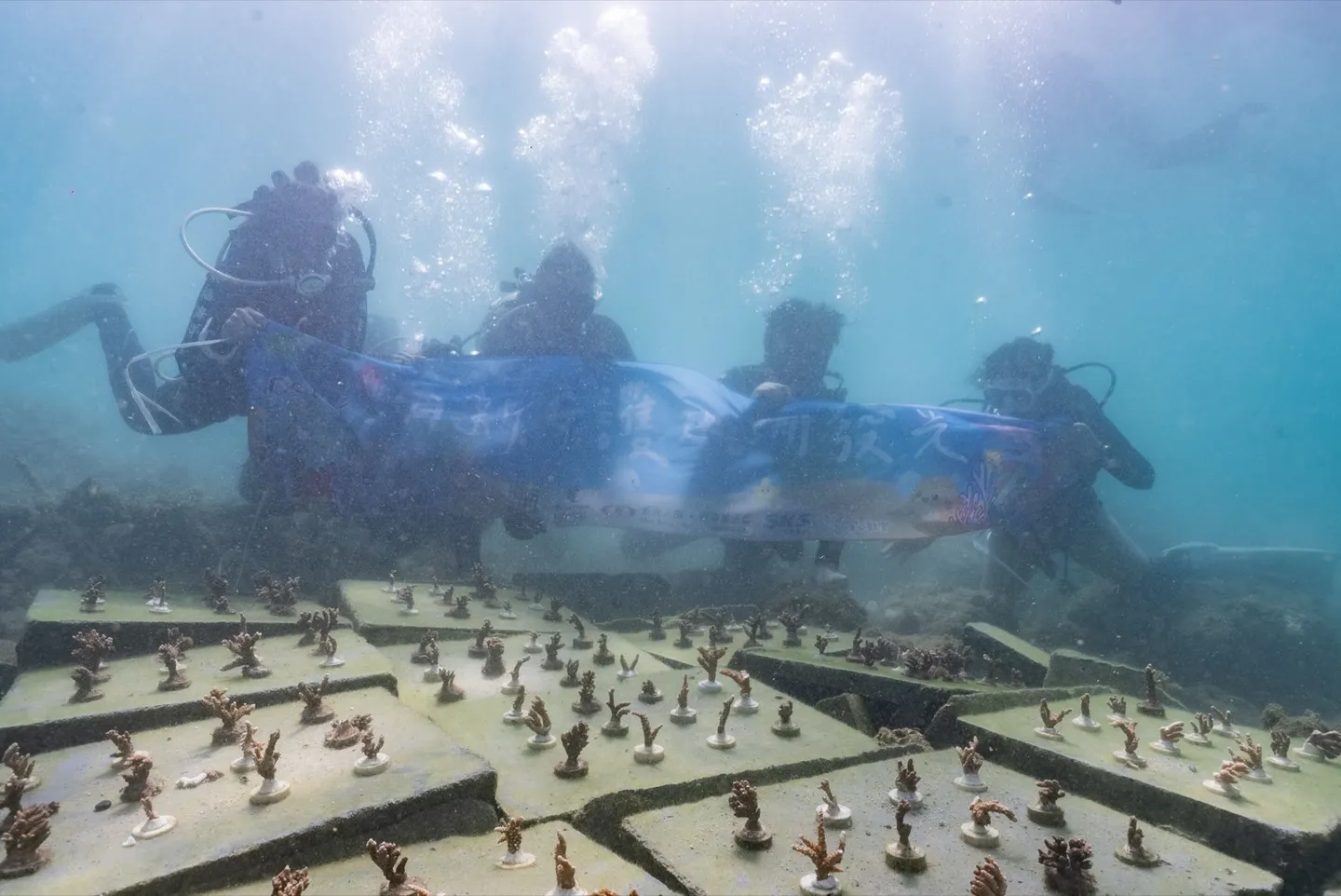
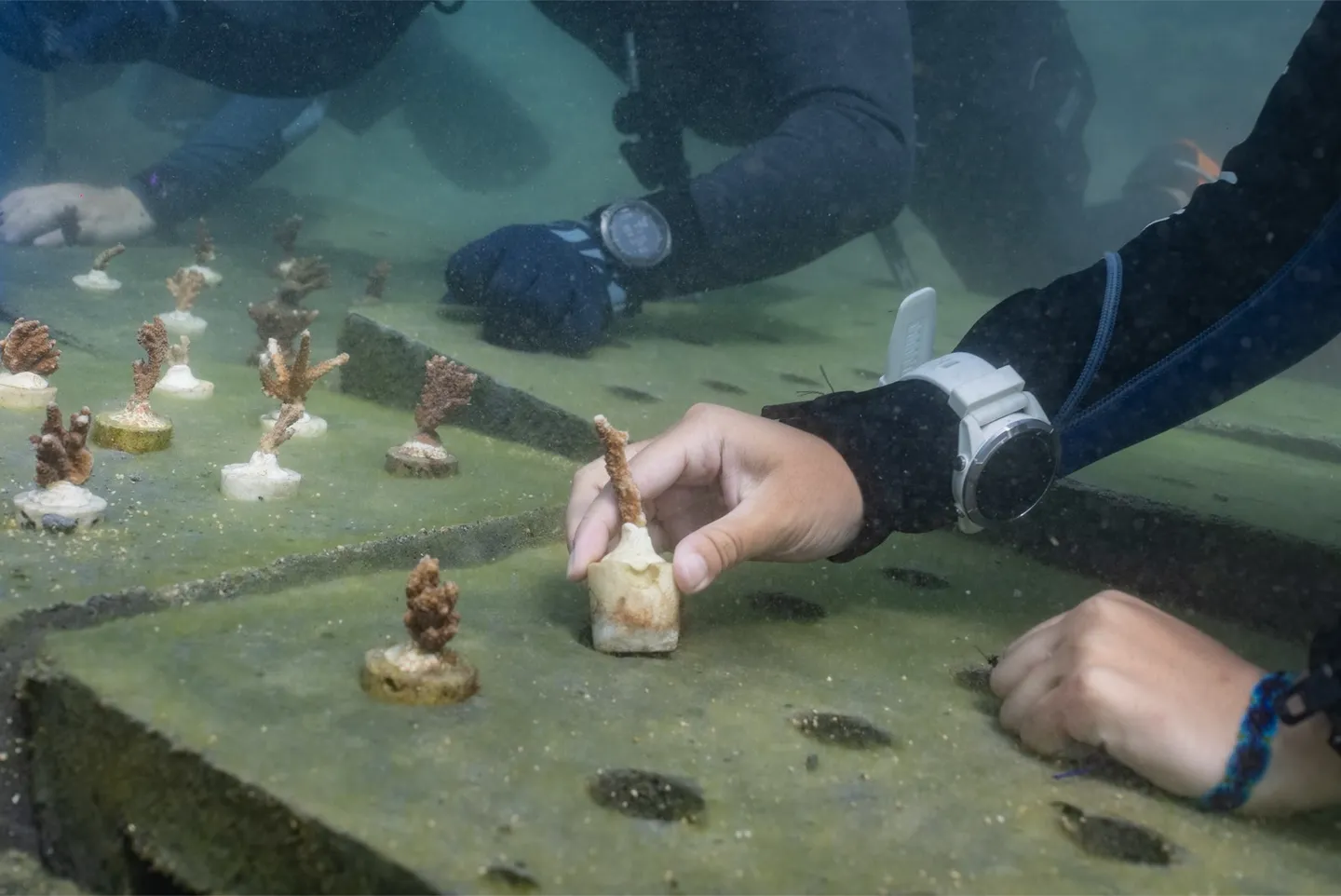
    2025 was a pilot study to test the methodology of adding biochar to restoration bricks. Shin Kong Life Foundation placed 100 biochar bricks and transplanted 552 corals in Hangwan Bay. The first photo survey on 15 July measured 2,584 cm² of coral in Zone A.

  3. 2025.07

    Biochar goes to school

    BlueTrend and TCHAR ran a marine biodiversity and biochar class at Badou Elementary School, Keelung.

    Watch the video →
  4. 2025.08.29

    Testing the monitoring method

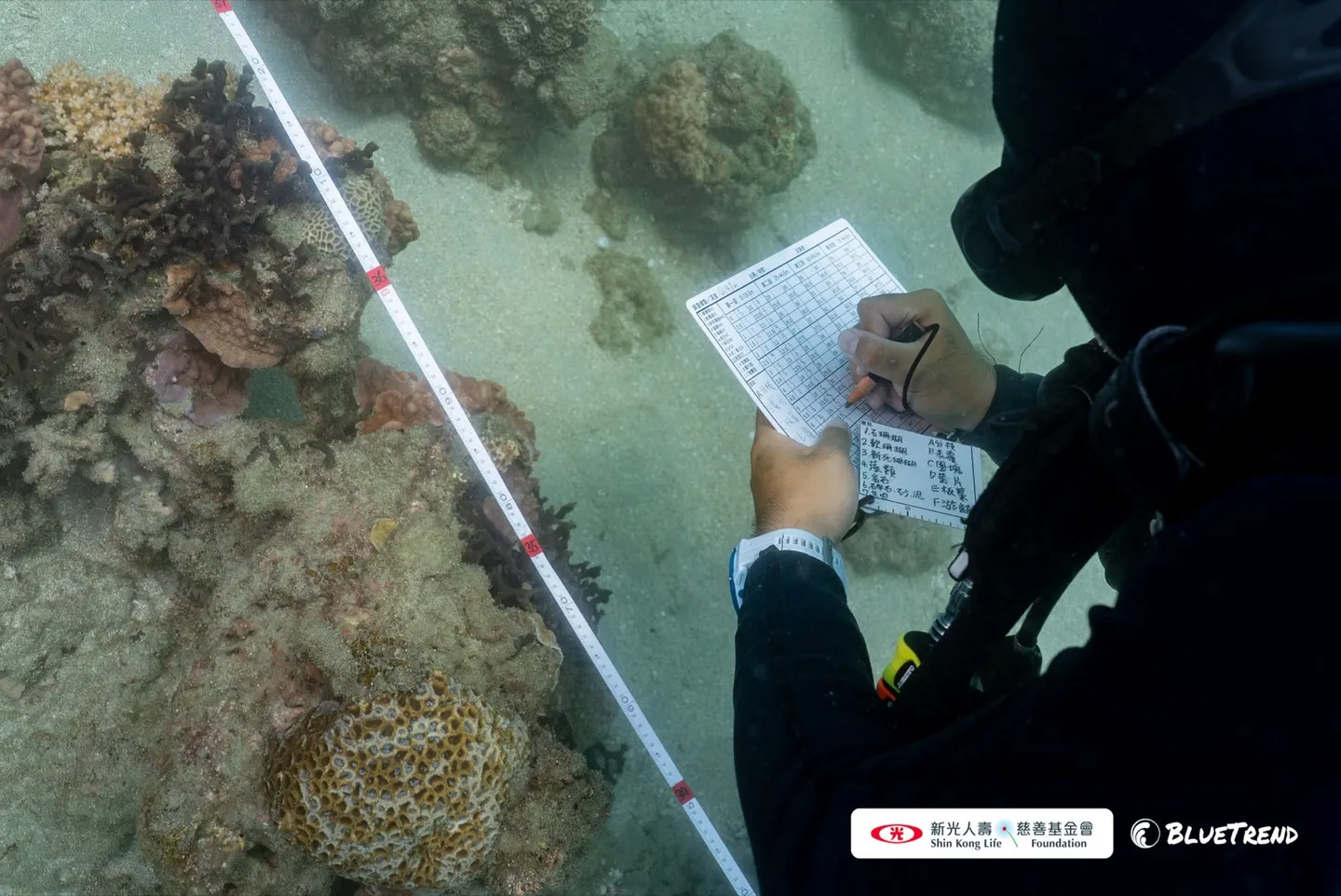
    Reef Check was trialled at the methodology pilot site, recording indicator fish, invertebrates and human impacts to decide which indicators belong in long-term monitoring. In 2025 the goal was to settle the methodology, not to judge restoration results.

  5. 2025.09.04

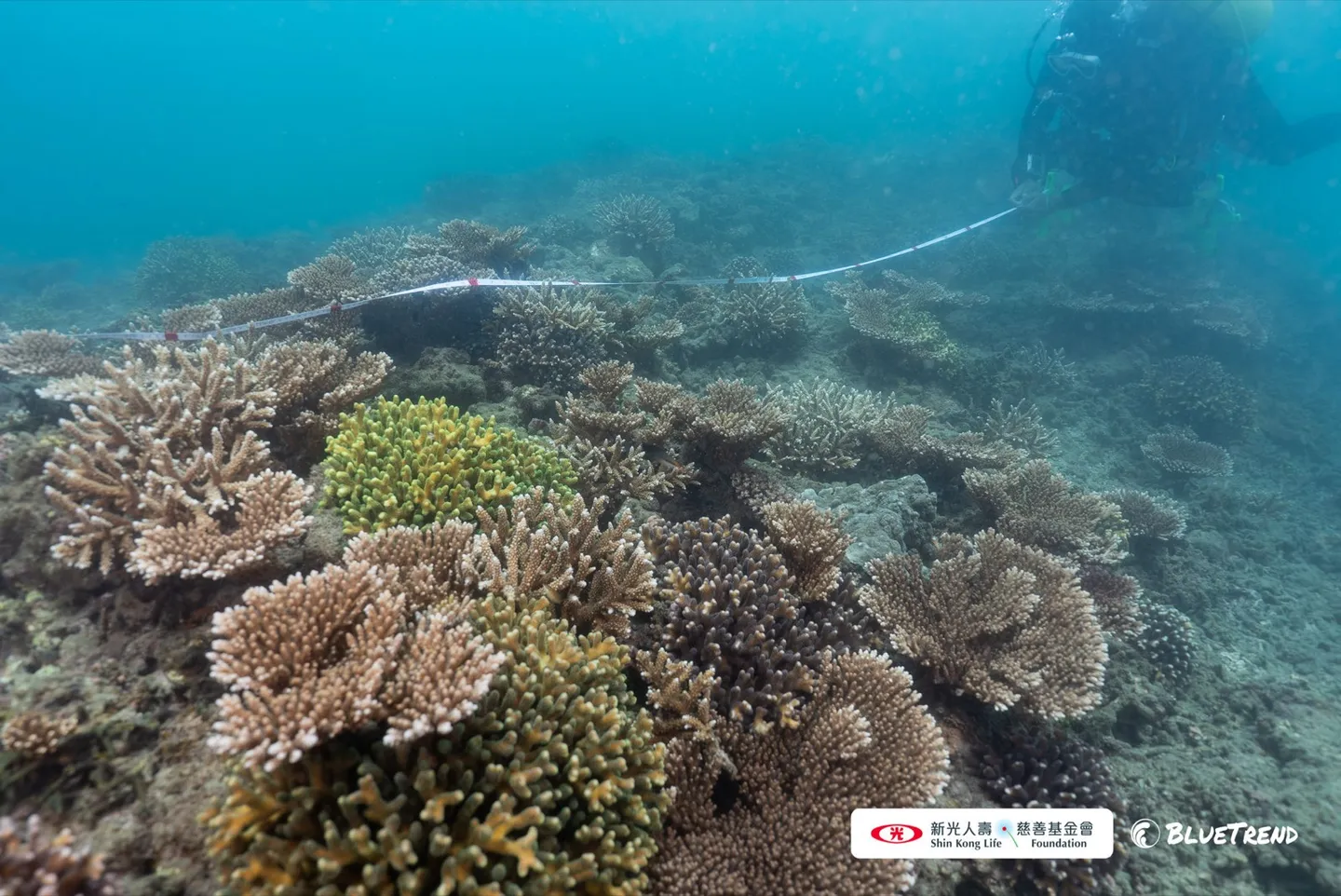
    Trialling transect surveys

    Five 50 m transects were trialled at the pilot site: 45.6% hard coral cover, 0% dead coral, and 46 stony coral species from 17 genera and 8 families.

  6. 2025.09.15

    Zone A grows 2.4x in 2 months

    Zone A reached 6,291 cm². Shallower Zone B, exposed to waves and heat, reached 1,622 cm² (+47.8%).

  7. 2025.12

    Pilot complete, methodology set

    The pilot study report set up a 5-year monitoring framework: fixed transects, video surveys of fish on the bricks, and net biodiversity gain indicators.

  8. 2026.04

    Registered on the Global C-Sink Registry

    After the verification process for the bricks placed in 2025, the C-sink was issued on the Global C-Sink Registry on 21 April 2026: 0.625 tonnes of CO₂ equivalent.

    View the Global C-Sink record ↗
  9. 2026.06

    Joined the Biodiversity Credit Alliance forum

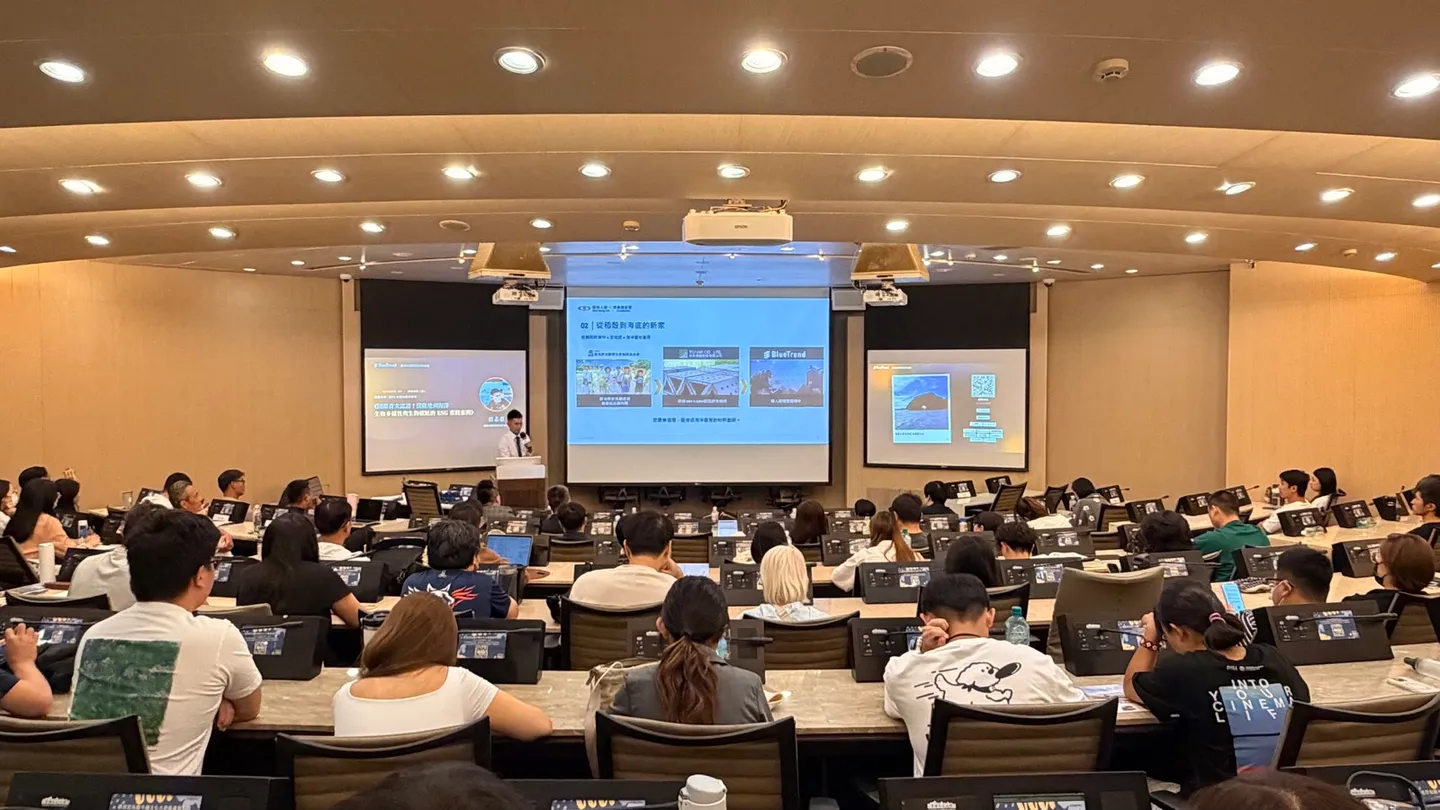
    BlueTrend joined the UNDP-supported Biodiversity Credit Alliance (BCA) forum to exchange methods and rules for biodiversity credits with partners worldwide, laying groundwork for our technology development.

  10. 2026.07.10

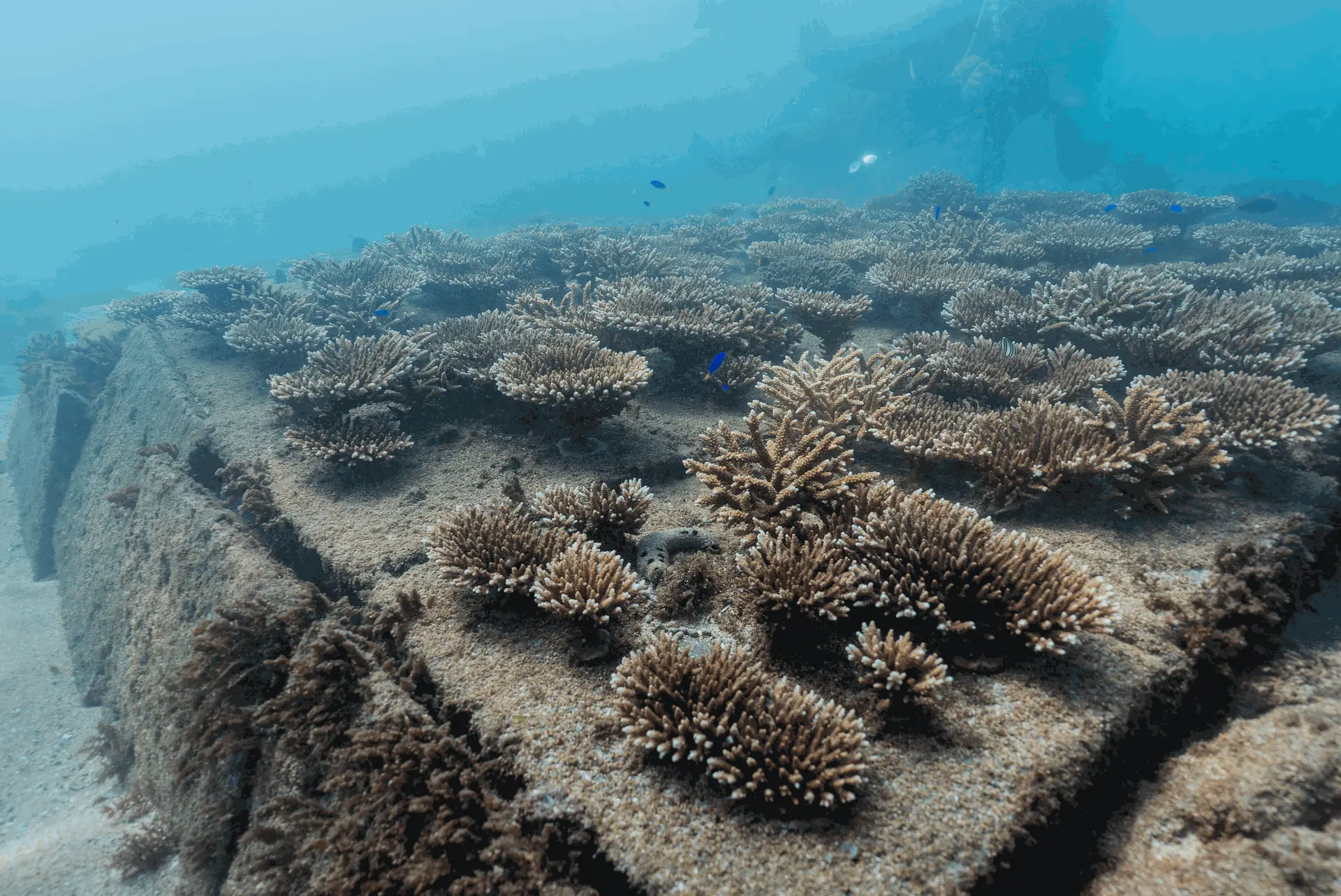
    Zone A grows 8.6x in 1 year

    Zone A reached 22,238 cm². Same corals, no replanting, 8.6 times the original area in one year.

  11. 2026.07

    Wider monitoring: two more bays

    National Kaohsiung University of Science and Technology surveyed Suogang North and Lovers Bay to set a baseline before 2027 restoration.

  12. 2026.07.18

    From Yilan rice fields to the Penghu seafloor

    Witnessed by the Ministry of Agriculture, Shin Kong Security and Shin Kong Life Foundation joined hands: rice husks from Yilan will feed the next generation of bricks.

  13. 2026.08

    Citizen science opens to divers

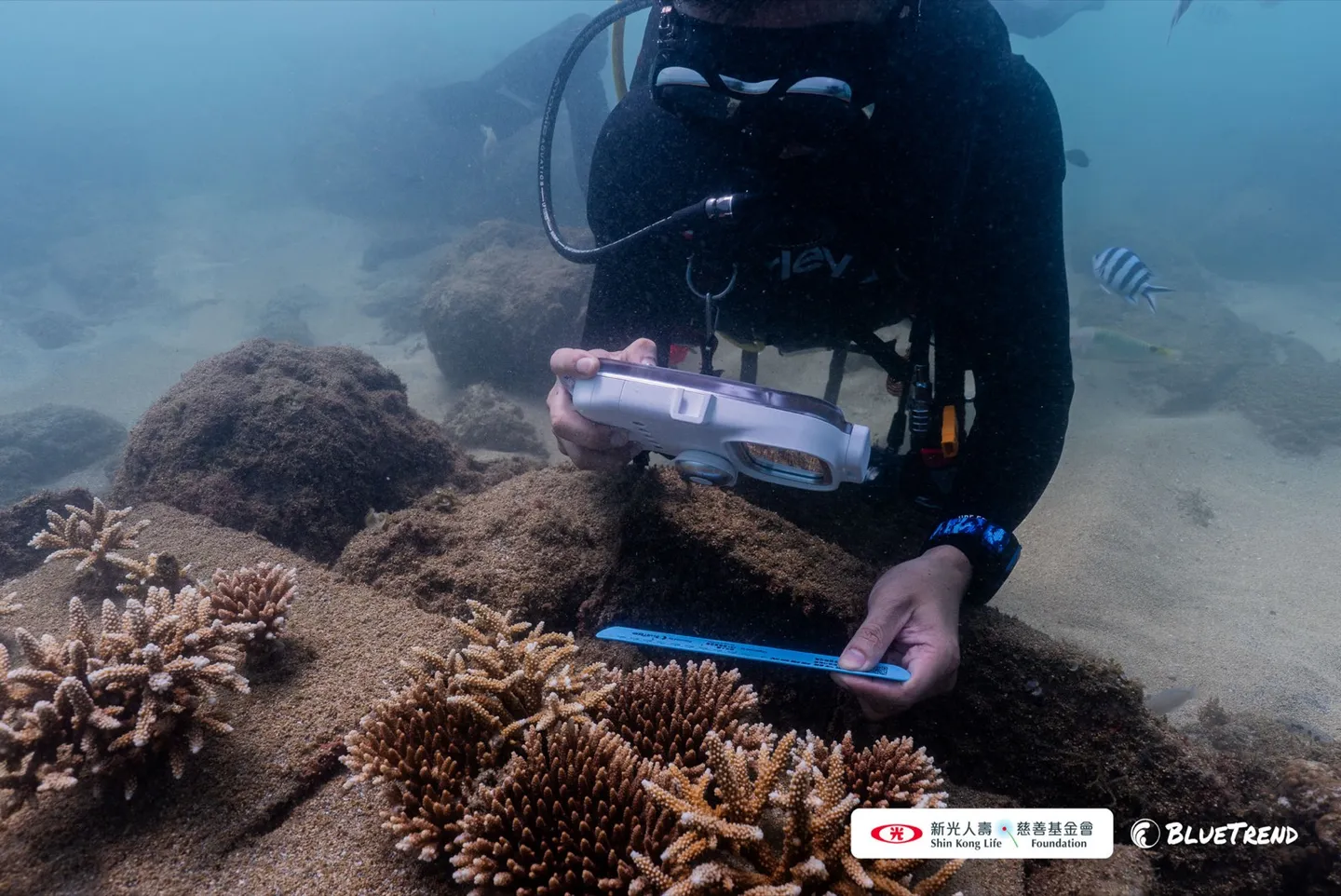
    Zone B became a sustainable tourism demonstration site. With local dive shop Ocean Channel, recreational divers can record corals with one ruler and three photos.

  14. 2026.10

    Kuroshio Sustainable Tourism Forum

    Shin Kong Life Foundation, NKUST and BlueTrend shared the Hangwan experience and the BlueXplore biodiversity platform.

  15. 2026.11.11

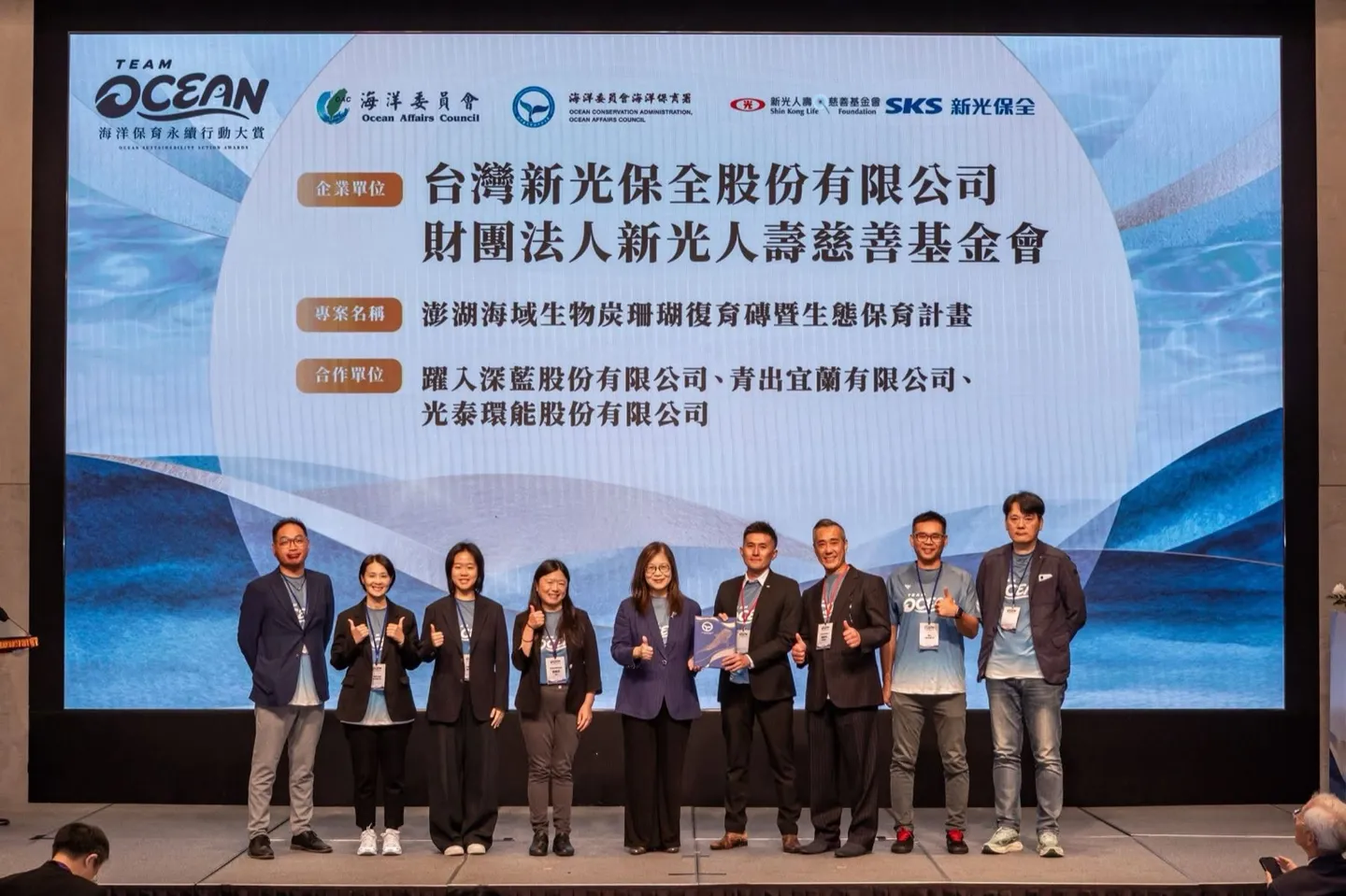
    Team Ocean Award

    The Penghu Biochar Coral Restoration Brick and Ecological Conservation Project was recognised by the Ocean Conservation Administration.

  16. 2026.12

    SBIR Phase 1: biodiversity credit dMRV platform

    Funded by an SBIR Phase 1 grant, from 1 December the project develops and validates a marine biodiversity credit dMRV platform for green finance, taking the pilot methodology into digital monitoring, reporting and verification.

  17. 2027

    Next

    Restoration expands to Suogang North and Lovers Bay, in step with the UN International Year of Sustainable and Resilient Tourism, while talks continue on replicating the model in Malaysia.

02 · Open data

Every number, open and transparent

All figures come from the project’s own surveys. 2025 was a pilot study and Hangwan is the methodology pilot site, so these numbers were used to set the monitoring method rather than to judge restoration results. The numbers that are not good news are here too.

How much the corals on the bricks have grown

Zone A (about 3 m deep) Zone B (about 2 m deep)

Same transplanted corals, no replanting. Area (cm²) is traced from top-down photos using the brick as a scale. Zone B became a demonstration site in August 2026 and was not surveyed the third time.

View as table
2025.072025.092026.07
Zone A (about 3 m deep)2,583.746,291.4722,237.97
Zone B (about 2 m deep)1,097.361,622.06not surveyed

What the seafloor is made of

Hard coralAlgaeRockRubble / sandOther
Hangwan (methodology pilot site)
45.6%
13%
31.7%
Suogang North
23.7%
50.9%
22.7%
Lovers Bay
21.4%
45.4%
25.1%

Substrate recorded every 25 cm along transects. Hangwan is the methodology pilot site (Sept 2025). Suogang North and Lovers Bay are the July 2026 expansion baselines. Under Reef Check, cover below 25% is rated poor.

View as table
Hard coralAlgaeRockRubble / sandOther
Hangwan (methodology pilot site)45.6%13%31.7%6.4%3.3%
Suogang North23.7%50.9%0.2%22.7%2.6%
Lovers Bay7.9%21.4%0.2%45.4%25.1%

46 stony coral species from 8 families

  • Acroporidae 23
  • Merulinidae 12
  • Pocilloporidae 4
  • Agariciidae 2
  • Lobophylliidae 2
  • Euphylliidae 1
  • Poritidae 1
  • Dendrophylliidae 1

Five transects at the pilot site recorded 490 stony coral colonies in September 2025. Acroporidae dominate, led by Acropora intermedia.

What fish use the bricks for

36 fish species
  • Passing65.6%105 times
  • Shelter17.5%28 times
  • Feeding16.3%26 times
  • Chasing0.6%1 times

Underwater video around the bricks recorded 36 fish species from 12 families and 160 behaviours.

Reef Check: 400 m² of the methodology pilot site

54 Parrotfish
13 Butterflyfish
23 Long-spined urchins
10 Giant clams
2 Green turtle sightings

Human impact

21 Trash items
2 Fishing nets
1 Anchors

Results of the Reef Check trial at the Hangwan methodology pilot site on 29 August 2025. Pilot study data.

Sources: Shin Kong Life Foundation pilot study report (Dec 2025), Hangwan biochar brick coral growth report (Aug 2026), NKUST 2026 Penghu coral cover survey (commissioned by BlueTrend).

03 · Citizen science

One ruler, three photos: divers help monitor the reef

Scientists alone cannot survey often or widely enough. With NKUST we designed a coral growth-form course, and with Penghu dive shop Ocean Channel we invite Open Water divers to take far, mid and close-up photos with a scale ruler in a single dive. The data goes to the BlueXplore biodiversity platform and becomes part of long-term monitoring.

Read: coral monitoring in Hangwan Bay →
04 · Next

Three things for 2027

01

Expand to Suogang North and Lovers Bay

Hard coral cover there is only 23.7% and 7.9%. These are the bays that need it most, and the 2026 surveys give us a baseline to measure against every year.

02

Develop biodiversity credit technology

BlueTrend has joined the Biodiversity Credit Alliance (BCA) forum and received an SBIR Phase 1 grant to build a marine biodiversity credit dMRV platform. International rules are still being written, so for now we focus on collecting monitoring data and building a measurable, verifiable method.

03

Bring the model to Malaysia

TCHAR plans a biochar production base in Malaysia, expected to start in 2027. With local biochar, rich reefs and a mature dive tourism industry, BlueTrend is in talks with local partners to replicate the model.

Partner with us, dive with us, or ask us anything

For corporate partnerships, media enquiries or joining a coral monitoring trip in Penghu, email us at service@bluetrend.media and we will get back to you soon.