Contents(5)
Most scuba divers carry a genuine love for the ocean. Leaving no trash behind, skipping sunscreen, and refraining from touching coral or marine life have long been collective norms in the diving community. Yet a recent study reveals that divers are causing harm to coral that can no longer be ignored. In May of this year, Dr. Bing Lin of the University of Sydney published a diving research report finding that divers are unconsciously causing real damage to coral reefs — and that up to 80% of that damage occurs without the diver being aware of it at all. Before you start worrying that you'll never be able to dive again, the report is careful to note that these findings are not a rejection of dive travel's value. In fact, it highlights diving as an important part of the ocean economy, and argues that the more pressing issue is how to raise awareness for ocean stewardship so that every diver can exercise self-discipline.
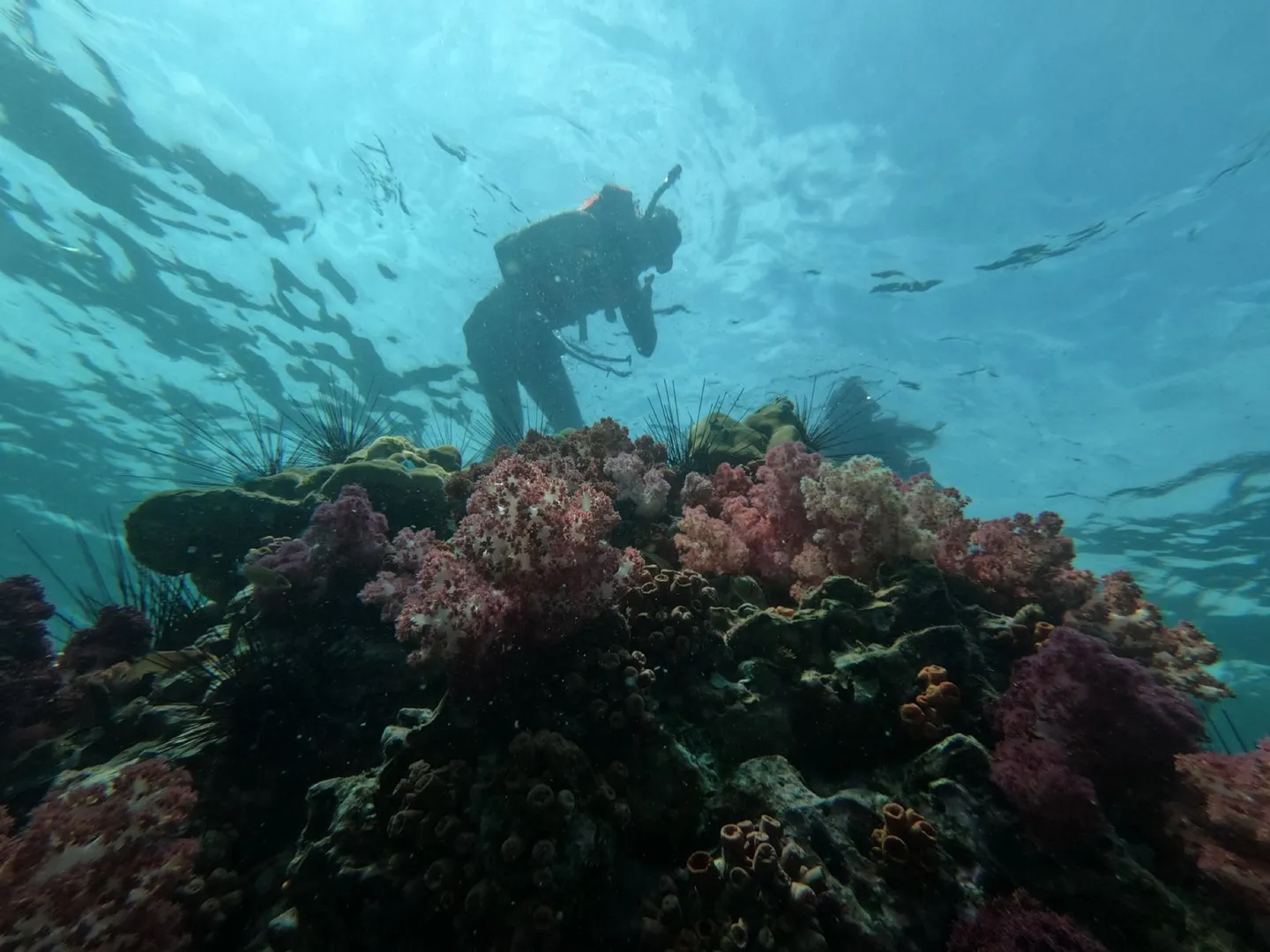
The Truth the Data Reveals: An Accidental Touch Every 4 Minutes
In May 2026, Dr. Bing Lin of the University of Sydney published a landmark study in Conservation Letters. The research team conducted more than 300 hours of underwater field observation on 411 divers at popular dive sites in the Philippines and Indonesia. The report reveals a vast gap between what divers believe to be cautious behavior underwater and the physical damage coral reefs actually sustain. This empirical study forces us to reconsider whether, in connecting with nature through diving, we are also inadvertently accelerating the destruction of coral reefs — and how the recreational diving industry can find a path toward coexistence.
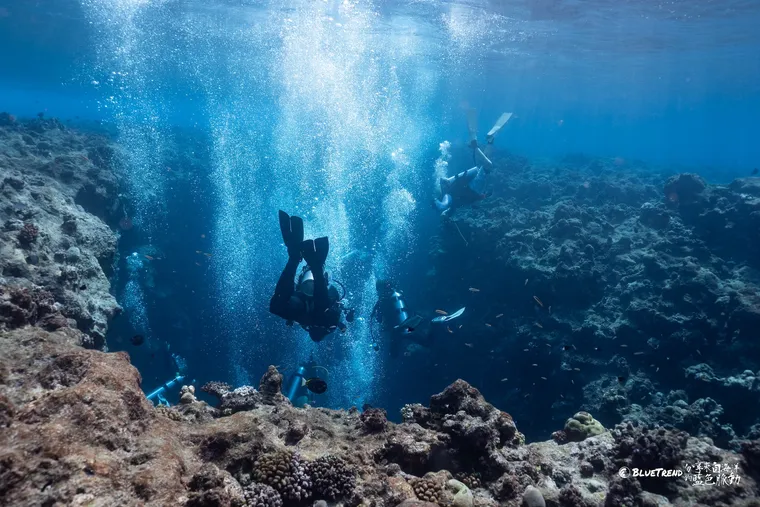
How large is that gap, exactly? The study found that across a total of 4,981 contact events with coral reefs, divers made contact with the reef an average of 0.26 times per minute — equivalent to one collision every 4 minutes. Of those contacts, a full 41% caused measurable physical damage, including directly breaking coral or stirring up sediment with fins that then settled over and smothered coral, cutting off the light it needs to survive.
And yet, up to 80% of that damage occurred while divers were "completely unaware."
This means that even divers with genuine intentions to protect coral are, in their everyday underwater movements — kicking technique, turning around, or trying to stay stable in a current — inadvertently placing stress on coral. This disconnect between perception and reality is something we must confront honestly.


Are You "Overconfident" Underwater?
If you've read this far and are thinking, "I'm experienced, my technique is solid — I would never damage coral," you may be wrong. Among the divers surveyed, fully three-quarters (75%) believed their ability to avoid coral was "above average" compared to their peers. Yet when researchers compared divers' self-assessments against actual underwater video footage, they found that divers dramatically underestimated how often they made contact with coral — by a factor of nearly 5. To put it even more plainly: the divers whose technique was least stable, and who were most likely to cause contact, tended to be the most likely to overestimate their own ability.
This overconfidence leads to a lack of situational awareness underwater. When we tell ourselves "I'm being careful, my neutral buoyancy is good," we often stop noticing that our gear is trailing behind us or that the current from our fins is sweeping across an entire coral formation.
Three "Underwater Blind Spots" That Amplify Damage
Beyond psychological bias, the study also pinpointed specific situations and equipment choices that dramatically increase the likelihood of coral damage:
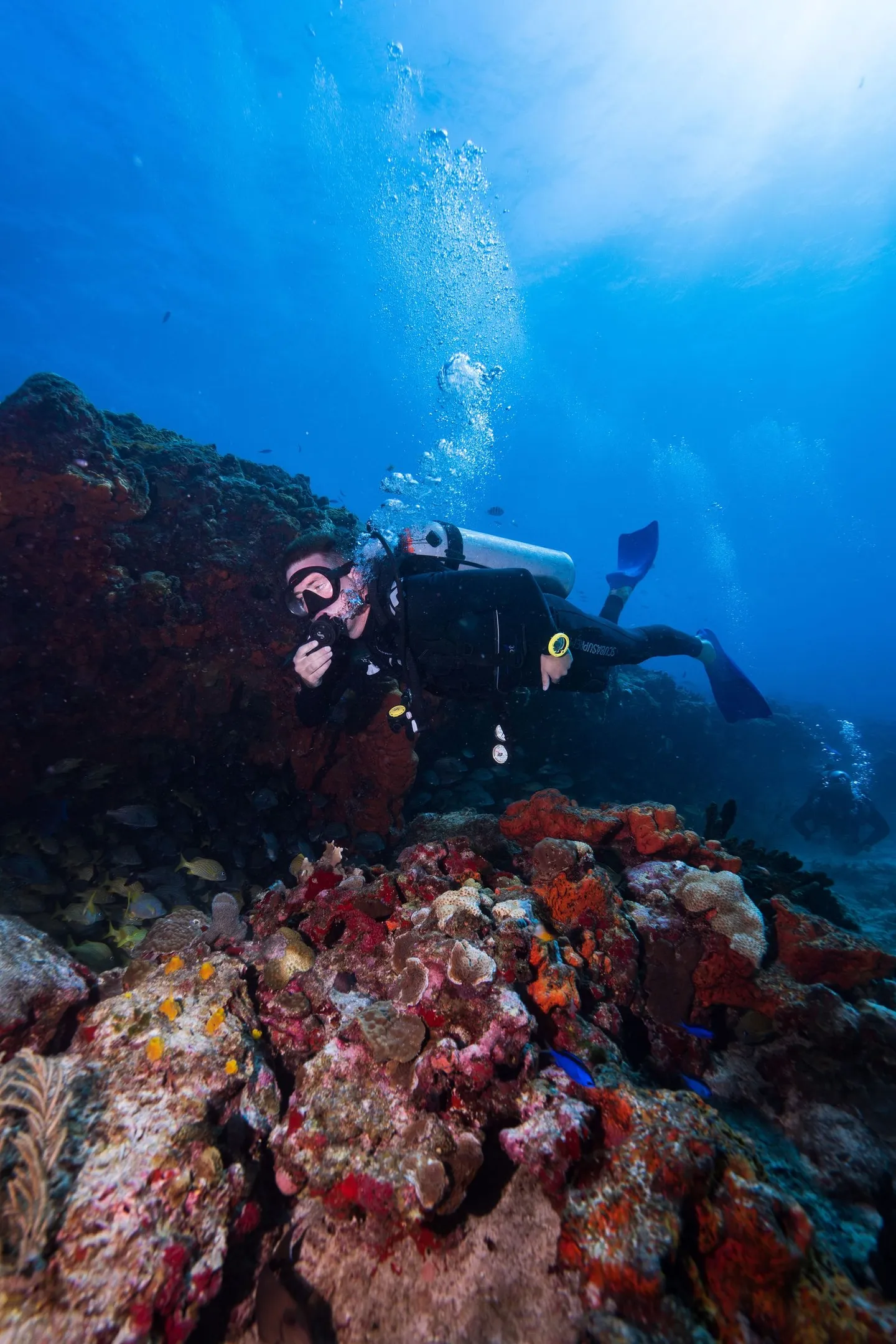
- Underwater photography and equipment dependency: Divers carrying underwater cameras or video rigs, or wearing gloves or using pointers, make contact with coral at significantly higher rates than others. Cameras are easily distracting, pulling focus away from the surrounding environment, while gloves and pointers create a psychological sense of security that makes divers more likely to reach for physical support instinctively when they lose balance.
- Peer effect and group conformity: Underwater behavior is highly contagious. When one diver in a group moves close to or touches coral, others often let their guard down and follow, creating a vicious cycle of collective damage.
- Mass excitement when iconic species appear: The appearance of a Thresher Shark or a rare macro creature is often the highlight of a dive. But the data shows that in these "exciting moments," the likelihood of divers intentionally making contact with coral to adjust their shooting angle or jockey for a better viewing position surges by 220%, and damaging contacts increase by 106%.
So Should I Still Dive?
Back to the core question: if diving can cause harm, should we stay away from the ocean?
Dr. Bing Lin emphasizes in the report that the research was never intended to condemn dive tourism. On the contrary, dive tourism is a critical economic pillar for coastal communities and developing nations. A blanket ban on diving could shift economic pressure toward far more destructive practices such as fishing or coastal development — a far worse outcome for marine ecosystems.
The real solution, therefore, is not to "stop diving," but to "change underwater behavior and culture." As the author puts it, "Divers must first understand that they are part of the problem before they can become part of the solution." As responsible divers, we can put the following three habits of self-discipline into practice on every future dive:
- Build a culture of "mutual underwater reminders": Break through the blind spot of overconfidence. After each dive, instead of only talking about what marine life you saw, ask your dive buddy or dive guide: "Was my neutral buoyancy steady while I was shooting? Did I accidentally kick anything?" Use objective feedback to correct your underwater posture.
- Strictly manage cameras and equipment: If your neutral buoyancy has not yet become second nature, resist the urge to bring a camera into strong currents or complex terrain. When watching iconic species underwater, choose to observe from a greater distance rather than put yourself in a position where you need to grab something for physical support just to get the shot.
- Support dive shops that uphold high standards of sustainable tourism: Refuse to patronize shops that encourage clients to touch marine life or treat environmental guidelines as an afterthought. Direct your spending toward sustainable dive shops that rigorously enforce environmental standards in their dive briefings and place real emphasis on buoyancy training.
From "Do No Harm" to "Active Stewardship": The Power of Citizen Participation
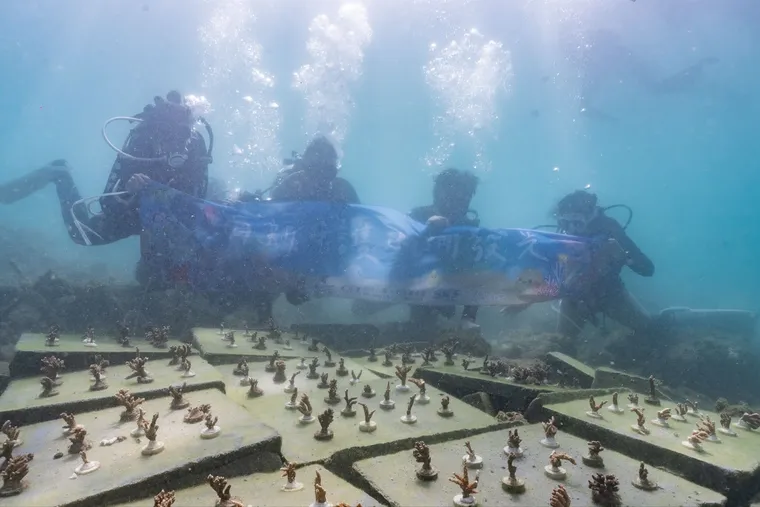
Sustainable diving is not just about "doing no harm" — it can also mean "actively protecting." Throughout a dive, beyond avoiding contact with coral, we can engage as citizen scientists, helping researchers document, monitor, and protect coral reefs.
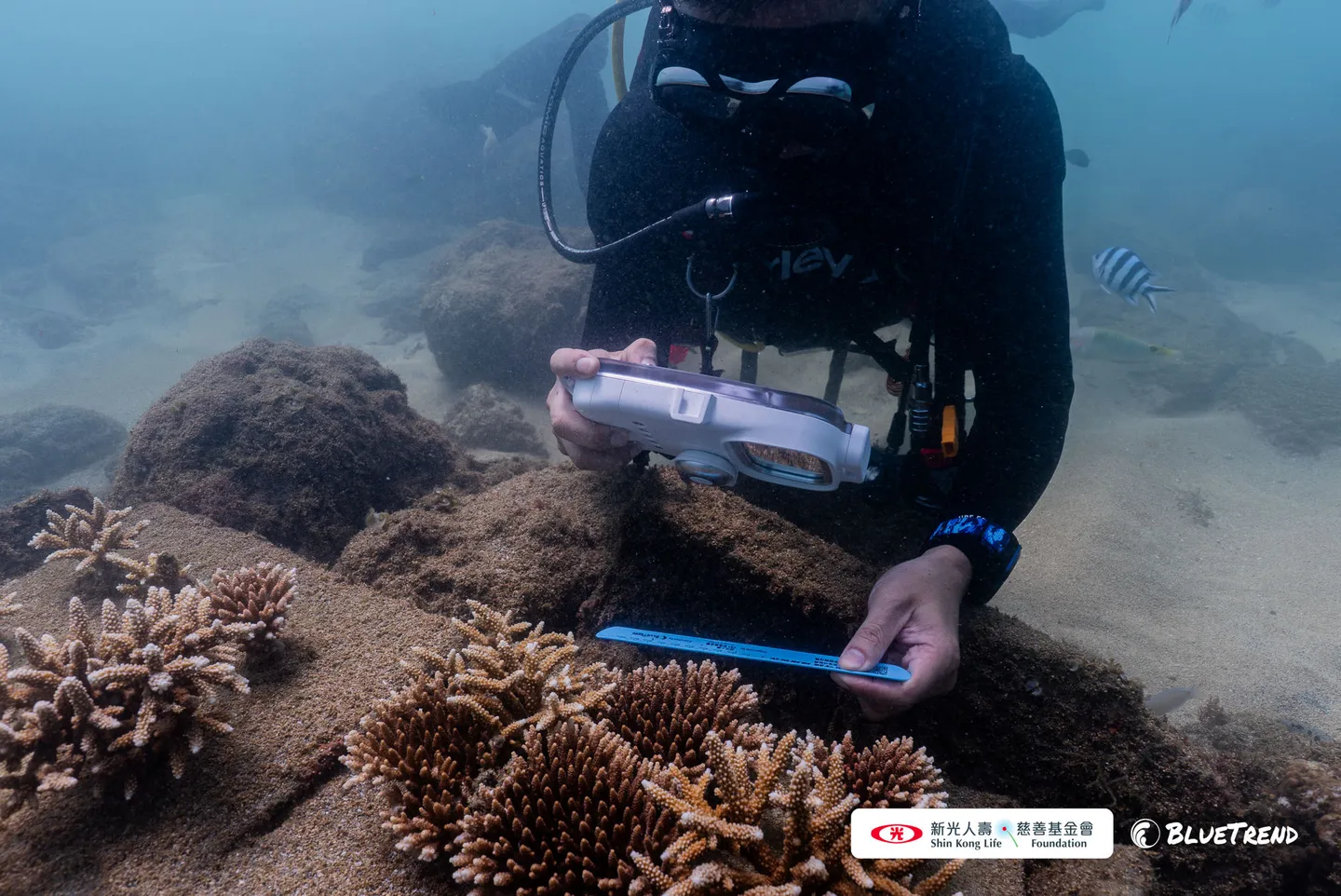
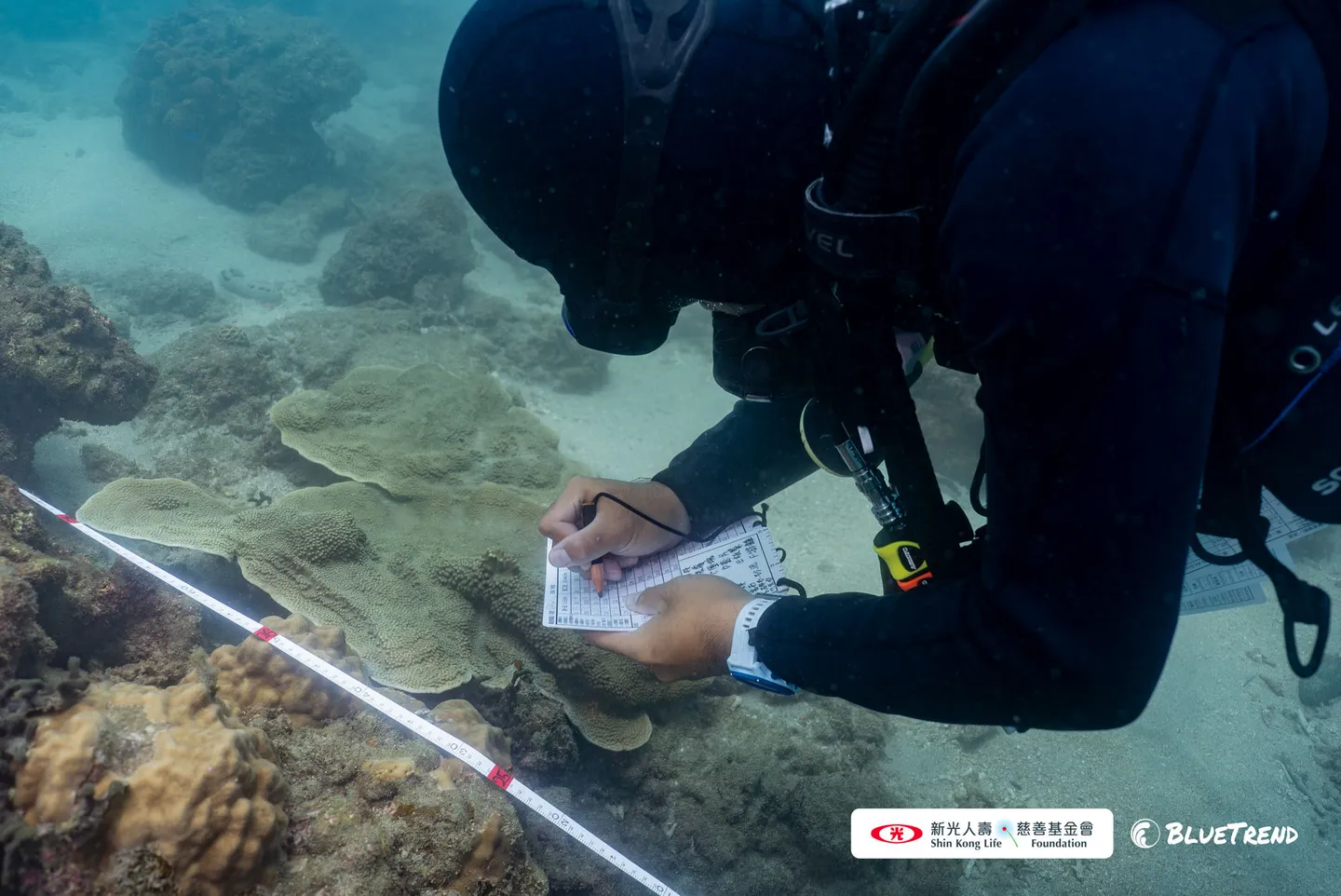
Scuba diving gives us the rare privilege of witnessing firsthand the most beautiful ecosystem on Earth — and that privilege should come with a corresponding sense of responsibility. When we stop blindly trusting in our own "harmlessness" and instead enter the water with awe and honest self-reflection, dive tourism can genuinely become a positive force for coral protection.
Further Reading
- 新光人壽慈善基金會 Shin Kong Life Foundation
- 海洋途徑潛水
- A New Guide to Sustainable Travel: 5 Ways to Become a "Conscious Traveler"
- 一粒稻米不只照顧弱勢家庭,也能成為守護海洋的力量
Reference: University of Sydney, The hidden impacts of scuba-diving tourism on coral reefs (Bing Lin, Causes and correlates of unsustainable scuba diving tourism on coral reefs, Conservation Letters, 2026)
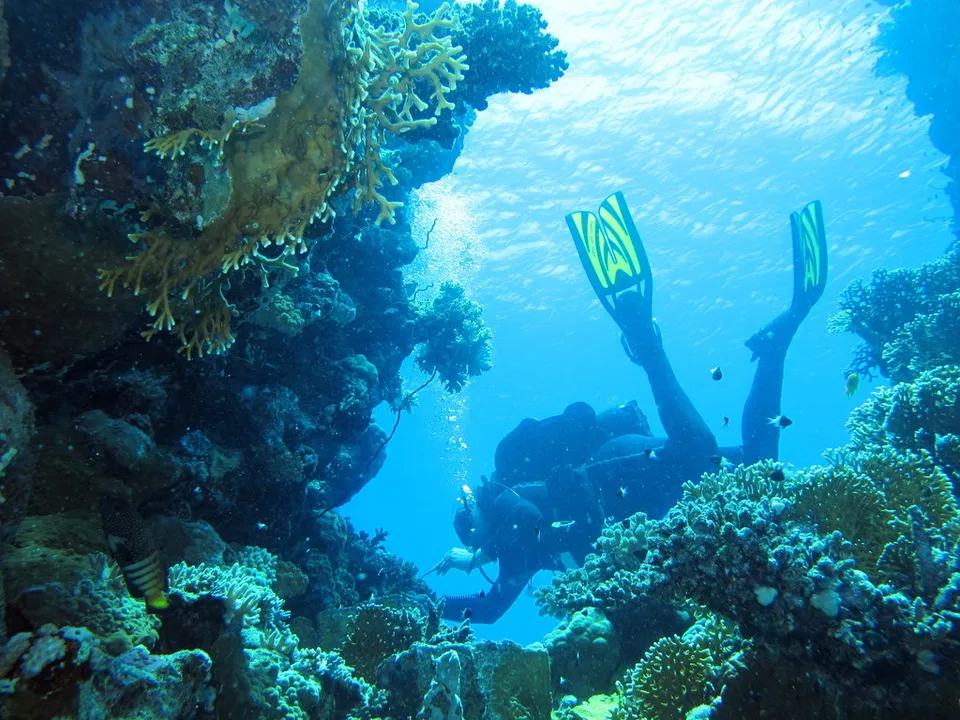
Cover photo: Derek Keats, Diver at Paradise Reef, Red Sea, Egypt, licensed under CC BY 2.0.