Contents(12)
- What the Runway Taught Him: A Sensitivity to Line, Proportion, and Texture
- From Being Photographed to Holding the Camera
- Why Build It Himself: He Searched Everywhere and Never Found the One
- The Push and Pull of Aesthetics and Function: Three Design Decisions Hidden in the Details
- A Sketch Mailed from the United States
- The Grip: 40% Long-Fiber Carbon Fiber — a Golden Ratio, Cost Be Damned
- Over Thirty Prototypes — a Model Who Taught Himself SolidWorks
- An Evolved Trigger Design: First to Integrate a Top Handle — Goodbye to the Traditional Steel Bracket
- No Compromise Where You Can't See It Either
- The Editor Takes It Underwater: Light, But Everything You Need Is There
- Taking the Stage Internationally: Letting the Product's Quality Speak for Itself
- The Perfect Answer That Runs Through Three Identities
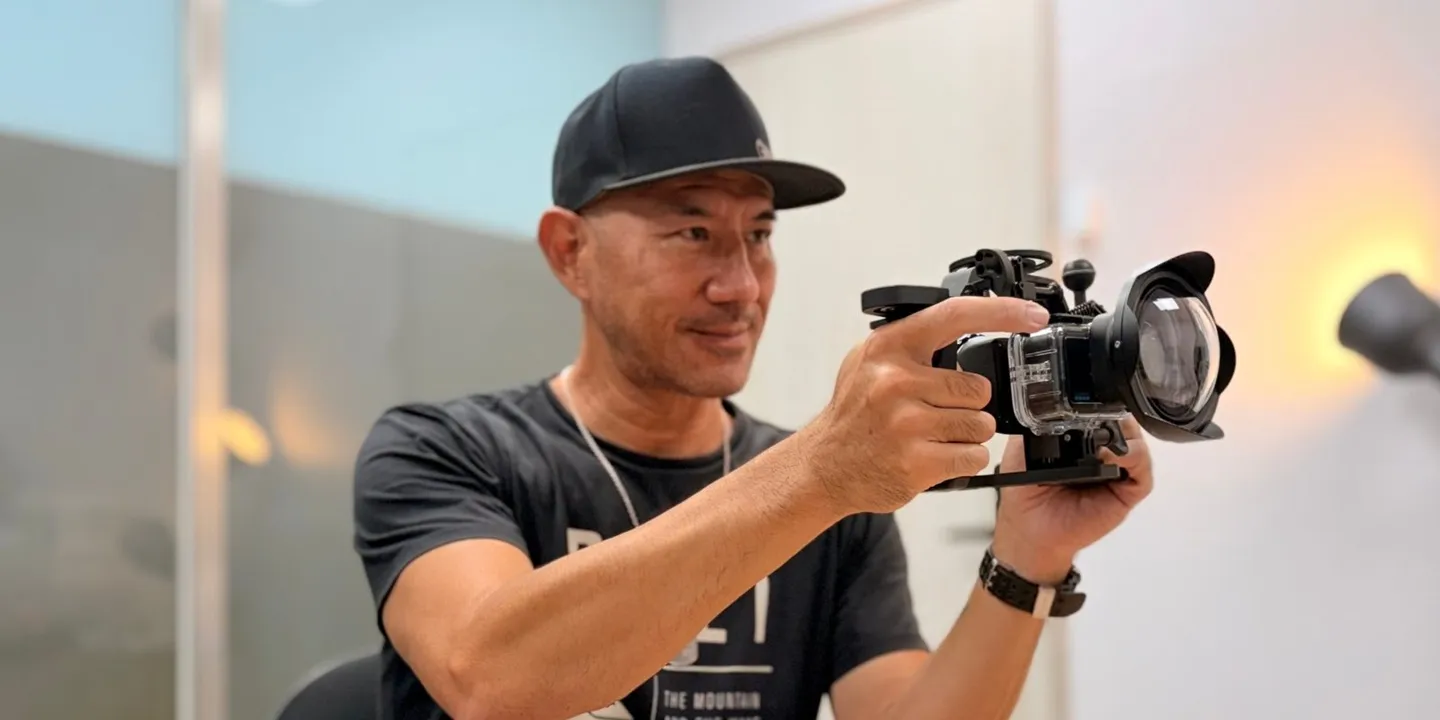
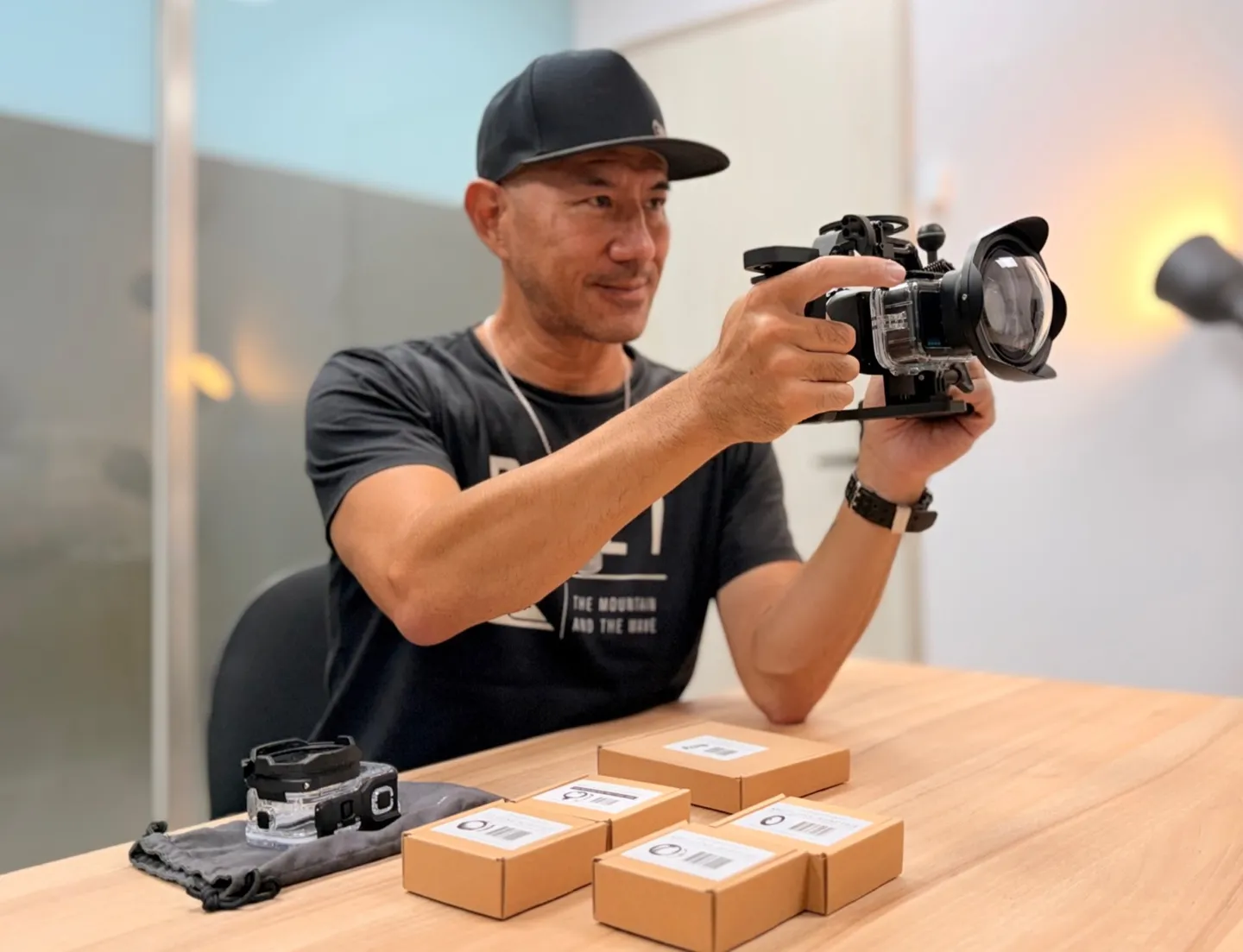
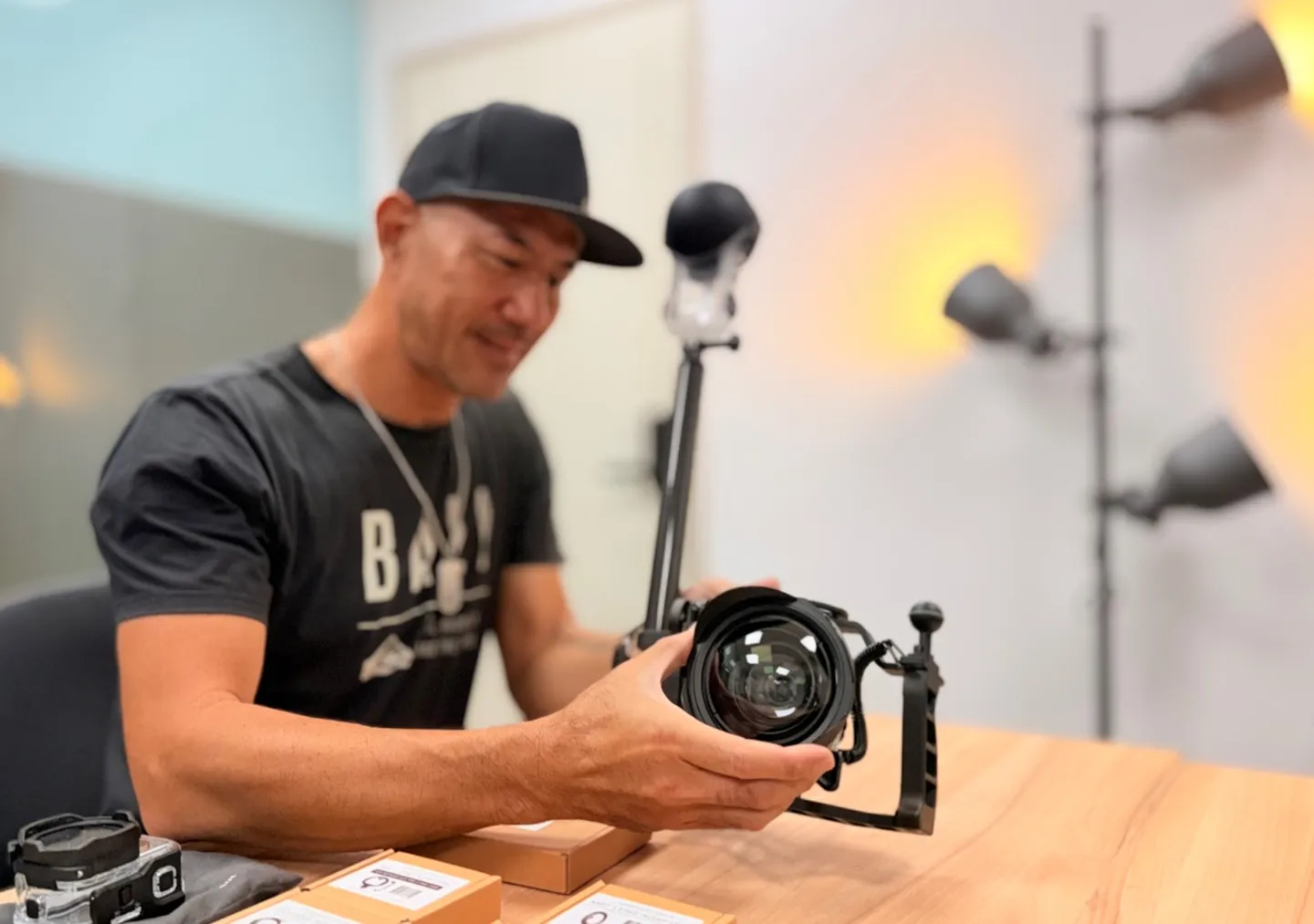
Once the focal point of the spotlight, model Edwin Hsu stepped off the runway out of love for the ocean, earning his dive instructor certification. After falling for scuba diving and underwater photography, he noticed that underwater camera gear on the market almost always forced a compromise between professional performance and aesthetic design — bulky, lacking elegance, with details that constantly got in the way.
"If I can't find something that meets the standard, I'll just make it myself."
Living by his motto, "Make Life Brilliant," Edwin founded the underwater photography brand DIVEVERYDAY, channeling the exacting aesthetic standards he honed as a model into high-bar industrial design — creating underwater camera trays and systems that are as beautiful as they are capable.
What the Runway Taught Him: A Sensitivity to Line, Proportion, and Texture
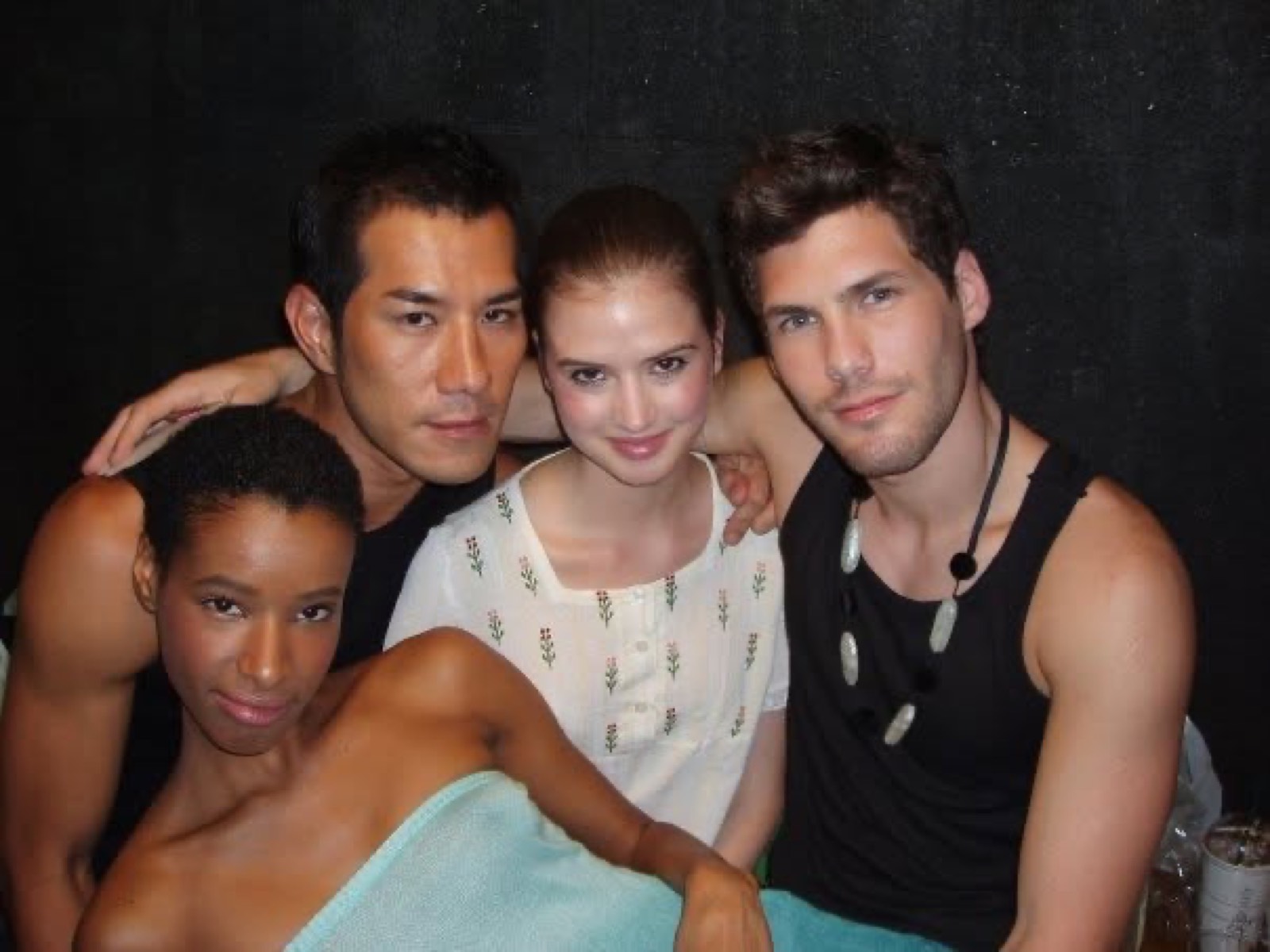
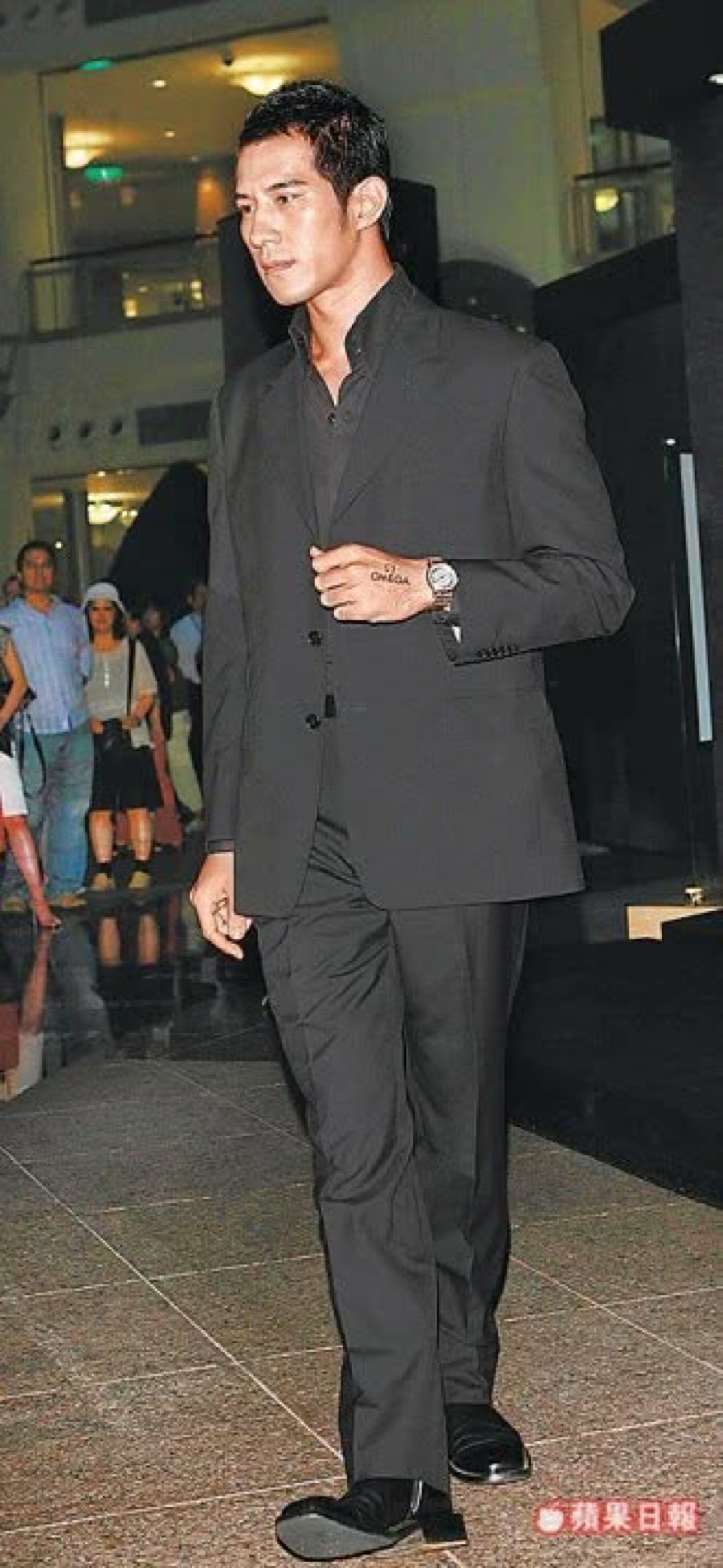
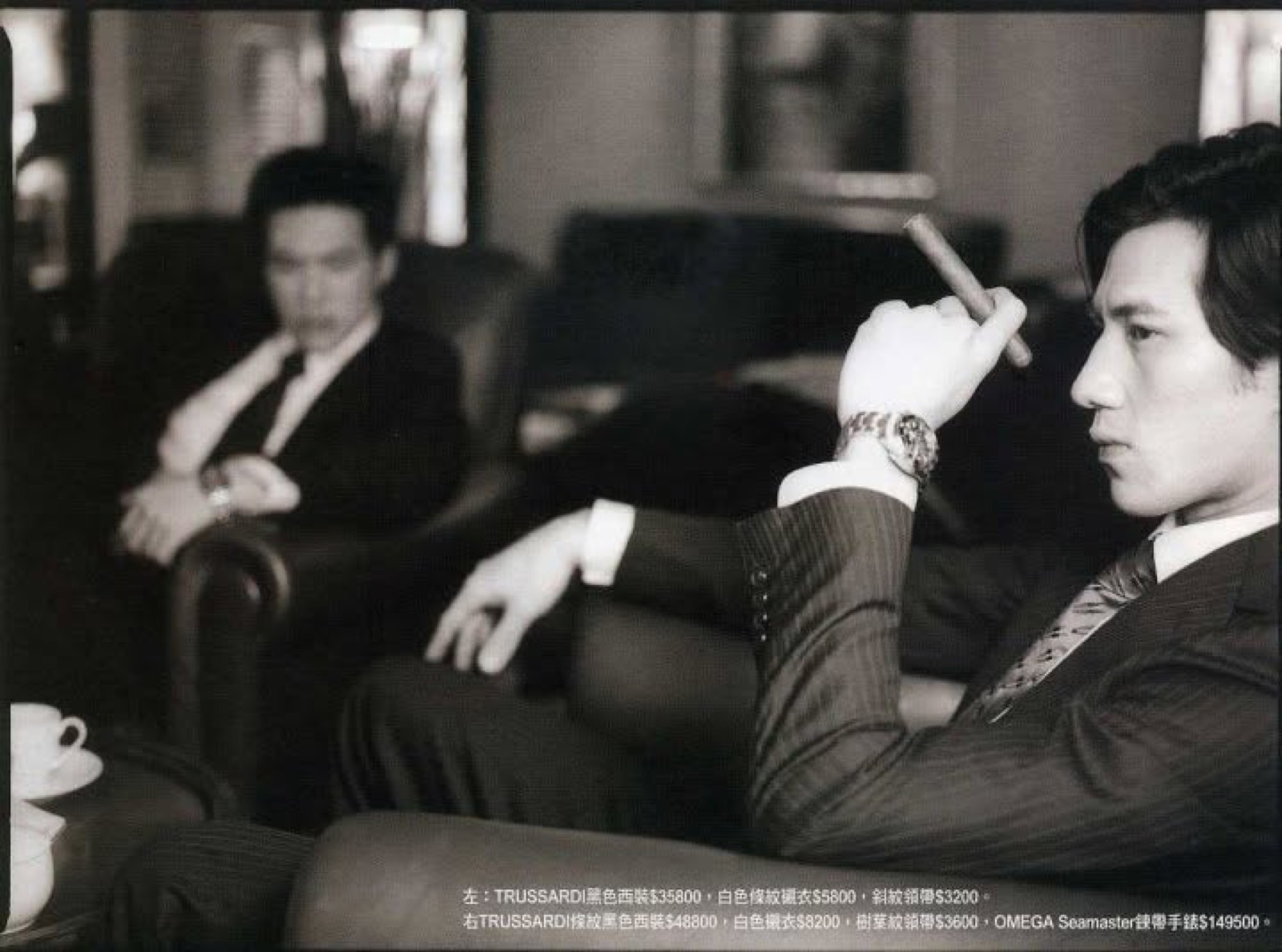
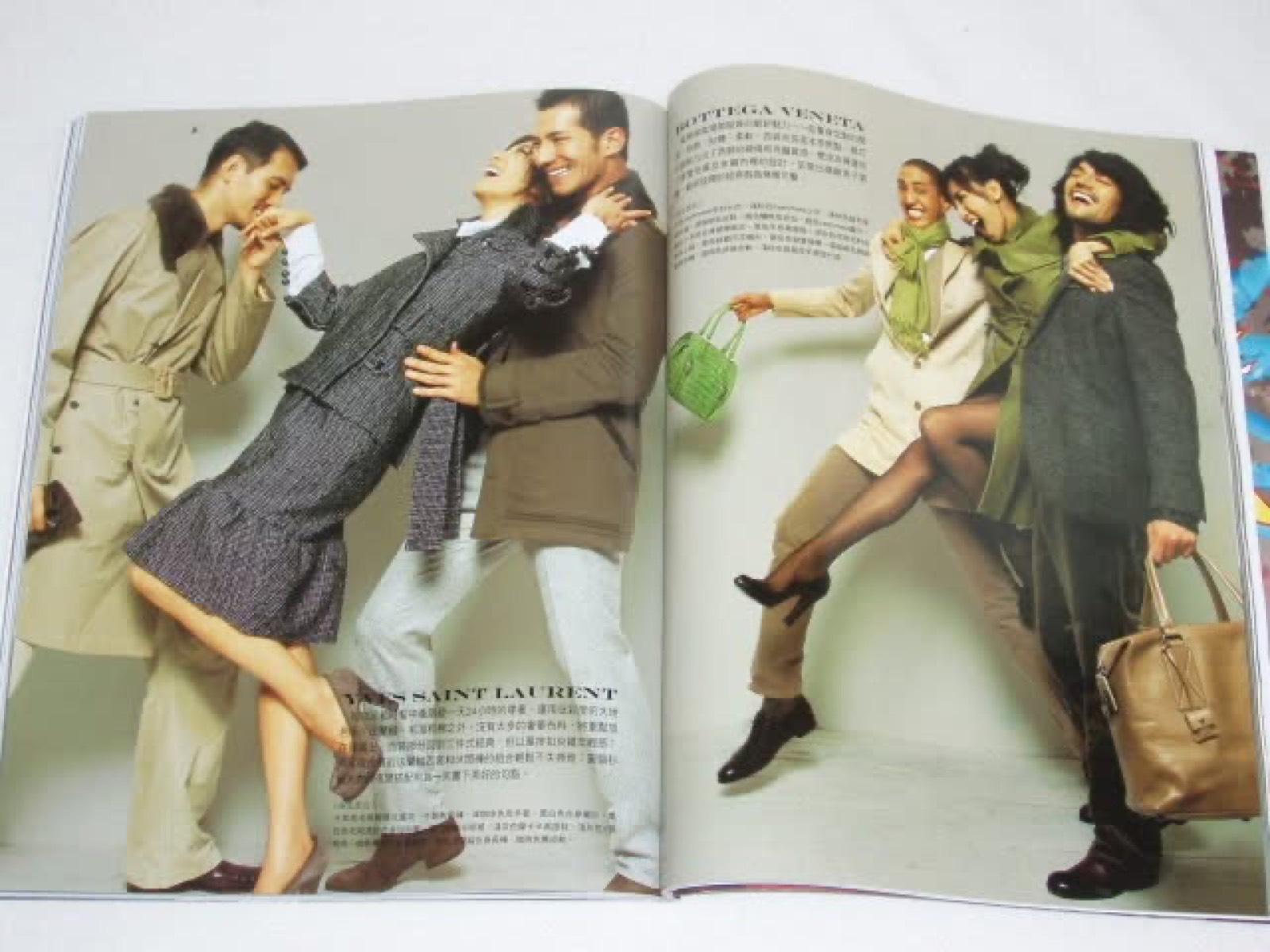
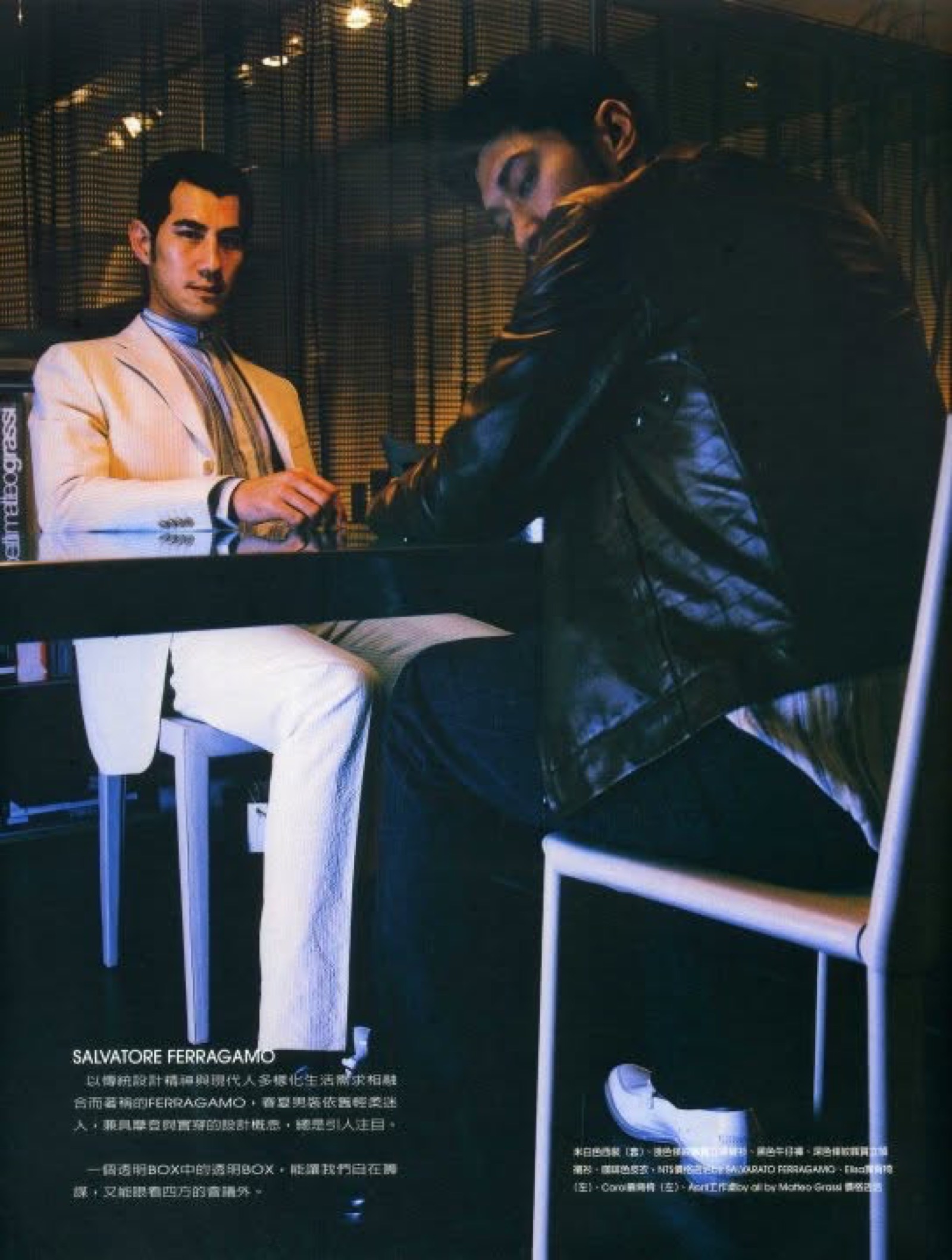
Edwin spent years working as a model for a prominent agency — an industry that dissects visual detail to the absolute limit. A shoulder seam off by two centimeters projects an entirely different character. A key light sitting slightly too high or too low on a cheekbone makes you look like a different person in front of the lens. Immersed in that environment, he developed a razor-sharp instinct for line, proportion, and texture — one etched into his bones.
That modeling experience later became what he calls his "most demanding, yet most valuable" asset when he moved into product development. Most demanding, because he looks at any prototype and always sees room to refine. Most valuable, because almost no one in the market was applying the top-tier standards of fashion and aesthetics to redefine a piece of dive gear.
From Being Photographed to Holding the Camera
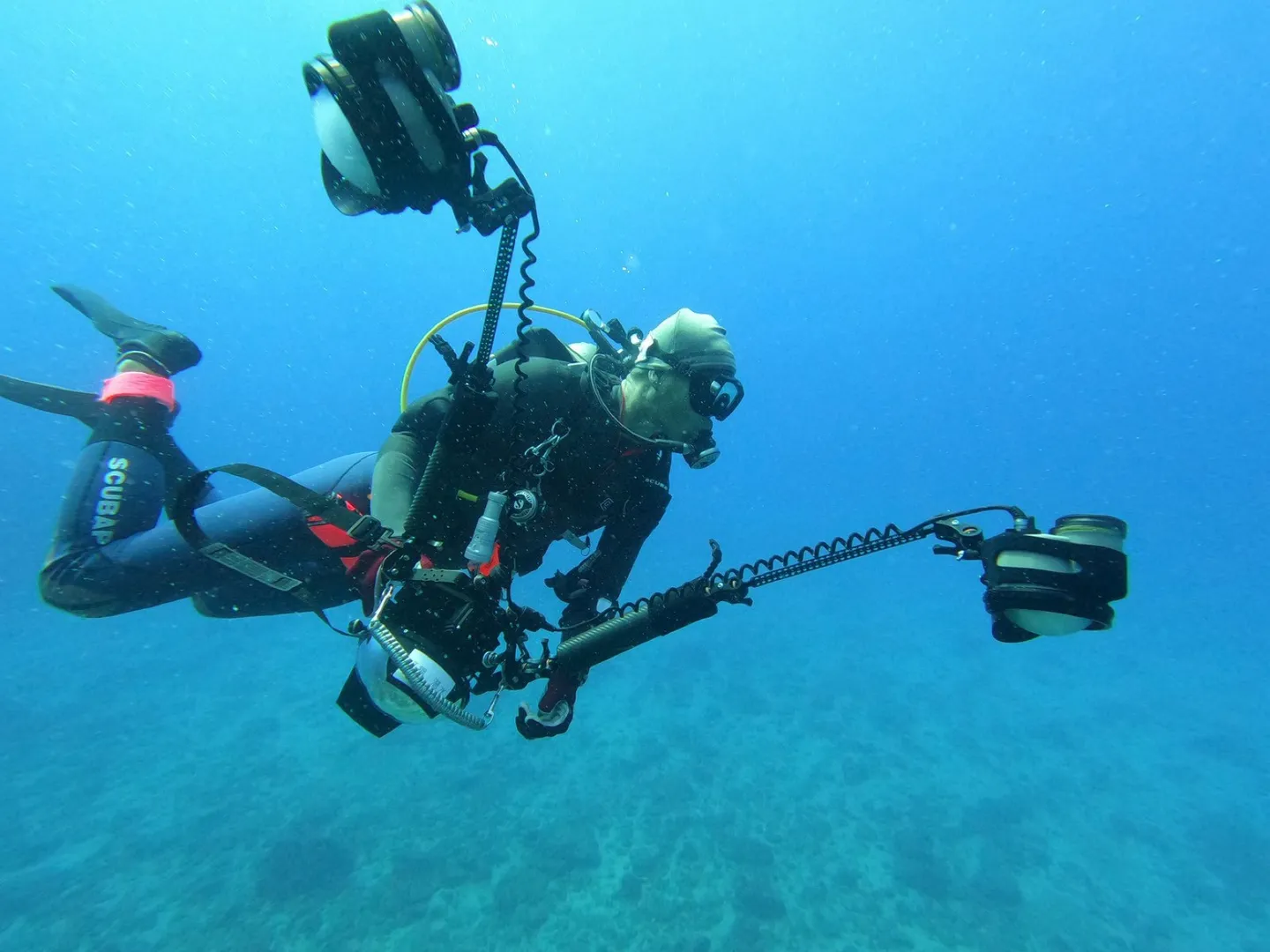
A model's job is to be seen. Walk out onto the runway, the lights come up, and you have a matter of seconds to precisely embody the designer's vision. Underwater photography flips all of that on its head. There are no spotlights beneath the surface — he became the one behind the camera, waiting for manta rays to glide past, chasing schools of fish through the blue.
But capturing the underwater world is no easy feat. Carrying a full DSLR rig looks impressive and produces spectacular footage, yet it is enormously expensive and cumbersome — all that bulk tends to tie your hands before you even have a chance to shoot.


Why Build It Himself: He Searched Everywhere and Never Found the One
Action camera image quality and specs have improved at a remarkable pace in recent years, but the accessories ecosystem has struggled to keep up with real-world needs. The few products developed specifically for action cameras tend to cover only the basics, overlooking design aesthetics and hand feel.
So he made the decision that many people have thought about but few have actually acted on.
If I can't find something I'm satisfied with, I might as well design it myself.
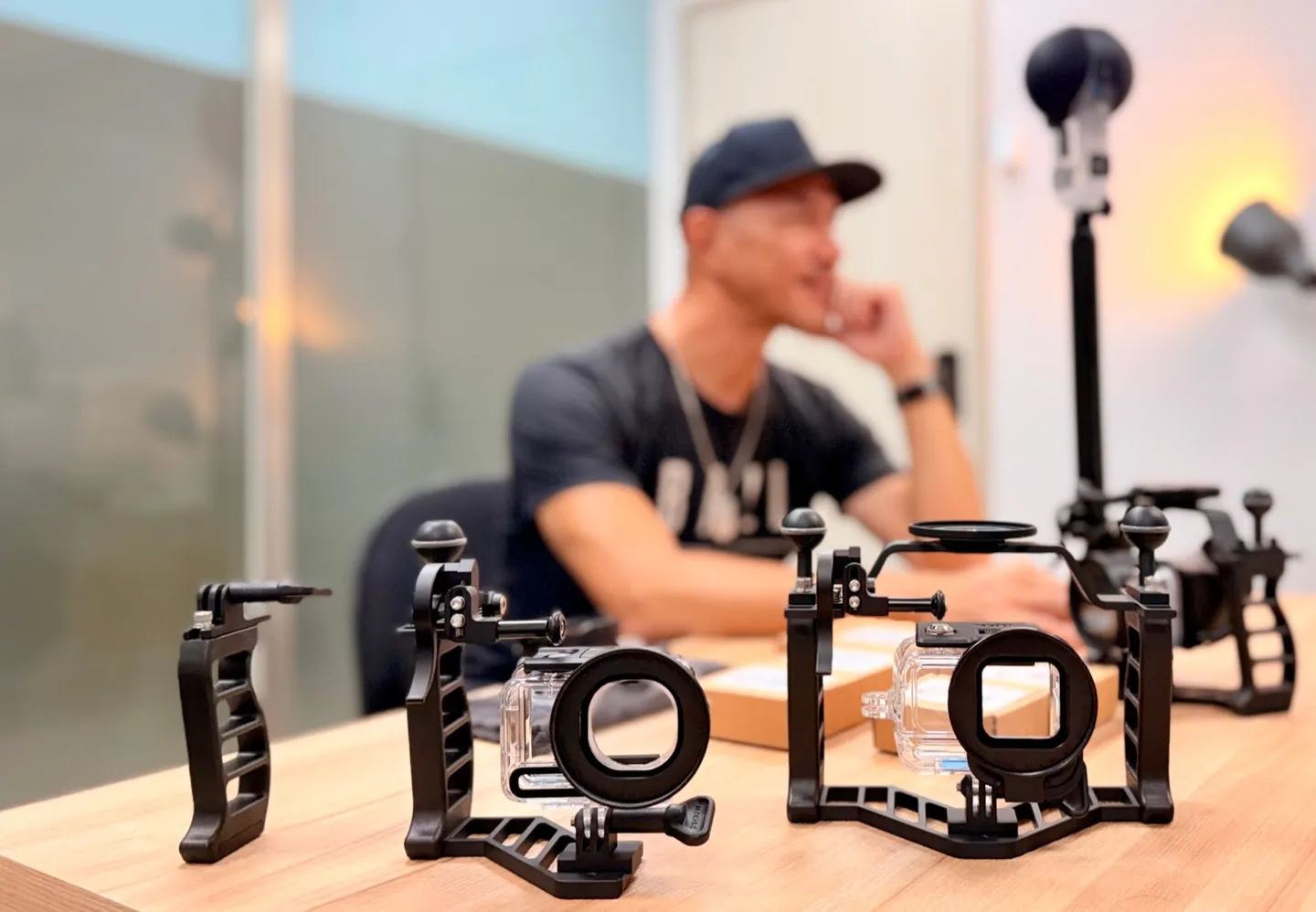
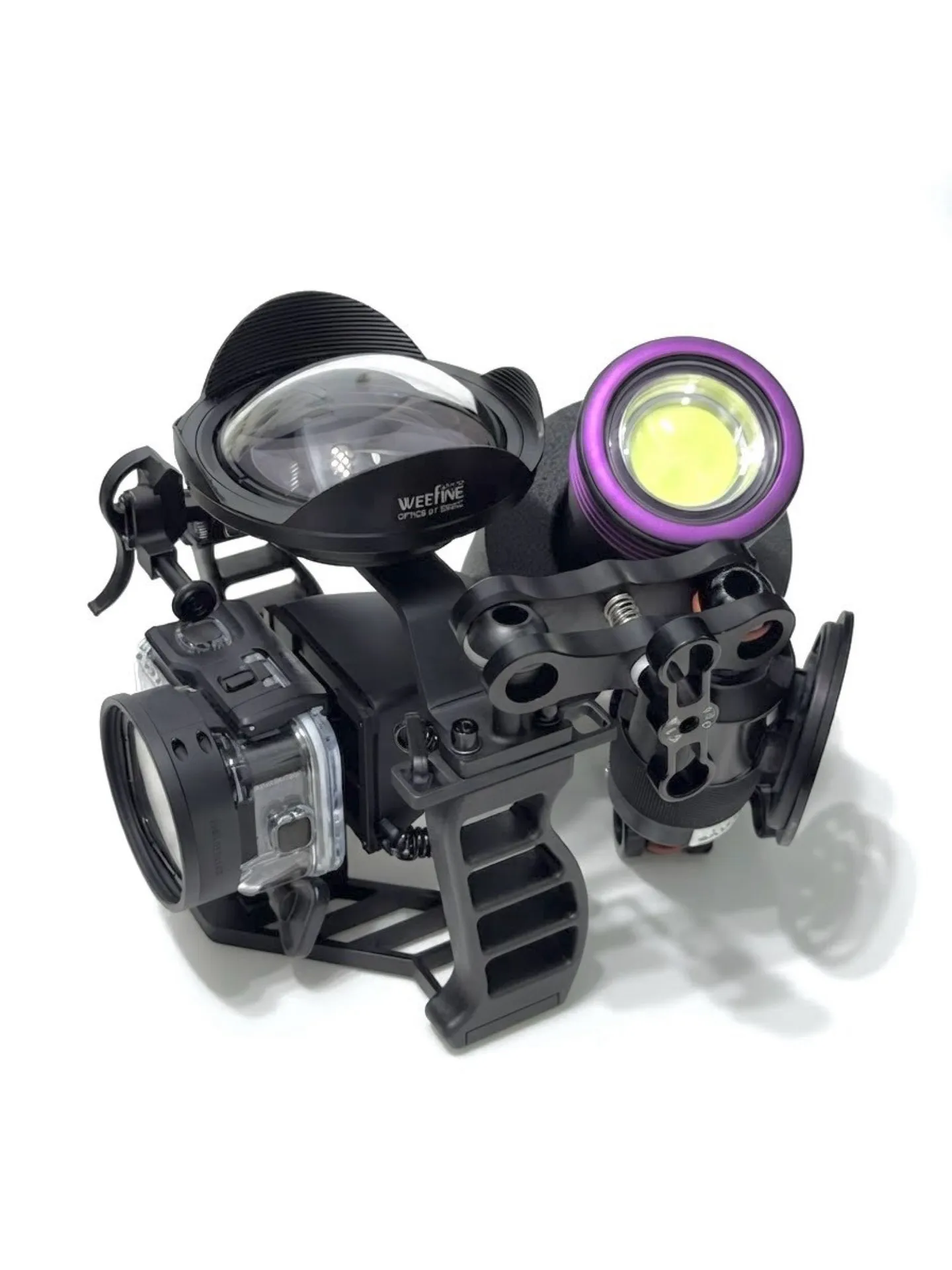
DIVEVERYDAY's goal is crystal clear: give action cameras far greater expandability. Let a compact camera flexibly accommodate video lights, a variety of lenses, and underwater accessories. The brand built its entire identity around this principle, developing two core product lines — lens mount adapters and camera trays — with the tray as the structural backbone, providing a solid, perfectly engineered platform that integrates seamlessly with all other accessories. The system supports GoPro, DJI Osmo Action, Insta360 Ace Pro, and other leading action cameras, with new models to be supported as they are released.
This commitment to both aesthetics and function has been internationally recognized: two core patents were granted — one in Taiwan in 2024 and one in the United States in 2025.
The Push and Pull of Aesthetics and Function: Three Design Decisions Hidden in the Details
After hearing the full product story, the most compelling thing about this tray system isn't what's on the spec sheet — it's the following three commitments, each one "far more trouble than it needed to be."
A Sketch Mailed from the United States
The story behind the grip's form is one of deep friendship. When Edwin traveled to the US last year for an exhibition, he stayed with a designer friend who also happens to be a firearms collector. Moved by Edwin's relentless, cost-no-object passion for his product, the friend drew on his profound understanding of firearm grip ergonomics to personally draft a sketch of an exceptionally comfortable grip — and mailed it to Taiwan as a gift.
By the time the product went into mass production, Edwin had preserved the soul of that gift almost entirely intact, only adjusting the mounting hole positions. Every other detail — the web-of-hand fit, the space for the pinky finger — was reproduced exactly from the original drawing. The most captivating part of this story is that a Taiwanese underwater gear brand's most fundamental hand feel comes from an American firearms expert, and Edwin chose to present that cross-ocean ingenuity and friendship faithfully to every diver who picks one up.
The Grip: 40% Long-Fiber Carbon Fiber — a Golden Ratio, Cost Be Damned
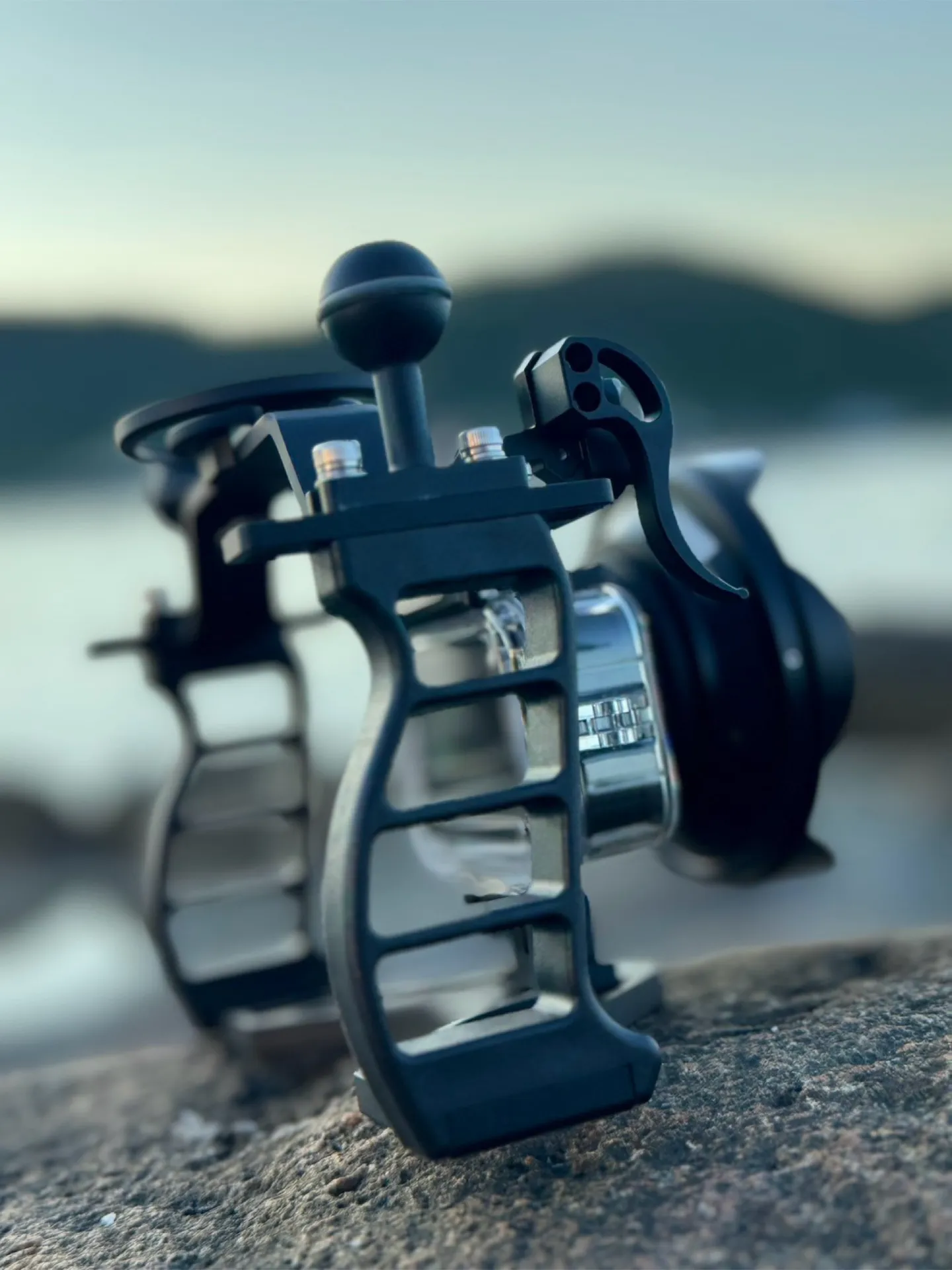
The second-generation grip is injection-molded, not CNC-machined. Not because CNC can't do it — the mold itself is CNC-machined — but because of the material. Once the decision was made to use 40% long-fiber carbon fiber, CNC cutting would have sliced through individual fibers, reducing overall strength. Every flat surface on the grip would also become an exposed cross-section, leaving all those cut ends directly exposed to seawater, which could then wick along the fibers into the grip's interior. Injection molding preserves every long fiber intact, maintains maximum strength, and creates a fully closed structure that eliminates any risk of seawater ingress.
The choice of material involved trade-offs as well. Most accessories from major brands use ABS; the few that claim to be carbon fiber don't specify the content — or are simply 3D-printed. Edwin uses glass-fiber-reinforced nylon with 40% long carbon fiber content, a ratio arrived at through repeated testing. Pure carbon fiber is too brittle and can snap; pure plastic isn't rigid enough.
The actual feel in the hand is also the result of precise calculation. Against the palm it is warm yet firm, and it uses no rubber overmolding that would oxidize and become tacky over time — greatly extending durability. After demolding, each grip undergoes a special EDM (electrical discharge machining) texturing process that adds a subtle knurled surface to increase the coefficient of friction. Without this step the grip would be very smooth — wet hands would feel dangerously slippery. The contoured web-of-hand geometry fits precisely whether you're diving bare-handed or wearing a wetsuit glove. Interestingly, once submerged, the inner surface of the grip reveals a faint carbon fiber pattern visible only underwater — a hidden easter egg reserved for the diver.
Over Thirty Prototypes — a Model Who Taught Himself SolidWorks
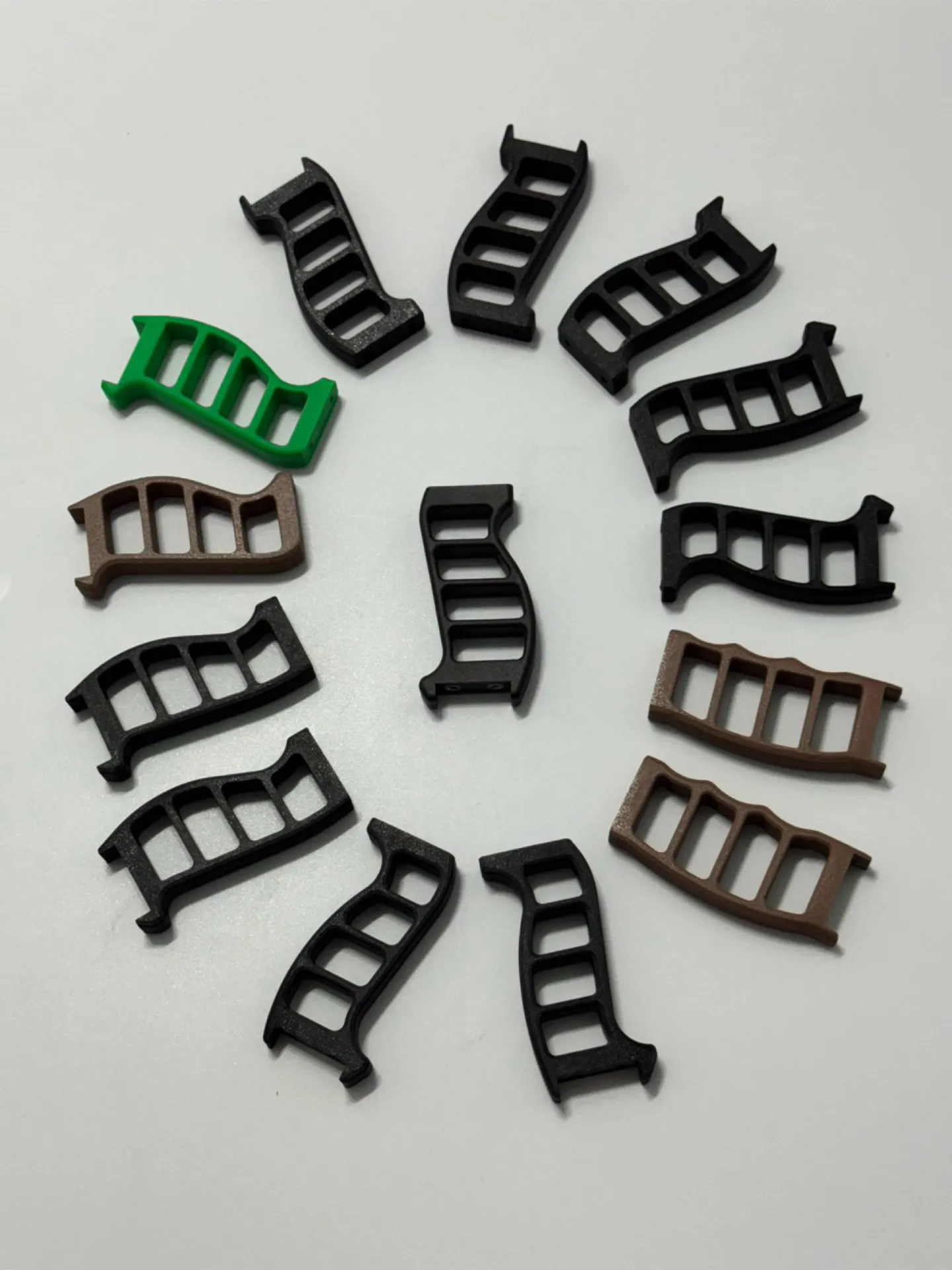
Receiving the sketch was only step one. To translate a flat design drawing into a precision production mold, you have to learn to speak the same language as the factory. To do that, Edwin taught himself the industrial drawing software SolidWorks — handling the drafting, revisions, and face-to-face reviews with the mold maker himself. A man who once stood at the pinnacle of the fashion world now sits patiently at a computer, adjusting 3D surfaces to render the exact curve he has in his mind.
Before any version was finalized, every round of revisions was accompanied by repeated prototyping and real in-water testing. The grip alone went through more than thirty cycles of starting over. Each of the stacked prototypes in the photograph is not a failure — it's a record of one more instance of "just a little bit off."
An Evolved Trigger Design: First to Integrate a Top Handle — Goodbye to the Traditional Steel Bracket
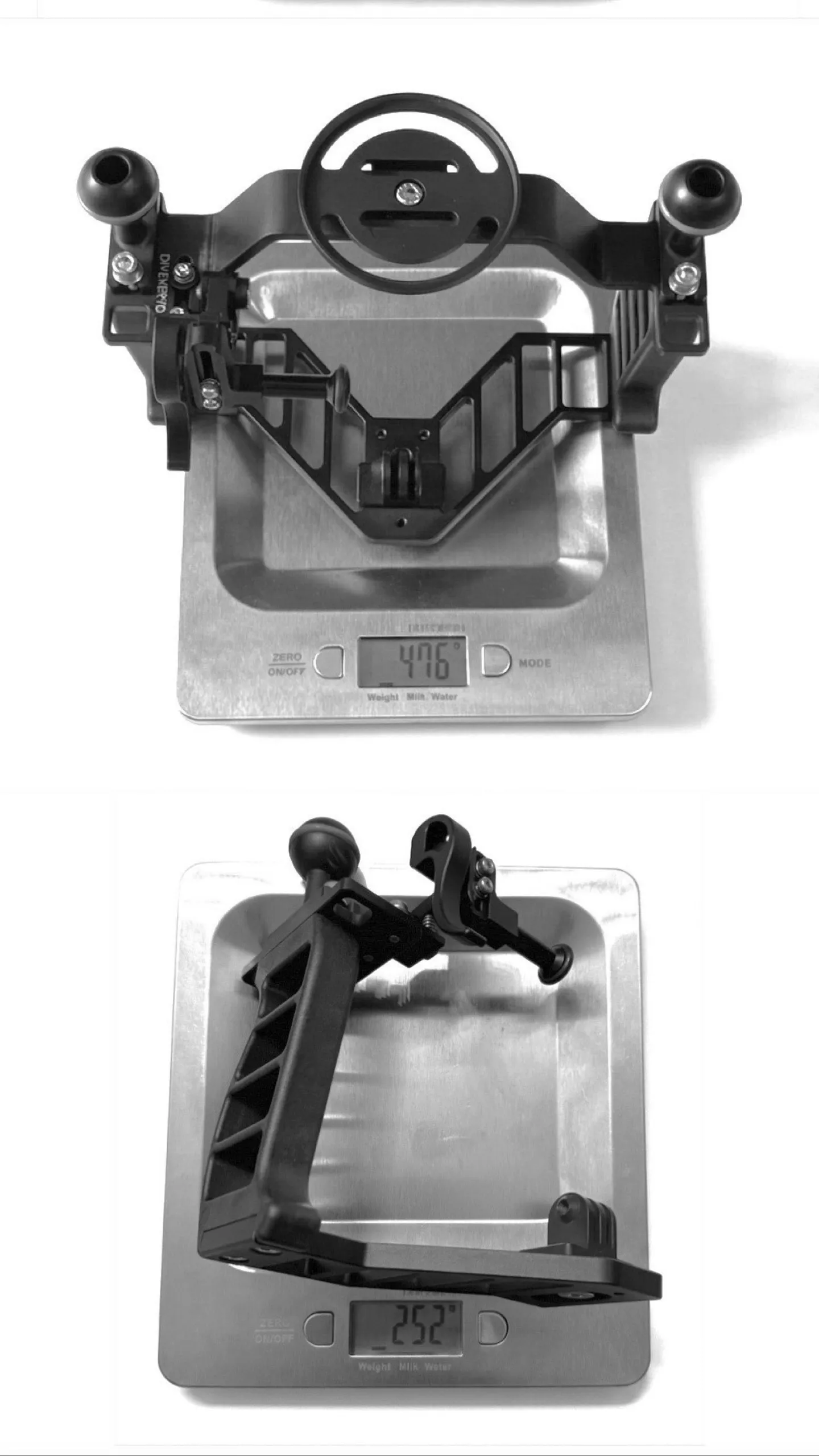
Conventional underwater tray shutter triggers typically require an additional stainless steel adapter plate to be bolted on. DIVEVERYDAY was the first to overturn this approach, integrating the trigger directly into the top handle structure — eliminating the redundant steel plate and making operation lighter and more intuitive.
Accounting for differences in hand size and future expandability, the trigger supports micro-adjustment between high and low positions, and the linkage rod features a sliding rail mechanism: when upgrading to a larger action camera housing in the future, simply flip the linkage rod to add height. This kind of forward-thinking, "leave room for the future" consideration reflects the founder's own hard-won experience as a seasoned diver.
The second-generation product is substantially lighter overall, coming in at approximately 480 g — 100 g less than the first generation — and the difference is genuinely perceptible in the hand.
No Compromise Where You Can't See It Either
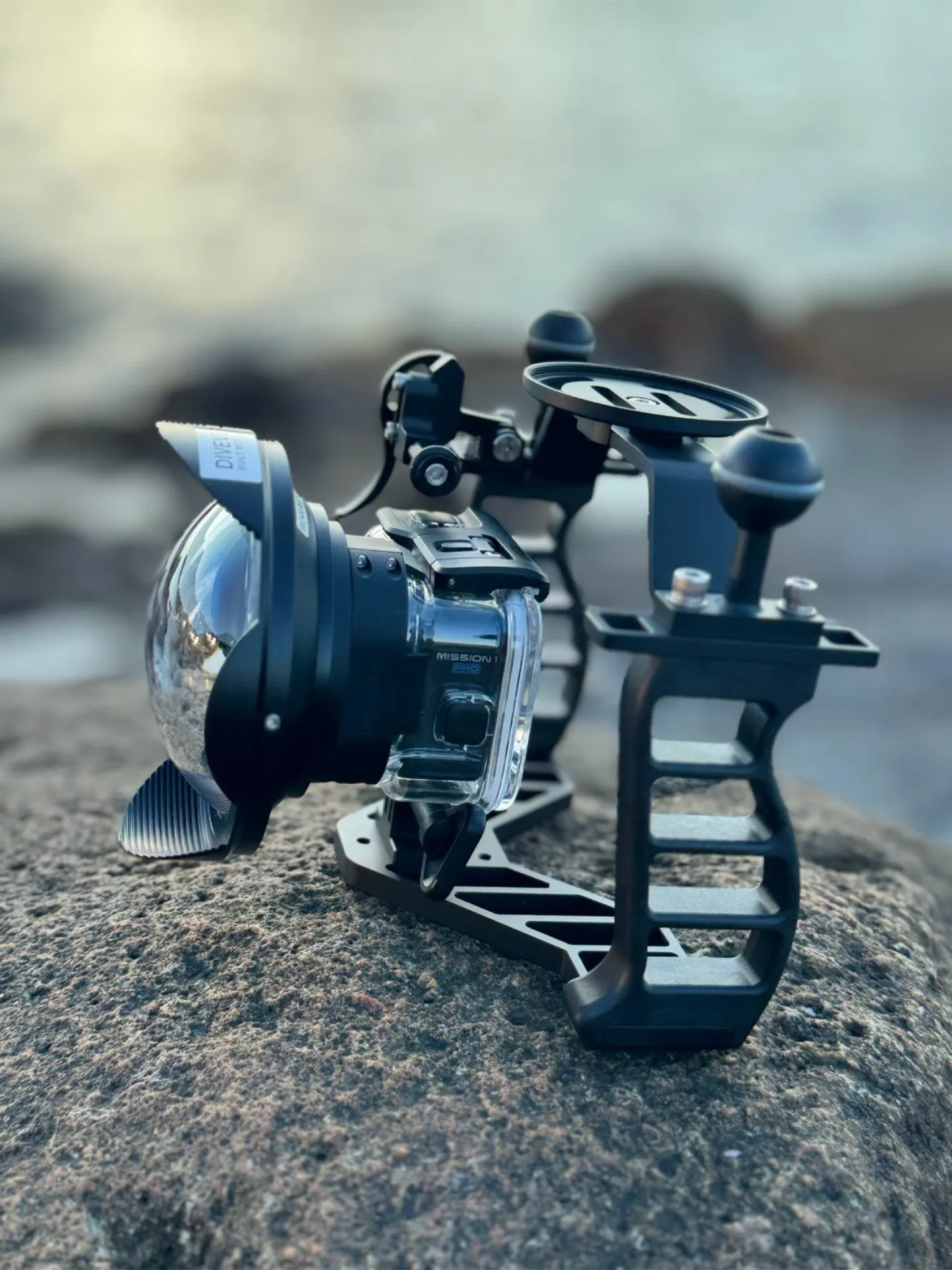
Every metal component across the system is CNC precision-machined and uniformly finished with the highest-grade Type III hard anodizing. Compared to standard anodizing that scratches easily or ordinary plating that flakes, the hard-anodize treatment delivers exceptional scratch and wear resistance. Although it adds 50% to production cost, it gives the gear top-tier durability.
In real underwater shooting, divers sometimes need to set the camera directly on a reef or sandy bottom to frame a benthic subject. With Type III hard anodizing, the body won't chip or flake even under those conditions — giving divers the confidence to focus on their shot every time they go under.
The Editor Takes It Underwater: Light, But Everything You Need Is There
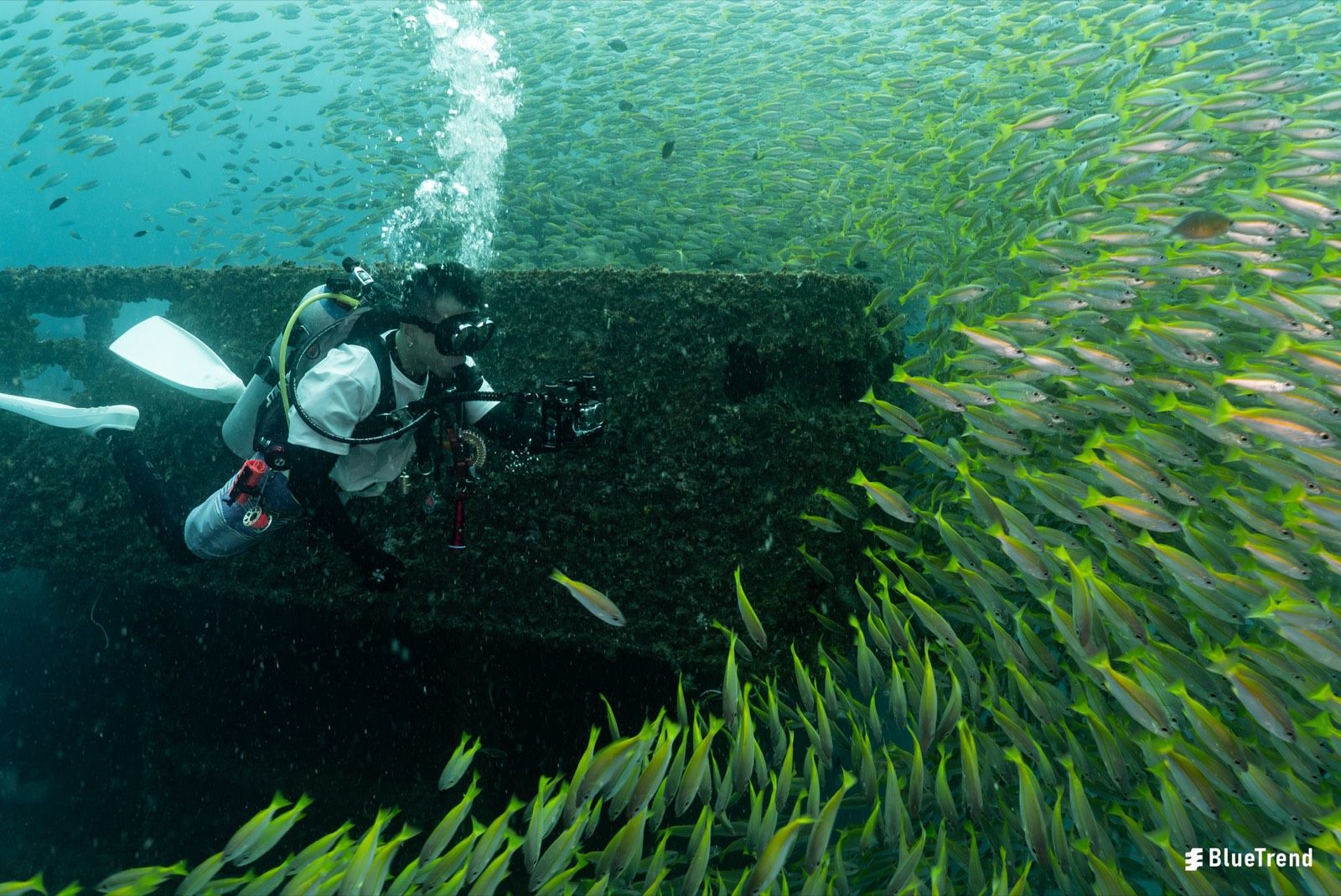
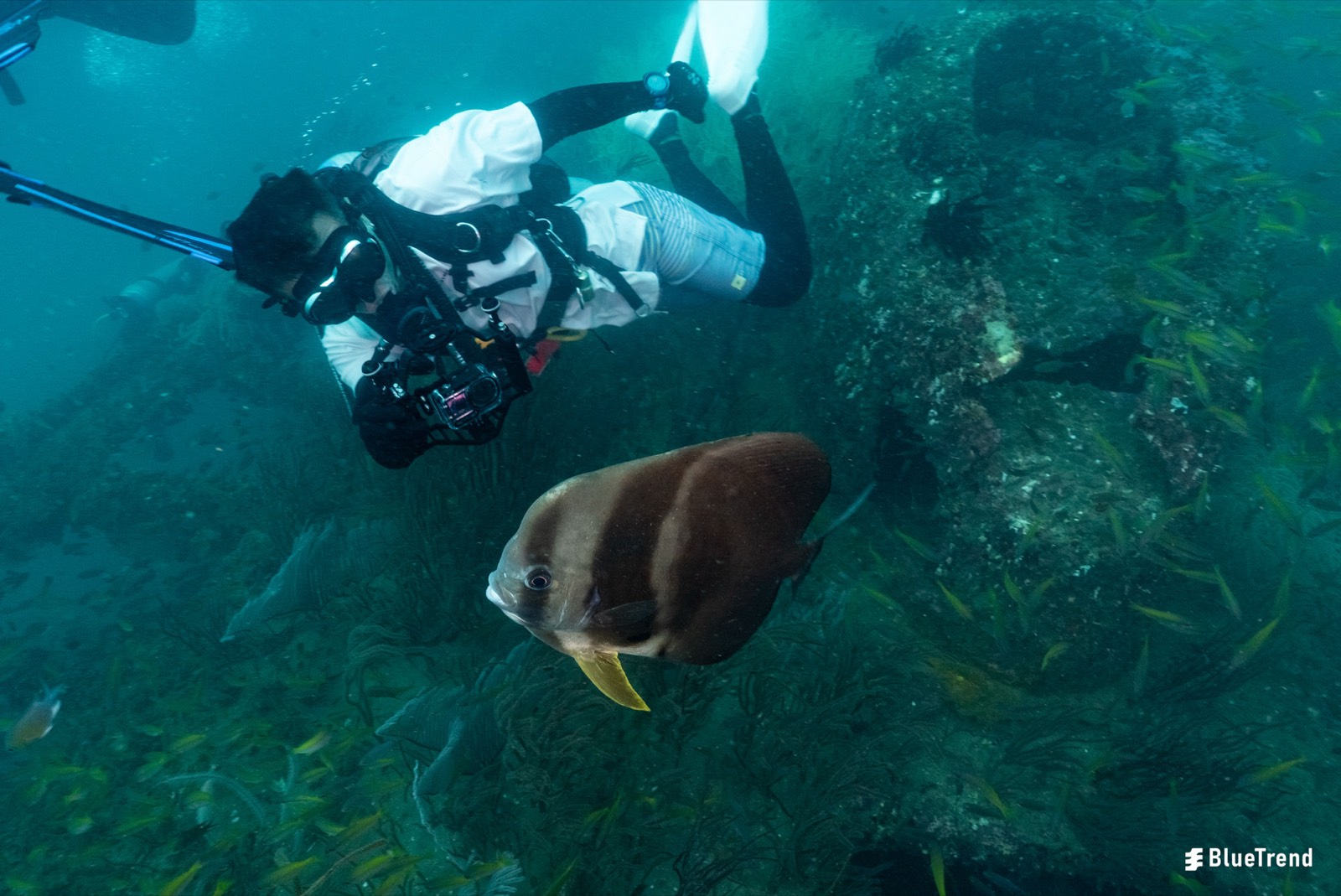
All the talk of specs and craftsmanship ultimately comes back to the water. The Editor's first and most direct impression from taking this rig on a dive was: no arm fatigue. With a full DSLR system, the arms are complaining by the time a scuba tank is done. With this setup, while chasing schools of fish or waiting for a manta ray to glide by, there was still enough energy left to think about composition and neutral buoyancy.
Light doesn't mean stripped down. The wide-angle lens, the video light, the trigger — it's all there. When a wall of fish sweeps past or a curious batfish pushes right up to the port, you can raise the camera and shoot immediately. No time wasted hunting for the trigger.
Taking the Stage Internationally: Letting the Product's Quality Speak for Itself
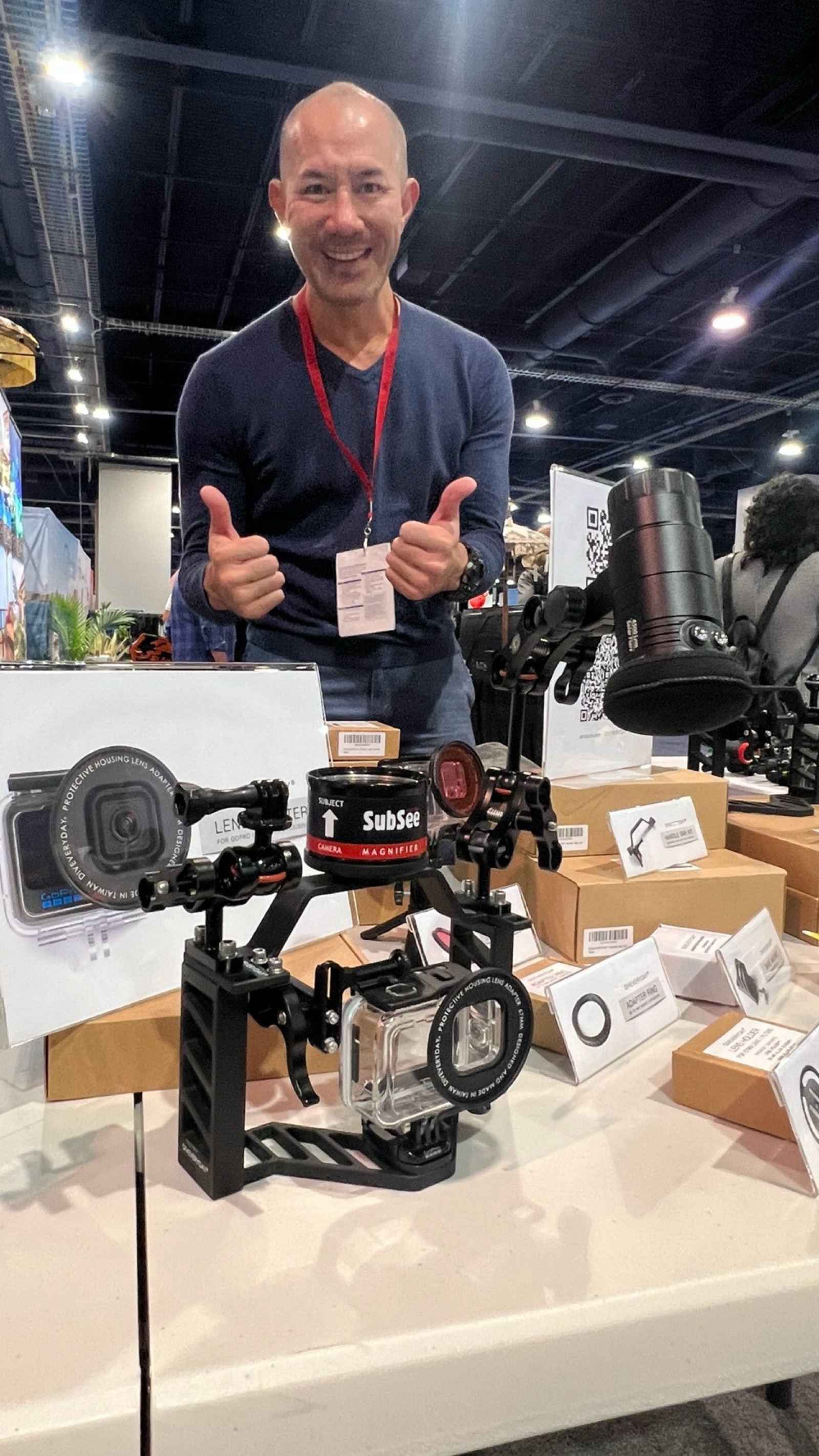
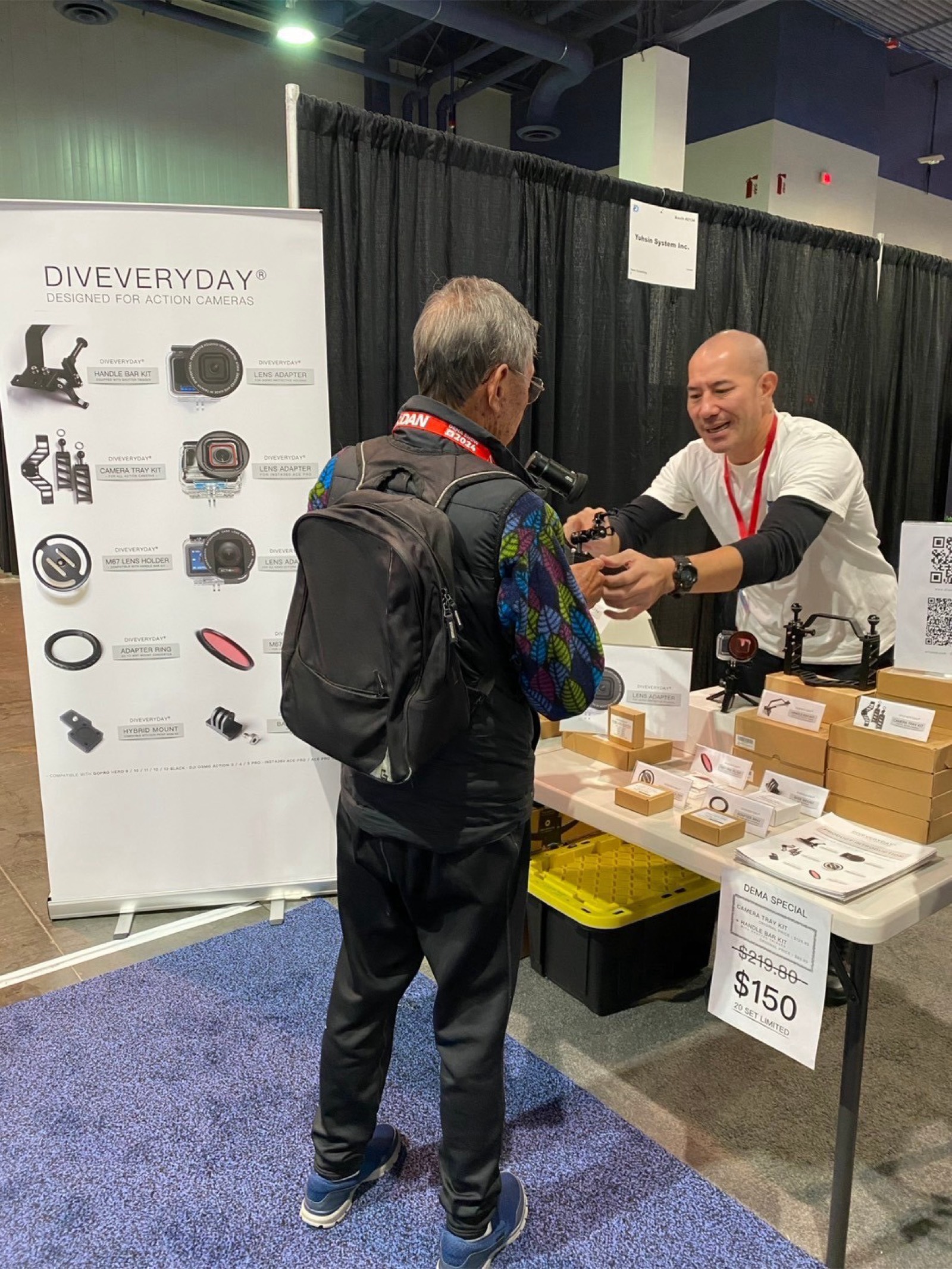
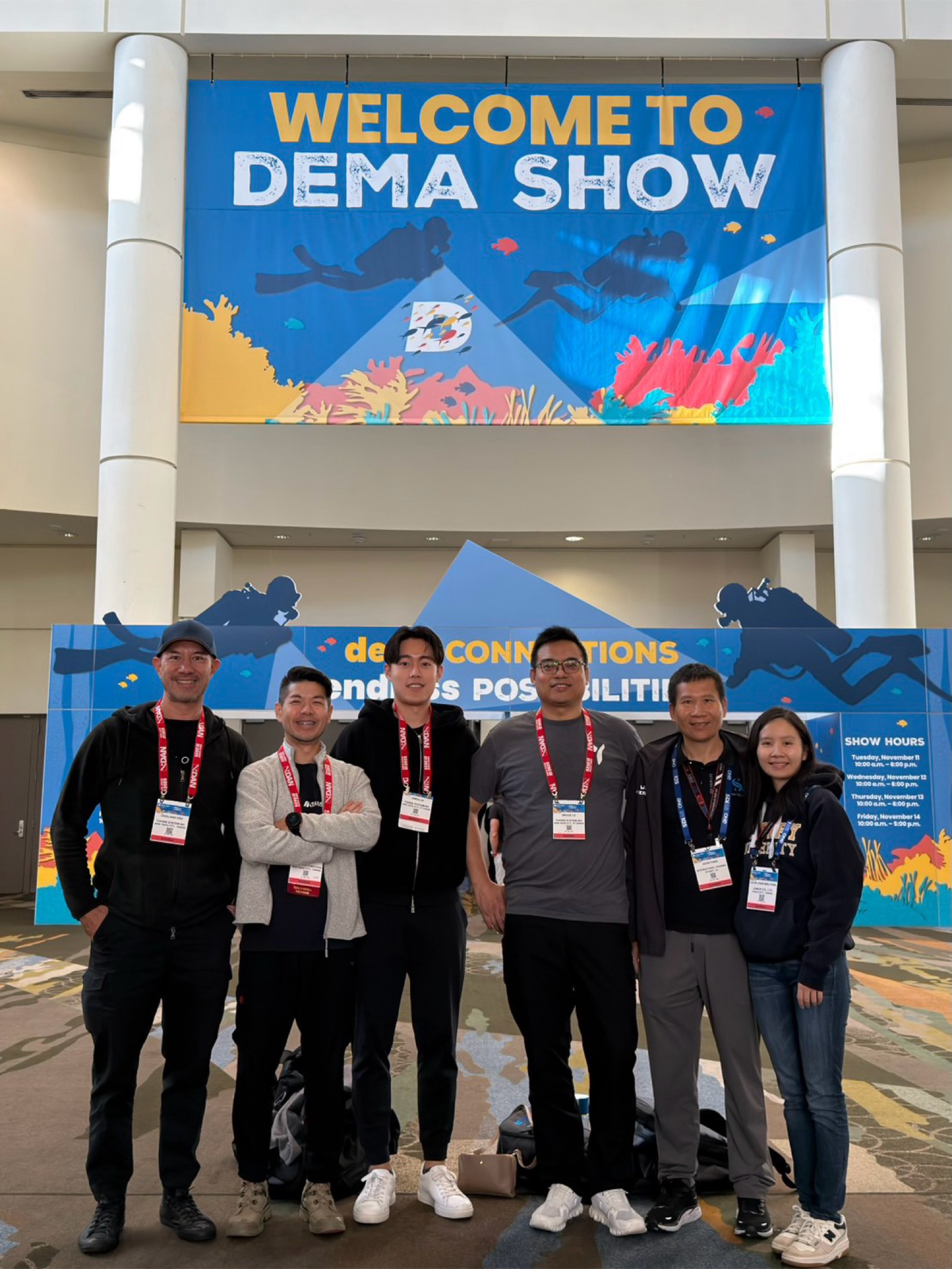
Building an exceptional product is a brand's foundation; stepping onto the international stage is its next chapter. Edwin brought DIVEVERYDAY to international dive exhibitions, placing rig after rig into the hands of professional divers and photographers from around the world. Faced with an audience of seasoned, high-standard insiders, no lengthy explanation was needed — the moment they touched the finish and pulled the trigger once, they could feel instantly that this was a system genuinely engineered for the underwater environment.
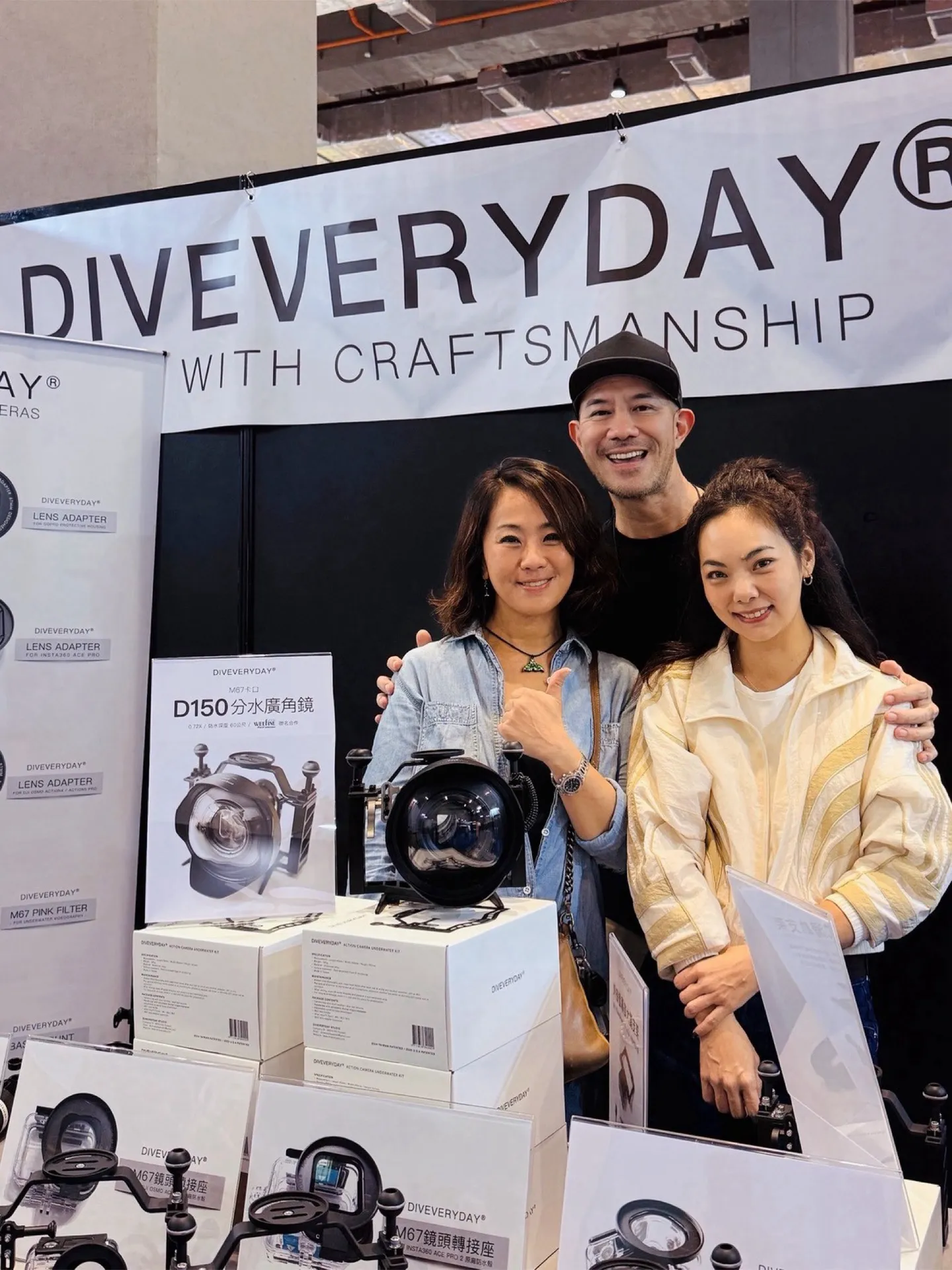
In these documentary photographs, the Editor sees a spirit of entrepreneurship that commands respect: carrying a single suitcase, personally bringing his own hand-developed products to exhibition floors around the world. Standing at the booth, passionately sharing the craftsmanship and detail behind each piece with international divers and buyers he has never met before. A brand's ability to reach the world doesn't rest solely on a massive marketing budget — it rests on a founder willing to be on the front line, persistent and unwavering.
The Perfect Answer That Runs Through Three Identities
Model, dive instructor, brand founder — three seemingly unrelated roles that, under the motto Make Life Brilliant, find their most perfect intersection and resolution.
For the model, Brilliant was the light of the spotlight falling on his body.
For the diver, Brilliant was the awe of being moved by the ocean.
And in building the product, Brilliant is refining every detail to the absolute limit — and letting the product radiate its own brilliance.
The Editor recommends this brand not simply because of how impressive its specs are, but because at every critical design decision, the founder always chose the slowest, most uncompromising path.
The dive gear market has never lacked "good enough" options. What it lacks is someone who believes that "ultimate aesthetics" and "rugged durability" don't have to be a binary choice — and who is willing to invest countless hours, production cost, and endless rounds of prototyping to prove it, all in the pursuit of the best possible user experience.
To explore the full product line and specifications, head directly to the DIVEVERYDAY official website. Whether you spot him at an exhibition booth or at a dive site — the person in the cap who always has an action camera in hand — don't hesitate to walk up and say hello. The craft and the story behind this brand are worth knowing.