Contents(5)
Located between the Persian Gulf and the Gulf of Oman, the Strait of Hormuz is one of the world's most critical energy transit routes. Approximately one-fifth of the world's oil passes through it on the way to destinations around the globe, making it a classic energy chokepoint. When shipping flows smoothly, this strait underpins the stable operation of the global economy and energy markets. However, following the escalation of tensions this year, the crisis has not only disrupted oil supply and prices but has also triggered a cascade of environmental risks.
The Lifeline of Energy Supply: The Strait of Hormuz as a Strategic Chokepoint
The Strait of Hormuz (Strait of Hormuz) borders Iran to the north and Oman and the United Arab Emirates (UAE) to the south. Connecting the Persian Gulf to the Arabian Sea, it is deep enough for the world's largest oil tankers to navigate and serves as the primary transit corridor for Middle Eastern oil and natural gas. According to the U.S. Energy Information Administration (EIA), approximately 20 million barrels of oil and crude oil products passed through the Strait of Hormuz every day in 2025, representing an annual trade value of roughly US$600 billion. This oil originates not only from Iran but also from nearby Persian Gulf states including Kuwait, Qatar, Saudi Arabia, and the UAE. Around 20% of the world's natural gas also transits the Strait of Hormuz, the vast majority of which comes from Qatar. In 2024, approximately 9.3 billion cubic metres of natural gas per day came from Qatar, and 700 million cubic metres per day from the UAE.
Yet the strait's entrance and exit span only 50 kilometres across, narrowing to just 33 kilometres at its tightest point. This constricted passage has made it a strategic chokepoint for global energy. In wartime, a small deployment of mines or missiles is all it takes to impose a complete blockade. The energy crisis of 2026 was triggered by precisely this scenario — heightened geopolitical risk leading to shipping disruption.


Is the Strait of Hormuz an International Strait?
Under the United Nations Convention on the Law of the Sea (UNCLOS), an international strait is broadly defined as a waterway located within the high seas or an exclusive economic zone, or connecting the high seas with an exclusive economic zone, conferring rights of transit passage and innocent passage.
However, the United States and Iran hold diametrically opposed views on the Strait of Hormuz. The United States regards it as an international waterway in which all vessels enjoy the right of "transit passage," free from the control of any coastal state. Iran, on the other hand, considers it part of its territorial waters, giving it the authority to determine whether a given vessel's passage is "innocent." Accordingly, the United States maintains that Iran has no right to collect tolls in the Strait of Hormuz, while Iran holds that a U.S. naval blockade at Iranian ports constitutes a serious violation of Iranian sovereignty.
These differing interpretations of navigational rights and sovereignty have escalated into military standoffs, sanctions, and shipping disruption measures, further compounding uncertainty for international shipping and energy supply.
Oil Spills Threaten to Destabilise the Entire Marine Ecosystem
Regardless of how the U.S. and Iran interpret the Strait of Hormuz, the damage wrought by this conflict is far broader than imagined. Situated between the cool waters of the Gulf of Oman and the warm waters of the Persian Gulf, the Strait of Hormuz is ecologically no less significant than it is politically.
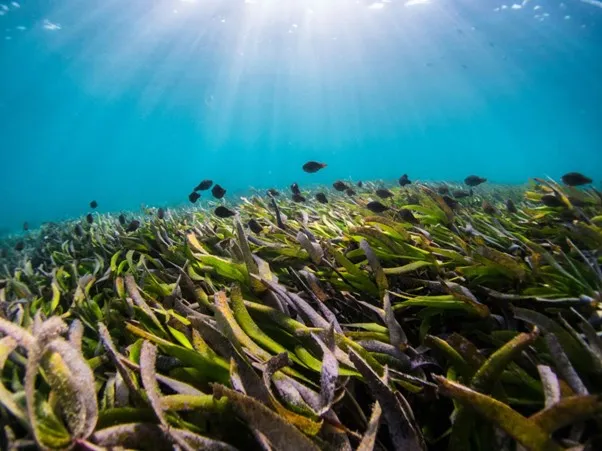
The waters surrounding the strait harbour rich and diverse habitats. Currents from the Gulf of Oman carry nutrients and larvae that feed plankton and support coral reef growth, while deeper upwellings attract reef fish and seasonally migrating Whale Sharks. Sea turtles nest along the shores of the strait; the Musandam Governorate — an Omani exclave forming a peninsula that juts northward into the strait — is a popular destination for diving and dolphin watching. Oman's coastline is home to the critically endangered Arabian humpback whale, and dugongs and sea snakes also inhabit the surrounding waters.
During the conflict, a number of oil tankers and cargo vessels were attacked or seized, and scientists have warned that any resulting oil spill could cause irreversible harm to the surrounding wildlife and ecosystems.
"Many compounds in crude oil affect cardiac function and the respiratory system. Prolonged exposure to petroleum causes excessive stress responses, which in turn suppress immune function, making animals more vulnerable to environmental stressors and infection," said Martin Grosell, Professor of Marine Biology and Ecology at the University of Miami. Beyond that, crude oil can disrupt an animal's nervous system, degrading its sensory perception and information-processing capacity, and undermining its innate navigational abilities and spatial awareness — affecting how it responds to predators and pursues prey. Research on the 2010 Gulf of Mexico oil spill has also shown that oil exposure reduces fish reproductive success. In short, the harm that crude oil inflicts on individual animals reverberates throughout the entire ecological food chain.
The offshore islands between Iran and the UAE serve as nesting grounds for Green Sea Turtles and Hawksbill Turtles. "There is extensive documentation of oil spills in UAE waters causing mass sea turtle mortality — they essentially die from the oil and are then washed ashore," said Aaron Bartholomew, Professor of Biology at the American University of Sharjah in the UAE.
Rerouting Increases Carbon Emissions and Raises Supply Chain Costs
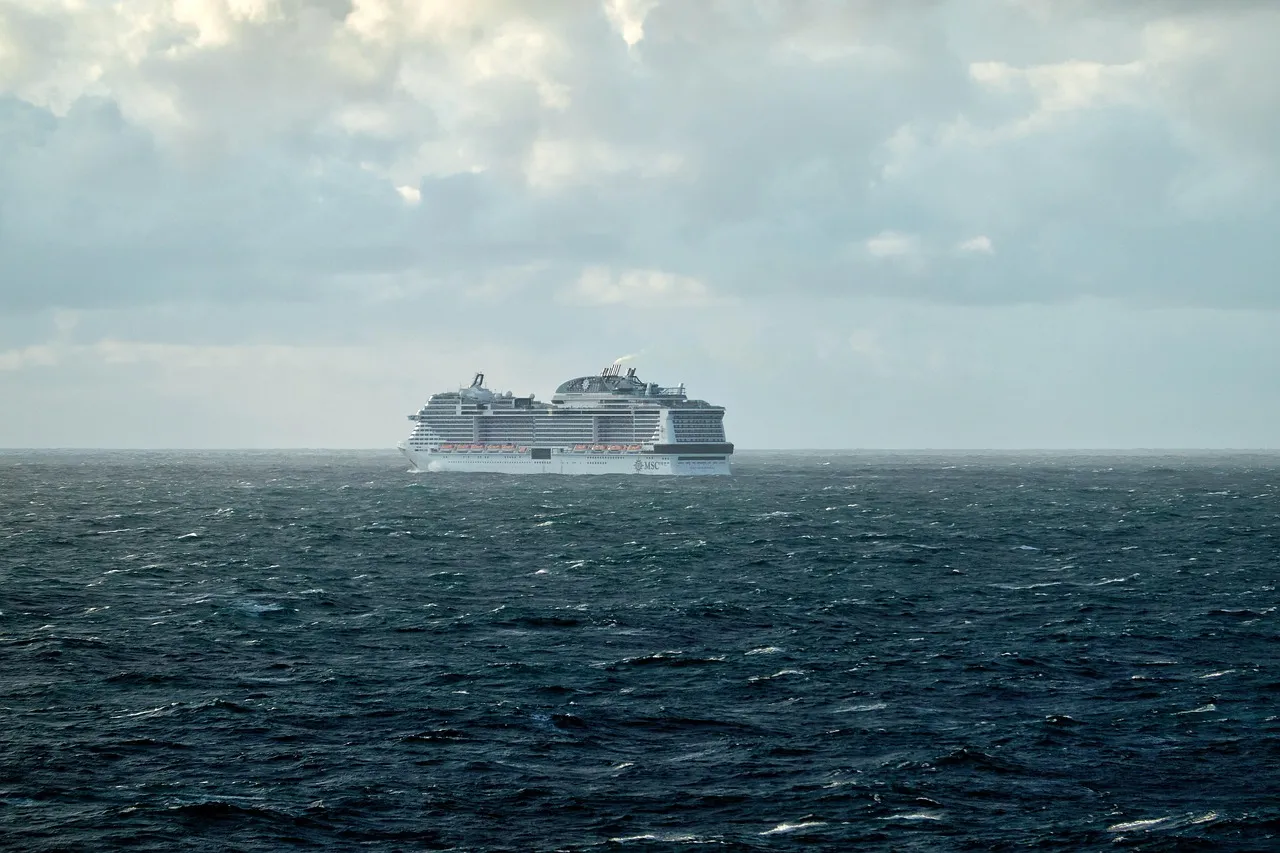
Soaring oil prices and rising carbon emissions are also central to the debate surrounding a Strait of Hormuz blockade. With the entire Middle East shipping route grinding to a halt, vessels are diverting around Africa's Cape of Good Hope or switching to longer trans-Pacific routes, increasing shipping times, carbon emissions, and global supply chain costs.
Because of the longer detour routes, shipping companies are forced to deploy more vessels or increase sailing speeds — both of which drive up fuel consumption and carbon emissions. For manufacturers and retailers, even if their own operations remain unchanged, shipping — as a link in their supply chains — still raises their Scope 3 carbon inventory emissions (see note).
According to prior research on the Red Sea crisis, vessel rerouting increased greenhouse gas emissions by at least 46% and economic costs by 51%. Compared with the Red Sea crisis, the detour options around the Strait of Hormuz are even more constrained. While the specific figures for the two conflicts may differ, both reflect the same underlying problem: when geopolitical conflict disrupts global shipping, it not only drives up fuel consumption, supply chain costs, and carbon emissions, but also amplifies energy market volatility and climate risk.
Note: Scope 3 refers to other indirect greenhouse gas emissions — emissions generated by an organisation's activities but from sources not owned or controlled by the organisation, such as leased assets, outsourced operations, employee commuting, business travel, upstream and downstream transportation and distribution, and other indirect activities.
References
- BBC, Why the Strait of Hormuz matters so much in the Iran war
- The Conversation, Strait of Hormuz: Why the US and Iran are sailing in very different legal waters
- CNN, The stunning underwater world that's at risk as the Iran war drags on
- Conflict and Environment Observatory, Three days of Operation Epic Fury: a rapid overview of environmental harm in Iran and the region
- ORF Middle East, Climate Change: The Silent Casualty of War
- ScienceDirect, Geopolitical disruptions and maritime transitions: Environmental and economic costs of rerouting
- Net Zero Compare, From Red Sea to Hormuz: What Rerouted Shipping Means for Emissions
- The UN, United Nations Convention on the Law of the Sea
- Environmental Protection Administration, Executive Yuan, Greenhouse Gas Emissions Inventory Guidelines
※ This article is reprinted from the Delta Electronics Foundation's Low-Carbon Life Blog: 〈From Energy Bottleneck to Ecological Impact: The Ripple Effects of the Strait of Hormuz Conflict〉, co-produced with BlueTrend.