Contents(4)
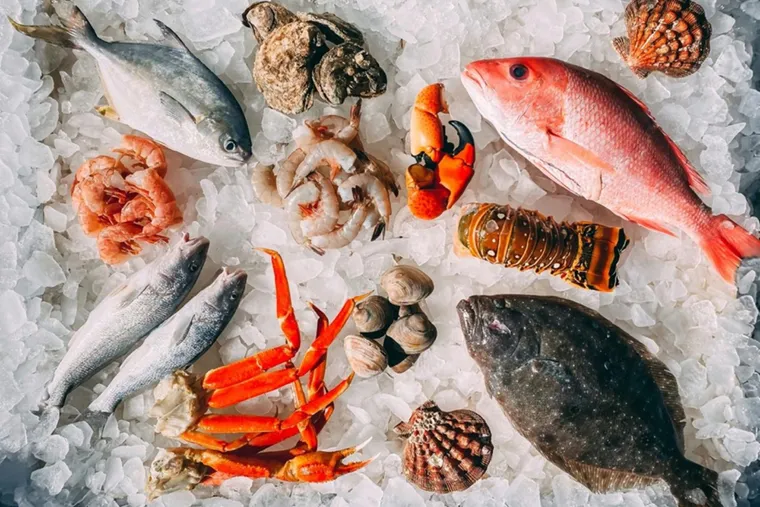
As health and fitness trends gain increasing importance in modern life, demand for high-protein foods has surged dramatically, and consumption of traditional meat has reached new highs. As an excellent source of protein, per-capita consumption of seafood and fish is set to continue rising. Yet overfishing is hardly news, and in the face of growing demand, farmed fish are moving from a supporting role to center stage — bringing not only new opportunities but also a fresh set of problems. Can fish farming be the savior for both humanity and the environment?
Aquaculture as a Lifeline for Fisheries — But With New Ecological Pressures
According to the OECD-FAO Agricultural Outlook 2025–2034 report published in 2025, global consumption of aquatic animal food is expected to grow, with Asia accounting for 75% of that growth. While demand over the next decade is projected to grow more slowly than in the previous decade, the growth rate still stands at 11%. Seafood demand for food use is also expected to grow by 13%, with total demand projected to reach 192 million tonnes by 2034.
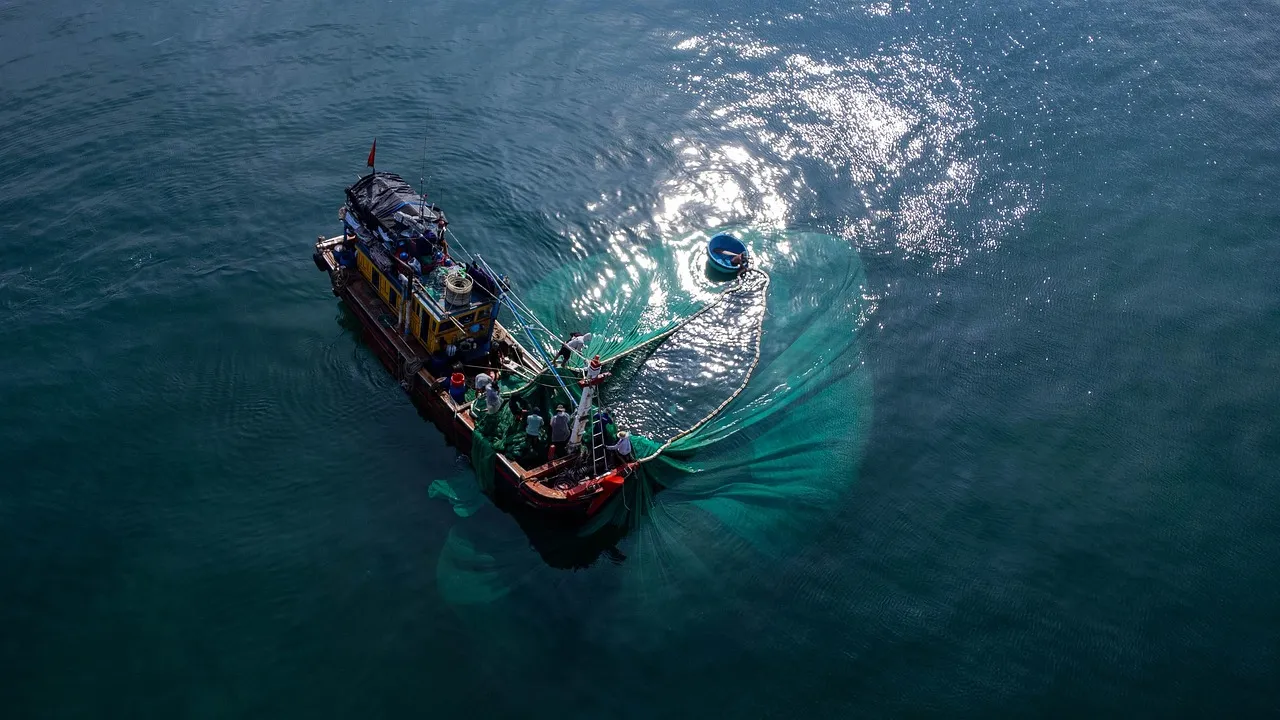
Given the surge in demand, production must inevitably increase as well. However, FAO's 2021 report estimated that 37.7% of global fish stocks are already overfished, with catch rates exceeding the pace of natural reproduction — a situation that peaked in the 1990s. Countries subsequently began seeking alternative aquaculture sources and providing substantial subsidies and training. After decades of rapid development, aquaculture's share of the supply chain officially surpassed wild-capture fisheries in 2022, accounting for 51% of total global supply, and production in 2024 was more than four times what it was 30 years ago.
Yet while aquaculture has bought time for increasingly depleted ocean resources by offering an alternative supply, traditional farming methods can damage surrounding aquatic environments. If not managed properly, nutrients discharged from fish farms — such as feed residues and excrement — can affect the survival of native flora and fauna, potentially causing algal blooms, oxygen depletion, and fish die-offs. Beyond this, choosing the right species to farm and designing appropriate farming environments are critical questions that are closely tied to the sustainability of our food supply.


From Fish Meal to Eutrophication: How Fish Farms Impact Marine Ecosystems
Setting aside questions of species selection and environmental design, one of the biggest problems with modern aquaculture is that the most commercially valuable species — such as salmon, trout, and shrimp — are carnivorous and must be fed wild-caught fish (typically anchovies, sardines, and the like) during farming. This is known as "fed aquaculture." Much of the fish used in this way comes from West Africa, where it could otherwise have fed local communities; instead, it is sold to fishmeal factories and processed for export to Europe and North America. This demand not only harms the livelihoods of some of the world's most impoverished people, but also destabilizes complex marine food webs.
FAO reports that prior to 2024, approximately 17 million tonnes of the 91 million tonnes of wild-caught fish harvested annually were required for use in aquaculture. Producing just 1 kg of salmon may require up to 6.24 kg of wild-caught fish — a farming model that does nothing to ease pressure on wild fish populations.
Although the quantity of wild-caught fish required per unit of farmed fish produced has fallen from 1.9 at the peak of aquaculture's boom in 1997 to 0.28 in 2017, Jennifer Jacquet, a professor of atmospheric and earth sciences at the University of Miami, explains that all of the fishmeal removed from fish feed must still be replaced with something from the land — a situation analogous to clearing forests to raise terrestrial livestock.
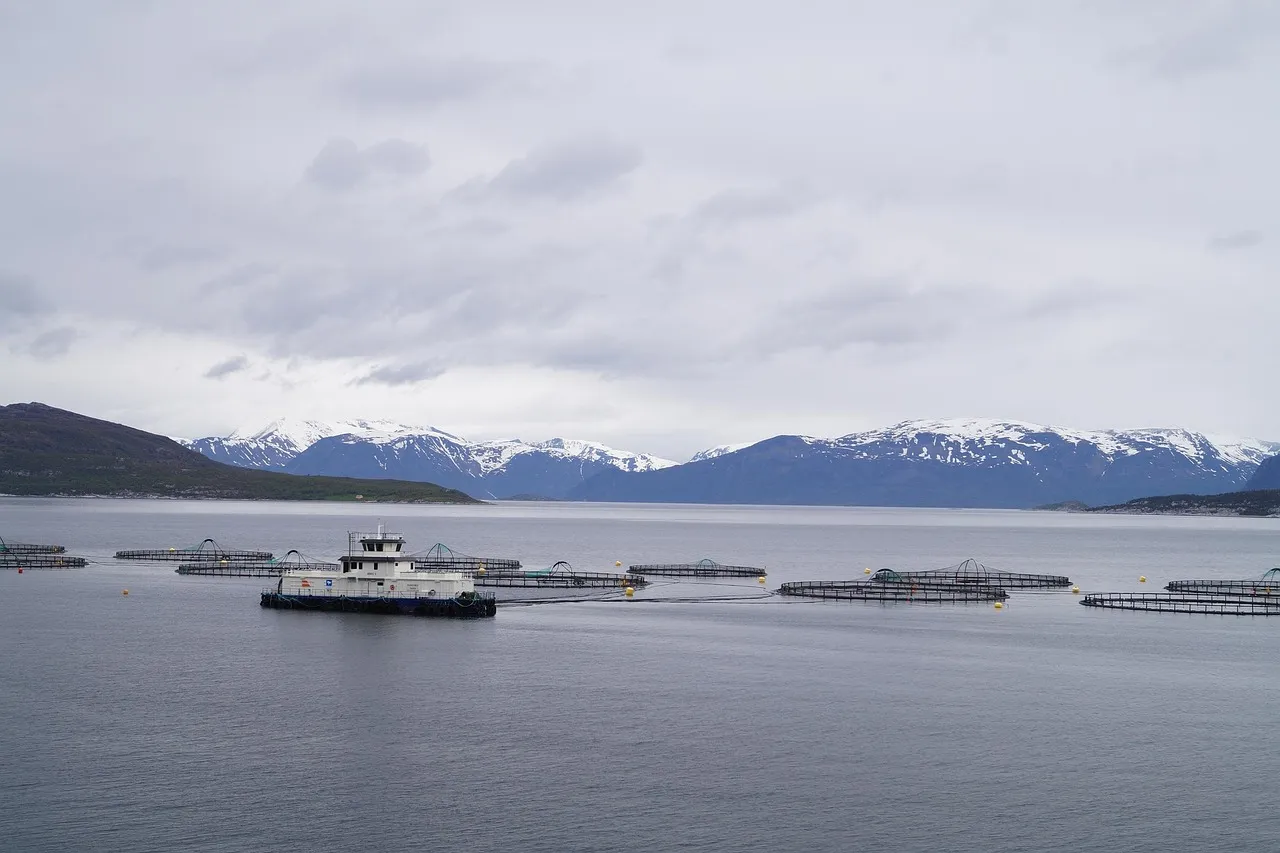
On another front, poorly sited fish farms carry a risk of pollution. In recent years, negative impacts from such farms have been documented in parts of Norway and Scotland. Norway — the world's largest producer of farmed salmon — has felt this acutely: the Sognefjord, the country's longest fjord, has seen oxygen consumption increase by roughly two-thirds due to excess nutrient runoff, with rising water temperatures driven by climate change contributing an additional one-third. The fjord's ecosystem is now under serious threat.
Research from the Sunstone Institute found that Norway's aquaculture industry discharged 75,000 tonnes of nitrogen, 13,000 tonnes of phosphorus, and 360,000 tonnes of organic carbon in 2025. These nutrients are equivalent to the nitrogen in the untreated sewage of 17.2 million people, the phosphorus of 20 million people, and the organic carbon of 30 million people. For a small nation with a population of just 5.5 million, the pollution output from these three nutrients alone is three to five times its entire population.
Meanwhile, as consumers' appetite for seafood grows ever more diverse, demand for specialty seafood such as octopus has risen year on year, sparking discussions about octopus farming. However, such farming risks overlooking the habitat and predatory environmental needs of wild octopus, as well as the potential animal welfare concerns that arise from keeping such highly intelligent creatures in captivity.
Making Aquaculture a Nature-Based Solution — Scaling Up Still Requires Policy and Funding
That said, with careful planning and the right choice of farming species, fish farms can still have a positive impact on the environment — and Fiji's oyster farming initiative is an excellent example.
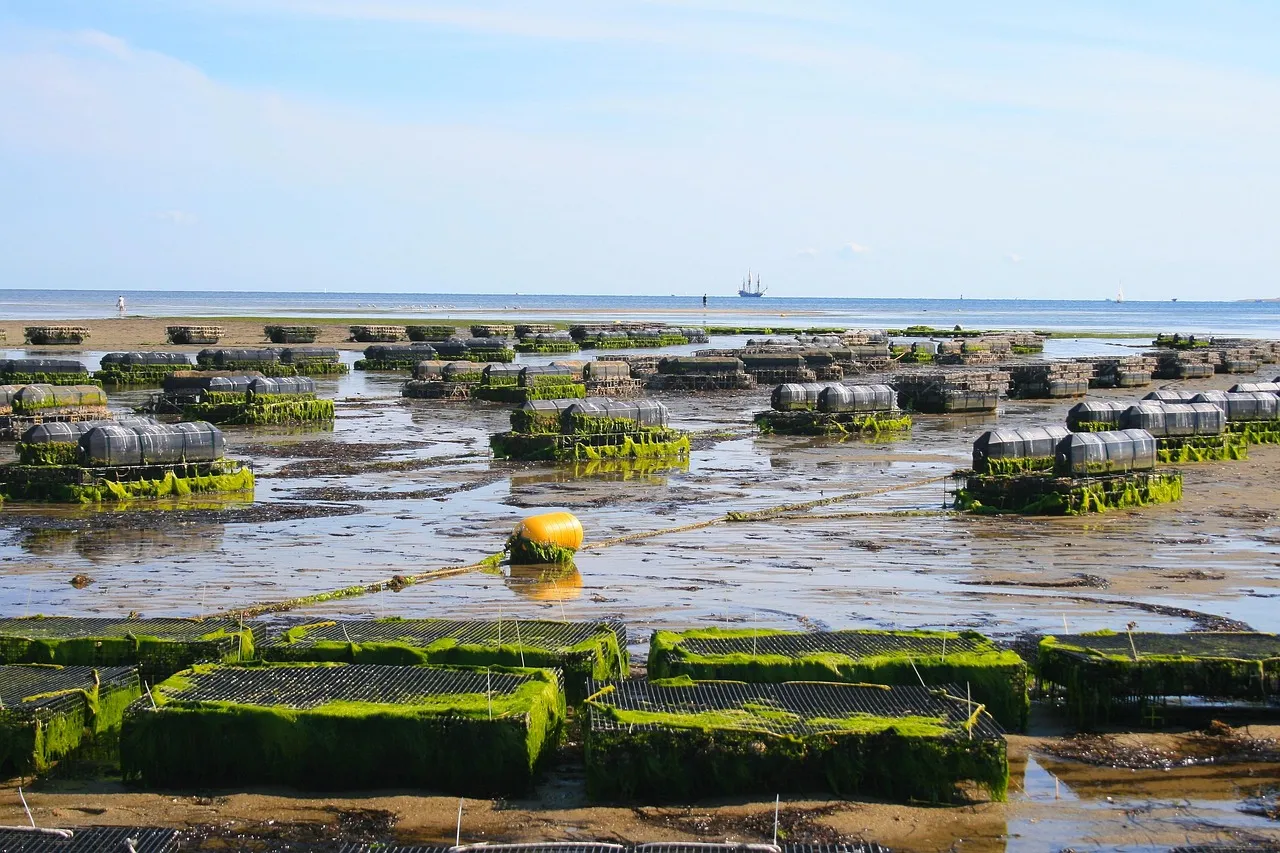
Most aquaculture operations affect the environment through issues such as feed inputs, antibiotic use, and wastewater discharge. Oyster farming, by contrast, is the opposite: it requires no feed, no antibiotics, and no pesticides — only three things: clean water, an appropriate temperature range, and naturally occurring microalgae and plankton in the water column. Oysters also offer a range of environmental benefits, including water purification, carbon sequestration within their shells, and reef formation that provides shelter for other marine life. Compared with land-based protein sources, oyster farming also has a lower carbon footprint per kilogram of protein produced.
In Fiji, a Pacific island nation, the AQUA-Pearl project — supported by the International Institute for Sustainable Development (IISD), the Wildlife Conservation Society (WCS), the Pacific Community (SPC), and the local pearl industry — works with local fishing communities, local governments, and the private sector. Its goal is to enhance food self-sufficiency in the face of climate change through natural farming methods and sustainable aquaculture, while protecting biodiversity and improving local poverty conditions. The selected pilot initiative centers on oysters.
As a nature-based solution, the project leverages the oyster's ability to improve water quality, while the farming lines attract marine life and contribute to biodiversity. WCS Fiji will continuously monitor fish biomass and coral health near the oyster farming lines, while working with communities to restore upstream watershed environments and achieve long-term water quality improvements. Ecosystem vitality will be maintained through watershed planning and management, safeguarding oysters as an alternative protein source and ensuring their safety for human consumption.
AQUA-Pearl is itself part of the Nature-based Climate Solutions in Aquaculture Food Systems in Asia-Pacific (AQUADAPT) initiative, jointly funded by the International Development Research Centre (IDRC) and the Government of Canada. Since launching in 2023, AQUADAPT has implemented multiple experimental aquaculture projects across Southeast Asia and the Pacific, developing more sustainable approaches to aquatic animal farming.
IISD also emphasizes, however, that scaling up this type of farming model requires innovation and investment. The AQUA-Pearl project has wide-ranging implications, touching on policies related to biodiversity, climate change adaptation, gender equality, food and livelihood security, and economic development. And no single actor can achieve this alone — if humanity intends to effectively create a more sustainable aquaculture environment, coordination across all stakeholders remains essential.
The shift from wild-capture fisheries to aquaculture should be a milestone in humanity's move toward sustainability. But if we carry along the same mindset of "taking from nature," the aquaculture industry risks repeating the pattern of terrestrial livestock farming — destroying forests and ecosystems in its wake. Fiji's oyster farming project demonstrates an alternative path of "thriving with nature," proving that aquaculture can transform from an ecological disruptor into an ecological restorer. The second half of aquaculture's story is an endurance race of policy foresight and financial commitment. Humanity must accelerate this transition — only then can aquaculture truly become a solution that balances human food security with ocean sustainability.
References
- OECD, OECD-FAO Agricultural Outlook 2025-2034
- IISD, What One Pearl Oyster Farm in Fiji Can Teach Us About Climate Resilience
- IISD, AQUA-Pearl
- IDRC-CRDI, Nature-based Climate Solutions in Aquaculture Food Systems in Asia-Pacific (AQUADAPT)
- Vox, The race to stop octopus farming before it starts
- Global Seafood Alliance, Octopus aquaculture – unethical or the next Big Thing?
- DTU, Farmed fish on the menu—how we ensure sustainable seafood
- Eurasia Review, The Environmental And Social Impacts Of Fish Farming And Industrial Aquaculture – Analysis
- Business First, How oysters are farmed, and why they might be the most sustainable seafood you can eat
- The Guardian, Norwegian fish farms polluting fjords with waste likened to 'raw sewage of millions of people'
- The Guardian, Fish farms and pollution in Scotland
※ This article is reprinted from the Delta Electronics Foundation's Low Carbon Life Blog: Can Aquaculture Relieve Pressure on Wild Fish Populations? Ecological Costs and the Hope for Transformation, co-produced with BlueTrend.