Contents(3)
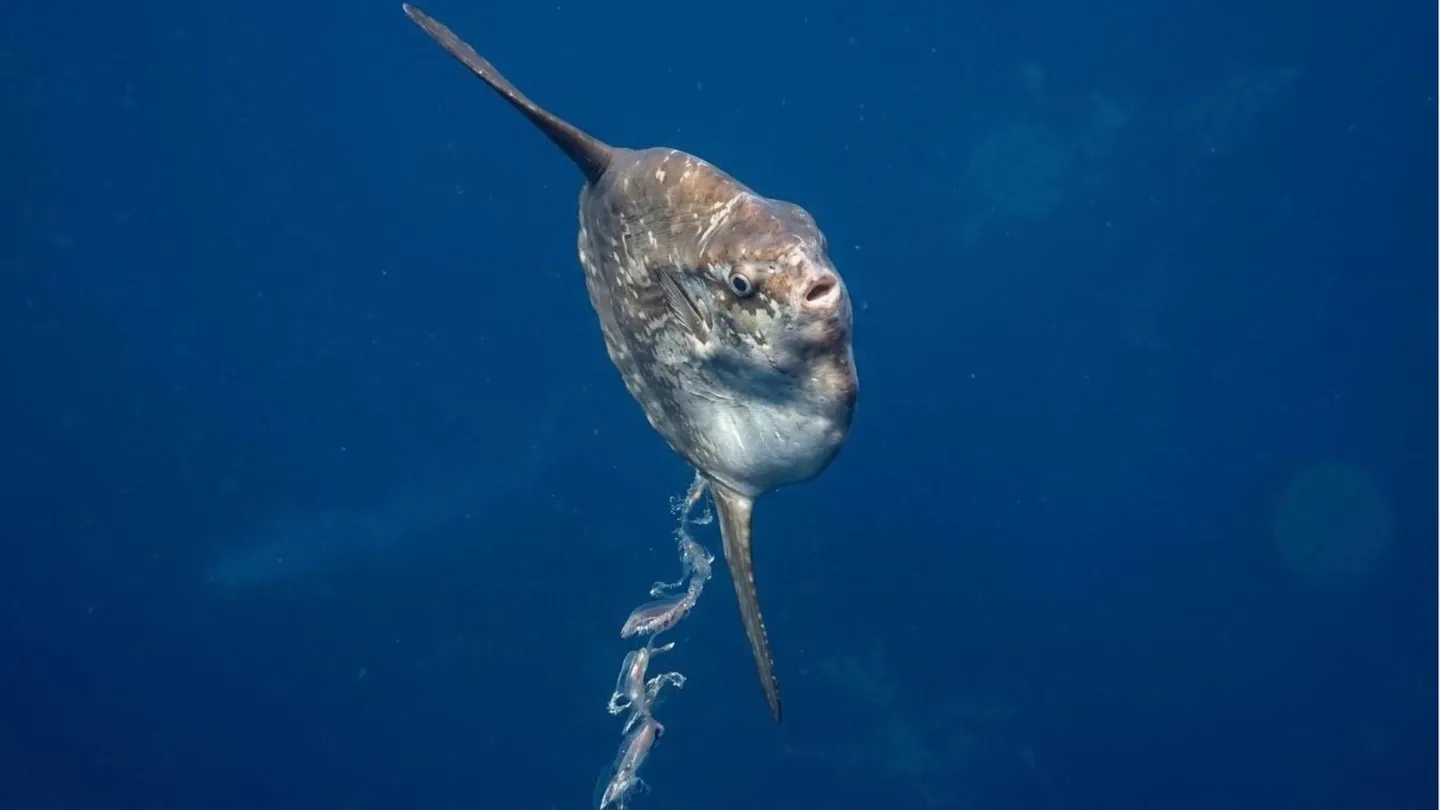
This Mid-Autumn Festival, the Editor skipped the barbecue and flew to Bali to chase the big stuff! Every year from August to October marks peak season for mola mola / sunfish in Bali, Indonesia. Driven to shallower waters by cold upwelling currents, these gentle deep-sea giants have a high chance of rising near the surface during this period to seek out cleaning stations. The spectacle draws countless international divers, and the Editor was no exception — taking advantage of the Mid-Autumn holiday to brave 22°C waters in Bali on a "Mola Mola pilgrimage" that was entirely up to fate.
A Trial by Cold Water — and a Storm of Divers
The Editor had actually visited Bali for a dive trip back in January, but missed the mola mola entirely due to the wrong season. At the time, a local dive guide shared that he had once been lucky enough to encounter one of these charming creatures during a safety stop at 5 m — and that story sealed the deal: the Editor had to come back during peak season and try again. Before entering the water, the dive shop played a video outlining the code of conduct for diving in Nusa Penida, reminding everyone to maintain proper neutral buoyancy. If anyone damaged coral, the dive guide was authorised to issue an on-the-spot fine — even guides from other groups could enforce this rule.
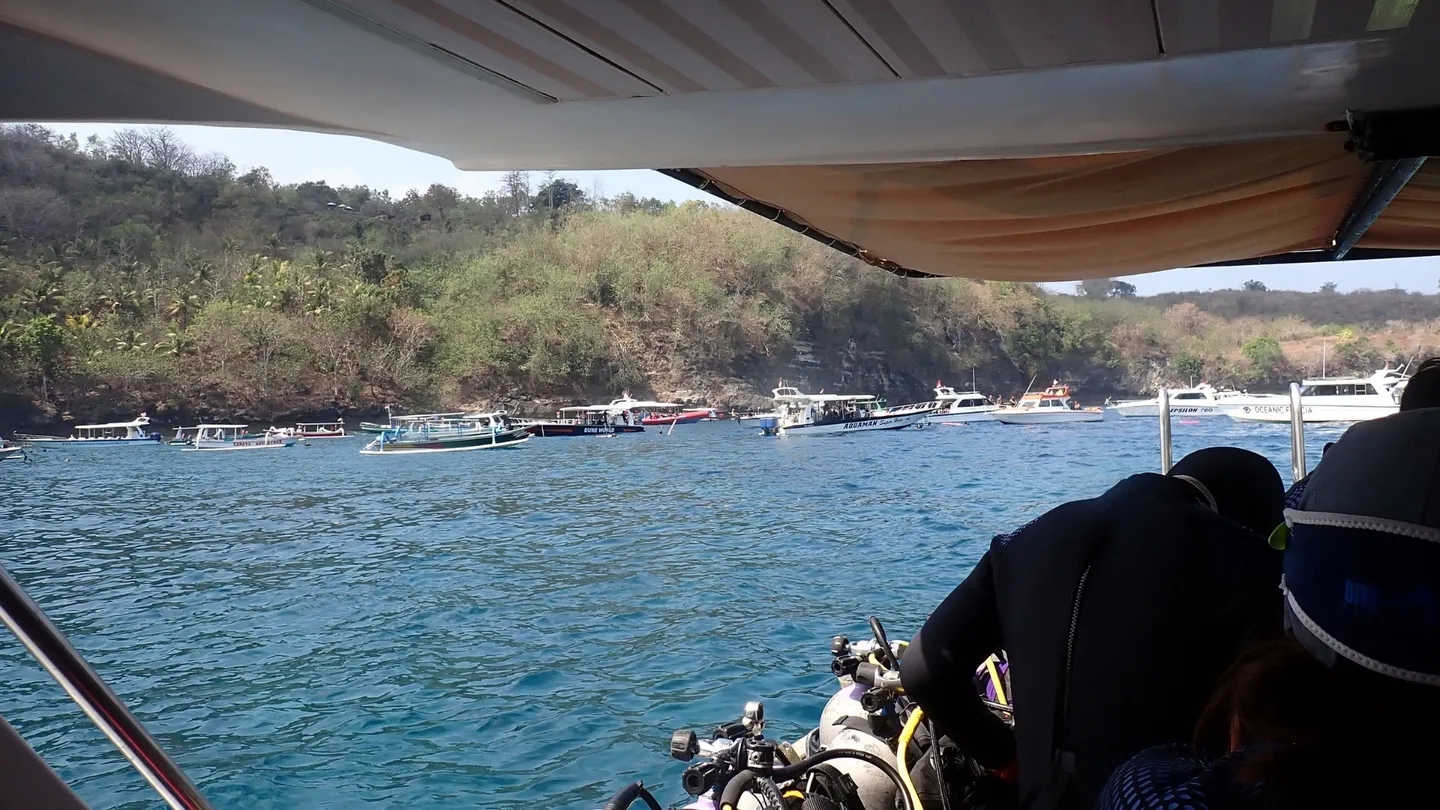
For the first scuba tank of this dive trip, our group eagerly headed toward the famous dive site Crystal Bay. Sure enough, by the time we reached the entry point, nearly 40 dive boats were moored cheek by jowl across the surface — proof that the mola mola's pull is truly irresistible. Before we set off, our instructor had specifically warned us about the colder water; at Crystal Bay in particular, temperatures hover between 18 and 22°C. A 5 mm wetsuit, hood, and vest were strongly recommended, and the Editor even noticed that the local dive guides were wearing drysuits. The cold wasn't the only challenge, though — the site is frequently swept by currents. While not unmanageable, maintaining neutral buoyancy in those conditions is a real test of skill. An Advanced Open Water Diver (PADI cert) certification or equivalent is strongly recommended before attempting this site.
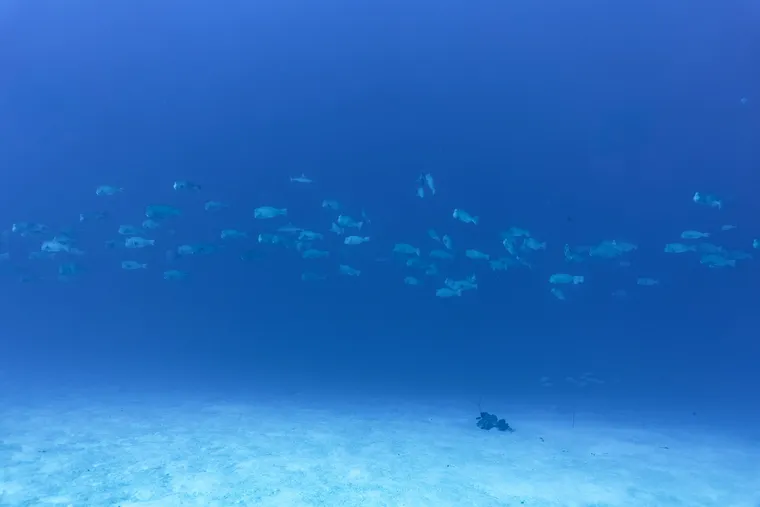
Rolling backward into the water, we were immediately hit by an intensely cold sea — every member of the group gasped at the chill as they entered. But the anticipation of seeing mola mola was undimmed. After acclimatising to the temperature and running our equipment checks, we followed our dive guide to a spot at around 25 m along the reef edge and waited for a large creature to appear. During that wait, we witnessed another kind of spectacle that the mola mola brings with it: the "diver storm."
After waiting for some time, we began making our way back to avoid entering decompression. At the very moment the Editor turned around, a classic giant disc-shaped silhouette appeared in the distance — about 30 m away — slowly gliding upward toward shallower water. Everyone spun back around and raised their cameras, hearts secretly rejoicing: "Who would have thought we'd strike lucky on the very first tank?" But that luck lasted only a few seconds.
Footage of divers chasing the mola mola (provided by fellow diver 陳信至)
At that moment, divers from another boat clearly couldn't contain their excitement and charged straight at the sunfish, apparently trying to get a close-up shot. Startled, the mola mola immediately turned tail and dove back down into deeper water. Our cameras hadn't even finished focusing before the long-anticipated encounter was over. All we could do was watch helplessly as that group of divers, utterly lacking in dive etiquette, single-handedly ruined the experience for every diver in that stretch of water.


Don't Let Your Passion Become a Burden on Marine Life
"Stay safe, and never touch or chase any marine life or coral" — this is a golden rule that every qualified diver should uphold wherever they dive in the world. Marine life has its own space to live and breathe, and divers in the water are always just passing through. Chasing animals not only interrupts their precious cleaning or resting time, it may also place them under serious stress. The Editor firmly believes that no matter which corner of the world you're diving in, respecting life and protecting the marine environment is a responsibility we all share.
Although the first dive left us with a tinge of regret, the sheer diversity of the waters around Bali more than rewarded us in the dives that followed. After returning to Crystal Bay for another attempt, we also made our way to another renowned site, Manta Point. Near the cleaning station, we were treated to the graceful spectacle of multiple manta rays circling overhead. The most unforgettable moment was watching three enormous manta rays glide past in formation — a breathtaking sight that went some way toward soothing the sting of missing the mola mola earlier that morning.
On the second day, we continued exploring Crystal Bay and Toya Pakeh. As the water temperature crept up slightly, the seabed ecosystem revealed a completely different kind of vitality. The underwater scenery at Toya Pakeh was particularly stunning — vibrant coral reefs stretching as far as the eye could see, displaying the extraordinary biodiversity unique to tropical waters. After surfacing, some of the group joked that drifting past so much coral really made them want to belt out a chorus of "Coral Sea." We also caught glimpses of marble rays gliding along the seabed and spent a leisurely stretch watching sea turtles go about their feeding routine.
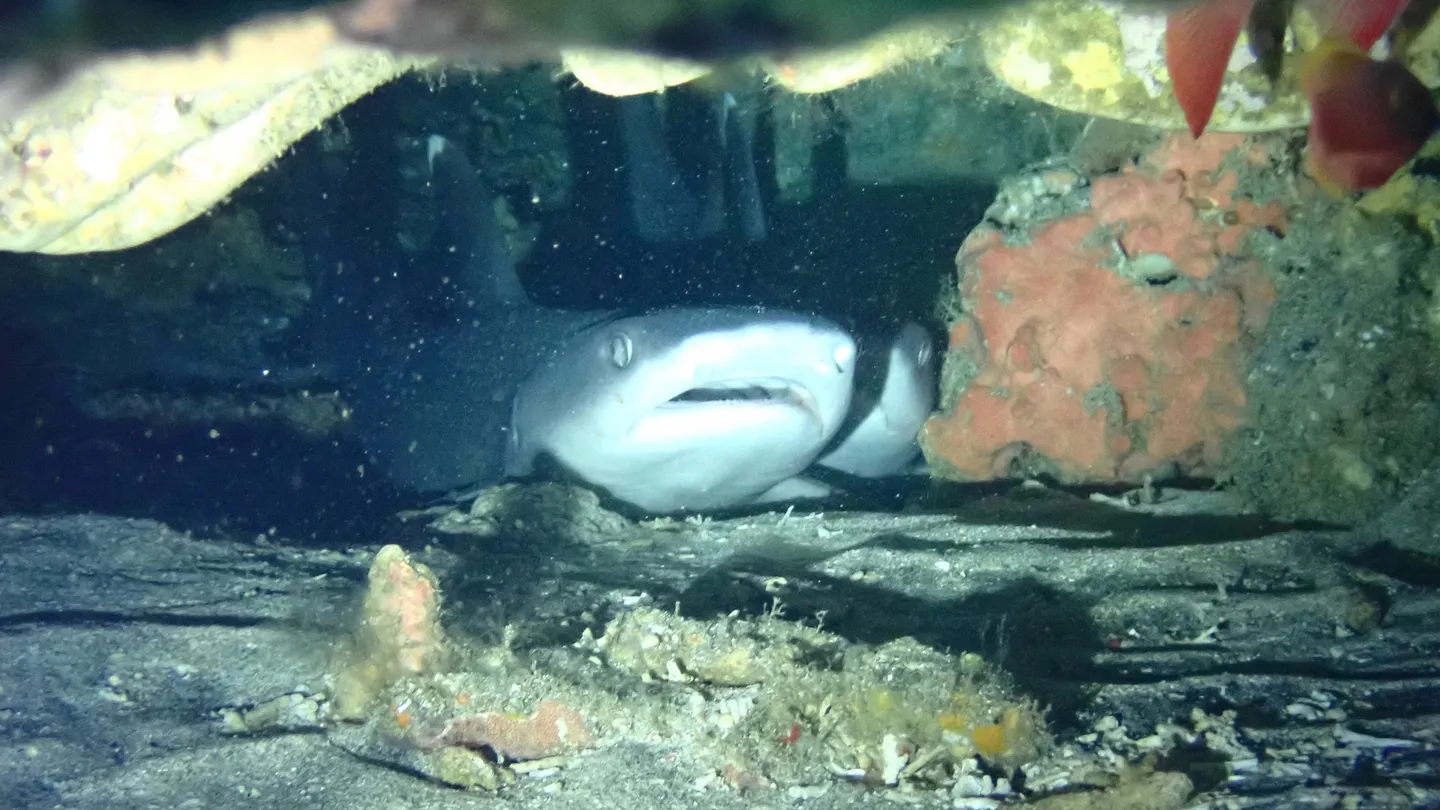
The following day happened to coincide with the unique Balinese tradition of "Nyepi Segara" (the Ocean Day of Silence), during which all water-based activities are completely prohibited — meaning Crystal Bay was off the table. Counting it up, we had done four tanks at that site yet only caught the briefest distant glimpse of a mola mola during the first dive, and even that had been snatched away by someone else's reckless chasing. Infuriating. May those who chase mola mola never see one again.
A Symphony of Culture and Ecology: Bali's "Day of Silence"
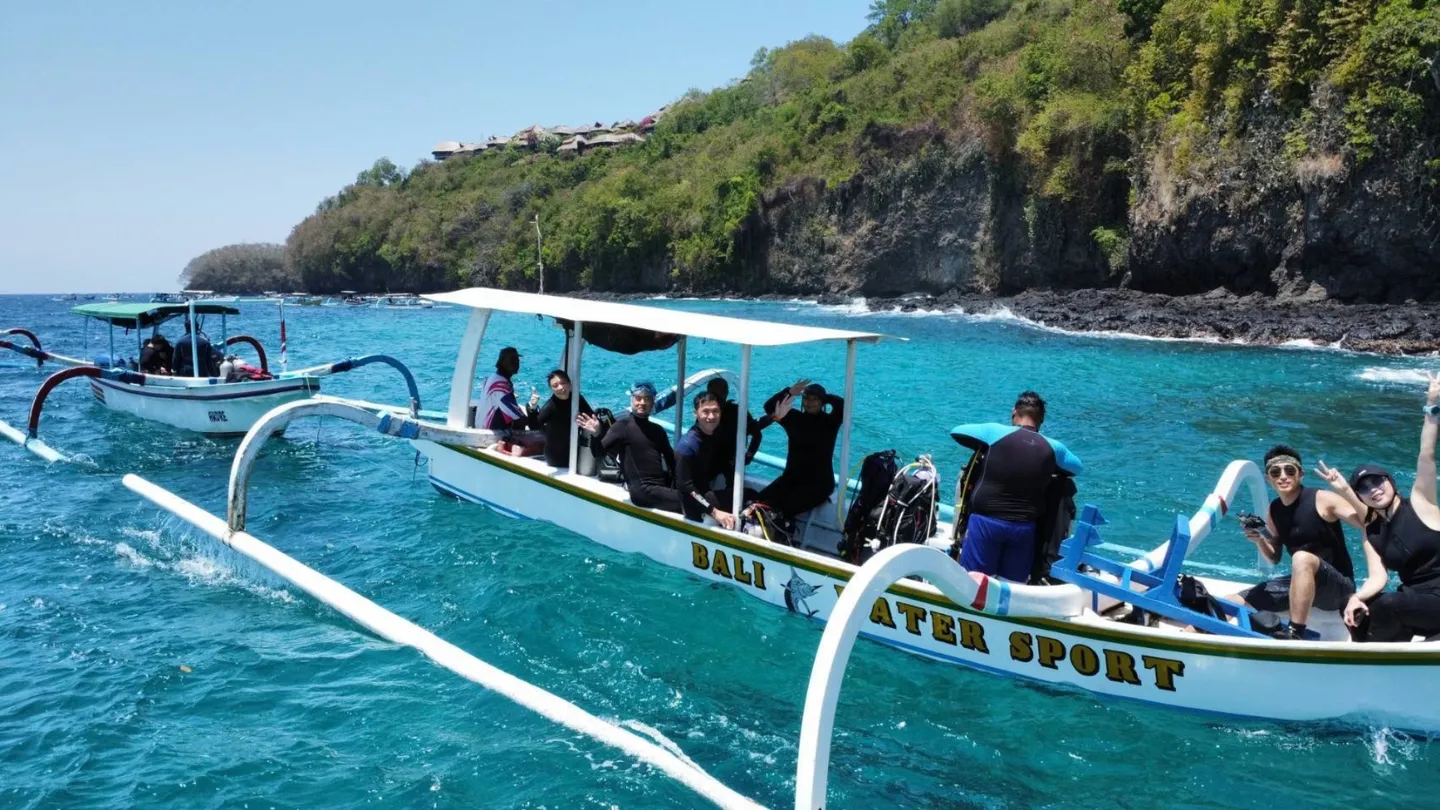
To understand Nyepi Segara, it helps to first look at the better-known Balinese "Nyepi" — the Island's Day of Silence on land. Balinese people follow Hinduism and observe the Saka calendar. Each year, around March, the entire island celebrates its new year: "Nyepi." Unlike the noisy festivities associated with New Year celebrations around the world, Bali's new year is spent in absolute silence. A strict set of prohibitions comes into effect across the whole island: no fire, no lights, no going outside, no working, no entertainment — even the international airport and seaports shut down entirely. Islanders believe that by maintaining complete silence and meditation, evil spirits will mistake the island for deserted and pass it by.
The "Nyepi Segara" (Ocean Day of Silence) we encountered during our trip is a local festival specific to Nusa Penida and the surrounding islands. The day is dedicated primarily to honouring Dewa Baruna, the god of the sea, and giving thanks for the abundant resources the ocean has long provided. On this day, the surrounding waters are completely closed to boat traffic, scuba diving, snorkeling, fishing, and all other maritime activities. As a result, our dive shop arranged for us to head instead to Padang Bai on the eastern coast of Bali's main island for the final two tanks of the trip.
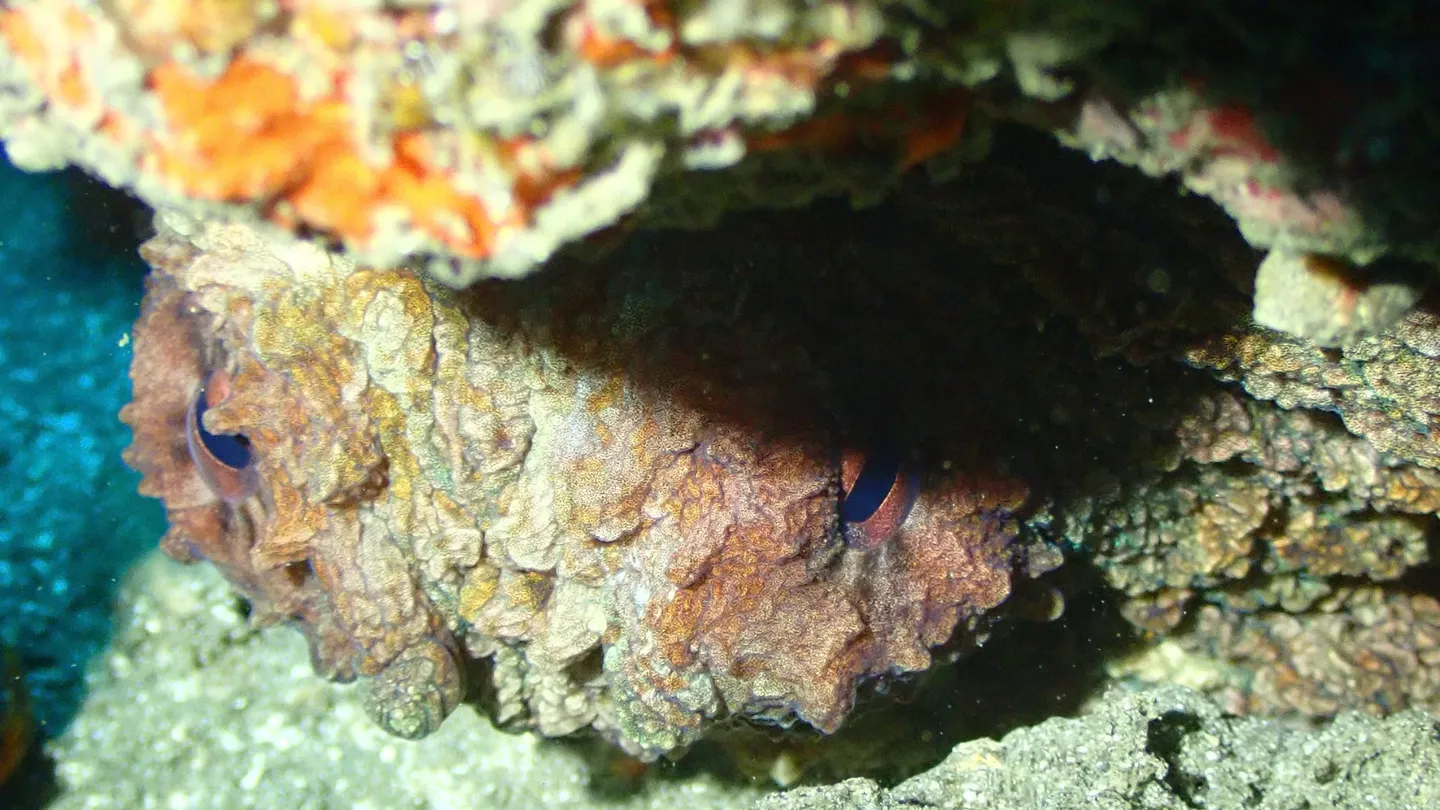
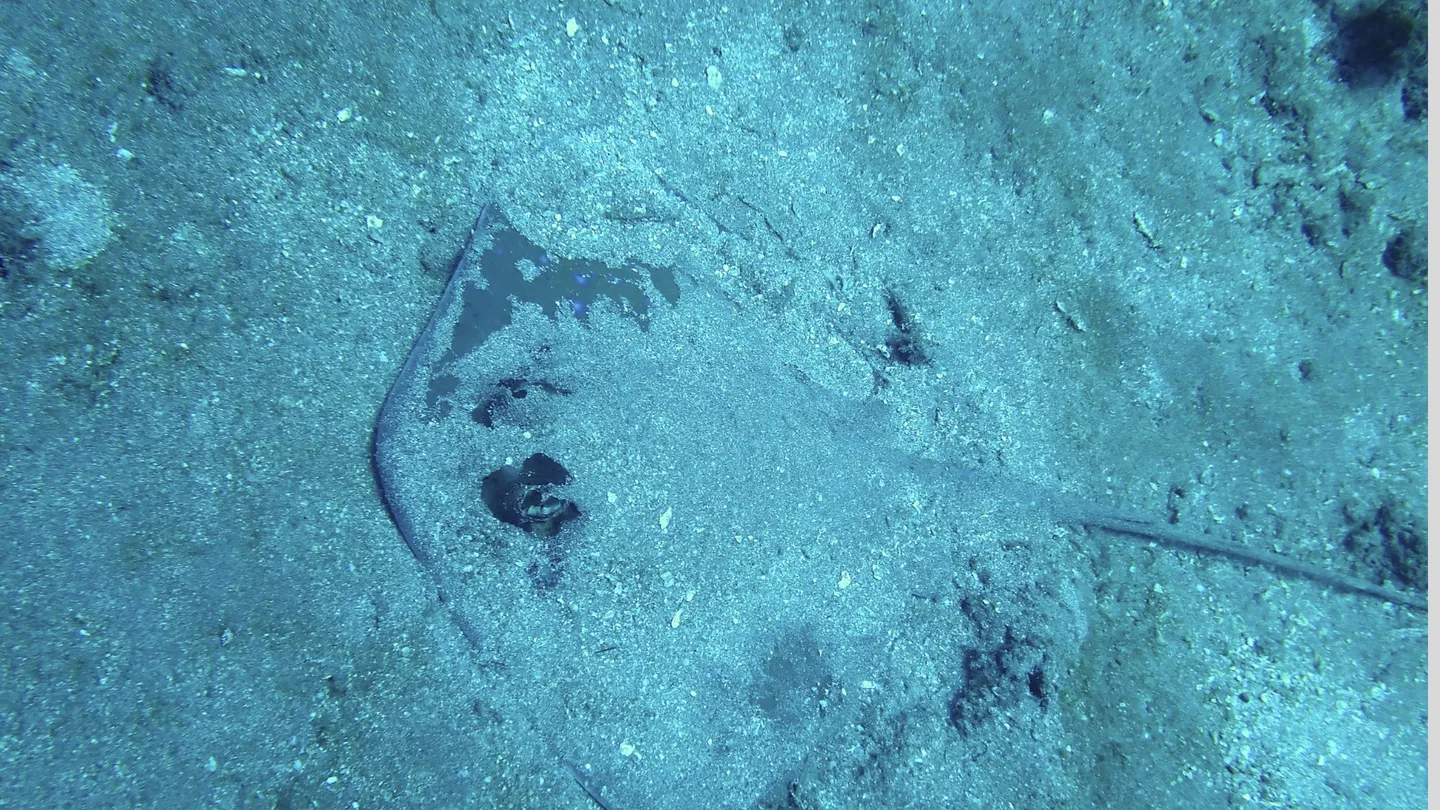
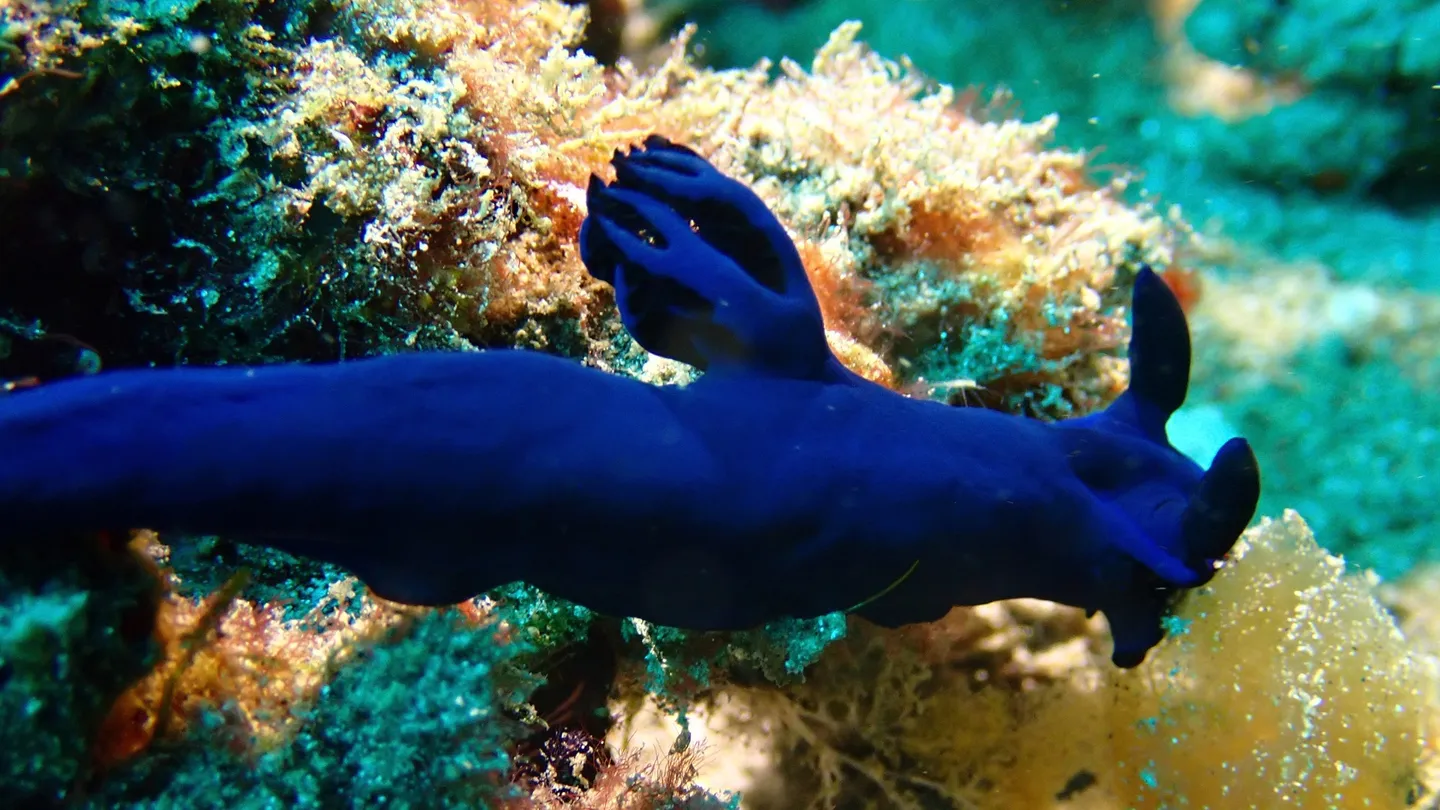
We visited the Coral Restoration Area and Baung Penyu Bay in Padang Bai. Compared to the tension of scanning for large marine life in upwelling currents over the previous two days, the underwater world here felt like pure relaxation — a hot spring experience for divers. Currents were gentle, water temperature pleasant, and along the way we spotted various coral restoration structures. We wove between sandy patches and natural reef formations, challenging ourselves to observe cuttlefish as they shifted colour, while our eagle-eyed dive guide pointed out numerous nudibranchs hidden among the coral.
The appeal of diving in Bali lies in its variety and its unpredictability. From the shock of plunging into 22°C upwelling waters, to the dream-like vision of manta rays gliding past in formation; from the gut-punch of missing the mola mola shot, to the unexpected experience of Nyepi Segara and the peaceful macro diving at Padang Bai. Diving abroad is like opening a mystery box. Although this pilgrimage — undertaken entirely at the mercy of luck — left a few regrets, it also gave the Editor a far deeper appreciation of what it truly means to be a responsible diver. As long as we hone our neutral buoyancy, hold the line on no touching and no chasing, this vast blue world full of surprises will always be worth strapping on a scuba tank and leaping into — again and again. See you next Mola season!
Frequently Asked Questions
How is a BlueTrend dive trip different from an unknown, no-name dive group?
Choosing us means full peace-of-mind protection and a smooth experience from start to finish. Every trip we run holds to three things.
First, full legal protection and a professional dive leader: we strictly follow Taiwan's travel regulations and provide complete travel-agency liability insurance, travel insurance, trip-inconvenience insurance and dive insurance. Every group is accompanied by a certified, foreign-language dive leader who joins you on both the dives and the land itinerary, liaising seamlessly with local dive shops and operators on your behalf to keep things running smoothly — the person our travellers trust most.
Second, fully licensed with secure payments: every payment goes into a licensed travel agency's account, with multiple safe payment channels (bank transfer, credit card and more) and a legal collect-and-remit receipt, so every transaction is open, transparent and protected, avoiding the fraud and dispute risks of transferring money privately to an individual.
Third, hand-picked quality we vet in person: every trip, dive site and partner shop is scouted on the ground by our own team, from the guides' professionalism and safety standards to the food, lodging, environment and service details on land, all vetted by us so you don't get caught out.
I want to sign up for a dive trip. Are there certification-level or logged-dive requirements?
Each dive site is different, so the entry bar varies. 'Bali Tulamben', for instance, is relatively beginner-friendly. 'Malapascua in the Philippines' is also beginner-friendly, but since thresher sharks tend to cruise between 20 and 30 metres, we recommend AOW certification with 20+ logged dives to enjoy this trip comfortably. For 'the Maldives' or 'Palau', we suggest AOW with 50+ logged dives for a more relaxed experience. If you're not sure whether your experience fits the trip you want, message us and our dive editors will assess it and help you find the trip you'll feel safest on.
Can I join if I'm signing up alone? How are rooms arranged?
Plenty of our travellers sign up solo! For rooms and beds, we prioritise pairing you with a same-gender traveller, and if you'd rather have your own space you can pay the difference to upgrade to a single room. For the diving, our professional leader will pair you with a suitable buddy, and with the happy vibe on our trips you'll quickly make a great group of dive friends. Many people sign up alone, make new friends, and end up organising the next trip together!
Does the trip fee include dive insurance, gear rental, taxes and instructor tips?
It depends on the trip, the destination's regulations and the local operators. Every BlueTrend dive trip has a detailed web page with a clear 'included / not included' list, transparent and with no hidden charges. All payments are collected by a licensed travel agency, with a standard-form contract for your protection.
I'm a new diver / haven't dived in a long time — will I fall behind the group?
Before you complete your booking, our team assesses a suitable trip based on your certification level and experience. Before departure, we strongly recommend taking time to refresh in Taiwan with an instructor, or a fun dive to get your feel back. On the trip itself, our professional dive leader groups and pairs everyone by experience, keeps a close eye underwater on travellers who need extra care, and steps in to help right away.
Will the photos and videos taken during the trip be shared with us?
During the dives, 'safety' is always the leader's top priority, so whenever it's suitable and safe the leader will capture great shots and record the best moments. During or after the trip, we compile a cloud album for all travellers to download, so you go home loaded with memories!
Besides your scheduled trips, can you arrange a private group charter or independent travel for me and my friends?
Absolutely! Besides group trips, we also arrange private group charters and independent travel. We can communicate, enquire and coordinate services with local operators based on your needs, saving you time and effort and taking the language barrier off your plate, to tailor the smoothest, most reassuring dive trip just for you. Contact our LINE support and our editors will arrange it for you!