Contents(5)
Ten years. What can ten years do to a stretch of ocean?
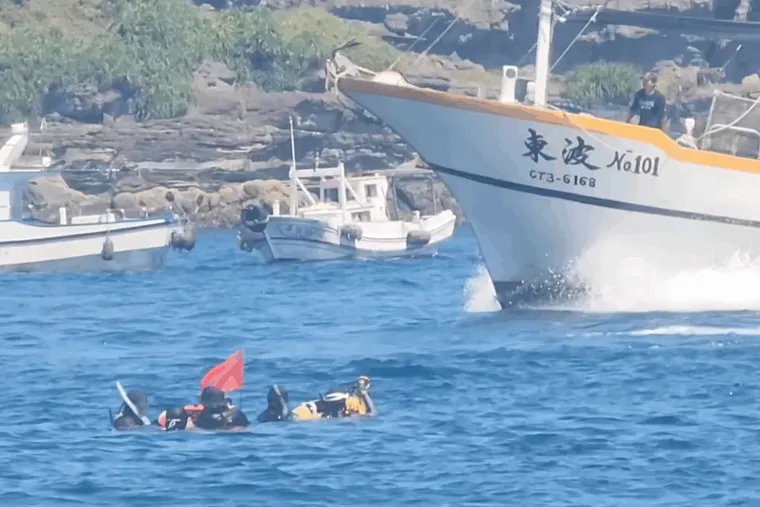
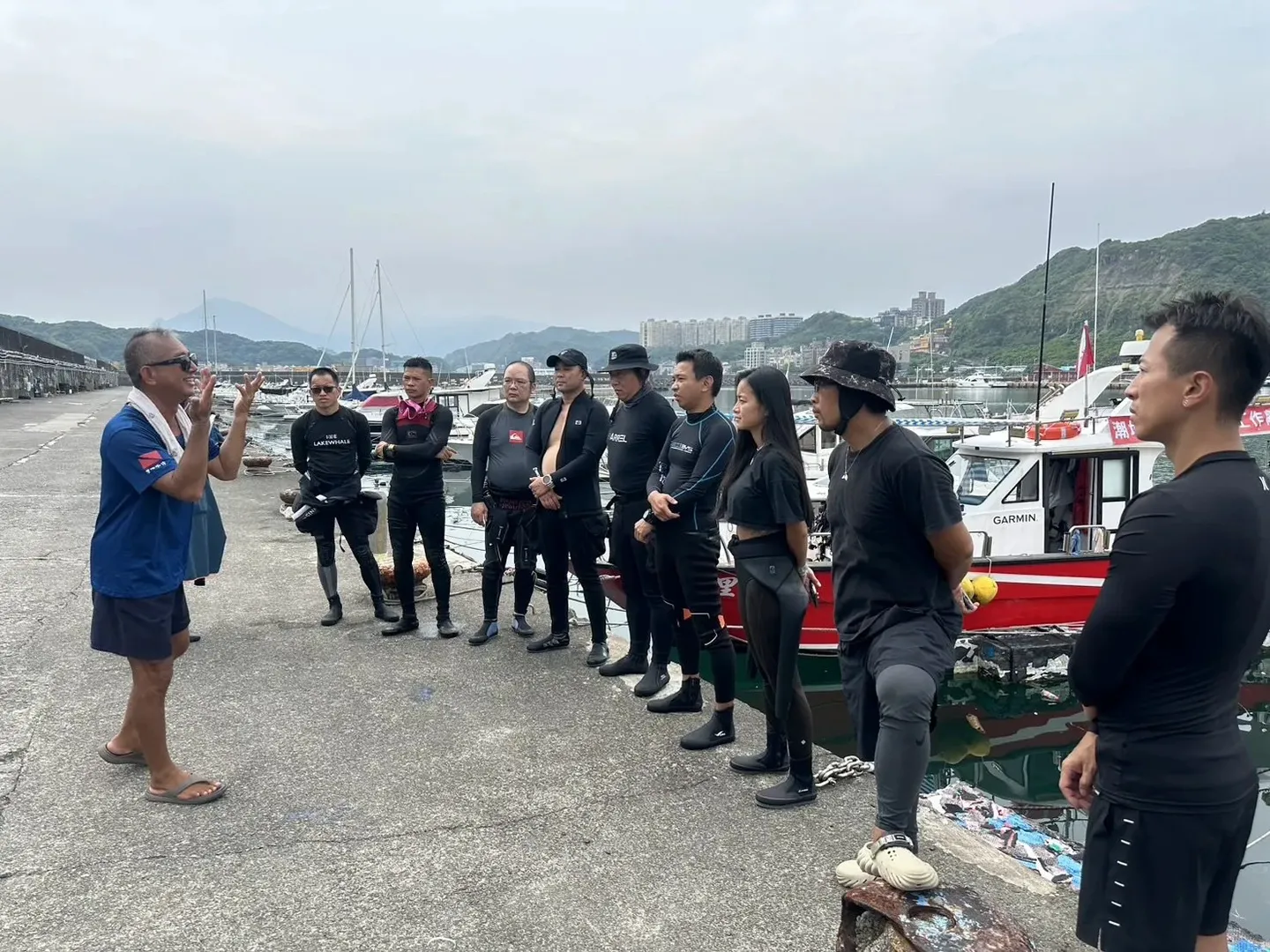
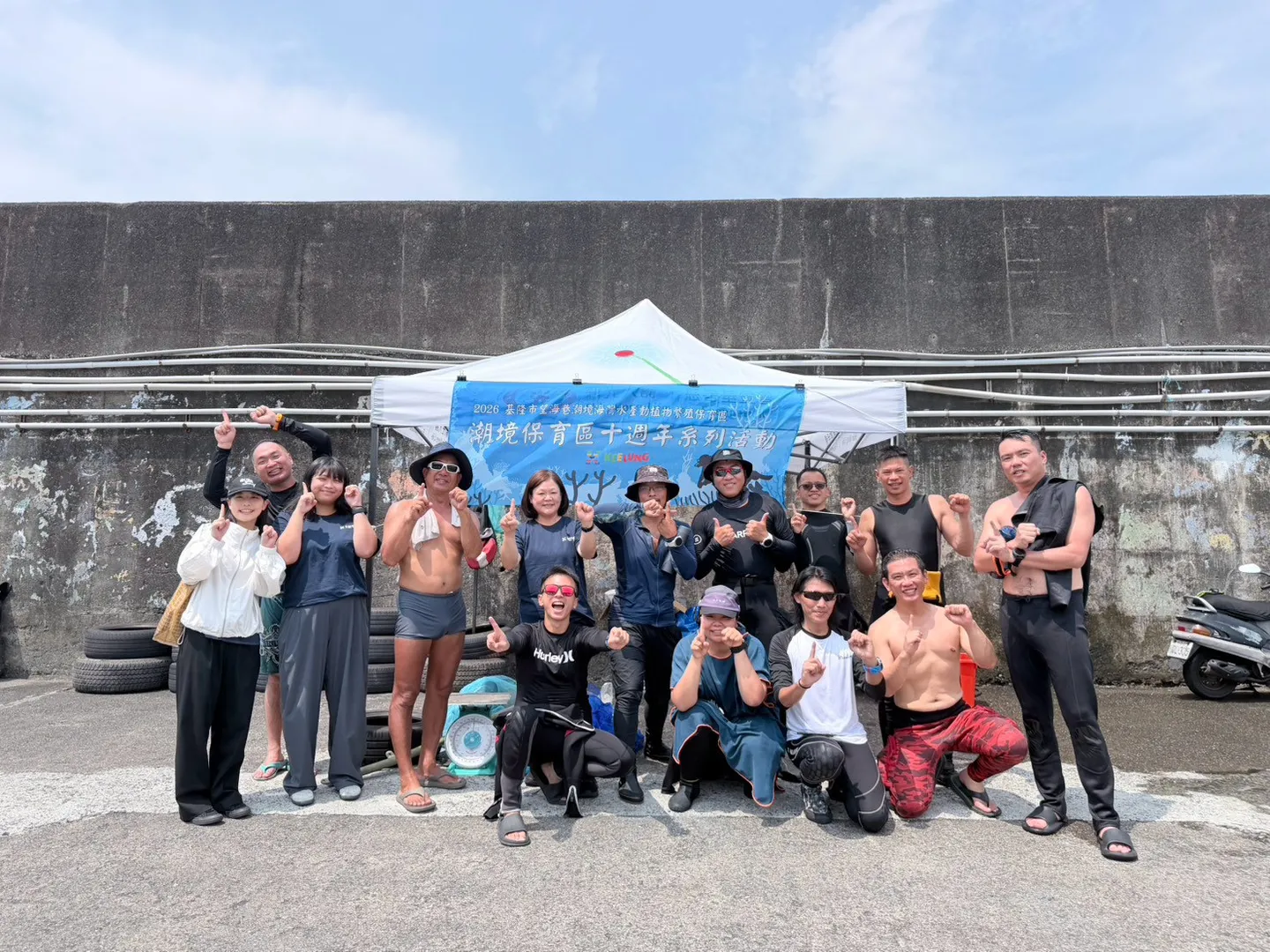
On July 31, 2026, the Chaojing Marine Reserve marked its tenth anniversary. As part of that day's events, 28 participants took to the water for an ocean cleanup — a fitting way to look back on a decade of caring for this sea.
Ten Years: From a Boundary Line to a Living Sea
Chaojing's story predates the reserve itself. In 1999, the Keelung City Government first designated the Wanghaixiang area as an artificial reef zone with a fishing ban; in 2016, it was formally established as the "Wanghaixiang Chaojing Bay Aquatic Resource Conservation Area" — Keelung's first marine protected area (MPA) with comprehensive prohibitions on fishing, netting, and harvesting.
The Keelung City Government didn't stop at drawing a line. In April 2024, "Chaojing Marine Reserve 2.0" came into effect, expanding the area from 15 hectares to 18.6 hectares, delineating a core zone and a sustainable-use zone. It also became Taiwan's first MPA to implement simultaneous carrying-capacity controls over both land and sea, with an added rest period running from November through March each year.
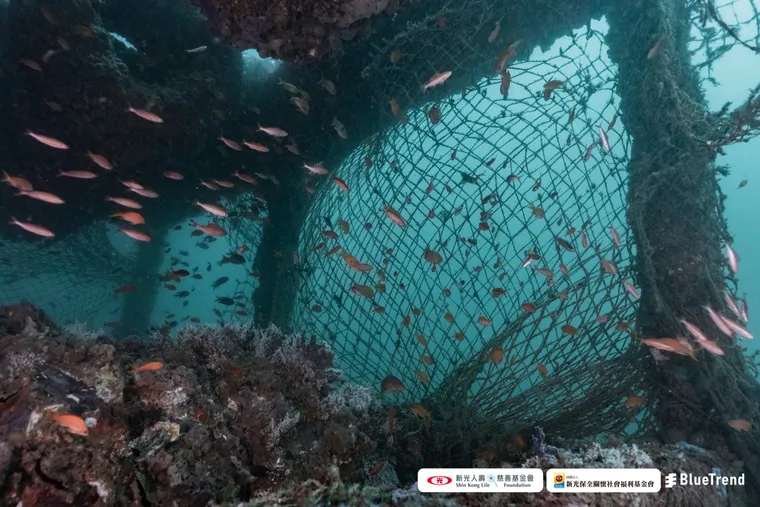
Ten years of stewardship have produced visible results. In 2022, the Ocean Conservation Administration evaluated 45 MPAs across Taiwan; only 7 achieved "full protection" status — Chaojing was among them. Survey data also shows that in the first three quarters of 2023, 151 species of fish were recorded within Chaojing, compared to just 76 in adjacent waters without effective enforcement — a biomass difference of up to 27 times.


Two Tanks, Two Worlds
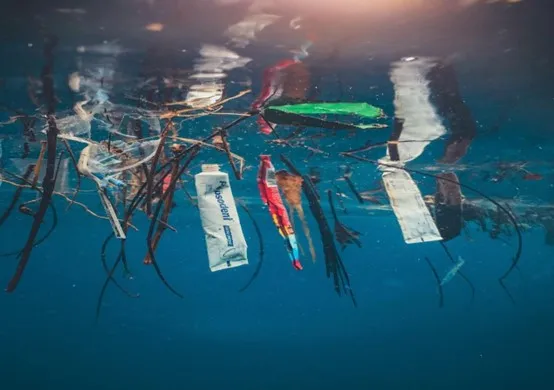
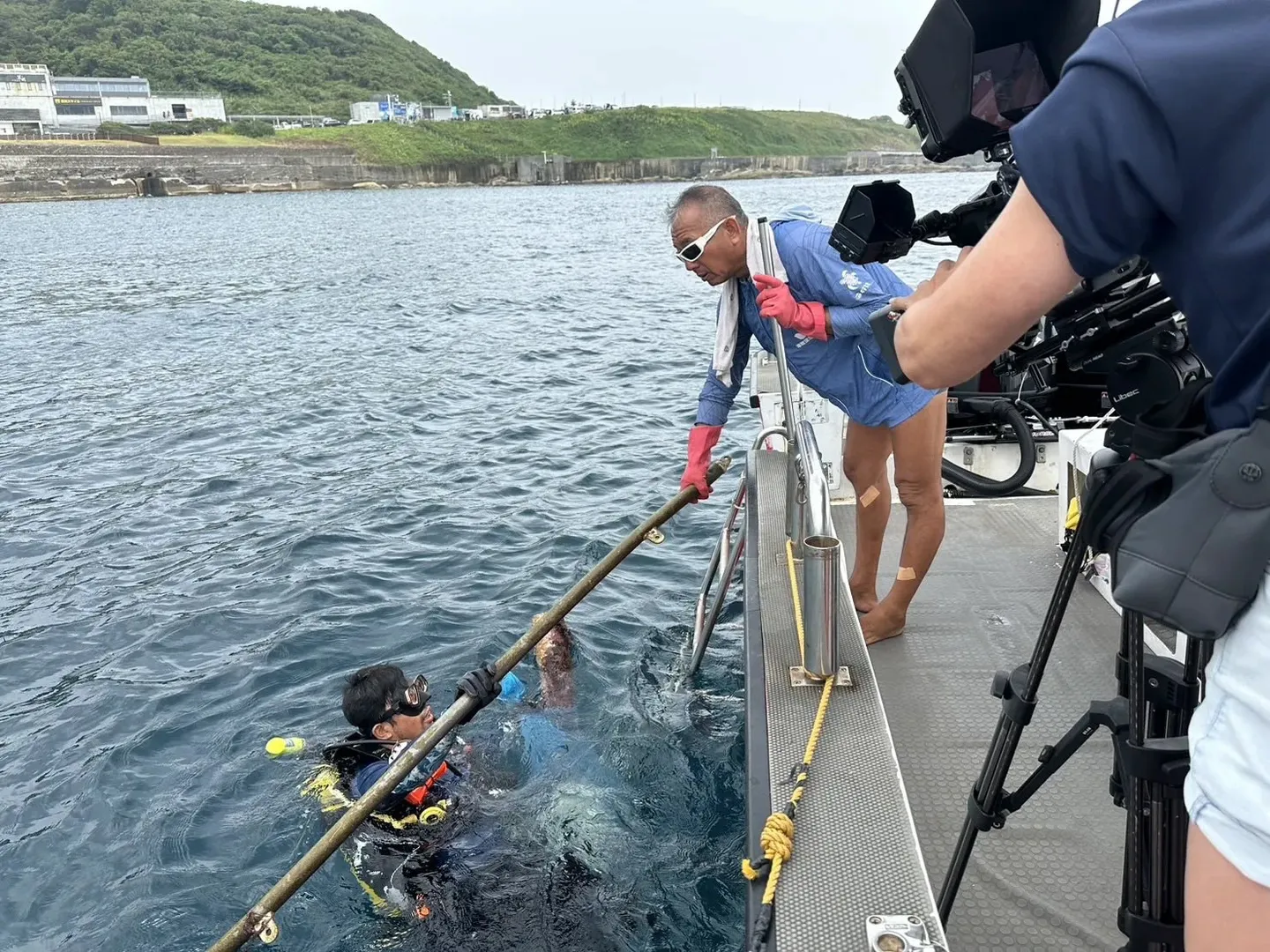
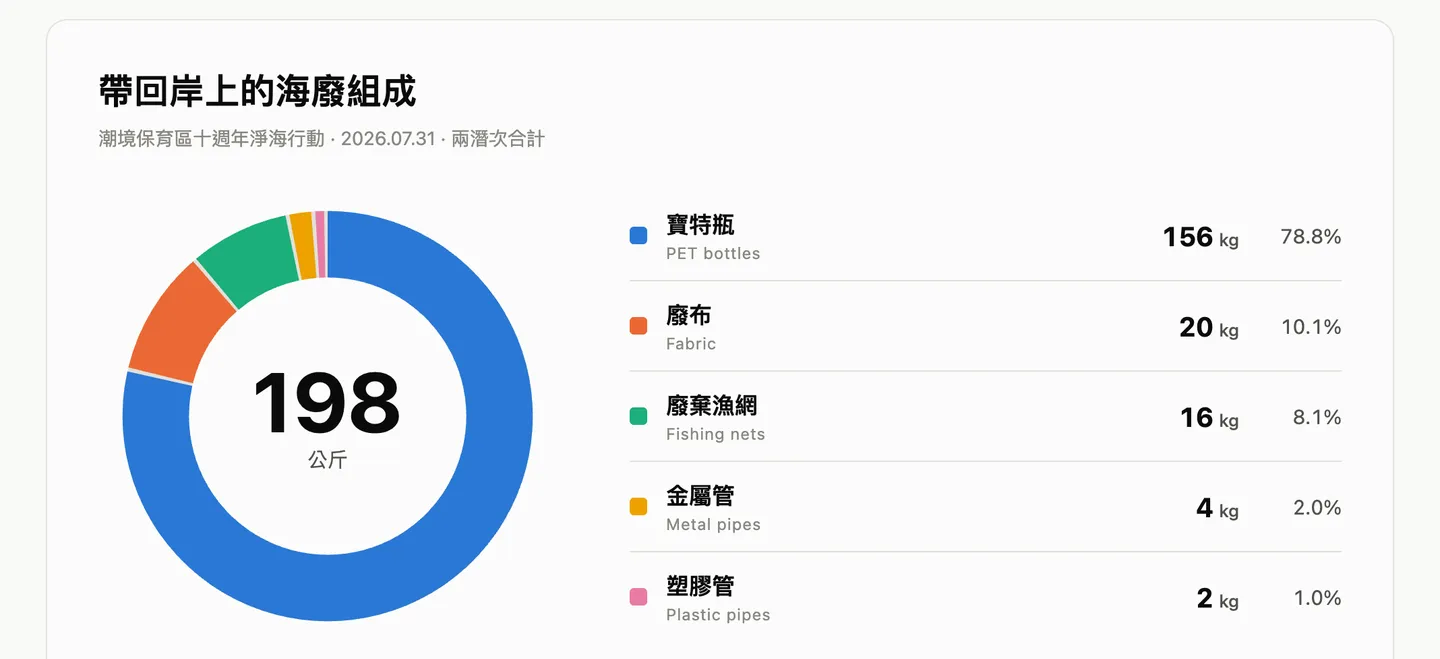
Two dives were planned for the day. The morning dive went into the reserve, and true to expectations, there was very little debris — just 42 kg in total, mostly discarded fabric and abandoned fishing nets, not a single plastic bottle in sight. The afternoon dive moved to the waters outside National Taiwan Ocean University. The same sea, just without that protective boundary line — and the results were startling: 156 kg hauled up in a single dive, almost entirely plastic bottles. The two dives combined: 198 kg.
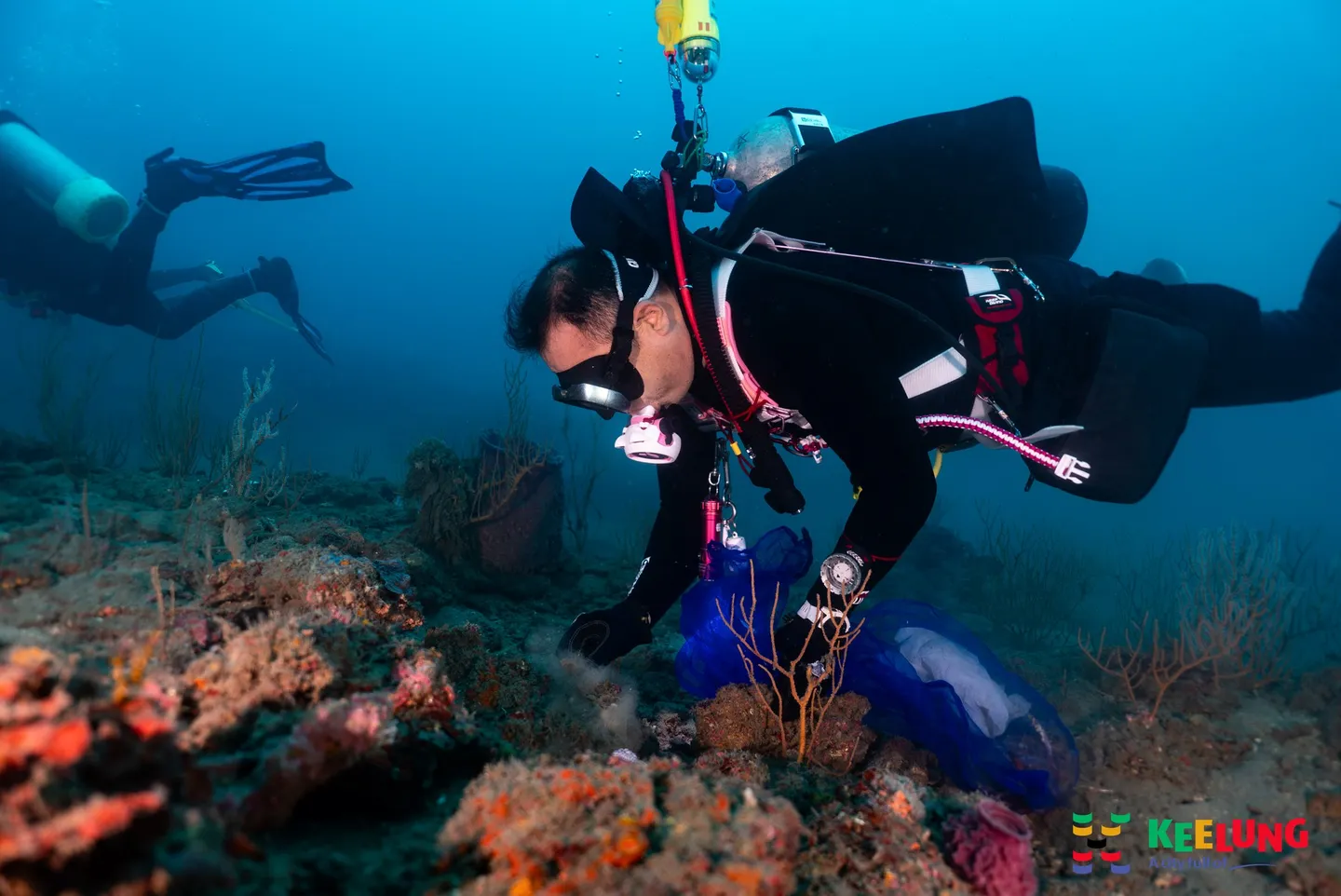
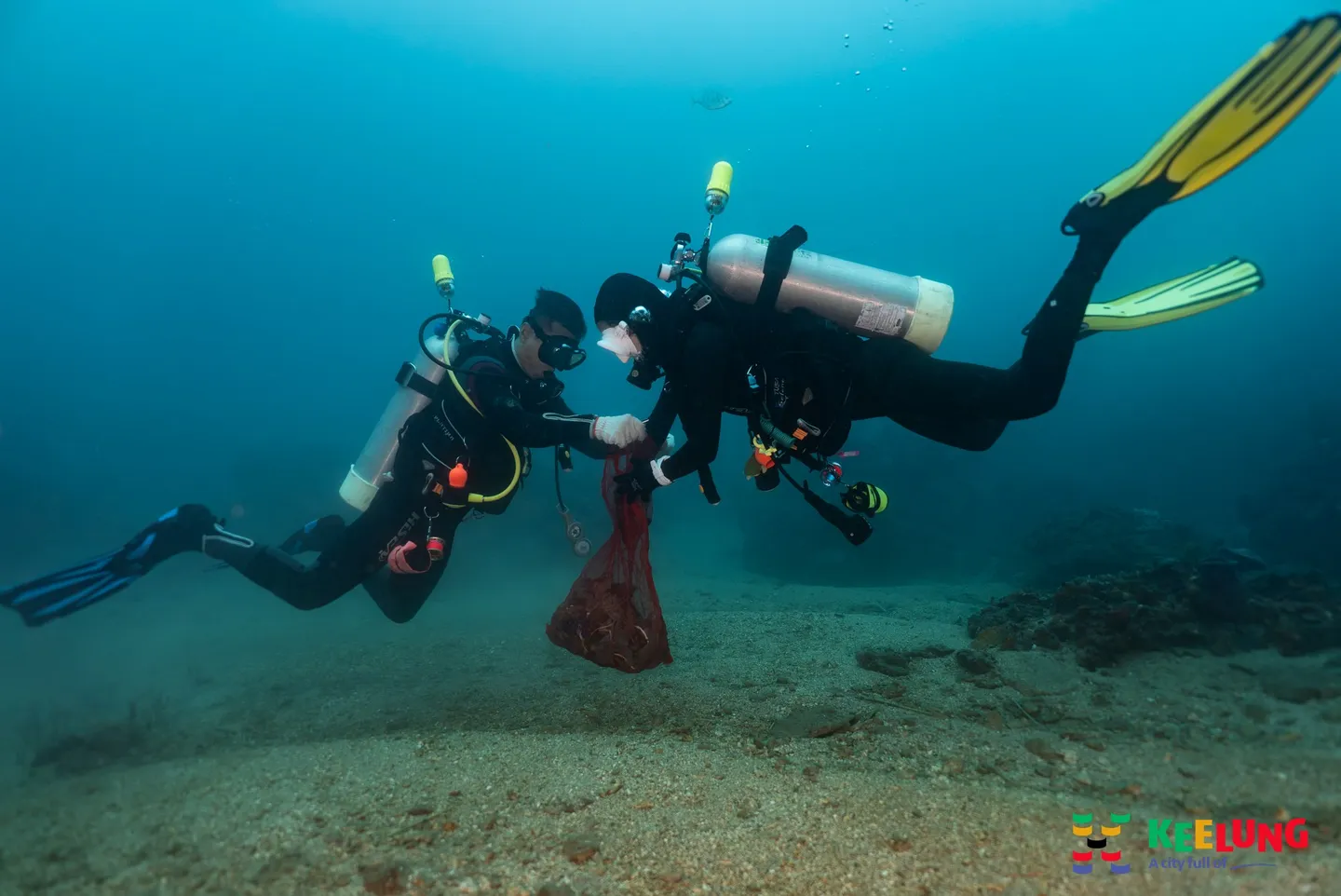
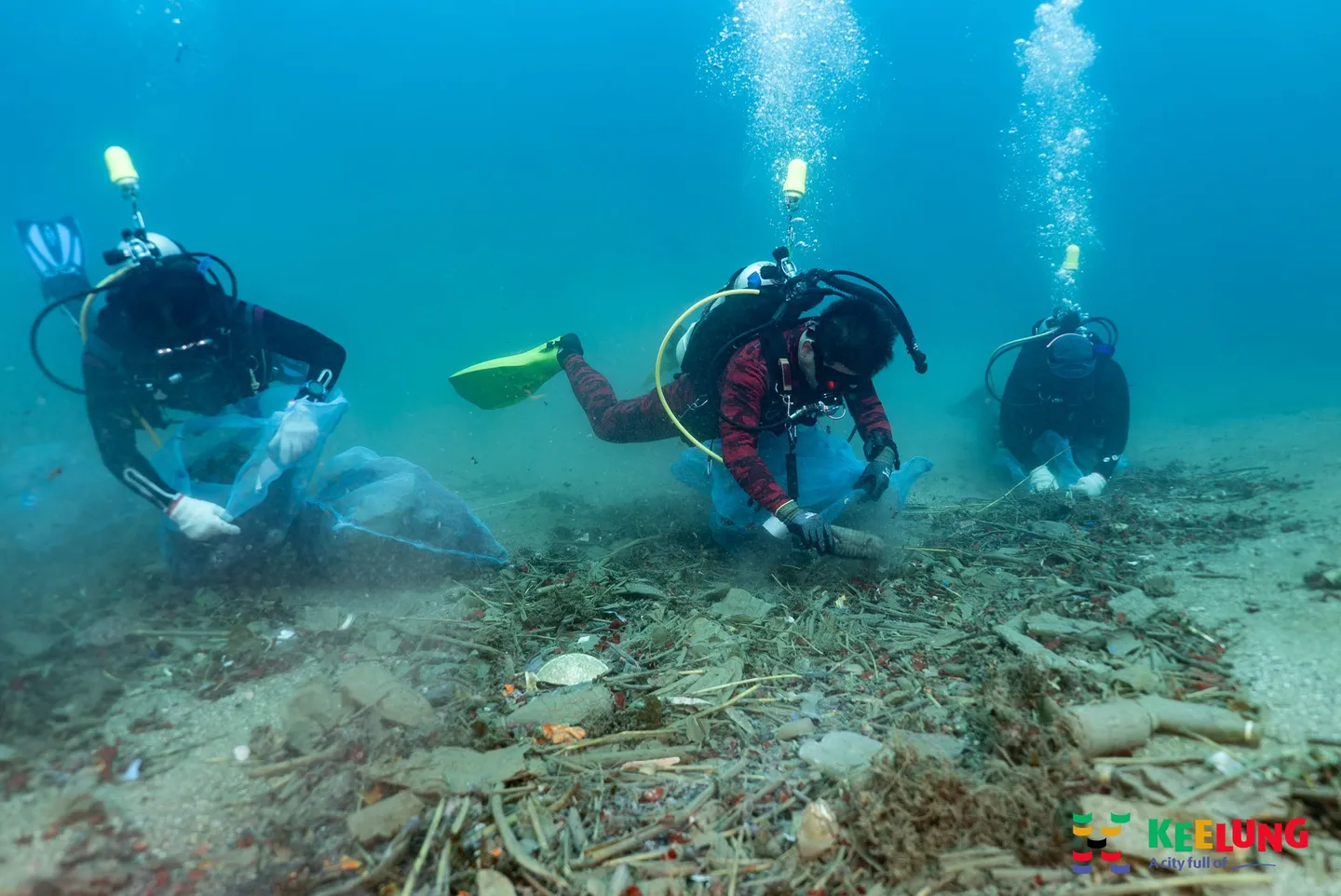
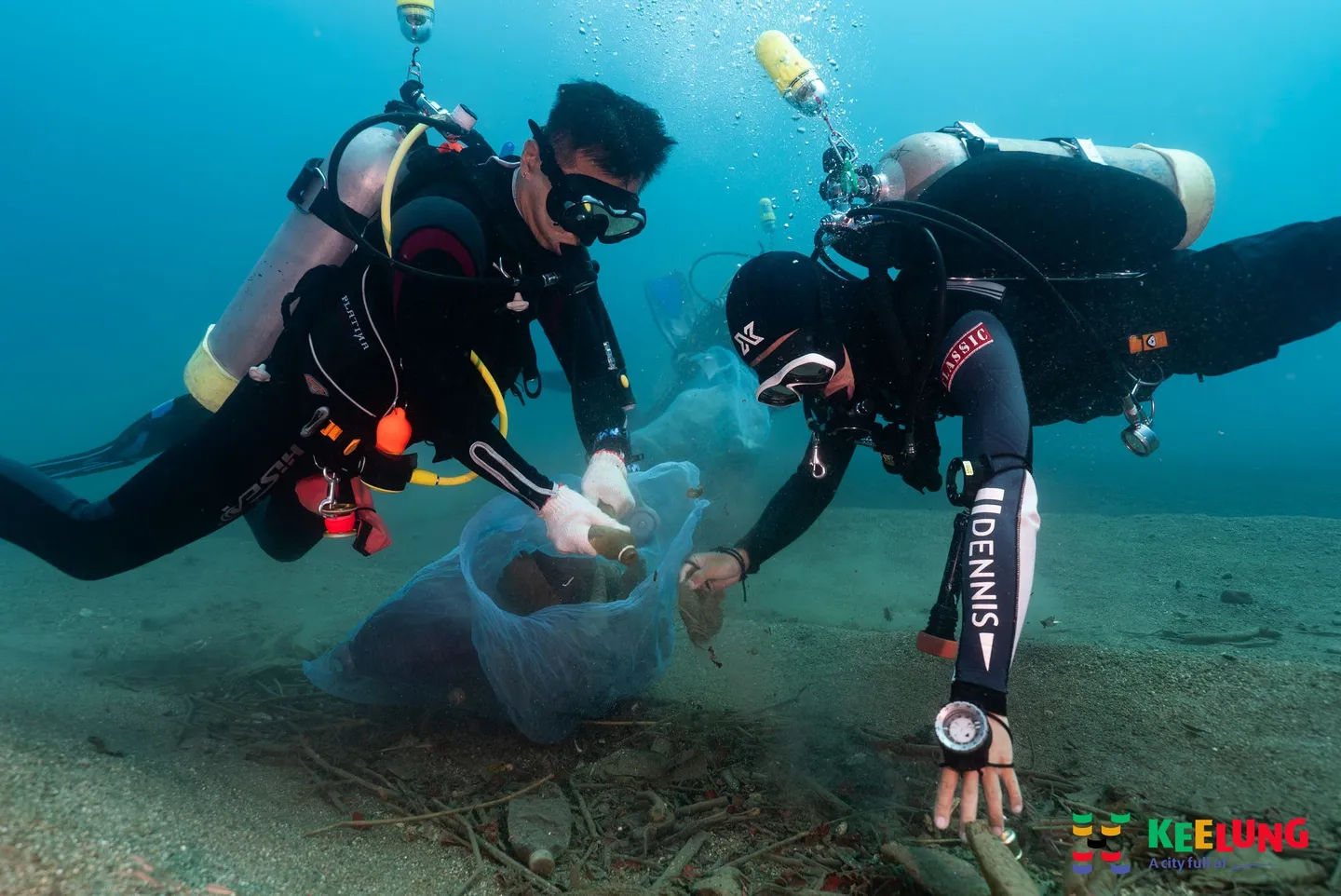
"The Role a Diver Can Play Is Called Change Maker"
During the event, we spoke with Lisa, a diver who has long participated in marine restoration projects overseas — this was her first ocean cleanup in Taiwan. She told us: "Being able to bring something I love doing abroad back home, and making the ocean a little cleaner here, is something I'm really proud of." When asked what else a diver can do for the sea, her answer was clear:
"The role a diver can play is called Change Maker. We are the people who understand the ocean best, and who love it most — so we should be the ones to drive change within it.
Diving is inseparable from tourism and recreation. If we don't take care of the marine environment, it will ultimately fail to give anything back to leisure and tourism. So as divers, we should see ourselves as the ones who actively contribute and actively change things — not sit back waiting for someone else to act while we stick to sightseeing and recreation."
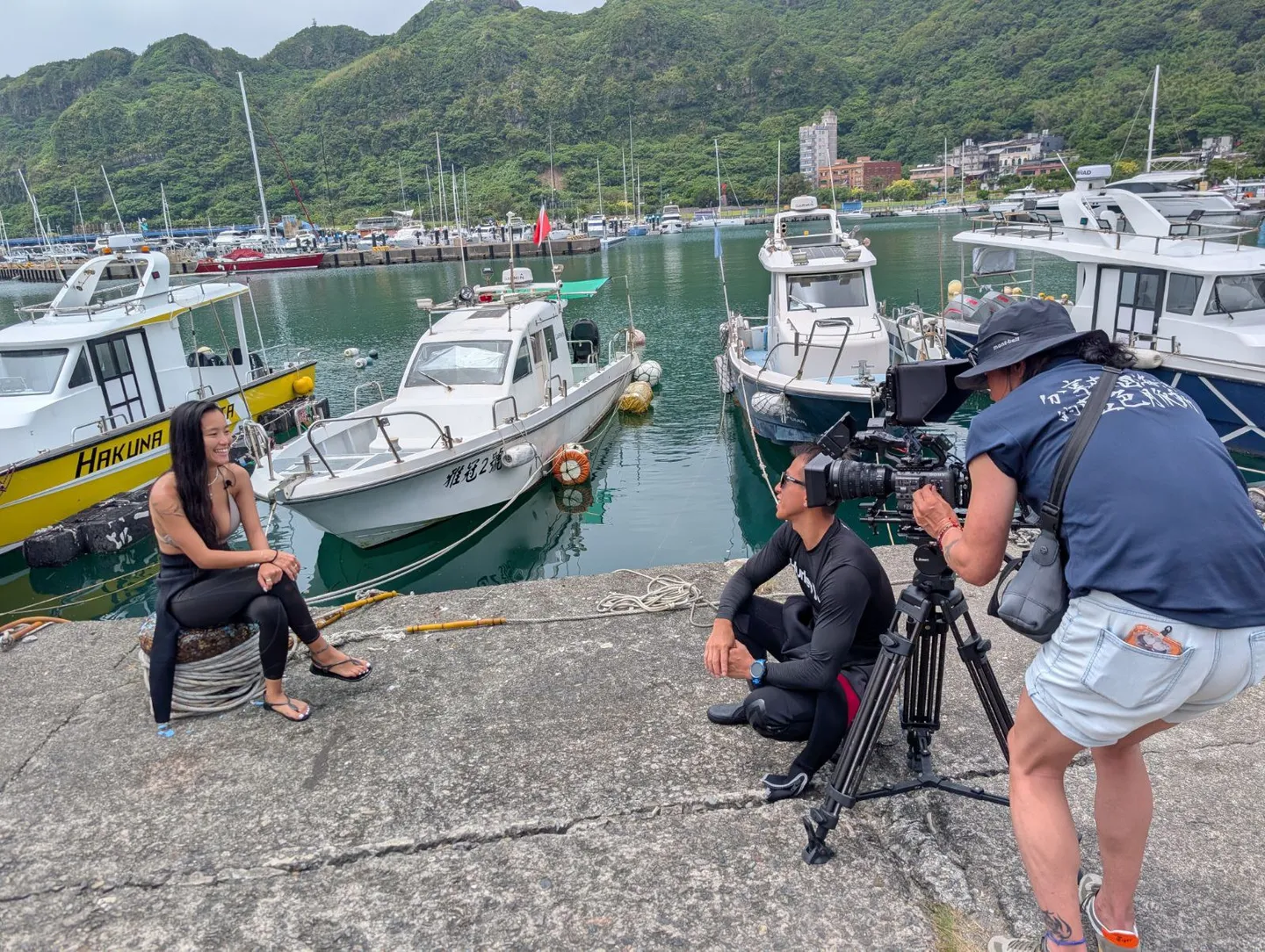
She also said that ocean cleanup is actually a lot of fun, and what it really tests is a diver's powers of observation: what counts as trash and what doesn't, what should be collected and what should be left alone. "Since you're already in the water, you're going to see marine life anyway — you might as well pick a few things up on your way."
Every Diver Can Be a Seed
Ten years have transformed Chaojing from an overexploited bay into one of the rare stretches of ocean in Taiwan to achieve full protection. Behind that transformation are Keelung City Government's regulations, enforcement, and carrying-capacity management; research teams conducting surveys year after year; and countless self-organised dives like this one — cleanups and patrols carried out by divers of their own accord.
198 kg is just one day's number. What was truly brought to the surface is a reminder: how fortunate we are to witness a patch of ocean slowly recovering with our own eyes — and how, because of that, the responsibility to keep it going falls on us.
Change doesn't need to wait for someone to give the order. Next time you strap on your scuba tank, consider bringing a collection bag alongside your camera.
Further Reading