Contents(5)
- Sweeping the Ocean Floor Clean: The Impact on Entire Marine Ecosystems
- Breaching the Seafloor Carbon Store: How Bottom Trawling Accelerates Climate Change
- Earning €180 Million, Losing €16 Billion: Who Is Paying for Cheap Seafood?
- Trawling Inside Marine Protected Areas: Europe Begins to Rethink Bottom Trawling Policy
- References
Bottom trawling has long been a dominant fishing method, but the latest research shows its social costs far exceed industry profits. In addition to disturbing the seafloor's carbon stores — thereby worsening both warming and ocean acidification — the practice is heavily reliant on government subsidies and generates serious bycatch and resource waste. European nations are now beginning to reassess whether bottom trawling is justifiable or sustainable.
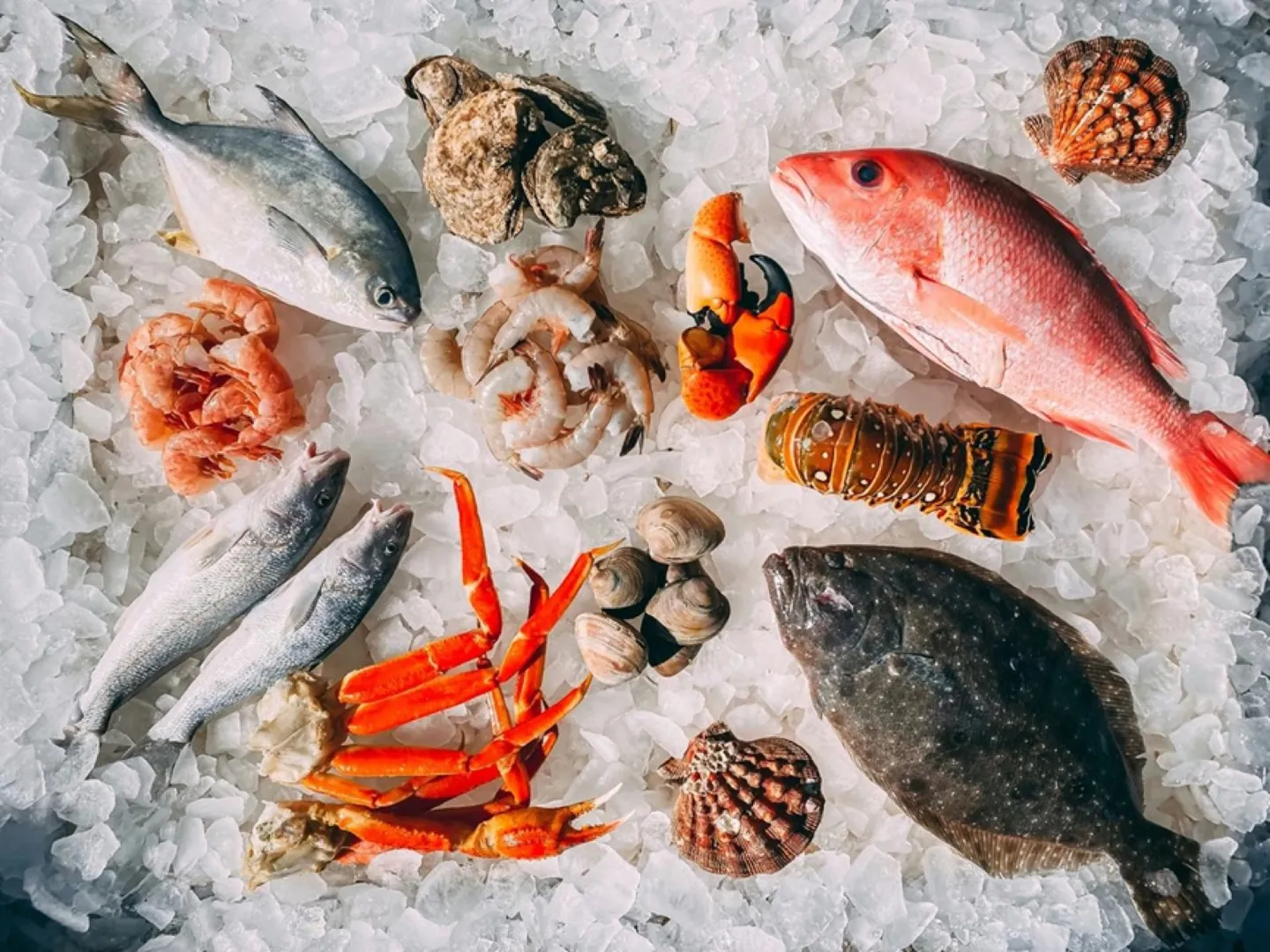
When consumers pick up affordable seafood at the supermarket, they rarely think about how that catch made it to shore. For decades, bottom trawling has been the world's dominant industrial fishing method — yet a growing body of research points to enormous hidden environmental costs, including seafloor ecosystem destruction, biodiversity loss, and carbon emissions that far exceed anything reflected in the market price.
Sweeping the Ocean Floor Clean: The Impact on Entire Marine Ecosystems
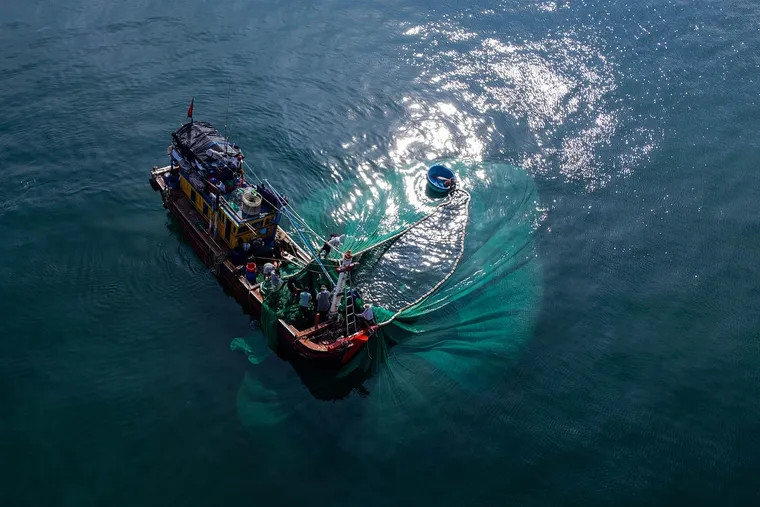
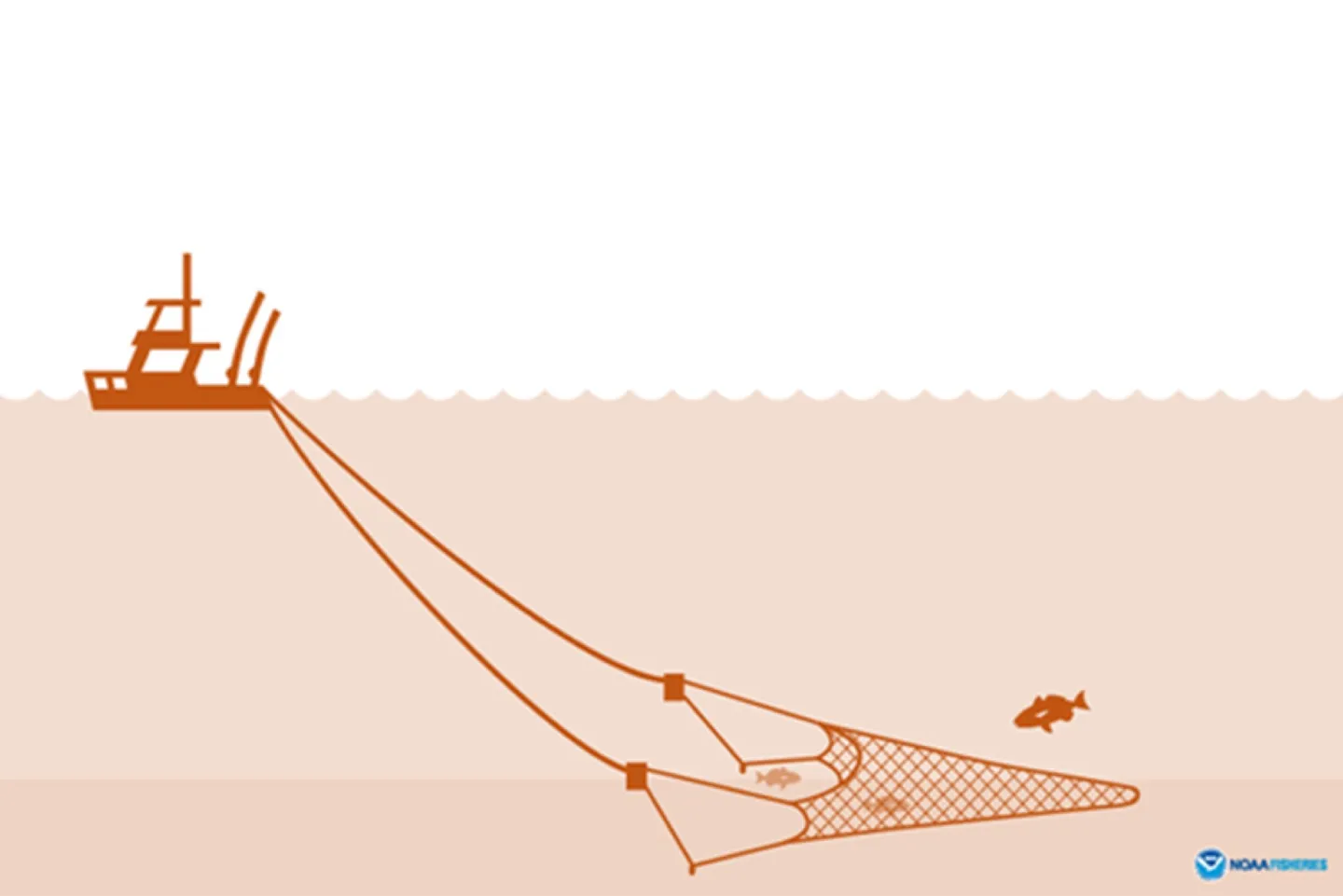
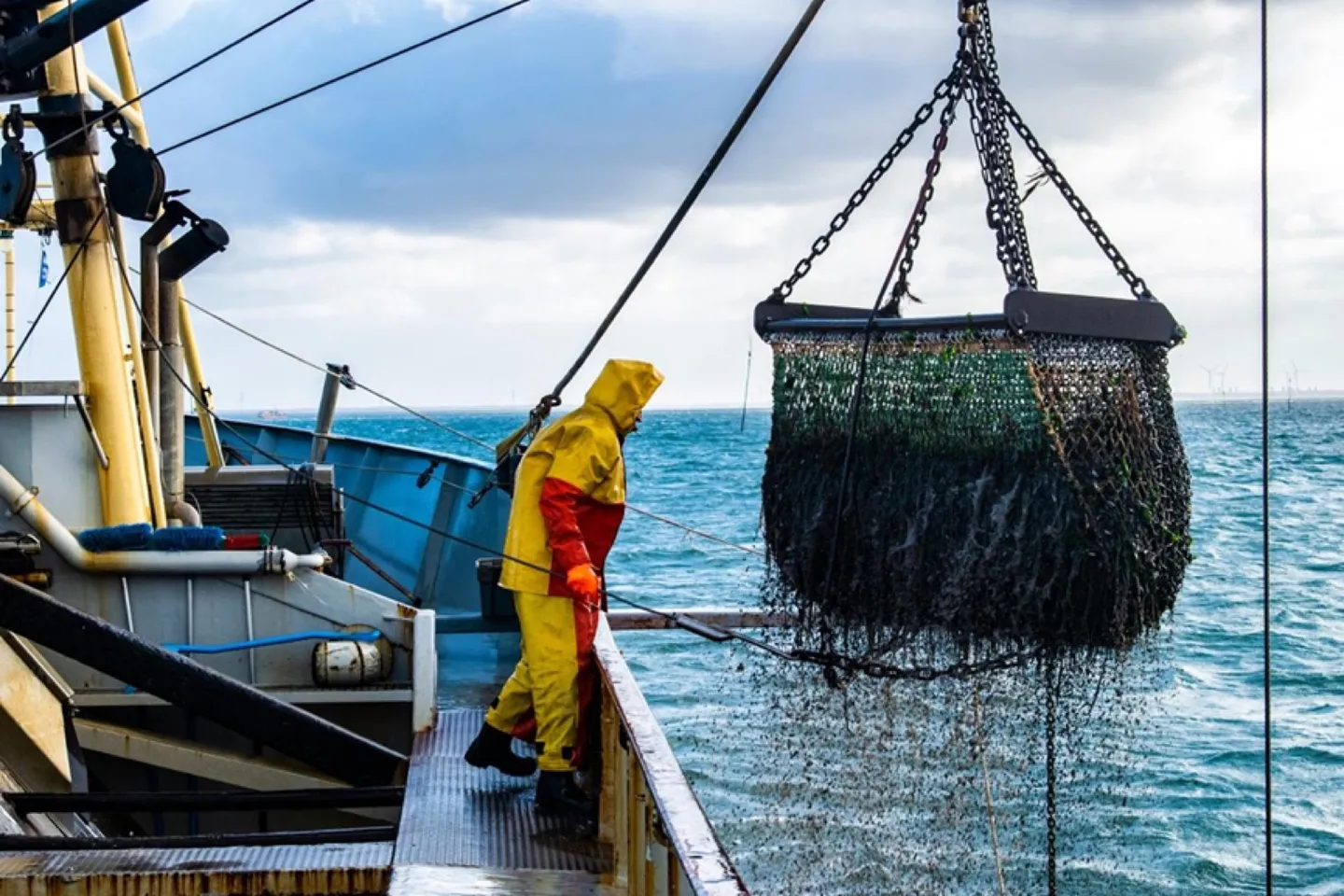
Bottom trawling works by dragging heavy nets across vast stretches of the seafloor using large fishing vessels, scooping up demersal fish, shrimp, crab, and shellfish. Some industrial trawl nets are comparable in scale to 12 Boeing 747 aircraft. Around 26% of the world's wild-caught seafood comes from bottom trawling and dredging.
Yet high efficiency comes with high impact. As heavy fishing gear is dragged across the seafloor, virtually no marine life or habitat in its path is spared. Research shows that bottom trawling not only reduces the structural complexity of seafloor habitats and permanently alters the composition of benthic communities — it can also diminish overall productivity.
The biggest problem with bottom trawling is that it does not catch only the target species.
A research team at the University of British Columbia (UBC) compiled the world's first global database of bottom trawl species, drawing on more than 9,000 records spanning 1895 to 2021. They found that at least 3,000 fish species have turned up in bottom trawl catches — including the critically endangered Giant Guitarfish, the endangered Zebra Shark, and at least 3 vulnerable seahorse species.
Approximately 95% of the species caught were not the fishers' intended target, yet 64% were still brought back to port. The research team stressed that the data currently available likely represents only the tip of the iceberg, and that countries must revisit how bottom trawl catches are recorded, assessed, and managed.


Breaching the Seafloor Carbon Store: How Bottom Trawling Accelerates Climate Change
Beyond the destruction of marine ecosystems, bottom trawling is also a contributor to climate change.
Seafloor sediments store vast quantities of carbon over the long term. Once organic carbon is buried beneath the active layer, it can remain locked away for hundreds — even hundreds of millions — of years. But human disturbance of the seafloor is undermining the ocean's long-term carbon stability. When bottom trawling churns up the seabed, researchers estimate that roughly 0.16 to 0.40 petagrams of carbon (Pg C) per year may be broken down by microbial activity.
Using historical data and future-scenario modelling, a U.S. research team estimated that 55% to 60% of the CO₂ released after trawling disturbs the seafloor enters the atmosphere within nine years. Between 1996 and 2020, global bottom trawling may have released 8.5 to 9.2 billion tonnes of CO₂ into the atmosphere each year — raising atmospheric CO₂ concentrations by approximately 0.97 to 1.14 ppm, an amount equivalent to roughly twice the fuel emissions of the entire global fishing fleet.
In addition, approximately 40% to 45% of that CO₂ does not enter the atmosphere but instead dissolves into seawater, exacerbating ocean acidification. Research has found that semi-enclosed seas such as the East China Sea and South China Sea are particularly affected.
Earning €180 Million, Losing €16 Billion: Who Is Paying for Cheap Seafood?
In the past, assessments of the fishing industry's value focused almost exclusively on catch volumes and industry revenues — but the latest research is beginning to account for climate, ecological, and public expenditure costs.
A study published in Ocean & Coastal Management analysed data from more than 4,900 European bottom trawl vessels and found that the industry generates annual profits of around €180 million. But when all social costs are factored in, the net annual loss to society from European bottom trawling amounts to somewhere between €2.25 billion and €16.15 billion. Those costs include carbon emissions, government subsidies, and bycatch losses — and the damage to marine ecosystems is so extensive it cannot even be fully quantified.
The single largest cost is climate impact. The researchers estimated that the social cost of seafloor carbon emissions amounts to €4.87 billion to €18.15 billion per year.
Beyond the climate costs, European governments spend an additional €1.17 billion per year subsidising the bottom trawling industry to offset fuel and operating expenses. Without those subsidies, the bottom trawling industry in several countries would be almost entirely unprofitable. The study also found that up to 75% of bycatch organisms die and are discarded, representing an annual loss of approximately €220 million.
Trawling Inside Marine Protected Areas: Europe Begins to Rethink Bottom Trawling Policy
Surprisingly, even marine protected areas (MPAs) are not necessarily free from bottom trawling.
Research found that around 23.2% of European bottom trawling activity takes place within MPAs. A separate study analysing 727 EU marine protected areas found that 59% still allow commercial bottom trawling, with trawling intensity even 38% higher than in non-protected areas.
The research also found that populations of sensitive species — including sharks, manta rays, and rays — declined by 69% in some heavily trawled areas, demonstrating that areas nominally designated as marine protected areas can still face intense fishing pressure.
In response, Greece has announced a ban on bottom trawling in all MPAs by 2030, with Sweden progressively following suit. The European Commission has called for the phasing out of all bottom trawling activity within marine protected areas by 2030.
Cheap seafood may never have been cheap at all. Now, scientists have put a number on these costs, making it possible for people to see what bottom trawling truly costs. Those costs may not appear on the supermarket price tag — but they may ultimately be borne by all of society, in the form of climate change, ecological degradation, and public expenditure.
References
- National Geographic, New Peer-Reviewed Study: Bottom Trawling in Europe's Waters Costs Society up to €16 Billion Annually — Mostly Due to Climate Impacts
- ScienceDirect, The value of bottom trawling in Europe
- frontiers, Atmospheric CO2 emissions and ocean acidification from bottom-trawling
- Science, Elevated trawling inside protected areas undermines conservation outcomes in a global fishing hot spot
- The University of British Columbia, Bottom trawling catches thousands of fish species, including those most at-risk
※ This article is reproduced from the Delta Electronics Foundation's Low-Carbon Living Blog: 〈便宜海鮮的代價是什麼?底拖網的成本比你想像還高〉, co-produced with BlueTrend.