Contents(8)
- New Taipei Marine Protected Area Draft: A Three-Nautical-Mile Coastal Belt with Tiered Regulation
- Two Camps on Social Media
- Fishing and Hunting Promotion Association and Recreational Harvesting Alliance: Against Blanket Bans, Advocating Tiered Management
- Petition in Support of Expanded Conservation: TNF and Partner Organizations
- A Shared Challenge Beyond the Debate: Enforcement Capacity
- A Case Study in Contrast: Success and Failure Across Two Keelung Marine Protected Areas
- Public Participation: What You Can Do Before August 17
- Conclusion
New Taipei's marine protected areas are about to expand. The New Taipei City Government has announced a draft amendment to the "Gongliao, Wanli, and Ruifang Aquatic Animal and Plant Breeding Conservation Zone and Related Restrictions," planning to upgrade the existing scattered, point-based conservation zones into a continuous coastal belt extending three nautical miles seaward from the high-tide line, with restrictions on the use of diving equipment, spearguns, and spears for harvesting. The draft was publicly announced on June 17, 2026, with a public comment period running through August 17 of the same year. Two opposing views have emerged on social media: one camp advocates tiered management that brings legal harvesting under regulation, while the other has launched a petition supporting expanded conservation and a speargun ban. This article summarizes the key points of the draft and the arguments on both sides, and concludes by examining a shared challenge that neither side can ignore: enforcement capacity.
New Taipei Marine Protected Area Draft: A Three-Nautical-Mile Coastal Belt with Tiered Regulation
According to the New Taipei City Fisheries and Fishing Port Administration, coastal catch volumes in New Taipei declined from 5,919 metric tons in 2012 to 3,516 metric tons in 2024 — a drop of roughly 40% over twelve years — while common species such as Acanthopagrus schlegelii and three-lined grunt have shown signs of decreasing body size. The fisheries authority stated that the previous point-based conservation zones were too small to achieve meaningful conservation outcomes, and thus plans to connect the coastlines of Gongliao, Wanli, and Ruifang into a single continuous conservation belt.
The draft adopts a tiered management approach. Core conservation zones will be subject to strict no-take rules, while the larger sustainable-use zones will primarily regulate spearfishing, spear-and-line harvesting, and SCUBA-assisted collection — activities with greater impact on coastal reef ecosystems. Lawful operations by local fishing vessels and shore angling by the general public will remain permitted under applicable regulations. National Taiwan Ocean University professor Chen Yi-Xiong, interviewed on the matter, recommended regulating spearfishing within three nautical miles of the coast and encouraging observation and underwater photography as alternatives to harvesting. The draft remains in its public notice period and has not yet been finalized.


Two Camps on Social Media
This round of draft amendments has sparked widespread discussion online. A July 8 post by BlueTrend covering the topic accumulated over 466,000 views, reached approximately 300,000 people, and generated more than 3,000 interactions — demonstrating that marine protected area regulations have become a highly visible public issue. The following is a summary of the arguments from both sides for readers' reference.

Fishing and Hunting Promotion Association and Recreational Harvesting Alliance: Against Blanket Bans, Advocating Tiered Management
Those opposing a comprehensive speargun ban are represented primarily by the Taiwan Sustainable Fishing Methods and Hunting Promotion Association and the Taiwan Ocean Sustainable Recreational Harvesting Alliance, both of which have been vocal on social media. Both groups support the designation of conservation zones and stronger protection in core areas; the Alliance also advocates increasing overall conservation area and clearly delineating core, buffer, and sustainable-use zones. Within the sustainable-use zone, both the Association and the Alliance favor bringing spearguns under regulation rather than an outright ban, with accompanying measures such as minimum size limits, seasonal and quantity restrictions, prohibitions on commercial sale, and mandatory reporting. They also call on the government to release scientific data and hold public information sessions. Notably, the Alliance has also expressed willingness to assist the government with evidence gathering and the collection of scientific data, focusing on strengthening management and enforcement. See the Fishing and Hunting Promotion Association post and the Recreational Harvesting Alliance position statement for their full arguments.
Petition in Support of Expanded Conservation: TNF and Partner Organizations
The pro-conservation camp has launched a formal petition: "Stand Behind the Ocean — Support New Taipei City's Expanded Marine Protected Areas," co-organized by the Taiwan Nature and Environment Information Foundation (TNF), the Taiwan Mountain and Ocean Angel Environmental Conservation Association, Hai Yong Studio, and the Taiwan Blue Ocean Alliance, among others. The petition supports the draft and calls for more comprehensive management, including expanding conservation area, applying the precautionary principle, implementing tiered management across core, buffer, and sustainable-use zones, explicitly prohibiting harvesting tools (spearguns and diving equipment), establishing species-specific no-harvest seasons and size limits, aligning with the international Kunming-Montreal Global Biodiversity Framework targets, and preserving Indigenous peoples' cultural harvesting rights. It should be noted that this petition advocates for stricter tiered protection — the sustainable-use zone would still allow a degree of harvesting under regulation — and does not call for a total ban on all fishing. The petition page is available on the Taiwan Nature and Environment Information Foundation website.
A Shared Challenge Beyond the Debate: Enforcement Capacity
Regardless of whether the final draft leans toward prohibition or conditional permitting, the real protection of this stretch of ocean depends on one thing: enforcement capacity. Taiwan has no shortage of marine protected areas — the critical question is whether they can be effectively enforced after designation. Based on BlueTrend's long-term observation of Taiwan's ocean governance landscape, the following enforcement challenges deserve attention from all sides:
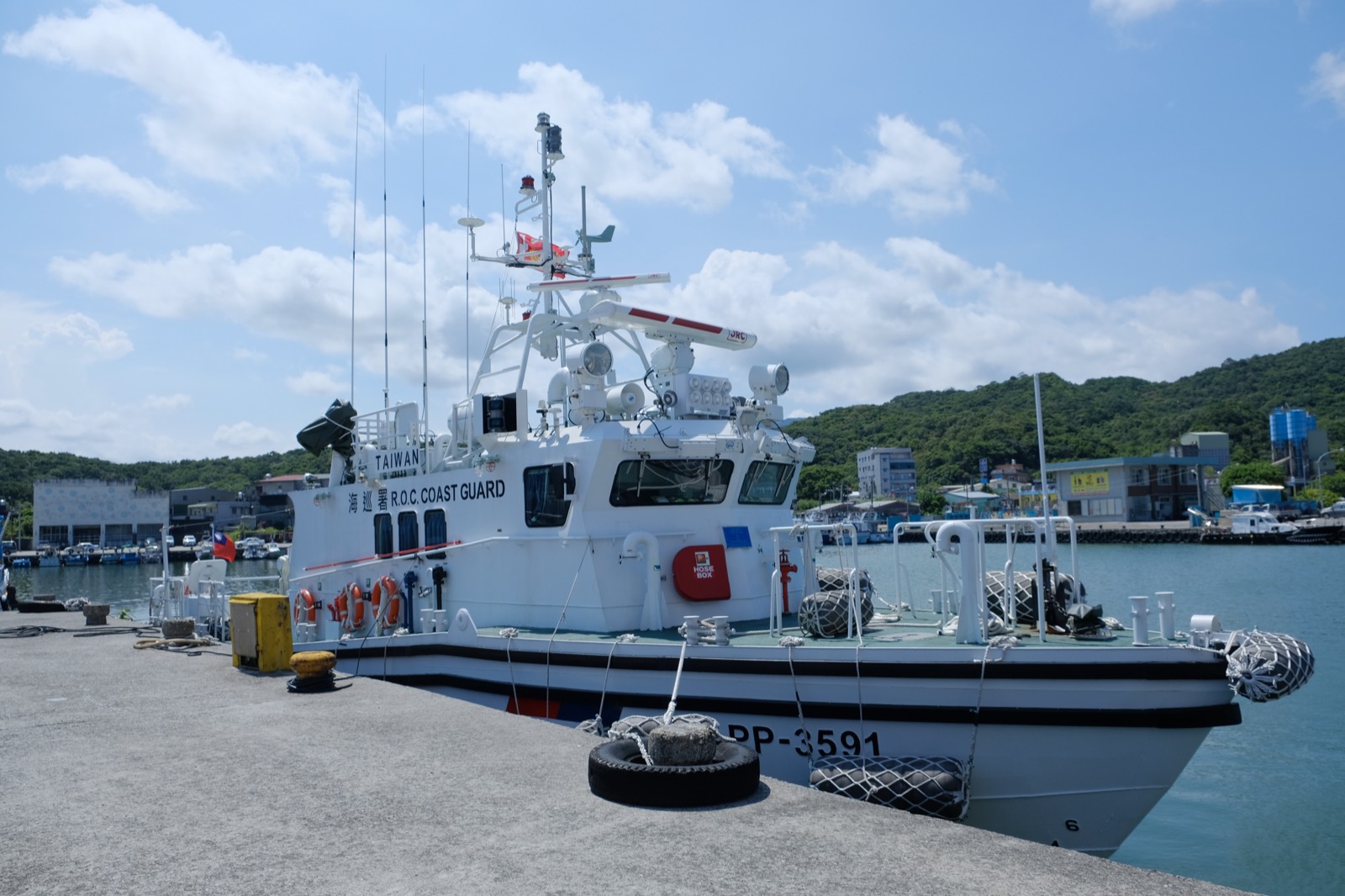
- Maritime enforcement authority rests primarily with the central Coast Guard Administration: Sea patrol, interception, and apprehension are the primary jurisdiction of the Ocean Affairs Council's Coast Guard Administration. Local fisheries authorities lack the practical capacity for maritime patrols and case-by-case inspections.
- The finer the management, the greater the enforcement burden: A blanket ban is relatively easy to assess visually; tiered management requires weighing individual catches, identifying species, and tracing origins and destinations — demands far exceeding current enforcement capacity.
- Evidence collection is a practical bottleneck: Violations occur underwater during harvesting, and catches must be verified on the spot or after the fact through the catch itself. Possessing or carrying a speargun is not itself illegal, and once equipment and catch are stowed after returning to port, evidence becomes difficult to obtain. A related case can be found in our report on spearfishing at Keelung's artificial reef no-take zone.
- Zone boundaries and regulations must be clearly marked: Clearly posted signage indicating conservation zone boundaries and prohibited activities would assist frontline enforcement and public recognition.
- Central–local coordination: Local governments may consider establishing joint maritime enforcement or contracted patrol mechanisms with the Coast Guard Administration, and should strengthen training on enforcement procedures within conservation zones to streamline the process from evidence collection to penalty.
A Case Study in Contrast: Success and Failure Across Two Keelung Marine Protected Areas
The experience of Keelung City offers a concrete point of comparison. Keelung currently has two marine protected areas. The first is the "Keelung City Wanghaijiao Chaojing Bay Aquatic Animal and Plant Breeding Conservation Zone," established in 2016 at roughly 15 hectares and later expanded to 18.6 hectares under the Chaojing 2.0 plan, with zoned management implemented. The second is the "Keelung City Aquatic Animal and Plant Conservation Zone," designated under the Fisheries Act in 1999 and far larger in scope, covering all coastal waters of Keelung City extending 1,000 meters seaward from the low-tide line — a coastline of approximately 20 kilometers.
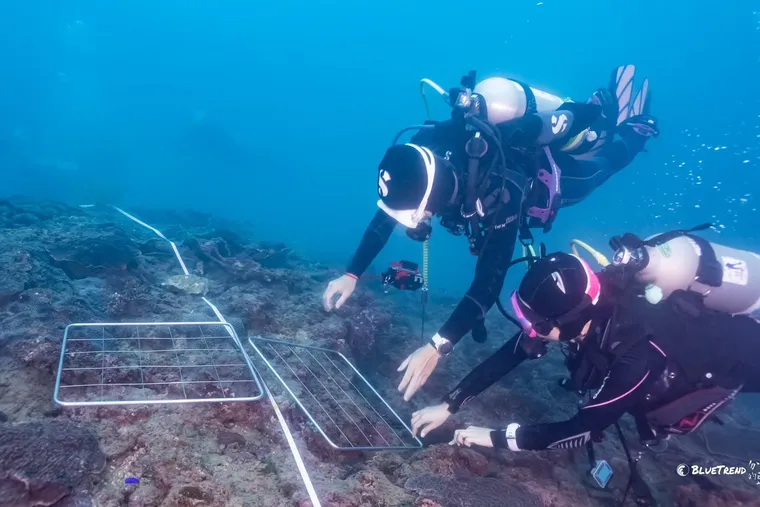
During past interviews with senior Keelung City Government officials, our team learned that one key reason the Chaojing conservation zone has become one of the rare protected areas rated as "fully protected" by the Ocean Conservation Administration is that its small size allows limited enforcement resources to provide adequate coverage and truly effective management. By contrast, the much larger conservation zone has for years been virtually unenforceable due to the inability of enforcement resources to reach its full extent — existing in name only. The conservation outcomes of Chaojing can be found in our report on the management effectiveness of Keelung's Chaojing MPA.
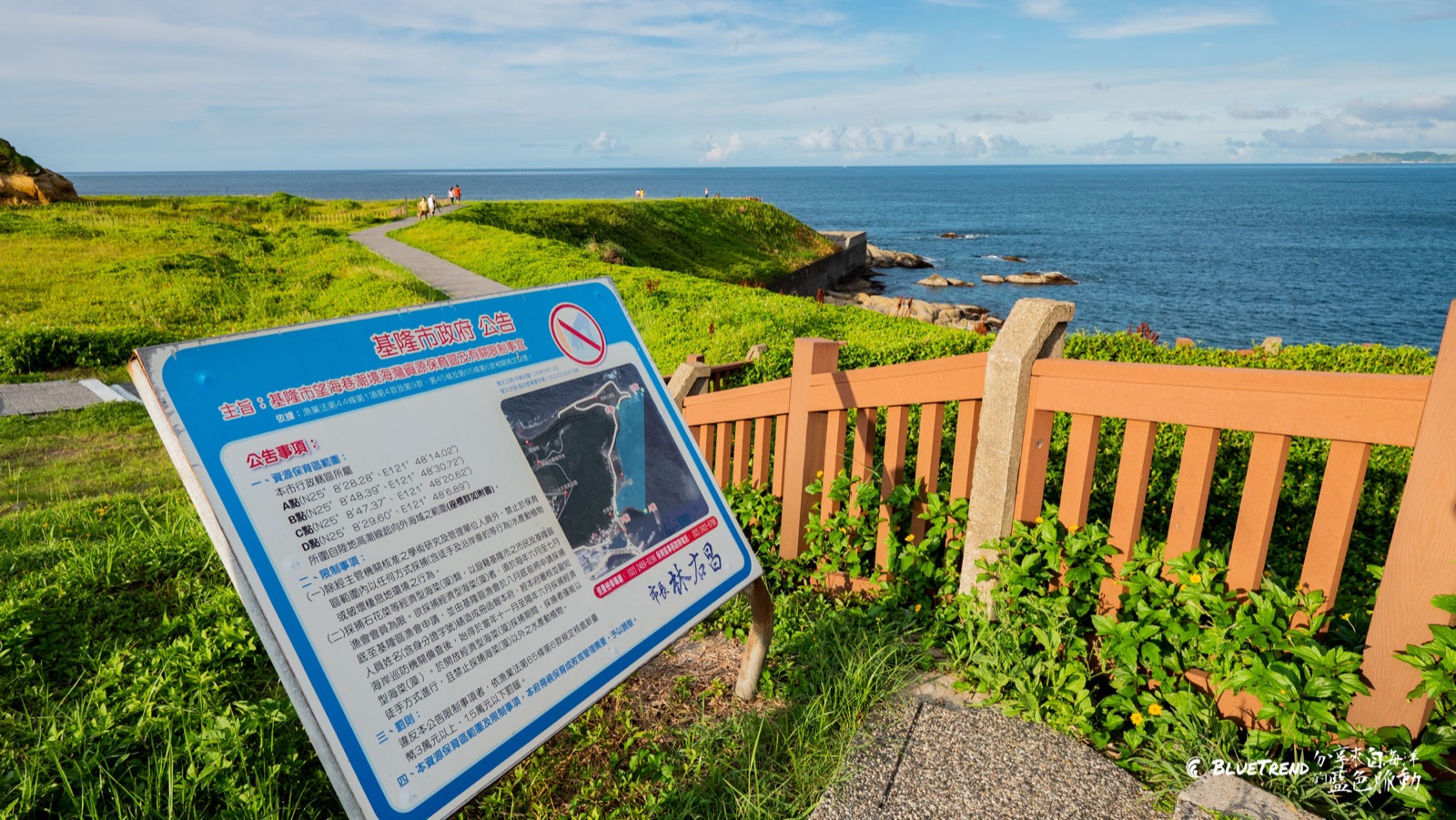
This contrast is particularly instructive for the New Taipei draft. The proposed three-nautical-mile conservation belt across Gongliao, Wanli, and Ruifang is far larger than Chaojing. Without corresponding enforcement capacity and thoughtful zone design, a larger protected area does not automatically translate into better conservation outcomes. Whether the scale of the zone can be matched by enforcement capacity will be the decisive factor in whether this draft can deliver real results.
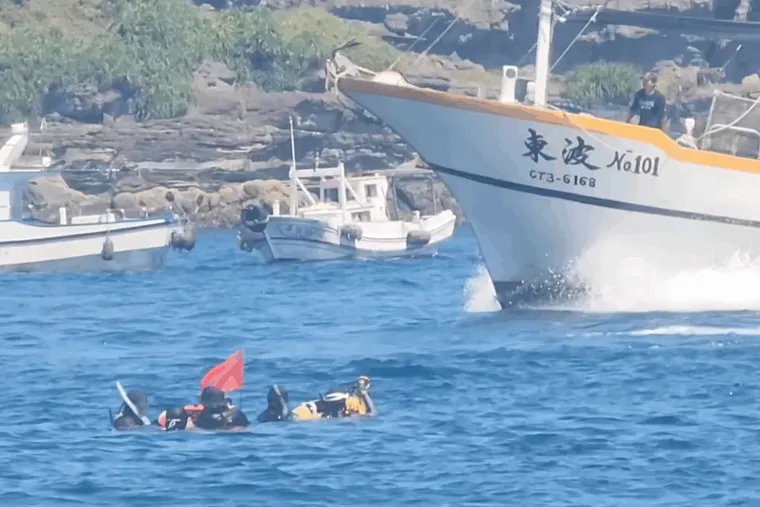
The structural issues of fragmented jurisdictions and blurred boundaries in maritime governance were also explored in our article on the conflict between Longdong fishermen and divers. Taiwan does not lack protected areas — what it lacks is the enforcement capacity to uphold them. This is a direction worthy of investment from all sides, alongside the debate over prohibition or permitting.
Public Participation: What You Can Do Before August 17
The draft is currently in a 60-day public notice and comment period, running until August 17, 2026. The purpose of the public notice process is precisely to allow all sectors of society to participate in shaping public policy and to build the broadest possible consensus through balanced discussion. Regardless of which position you support, you can submit your views before the deadline.
- Support tiered management that retains legal harvesting: See the Taiwan Sustainable Fishing Methods and Hunting Promotion Association.
- Support expanded conservation and a ban on spearguns and diving equipment: See the petition to support New Taipei City's expanded marine protected areas.
- Submit formal comments: Follow the official channels of the New Taipei City Fisheries and Fishing Port Administration to ensure your comments enter the official record.
- Report illegal harvesting: Call the Coast Guard Administration at "118" or "1999"; note the vessel name, location, and time — photographs or video are a plus.
Conclusion
This round of New Taipei marine protected area expansion has brought long-simmering tensions over ocean use to the surface. Whether to ban spearguns outright or bring them under tiered management — both sides have their positions and arguments, and the value of public policy lies in finding a consensus all parties can accept through open discussion. Beyond the debate itself, the effectiveness of any version of this draft will ultimately come down to whether enforcement can be made real. There is still time before the comment period closes, and this conversation is worth the rational engagement of more people.
Sources
- New Taipei Proposes Expanding Three-Nautical-Mile Coastal Conservation Zone — Diving Equipment and Spearguns to Be Banned (CNA)
- Wanli, Ruifang, Gongliao Conservation Zone Draft Expanded — Diving Equipment and Spearguns for Harvesting to Be Prohibited (PTS News)
- Catch Down 40% in 12 Years — New Taipei Fisheries Authority Expands Conservation Zone to Cover Three Nautical Miles Offshore (Newtalk)
- New Taipei Announces Draft Three-Nautical-Mile Conservation Zones for Wanli, Ruifang, and Gongliao — Comments Accepted Until August 17 (Liberty Times)
- Taiwan Sustainable Fishing Methods and Hunting Promotion Association Post (Facebook)
- "Support New Taipei City's Expanded Marine Protected Areas" Petition (Taiwan Nature and Environment Information Foundation)
- Taiwan Ocean Sustainable Recreational Harvesting Alliance Facebook Page / Position Statement
- Keelung City Wanghaijiao Chaojing Bay Aquatic Animal and Plant Breeding Conservation Zone (Keelung MPA)
- Keelung City Aquatic Animal and Plant Conservation Zone (Keelung MPA)
Image Credits
- Cover image — Wanli Yehliu offshore coast: BlueTrend
- Coast Guard patrol vessel (Gongliao Aodi Fishing Harbor): Wikimedia Commons, Taiwankengo, CC BY-SA 4.0
- Keelung Wanghaijiao Chaojing Bay Resource Conservation Zone notice board: BlueTrend
- Facebook Post Insights: BlueTrend